
Sapio occupies a restored warehouse on Piazza Gandolfo Antonino, where chef Alessandro Ingiulla plates modern Sicilian cuisine built on produce from his own garden, earning consistent Michelin recognition. The space divides between a main dining room, a chef's table in the kitchen, and a wine cellar stocked with bottles from across the island. Dinner service runs Tuesday through Sunday from 7:30 PM, at a price point of €€€€.
Pearl is the En Primeur Club membership app — saves, bookings, and concierge access live there. Same editors, same standards.
- Address
- Piazza Gandolfo Antonino, 11, 95131 Catania CT, Italy
- Phone
- +39 350 194 7542
- Website
- sapiorestaurant.it
- Directions
- Get directions
 Saves & bookings on Pearl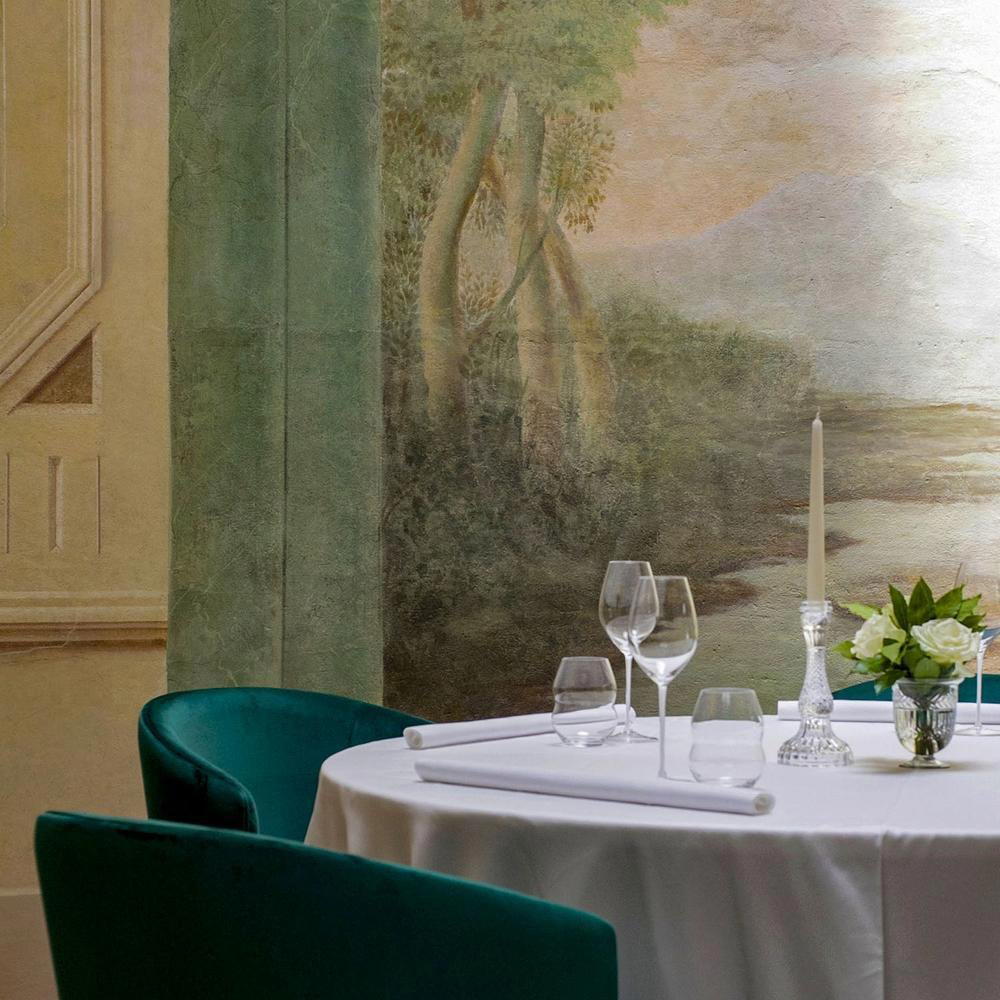
A Warehouse Reborn
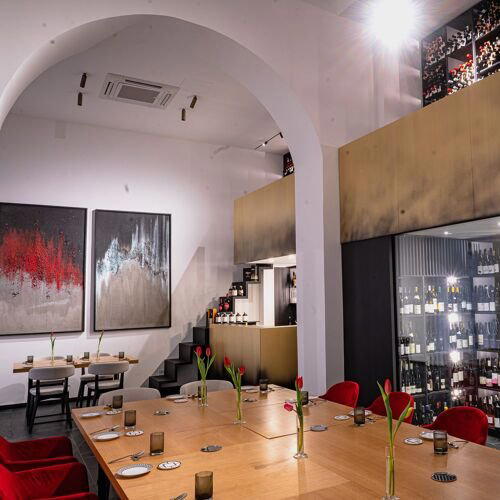
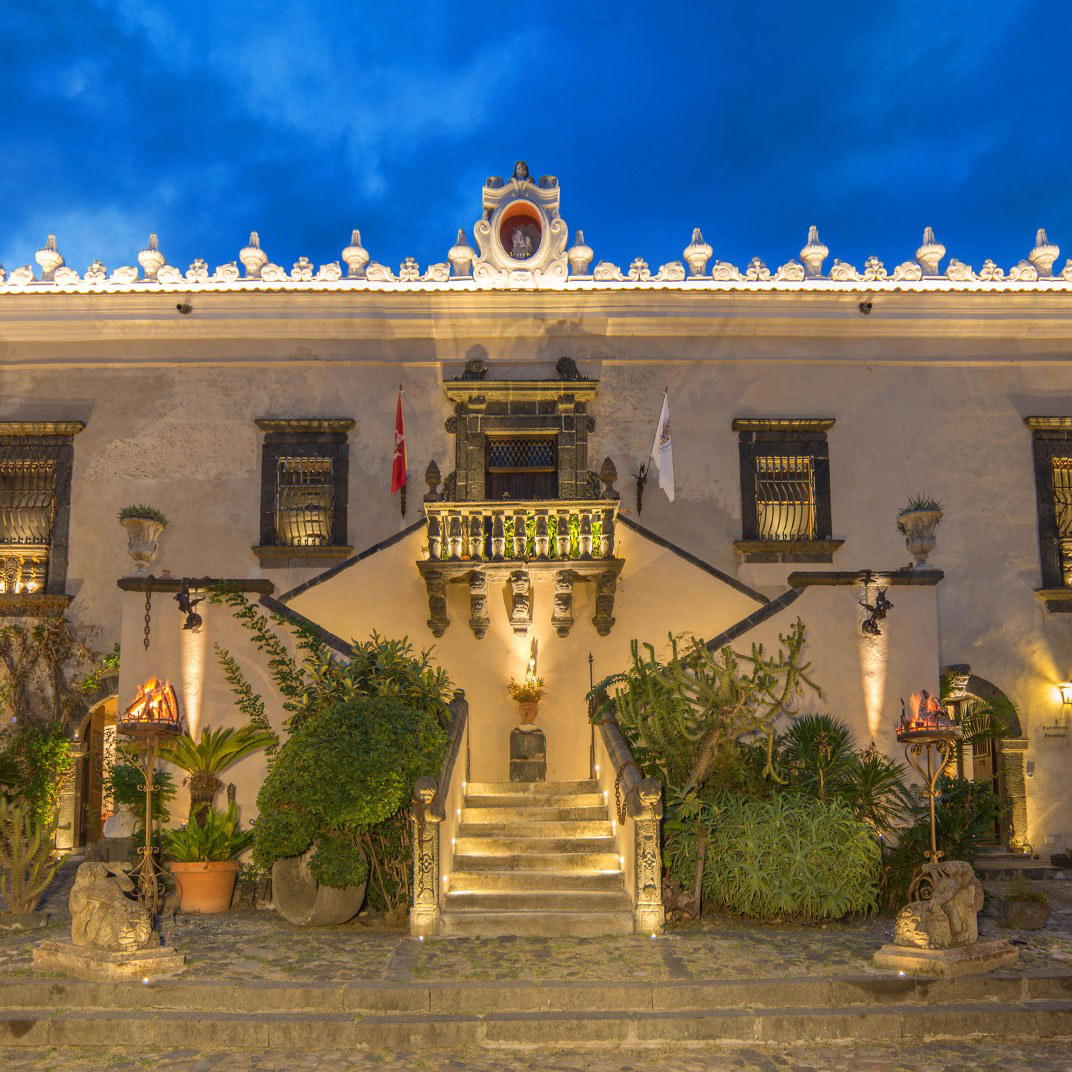
Catania's fine dining scene has long operated in the shadow of Palermo's larger culinary profile, yet the city's volcanic-soil produce, proximity to the sea, and a tightening cohort of serious kitchens have made it one of southern Italy's more compelling places to eat. Sapio sits squarely inside that shift. The address, Piazza Gandolfo Antonino in the city's central fabric, brings you to a former warehouse that has been restored without erasing its bones: high ceilings, structural depth, and a material honesty that many contemporary Sicilian restaurants try to manufacture but few inherit. Walking in, the architecture does the atmospheric heavy lifting before a single dish arrives.
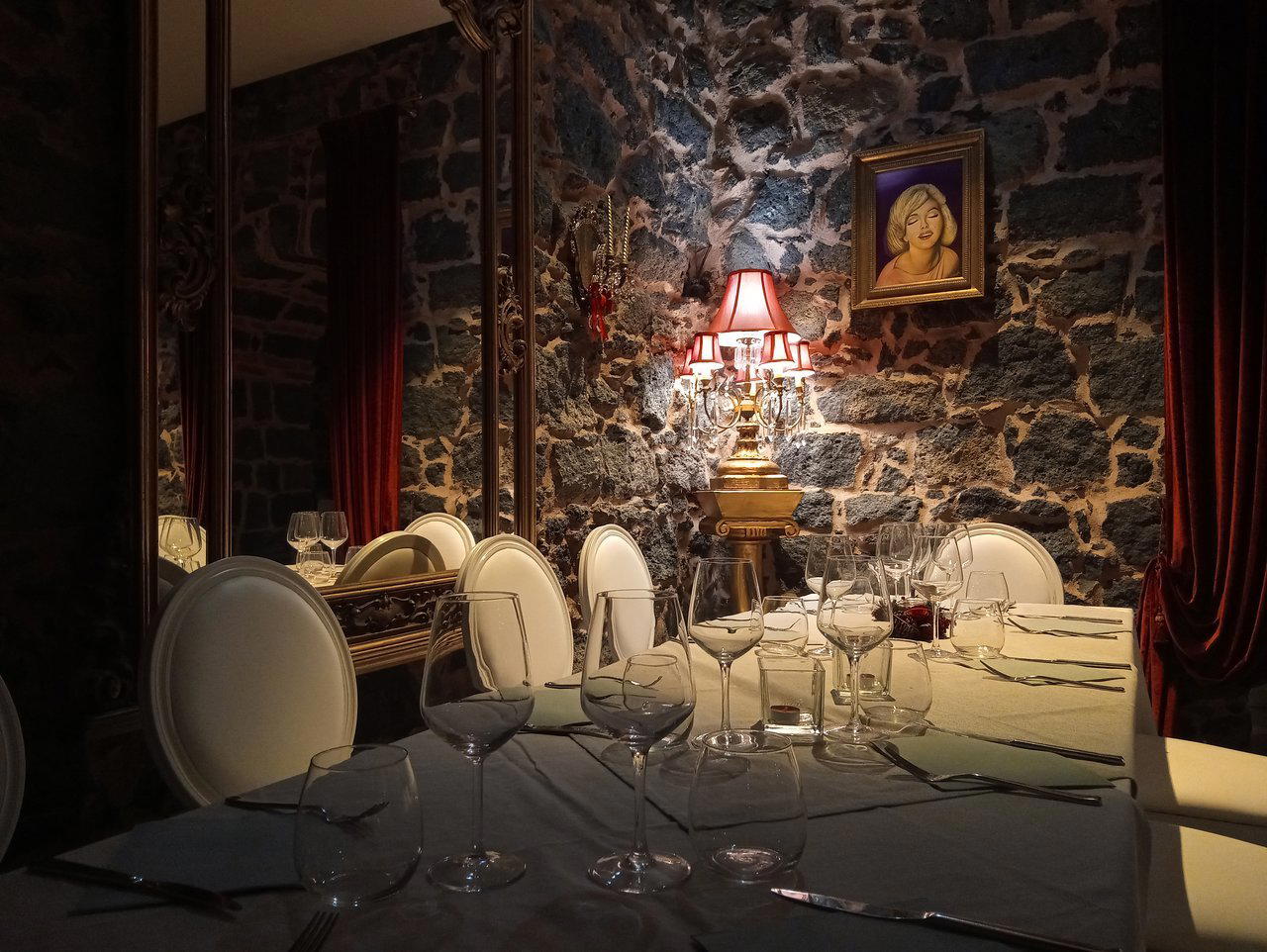
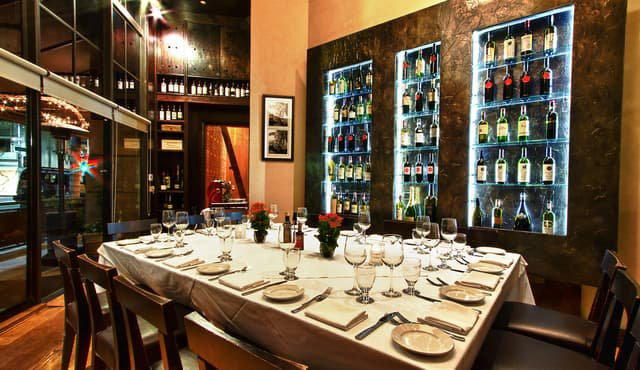
The space divides into three distinct zones, each with its own register. The main dining room carries the formal weight of the evening: considered lighting, clean lines, and a rotation of artworks by Sicilian artists and others from further afield that gives the room a gallery quality without the sterility. A chef's table positioned inside the spacious kitchen pulls the curtain back on the production side, a format that has become shorthand across Italy for a kitchen confident enough in its process to let guests watch. The wine cellar, where tables sit surrounded by bottles sourced exclusively from Sicilian producers, offers the most convivial setting of the three, a room that feels more like a collector's private dining room than a conventional restaurant annex.
Sicilian Ingredients as the Argument
Across Italy's most recognised kitchens, from Osteria Francescana in Modena to Enoteca Pinchiorri in Florence, the dominant editorial argument of the last decade has been terroir specificity: the idea that the finest cooking is inseparable from the ground it comes from. In Sicily, that argument has particular force. The island's volcanic soils, long sun exposure, and altitude variation from coast to interior produce olive oils, citrus, tomatoes, and vegetables with a concentration and character that mainland Italian produce rarely matches. Chef Alessandro Ingiulla, recognised by Michelin for creating cuisine that showcases these ingredients with both skill and imagination, grounds the kitchen's output in produce from his own garden, a direct material link between the soil and the plate that removes one layer of supply-chain attenuation.
This is the approach that separates the upper tier of Sicilian fine dining from restaurants that use island provenance as a marketing note while sourcing conventionally. At comparable addresses, including La Capinera in Taormina and I Pupi in Bagheria, the same commitment to hyperlocal sourcing has defined the credibility of the kitchen. Sapio's approach places it in that cohort: modern in execution but anchored to the island's actual agricultural reality rather than a stylised version of it.
Where Sapio Sits in Catania's Restaurant Tier
Catania's dining options span a wide range of formats and price points. At the accessible end, Me Cumpari Turiddu operates at € pricing with a Sicilian trattoria register. Materia | Spazio Cucina occupies the €€ bracket with a more contemporary Sicilian lens. At €€€, Coria and Angiò-Macelleria di Mare offer Italian contemporary and seafood-focused menus respectively, while Ménage provides another creative option in the same bracket. Sapio's €€€€ positioning places it at the apex of Catania's current dining tier, in direct competition with the island's most recognised kitchens rather than the city's broader casual scene.
That pricing reflects both the sourcing model and the format. The Michelin recognition contextualises the positioning: this is a kitchen operating at a level where the comparison set is national, not just local. The peer restaurants elsewhere in Italy, such as Enrico Bartolini in Milan, Quattro Passi in Marina del Cantone, Dal Pescatore in Runate, and Atelier Moessmer Norbert Niederkofler in Brunico, share the same commitment to sourcing rigour and kitchen maturity that Michelin uses as its primary evaluative lens.
The Service Architecture
Front of house at this level of Italian fine dining tends to operate in one of two modes: formal to the point of constraint, or warm in a way that tips into informality. Sapio's service, led by Roberta Cozzetto on the floor and Andrea as sommelier, has drawn specific Michelin commentary for its courteous and elegant register, a designation that implies the better end of the formal-warm balance. Andrea's wine programme, built around Sicilian producers, brings the island's underrated viticulture into the room. Etna's reds and whites have gained international traction over the past decade, and a cellar that spans the breadth of the island's appellations functions as an education in how much range Sicily actually produces beyond the better-known Nero d'Avola and Nerello Mascalese.
Planning Your Visit
Sapio operates Tuesday through Sunday, with dinner service from 7:30 PM to 11:30 PM; Monday is the kitchen's day off. For a kitchen at this price tier with Michelin attention and a multi-zone format, booking ahead is advisable, particularly for the chef's table in the kitchen, which offers a different experience from the main dining room and presumably has limited availability. The Piazza Gandolfo Antonino address is in the urban fabric of central Catania; the Michelin commentary notes that nearby parking requires patience, which is worth factoring into arrival logistics, particularly on weekend evenings when the area is active.
For visitors building a full Catania itinerary around Sapio, the city's wider offer is worth exploring: see our full Catania restaurants guide, Catania hotels guide, Catania bars guide, Catania wineries guide, and Catania experiences guide for a complete picture of what the city offers at every tier.
| Venue | Cuisine | Price | Awards |
|---|---|---|---|
| SapioThis venue — the venue you are viewing | Sicilian | €€€€ | Not listed |
| Coria | Italian Contemporary | €€€ | Michelin 1 Star |
| Me Cumpari Turiddu | Sicilian | € | Sicilian, € |
| Angiò-Macelleria di Mare | Seafood | €€€ | Seafood, €€€ |
| Materia | Spazio Cucina | Sicilian | €€ | Sicilian, €€ |
| Concezione Restaurant | Creative | €€€ | Creative, €€€ |
Recognition history
Dated appearances from independent guides and award organizations, with the underlying list record or original source where available.
Michelin 1 Star
Michelin
Michelin 1 Star
Michelin
Michelin 1 Star
Michelin
Continue exploring
More in Catania
Restaurants in Catania
Browse all →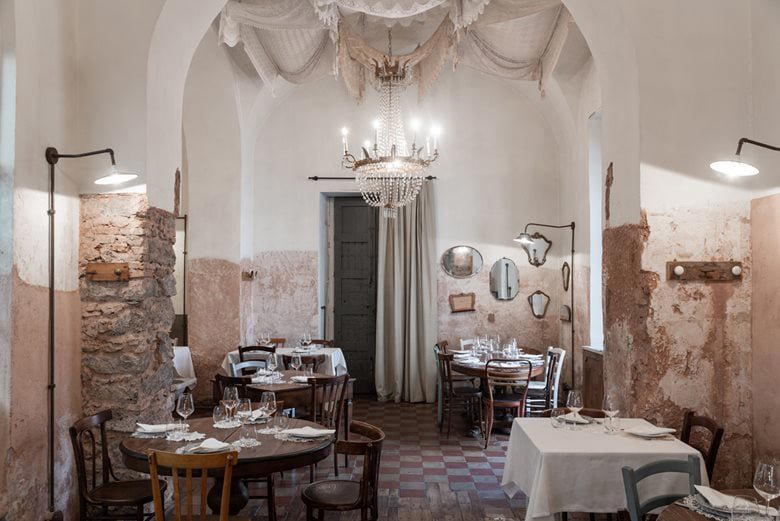
Bars in Catania
Browse all →
Hotels in Catania
Browse all →


At a Glance
- Elegant
- Sophisticated
- Modern
- Intimate
- Date Night
- Special Occasion
- Celebration
- Business Dinner
- Open Kitchen
- Wine Cellar
- Private Dining
- Extensive Wine List
- Sommelier Led
- Local Sourcing
- Farm To Table
Current opening hours
- Monday
- Closed
- Tuesday
- 7:30–11:30 PM
- Wednesday
- 7:30–11:30 PM
- Thursday
- 7:30–11:30 PM
- Friday
- 7:30–11:30 PM
- Saturday
- 7:30–11:30 PM
- Sunday
- 12:30–2:30 PM, 7:30–11:30 PM
Hours can change for holidays and private events. Last verified .
Refined and minimalist interior with art reminiscent of Etna, fresh and strictly furnished with strong elegant personality; intimate lighting and sophisticated atmosphere without pretension.
Know Before You Go
- Getting there
- Piazza Gandolfo Antonino, 11, 95131 Catania CT, Italy