
Volcanic artistry meets modern Italian finesse at Coria in Catania, where Etna-inspired art, a Michelin-lauded kitchen, and a stellar sommelier craft refined Sicilian-accented tasting menus in a serene, elegant setting.
Pearl is the En Primeur Club membership app — saves, bookings, and concierge access live there. Same editors, same standards.
- Address
- Via Prefettura, 21, 95124 Catania CT, Italy
- Phone
- +39 095 286 4291
- Website
- ristorantecoria.it
- Directions
- Get directions
 Saves & bookings on Pearl
Between the Palazzi: Contemporary Italian Cooking in Central Catania
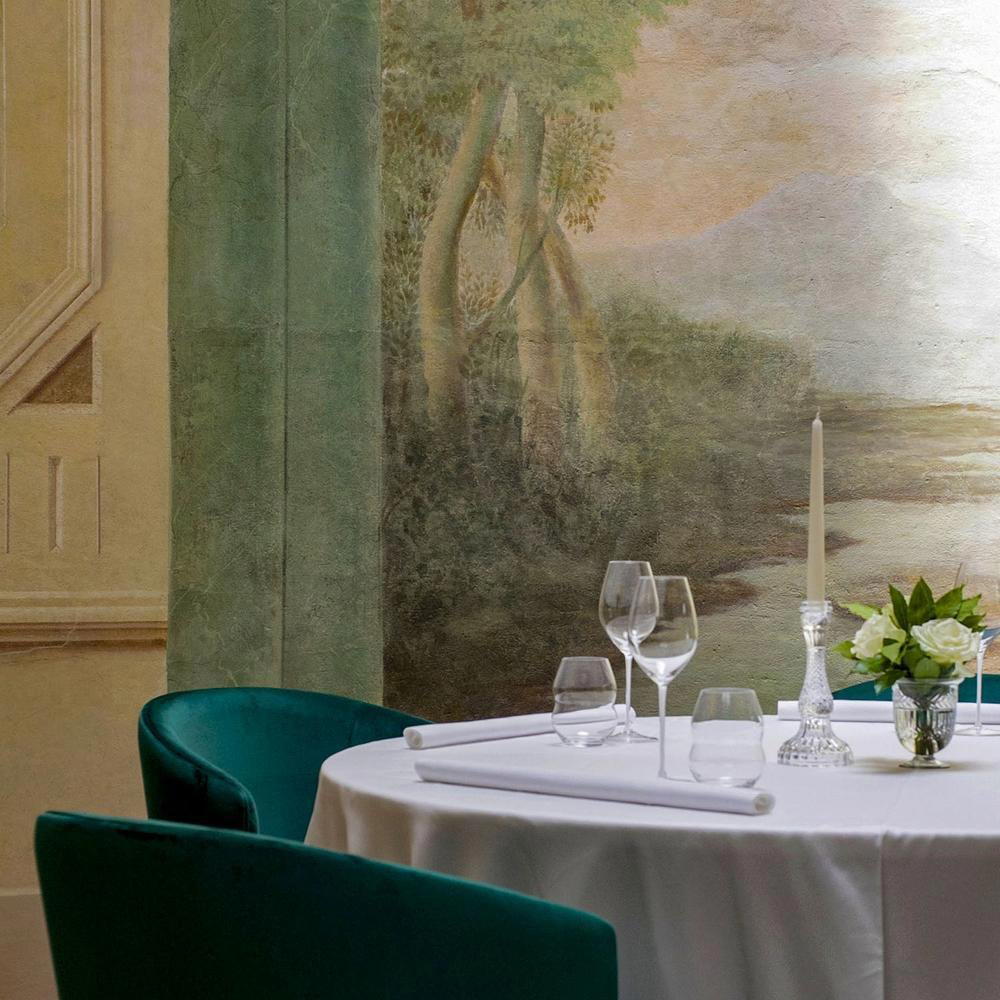
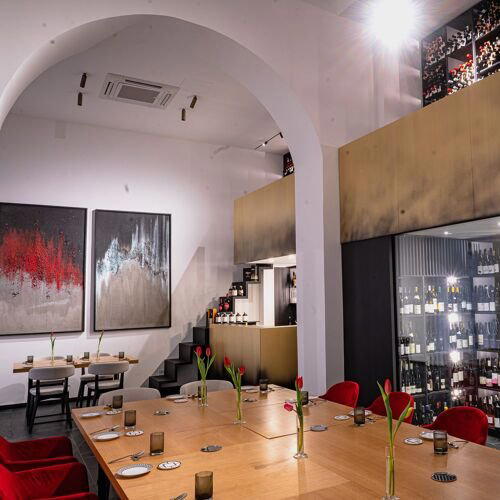
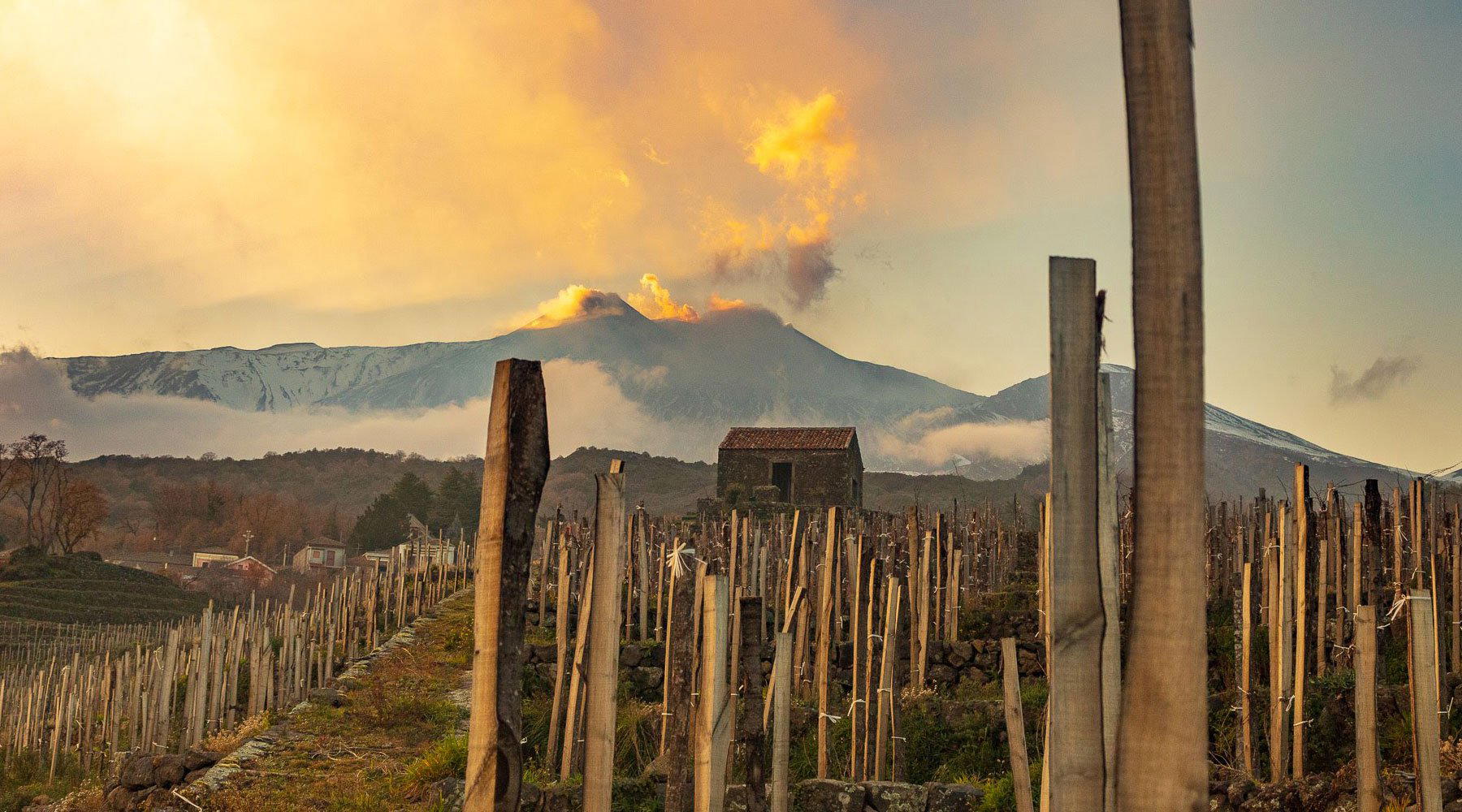
Via Prefettura runs through a part of Catania where the baroque architecture of the historic centre starts to give way to wider avenues lined with oleander. The period palazzi that frame this stretch of street set a particular register — one that Coria, occupying a room inside this urban fabric, matches with an interior that balances simplicity against considered detail. Works by Sicilian painter Nunzio Fisichella, whose practice centres on depicting Etna across its many atmospheric states, hang throughout the dining room, grounding the space in place without turning it into a folkloric backdrop.
Catania's serious restaurant tier has expanded over the past decade, with a cluster of addresses in the €€€ bracket now competing across different culinary philosophies. Concezione Restaurant tilts creative, Angiò-Macelleria di Mare focuses the lens tightly on seafood, and Materia | Spazio Cucina anchors itself in Sicilian tradition. Coria occupies a distinct position among them: Italian contemporary cooking that draws on Sicilian ingredients and technique without subordinating itself entirely to regional identity. The frame is broader Italy; Sicily arrives as inflection rather than thesis.
The Michelin Trajectory and What It Signals
Coria carries a Michelin star as of 2024, recognition that follows the restaurant across its move from its former premises in Caltagirone to its current address in the Catania city centre. That continuity of recognition matters in a region where starred restaurants tend to cluster in resort towns and island destinations rather than in urban centres operating year-round. The guide notes the restaurant as an "old acquaintance" — language that signals sustained rather than sudden quality. Within Sicily's broader constellation of recognised addresses, that kind of consistent Michelin relationship places Coria in a different bracket from newer entrants. For a wider sense of how Italy's contemporary fine dining tier is structured, the reference points range from Osteria Francescana in Modena and Le Calandre in Rubano at the leading end, through to city-based starred rooms like Enrico Bartolini in Milan, Coria sits in that Italian contemporary tradition, operating at the starred level from a city that does not always receive the same critical attention as Milan, Florence, or Rome.
Italian Contemporary Through a Sicilian Lens
The cuisine at Coria is described by the Michelin guide as delicate, focused on Italy with Sicilian influences arriving through ingredients, sauces, and cooking technique. That phrasing is worth unpacking. Contemporary Italian cooking at this level tends to work through a tension between national culinary grammar and regional dialect, the question is always how much the local asserts itself. At Coria, the balance sits closer to the Italian end: Sicilian flavours appear without forcing the register into something more overtly regional, the kind of approach that allows the kitchen to move fluidly between the island's pantry and a broader Italian framework.
The grilled quail, prepared in Sicilian style, and the Minnuzza di Sant'Agata, stuffed cuttlefish with potato foam and candied lemon, illustrate this balance. The cuttlefish dish draws its name from one of Catania's most significant religious traditions, the feast of Sant'Agata, while the preparation involves technical decisions (foam, candied citrus) that place it squarely within contemporary Italian cooking rather than purely traditional Sicilian cuisine. The quail, meanwhile, demonstrates that the kitchen's restraint reads as confidence rather than absence: a well-sourced bird, correctly cooked, with Sicilian flavouring applied at the right point in the process. These are the kinds of dishes that reward attention without requiring explanation.
On Pasta Tradition in the Contemporary Sicilian Kitchen
Contemporary Italian restaurants at the starred level across Sicily navigate a specific tension around pasta. The island has a distinct handmade pasta tradition, busiate, mafaldine, pasta con le sarde, but the contemporary cooking format at Coria's price tier often pushes toward more restrained, technically precise applications. Sicily's pasta identity has historically been shaped as much by dried pasta culture as by fresh, owing to centuries of durum wheat production across the interior. The finest contemporary Sicilian kitchens use this as an asset rather than a constraint, finding ways to work within the dried pasta tradition while applying contemporary technique to sauce, timing, and sourcing. At Coria, the broader Italian frame of the menu suggests pasta courses that move between these registers, though the specific pasta compositions in the current menu are not detailed in the public record.
What is clear from the kitchen's documented approach is that restraint governs the plate. The philosophy, as described in the Michelin text, is one where "nothing is forced", a phrase that applies as directly to pasta construction as to any other course. In a dining culture where handmade shapes can easily become vehicles for theatrical presentation, that stated restraint implies a kitchen more interested in how flavour is built than in how a dish photographs.
The Wine Program: Sicily, Italy, and Europe
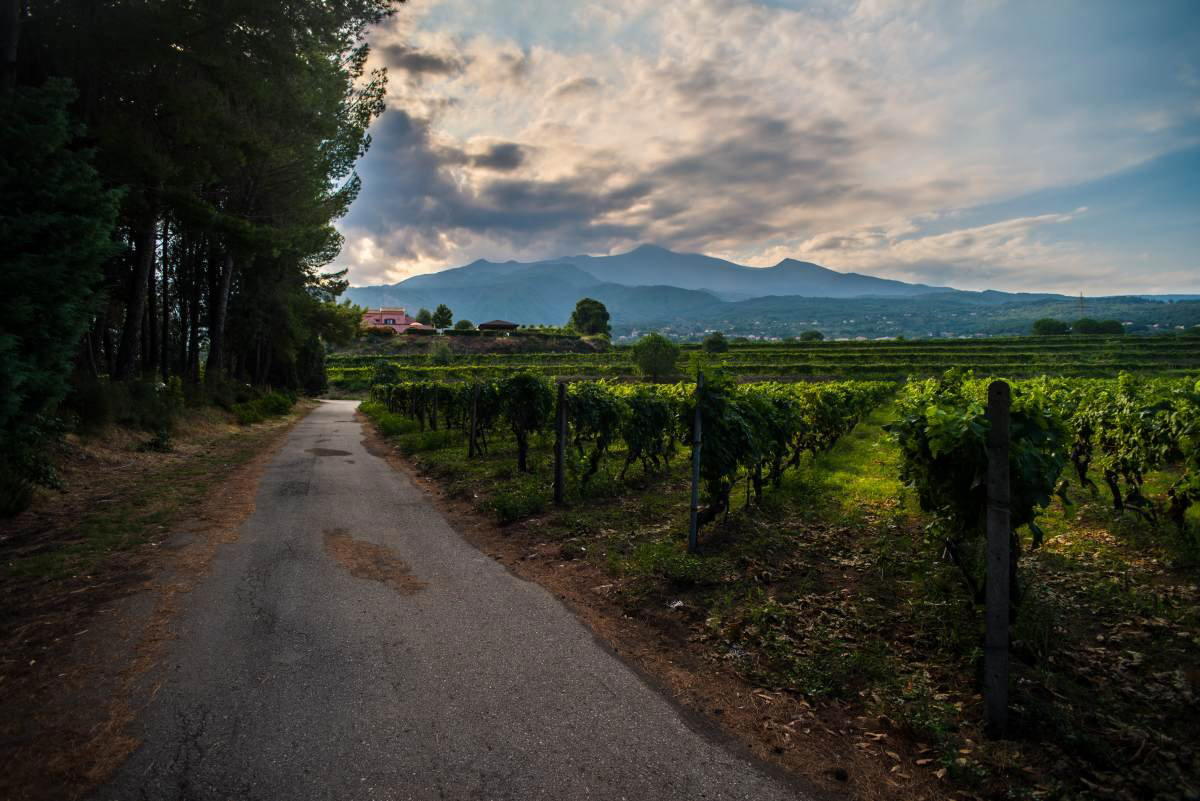
The sommelier at Coria is flagged explicitly in the Michelin assessment, with emphasis on the ability to contextualise each wine's region of origin whether the bottle comes from Sicily, mainland Italy, or elsewhere in Europe. That framing suggests a list with genuine geographic breadth rather than a purely Etna-centric selection, which would be the easier, more predictable route for a starred restaurant in this city. Sicily's wine identity has shifted considerably in the past two decades, with Etna Rosso and Etna Bianco now attracting international attention at a level that gives a knowledgeable sommelier real material to work with. Nerello Mascalese from the volcano's slopes, with its pinot-adjacent lightness and mineral spine, has become a serious reference point for European sommeliers; a Catanian starred room is well positioned to present it in depth.
The Michelin text closes its wine section with a specific recommendation: a glass of Marsala stravecchio from Intorcia. Marsala at the stravecchio level (aged a minimum of ten years) is a dessert wine with genuine complexity that the broader market largely ignores in favour of the sercial and fine categories. Singling it out as a closing recommendation indicates a list that takes Sicilian wine tradition seriously at both ends of the age spectrum. For further context on how Italian restaurants at this level approach wine programming, Enoteca Pinchiorri in Florence represents one reference point, and Atelier Moessmer Norbert Niederkofler in Brunico another, though the regional specificity at Coria reflects a tighter, more geographically grounded curatorial logic.
Coria in the Catania Dining Context
Catania operates as a year-round city rather than a seasonal resort, which shapes how its restaurant tier functions. The €€€ bracket in Catania is occupied by restaurants with distinct identities rather than converging toward a single style. Me Cumpari Turiddu and Ménage anchor different ends of the Sicilian tradition. Coria's Italian contemporary framing places it closer to the approach seen at Italian contemporary rooms elsewhere in the country, Agli Amici in Rovinj or L'Olivo in Anacapri offer comparable reference points for the format, though each operates in a very different geographical context. In Catania, Coria's position as the city's Michelin-starred Italian contemporary address gives it a clear identity within a competitive set that otherwise skews toward more explicitly Sicilian registers.
Planning Your Visit
Coria sits at Via Prefettura, 21 in the historic centre of Catania, within the zone of period palazzi that defines the city's formal core. The restaurant is open Tuesday through Saturday for both lunch (12:30–14:30) and dinner (19:30–22:00), and is closed on Mondays and Sundays. The €€€ price range places it at the upper end of Catania's restaurant tier without reaching the extremes of four-symbol pricing. For broader trip planning, consult our full Catania restaurants guide, our full Catania hotels guide, our full Catania bars guide, our full Catania wineries guide, and our full Catania experiences guide. A cross-reference with Dal Pescatore in Runate gives a sense of how Italy's long-standing starred rooms operate by comparison, Coria shares the continuity of recognition but applies it to a decidedly southern Italian context.
Category Peers
| Venue | Cuisine | Price | Awards |
|---|---|---|---|
| CoriaThis venue — the venue you are viewing | Italian Contemporary | €€€ | Michelin 1 Star |
| Me Cumpari Turiddu | Sicilian | Not listed | Sicilian, € |
| Sapio | Sicilian | Not listed | Sicilian, €€€€ |
| Angiò-Macelleria di Mare | Seafood | Not listed | Seafood, €€€ |
| Materia | Spazio Cucina | Sicilian | Not listed | Sicilian, €€ |
| Concezione Restaurant | Creative | Not listed | Creative, €€€ |
Recognition history
Dated appearances from independent guides and award organizations, with the underlying list record or original source where available.
Michelin 1 Star
Michelin
Michelin 1 Star
Michelin
Michelin 1 Star
Michelin
Continue exploring
More in Catania
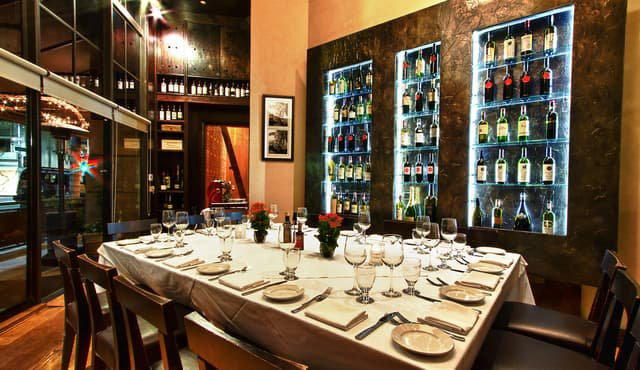
Restaurants in Catania
Browse all →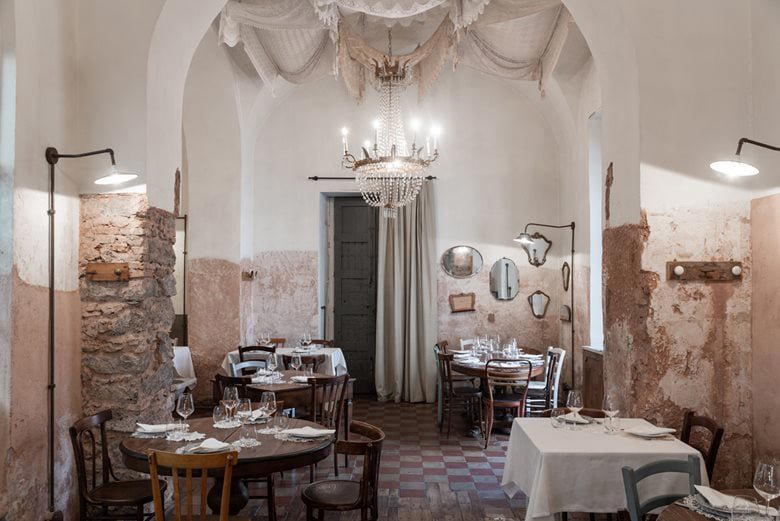
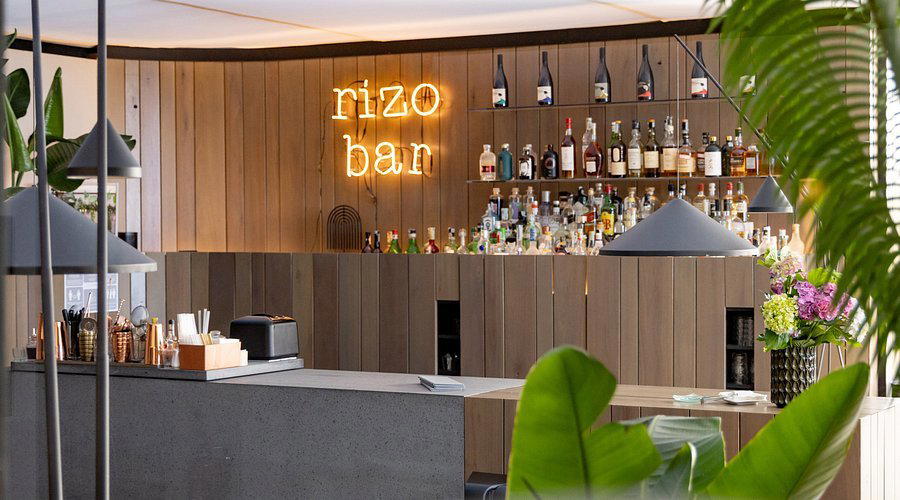
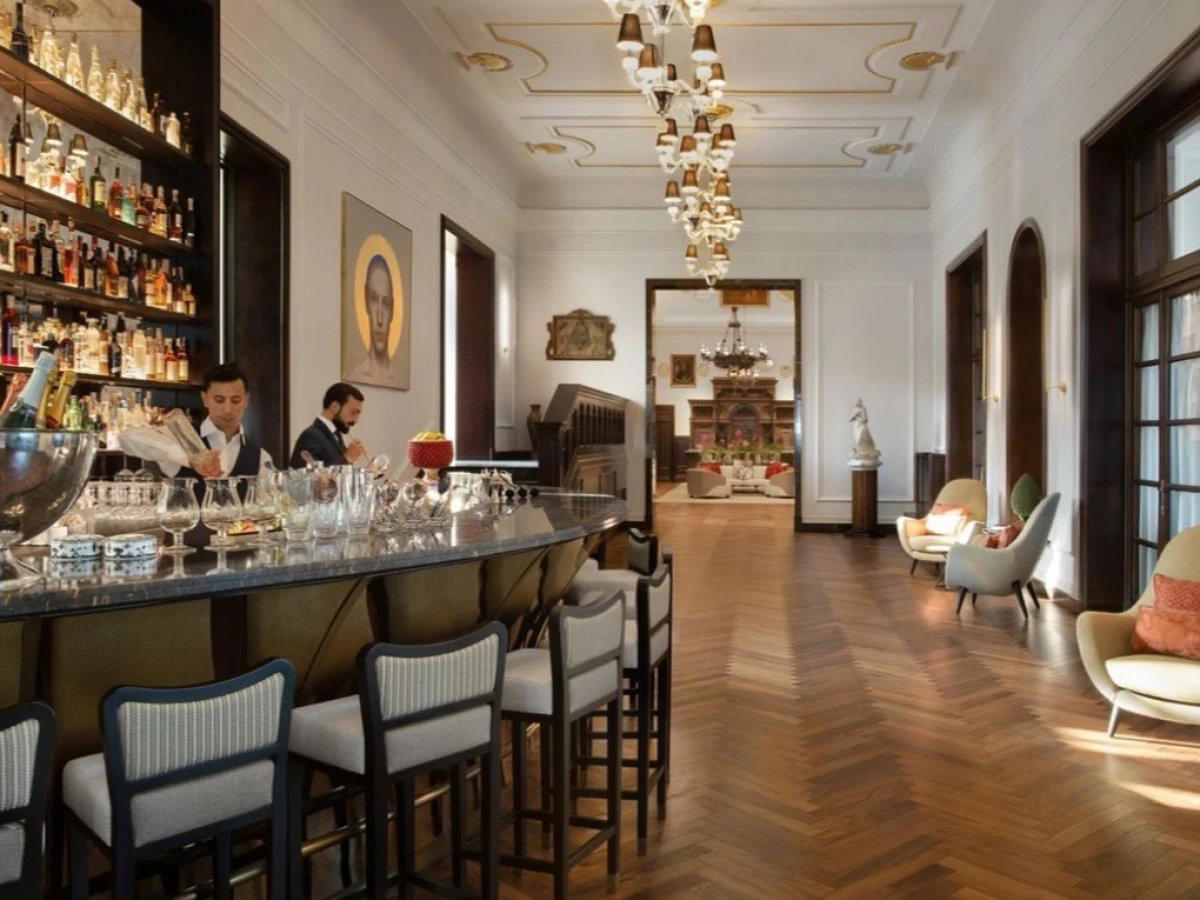
Bars in Catania
Browse all →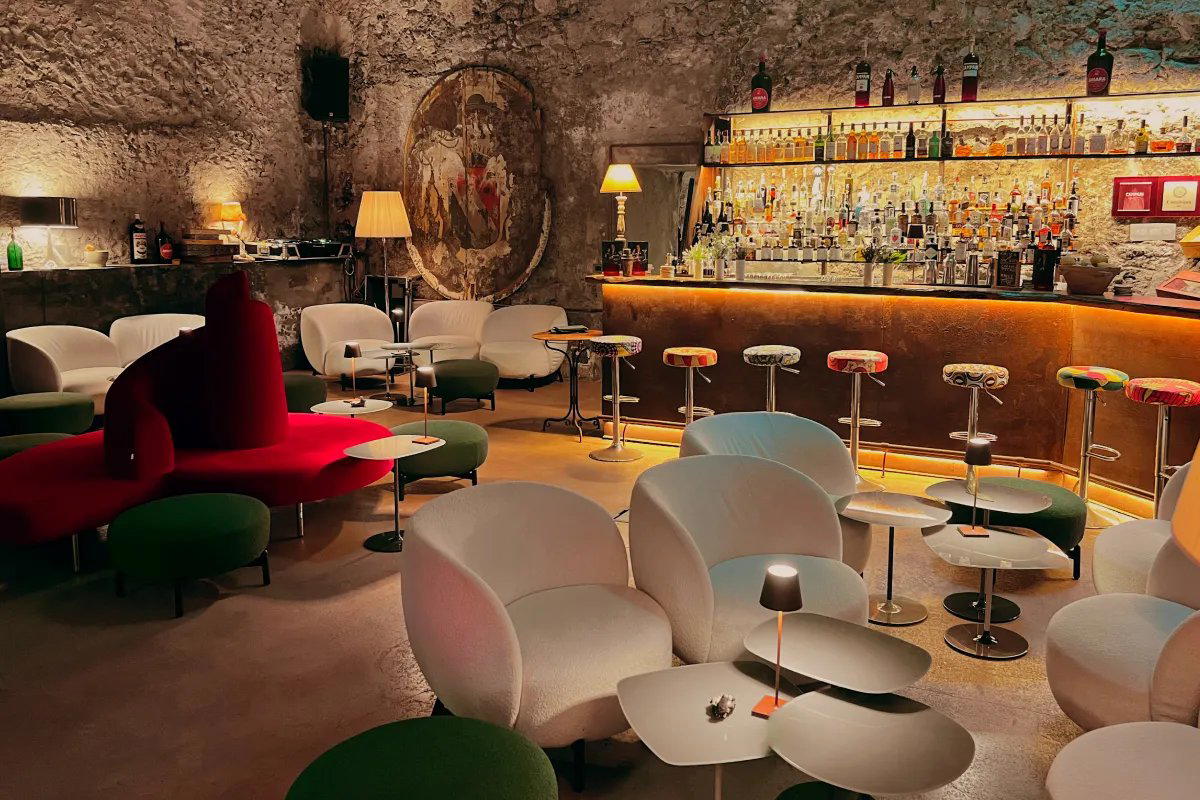
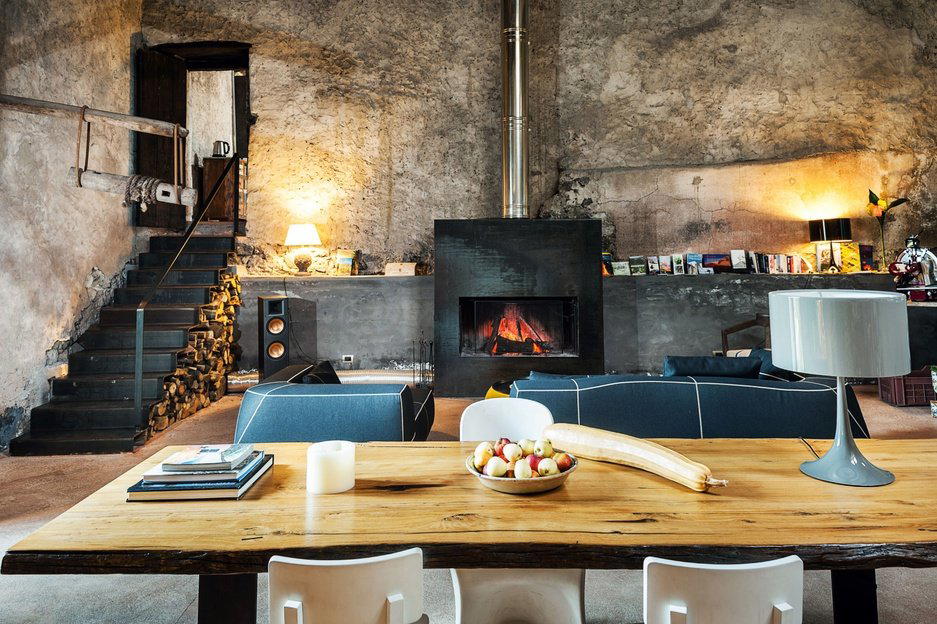
Hotels in Catania
Browse all →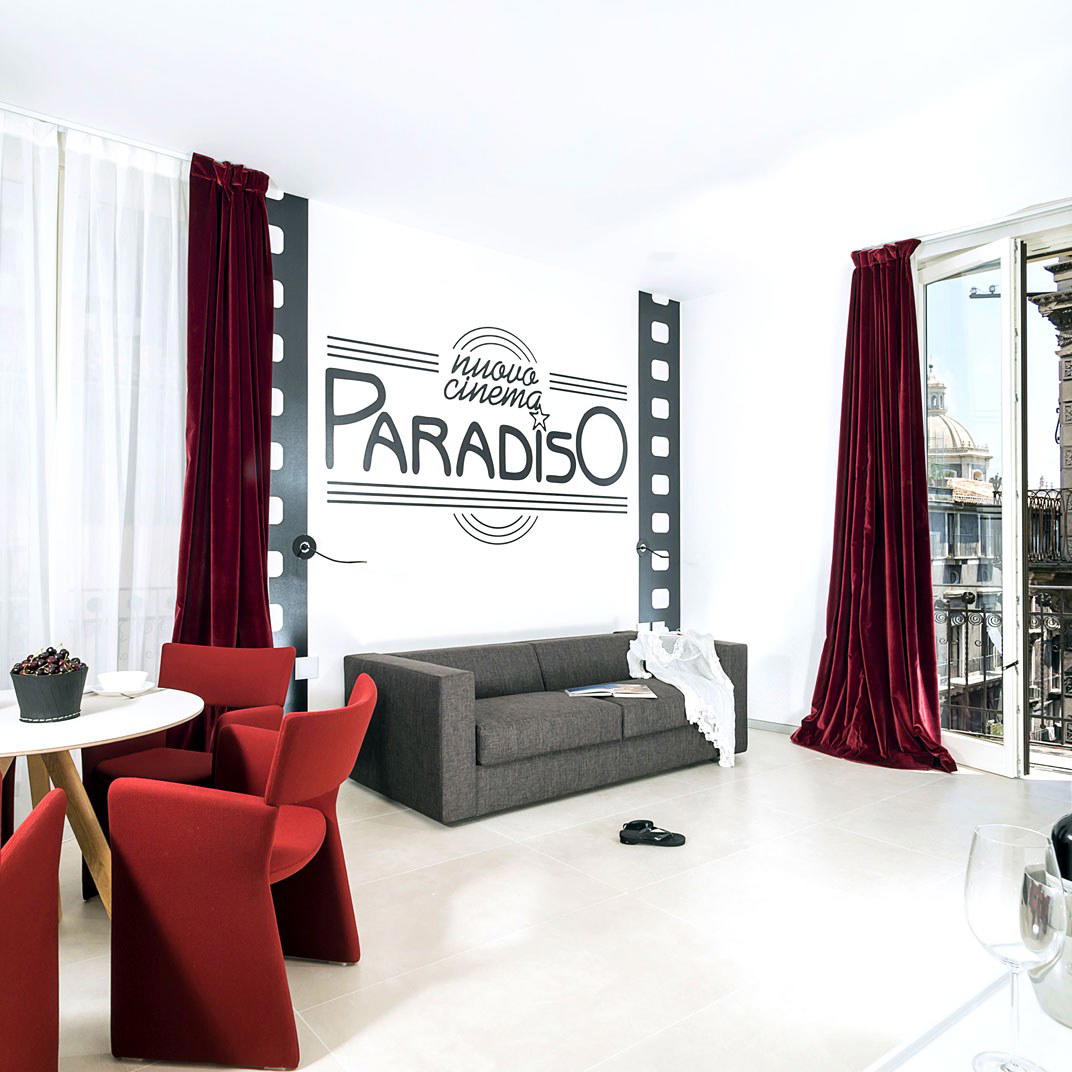

At a Glance
- Elegant
- Intimate
- Sophisticated
- Modern
- Date Night
- Special Occasion
- Celebration
- Business Dinner
- Open Kitchen
- Historic Building
- Design Destination
- Standalone
- Extensive Wine List
- Sommelier Led
- Local Sourcing
- Farm To Table
Current opening hours
- Monday
- Closed
- Tuesday
- 7:30–10 PM
- Wednesday
- 12:30–2:30 PM, 7:30–10 PM
- Thursday
- 12:30–2:30 PM, 7:30–10 PM
- Friday
- 12:30–2:30 PM, 7:30–10 PM
- Saturday
- 12:30–2:30 PM, 7:30–10 PM
- Sunday
- 12:30–2:30 PM
Hours can change for holidays and private events. Last verified .
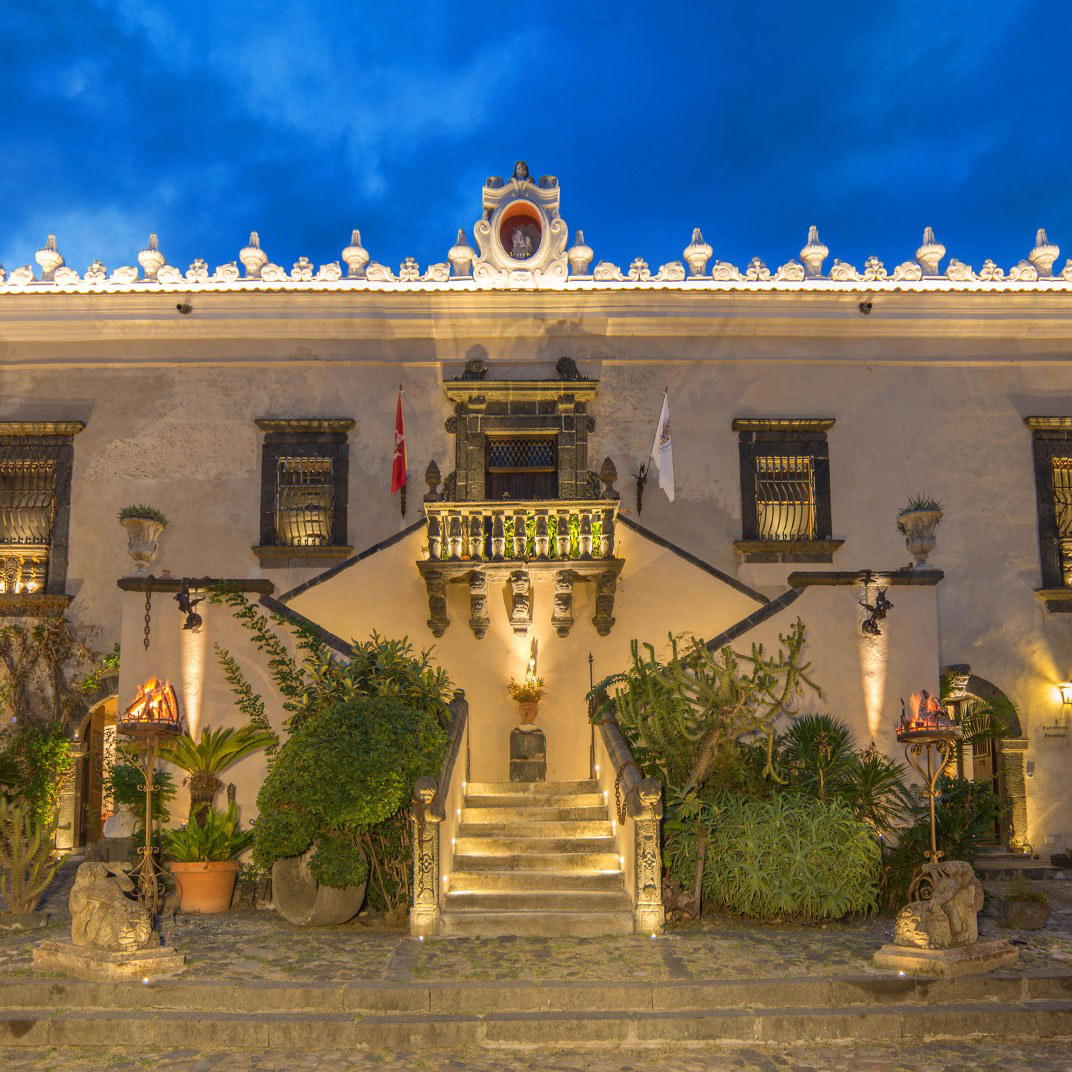
Warm, welcoming elegance enhanced by candlelight and works of art depicting Etna; refined yet intimate atmosphere with sophisticated decor in a historic building.
Know Before You Go
- Getting there
- Via Prefettura, 21, 95124 Catania CT, Italy