Planitzer sits in Gleno, a small settlement in South Tyrol's Bolzano province, where the Alpine farming tradition shapes what ends up on the plate. The address, Gleno di Sotto, deep in mountain terrain, places it firmly within a regional food culture built on altitude, seasonality, and short supply chains. For those tracking Italy's quieter dining scenes, Gleno warrants attention alongside the country's more celebrated restaurant destinations.
Pearl is the En Primeur Club membership app — saves, bookings, and concierge access live there. Same editors, same standards.
- Address
- Gleno di Sotto, 25, 39040 Gleno BZ, Italy
- Phone
- +39471819407
- Website
- planitzer.it
- Directions
- Get directions
 Saves & bookings on Pearl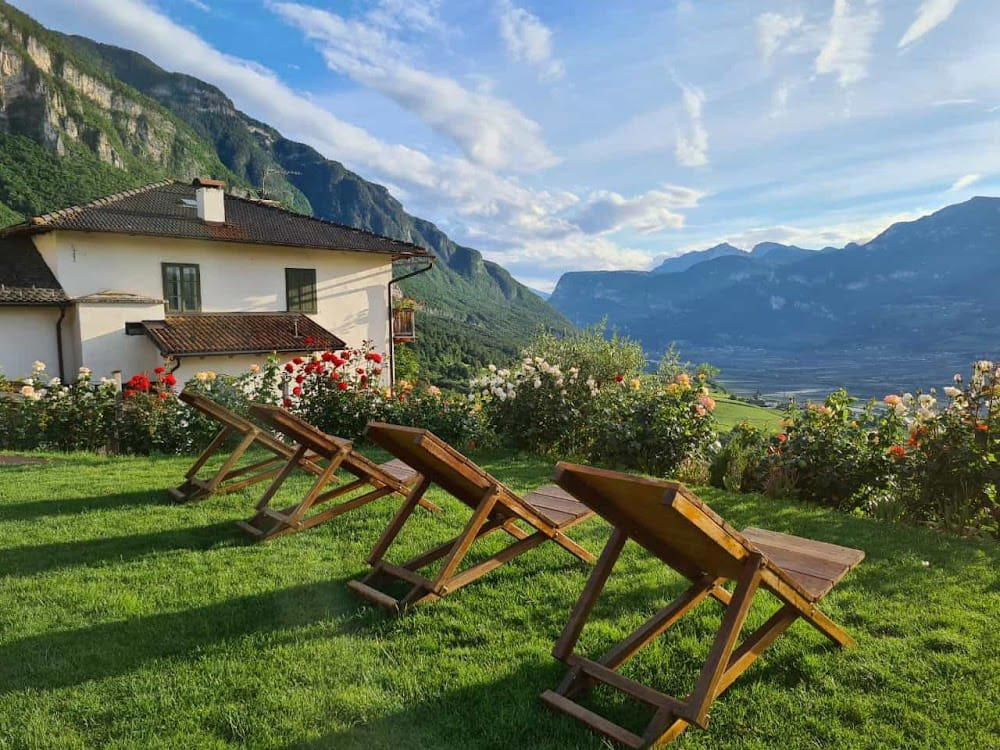
Where the Valley Determines the Menu
South Tyrol's food identity is built on altitude. The province of Bolzano sits at the crossroads of Italian and Austrian culinary tradition, and the villages that thread through its valleys, Gleno among them, have preserved a relationship with ingredients that larger towns largely abandoned decades ago. Here, what grows or grazes within reach is what gets cooked. That logic is not a trend; it is a structural feature of how mountain communities have fed themselves for generations, and it shapes the character of any serious table in the region.
Planitzer is a restaurant in Gleno, South Tyrol, serving traditional South Tyrolean Buschenschank cuisine at Gleno di Sotto 25 in the 39040 postal zone of Bolzano province. The settlement of Gleno sits at a remove from the provincial capitals and the tourist circuits of Merano or Bolzano city, which means the supply chain for a kitchen here is necessarily local. There are no wholesale markets within easy reach, no overnight deliveries from lowland distributors. What this enforces, in practice, is a sourcing discipline that wealthier urban restaurants often attempt to replicate through deliberate policy.
The Physical Approach and What It Signals
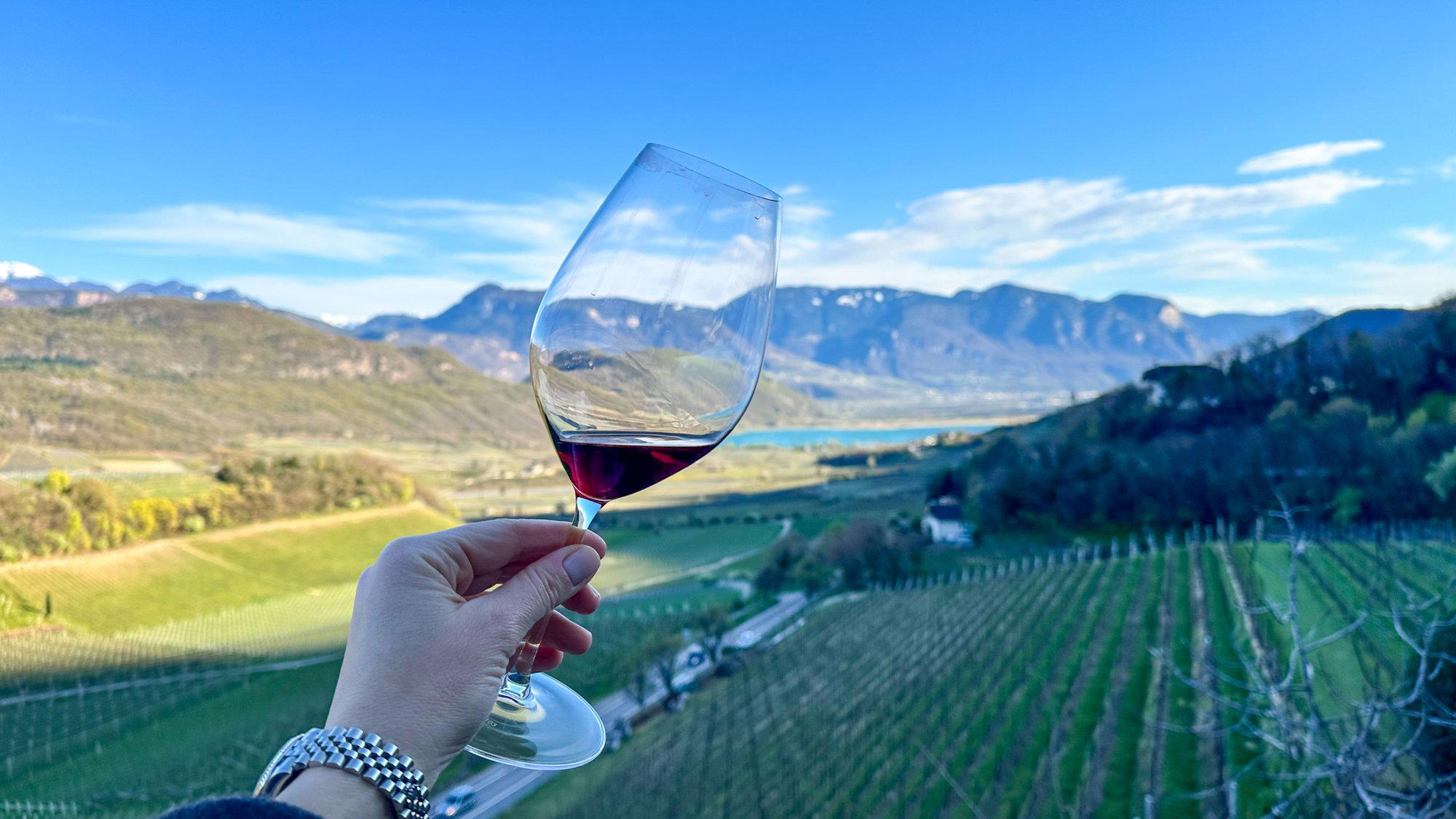
Arriving in Gleno means passing through the kind of terrain that makes ingredient provenance self-evident. Alpine meadows at these elevations support dairy herds that produce milk with a fat and mineral profile distinct from lowland equivalents, a difference that expresses itself in aged cheeses and butter in ways that laboratory analysis can confirm but that a tasting makes immediately legible. The mountain air, the grazing plant diversity, the shorter growing season: all of these are not marketing language but agronomic facts that translate directly into flavour.
The address itself, Gleno di Sotto, the lower part of the settlement, suggests a building embedded in the village rather than positioned above it. In South Tyrol, this typically means a structure that predates the postwar tourism boom, often a farmhouse or inn conversion where the walls carry the density of decades and the dining room feels less like a designed space and more like an inherited one. That quality of settledness, common in the region's better rural tables, is not easily manufactured.
South Tyrol's Ingredient Geography
Understanding what any serious kitchen in this part of Italy draws on requires a brief map of the region's larder. Speck Alto Adige, cured and cold-smoked pork, is produced under a protected geographical indication, meaning the pigs, the process, and the mountain air used in curing are all regulated. Wild herbs from higher elevations, including sorrel, yarrow, and alpine thyme, have shorter seasons here than in warmer zones, which compresses the window for certain preparations and makes timing a genuine constraint rather than a stylistic choice. River trout from valley streams, venison and chamois from controlled mountain hunts, and root vegetables that winter-store with a density absent in faster-grown lowland equivalents, these are the materials that define South Tyrolean cooking at its most grounded.
This regional ingredient context places Gleno within a broader conversation about how Italian mountain cuisine differs from the more celebrated coastal and lowland traditions. Where Quattro Passi in Marina del Cantone draws on the immediacy of Campanian seafood and Uliassi in Senigallia works the Adriatic's seasonal rhythms, a kitchen in Gleno operates from a fundamentally different larder, one defined by cold, altitude, and the compression of the growing calendar rather than by maritime abundance. Neither tradition is subordinate to the other; they represent distinct Italian food geographies with their own internal logic.
The Regional Table in a Wider Italian Frame
Italy's serious dining scene is geographically distributed in ways that reward attention beyond the obvious destinations. Osteria Francescana in Modena and Enoteca Pinchiorri in Florence anchor the national conversation, but the country's culinary depth runs through smaller localities where kitchen ambition meets restricted ingredient geography and produces something that metropolitan restaurants cannot reproduce on scale. Piazza Duomo in Alba makes the case for Piedmont's truffle and nebbiolo terroir; Reale in Castel di Sangro demonstrated that Abruzzo's mountain interior could sustain a kitchen of genuine international standing. South Tyrol's version of this argument runs through its cured meats, its aged cheeses, its alpine herbs, and its game.
The closest regional reference point with documented recognition is Atelier Moessmer Norbert Niederkofler in Brunico, which has built a rigorous kitchen identity around the premise that South Tyrolean ingredients, treated with precision rather than theatrical flourish, can sustain cooking at the highest level. That project, and others like it across the province, has established a credible regional frame into which smaller village tables like Planitzer in Gleno fit as quieter participants in the same sourcing tradition.
For broader context on Italy's fine dining range, the EP Club covers destinations from Le Calandre in Rubano and Dal Pescatore in Runate in the northeast and Po Valley through to Villa Crespi in Orta San Giulio, Da Vittorio in Brusaporto, Enrico Bartolini in Milan, and further south to La Pergola in Rome, Casa Perbellini 12 Apostoli in Verona, and Gambero Rosso in Marina di Gioiosa Ionica. The full range of Italy's restaurant scene, read through these locations together, makes clear how profoundly geography determines what a kitchen can reasonably aspire to. See our full Gleno restaurants guide for local context specific to this area.
Planning a Visit
Gleno is not a destination that rewards impulse travel. The village's remove from South Tyrol's main transport corridors means that reaching it typically involves a car, and visitors travelling from Bolzano or Merano should budget time for mountain road conditions that vary significantly by season. Winter access to high-altitude areas in this part of the province can be restricted, and the shoulder seasons of late spring and early autumn often offer particularly direct travel windows alongside the leading alignment with the regional ingredient calendar, the period when alpine herbs are at peak availability and before the hunting season closes.
Planitzer is recommended for reservations, and its regular opening hours are Thursday to Saturday from 12 to 9 PM and Sunday from 12 to 5 PM. South Tyrolean village restaurants often operate on schedules shaped by local custom rather than urban hospitality conventions, and confirming hours and availability in advance is practical rather than optional for anyone travelling a distance to reach the address.
At-a-Glance Comparison
Comparable venues nearby, for context on price, style, and recognition.
| Venue | Cuisine | Price | Notes |
|---|---|---|---|
| PlanitzerThis venue — the venue you are viewing | Traditional South Tyrolean Buschenschank | $$ | Not listed |
| Ebnicherhof | Traditional Tyrolean | $$ | Oberbozen |
| Trattoria Mainardo | South Tyrolean & Italian Trattoria | $$ | Center of Merano |
| Walther's | Italian Pizza with Tyrolean Influences | $$ | Piazza Walther |
| Vinus Hannes Weinbistro | South Tyrolean & Mediterranean Wine Bistro | $$ | Bressanone città |
| Zum Hirschen | South Tyrolean Pizzeria with Neapolitan Pizza | $$ | Vilpian |
Continue exploring
More in Gleno
Restaurants in Gleno
Browse all →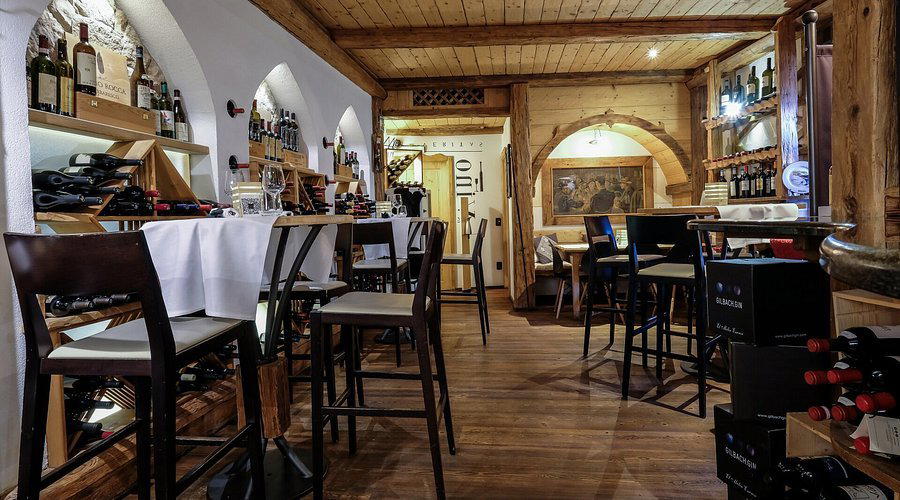
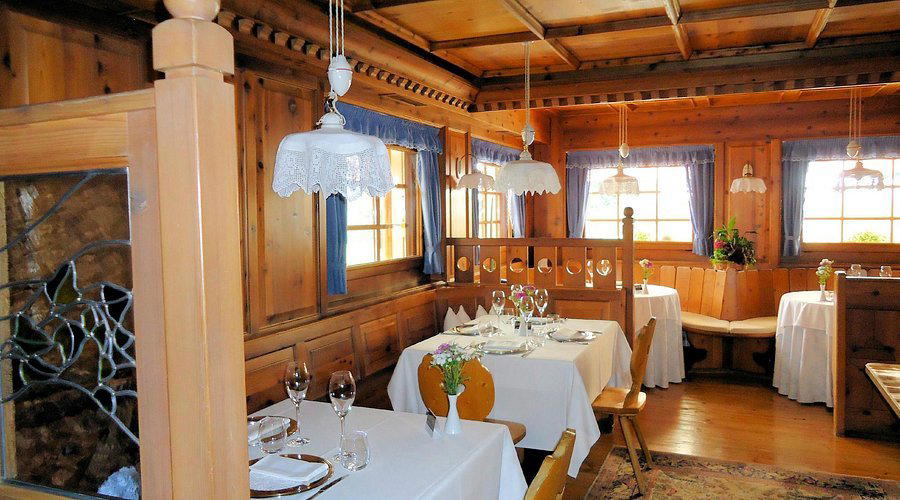
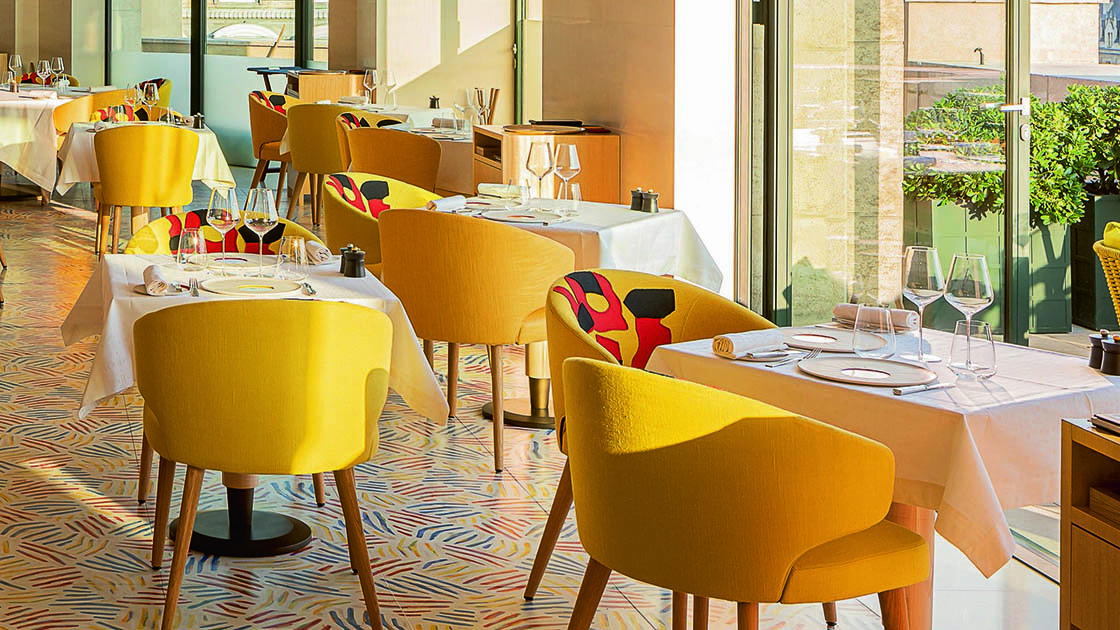
Bars in Gleno
Browse all →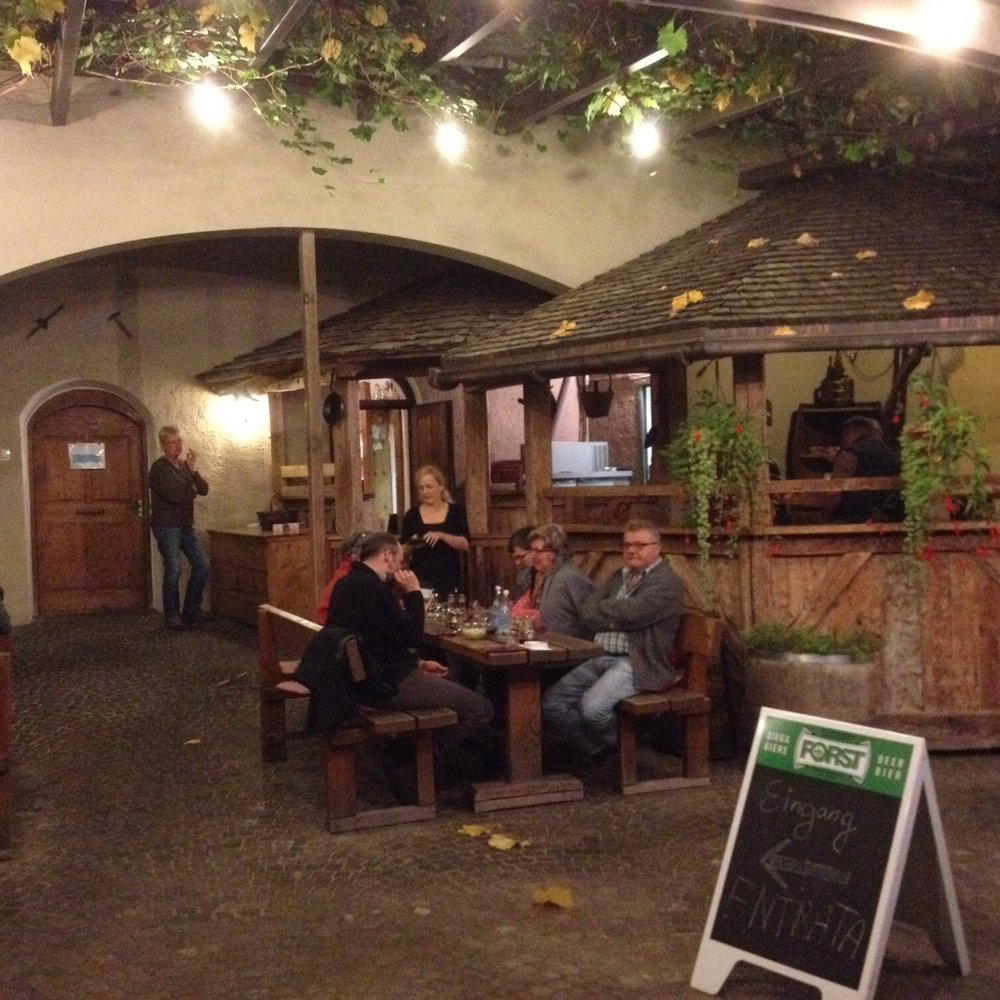
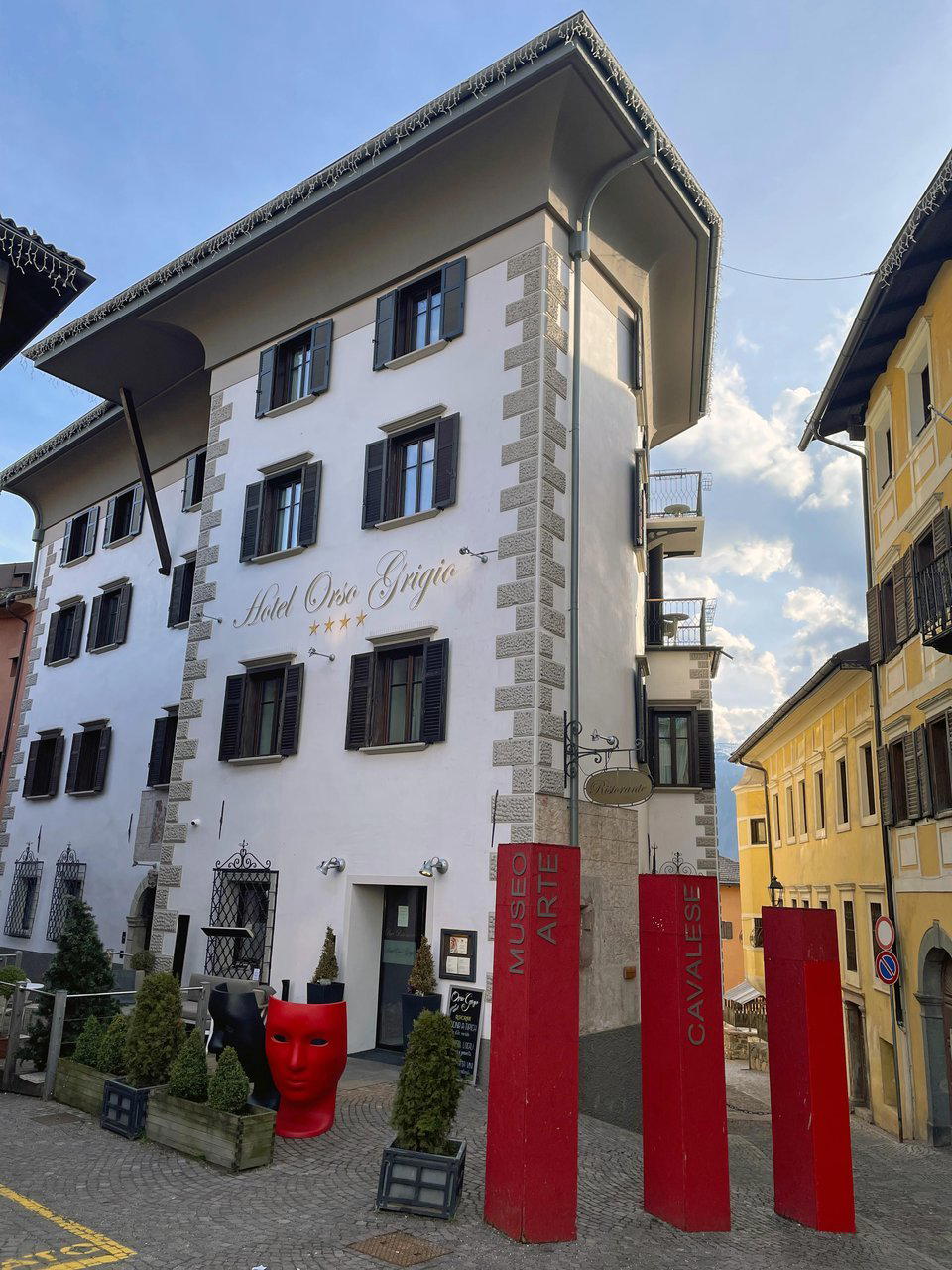
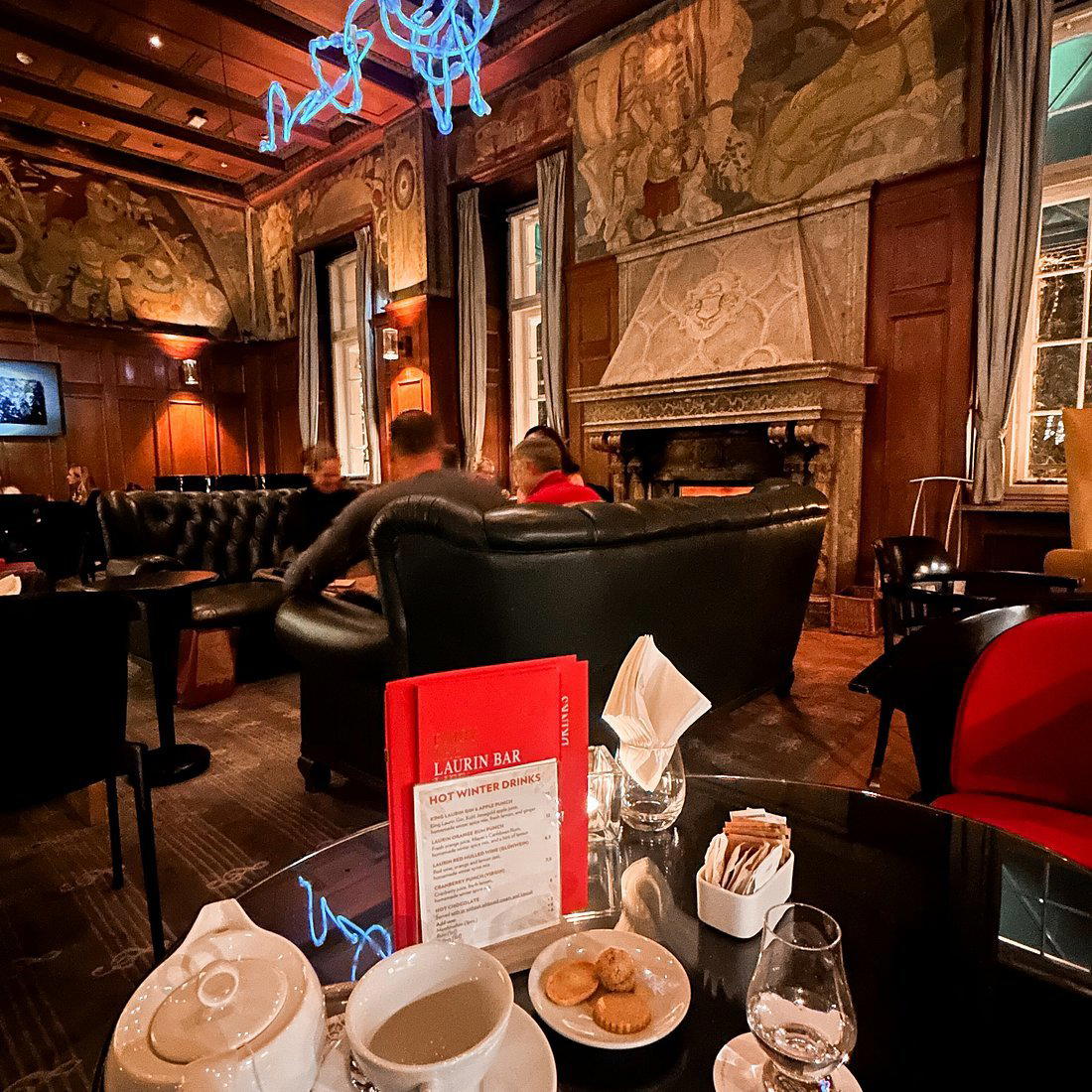
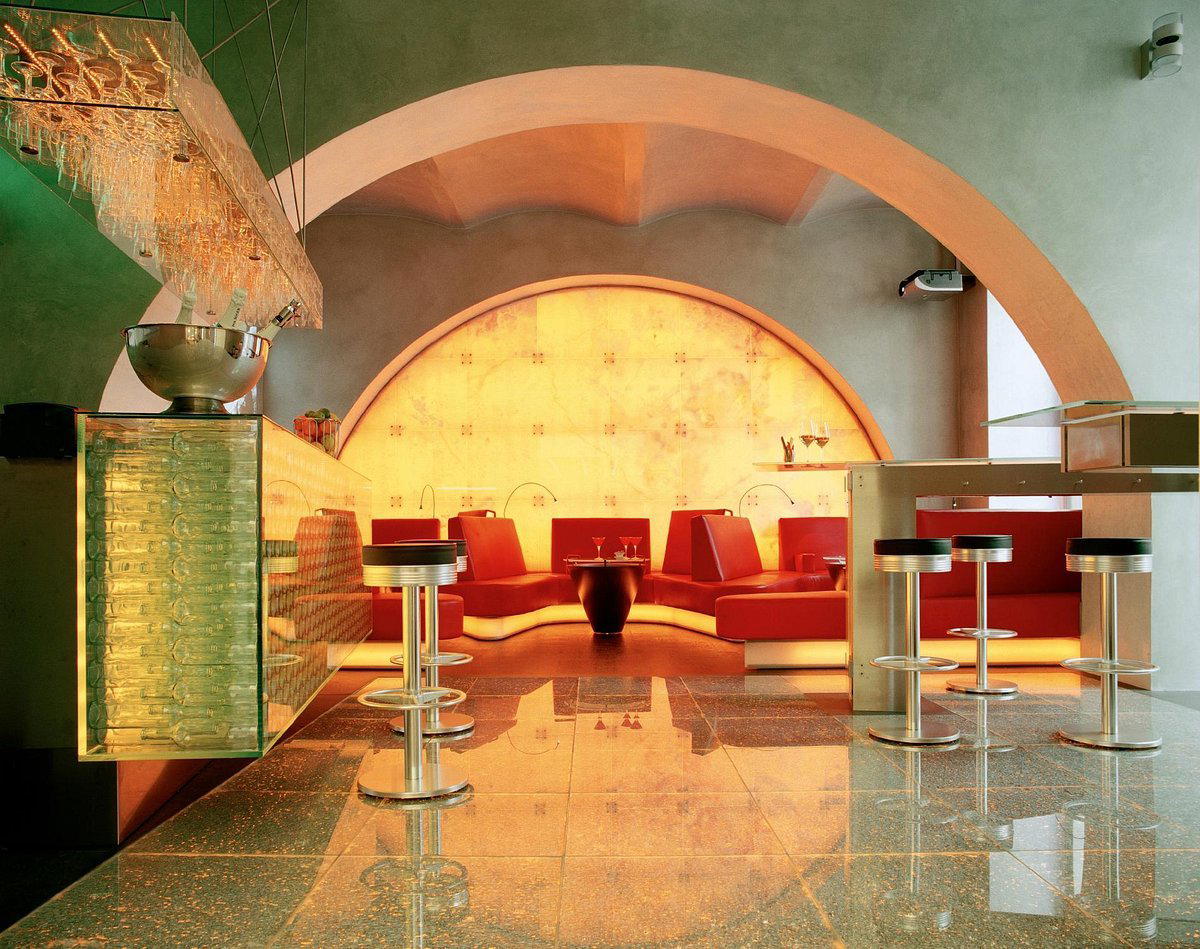
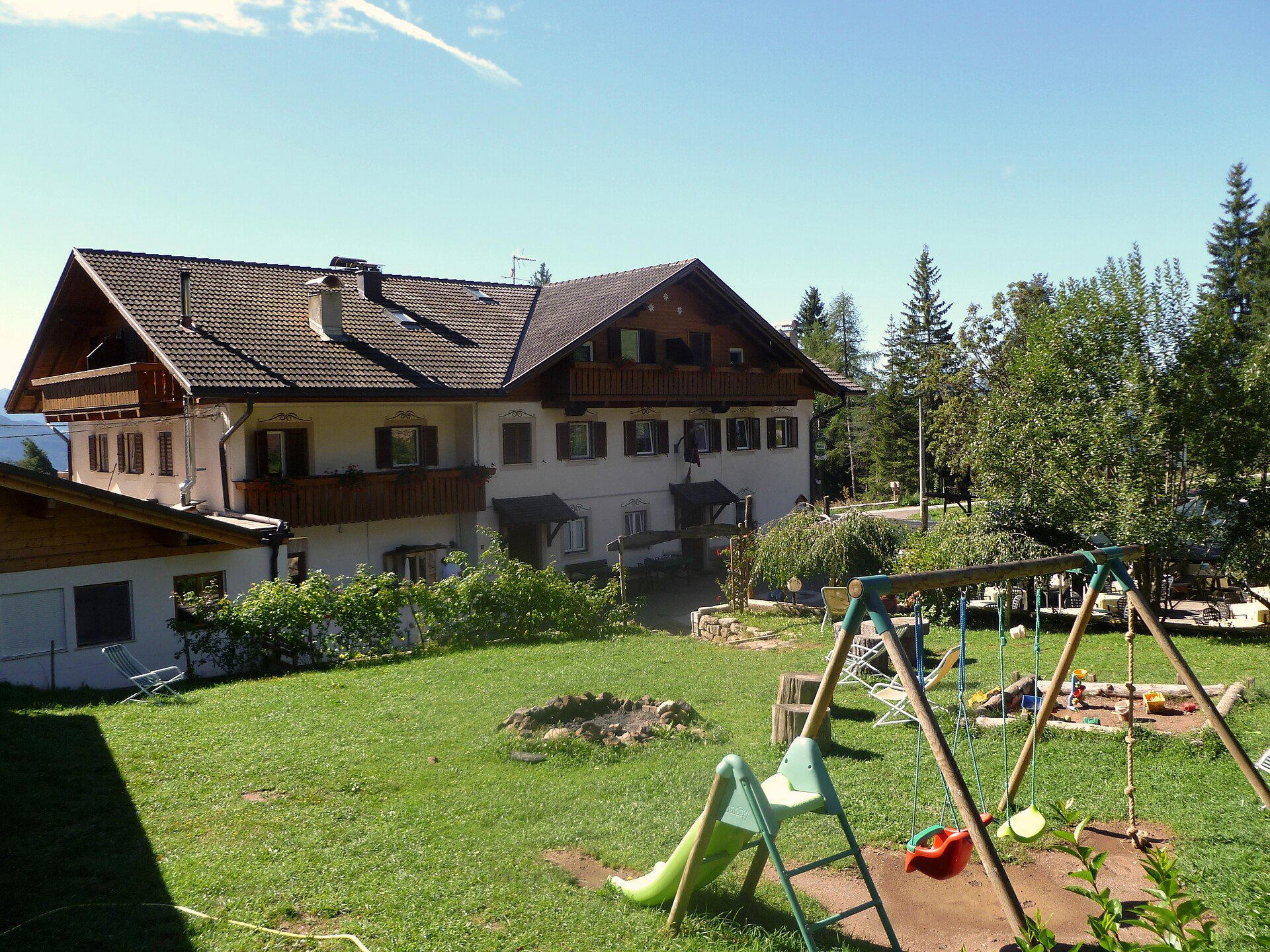
Hotels in Gleno
Browse all →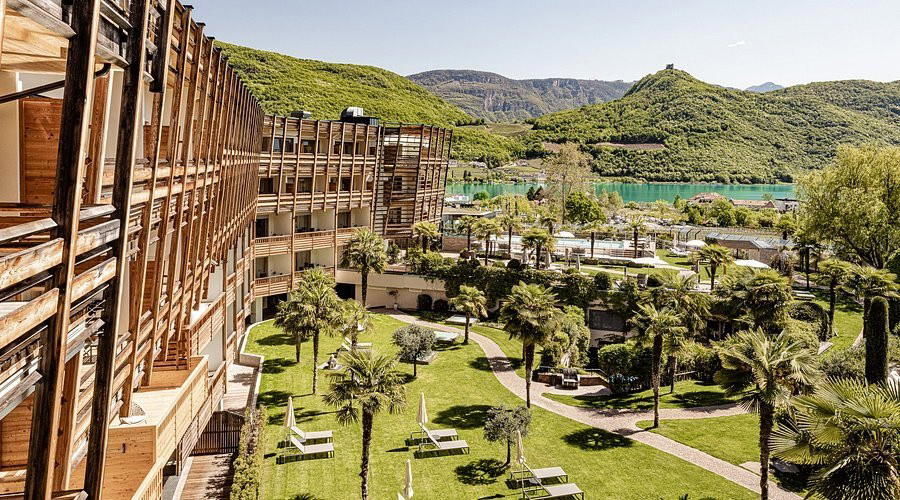
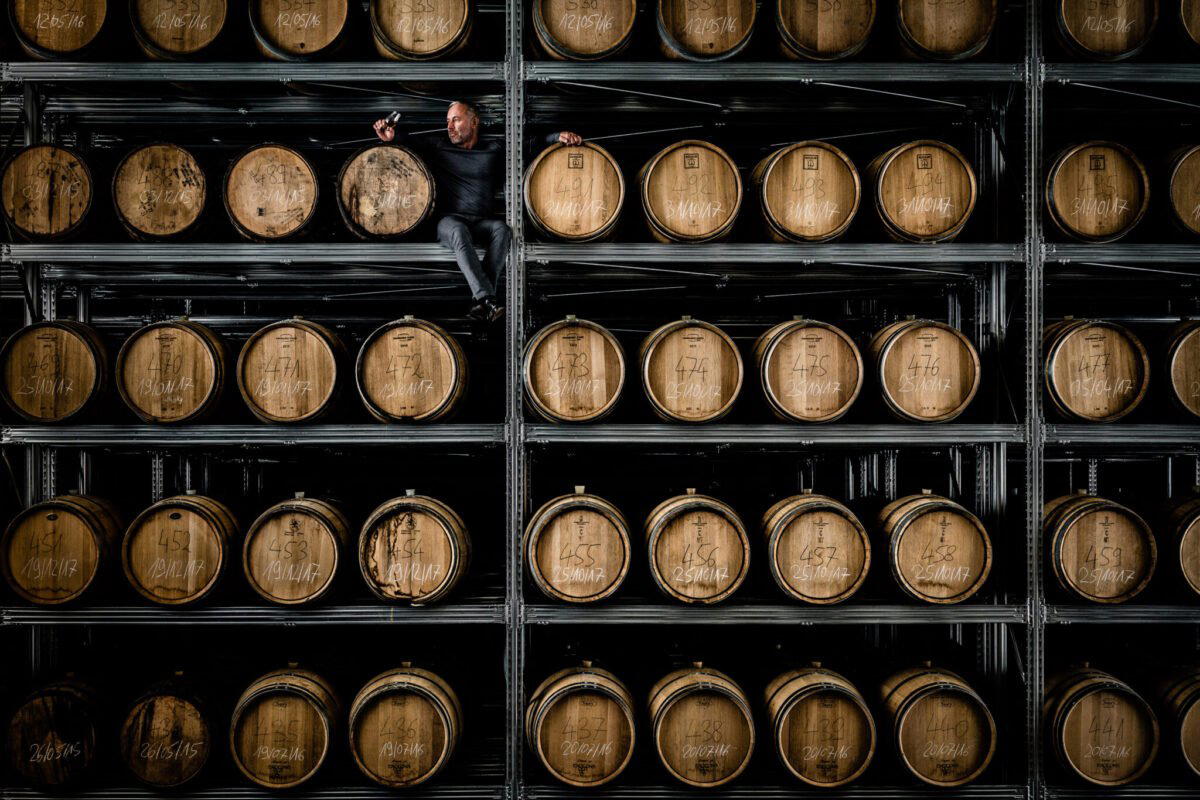
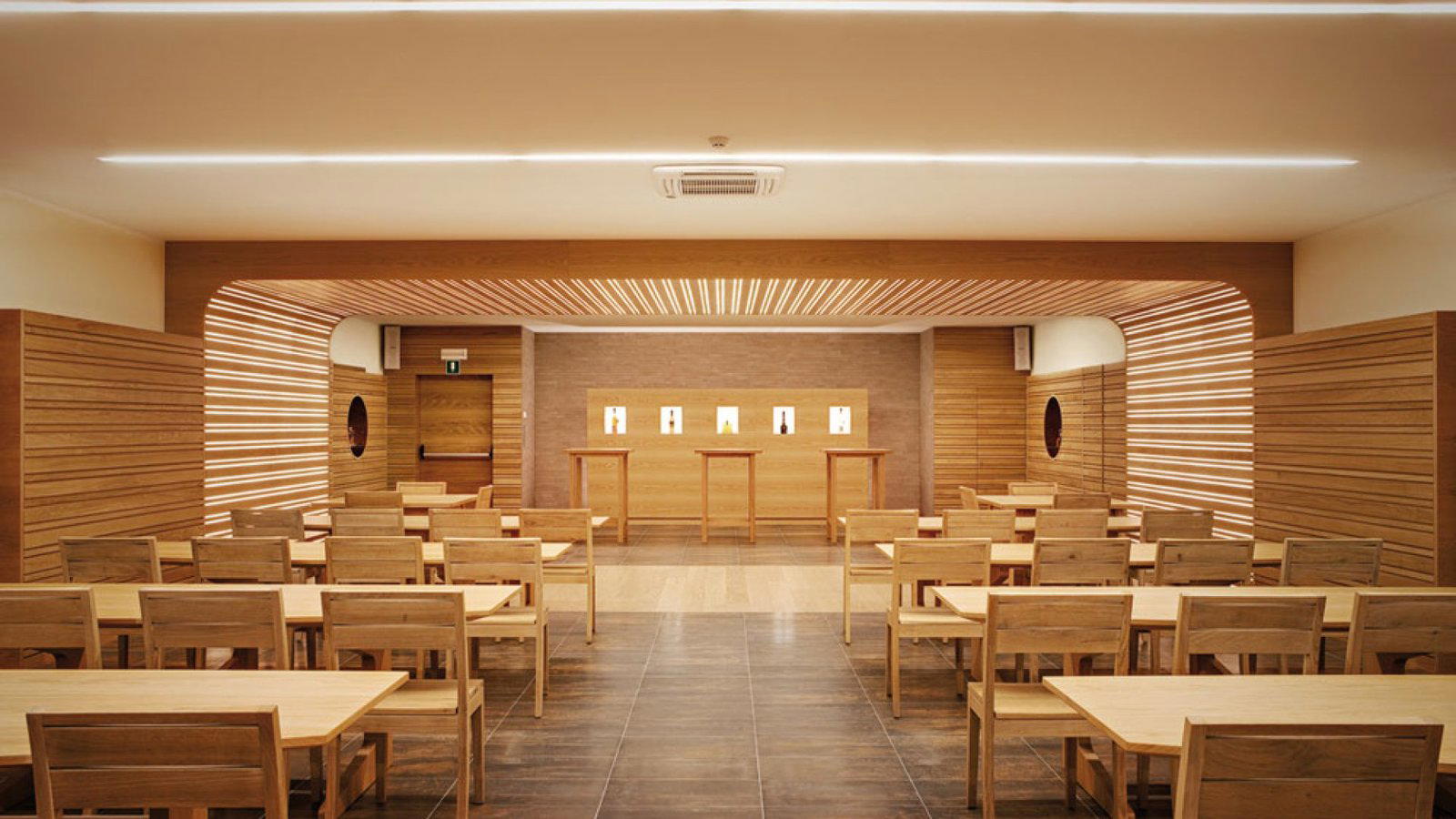
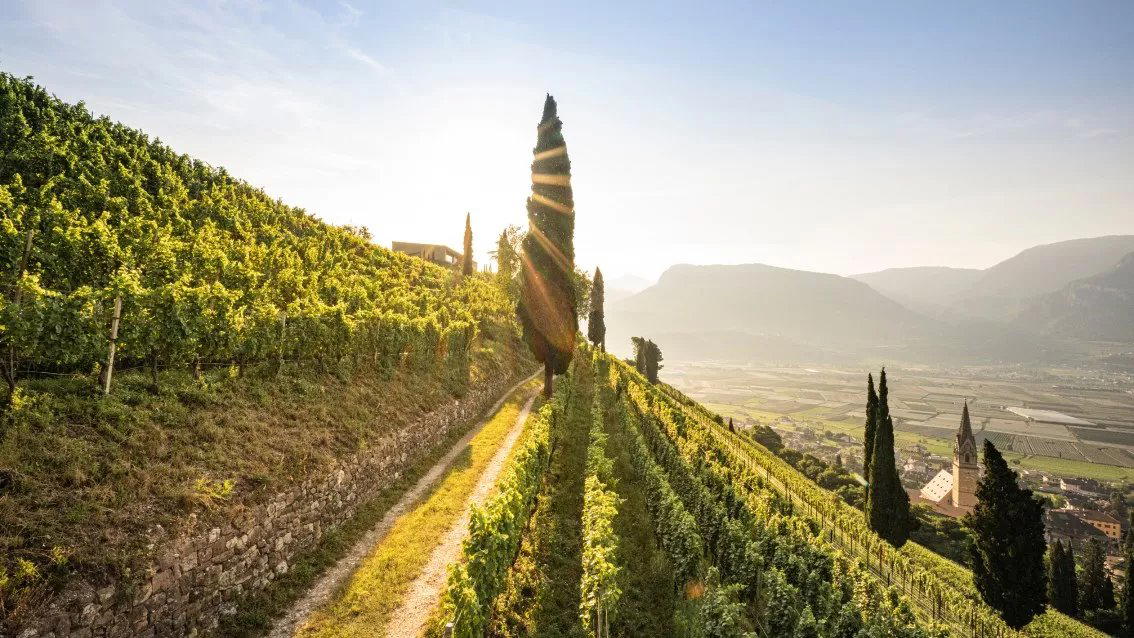
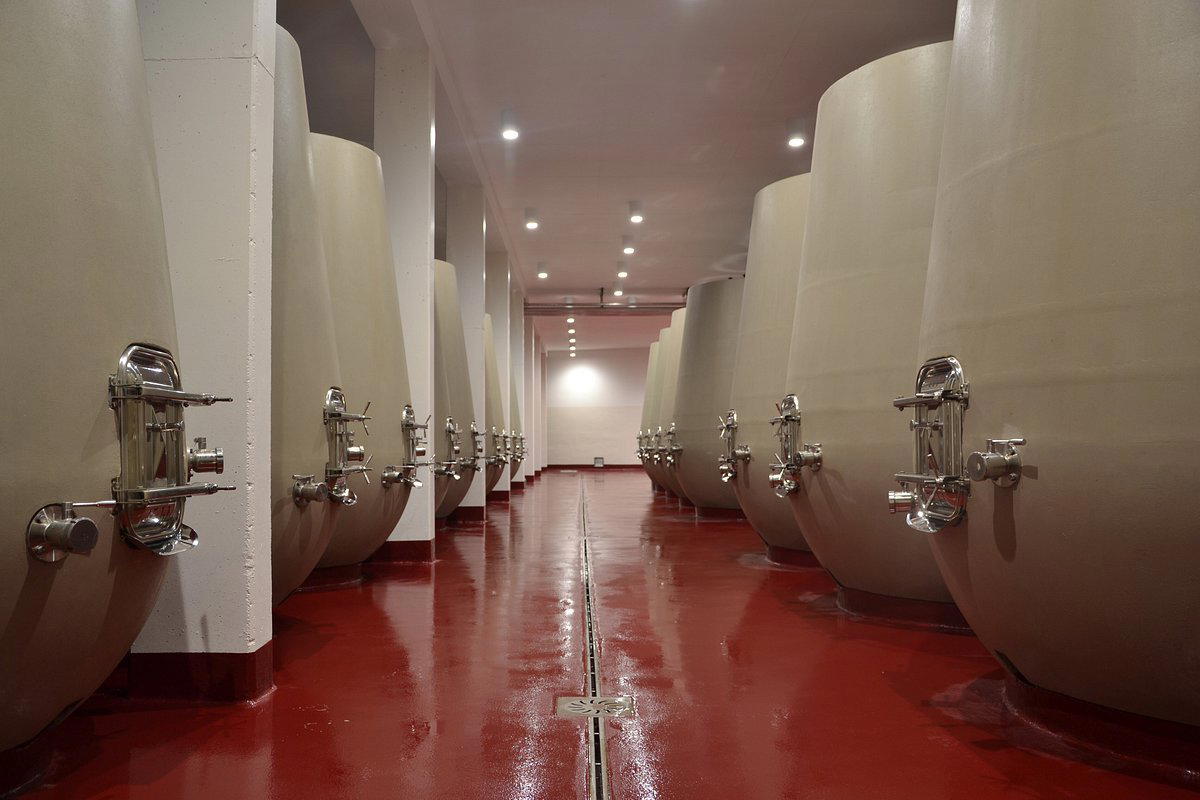
At a Glance
- Rustic
- Cozy
- Scenic
- Casual Hangout
- Family
- Terrace
- Garden
- Extensive Wine List
- Farm To Table
- Local Sourcing
- Vineyard
- Mountain
Current opening hours
- Monday
- Closed
- Tuesday
- Closed
- Wednesday
- Closed
- Thursday
- 12–9 PM
- Friday
- 12–9 PM
- Saturday
- 12–9 PM
- Sunday
- 12–5 PM
Hours can change for holidays and private events. Last verified .
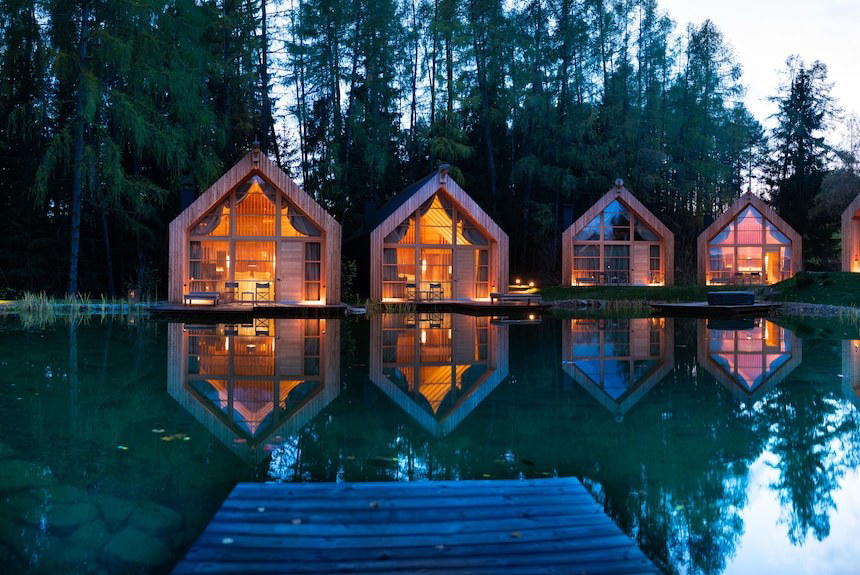
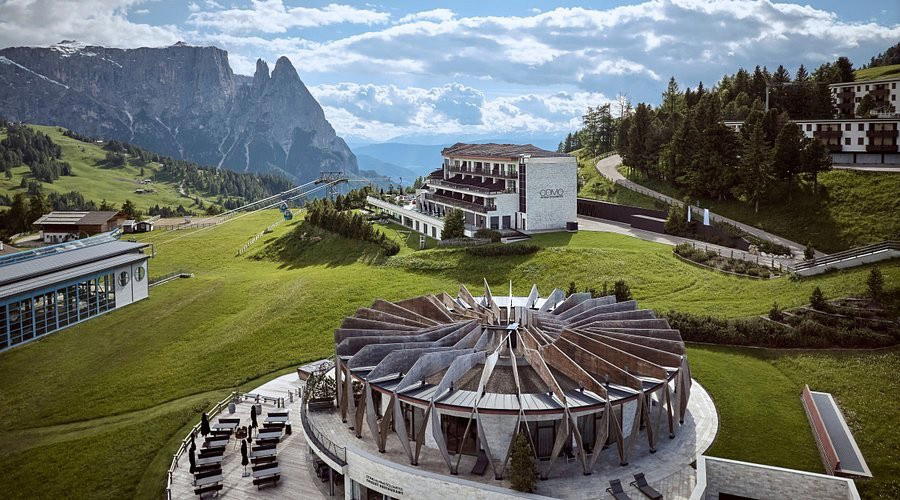
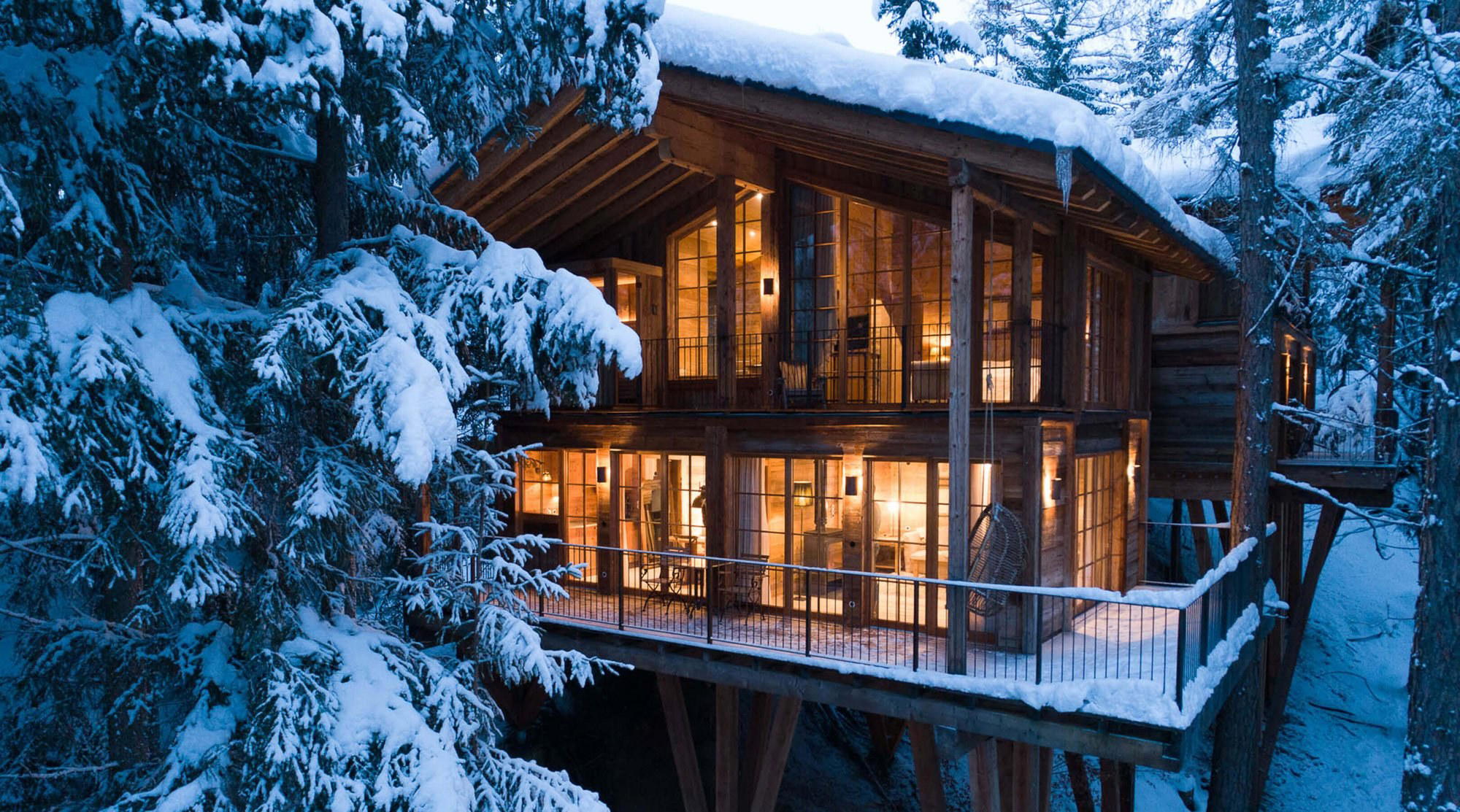
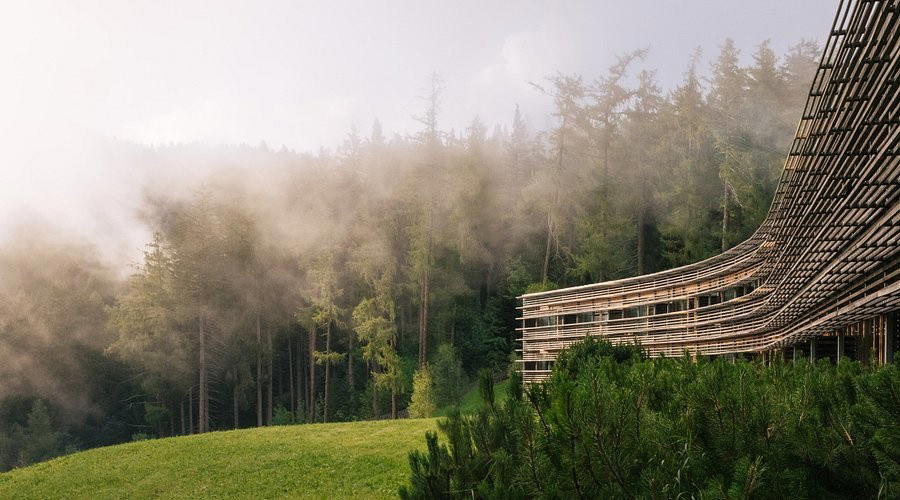
Relaxing rustic atmosphere with terrace and garden seating amid pine-scented nature park.