
Vinus Hannes Weinbistro pairs a South Tyrolean & Mediterranean Wine Bistro format with an extensive wine list, quiet pacing, and 2026 Falstaff Restaurant recognition in Brixen.
Pearl is the En Primeur Club membership app — saves, bookings, and concierge access live there. Same editors, same standards.
- Address
- Via Mercato Vecchio, 6, 39042 Bressanone BZ, Italy
- Phone
- +39472831583
- Website
- vinothekvinus.it
- Directions
- Get directions
 Saves & bookings on Pearl
Via Mercato Vecchio and the Weight of Place
The old market street in Brixen carries the kind of accumulated density that takes centuries to produce. Via Mercato Vecchio sits in the medieval core of one of South Tyrol's oldest towns, a corridor flanked by arcaded facades where the commercial life of the region once moved between Alpine passes and Italian lowlands. A wine bistro on this street need not manufacture atmosphere. The location provides it in full measure, and Vinus Hannes Weinbistro draws directly on that inherited character, presenting as the kind of compact wine-forward address that Brixen's older quarters have periodically produced but not always sustained.
South Tyrol's wine identity is singular within Italy. The region produces around 1% of the country's total wine volume but punches far above that proportion in terms of critical attention, particularly for Alto Adige whites, Pinot Nero, and the indigenous Lagrein and Vernatsch varieties grown on steep terraced slopes above the valley floor. A wine bistro rooted in this geography has an obvious argument to make: the glass in front of you did not travel far, and the producer behind it likely works at an altitude that most Italian vintners never see. That proximity between production and consumption gives the category its local logic.
The Weinbistro Format in an Alpine Town
The Weinbistro is a format with stronger roots in the German-speaking Alpine tradition than in Italian dining culture, and Brixen occupies the contact zone between both. The town has been part of Italy since 1919 but retains the bilingual, bicultural character of the broader South Tyrol autonomous province, where Austrian Gemütlichkeit and Italian attention to table culture have spent a century finding accommodation with each other. That negotiation shows up directly in how wine-focused small venues here tend to operate: the list leans regional and specific, the food skews substantial enough to anchor an evening but does not compete with the kitchen for leading billing, and the room is sized to keep things convivial rather than ceremonial.
In Brixen specifically, the dining options divide along fairly clear lines. Venues like Apostelstube represent the creative, higher-investment end of the local restaurant scene, sitting at the €€€€ tier with a format built around culinary ambition. Alpenrose holds the regional cuisine middle ground at a more accessible price point. Vinus Hannes Weinbistro fits into a different slot: the wine-led neighbourhood address where the beverage program is the primary reason to visit and food plays a supporting role. That positioning has its own discipline. A wine list at this type of venue earns its reputation through range, producer selection, and the specificity of what the room knows about what it pours, not through formal tasting menus or Michelin scrutiny.
South Tyrol Bottles and the Case for Drinking Local
For context on why a wine bistro in this valley commands genuine interest, consider the competitive position of South Tyrol producers in the broader Italian market. Gewürztraminer from the Tramin area, Pinot Bianco from Terlano's volcanic soils, and Pinot Nero from the cooler elevations around Santa Maddalena attract buyers who also look at serious producers elsewhere in Italy. Compare that attention to what a three-Michelin-starred wine list might stock at venues like Enoteca Pinchiorri in Florence or Osteria Francescana in Modena, and South Tyrol representation tends to appear as a specialist category within those lists. A bistro that operates from inside the region can cover that category with the depth a broad national list cannot afford to allocate.
That local depth is the wine bistro's structural advantage over destination restaurants. Where Le Calandre in Rubano, Uliassi in Senigallia, or Piazza Duomo in Alba build cellar programs across Italy and internationally, a regional Weinbistro can go narrow and deep in a way that reflects actual producer relationships rather than procurement scale. That is not a lesser proposition; it is a different one, better suited to the reader who wants to understand a wine region from the inside rather than encounter it as a curated footnote.
Brixen as Context, Not Just Address
What the location on Via Mercato Vecchio adds is not simply postcard value. Brixen functions as a genuine small city with year-round visitor traffic linked to the Plose mountain above it, the Eisack valley cycling routes, and the town's religious and cultural heritage as a former prince-bishopric. That traffic base creates a local hospitality ecosystem distinct from the purely seasonal resort towns further into the Dolomites. Venues here serve a mix of overnight visitors with serious interests and local regulars who return for specific reasons, which tends to produce a more calibrated hospitality register than venues that reset entirely with each season.
Brixen's proximity to Brunico, where Atelier Moessmer Norbert Niederkofler represents the region's highest-profile fine dining commitment, gives visitors a sense of the broader Alto Adige dining ambition. Vinus Hannes Weinbistro sits at a different register within that same regional conversation. Other venues in Brixen worth considering across different formats include Agorà21, Brix 0.1, and Burgerhof, each occupying a distinct position in what is, for a town of its size, a reasonably varied dining offer.
Planning Your Visit
Via Mercato Vecchio is walkable from Brixen's train station in under ten minutes, which matters in a town where parking in the historic center is restricted. The street sits within the arcaded medieval zone, close to the cathedral square, making it a natural end point for an afternoon in the old town rather than a separate expedition. Vinus Hannes Weinbistro is recommended for reservations and follows smart casual dress. Current hours are Mon: 11 AM to 2:30 PM and 5 to 11 PM; Tue: 11 AM to 2:30 PM and 5 to 11 PM; Wed: 11 AM to 2:30 PM; Thu: 5 to 11 PM; Fri: 11 AM to 2:30 PM and 5 to 11 PM; Sat: 10 AM to 3 PM and 5 to 11 PM; Sun: closed. South Tyrol's hospitality businesses often adjust hours between summer hiking season and winter ski season, and a wine bistro of this type may run limited midweek service outside peak months.
Just the Basics
Comparable venues nearby, for context on price, style, and recognition.
| Venue | Cuisine | Price | Notes |
|---|---|---|---|
| Vinus Hannes WeinbistroThis venue — the venue you are viewing | Not listed | $$ | Not listed |
| Agorà21 | Not listed | $$ | Bressanone Center, Neapolitan Pizza & Southern Italian |
| Brix 0.1 | Lido Park, Modern Italian Grill | $$ | Not listed |
| Huberhof | Not listed | $$ | Brixen, South Tyrolean Italian Buschenschank |
| Villscheiderhof | Not listed | $$ | Fraktion Untereben, Traditional South Tyrolean |
| Gattererhof | Brixen, South Tyrolean Buschenschank | $$ | Not listed |
Recognition history
Dated appearances from independent guides and award organizations, with the underlying list record or original source where available.
Falstaff Restaurant - 88 Falstaff Points
Falstaff
Continue exploring
More in Brixen
Restaurants in Brixen
Browse all →
Bars in Brixen
Browse all →
Hotels in Brixen
Browse all →
At a Glance
- Cozy
- Intimate
- Date Night
- Special Occasion
- Wine Cellar
- Extensive Wine List
Current opening hours
- Monday
- 11 AM–2:30 PM, 5–11 PM
- Tuesday
- 11 AM–2:30 PM, 5–11 PM
- Wednesday
- 11 AM–2:30 PM
- Thursday
- 5–11 PM
- Friday
- 11 AM–2:30 PM, 5–11 PM
- Saturday
- 10 AM–3 PM, 5–11 PM
- Sunday
- Closed
Hours can change for holidays and private events. Last verified .
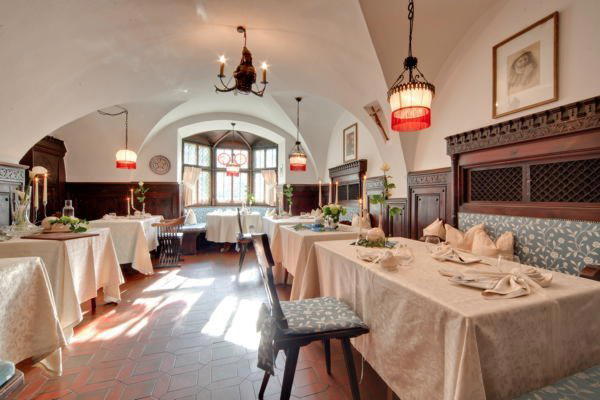
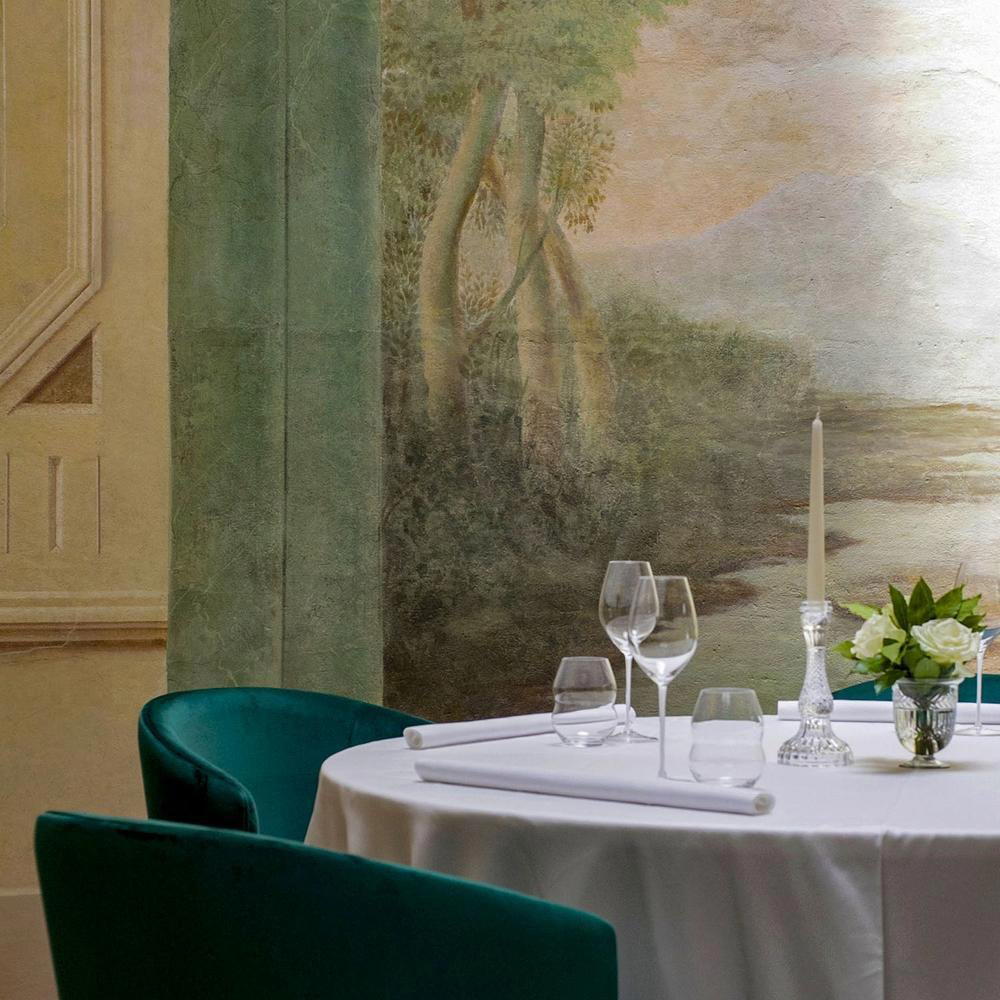
Cozy and intimate with warm lighting well-suited for wine enthusiasts.