Plaisir dit vin
On the Grand-Place of Leuze-en-Hainaut, Plaisir dit vin occupies a position that places it at the intersection of Wallonia's wine culture and its quieter dining tradition. The name itself signals intent: pleasure through wine, with food as the natural companion. For visitors to the Hainaut region, it represents a local address worth knowing before the big-city restaurant circuit takes over.
Pearl is the En Primeur Club membership app — saves, bookings, and concierge access live there. Same editors, same standards.
- Address
- Grand-Place 9, 7900 Leuze-en-Hainaut, Belgium
- Phone
- +3269221143
- Directions
- Get directions
 Saves & bookings on Pearl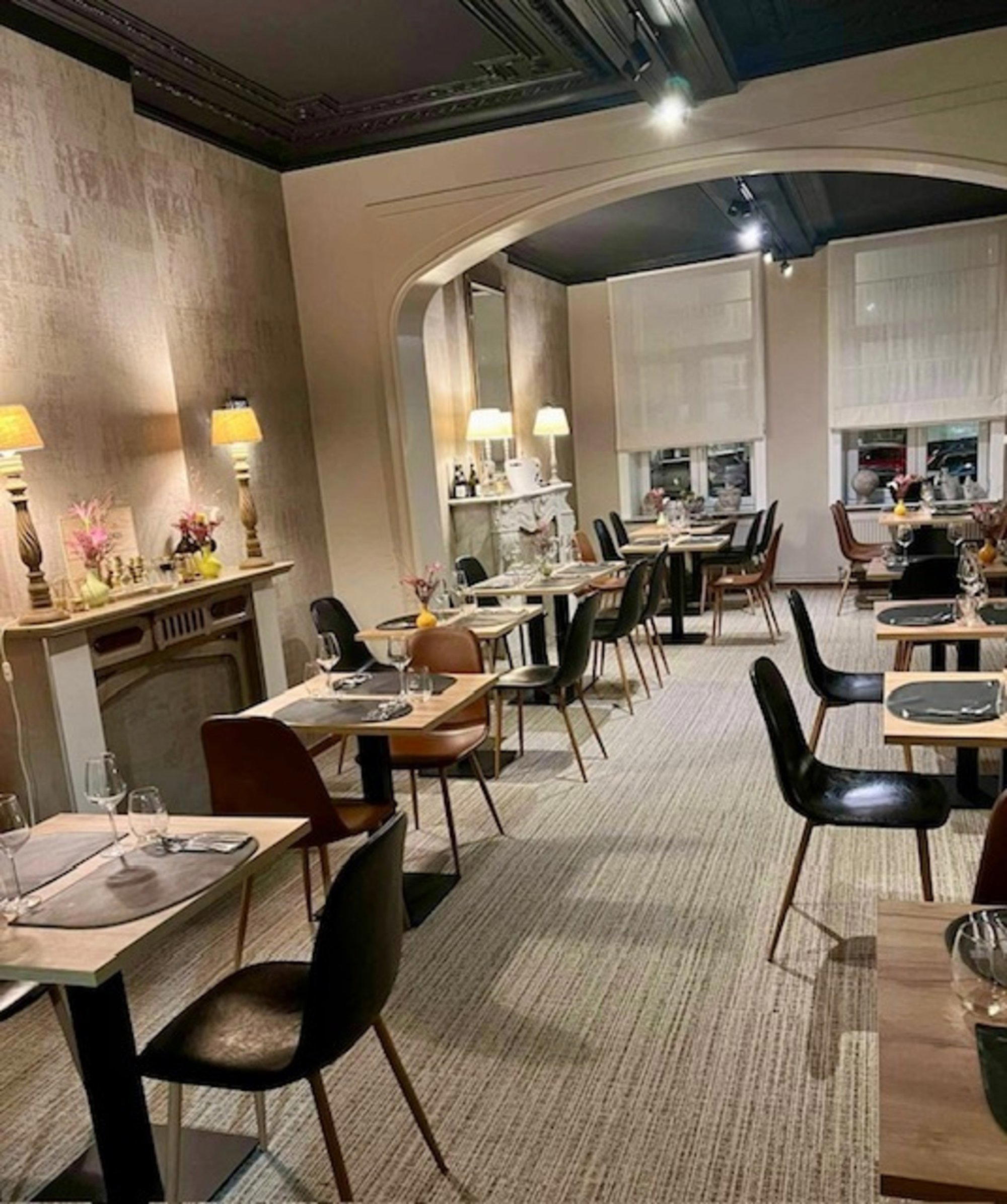
A Square, a Name, and What It Promises
Grand-Place addresses in Belgian towns carry a particular kind of weight. These central squares were built for civic life, for markets, for the kind of daily ritual that gives a place its character. In Leuze-en-Hainaut, a modest Walloon town in the province of Hainaut, the Grand-Place at number 9 is where Plaisir dit vin has set up. The name translates loosely as "pleasure, as in wine", a construction that prioritises the sensory over the formal, the convivial over the ceremonial. That positioning says something about how wine-led dining operates in this part of Belgium, where the French cultural inheritance shapes expectations but the scale remains intimate and unpretentious.
Hainaut sits in the French-speaking south of Belgium, bordering France to the west. The region has historically looked toward French culinary tradition for its reference points, and wine has always played a central role in that tradition, not as a specialist pursuit but as an ordinary part of the table. A venue whose identity is anchored in wine, as Plaisir dit vin's name suggests, fits naturally into that inheritance. It belongs to a category of address found more commonly in smaller French and Belgian towns than in major cities: the wine-forward room where the list is the main editorial statement, and the kitchen exists to support it rather than compete with it.
Wallonia's Quieter Dining Register
Belgium's restaurant conversation tends to concentrate on Brussels, Ghent, and Bruges, with good reason. The country's Michelin-starred infrastructure is dense for its size: Hof van Cleve - Floris Van Der Veken in Kruishoutem, Boury in Roeselare, and Zilte in Antwerp represent the kind of high-formal dining that draws visitors across the country. In Wallonia specifically, L'air du temps in Liernu operates at the creative end of the French-Asian spectrum, while d'Eugénie à Emilie in Baudour holds its own in the region's more modest register.
Leuze-en-Hainaut sits outside that circuit. With a population of roughly 14,000, it is the kind of town where a restaurant's role is more embedded in local life than in destination dining. That context matters when reading a venue like Plaisir dit vin. Its Grand-Place address puts it at the social centre of the town rather than on a gastronomic pilgrimage route, which implies a different kind of function: it serves the town first, and visitors secondarily. That is not a limitation so much as a specific kind of integrity.
The Walloon dining tradition at this scale tends to favour a French-inflected menu, bistro logic applied to local produce, with wine service that takes precedence over theatrical tasting-menu formats. Comparing this to the formal structures found at Bozar Restaurant in Brussels or the creative ambition of De Jonkman in Sint-Kruis makes the distinction clear: Plaisir dit vin occupies the neighbourhood-anchor tier rather than the destination tier, and that positioning is a deliberate register, not a failure of ambition.
Wine as the Organising Principle
Across Europe, the wine bar has evolved from a casual pour-and-go format into something more structured: a room where the list carries editorial weight, where glassware matters, and where food is chosen to extend rather than interrupt the drinking experience. In France, this model appears in the cave à manger tradition, part cellar, part kitchen, fully intentional. Belgium has absorbed versions of this format, particularly in the French-speaking south, where proximity to Burgundy, the Loire, and Champagne makes wine literacy a baseline rather than a speciality.
A venue named for wine in this context is making a specific claim about its priorities. The food programme at such an address typically operates within classical French registers, charcuterie, cheese, simply prepared proteins, dishes that neither fight the wine nor disappear behind it. For the wine-focused traveller passing through Hainaut, that framing is the relevant signal.
Comparable addresses in the Walloon and Flemish wine-bar register include Le Chalet de la Bourgogne, also in Leuze-en-Hainaut, which provides a point of local comparison for those building a picture of what the town's food and wine scene can offer. For the broader Belgian context, Maison Colette in Tongerlo and Castor in Beveren both demonstrate how the smaller Belgian town can sustain serious culinary ambition, a pattern Leuze-en-Hainaut is quietly building toward.
The Grand-Place Setting
Belgium's grand-places are among the country's most architecturally coherent public spaces. Leuze-en-Hainaut's is smaller and less touristed than those of Mons or Tournai, which sit nearby in the same province, but it carries the same structural logic: a central square that organises civic and commercial life, with buildings that have housed restaurants, cafés, and wine rooms for generations. Dining on such a square means eating in a space designed for gathering rather than for spectacle, and that distinction shapes the atmosphere of any restaurant operating within it.
For visitors arriving from Brussels or from across the French border, the practical reality of Leuze-en-Hainaut is that it requires a deliberate detour. The town is not on a major tourist circuit, which means finding an address like Plaisir dit vin involves the kind of local knowledge that Our full Leuze En Hainaut restaurants guide can help supply. It also means the room is likely to be occupied primarily by locals, a reliable indicator that the offer is calibrated to repeat-visit expectations rather than first-impression theatre.
Those with an appetite for Belgium's wider dining geography might cross-reference with Willem Hiele in Oudenburg, Bartholomeus in Heist, or La Durée in Izegem to understand the range of formats operating at different price tiers across the country. For the international frame, Le Bernardin in New York City and Atomix in New York City represent the high-formal end of a different dining conversation, useful anchors for understanding how far the register shifts when you move from a Walloon town square to a Manhattan tasting counter.
Planning Your Visit
The restaurant is recommended for reservations, and its regular hours are Thursday 11:30 AM to 2 PM and 7 PM to 9:30 PM; Friday 11:30 AM to 2:30 PM and 6:30 PM to 9 PM; Saturday 12 PM to 3 PM and 6:30 PM to 9 PM; Sunday 11:30 AM to 2 PM. The town of Leuze-en-Hainaut is accessible by road from both Brussels and the French border region near Valenciennes, making it a viable stop on a longer Hainaut circuit that might also include Mons and Tournai. Those focused on the Belgian fine-dining circuit should look at La Table de Maxime in Our and Le Chalet de la Forêt in Uccle to complete a Wallonia and Brussels itinerary at a higher price tier.
Booking and Cost Snapshot
Comparable venues nearby, for context on price, style, and recognition.
| Venue | Cuisine | Price | Notes |
|---|---|---|---|
| Plaisir dit vinThis venue — the venue you are viewing | Grand-Place, French-Belgian Bistronomic | $$ | Not listed |
| Le Chalet de la Bourgogne | Leuze-en-Hainaut, French Fine Dining | $$$$ | Not listed |
| Maison Noire | Not listed | $$ | Izegem, Classical French-Belgian with Eastern Touches |
| Marlou | Oosterzele, French-Belgian Brasserie | $$ | Not listed |
| Bistrot fromm | Ekeren, French-Belgian Bistro | $$ | Not listed |
| Cagette | Not listed | $$ | Centre, Neo-Bistro French-Asian Small Plates |
Continue exploring
More in Leuze En Hainaut
Restaurants in Leuze En Hainaut
Browse all →
Bars in Leuze En Hainaut
Browse all →
At a Glance
- Cozy
- Intimate
- Elegant
- Date Night
- Business Dinner
- Wine Cellar
- Extensive Wine List
- Local Sourcing
Current opening hours
- Monday
- Closed
- Tuesday
- Closed
- Wednesday
- Closed
- Thursday
- 11:30 AM–2 PM, 7–9:30 PM
- Friday
- 11:30 AM–2:30 PM, 6:30–9 PM
- Saturday
- 12–3 PM, 6:30–9 PM
- Sunday
- 11:30 AM–2 PM
Hours can change for holidays and private events. Last verified .
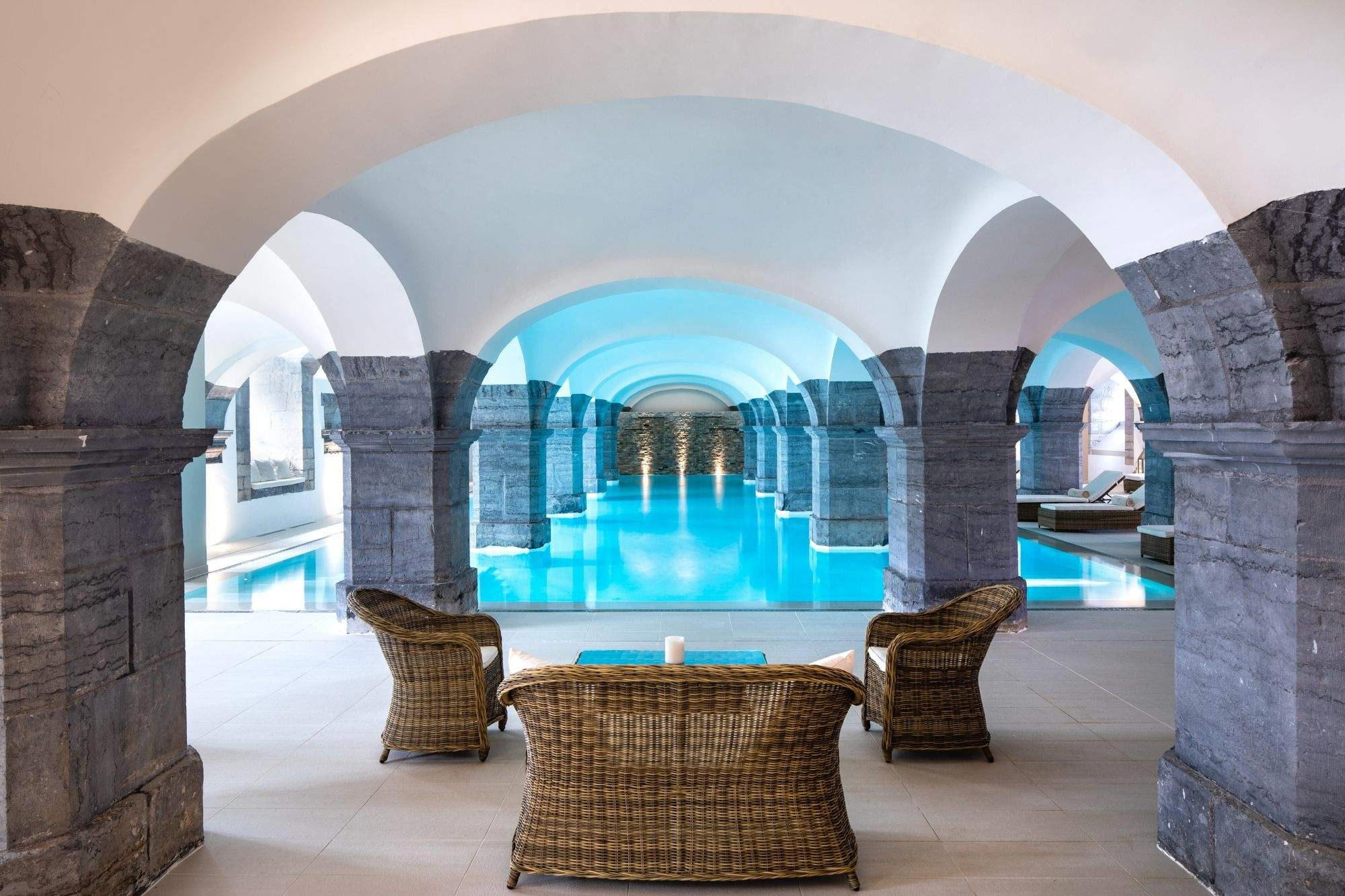
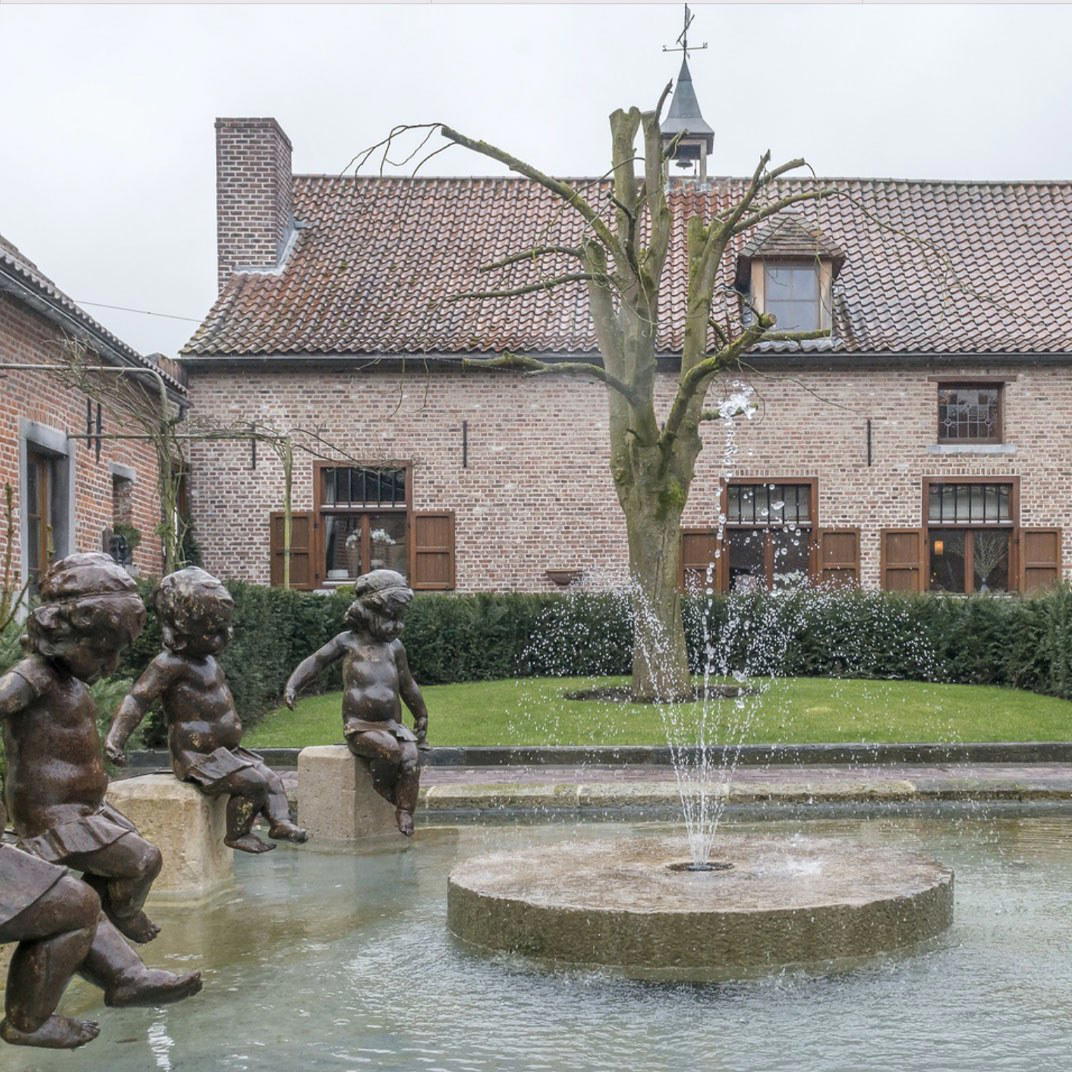
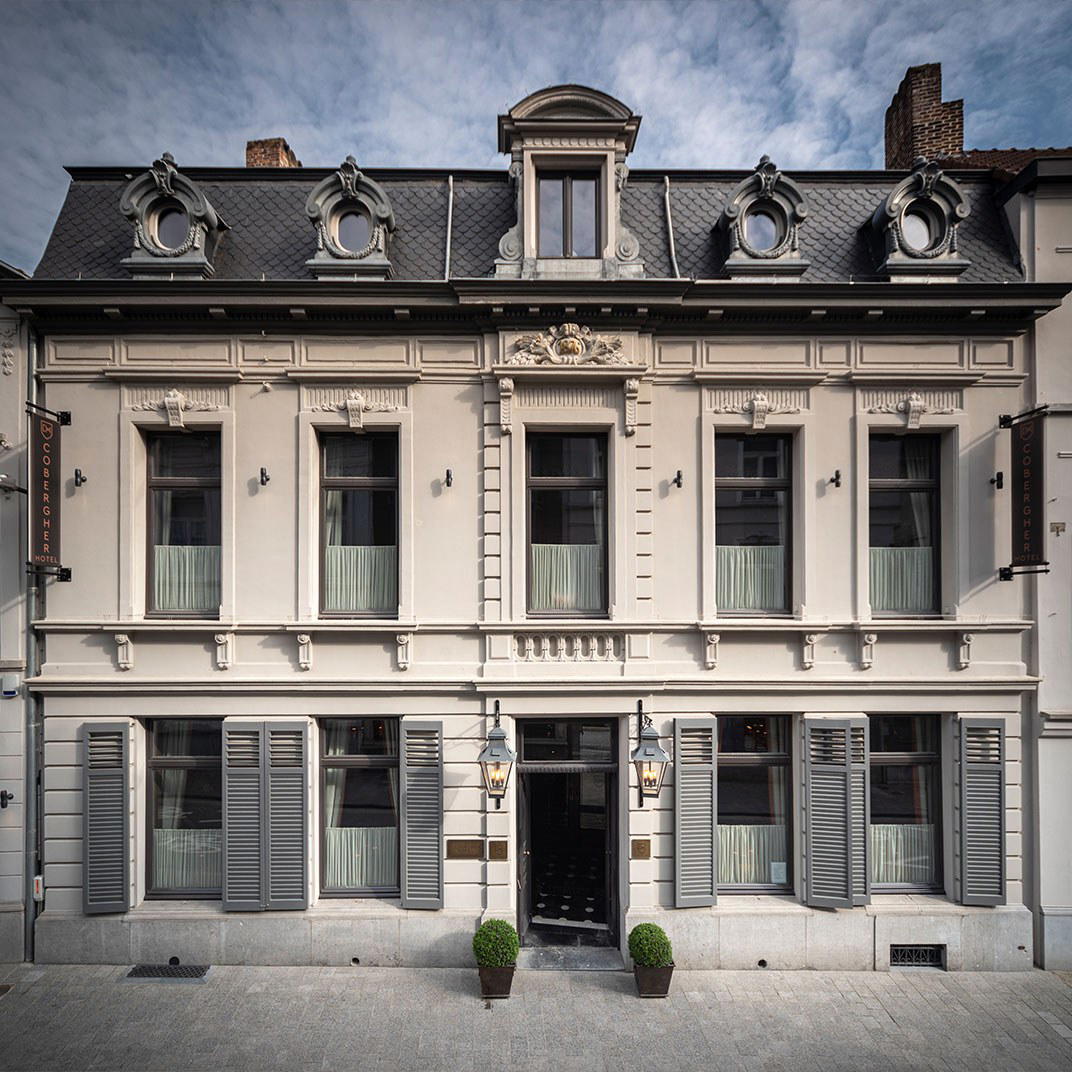
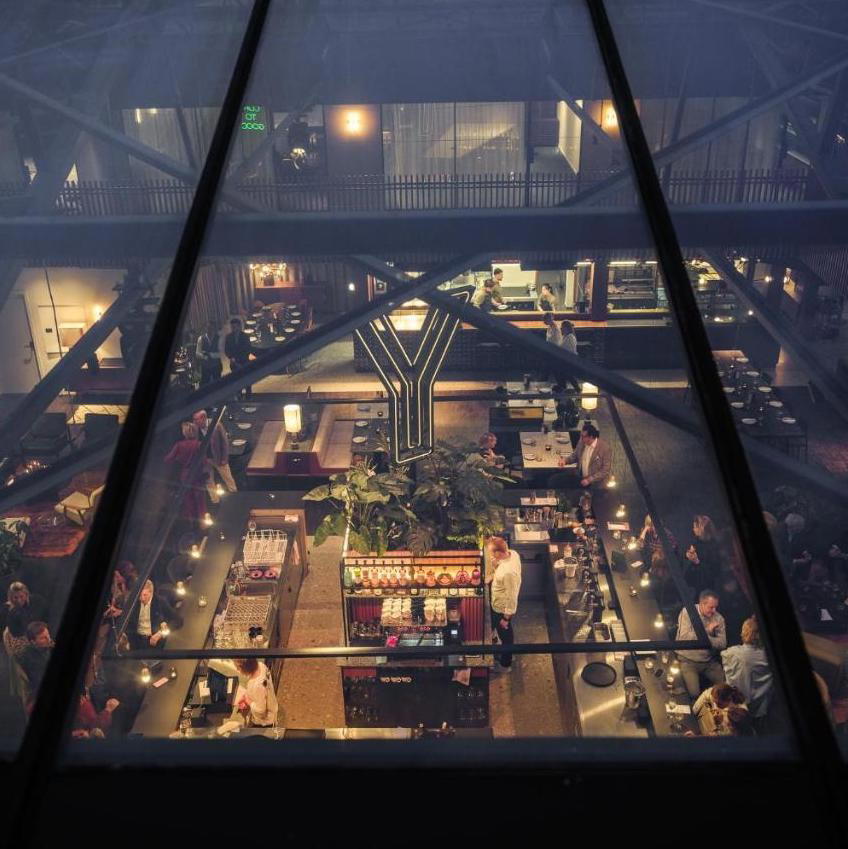
Warm, cosy atmosphere with cocooning decor, intimate upstairs room, and contemporary sober design; some guests note sound resonance.