
1 Michelin Star
Our verdict
Inside a 19th-century brick-and-stone château in Bry, Le Camélia serves precise classical French cooking built around carefully sourced ingredients. The dining room opens onto a wooded park, setting a tone that the kitchen follows through: lobster roasted to a pearly finish, turbot in golden bread crust, sauces that do real work. This is château-framed cooking without the ceremony that usually comes with the address.

Pearl is the En Primeur Club membership app, where members save venues, book tables and use the concierge.
The menu
What to order
- Turbot en croûte de pain
- Whole roasted lobster
A Château Setting Without the Stiffness
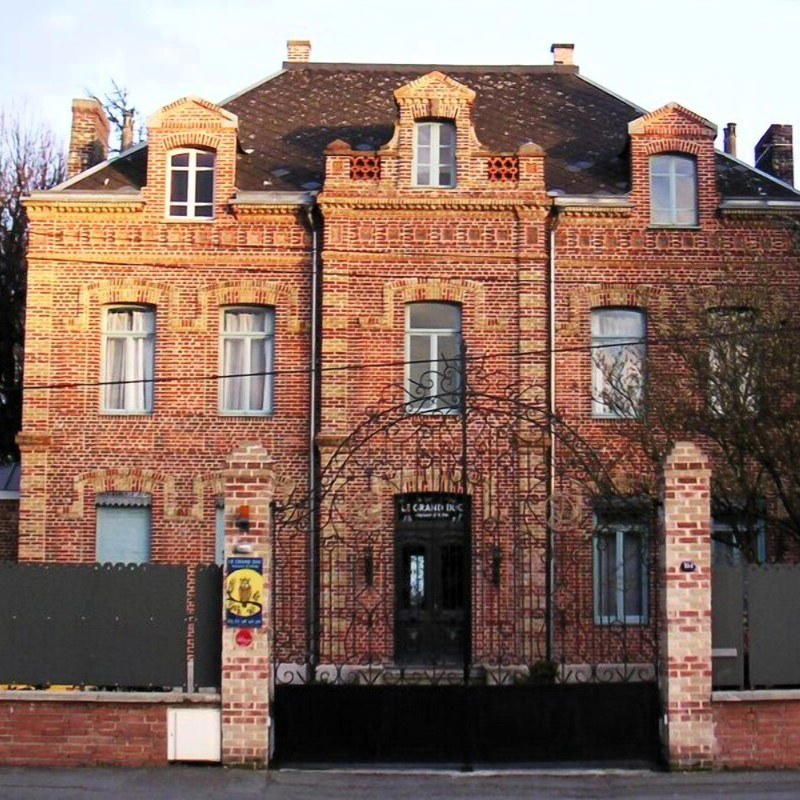
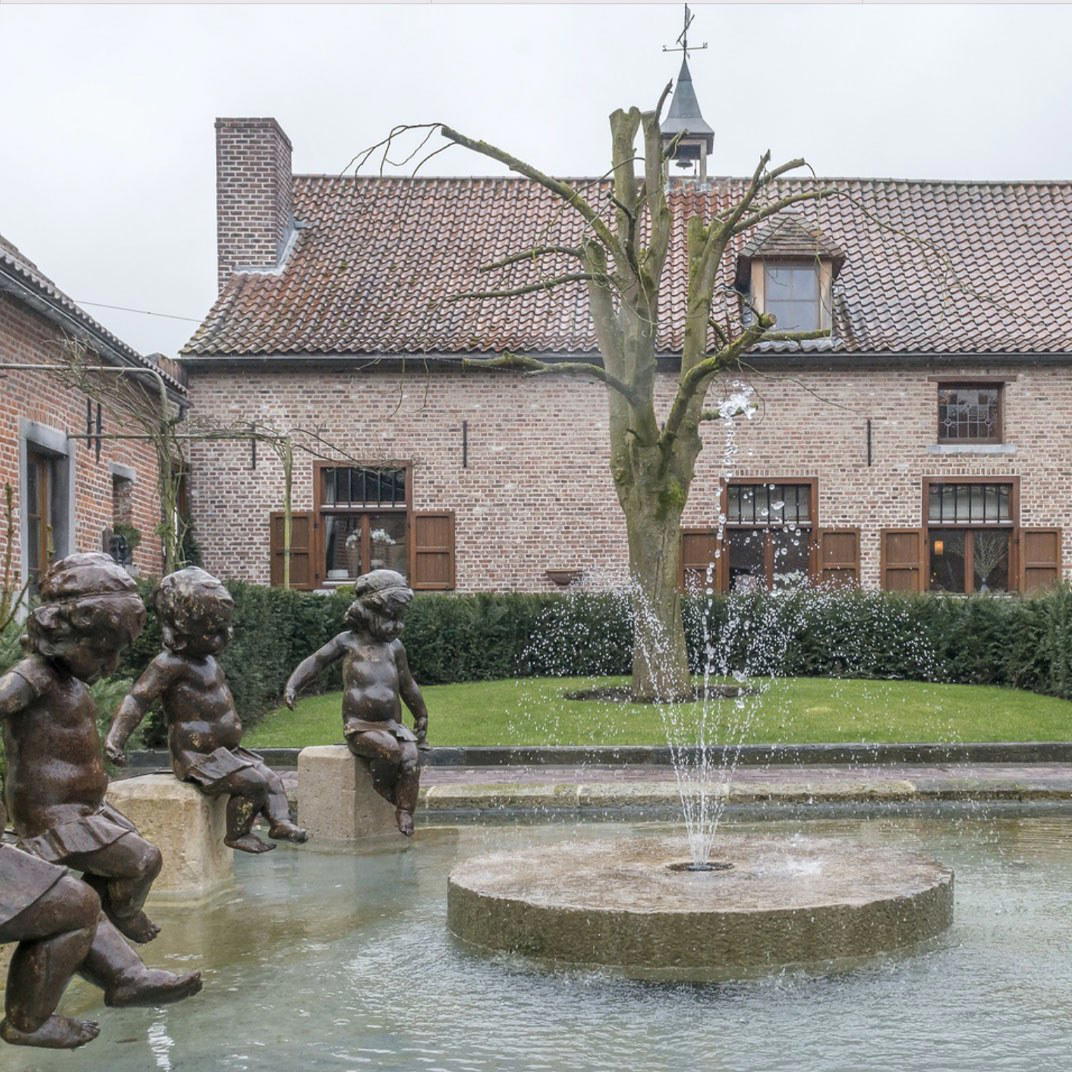
Northern France has a distinct architectural grammar: brick the colour of dried clay, white stone trim, mansard rooflines, and a general sense that the building was designed to outlast everyone inside it. The 19th-century château at 17 rue de l'Église in Bry reads from that playbook. Approaching the entrance, the proportions are formal, the stonework deliberate. What you find inside, though, repositions the experience before the first course arrives.
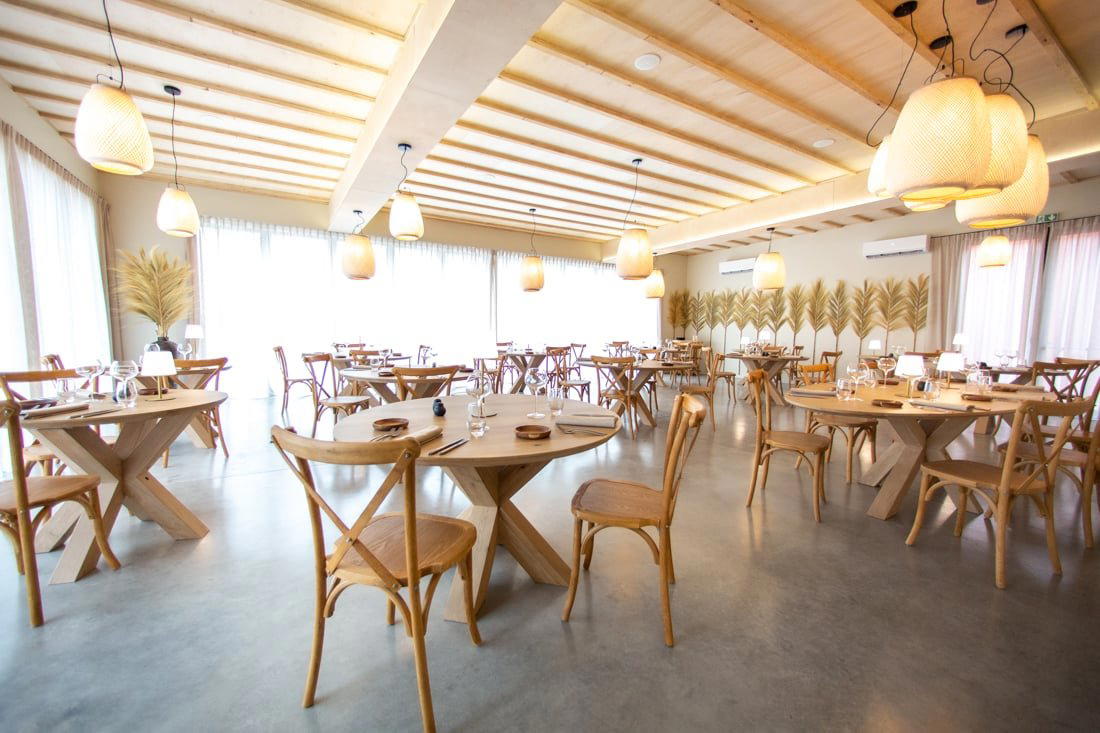
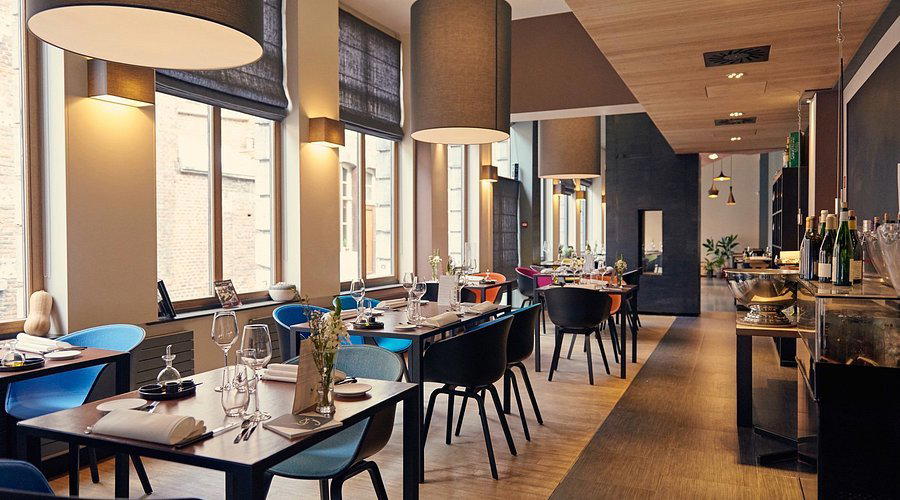
The interior moves from a cosy bar area into a dining room with windows on two sides, filling the space with light and framing a wooded park beyond. That combination, old bones and an open, welcoming room, describes a category of French dining that operates well outside the capital's formality but draws on the same classical foundations. For those exploring what Bry's dining scene can offer, this address represents a specific and coherent position within it. You can find more options across the area in our full Bry restaurants guide.
Ingredient Sourcing as the Kitchen's Argument
In contemporary French cooking, the sourcing declaration has become so routine as to be nearly meaningless. Menus everywhere cite regions, farms, and seasons as shorthand for quality. What separates a kitchen that truly organises itself around ingredients from one that uses them as marketing copy is visible on the plate: whether the cooking amplifies what the ingredient already is, or whether it papers over mediocre sourcing with technique.
At Le Camélia, the evidence sits in the descriptions of what arrives on the table. A whole lobster, shelled and roasted, is served pearly white at the centre of the plate, the tail firm, the claws tender. That textural contrast, firmness and yielding in the same animal, depends on the quality of the lobster before the kitchen touches it and on the restraint shown during cooking. Over-roasting closes that gap entirely. The accompanying sauce, built with herring roe and served alongside a rich potato mash and vegetables that range from crunchy to soft, reads as a deliberate argument for contrast rather than a default garnish arrangement.
The turbot preparation makes a similar case. Encased in a golden bread crust, the fish arrives with baby spinach and a beurre blanc. Turbot in bread crust is a classical French technique that protects the flesh during cooking while adding textural contrast at the moment of service. The fact that it appears on this menu, executed cleanly rather than reimagined, signals a kitchen more interested in doing classical things correctly than in signalling modernity through intervention. That restraint, in the current French dining climate, is itself a position.
This approach connects Le Camélia to a wider tradition of French regional cooking that prizes sourcing and execution over invention. Houses like Auberge de l'Ill in Illhaeusern and Bras in Laguiole have long operated from the same premise: that French culinary tradition has enough depth to sustain serious cooking without constant reinvention. At the more technical and experimental end of the spectrum, addresses like Mirazur in Menton, Flocons de Sel in Megève, and Alléno Paris au Pavillon Ledoyen represent a different chapter of the same conversation. Le Camélia sits closer to the classical end of that continuum.
How This Kitchen Fits the Broader French Scene
Regional French restaurants operating in château settings face a particular challenge: the architecture raises expectations, and those expectations often translate into a formality that can work against the food. The instinct to match the grandeur of the building with rigid service, elaborate ceremony, and menus that announce their own ambition frequently produces dining rooms where the food is incidental to the occasion.
The more interesting model, which Le Camélia appears to follow, uses the setting as context rather than as the primary proposition. The wooded park visible from the dining room and the light-flooded space are atmospheric rather than theatrical. The cooking then carries the meal on its own terms: a focused à la carte menu with carefully selected ingredients and precise flavour, rather than a long-format tasting structure that forces the setting to carry more weight than the kitchen can sustain.
Comparable instincts appear at houses like Auberge du Vieux Puits in Fontjoncouse and Assiette Champenoise in Reims, where the building and the setting establish a register and the kitchen then delivers within it rather than straining against it. At the higher end of classical French tradition, Paul Bocuse - L'Auberge du Pont de Collonges remains the reference point for what a kitchen can sustain over time when anchored to a specific, unwavering identity. For restaurants that push further into creative territory, AM par Alexandre Mazzia in Marseille and Au Crocodile in Strasbourg offer reference points from different corners of the same national tradition. For international comparisons where classical French technique informs contemporary cooking, Le Bernardin in New York City and Troisgros - Le Bois sans Feuilles in Ouches occupy adjacent positions in the argument. Emeril's in New Orleans represents yet another way that French classical foundations translate in a different cultural context.
Planning a Visit
Le Camélia is located at 17 rue de l'Église in Bry. The château setting and à la carte format make this a lunch or dinner destination rather than a casual stop; the atmosphere rewards visitors who arrive ready to take their time with the room and the food. Phone and booking details are best confirmed directly with the restaurant. For those building a broader itinerary around Bry, the area also has options across accommodation, drinks, and local wineries covered in our full Bry hotels guide, our full Bry bars guide, our full Bry wineries guide, and our full Bry experiences guide.
Frequently asked questions
Is Le Camélia a family-friendly restaurant?
The setting at 17 rue de l'Église is a 19th-century château with a light-filled dining room opening onto a wooded park, which creates a calm, unhurried atmosphere suited to adults and older children dining à la carte. The format is sit-down and deliberate rather than casual, so it works best for families comfortable with a structured French meal rather than a quick or flexible visit.
What should I expect atmosphere-wise at Le Camélia?
The room is housed in a northern French château built in brick and white stone, with windows on two sides that flood the dining room with natural light and views of a wooded park. A cosy bar precedes the main dining room, and the decor balances period architecture with a fresher, more contemporary feel, formal enough to mark an occasion, relaxed enough not to feel ceremonial.
What awards or recognition does Le Camélia have?
Le Camélia has received recognition including: In this 19C château built in the brick and white stone that is typical in northern France, the spruce and welcoming decor charms with its blend of old and new: first, a cosy bar that leads on to a dining room flooded with light from the win….
What should I order at Le Camélia?
The kitchen's strengths are evident in the whole lobster: shelled, roasted to a pearly finish, the tail firm and the claws tender, served with a herring roe sauce and potato mash. The turbot in a golden bread crust, accompanied by baby spinach and beurre blanc, is another reference point for how this kitchen handles classical French technique with focused, clean results.
What's the address for Le Camélia?
Le Camélia is located at 17 rue de l'Église, Bry.
How It Stacks Up
Comparable venues nearby, for context on price, style, and recognition.
| Venue | Cuisine | Price | Awards | Notes |
|---|---|---|---|---|
| Le CaméliaThis venue (the venue you are viewing) | Modern French Fine Dining | $50–100 | 1 Michelin Star | Not listed |
| Sébastopol | Modern French Bistronomy | $50–100 | Michelin Plate | Lille Centre 18 |
| La Traboule | Modern French Bistronomic | $50–100 | Michelin Plate | Madeleine / Miromesnil |
| L'Orée des Sablons | Bistronomique French | $50–100 | Michelin Plate · Relais Desserts Member Boutique | centre piéton |
| Auberge du Forgeron | Bistronomique French Regional | $50–100 | Michelin Plate | centre ville |
| Le Bistrot du Château | Modern French Bistronomy | $50–100 | Michelin Plate | Montreuil-sur-Mer |
Recognition history
Dated appearances from independent guides and award organizations, with the underlying list record or original source where available.
Michelin 1 Star
Michelin
Continue exploring
More in Bry
Restaurants in Bry
All restaurants in Bry →
Hotels in Bry
Browse all →
Wineries in Bry
Browse all →
Details
- Elegant
- Sophisticated
- Cozy
- Scenic
- Date Night
- Special Occasion
- Business Dinner
- Historic Building
- Garden
- Private Dining
- Extensive Wine List
- Garden
- A La Carte
- Prix Fixe
Current opening hours
- Monday
- Closed
- Tuesday
- Closed
- Wednesday
- 12–2 PM, 7–9:30 PM
- Thursday
- 12–2 PM, 7–9:30 PM
- Friday
- 12–2 PM, 7–9:30 PM
- Saturday
- 12–2 PM, 7–9:30 PM
- Sunday
- Closed
Hours can change for holidays and private events. Hours as of .
Light-flooded dining room with large windows opening to a wooded park, blending classic château charm with modern spruce decor, creating a welcoming and elegant atmosphere.