Cagette occupies a address on Rue des Brasseurs in central Namur, placing it inside a small city whose dining scene has grown more ambitious than its size suggests. The restaurant operates within a Walloon restaurant culture that increasingly favours market-led formats and tight menus over broad à la carte ranges. For visitors working through Namur's better tables, it belongs on the shortlist.
Pearl is the En Primeur Club membership app — saves, bookings, and concierge access live there. Same editors, same standards.
- Address
- Rue des Brasseurs 17, 5000 Namur, Belgium
- Phone
- +32492419437
- Website
- facebook.com
- Directions
- Get directions
 Saves & bookings on Pearl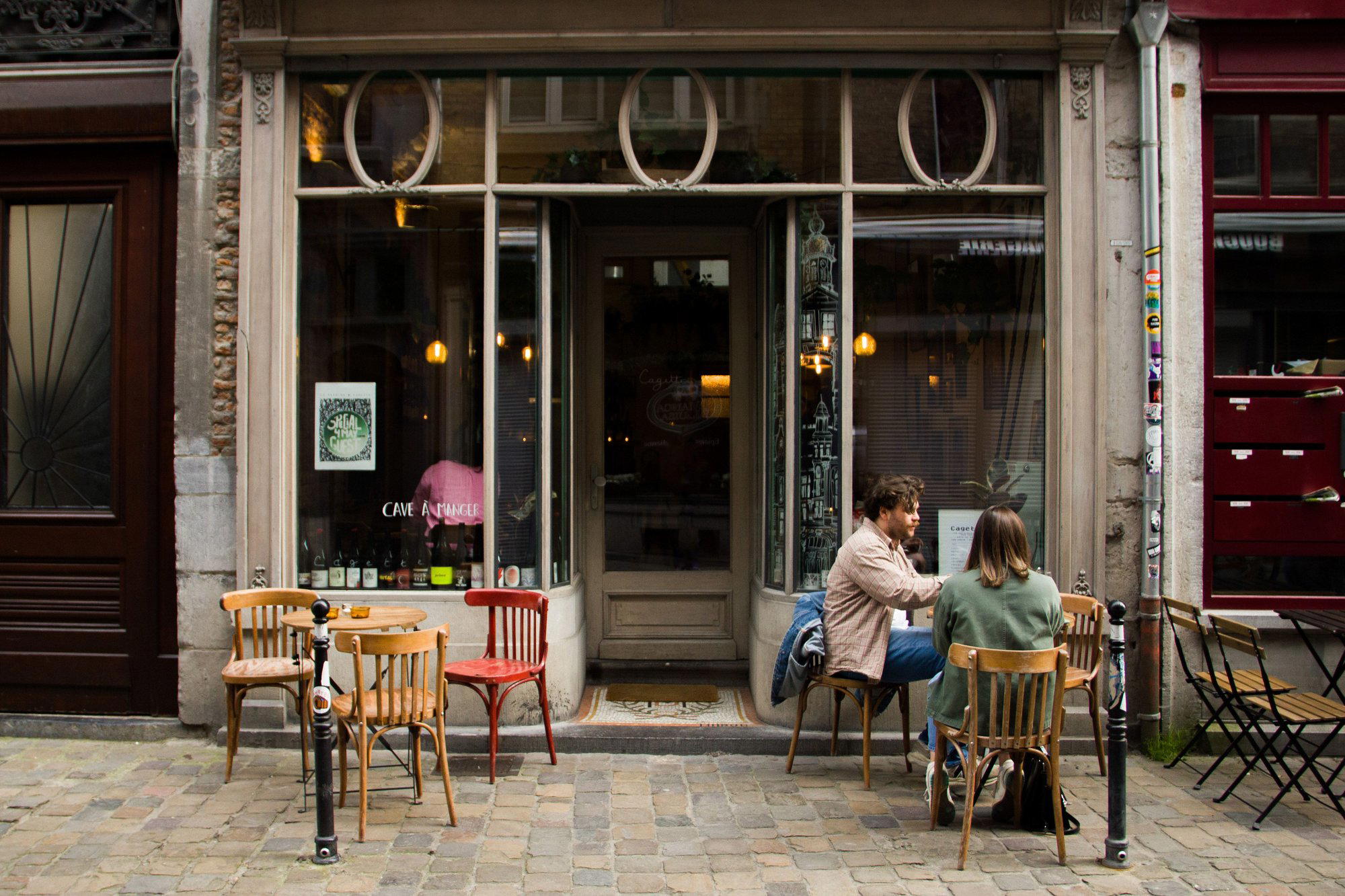
A Street, a Format, a Point of View
Rue des Brasseurs sits in the older commercial fabric of Namur, a street whose name, Brewers' Street, points to a working past that the city has gradually traded for something more self-conscious about what ends up on the plate. The address at number 17 is where Cagette operates, and the location matters more than it might first appear. Namur's dining scene is compact enough that geography still shapes how restaurants position themselves: the closer to the Meuse waterfront and the old city centre, the more pressure to read as a destination rather than a neighbourhood habit. Rue des Brasseurs sits just inside that zone, which means Cagette inherits both the foot traffic and the expectation that comes with it.
That context is worth establishing before talking about what the restaurant does with it, because in a city this size, every decision about format and menu architecture reads against a small and visible comparable set. Compare Namur's better tables and a pattern emerges: venues like Attablez-vous work in the Creative French register at the €€€ tier, while Abstrait and Basile cuisine gourmande operate with their own distinct kitchen philosophies.
How the Menu Speaks
The word cagette, French for a small wooden market crate, the kind used to carry produce from farm to stall, is not an accidental name. It signals an intent about sourcing logic before a diner reads a single line of the menu. In the current Belgian dining context, that framing places a restaurant inside a specific conversation: one that prioritises what the market offers over what a fixed repertoire demands. Across Belgium's more considered regional tables, from Vrijmoed in Ghent to La Durée in Izegem, the market-led model has become a credible alternative to the classical tasting-menu format, because it ties the kitchen's ambition directly to what can actually be sourced that week.
A menu built around the crate rather than the canon tends to be shorter, more seasonal, and more directly legible to the diner. It also carries a structural risk: when the sourcing is the architecture, there is nowhere to hide if the sourcing is undistinguished. The name Cagette stakes a position on that risk, suggesting that the kitchen is confident enough in its supplier relationships to let them drive the menu rather than support it. That is a meaningful stance in Wallonia, where the agricultural hinterland and the Meuse valley's market gardens give a kitchen real material to work with if it chooses to prioritise it.
What the Format Implies About the Experience
Restaurants that name themselves after a produce container are making an implicit promise about simplicity of presentation as much as sourcing. In this reading, the menu architecture at Cagette is likely to favour clarity over complexity: dishes that foreground a single ingredient or a short set of combinations rather than multi-element constructions designed to demonstrate technique. That approach has gained ground across the Belgian middle tier, where diners have grown more sceptical of elaboration for its own sake. The same shift is visible in how internationally recognised Belgian tables like Boury in Roeselare and Willem Hiele in Oudenburg have developed their identities, not by adding complexity but by editing it away.
In Namur, a format that signals restraint and market honesty reads as both an aesthetic statement and a practical one. It positions Cagette closer to the Bistro Camélia end of the seasonal-cuisine spectrum than to the full creative-tasting-menu tier occupied by tables like Atelier de Bossimé or 90 Degrés. That is not a lesser position, it is a different one, and in the right hands it can be a more repeatable and more honest one.
Namur's Dining Scene: Where Cagette Sits
Namur does not have the critical mass of Brussels or the gastronomic infrastructure of Antwerp, where tables like Zilte anchor a dense peer group of ambitious kitchens. What it has is a compact, increasingly confident restaurant culture that rewards tables willing to commit to a specific point of view. The city's better restaurants have found their audiences not by trying to replicate what happens in larger Belgian cities but by doing something more proportionate and more local. Ralf Berendsen in Neerharen and Cuchara in Lommel demonstrate how Belgian regional tables outside the major cities can build distinct identities. d'Eugénie à Emilie in Baudour shows the same dynamic in Wallonia specifically.
Within that context, a produce-forward format on a historically resonant street in Namur's old city carries its own kind of authority. It is not the authority of starred kitchens like Hof van Cleve in Kruishoutem or the metropolitan ambition of Bozar Restaurant in Brussels, nor does it need to be. The authority comes from specificity of place and honesty of format, both of which Cagette signals through its name and its address.
Planning a Visit
Rue des Brasseurs 17 is walkable from Namur's main railway station and from the city's central hotel cluster, making Cagette a practical choice for visitors arriving by train from Brussels or Liège. Cagette is a practical choice for visitors arriving by train from Brussels or Liège, and reservations are recommended. At Cagette, expect about $30 per person.
A Credentials Check
Comparable venues nearby, for context on price, style, and recognition.
| Venue | Cuisine | Price | Notes |
|---|---|---|---|
| CagetteThis venue — the venue you are viewing | Neo-Bistro French-Asian Small Plates | $$ | Not listed |
| Caprice | French Bakery and Patisserie | $$ | Bouge |
| Carré d'herbes | Modern French Fine Dining | $$$ | Wépion |
| La Plage d'Amée | French-Belgian Fine Dining | $$$ | Jambes |
| Le Royal | French-Belgian Brasserie | $$ | Namur Centre-Ville |
| Les Terrasses de l'Écluse | Modern French Brasserie | $$$ | Jambes |
At a Glance
- Cozy
- Intimate
- Rustic
- Date Night
- Casual Hangout
- Natural Wine
- Local Sourcing
Current opening hours
- Monday
- Closed
- Tuesday
- 6–10 PM
- Wednesday
- 6–10 PM
- Thursday
- 6–10 PM
- Friday
- 6–10 PM
- Saturday
- 6–10 PM
- Sunday
- Closed
Hours can change for holidays and private events. Last verified .
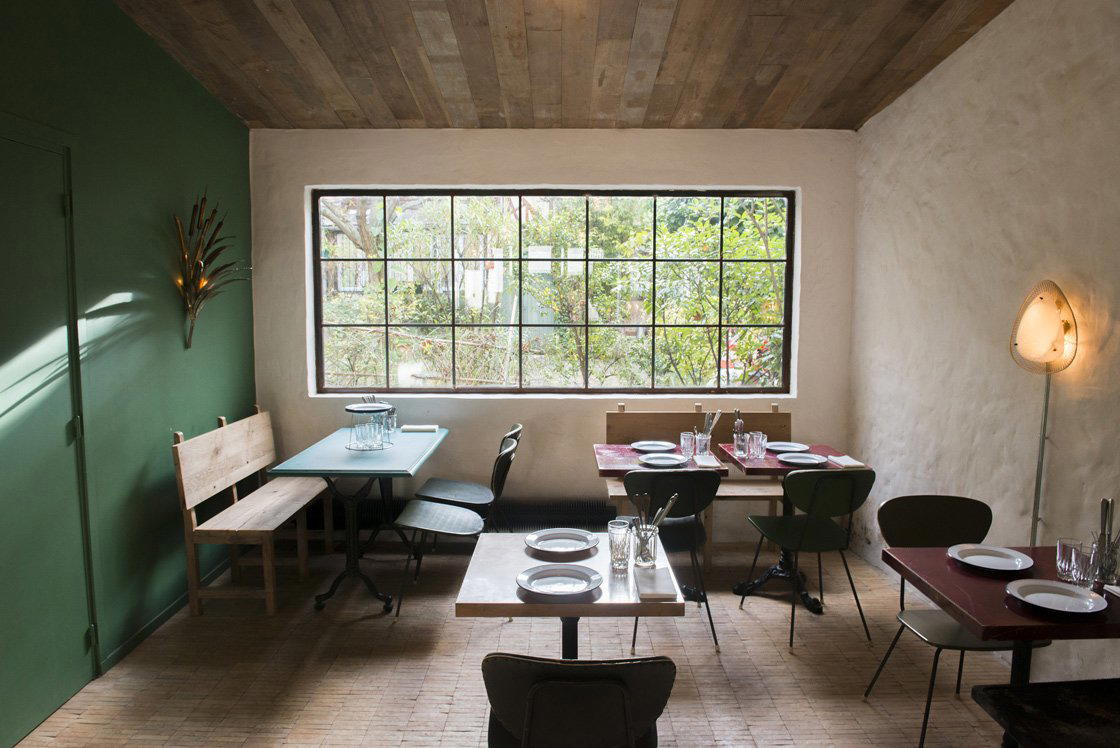
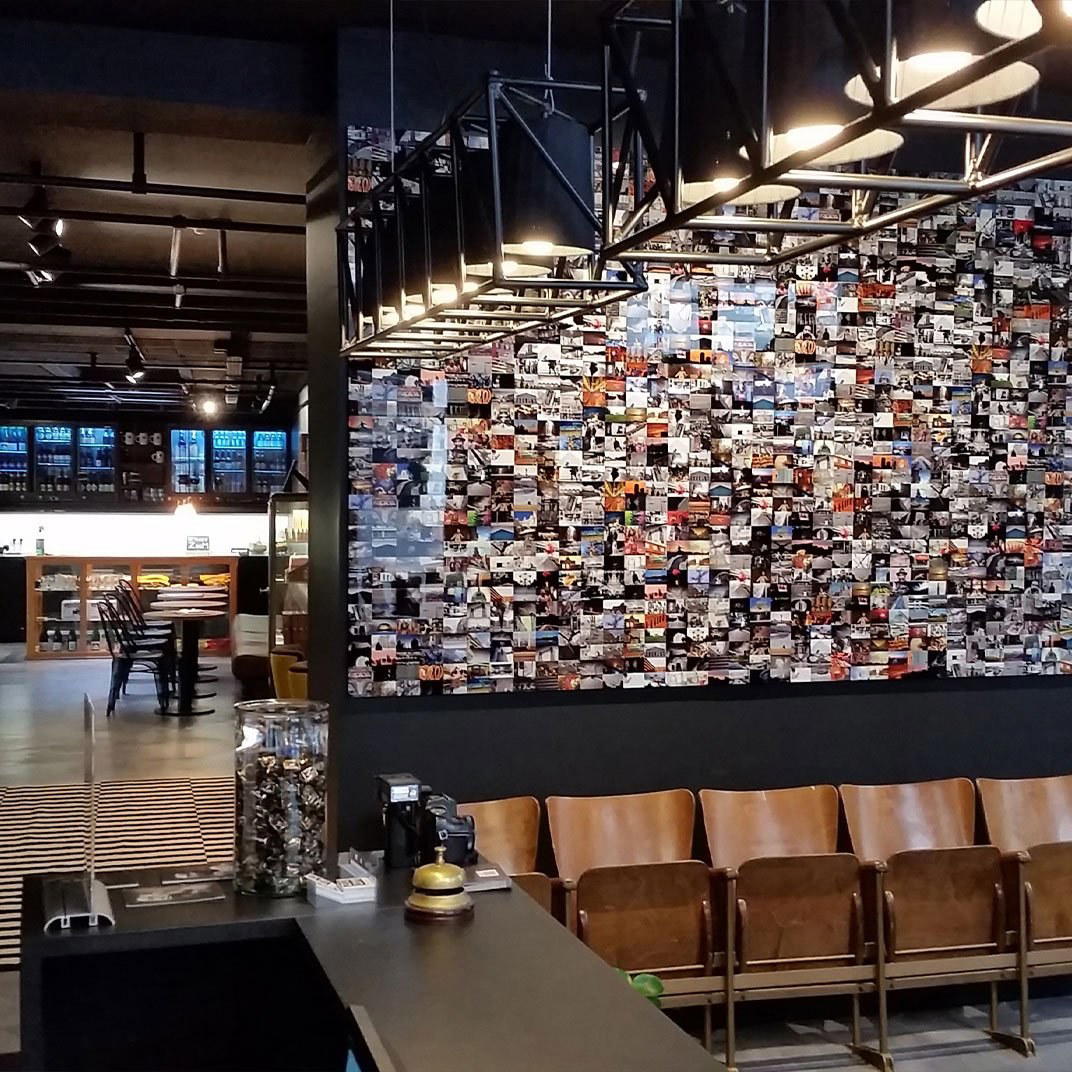
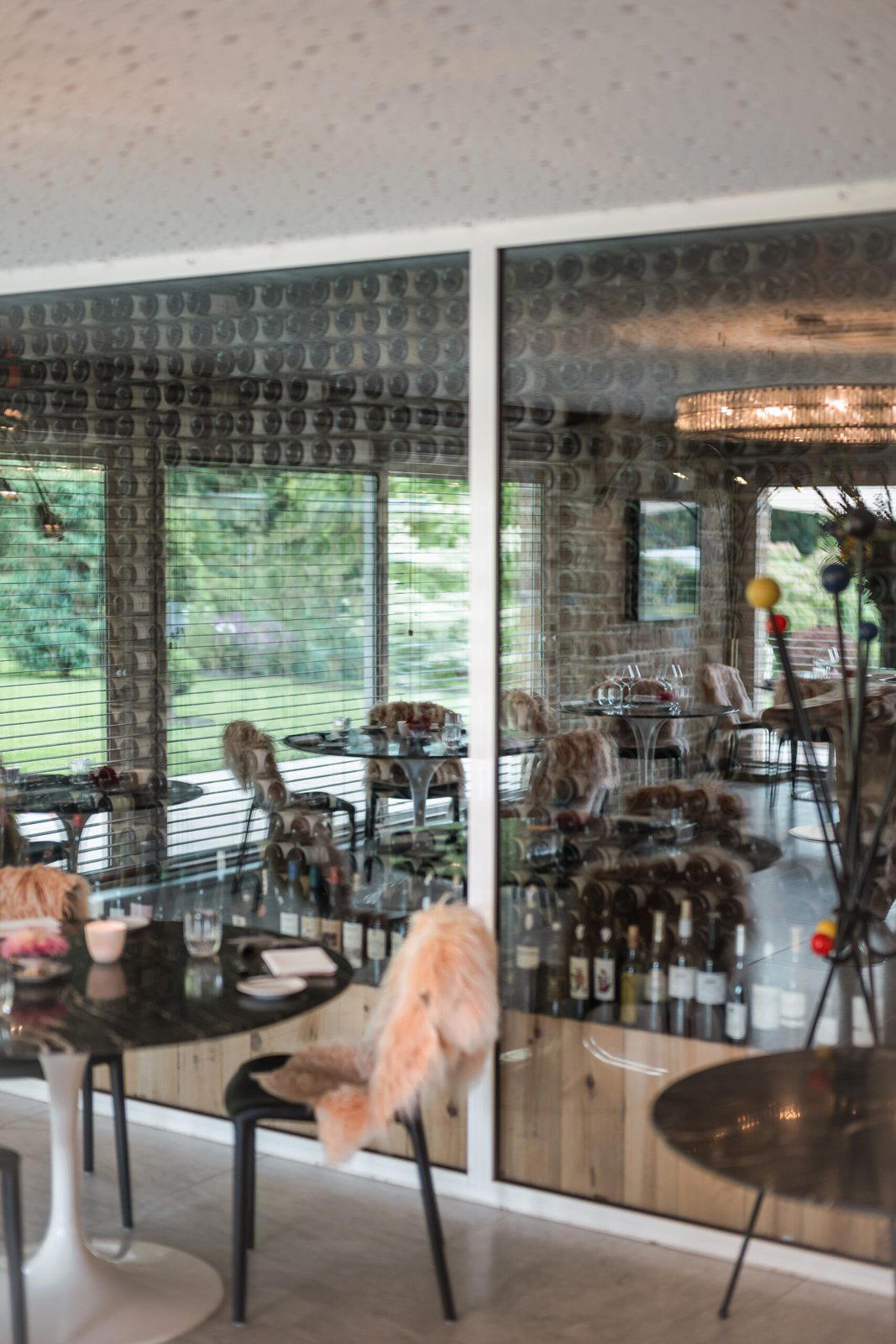
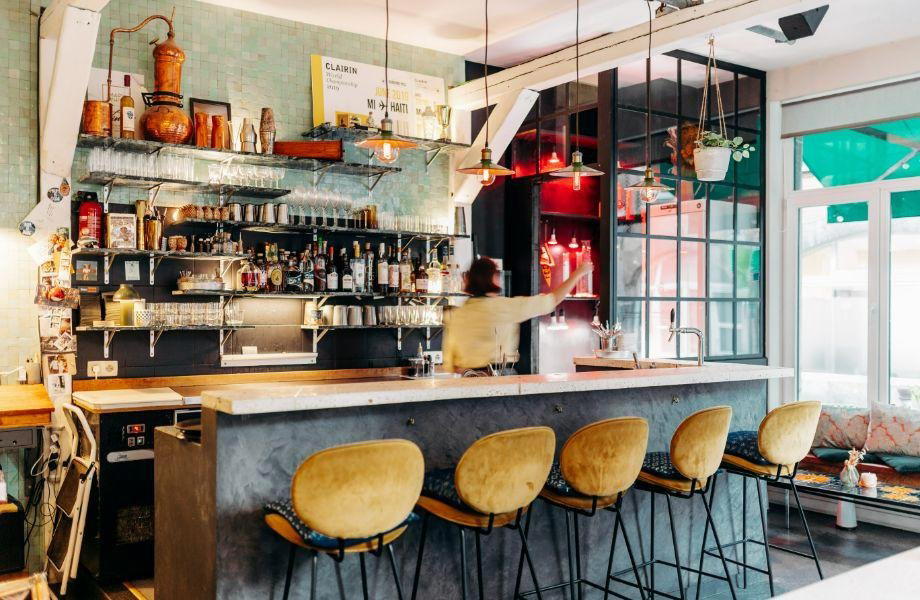
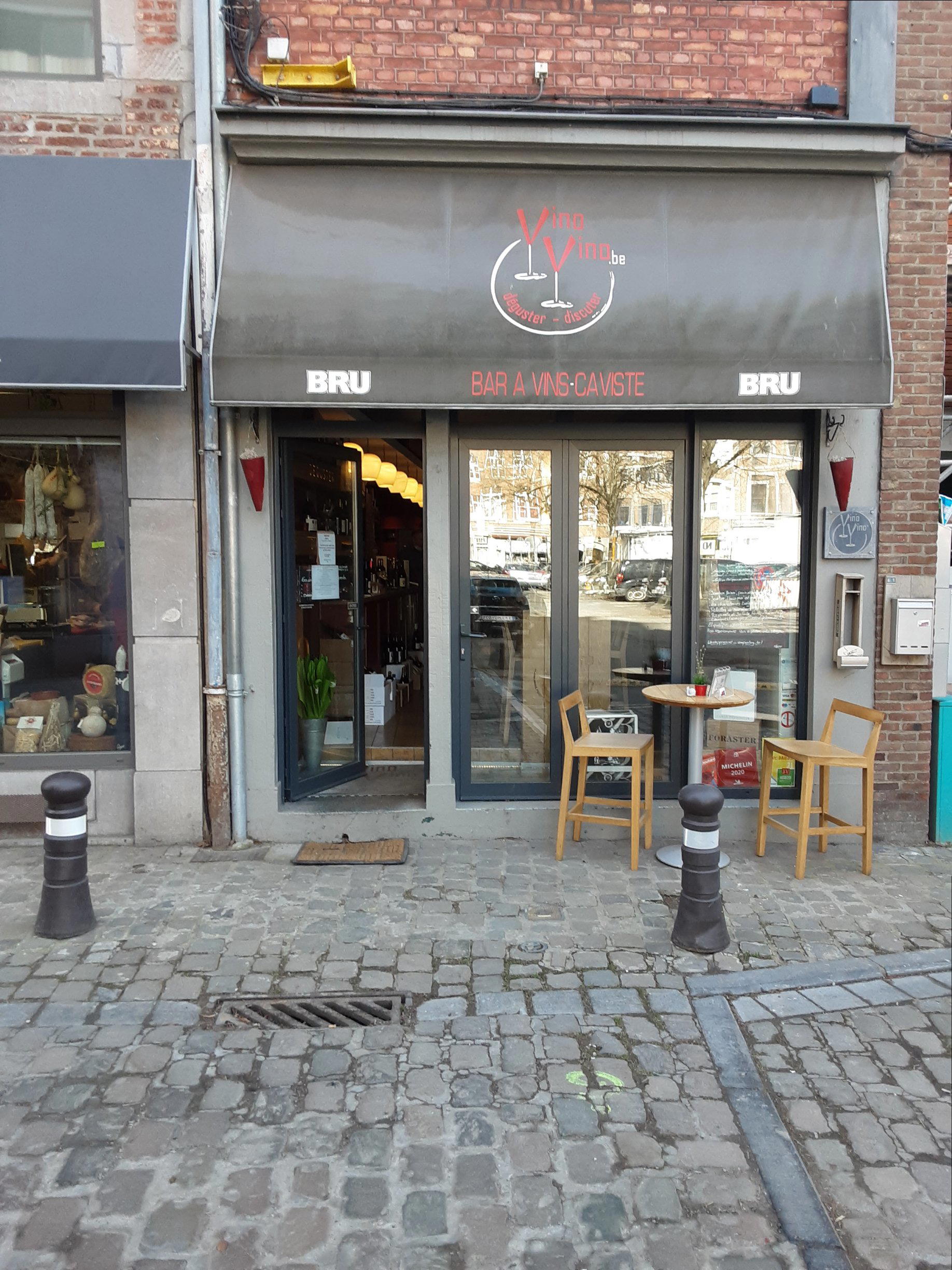
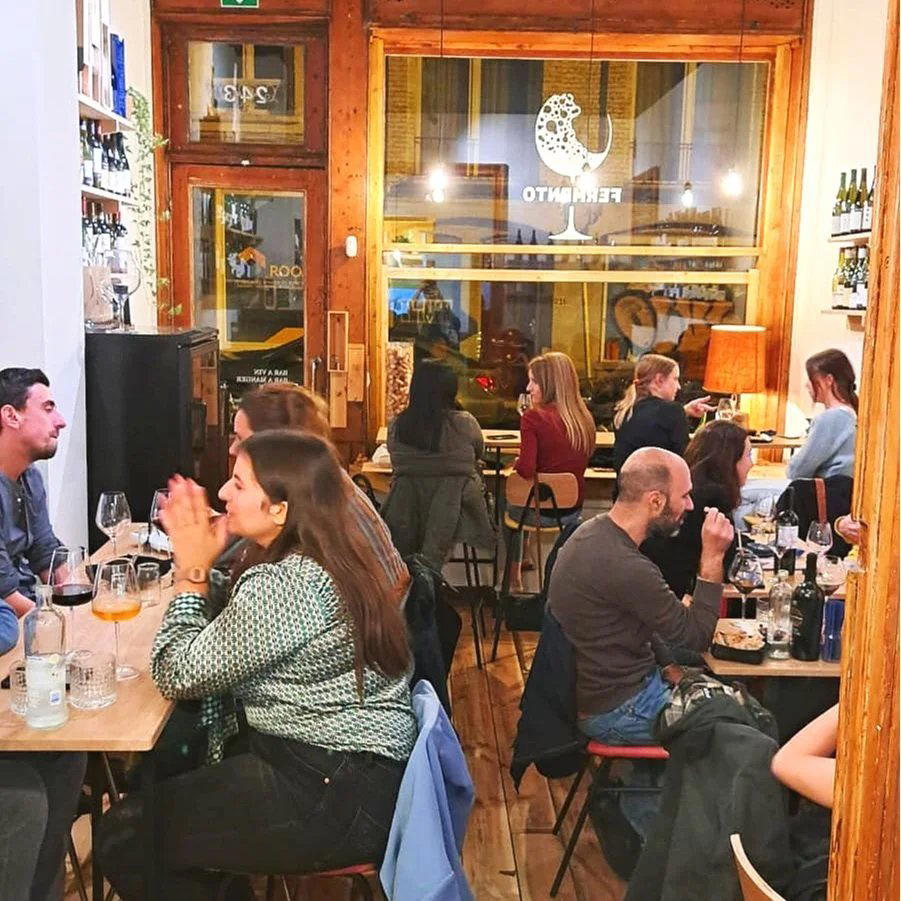
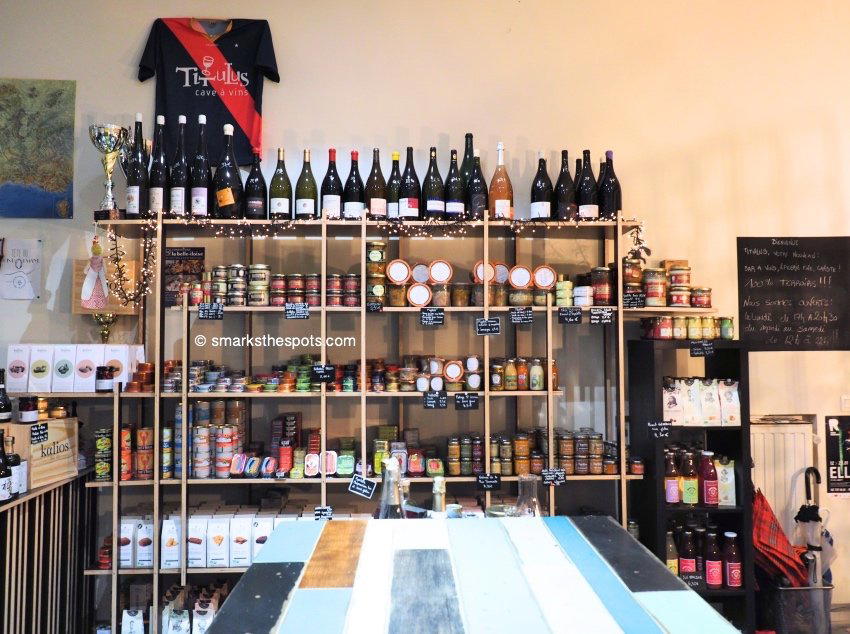
Laid-back wine bar atmosphere with exposed bricks, lush green plants, chalkboard menu, and warm, inviting setting.