Le Chalet de la Bourgogne
Le Chalet de la Bourgogne sits on the Chaussée de Tournai in Leuze-en-Hainaut, a town in Hainaut province that represents a quieter register of Belgian dining culture. The chalet format and Burgundian name signal a kitchen oriented toward French classical roots, placing it within a regional tradition of Franco-Belgian cooking that Hainaut has sustained for decades. Visitors to this corner of Wallonia will find a dining room where the setting carries as much weight as the plate.
Pearl is the En Primeur Club membership app — saves, bookings, and concierge access live there. Same editors, same standards.
- Address
- Chau. de Tournai 1, 7900 Leuze-en-Hainaut, Belgium
- Phone
- +3269661978
- Website
- webnode.be
- Directions
- Get directions
 Saves & bookings on Pearl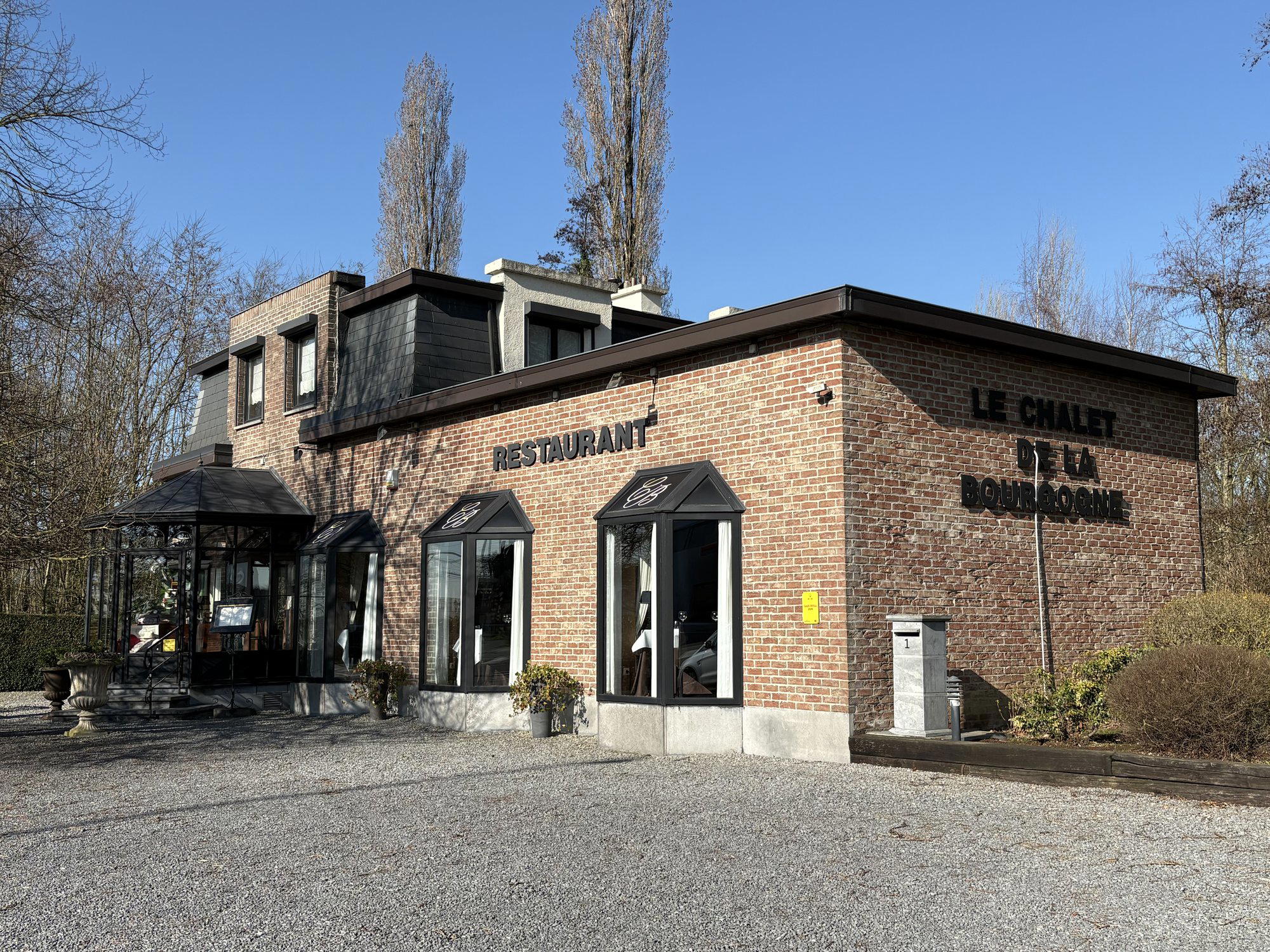
Where Hainaut Meets the French Table
The road from Tournai into Leuze-en-Hainaut is the kind of provincial French-Belgian corridor where the restaurant signs change from brasserie to estaminet to chalet without much fanfare. Le Chalet de la Bourgogne sits on the Chaussée de Tournai at the edge of town, and its name telegraphs a clear culinary allegiance before you have opened the door. Across this stretch of Wallonia, kitchens that invoke Burgundy are making a statement about sourcing, about sauce work, about the primacy of the French larder over newer international registers. That framing matters because it places this address in a lineage rather than a trend.
The Chalet Format in Hainaut Context
In Belgian provincial dining, the chalet format has a specific social grammar. These are not mountain retreats transplanted to the flatlands; they are rooms built for occasion eating, for tables that linger, for menus that move through multiple courses without apology. Hainaut province, which borders France to the south and connects to the Flemish industrial belt to the north, developed its own distinctive restaurant culture partly because it sat at a crossroads of French cooking influence and Flemish product tradition. The province never accumulated the media attention of Brussels or the coastal restaurants, but kitchens in towns like Leuze, Ath, and Baudour have maintained a consistency that rewards the drive from the capital. d'Eugénie à Emilie in Baudour represents one expression of that Hainaut dining character; Le Chalet de la Bourgogne, a few kilometres east along the Tournai axis, represents another.
Sourcing and the Burgundian Signal
A restaurant that names itself after Burgundy is entering into a specific conversation about ingredient provenance. In the classical French tradition, Burgundy functions as a kind of shorthand for a particular relationship with raw material: beef from Charolais herds, cream from the dairy belt, wine from the Côte d'Or used in cooking as well as at the table. Belgian kitchens that adopt this orientation typically source across a wider geography than a Dijon or Beaune table would, drawing on Belgian beef production, Ardennes game and charcuterie, and the vegetable yields from the Hainaut polders, but calibrating those materials through the lens of classical French technique. The result is cooking where the sourcing story is embedded in the method: braising times that respect the density of locally raised meat, reductions built from bones rather than shortcuts, sauces that require time rather than technology.
This approach places Le Chalet de la Bourgogne in a different competitive tier from the creative French-Asian hybrids that have defined Belgium's most internationally visible restaurants in recent years. Venues like L'air du temps in Liernu have attracted international attention by working at the intersection of French technique and Asian ingredient logic. The Burgundian chalet model is a counter-argument: that the French classical canon, applied to Belgian raw materials with rigour, produces its own form of authority that does not require novelty to justify itself.
Belgium's Provincial Restaurant Belt
To understand where Le Chalet de la Bourgogne sits in the broader Belgian dining map, it helps to consider how the country's restaurant culture distributes itself. Michelin-starred operations cluster in Ghent, Brussels, and the Flemish countryside, with names like Hof van Cleve in Kruishoutem, Boury in Roeselare, and Zilte in Antwerp setting reference points at the leading. Below that tier, a substantial layer of provincial French-Belgian restaurants operates with less media coverage but considerable local loyalty. These are the tables where the Belgian habit of eating seriously on a Tuesday still holds, where the regular clientele is composed of local professionals rather than visiting food tourists, and where the kitchen is calibrated to sustain a neighbourhood rather than to court a guidebook entry.
Leuze-en-Hainaut is exactly that kind of town. Its dining scene does not aspire to the creative intensity of De Jonkman in Sint-Kruis or the product-forward radicalism of Willem Hiele in Oudenburg. What it offers instead is a more durable form of regional cooking: French-rooted, ingredient-led, and honest about what it is. For visitors coming from Brussels, the journey along the E42 takes roughly an hour, which is long enough to feel like a destination meal rather than a casual dinner, but short enough to return the same evening.
The Broader Franco-Belgian Tradition
France and Belgium share more than a border when it comes to table culture. The northern French tradition of cooking in wine, of treating the sauce as the centrepiece of the plate, and of measuring quality by the depth of flavour in a braised dish rather than the visual drama of a plated composition, runs continuously into Wallonian cooking without a clear break. Belgian kitchens in this tradition are not imitating Paris; they are drawing from the same agricultural and culinary reservoir that crosses the border in both directions. Burgundy, geographically distant from Hainaut, functions as a reference point and a set of values rather than a literal supply chain. When a Belgian chalet kitchen invokes it, the implication is about aspiration: slow cooking, wine-based sauces, and an ingredient sourcing ethic that treats beef, poultry, and seasonal vegetables as the genuine protagonists of the meal.
For context on what Belgian classical cooking looks like in an urban register, Bozar Restaurant in Brussels provides a useful comparison, as does the Belgian coastal expression of classical sourcing at Bartholomeus in Heist. Further afield, Le Bernardin in New York City illustrates how the French classical sourcing philosophy travels internationally when applied to a single product category with rigour.
Planning Your Visit
The restaurant is located at Chaussée de Tournai 1, 7900 Leuze-en-Hainaut. The address is accessible by car from Tournai in under fifteen minutes, and from Brussels in approximately an hour via the E42. As with most provincial Belgian restaurants of this type, advance contact is advisable; the chalet format tends to operate with a smaller team than city restaurants, and weekend tables at this level of cooking fill on local demand. Current hours and booking availability are best confirmed directly with the venue. Visitors exploring the wider Hainaut dining scene should also consider Plaisir dit vin, also in Leuze-en-Hainaut, for a complementary perspective on local dining. The Leuze-en-Hainaut restaurants guide covers the town's options in greater depth.
Travellers interested in how the French classical tradition plays out across different Belgian price points and formats can cross-reference with La Table de Maxime in Our, La Durée in Izegem, Maison Colette in Tongerlo, and Castor in Beveren. Each operates in a distinct regional register; together they map the range of serious cooking that Belgium sustains outside its headline cities.
How It Stacks Up
Comparable venues nearby, for context on price, style, and recognition.
| Venue | Cuisine | Price | Notes |
|---|---|---|---|
| Le Chalet de la BourgogneThis venue — the venue you are viewing | French Fine Dining | $$$$ | Not listed |
| Plaisir dit vin | French-Belgian Bistronomic | $$ | Grand-Place |
| Les Marronniers | French Bistro | $$$$ | Saint-Sauveur |
| 't Parksken | French-Belgian Gastronomic | $$$$ | Balegem |
| L'Impératif d'Eole | French Contemporary Fine Dining | $$$$ | Quévy-le-Grand |
| Dunas | Modern French Coastal Fine Dining | $$$$ | Duinbergen |
Continue exploring
More in Leuze En Hainaut
Restaurants in Leuze En Hainaut
Browse all →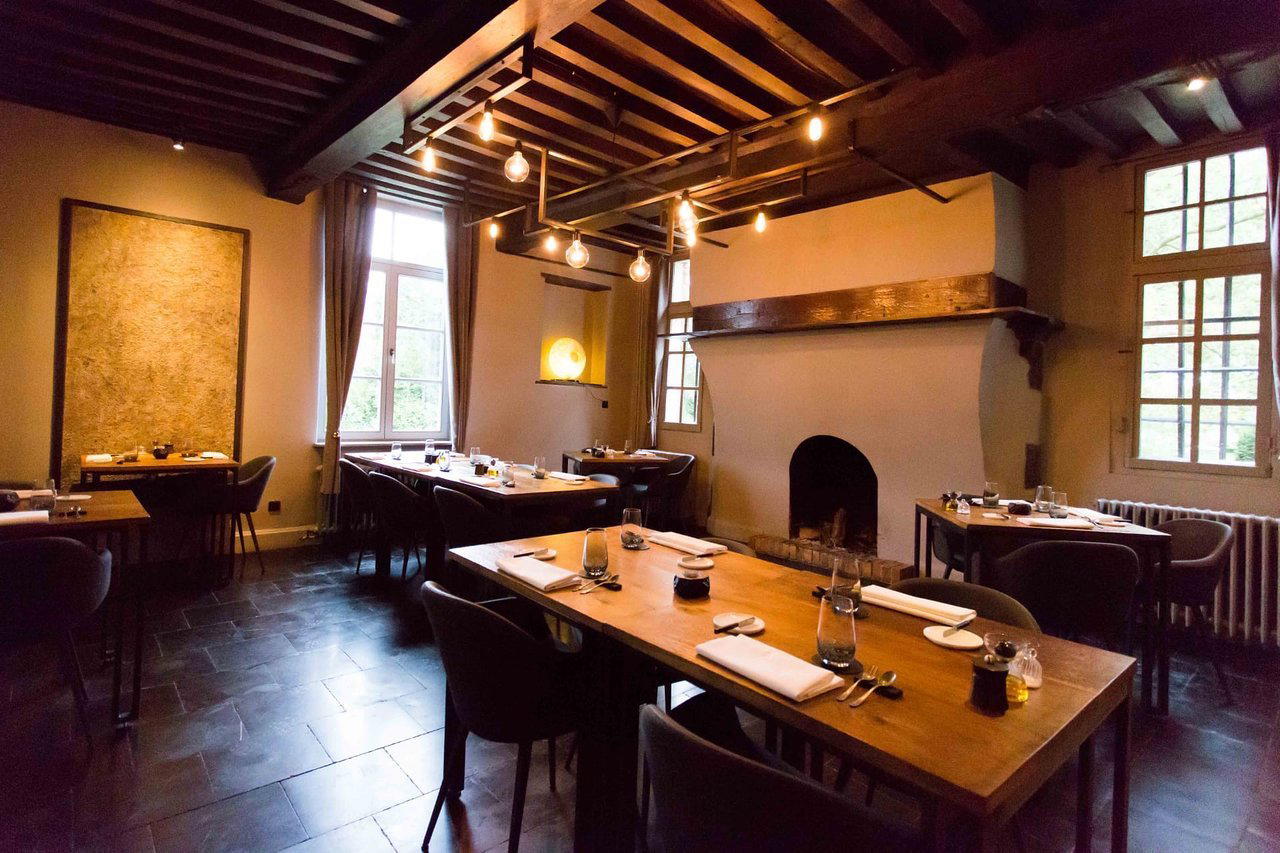
Bars in Leuze En Hainaut
Browse all →
At a Glance
- Rustic
- Cozy
- Elegant
- Date Night
- Special Occasion
- Historic Building
- Extensive Wine List
- Local Sourcing
Current opening hours
- Monday
- 12–1:30 PM
- Tuesday
- Closed
- Wednesday
- Closed
- Thursday
- 12–1:30 PM
- Friday
- 12–1:30 PM
- Saturday
- 12–1:30 PM, 7–9 PM
- Sunday
- 12–1:30 PM
Hours can change for holidays and private events. Last verified .
Rustic and cozy with a warm, welcoming atmosphere.