Maison Noire serves Classical French-Belgian with Eastern Touches in Izegem, with a quiet, leisurely pace that fits lunch or dinner.
Pearl is the En Primeur Club membership app — saves, bookings, and concierge access live there. Same editors, same standards.
- Address
- Lendeleedsestraat 108, 8870 Izegem, Belgium
- Phone
- +3251815196
- Website
- maisonnoire.be
- Directions
- Get directions
 Saves & bookings on Pearl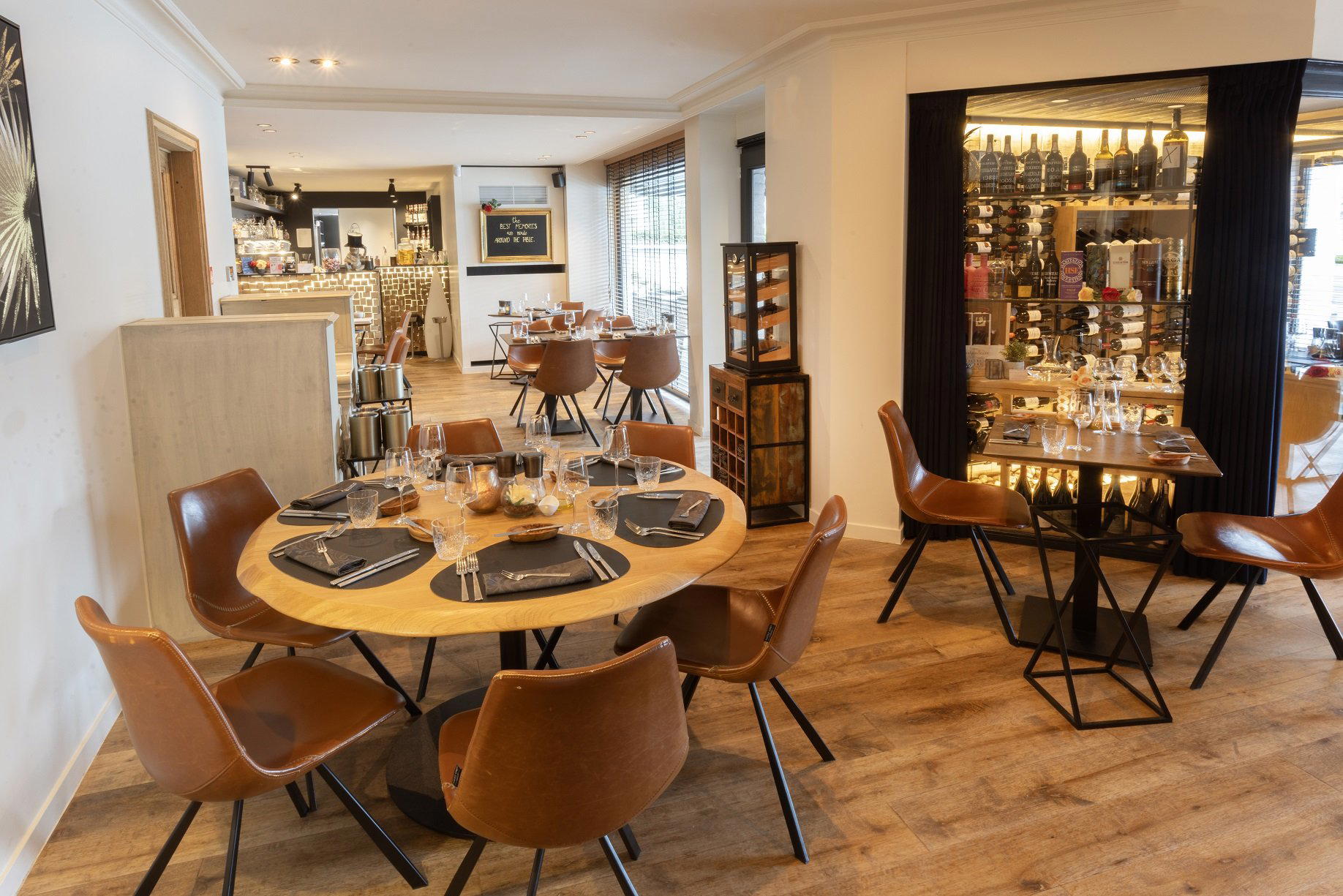
A Road That Asks You to Pay Attention
Lendeleedsestraat is not the kind of address that announces itself. The street runs through the industrial-residential edge of Izegem, a West Flemish city better known for its historic shoe trade than its restaurant scene, and arriving at number 108 requires a deliberate decision. That quality of deliberateness is, in many ways, the entry point for understanding what Maison Noire represents in the local dining context. In a part of Belgium where table-cloth restaurants still tend to anchor themselves near town squares or well-trafficked suburban strips, a venue positioned this far from the obvious circuit draws a specific kind of guest: one who has already decided to seek it out.
West Flanders and the Question of Where Ingredients Come From
The region surrounding Izegem sits within one of Belgium's most productive agricultural corridors. The West Flemish interior, bounded by Roeselare to the north and Kortrijk to the south, has long supplied the country's professional kitchens with root vegetables, chicory, leeks, and some of its most consistent dairy. That proximity to primary production has shaped a certain kitchen sensibility across the region: not so much farm-to-table as a philosophy born of habit, where sourcing locally is less a trend statement and more a structural reality.
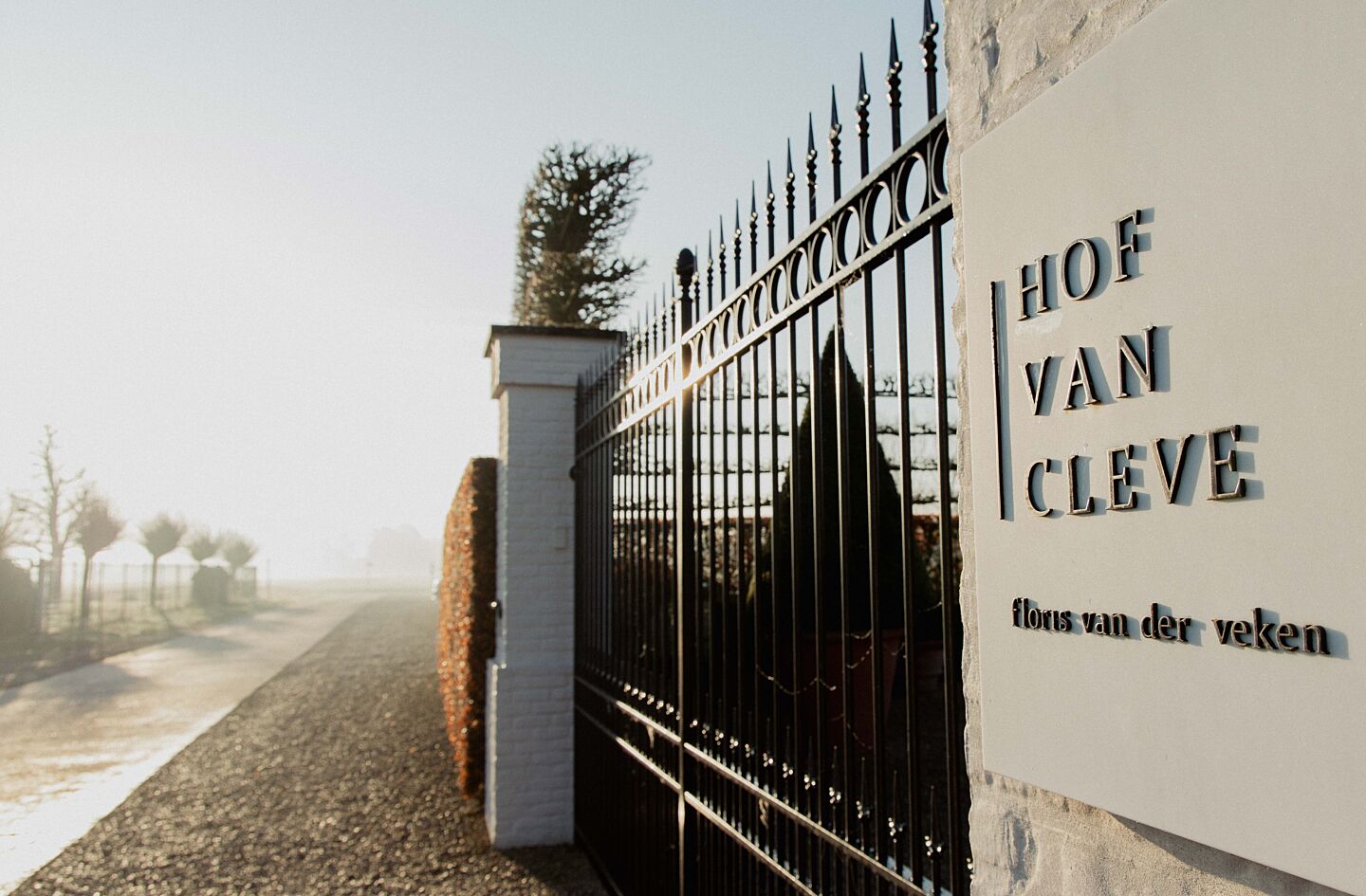
Restaurants in smaller Flemish cities have historically had access to ingredient quality that urban kitchens must work harder and pay more to secure. Boury in Roeselare, roughly ten kilometres north, has built a two-Michelin-star reputation in part by converting that regional proximity into a precise seasonal program. Hof van Cleve in Kruishoutem, East Flanders' three-star anchor, has demonstrated for years that Belgium's highest-awarded kitchens need not operate from its largest cities. Maison Noire occupies a different tier of that same regional conversation.
The Name as a Signal
In Belgian French, "maison noire" carries both the literal (black house) and something harder to translate: a certain severity, a refusal of warmth as decoration. Across the French-speaking world, dark-palette restaurant interiors have become a shorthand for a particular kind of seriousness, distinct from the warm-wood bistro tradition and the glass-and-concrete modernism of larger cities. The name, combined with the Lendeleedsestraat address, positions this as a venue making a choice about atmosphere rather than defaulting to local convention.
That choice has parallels elsewhere in Flemish dining. De Jonkman in Sint-Kruis and Castor in Beveren both demonstrate how smaller Belgian cities have begun to support restaurants whose visual identity communicates a distinct seriousness of intent, attracting guests from wider catchment areas who are specifically looking for that register rather than settling for what happens to be nearby.
Izegem's Emerging Dining Circuit
Izegem itself has developed a small but coherent group of restaurants worth treating as a circuit rather than isolated stops. La Durée, operating in the French-Belgian creative register at the leading price tier, and Nast, which works in Modern French at a mid-premium price point, both suggest that the city's dining scene has moved beyond the single-destination model. De Smaak, Parfait, and Retro round out a scene where visitors can reasonably plan a multi-meal stay rather than simply passing through. For a city of roughly 27,000 residents, that concentration of serious intent across multiple formats is not common in Belgium outside its larger urban centres.
For a broader view of where these restaurants sit in relation to each other, the full Izegem restaurants guide maps the current field in more detail.
Regional Context: Belgium's Non-Urban Fine Dining Tradition
Belgium has a longer tradition of destination dining in provincial settings than most of its European neighbours. The country's restaurant culture developed largely outside Brussels, with Michelin recognition accumulating in smaller Flemish and Walloon towns across decades. Willem Hiele in Oudenburg, Bartholomeus in Heist, and L'air du Temps in Liernu all belong to a pattern where critical recognition has consistently followed kitchens willing to operate far from population centres, provided the sourcing intelligence and technical level justified the detour.
This is partly a function of Belgium's geography: the country is small enough that driving forty-five minutes from Ghent or Bruges to reach a specific restaurant is not an unusual commitment. It also reflects a dining culture in which the quality of what arrives at the table has historically mattered more to local guests than the prestige of the postcode. d'Eugénie à Emilie in Baudour and Bozar Restaurant in Brussels sit at different ends of that geographic spectrum and still draw from the same national appetite for serious cooking wherever it surfaces.
Internationally, the closest analogue to this provincial fine dining pattern might be certain Japanese regional kitchens, where sourcing proximity to specific coastlines or mountain produce drives destination decisions in ways that urban restaurants cannot replicate regardless of technical skill. Le Bernardin in New York City and Atomix, also in New York, represent the other end of the spectrum: restaurants where the urban setting and global ingredient sourcing are themselves part of the value proposition. Maison Noire, by contrast, draws its logic from what is immediately available in the West Flemish soil and supply chain.
Planning a Visit
Izegem sits on the E403 corridor between Kortrijk and Bruges, with regular train connections through Roeselare making it accessible from Ghent or the coast without requiring a car. Lendeleedsestraat 108 is on the city's southern edge, closer to the ring road than the historic centre, so arriving by taxi or rideshare from the train station is the most practical approach. Given the limited data publicly available on Maison Noire's current booking window and format, reaching out directly through the address or via local dining platforms before planning travel is the appropriate first step. Zilte in Antwerp is worth considering as a companion destination if building a wider West and East Flemish itinerary around serious Belgian kitchens.
How Maison Noire Izegem compares with similar nearby venues.
| Venue | Cuisine | Price |
|---|---|---|
| Nast | Modern French | €€€ |
| Villared | Modern Cuisine | €€€ |
Continue exploring
More in Izegem
Restaurants in Izegem
Browse all →

Bars in Izegem
Browse all →
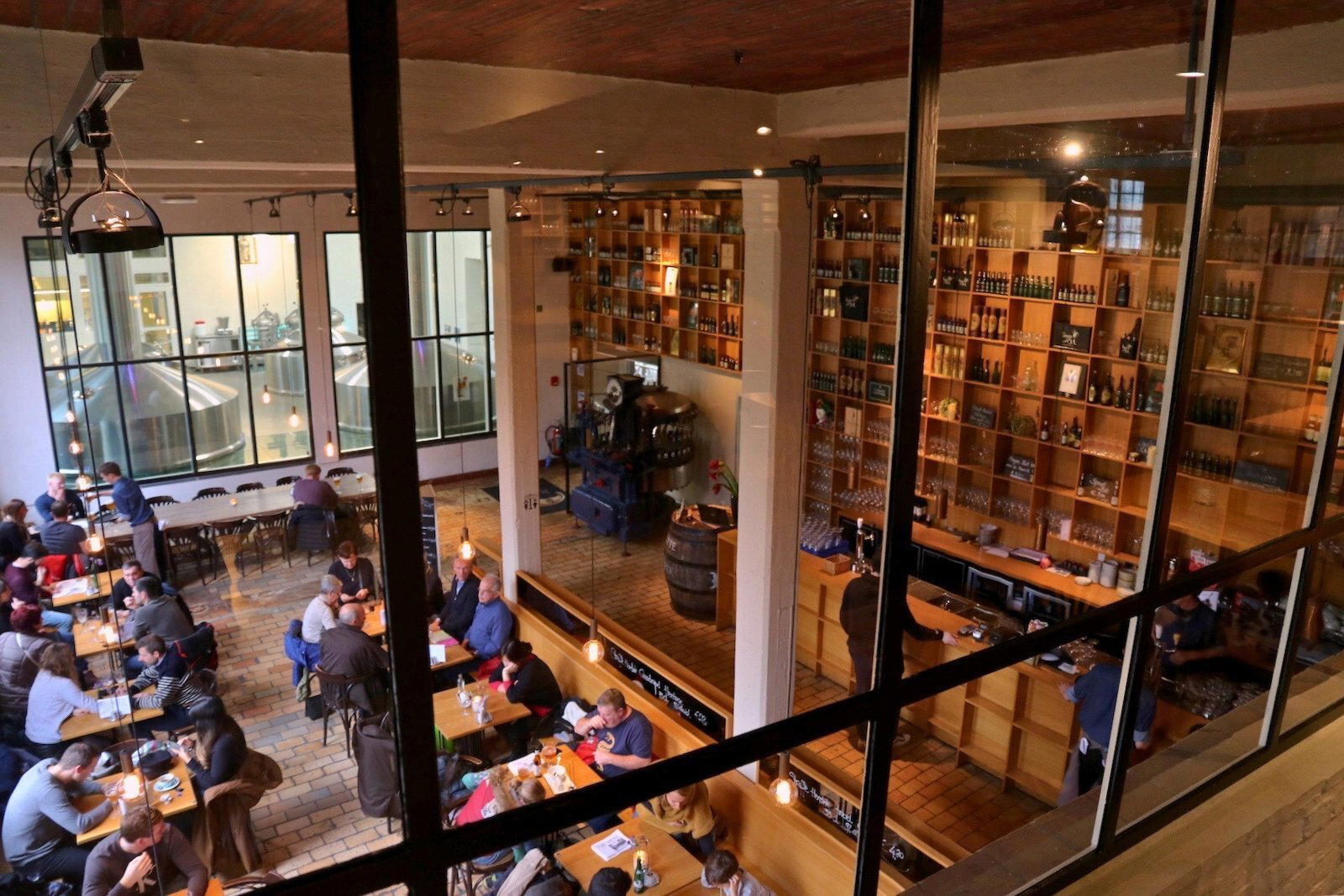
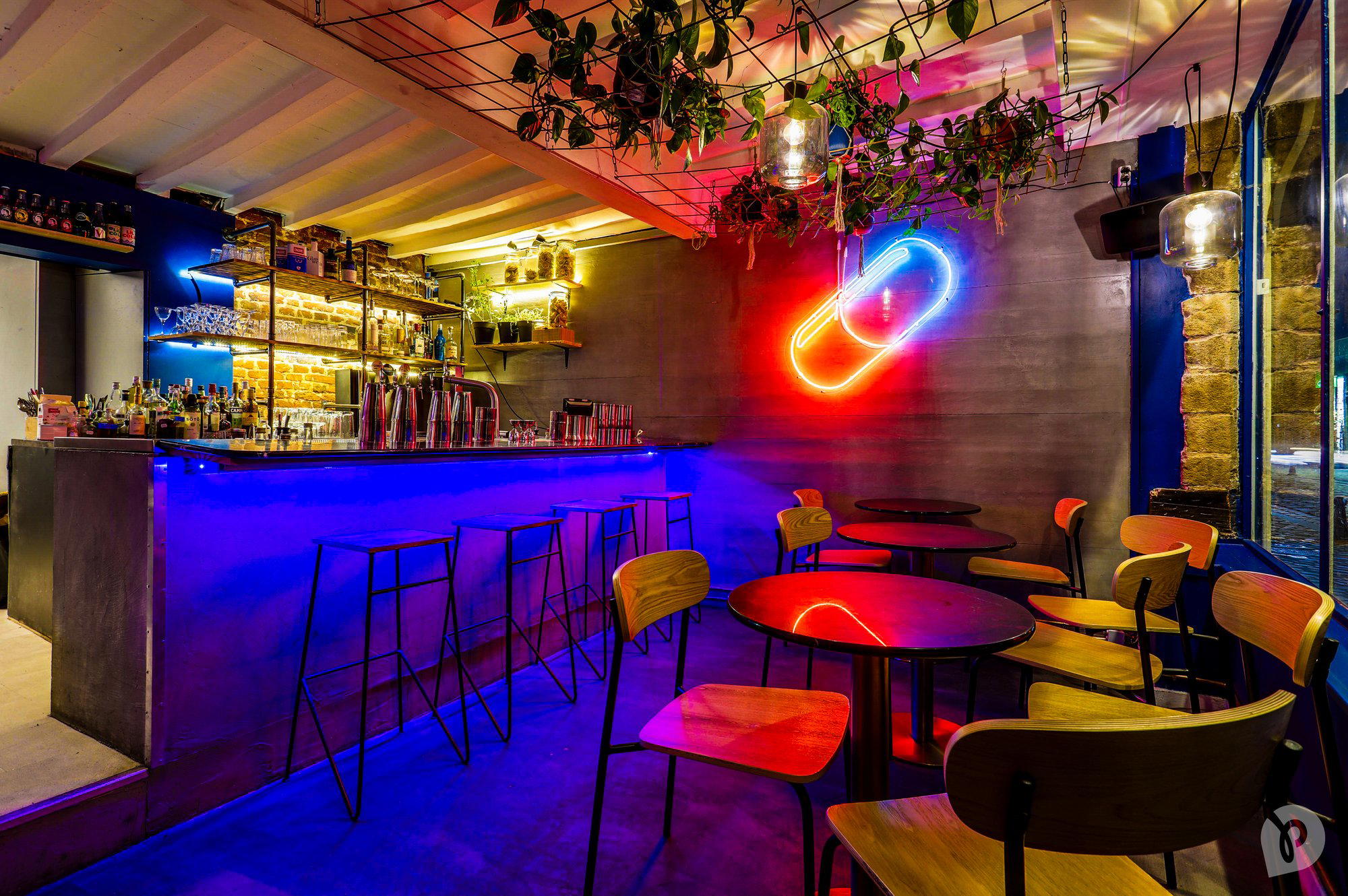
Hotels in Izegem
Browse all →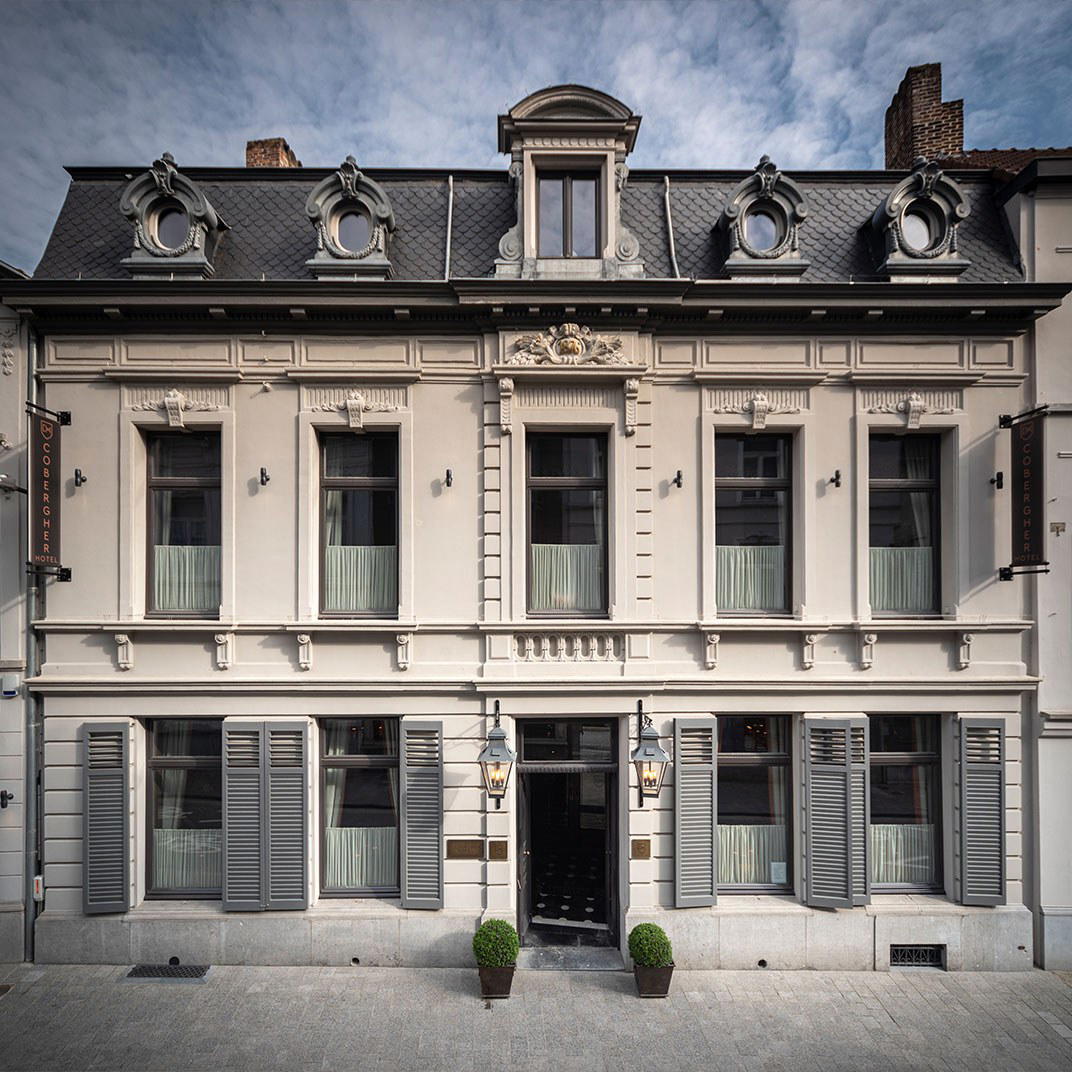
Wineries in Izegem
Browse all →
At a Glance
- Cozy
- Intimate
- Date Night
- Special Occasion
Current opening hours
- Monday
- Closed
- Tuesday
- 6:30–9 PM
- Wednesday
- 11:30 AM–2 PM, 6:30–9 PM
- Thursday
- 11:30 AM–2 PM, 6:30–9 PM
- Friday
- 11:30 AM–2 PM, 6:30–9 PM
- Saturday
- 6:30–9 PM
- Sunday
- 11:30 AM–2 PM
Hours can change for holidays and private events. Last verified .
Cozy and homely atmosphere with pleasant, intimate seating.
Know Before You Go
- Getting there
- Lendeleedsestraat 108, 8870 Izegem, Belgium