In a city better known for Swabian haute cuisine and Michelin-starred tasting menus, Pizzeria da Micci on Burgunderstraße operates on a different register entirely. Located in Stuttgart's northern district, it brings the Italian pizzeria tradition to a dining scene dominated by fine-dining ambition, positioning itself as a counter-argument to the prevailing local orthodoxy of elaborate, multi-course formats.
Pearl is the En Primeur Club membership app — saves, bookings, and concierge access live there. Same editors, same standards.
- Address
- Burgunderstraße 3, 70435 Stuttgart, Germany
- Phone
- +4971154040070
- Website
- pizzeria-da-micci.com
- Directions
- Get directions
 Saves & bookings on Pearl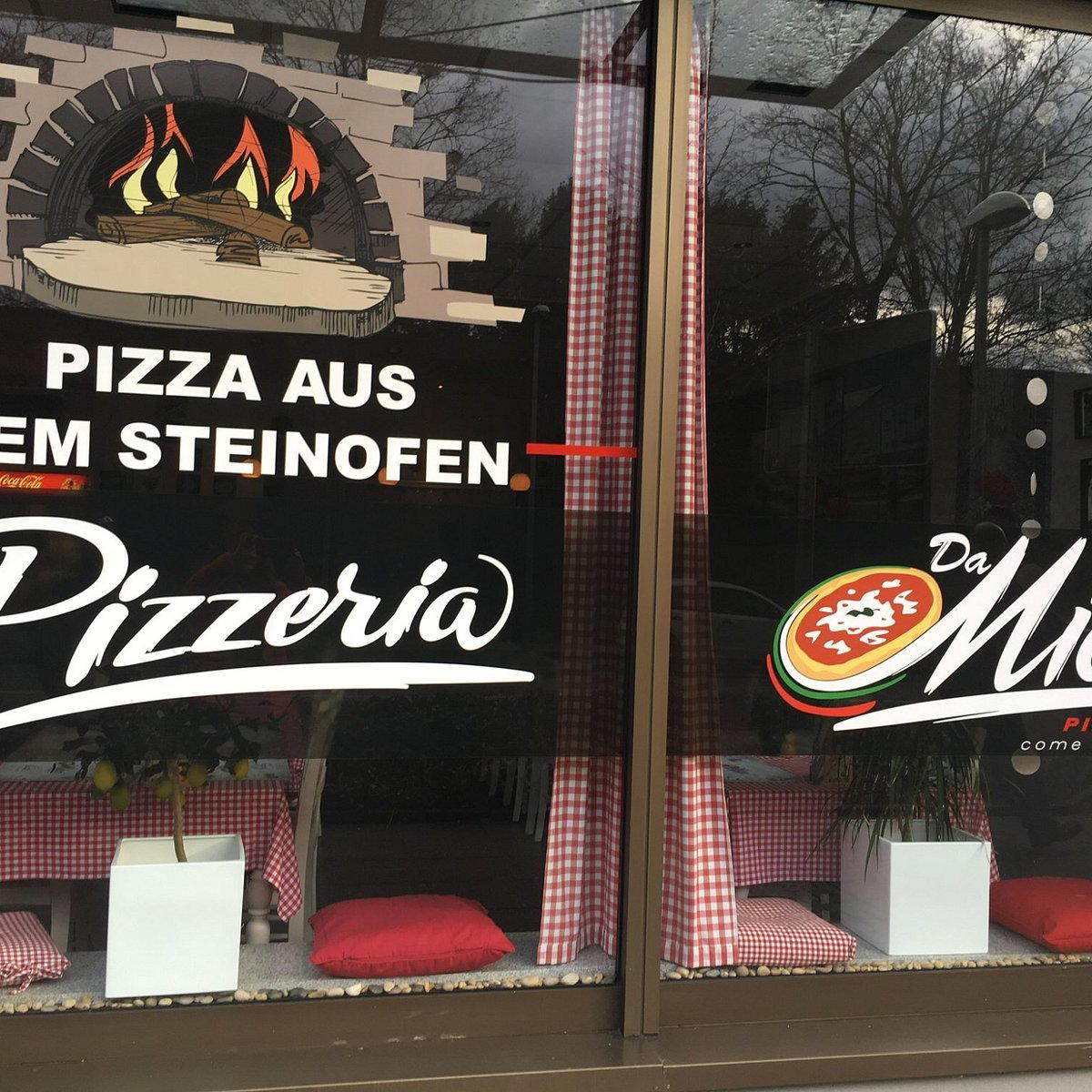
Stuttgart's Fine-Dining Gravity and the Case for a Different Plate
Pizzeria da Micci is an Authentic Neapolitan Pizza restaurant in Stuttgart, Germany, at Burgunderstraße 3. Stuttgart's restaurant reputation rests heavily on a cluster of high-investment, high-concept addresses: the creative tasting menus at Speisemeisterei, the modern cuisine at 5, and the long-running creative programs at Der Zauberlehrling and Délice. These are restaurants built around reduction, transformation, and ceremony. Pizzeria da Micci on Burgunderstraße 3, in the northern suburb of Zuffenhausen, operates from an entirely different premise: that the quality of the raw material, and the fidelity with which it is handled, is the entire argument.
This is not a radical idea in Naples or Rome, where the measure of a great pizzeria is inseparable from the flour milled that week, the San Marzano tomatoes from a specific coastal plain, and the water temperature used to activate the dough. In a German city where premium dining is almost synonymous with French technique and Swabian refinement, an ingredient-forward pizzeria occupies a genuinely distinct position.
Where the Food Comes From, and Why That Is the Point
Italian pizzeria culture at its most serious is, at its core, a sourcing argument. The dough, the fermentation window, the provenance of the tomatoes, the fior di latte versus buffalo mozzarella question, these are not incidental details but the primary markers by which informed diners evaluate a pizzeria's seriousness. This framing puts ingredient sourcing at the centre of the conversation in a way that most German restaurant categories, with their emphasis on technique and presentation, do not.
Pizzeria da Micci's address in Zuffenhausen, a working neighbourhood in Stuttgart's north known more for industry than gastronomy, signals something about the establishment's priorities. The northern districts of Stuttgart have a longer history of hosting Italian immigrant communities than the city's wealthier southern hillside neighbourhoods, and the Italian restaurant culture that emerged from those communities tends to be less performative and more ingredient-conscious than the kind of Italian dining that positions itself for tourists or expense accounts. A pizzeria embedded in that context is more likely to be sourcing for authenticity than for spectacle.
For diners comparing Stuttgart's Italian options to the broader German scene, it is worth noting that Germany's most ingredient-rigorous pizza operations now draw direct comparisons with the Neapolitan tradition that informs addresses like JAN in Munich, where Italian culinary lineage is treated as a verifiable credential rather than a loose aesthetic. The sourcing conversation in German pizza, as in German fine dining, has sharpened considerably in the past decade.
The Neighbourhood Context
Burgunderstraße sits in a part of Stuttgart that does not benefit from the visibility of the Bohnenviertel or the Akademiegarten dining corridors. Zuffenhausen is more commonly associated with the Porsche Museum than with food destinations, and that relative anonymity shapes the audience a restaurant there builds. Regulars rather than tourists, neighbourhood loyalty rather than itinerant visitors from the Schlossplatz hotels. For a pizzeria, this is often the better structural environment: the pressure is on consistency and value over time, not on a single marquee visit.
Stuttgart's dining scene as a whole is worth contextualising against the wider Baden-Württemberg region, which contains some of Germany's most decorated kitchens. The Schwarzwaldstube in Baiersbronn represents the apex of the region's fine-dining ambition, while addresses like Hegel Eins in Stuttgart itself occupy the modern cuisine tier within the city. Pizzeria da Micci operates in a completely different register from all of these, but that is precisely what makes its position in the city's dining structure coherent. Not every meal requires a tasting menu, and the Italian pizzeria tradition is one of the few dining formats where simplicity and sourcing quality can credibly compete with technical complexity for a diner's attention and repeat business.
Situating Da Micci in the German Pizza Context
Across Germany, the serious pizzeria category has grown more defined since roughly 2015, with operators increasingly making explicit claims about flour origin, fermentation time, and tomato variety. This mirrors developments in the broader European artisan pizza movement, which has positioned Neapolitan-style pizza, made with 00 flour, long cold fermentation, and baked in a wood-fired oven at high temperatures, as a distinct and defensible culinary tradition rather than a casual fallback. Cities like Berlin, Hamburg, and Munich now have multiple operators competing on these criteria. Stuttgart's market is smaller, which means the number of serious contenders in this sub-category is correspondingly limited.
For a point of reference on what ingredient-sourcing rigour looks like at the highest level of German dining, the approach taken at Aqua in Wolfsburg or Vendôme in Bergisch Gladbach is instructive: sourcing decisions are documented, regionality is foregrounded, and supplier relationships are treated as part of the restaurant's identity. In the pizzeria context, the equivalent is transparency about flour and tomato provenance, dough hydration and fermentation windows, and the geographic origin of key toppings.
Other German addresses worth considering for rigorous Italian-adjacent sourcing include ES:SENZ in Grassau, which draws on Alpine regional sourcing within a different culinary framework, and CODA Dessert Dining in Berlin, which demonstrates how single-ingredient focus can build an entire dining proposition. Neither is a direct peer of a Stuttgart pizzeria, but both illustrate how ingredient commitment functions as a credibility signal across different dining formats.
At the international end of the sourcing conversation, the approach at Le Bernardin in New York City, where sourcing is a stated pillar of the restaurant's identity, and at Atomix in New York City, where Korean ingredient provenance is documented with academic precision, shows how seriously the leading operations in the world treat this question. The pizzeria tradition, at its most rigorous, is making the same argument with a different vocabulary.
For Stuttgart specifically, the restaurants worth considering alongside the restaurant for a full picture of the city's dining range include the tasting menu formats at Victor's Fine Dining by Christian Bau in the wider region, the classical ambition of Waldhotel Sonnora in Dreis, and the modern precision of Schanz in Piesport. These are not competitors; they are the wider context within which a serious pizzeria makes a different kind of case. The Restaurant Haerlin in Hamburg and Délice locally represent the classical French anchor of German fine dining, which is the tradition that most contrasts with the Italian pizzeria's stripped-back sourcing logic.
Know Before You Go
- Address: Burgunderstraße 3, 70435 Stuttgart, Germany
- Neighbourhood: Zuffenhausen, Stuttgart North
- Category: Italian pizzeria
- Price range: About $15 per person
- Reservations: Recommended
- Getting there: Burgunderstraße 3, 70435 Stuttgart, Germany
- Hours: Mon: 11:30 AM–2:30 PM, 5–10:30 PM; Tue: 11:30 AM–2:30 PM, 5–10:30 PM; Wed: 11:30 AM–2:30 PM, 5–10:30 PM; Thu: 11:30 AM–2:30 PM, 5–10:30 PM; Fri: 11:30 AM–11 PM; Sat: 11:30 AM–11 PM; Sun: 11:30 AM–10:30 PM
A Minimal comparable set
Comparable venues nearby, for context on price, style, and recognition.
| Venue | Cuisine | Price | Notes |
|---|---|---|---|
| Pizzeria da MicciThis venue — the venue you are viewing | Weilimdorf, Authentic Neapolitan Pizza | $$ | Not listed |
| Restaurant Empore | Not listed | $$ | Gablenberg, Italian Market Hall Restaurant |
| Oishi Sushi | Not listed | $$ | Feuerbach, Japanese Sushi with Chinese Influences |
| Oggi | Gablenberg, Traditional Italian | $$$ | Not listed |
| Heaven's Kitchen | Gablenberg, Modern Vegan | $$ | Not listed |
| vhy in plants we trust | Heslach, Creative Vegan | $$ | Not listed |
Continue exploring
More in Stuttgart
Restaurants in Stuttgart
Browse all →
Bars in Stuttgart
Browse all →

Hotels in Stuttgart
Browse all →

At a Glance
- Classic
- Cozy
- Rustic
- Casual Hangout
- Group Dining
- Standalone
Current opening hours
- Monday
- 11:30 AM–2:30 PM, 5–10:30 PM
- Tuesday
- 11:30 AM–2:30 PM, 5–10:30 PM
- Wednesday
- 11:30 AM–2:30 PM, 5–10:30 PM
- Thursday
- 11:30 AM–2:30 PM, 5–10:30 PM
- Friday
- 11:30 AM–11 PM
- Saturday
- 11:30 AM–11 PM
- Sunday
- 11:30 AM–10:30 PM
Hours can change for holidays and private events. Last verified .
Warm and welcoming Italian atmosphere with a focus on traditional, authentic dining experience.