Pisco y Nazca Ceviche Gastrobar
Pisco y Nazca Ceviche Gastrobar brings the coastal gastrobar tradition of Peru to Washington, D.C., centering the menu on ceviche and pisco-driven cocktails. Located at 1823 L St NW in the heart of Midtown, it sits within a D.C. Peruvian dining scene that has grown considerably more serious over the past decade. The format, casual enough for a weeknight, specific enough to reward attention, fills a gap between fast-casual and the city's fine-dining tier.
Pearl is the En Primeur Club membership app — saves, bookings, and concierge access live there. Same editors, same standards.
- Address
- 1823 L St NW, Washington, DC 20036
- Phone
- +12025593726
- Website
- piscoynazca.com
- Directions
- Get directions
 Saves & bookings on Pearl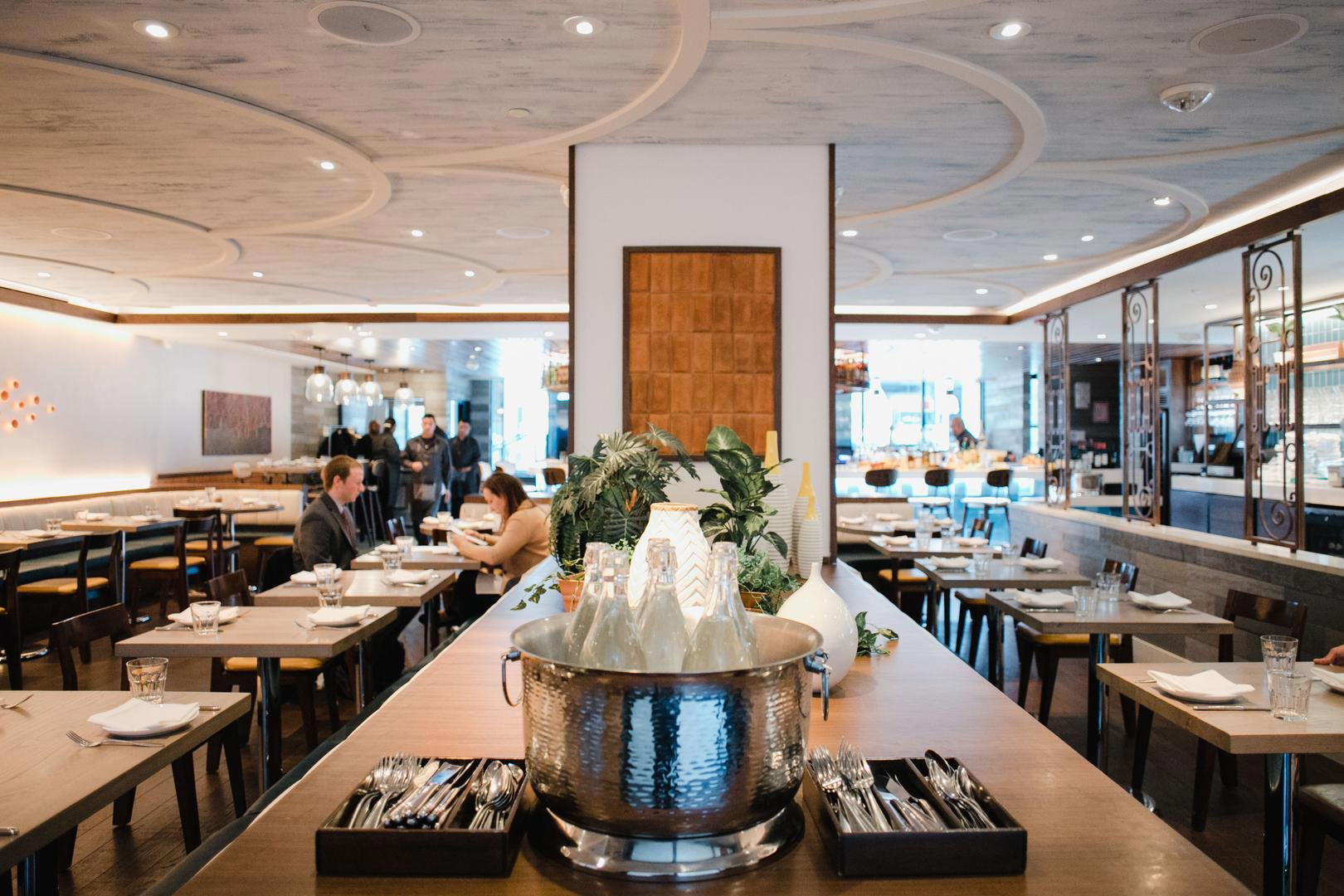
Peru's Coastal Gastrobar Format, Planted in Midtown D.C.
Pisco y Nazca Ceviche Gastrobar is a modern Peruvian ceviche gastrobar in Washington, D.C. at 1823 L St NW, with a price tier around $30 per person. Pisco y Nazca Ceviche Gastrobar at 1823 L St NW occupies a different register. The gastrobar format sits between the informal cevichería and the fully composed tasting-room experience. D.C.'s version reflects the capital's increasingly serious engagement with Peruvian cuisine, a tradition that draws on Japanese, Chinese, Spanish, and indigenous Andean influences in ways that still surprise diners expecting something narrower.
Why Peruvian Cuisine Carries This Much Freight
Peruvian cooking is not a single tradition but a layered accumulation of migration and geography. The Nikkei current, the Japanese-Peruvian fusion that produces tiradito, ceviche's sliced, sashimi-adjacent cousin, developed over more than a century of Japanese immigration along Peru's Pacific coast. The Chifa tradition, rooted in Cantonese migration to Lima, added wok technique and soy to a pantry already dense with ají amarillo, huacatay, and chicha de jora. By the time Lima emerged in the 2000s as one of South America's most-watched food cities, it was because this synthesis had been cooking for generations. The gastrobar model translates that synthesis for a wider audience: ceviche as the anchor, pisco as the spirit program's backbone, and a menu that allows grazing across traditions rather than committing to a single throughline.
D.C. has developed a Peruvian dining tier that reflects this complexity more precisely than it did a decade ago. Causa operates at the fine-dining end of that spectrum, with a tasting-menu format and price point that places it alongside Albi and Jônt in the city's upper bracket. Pisco y Nazca occupies a different position: accessible price architecture, broader format, and a menu designed for repeat visits rather than a single occasion. That positioning is deliberate and reflects how the gastrobar model has traveled from Lima's Miraflores district to American cities, not as a luxury category but as an everyday dining register with genuine culinary depth.
Ceviche as a Technical Category, Not Just a Dish
In Peru, ceviche is a technical discipline with regional variation and strong opinions about method. The leche de tigre, the citrus-and-ají cure that cooks the fish through acid rather than heat, carries different flavor profiles depending on the ají base, the fish, and the resting time. Tiradito forgoes the onion and cuts differently, leaning on the Japanese influence in its presentation. Causas, the layered potato preparations that anchor much of Peruvian appetizer culture, are a separate tradition entirely, built around the waxy yellow potato that grows at Andean altitude and carries a flavor that bears little resemblance to its North American counterparts.
The gastrobar format at Pisco y Nazca is structured to move across these categories without requiring the diner to have prior knowledge of Peruvian culinary geography. That accessibility is part of the format's appeal in a city like Washington, where diplomatic and international communities provide a customer base that includes Peruvian food veterans alongside first-time encounters. The ceviche bar format also works unusually well for the Midtown D.C. lunch and early-evening market, where the lighter, acid-bright preparations sit more comfortably than the heavier tasting menus that dominate the fine-dining tier.
The Pisco Program as Cultural Anchor
Pisco occupies a contested cultural position: both Peru and Chile claim it, with legal appellations on both sides of the border. The Peruvian version, produced primarily in the Ica region, must be distilled from eight permitted grape varieties and cannot be diluted after distillation, a production rule that results in a spirit with more aromatic complexity and higher proof than many casual drinkers expect. The pisco sour, made with pisco, lime juice, simple syrup, egg white, and Angostura bitters, is the-known vehicle, but the grape-variety distinctions across Quebranta, Torontel, Albilla, and Mosto Verde produce meaningfully different spirits for a bar program with ambitions beyond the single cocktail.
In Washington's cocktail market, which has moved steadily toward ingredient-specific and spirit-specific programming over the past several years, a pisco-anchored bar program occupies a relatively underrepresented position. The city's cocktail attention has concentrated on Japanese whisky, mezcal, and natural-wine programs at venues like Oyster Oyster and the more technically ambitious end of the fine-dining spectrum at minibar. A pisco-forward program with depth across Peruvian producers sits outside those dominant categories in a way that rewards drinkers who come in already curious.
Where Pisco y Nazca Sits in D.C.'s Broader Map
Washington's restaurant geography has shifted in recent years toward a more distributed model, with serious dining spreading beyond Georgetown and Penn Quarter into neighborhoods like Shaw, Navy Yard, and the 14th Street corridor. The Midtown concentration near Farragut and L Street remains one of the city's highest-density lunch markets, and the gastrobar format performs well in that environment: faster than a tasting menu, more considered than fast-casual, and capable of serving both the 45-minute weekday lunch and the longer weekend dinner.
Elsewhere in the U.S. the Peruvian gastrobar model has found traction in Miami and New York, but D.C.'s version benefits from a diplomatic community that provides a more geographically diverse customer base than most American cities. That matters for a cuisine where local knowledge and regional context shape what people order and how they engage with the menu. The format at Pisco y Nazca is calibrated for that range: specific enough to satisfy diners who know their tiradito from their ceviche clásico, accessible enough to orient those arriving without that background.
Know Before You Go
- Address: 1823 L St NW, Washington, DC 20036
- Neighbourhood: Midtown / Farragut Square
- Format: Peruvian gastrobar; ceviche and pisco program
- Price tier: Mid-range (check current menu for pricing)
- Nearest Metro: Farragut North (Red Line) or Farragut West (Blue/Orange/Silver Line)
Cuisine and Credentials
Comparable venues nearby, for context on price, style, and recognition.
| Venue | Cuisine | Price | Notes |
|---|---|---|---|
| Pisco y Nazca Ceviche GastrobarThis venue — the venue you are viewing | Modern Peruvian Ceviche Gastrobar | $$ | Not listed |
| DC Al Toque | Authentic Peruvian Cevicheria | $$ | La Cosecha |
| Amazonia | Rooftop Peruvian Bar & Small Plates | $$$ | Mount Vernon Square |
| Lima Twist | South American Fusion | $$$ | East End |
| Umai Nori | Modern Japanese Sushi & Temaki | $$ | Dupont Circle |
| Tokyo Pearl | Modern Japanese Sushi Bar | $$ | Dupont Circle |
Continue exploring
More in Washington DC
Restaurants in Washington DC
Browse all →
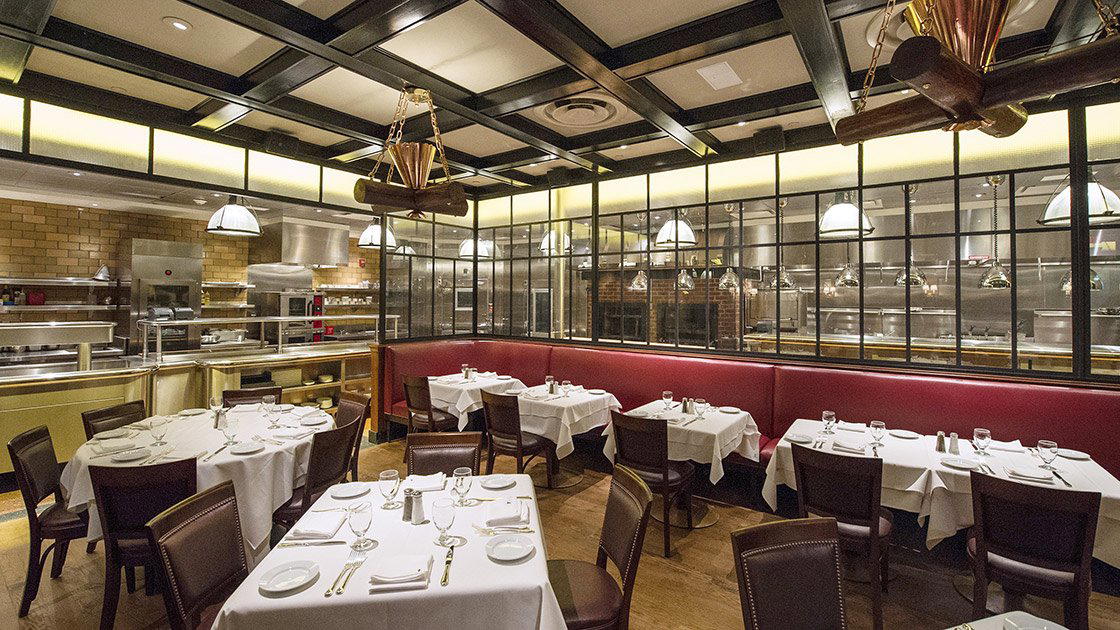
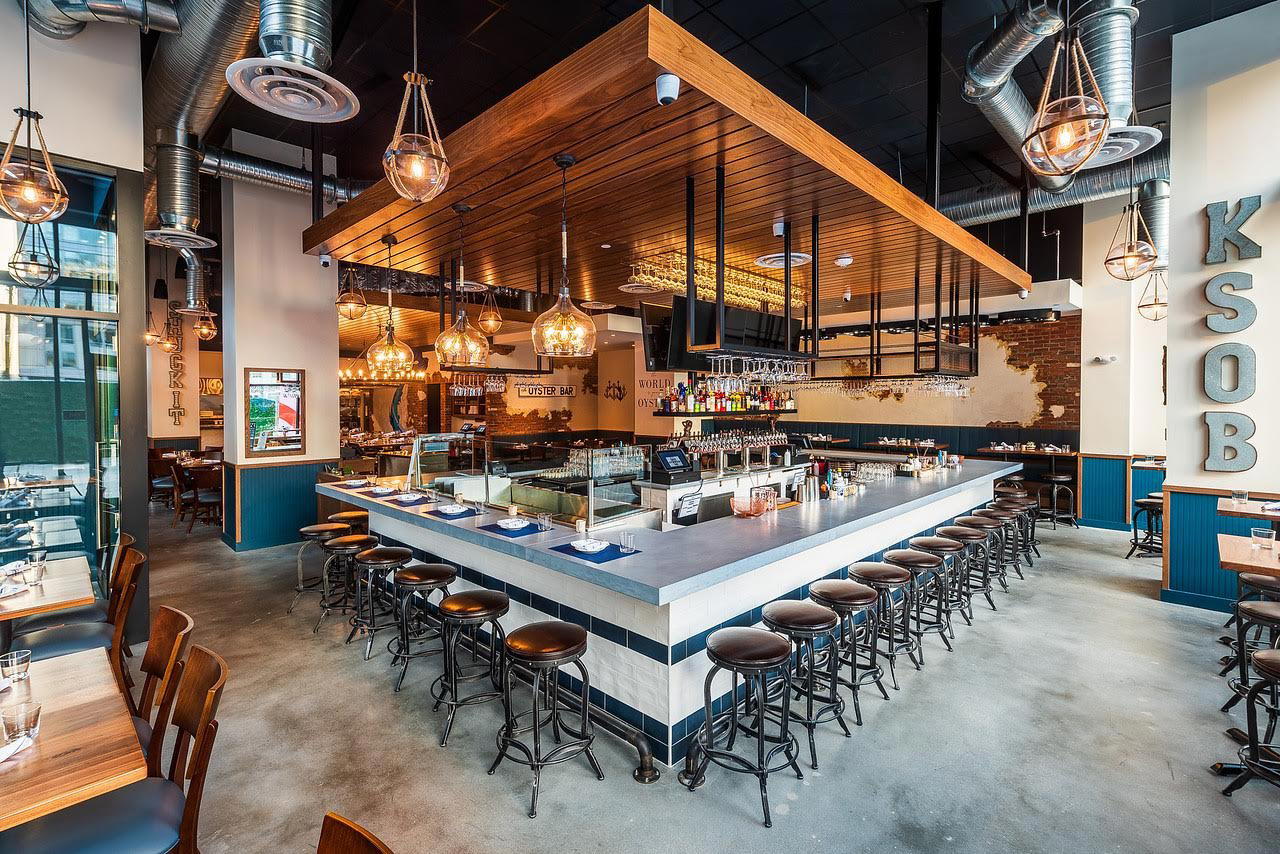
Bars in Washington DC
Browse all →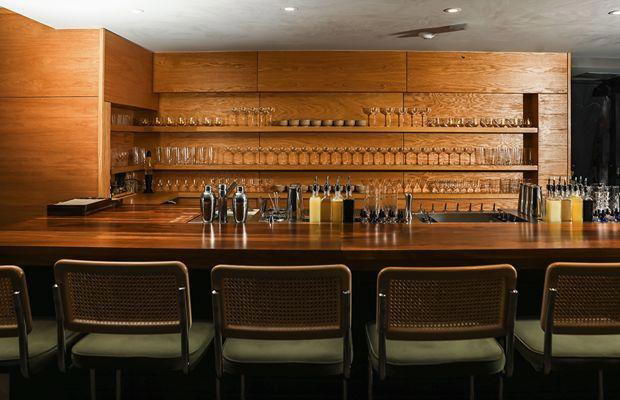
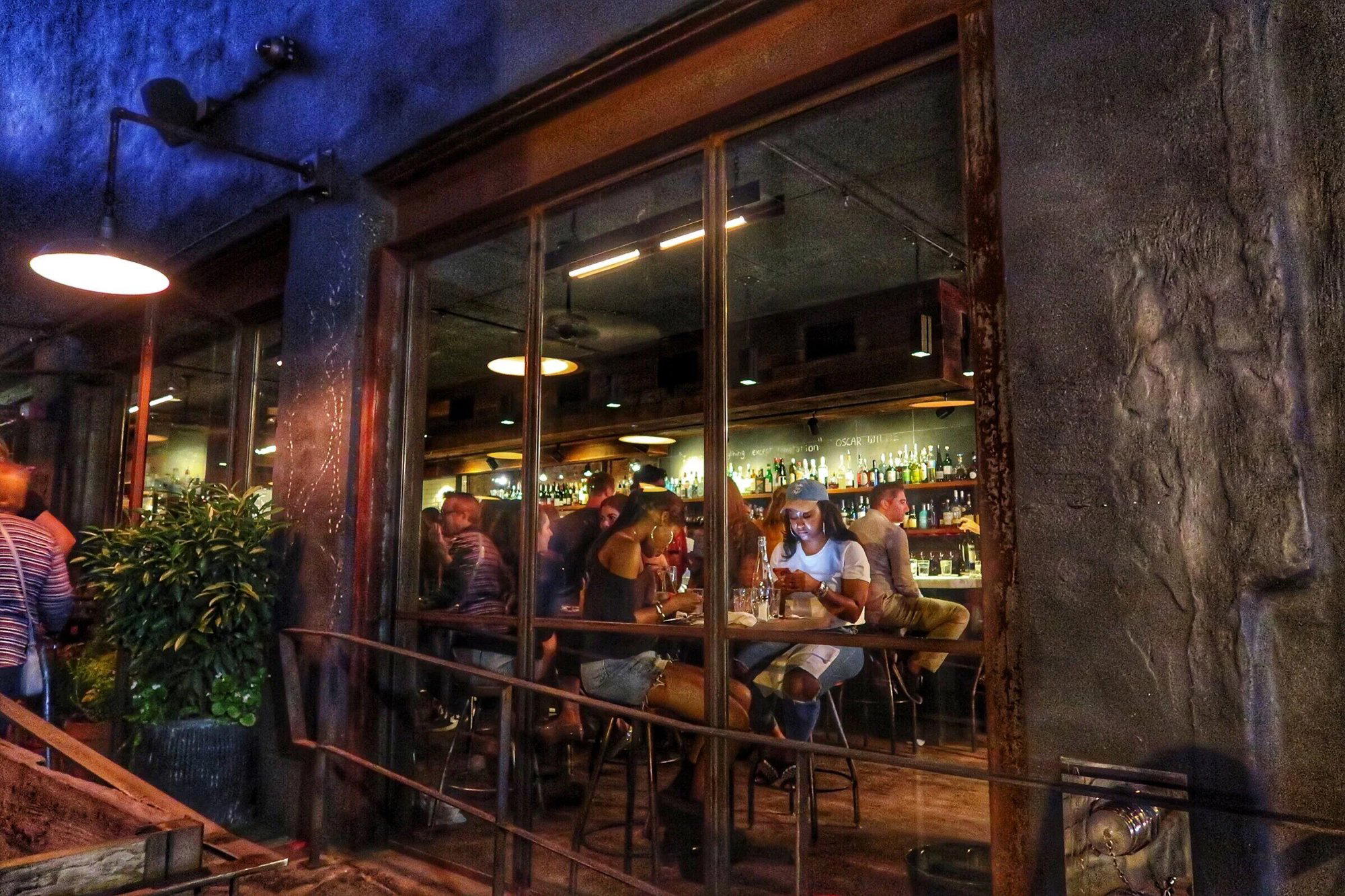
Hotels in Washington DC
Browse all →
At a Glance
- Lively
- Trendy
- Energetic
- Group Dining
- Celebration
- Casual Hangout
- Brunch
- Open Kitchen
- Craft Cocktails
Current opening hours
- Monday
- 11 AM–10 PM
- Tuesday
- 11 AM–10 PM
- Wednesday
- 11 AM–10 PM
- Thursday
- 11 AM–10 PM
- Friday
- 11 AM–11 PM
- Saturday
- 11 AM–11 PM
- Sunday
- 11 AM–10 PM
Hours can change for holidays and private events. Last verified .
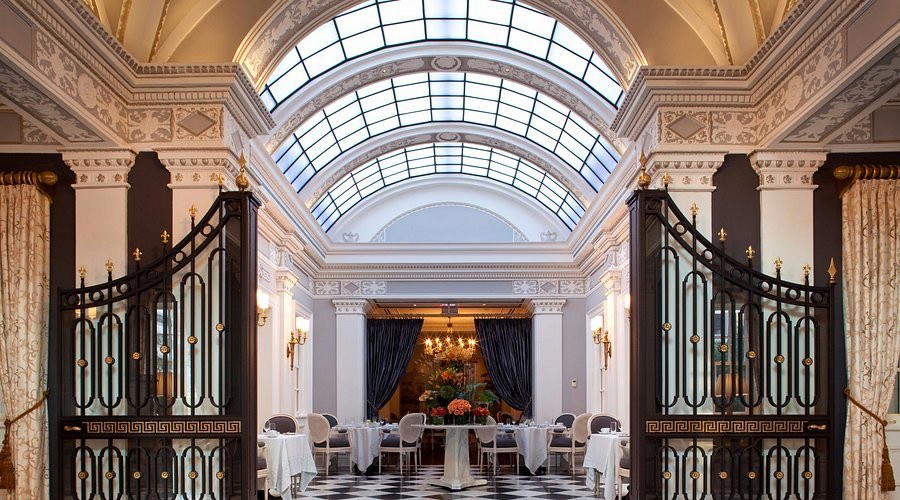
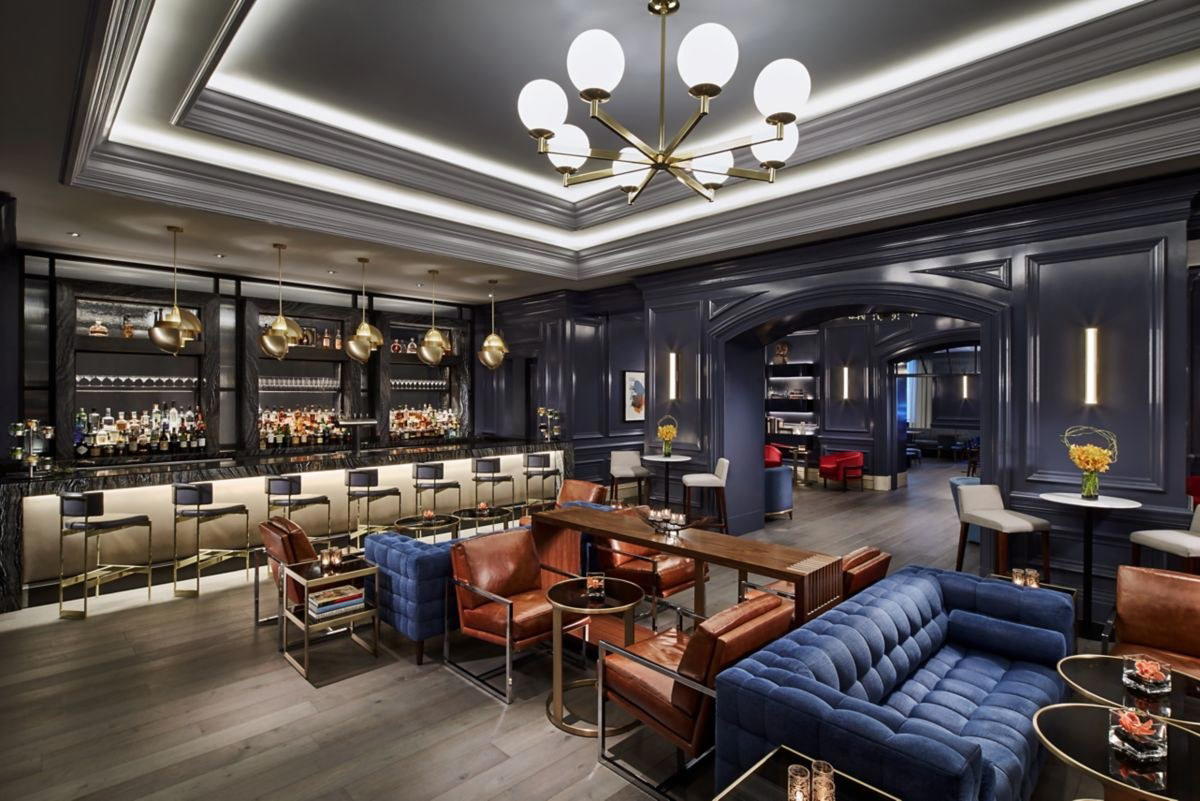
Lively and fun atmosphere with open kitchen views, well-suited for sipping cocktails and socializing in a casual yet sophisticated space packed with personality.