Amazonia



Amazonia brings Washington, D.C.’s Peruvian conversation into a wider Andean-Amazonian register, with chef Carlos Delgado attached and a 2026 OAD Casual in North America Recommended citation. Read it less as a standalone novelty and more as part of the city’s expanding appetite for regional Latin American cooking beyond ceviche shorthand.
 Request Booking on Pearl
Pearl is the En Primeur Club membership app — saves, bookings, and concierge access live there. Same editors, same standards.
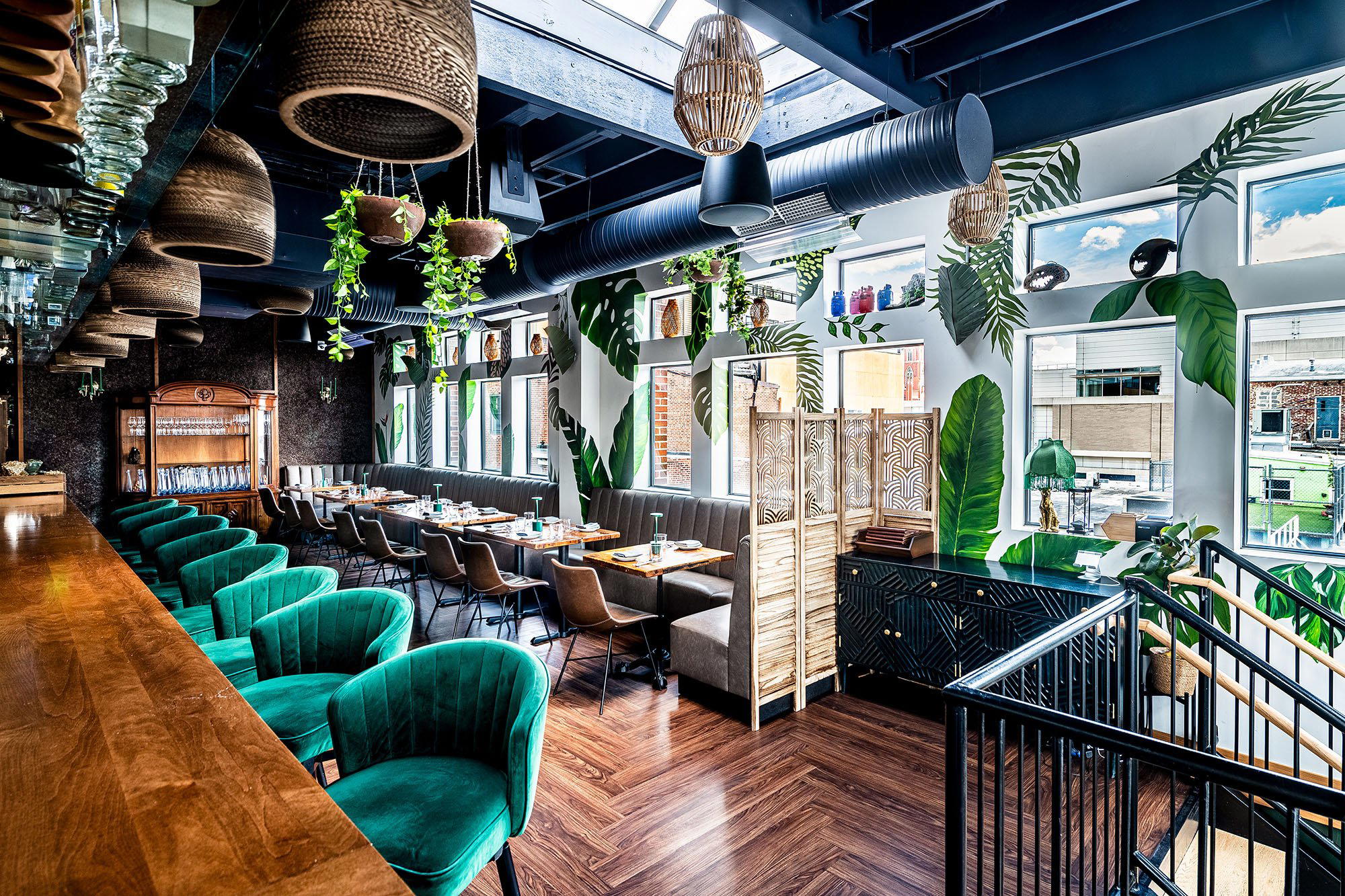
The room’s first job is to reset expectations around Peruvian food in Washington, D.C. The familiar capital-city script, ceviche, pisco, polished dining room, only explains part of the story. Here the more useful frame is ingredient memory: corn, tubers, chiles, herbs, smoke, acid, and the long technical intelligence behind masa and nixtamalization across the Americas. Peruvian cooking is not a single coastal cuisine; it is a layered system shaped by altitude, migration, rainforest products, Spanish colonial pressure, Japanese and Chinese influence, and domestic regional pride. Amazonia sits inside that broader correction.
Peruvian cooking in D.C. is moving past the ceviche headline
Washington has become a strong city for Latin American restaurants because its audience understands diaspora food as more than comfort or nostalgia. Peruvian cooking benefits from that maturity. The category can carry fine-dining precision, casual energy, and regional specificity without asking permission from French or Italian templates. Chef Carlos Delgado gives Amazonia a named culinary anchor, but the larger point is the way the restaurant helps broaden the city’s Peruvian vocabulary beyond the dishes that used to define the cuisine for American diners.
The 2026 OAD Casual in North America Recommended recognition matters because it places the restaurant in a critical conversation rather than a local popularity contest. OAD’s casual category tends to reward restaurants where format, clarity, and cooking identity register without the ceremony of luxury dining. For a Peruvian restaurant in Washington, that signal is useful: it suggests the cooking is being read through craft and point of view, not just through novelty or national-label enthusiasm.
The closest local reference point for readers mapping the city’s Peruvian range is Causa, the related high-ambition address that pushed D.C.’s conversation around Peruvian tasting-menu structure. El Secreto de Rosita shows another side of the city’s appetite for the cuisine: social, approachable, and built around the pleasure of a full table. Amazonia belongs in that same conversation, but its name points diners toward a different pantry and geography.
Corn, masa, and the American grain conversation
Assigned lens here is corn and masa, and it is worth treating seriously. Nixtamalization, the alkaline treatment that transforms maize into a more nutritious, workable dough, is often discussed through Mexican food, but the underlying reverence for corn runs across the hemisphere. In Peruvian cooking, maize appears in different colors, sizes, textures, and roles, from drinking traditions to garnishes, stews, snacks, and ceremonial foodways. A restaurant drawing from Amazonian and Peruvian registers enters that wider grain conversation even when the menu is not built around a single tortilla-counter format.
That matters in D.C. because the city’s dining public has become more fluent in technique. Diners now understand that masa is not merely a vehicle; it can be the argument. The same applies to ají pastes, marinades, broths, and starches. A serious Peruvian meal can be read through the treatment of base ingredients as much as through protein or plating. Amazonia’s place in the city is strongest when viewed through that lens: not as an exoticized rainforest fantasy, but as part of a North American reassessment of Indigenous and regional food systems.
For readers following that thread beyond Washington, the comparison is not venue-to-venue but category-to-category. ¿Por Qué No? in Portland sits in a different Mexican-American register where masa and casual rhythm shape the meal. Ama.zo - Cozinha Peruana, Peruvian in São Paulo and Ama.zo - Pátio Higienópolis, Peruvian in São Paulo show how Peruvian restaurants travel differently in another major dining city, where regional Latin American exchange reads with less explanation. In the United States, restaurants such as 'Ai Love Nalo in Waimanalo Beach, 'āina in San Francisco, and 'Ama 'Ama in Kapolei also remind travelers that island and Indigenous foodways are often better understood through agricultural systems than through menu categories alone.
How to read it within a Washington itinerary
Amazonia works well for diners who want D.C.’s restaurant scene to feel less predictable. The city can be formal, expense-account driven, and cautious around risk; its better contemporary restaurants often push back by using regional specificity as structure. That is the useful way to approach this address. Look for the conversation between Peruvian technique and D.C.’s expanding Latin American audience rather than expecting a generic capital-city night out.
For a cross-city reading of specialist casual formats, Jōdo Saké Bar in Los Angeles and Onigiri Time in Pasadena show how narrow food cultures can become precise urban dining formats without becoming stiff.
The local map also matters. D.C. restaurants are increasingly shaped by micro-neighborhood identity, from Georgetown formality to H Street’s looser energy and 14th Street’s restaurant density. EP Club’s Washington index includes address-led pages such as 1226 36th St NW, 1339 H St NE, and 1608 14th St NW, useful reminders that in Washington, where a restaurant sits can influence the audience as much as what it serves. Amazonia’s value is clearest for diners tracking Peruvian cooking as a serious regional language in the capital, not simply as a change of flavor between policy dinners.
In Context
Comparable venues nearby, for context on price, style, and recognition.
| Venue | Cuisine | Price | Notes |
|---|---|---|---|
| AmazoniaThis venue — the venue you are viewing | Peruvian | $$$ | Not listed |
| Izakaya Seki | Cardozo, Authentic Japanese Izakaya | $$$ | Not listed |
| Kith/Kin | Southwest Waterfront, Afro-Caribbean | $$$ | Not listed |
| Selva | Dupont Circle, Modern Latin American | $$$ | Not listed |
| Alta Strada Embassy Row | Not listed | $$$ | Dupont Circle, Authentic Italian Trattoria |
| Ox & Olive | Georgetown, Modern Steakhouse | $$$ | Not listed |
Recognition history
Dated appearances from independent guides and award organizations, with the underlying list record or original source where available.
Opinionated About Dining Casual in North America Recommended
Opinionated About Dining
RAMMYS Cocktail Program of the Year
RAMMYS · RAMMYS 2026 Winners - Cocktail Program of the Year
Tales Spirited Awards Best U.S. Restaurant Bar Top 10 Nominee
Tales Spirited Awards
Tales Spirited Awards World’s Best Spirits Selection Top 10 Nominee
Tales Spirited Awards
Continue exploring
More in Washington DC
More from Chef Carlos Delgado
Browse all →
Restaurants in Washington DC
Browse all →
Bars in Washington DC
Browse all →
At a Glance
- Lively
- Trendy
- Energetic
- Cozy
- Intimate
- Date Night
- Group Dining
- After Work
- Late Night
- Celebration
- Private Event
- Rooftop
- Private Dining
- Terrace
- Design Destination
- Standalone
- Craft Cocktails
- Beer Program
- Extensive Wine List
- Zero Proof
- Street Scene
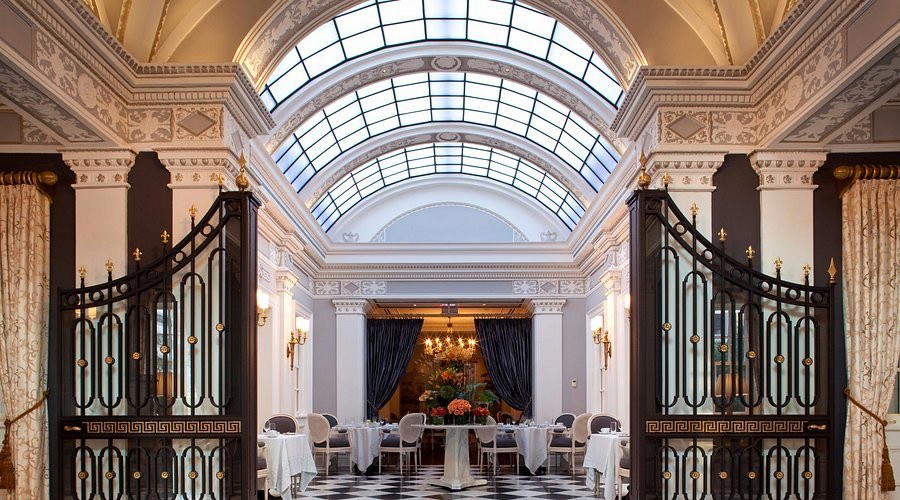
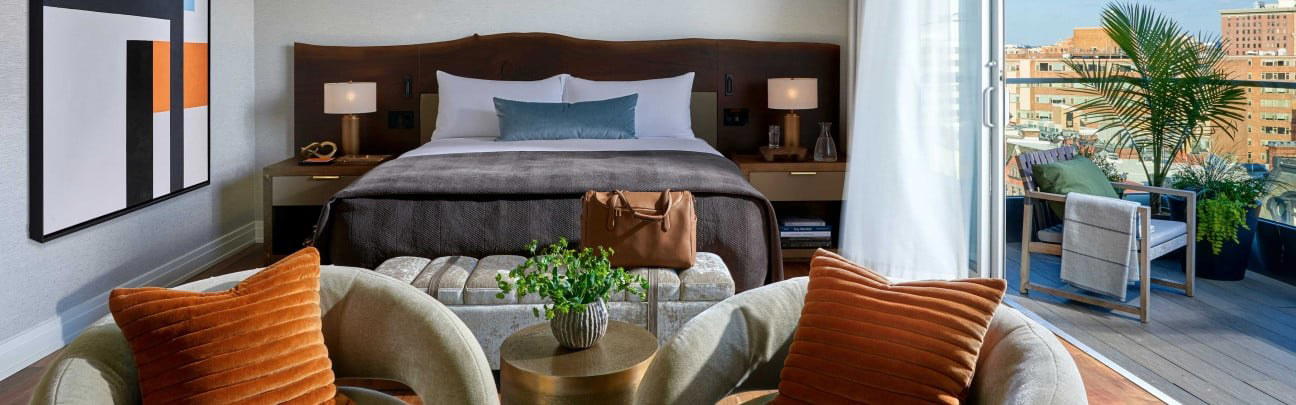
An energetic, plant-filled rooftop sanctuary with a relaxed, loungey vibe that balances lively bar energy with cozy seating for sharing plates and cocktails.