Pirchhof sits along Via Monte Sole in Naturns, a small South Tyrolean town where the Vinschgau Valley's apple orchards and mountain pastures shape what ends up on the plate. Dining here connects directly to the agricultural rhythms of one of Italy's most distinctive alpine-Mediterranean growing zones, placing it within a regional cooking tradition that draws serious attention from across northern Italy and beyond.
Pearl is the En Primeur Club membership app — saves, bookings, and concierge access live there. Same editors, same standards.
- Address
- Via Monte Sole, 77/A, 39025 Naturno BZ, Italy
- Phone
- +39473667812
- Website
- pirchhof.com
- Directions
- Get directions
 Saves & bookings on Pearl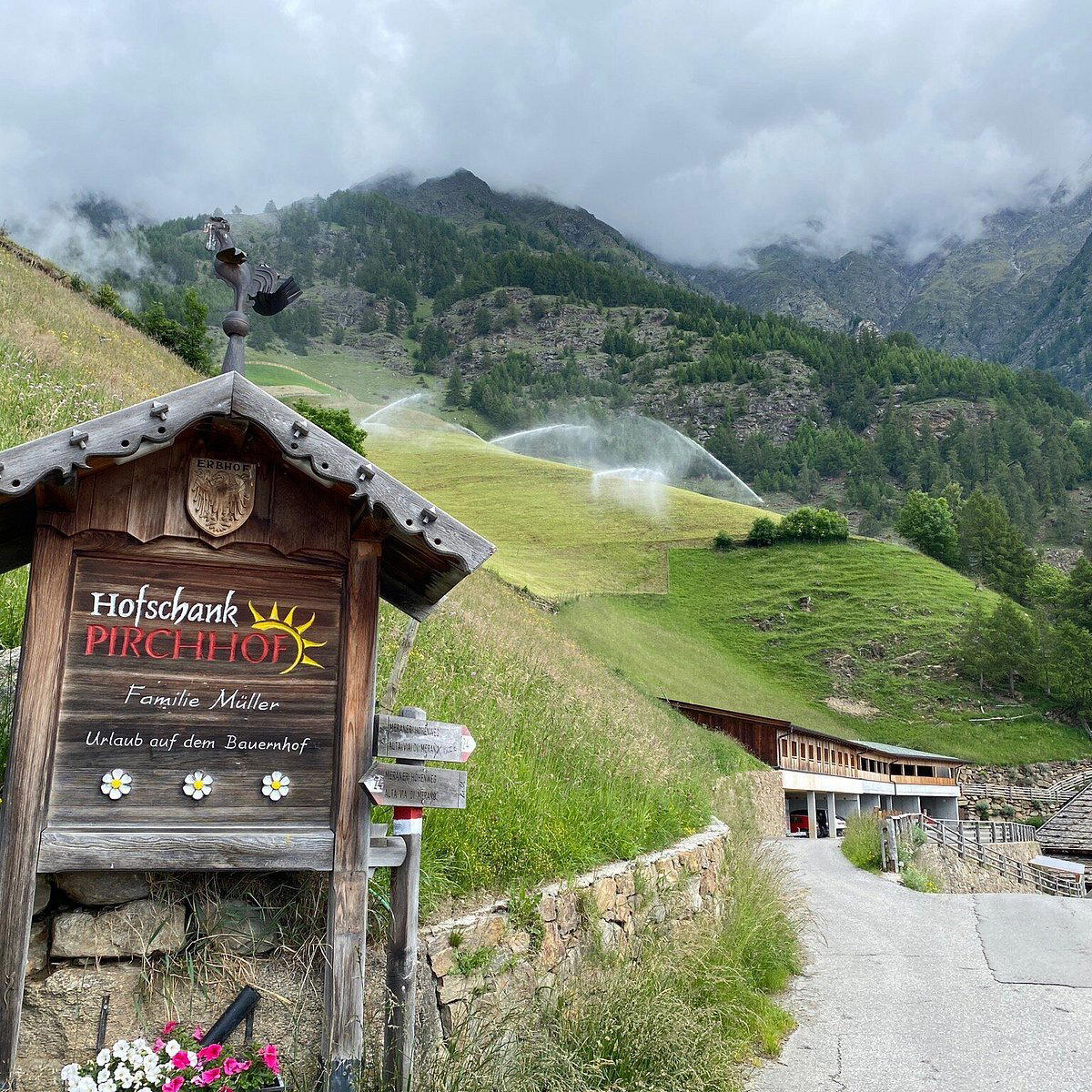
Where the Vinschgau Valley Comes to the Table
South Tyrol operates on a different set of coordinates from the rest of Italy's fine dining map. The region sits at the junction of alpine Central Europe and the Mediterranean world, where vine terraces climb toward glaciated peaks and apple orchards stretch along valley floors warmed by föhn winds. Naturns, set in the lower Vinschgau at roughly 500 metres elevation, concentrates that duality in a single small town: the produce calendar here runs differently from Lombardy or Emilia-Romagna, shaped by altitude, microclimate, and centuries of Tyrolean agricultural practice. Pirchhof, addressed at Via Monte Sole 77/A, operates within that specific context.
The broader pattern across South Tyrol's restaurant scene is one of ingredient proximity as a structural commitment rather than a marketing gesture. The valley produces Vinschgauer Kirchtagskrapfen, speck IGP, rye bread baked with caraway and fennel, and particularly precisely grown apple varieties in Europe, including the Marlene and Golden Delicious cultivars that carry EU protected origin status.
The Ingredient Geography of Alto Adige
The Vinschgau is one of the driest valleys in the Alps, with an annual rainfall comparable to parts of Castile. That aridity, combined with high sun hours and sharp diurnal temperature swings, concentrates flavour in ways that wetter growing zones cannot replicate. Herbs dry more intensely here. Cured meats develop a tighter, more mineral quality. Apples hold acidity at harvest that softer climates would round off weeks earlier.
This is the ingredient logic that separates alpine Italian cooking from its lowland counterparts. At Atelier Moessmer Norbert Niederkofler in Brunico, the sourcing program reaches an almost philosophical level of codification, with the tasting menu organised entirely around what the Dolomite ecosystem provides at any given moment. That is one end of the spectrum. Pirchhof, positioned in the village fabric of Naturns rather than a destination resort, operates closer to the traditional farmhouse-restaurant format that has sustained alpine hospitality for generations, a format where the sourcing is embedded rather than declared.
Across Italy's highest-profile dining addresses, from Osteria Francescana in Modena to Dal Pescatore in Runate and Piazza Duomo in Alba, the sourcing narrative has become central to how restaurants position themselves critically and commercially. South Tyrol's version of this is older and less performative. The farms predate the restaurants, and the relationship between them is historical rather than curated.
The Setting and Approach
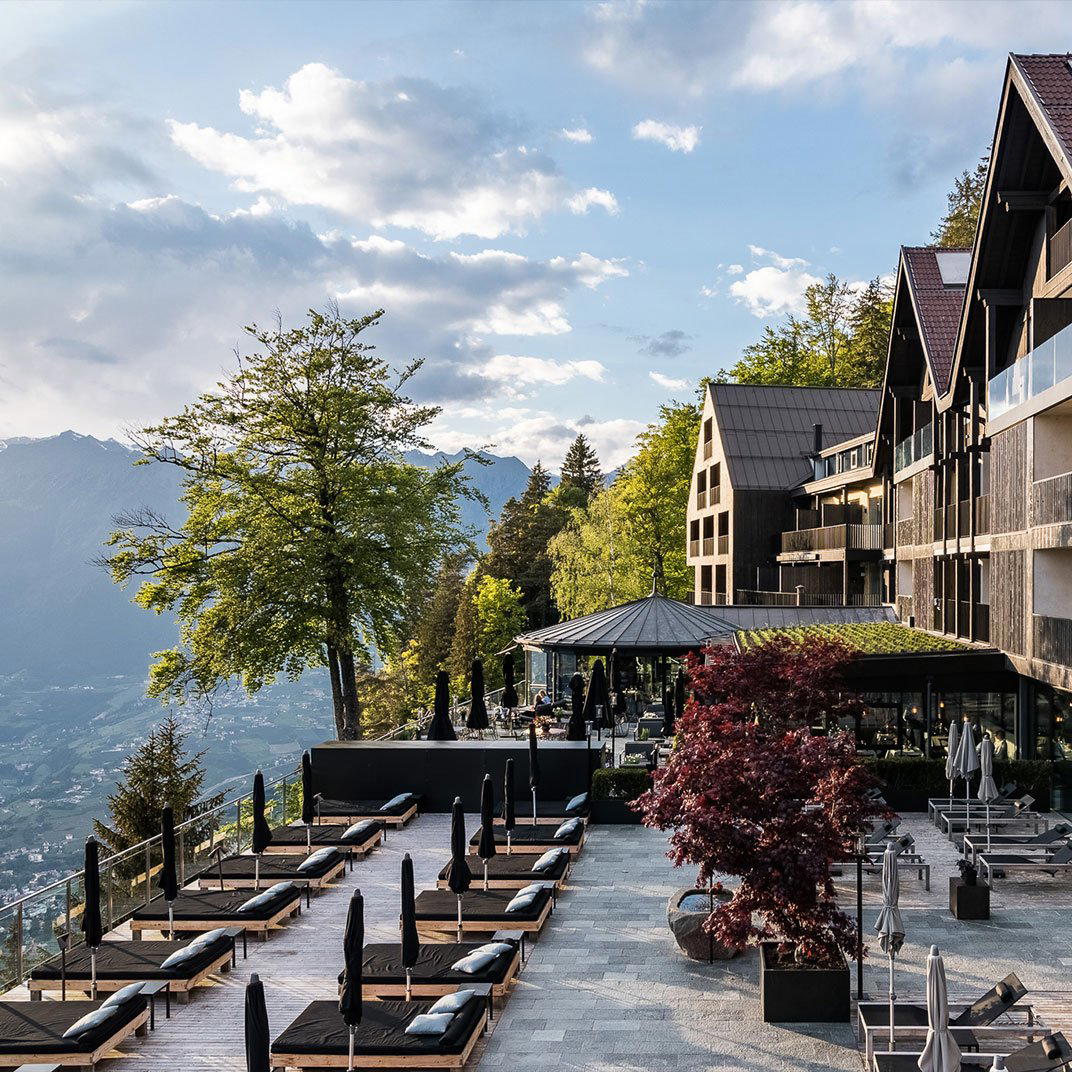
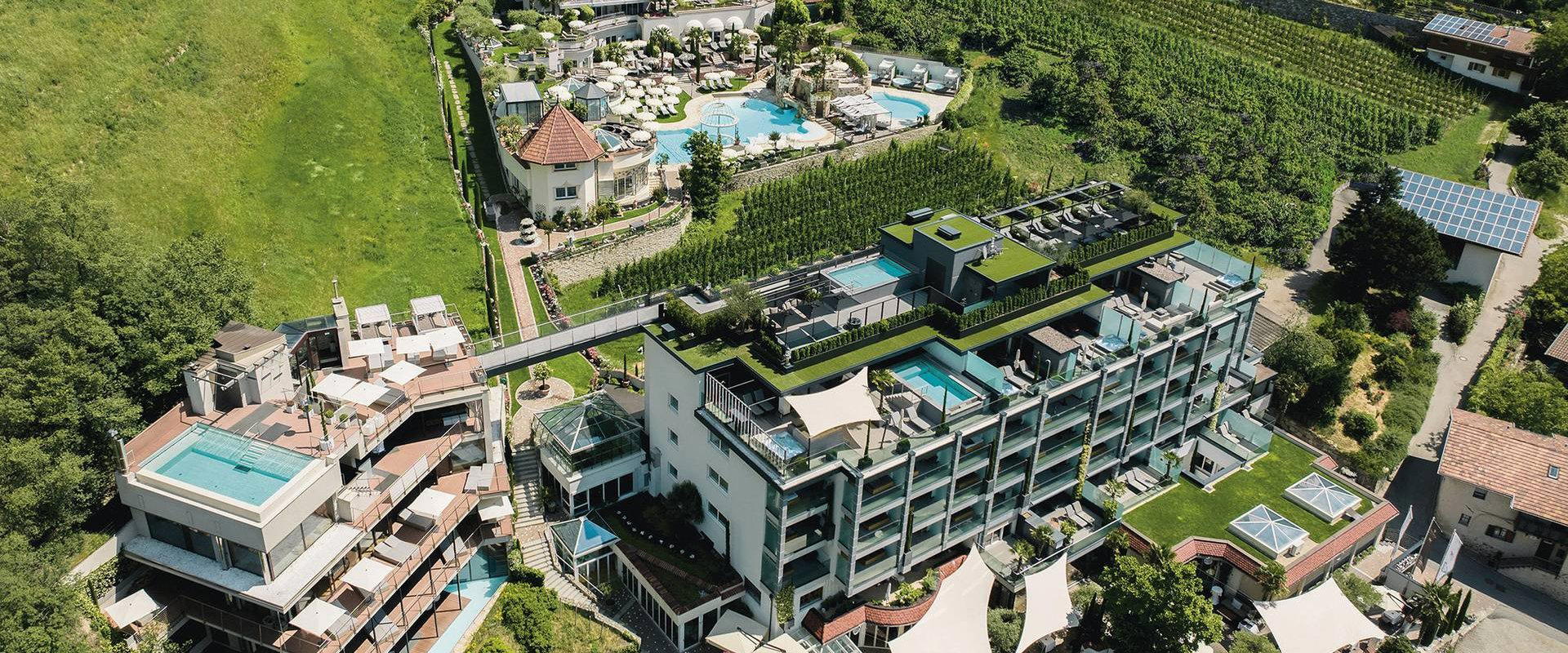
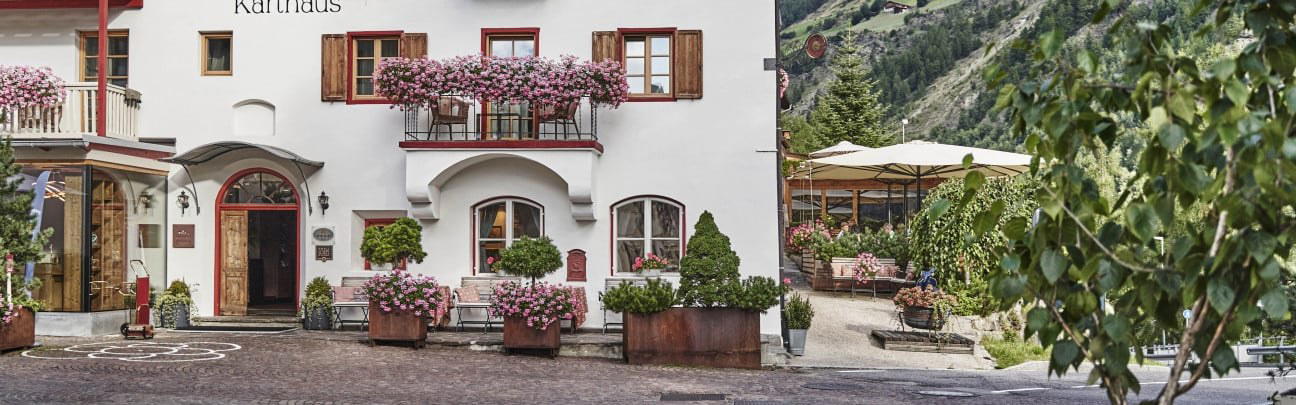
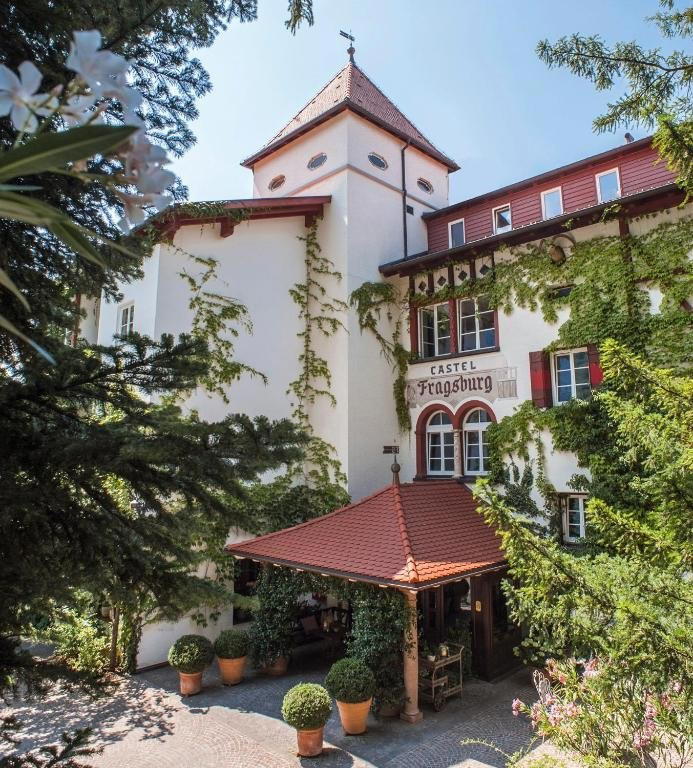
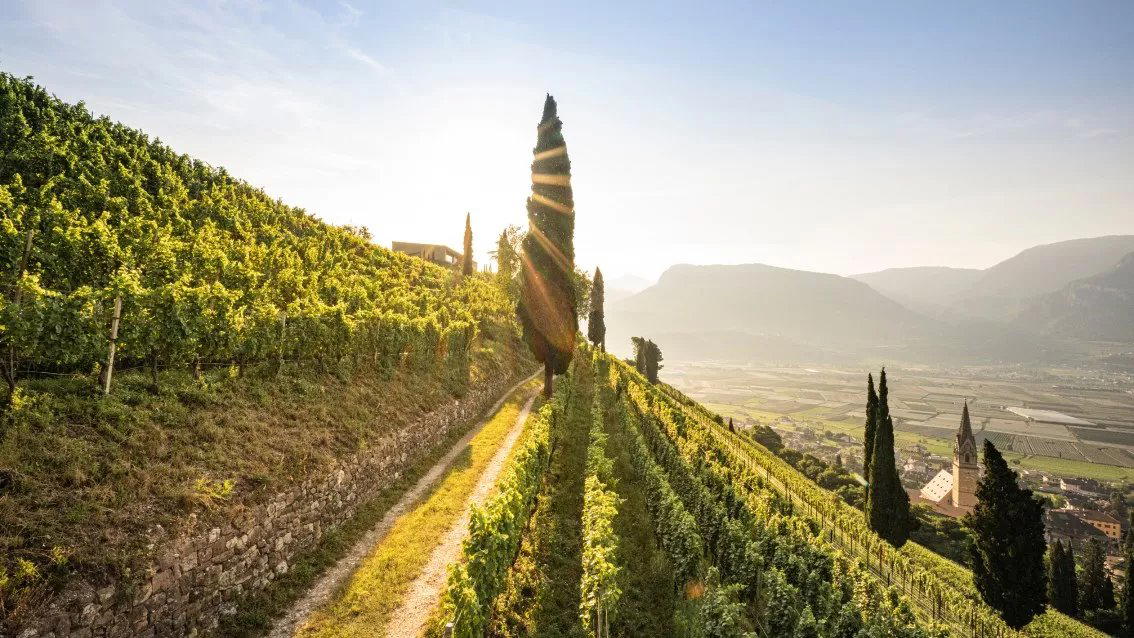
Approaching a property along the Monte Sole slope above Naturns places you immediately in the visual syntax of South Tyrolean rural architecture: stone, timber, low-pitched rooflines, the sound of the Etsch river somewhere below. This physical environment is not backdrop but context, and it bears on how a meal here reads. The Vinschgau's light in late afternoon, particularly from late spring through September, has the quality that makes the region's photography immediately legible as alpine-Mediterranean rather than purely northern European.
South Tyrolean farmhouse restaurants of this type typically operate with a tight menu focused on regional product, wine drawn from the valley's own appellations, and a pace shaped by family operation rather than brigade service. The wine context matters: Alto Adige DOC produces Lagrein, Vernatsch, Gewürztraminer, and Pinot Bianco at elevations that give them structural precision, and the local wine list at any serious Naturns address should reflect the appellations immediately surrounding the town. For comparison with what Italy's most formally ambitious wine and food pairings look like at the summit of the national market, Enoteca Pinchiorri in Florence and La Pergola in Rome represent the cellar-depth end of that spectrum. Pirchhof operates in a register more analogous to what you find at well-regarded mountain addresses across the Brenner corridor: regionally specific, seasonal, and uninterested in the national fine-dining tournament.
South Tyrol in the Italian Dining Context
Italy's most recognised restaurants cluster along predictable axes: Emilia-Romagna's creative tradition (see Le Calandre in Rubano), the Campania coastline (Quattro Passi in Marina del Cantone), Liguria and the Adriatic (Uliassi in Senigallia), and the Lombardy-Veneto corridor (Enrico Bartolini in Milan, Casa Perbellini 12 Apostoli in Verona, Da Vittorio in Brusaporto). South Tyrol sits to the north of all of them, connected to Italian culinary geography but not defined by it. The cuisine here draws as much from Tyrolean and Austrian tradition as from the Italian peninsula, producing a hybrid that has no real analogue elsewhere in the country.
That distance from the national conversation is partly what gives places like Pirchhof their coherence. There is no pressure to reference Escoffier or compete with the modernist energy of somewhere like Reale in Castel di Sangro. The frame is narrower and more specific: what did the valley produce this week, and what is the appropriate way to cook it? Globally, this sourcing-first discipline surfaces at addresses as different from each other as Gambero Rosso in Marina di Gioiosa Ionica and Villa Crespi in Orta San Giulio, and at the international level at places like Le Bernardin in New York City or Atomix in New York City. The discipline is the same; the ingredient vocabulary is entirely different.
Dining at Pirchhof is most rewarding when the valley is fully in season, from April to October, when the agricultural calendar is in motion. Via Monte Sole runs uphill from the town centre, so arriving by car is more practical than on foot with luggage. Reservations are recommended, particularly for weekend tables in summer.
Comparable Venues
Comparable venues nearby, for context on price, style, and recognition.
| Venue | Cuisine | Price | Notes |
|---|---|---|---|
| PirchhofThis venue — the venue you are viewing | South Tyrolean Farmhouse | $$ | Not listed |
| Pfefferlechner | Traditional South Tyrolean | $$ | Lana |
| Greiterhof | South Tyrolean Farmhouse Brewery | $$ | above Merano |
| Batzen Häusl | South Tyrolean Brewpub & German Gasthaus | $$ | Bolzano |
| Schnalshuberhof | South Tyrolean Farm Cuisine | $$ | Algund |
| Hofstätterhof | Traditional South Tyrolean Tavern Cuisine | $$ | Tisens (Tesimo) |
At a Glance
- Rustic
- Cozy
- Scenic
- Family
- Casual Hangout
- Historic Building
- Farm To Table
- Local Sourcing
- Mountain
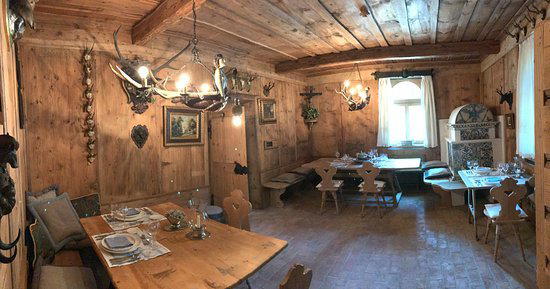
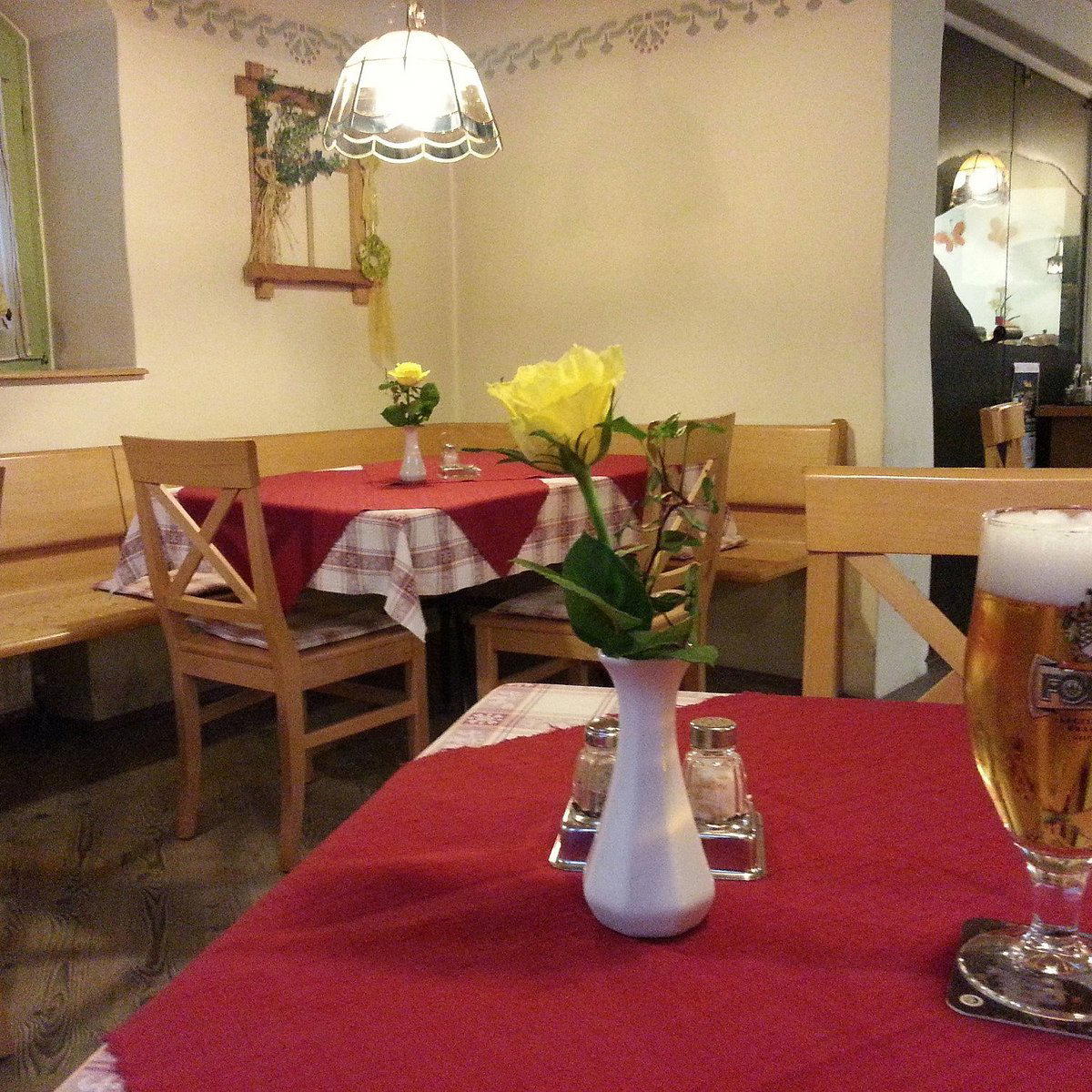
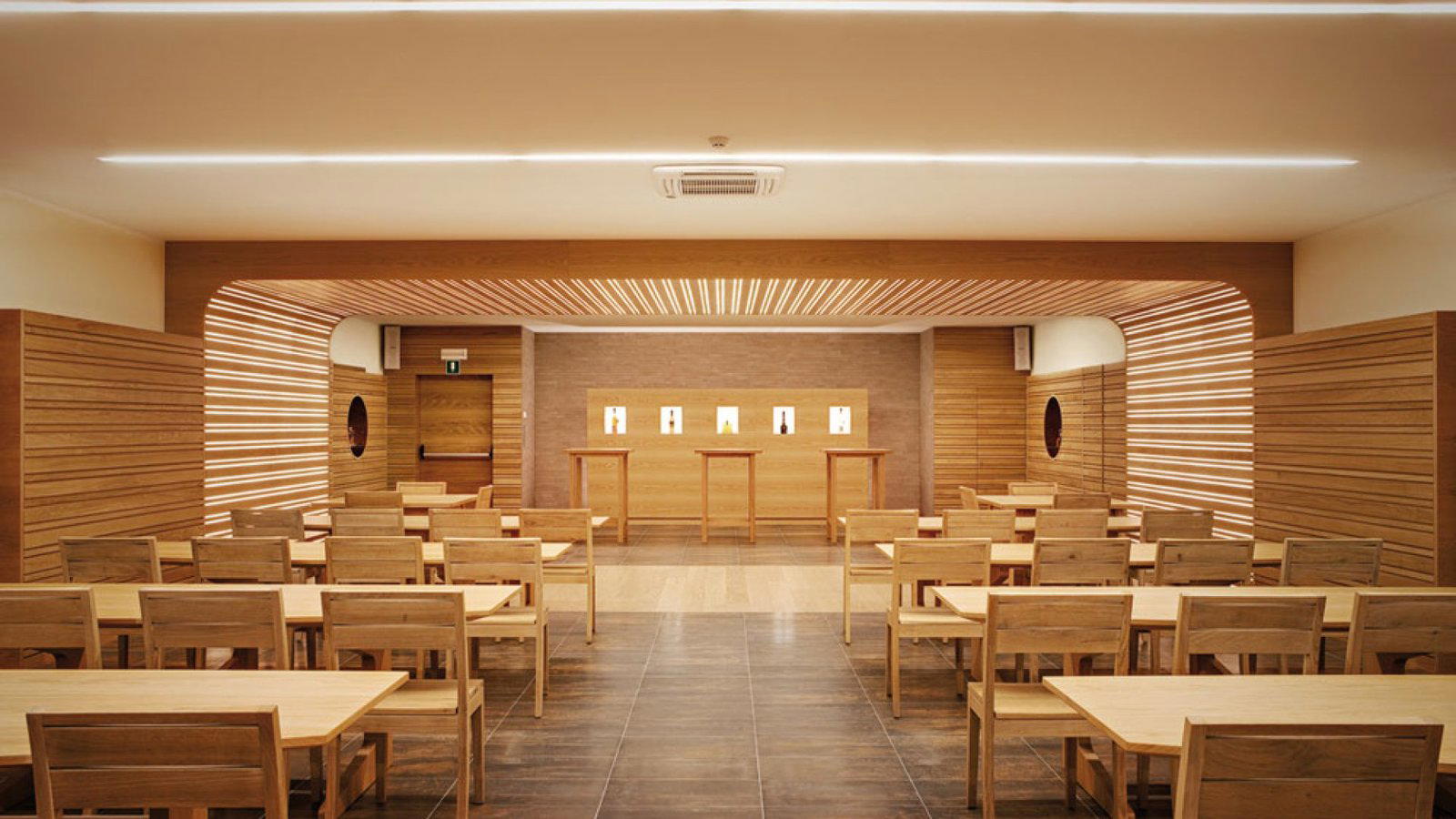
Cozy rustic farmhouse parlor with homey, welcoming atmosphere ideal for hikers.