Schnalshuberhof sits in Oberplars above Algund, a hamlet setting that places it within the broader tradition of South Tyrolean farm-rooted hospitality. The address alone signals a certain kind of experience: rural, deliberate, removed from the valley floor. For visitors working through the dining options around Algund, it represents a different register from the region's more formal restaurant tier.
Pearl is the En Primeur Club membership app — saves, bookings, and concierge access live there. Same editors, same standards.
- Address
- Oberplars, 2, 39022 Lagundo BZ, Italy
- Phone
- +39473447324
- Directions
- Get directions
 Saves & bookings on Pearl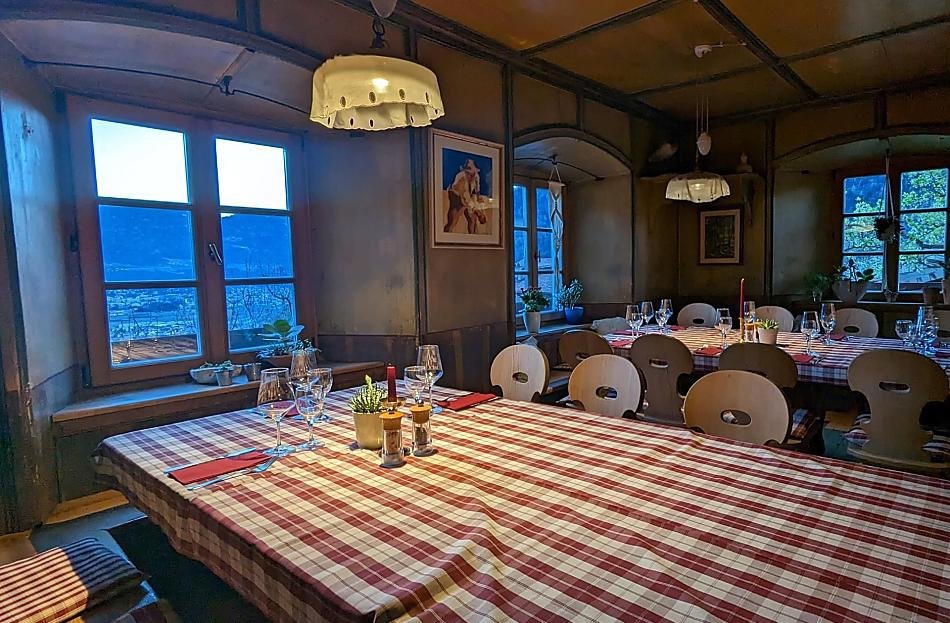
Above the Valley Floor: South Tyrolean Farm Hospitality in Its Natural Setting
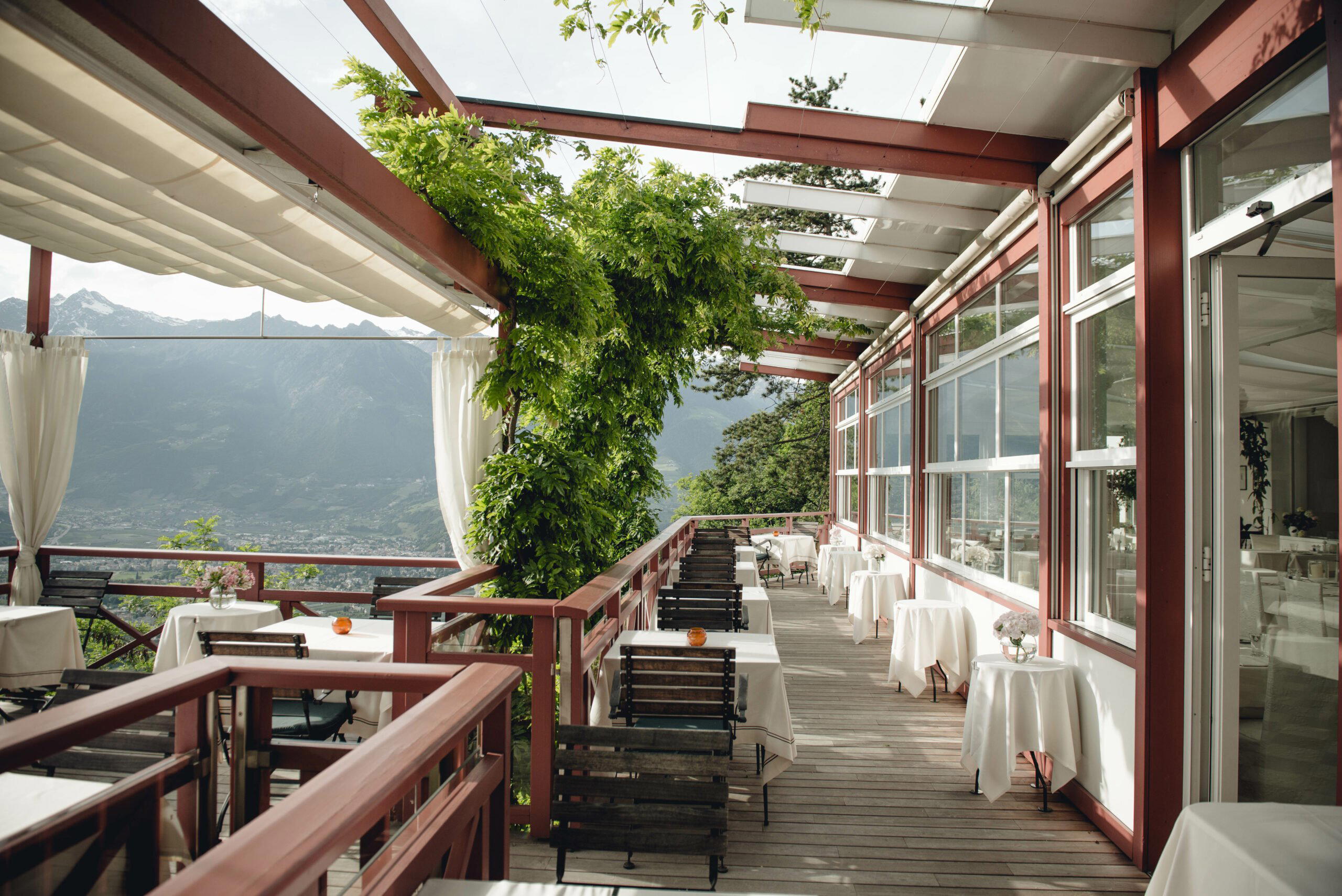
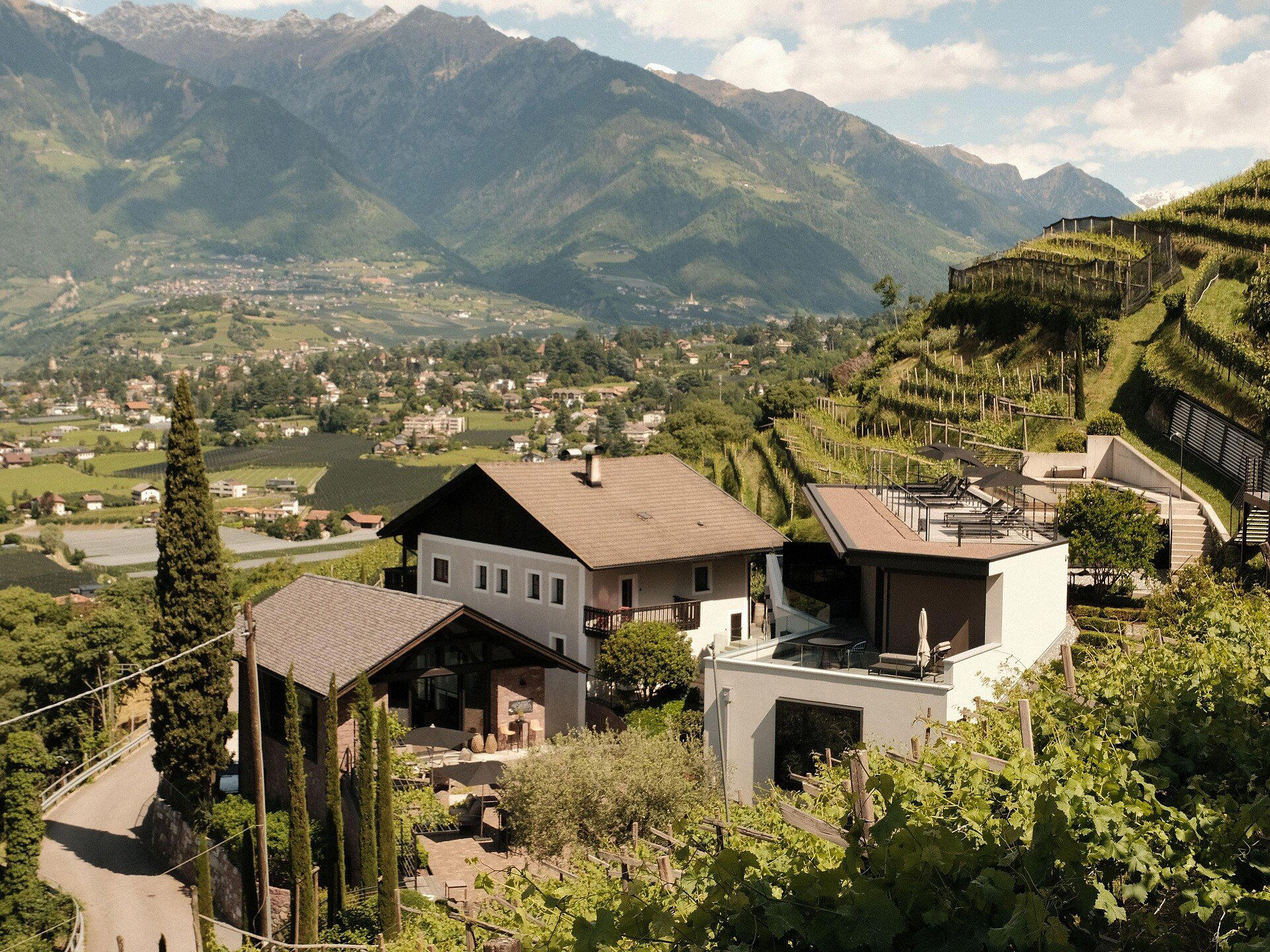
The road to Oberplars climbs out of Algund's village centre and deposits you in a quieter stratum of the Adige valley, terraced vineyards, apple orchards in measured rows, and the kind of stone-and-timber farmsteads that have defined South Tyrolean rural architecture for centuries. Schnalshuberhof sits within this landscape at Oberplars 2, a location that frames the experience before you've crossed the threshold. In South Tyrol, the Hof, the farm holding, is not merely a physical address but a cultural institution. These properties have historically served as the social and economic backbone of Alpine communities, and the better ones carry that weight into how they present food, drink, and hospitality today.
That cultural context matters when reading Algund's dining options as a whole. The village and its surrounds support a range of formats: Luisl Stube operates at the creative end of the spectrum with €€€€ pricing, while Blaue Traube applies a modern cuisine lens at a comparable price tier. Oberlechner anchors the regional cuisine tradition at a more accessible €€ level. Schnalshuberhof, positioned in Oberplars, occupies a different register from any of these, the farm-hospitality format, which in South Tyrol carries its own set of expectations around provenance, seasonality, and the relationship between land and table.
South Tyrol's Farm-Table Tradition: What It Actually Means
South Tyrol's culinary identity sits at the intersection of Italian and Austrian influences, shaped by decades of political geography and centuries of Alpine agriculture. The region's farm-rooted dining tradition is not a recent trend dressed up for tourism; it emerged from genuine subsistence practice, where families produced what they consumed and shared surplus with neighbours and travellers. The Bauernhof (farmhouse) hospitality category grew from this foundation, and the leading examples prioritise local cured meats, aged cheeses, house-baked bread, and wines or schnapps from the property or immediate area over imported prestige ingredients.
This is a different value system from the fine-dining tier represented elsewhere in Italy by venues like Osteria Francescana in Modena, Piazza Duomo in Alba, or Le Calandre in Rubano. Those restaurants operate as expressions of individual culinary vision, with tasting menus designed to communicate a point of view. Farm-format hospitality in South Tyrol communicates something older and less authored: the rhythm of the agricultural year, the particular altitude and microclimate of a specific hillside, the accumulated knowledge of a family working the same land across generations. Neither is superior; they answer different questions.
For context on how seriously Italy takes its regional dining traditions at the highest level, venues like Dal Pescatore in Runate and Enoteca Pinchiorri in Florence demonstrate how deeply rooted regional identity can carry institutional recognition over decades. South Tyrol's farm-format venues operate at a different scale and with different ambitions, but the cultural seriousness is comparable.
Oberplars and the Meaning of Altitude in Alpine Dining
Altitude functions as a genuine culinary variable in South Tyrol, not a marketing device. Properties at higher elevations above the valley floor operate in different growing conditions, shorter seasons, greater temperature variation between day and night, different pasture composition, and those differences translate into ingredient character. The Schnalshof address in Oberplars places it in the band of South Tyrolean hillside settlements that have historically supported both viticulture and livestock farming, a combination that defines the local plate at its most traditional.
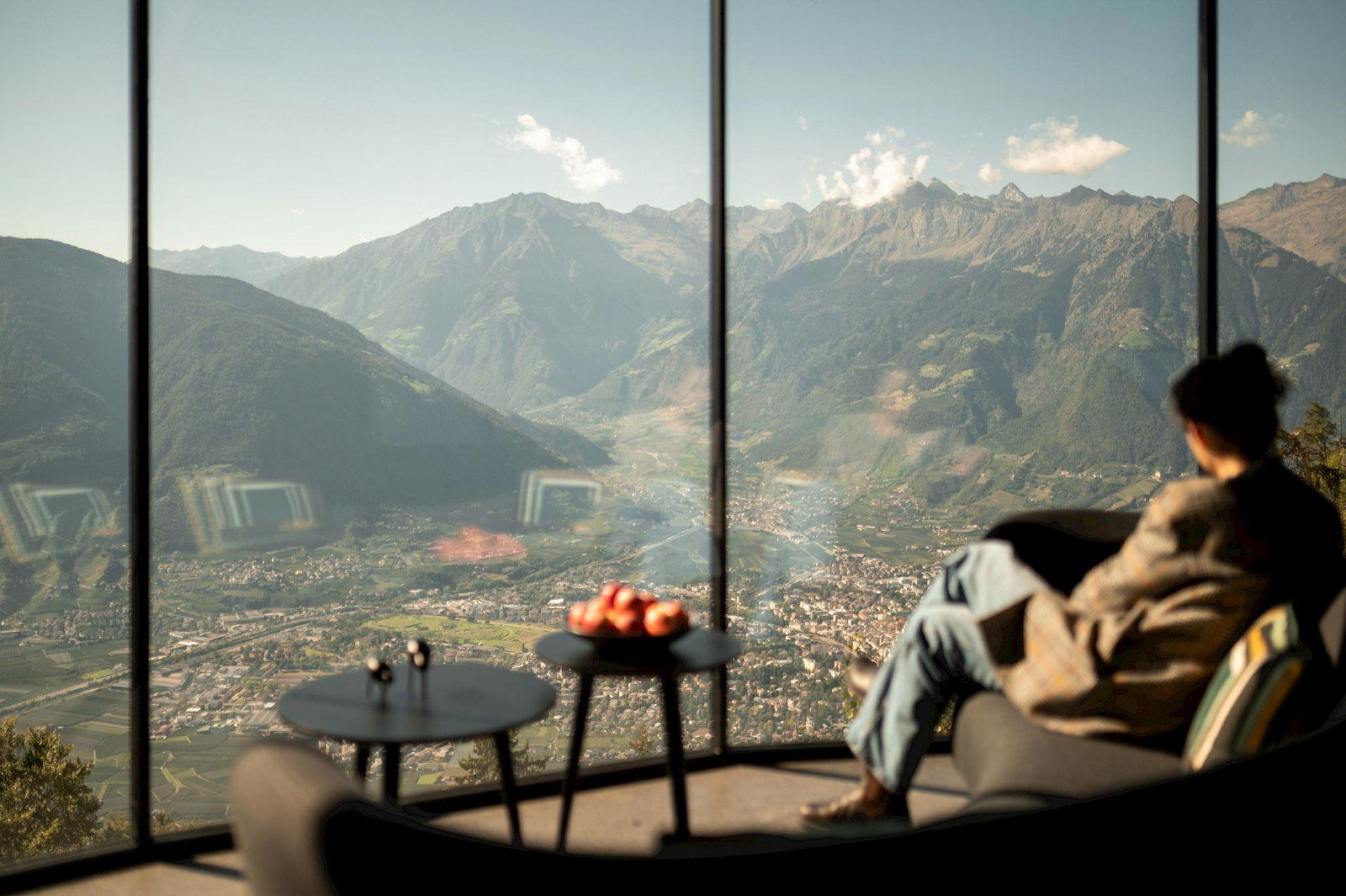
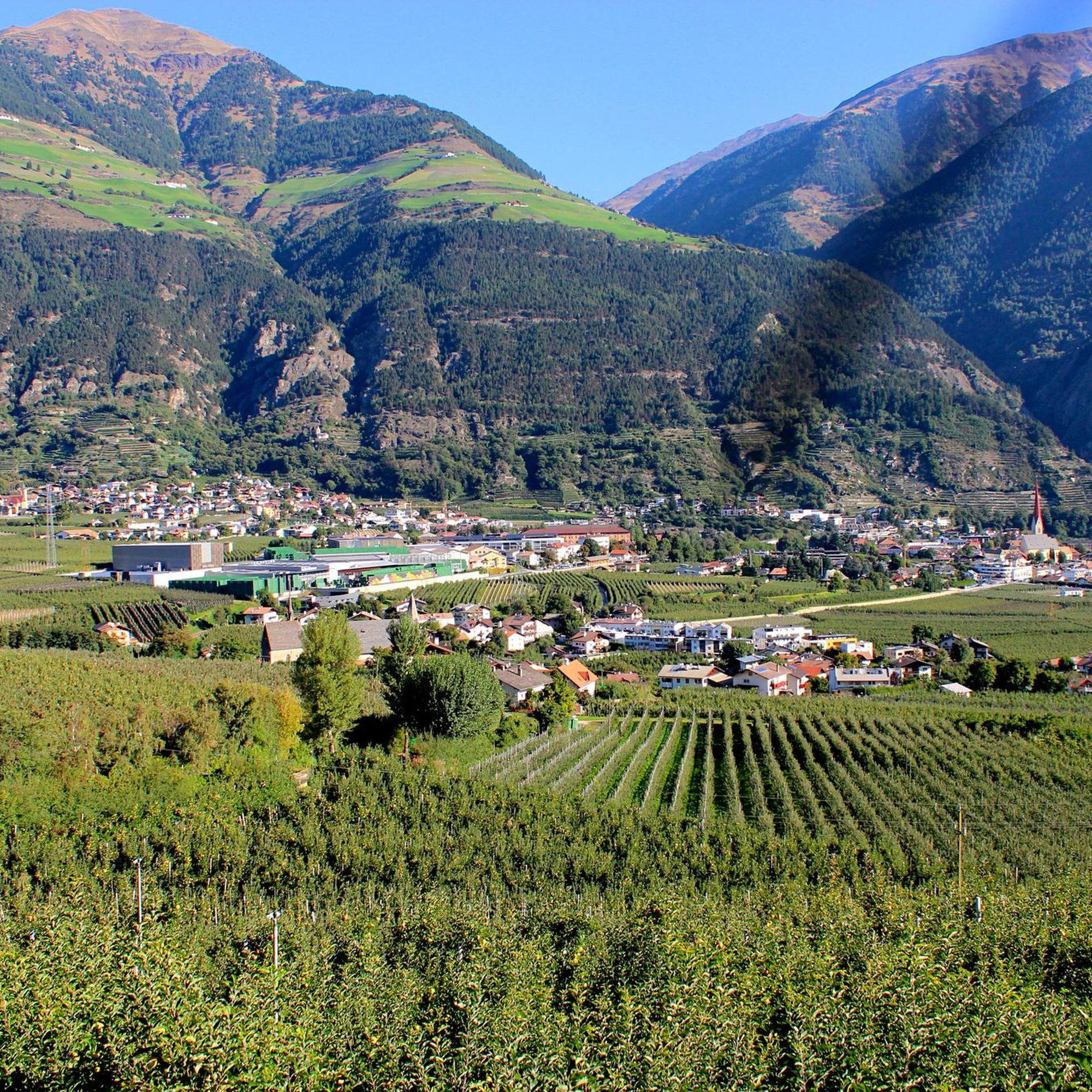
Algund as a whole benefits from the warm, dry Vinschgau corridor climate, which supports apple cultivation, viticulture, and the herb growing that underpins much of the regional kitchen. The villages above the valley floor, Plars di Mezzo, Oberplars, and their neighbours, catch this climate with slightly more elevation, which in practical terms means cooler evenings and slower ripening cycles for fruit and vine. For the visitor, this translates into a sense of remove from the valley activity and a setting that reinforces the agricultural narrative of the food.
For those building a longer itinerary through northern Italy's serious dining addresses, the contrast between this kind of rural farm hospitality and the more formally structured restaurants elsewhere in the region is worth experiencing directly. Atelier Moessmer Norbert Niederkofler in Brunico represents the alpine fine-dining approach applied with high technique and Michelin recognition. Uliassi in Senigallia, Reale in Castel di Sangro, and Quattro Passi in Marina del Cantone demonstrate the range of Italy's serious regional dining beyond the Alps. Even internationally, the precision-focused dining at Le Bernardin in New York City or the Korean tasting format at Atomix show how differently the question of cultural rootedness can be answered at the table.
Schnalshuberhof answers it through terrain, altitude, and the South Tyrolean farm tradition, a format worth understanding on its own terms rather than measuring against tasting-menu restaurants operating with an entirely different set of priorities.
Planning a Visit
Schnalshuberhof is located at Oberplars 2, 39022 Lagundo (Algund), in the Bolzano province of South Tyrol. The Oberplars hamlet sits above the Algund village centre, reachable by local road from the valley. Visitors coming from Merano, approximately 3 kilometres to the east, will find Algund a short drive or cycle; the area is well served by the Vinschgau cycle path network for those approaching the region without a car. The restaurant accepts reservations, and its opening hours are Mon to Wed closed, then Thu to Sun from 6 PM to 12 AM. Schlosswirt FORST is another Algund address worth building into the same visit.
- Schlutzkrapfen
- Canederli
- Knödel
- Speck
- Damson dumplings
- Roast veal
Cost and Credentials
Comparable venues nearby, for context on price, style, and recognition.
| Venue | Cuisine | Price | Awards | Notes |
|---|---|---|---|---|
| SchnalshuberhofThis venue — the venue you are viewing | Algund, South Tyrolean Farm Cuisine | $$ | Not listed | Not listed |
| Oberlechner | Velloi, South Tyrolean Regional Cuisine | $$ | Michelin Plate | Not listed |
| Schlosswirt FORST | Forst, Modern South Tyrolean Fine Dining | $$$ | Not listed | Not listed |
| Blaue Traube | Algund, Modern South Tyrolean Cuisine | $$$$ | Michelin Plate | Not listed |
| Luisl Stube | Algund, Contemporary Italian Fine Dining | $$$$ | Michelin 1 Star | Not listed |
| Brandiskeller | Not listed | $$ | Not listed | Lana di Sotto, Traditional South Tyrolean Grill & Wine Cellar |
Continue exploring
More in Algund
Restaurants in Algund
Browse all →
Bars in Algund
Browse all →
Hotels in Algund
Browse all →
At a Glance
- Rustic
- Cozy
- Classic
- Intimate
- Group Dining
- Special Occasion
- Casual Hangout
- Historic Building
- Beer Program
- Farm To Table
- Organic
- Local Sourcing
Current opening hours
- Monday
- Closed
- Tuesday
- Closed
- Wednesday
- Closed
- Thursday
- 6 PM–12 AM
- Friday
- 6 PM–12 AM
- Saturday
- 6 PM–12 AM
- Sunday
- 6 PM–12 AM
Hours can change for holidays and private events. Last verified .
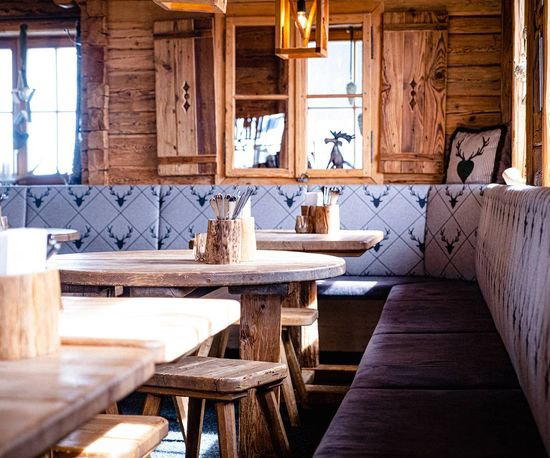
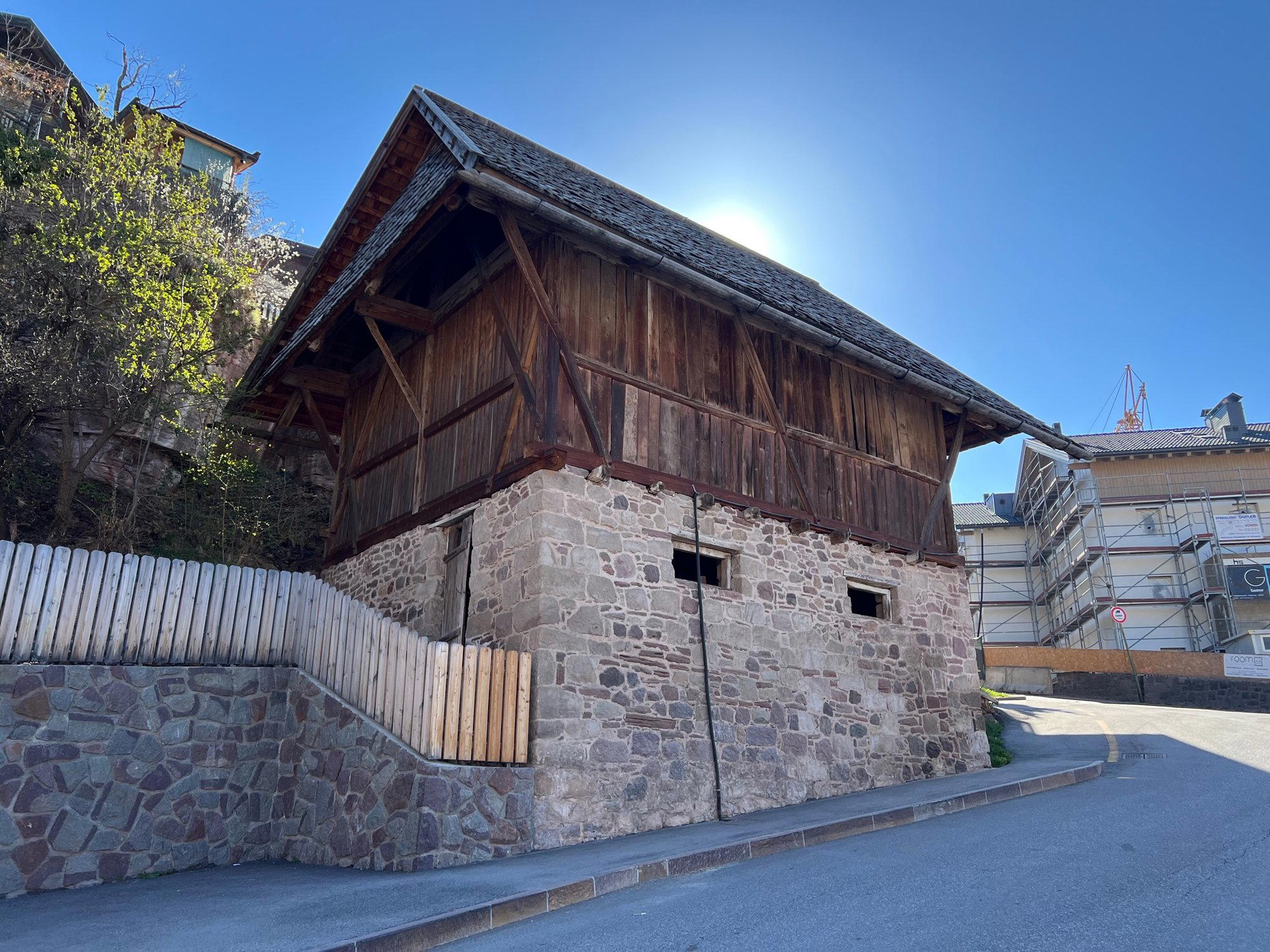
Rustic and authentically historic with a 300-year-old Stube (traditional room) featuring simple, quaint decor; warm and welcoming atmosphere enhanced by the owner's engaging storytelling and personal interaction with guests.