Our verdict
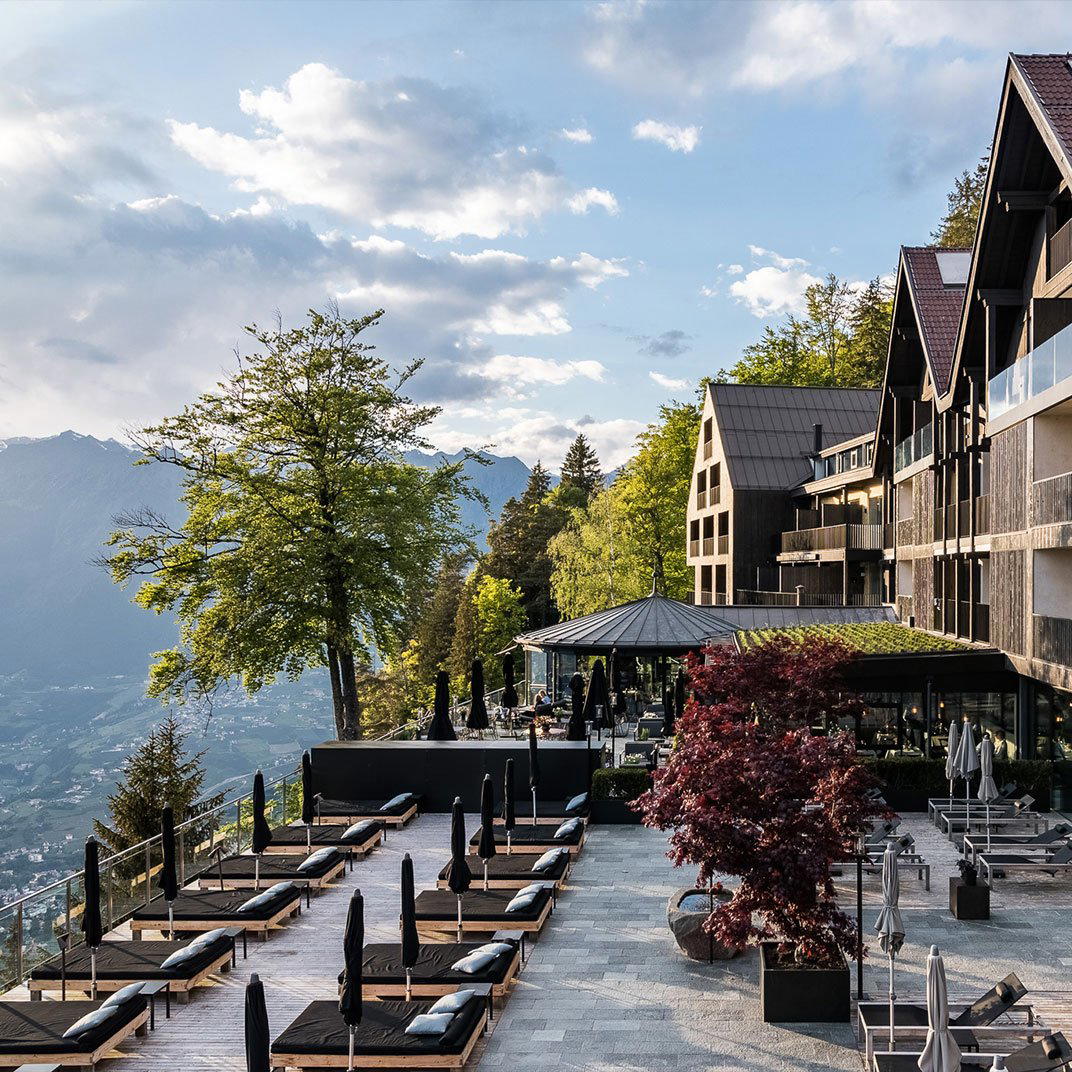
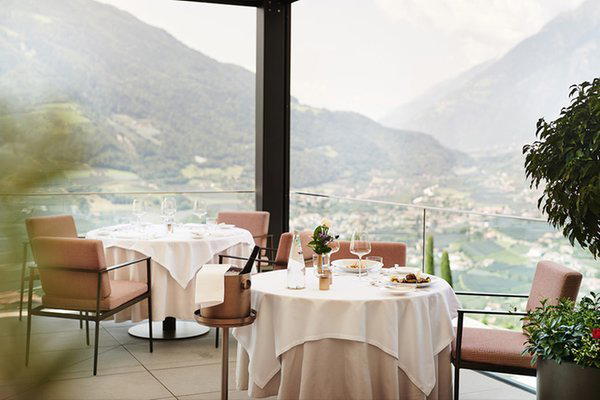
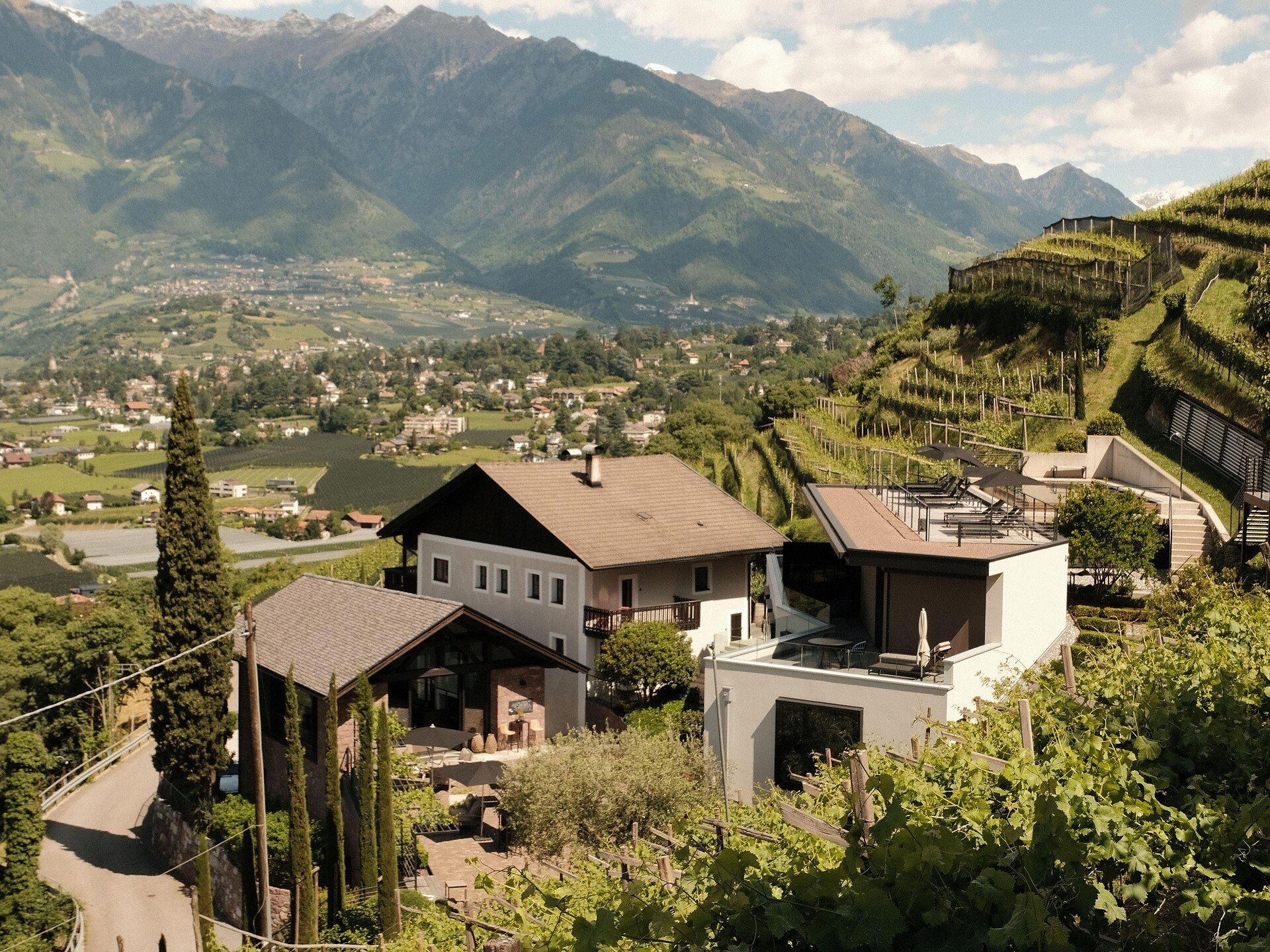
Greiterhof occupies a hillside address above Merano at Via Castel Verruca, 13, where the surrounding Alpine-Mediterranean terrain shapes the kitchen's sourcing logic as directly as any formal culinary tradition. In a city that has built a serious dining identity around locally grown produce and South Tyrolean craft, Greiterhof positions itself within that agricultural conversation rather than apart from it.

Pearl is the En Primeur Club membership app — saves, bookings, and concierge access live there. Same editors, same standards.
- Address
- Via Castel Verruca, 13, 39012 Merano BZ, Italy
- Phone
- +393483660544
- Website
- greiterhof.org
- Directions
- Get directions

Where the Terrain Does the Talking
Merano occupies a climatic anomaly in the South Tyrol: a broad valley basin where Alpine cold and Mediterranean warmth meet at an altitude that produces conditions closer to northern Trentino than the high passes a few kilometres north. Palms grow alongside pine. Citrus ripens in gardens that would freeze solid anywhere else in the region. That environmental specificity has always shaped the city's food culture, and it continues to define the most serious kitchens operating here today. Greiterhof sits on the hillside address of Via Castel Verruca, 13, above the valley floor, in a position that places it physically inside the agricultural zone its sourcing philosophy draws from.
In cities where premium dining has migrated entirely downtown, kitchens on the urban periphery tend to operate at a disadvantage in profile even when they compensate with produce quality. Merano runs differently. The terraced orchards and small holdings that ring the city supply its leading kitchens with apples, stone fruit, herbs, and livestock raised at altitude, and the restaurants that earn serious attention here are consistently the ones that maintain direct relationships with that supply chain rather than importing prestige ingredients from elsewhere. Greiterhof's hillside position is not incidental to this logic: it places the kitchen within walking distance of the kind of smallholder agriculture that urban restaurant addresses can only approximate.
South Tyrolean Sourcing in a Region Built for It
South Tyrol's agricultural model differs structurally from most Italian regions. Holdings are small, succession-driven, and often diversified across fruit, dairy, and meat in ways that make the region's produce unusually traceable. The Vinschgau valley to the west supplies some of Europe's most precisely documented apple cultivation. Pasture-fed cattle and heritage pig breeds remain common at elevations where intensive farming is impractical. This creates a sourcing environment that serious kitchens elsewhere in Italy spend considerable effort trying to replicate through supply relationships. In Merano, proximity is the advantage.
That regional context is visible across the city's dining tier. Sissi works within a Modern Cuisine register that draws on local produce to articulate a contemporary Italian-Alpine identity. In Viaggio - Claudio Melis takes a creative approach that positions Merano produce within a broader Italian narrative. Both sit inside a dining conversation that the city has been building for over a decade, one where the sourcing credential is increasingly the point of distinction rather than an incidental detail. Greiterhof's hillside address places it at the edge of that conversation, with terrain access that speaks for itself regardless of where the kitchen's format ultimately settles.
For visitors arriving from other parts of Italy, the sourcing density that Merano offers as a baseline is worth appreciating against the national picture. Destinations like Dal Pescatore in Runate or Reale in Castel di Sangro have built international reputations partly on hyper-local sourcing philosophies. Merano's advantage is that this approach is structural rather than exceptional: the terrain makes it the path of least resistance rather than a deliberate creative statement.
The Broader Merano Dining Frame
Merano's restaurant scene has developed a coherent identity over the past fifteen years without the volume of external attention that comparable Alpine spa towns in Austria or Switzerland attract. The city's thermal culture, its compact historic centre, and its position as a gateway to the Vinschgau and the Passeier valley have combined to produce a visitor base with serious eating habits and relatively high expectations. That demand has, in turn, supported a dining tier that punches above what the city's scale would otherwise sustain.
The city's mid-range addresses, including Bistro Cafè Fino, Aqua Restaurant, and 357 Pizza and Food, serve a visitor base that arrives expecting quality rather than searching for it. That expectation filters upward: kitchens operating at a higher register compete in a market where produce quality is already a baseline assumption, not a differentiator. The differentiation happens at the level of technique, format, and the specificity of sourcing relationships rather than the simple fact of using regional ingredients.
Greiterhof enters that frame from a hillside position that is less commercially trafficked than the central Passeggiata zone where most of Merano's well-documented restaurants operate. That positioning is not without precedent in the South Tyrol: some of the region's most considered cooking happens at addresses that prioritise agricultural proximity over pedestrian footfall. Atelier Moessmer Norbert Niederkofler in Brunico is the regional reference point for this approach at the highest level, having built an internationally recognised program around a philosophy of strict Alpine sourcing that requires, among other commitments, a deliberate removal from urban convenience.
Placing Greiterhof in the Italian Fine Dining Context
Italy's most documented fine dining addresses, from Osteria Francescana in Modena to Enoteca Pinchiorri in Florence, Piazza Duomo in Alba, Le Calandre in Rubano, and Uliassi in Senigallia, share a tendency to anchor their identity in the produce logic of their immediate geography. The South Tyrol operates within that national tradition but with a degree of territorial specificity that distinguishes it from the peninsula's warmer, more Mediterranean-facing regions. The Alpine-Mediterranean overlap that defines Merano produces ingredients that do not exist in the same form elsewhere in Italy, and kitchens that understand this treat the geography as their primary creative resource.
International visitors familiar with technically demanding programs at addresses like Le Bernardin in New York City, Atomix, or Enrico Bartolini in Milan will find Merano's dining proposition differently calibrated: less about technical spectacle, more about the credibility of the agricultural sourcing chain. Quattro Passi in Marina del Cantone offers a useful southern Italian counterpoint to Merano's Alpine model, demonstrating how regional produce identity operates as a structuring principle at different ends of the Italian peninsula.
Planning a Visit
Greiterhof is located at Via Castel Verruca, 13, on the hillside above central Merano, an address that requires either a car or local transport rather than a short walk from the city centre. Visitors staying in the spa district or along the Passeggiate will need to factor in travel time. Given the absence of publicly available booking details at the time of writing, contacting the venue directly on arrival in Merano, or through the local tourist infrastructure, is the practical approach. The full Merano restaurants guide provides broader context for planning a multi-day itinerary that balances the city's hillside addresses with its central dining tier. Spring and autumn are the historically preferred seasons for visiting the South Tyrol, when produce is at its most diverse and visitor numbers have not yet compressed the region's quieter character.
Frequently asked questions
What's the address for Greiterhof?
Greiterhof is located at Via Castel Verruca, 13, 39012 Merano BZ, Italy, Merano.
What makes Greiterhof different from other restaurants in Merano?
Greiterhof's address at Via Castel Verruca, 13, puts it on the hillside above central Merano rather than on the valley floor where most of the city's restaurants are concentrated. That physical separation aligns it with a tradition of South Tyrolean destination dining, where the setting and the sourcing are part of the same argument. Merano's climatic anomaly, a basin where Alpine cold and Mediterranean warmth converge, gives kitchens here a produce range that lower-altitude or more northerly Alto Adige restaurants do not share.
What should I order at Greiterhof?
Greiterhof's menu draws from South Tyrol's small-farm agricultural model, which means seasonal produce, cured meats, and dairy from succession-driven holdings in the surrounding valley. Dishes tied to the region's Alpine-Mediterranean overlap — where mountain and Mediterranean inputs coexist at Merano's unusual altitude — tend to define what makes the kitchen distinct. Without a confirmed current menu, confirm the day's offerings directly with the restaurant when booking.
How hard is it to get a table at Greiterhof?
Greiterhof is located at Via Castel Verruca, 13, above central Merano, which places it outside the immediate flow of casual foot traffic. That address filters out impulse visits and means the guest base skews toward deliberate planners.
What has Greiterhof built its reputation on?
Greiterhof operates in Merano, a city whose restaurant scene has developed a recognised identity over the past fifteen years by leaning into South Tyrol's structural agricultural advantages: small holdings, diversified farming, and local succession. The restaurant's hillside position above the city connects it to the broader Alto Adige tradition of site-specific dining, where the provenance of ingredients is as much a statement as the cooking.
How does Greiterhof handle allergies?
Given the restaurant's location in South Tyrol, where kitchens typically work with a close network of local suppliers, direct communication before arrival is the most reliable approach. Contact the venue ahead of your visit to confirm what accommodations are possible.
Is eating at Greiterhof worth the cost?
What the Merano dining context suggests is that restaurants at this hillside address are positioned toward considered, ingredient-led meals rather than volume. For diners already travelling to South Tyrol for its agricultural and scenic reputation, Greiterhof's location on Via Castel Verruca places it within the logic of that wider visit rather than requiring a separate justification.
At-a-Glance Comparison
| Venue | Cuisine | Price | Awards | Notes |
|---|---|---|---|---|
| GreiterhofThis venue — the venue you are viewing | South Tyrolean Farmhouse Brewery | $20–30 | Not listed | Not listed |
| In Viaggio - Claudio Melis | Modern Italian Fine Dining | Not listed | 1 Michelin Star | Creative |
| Sissi | Modern Italian Fine Dining | $100–150 | 1 Michelin Star | Modern Cuisine |
| Gourmet Restaurant Prezioso | Modern South Tyrolean Fine Dining | $150–200 | 1 Michelin Star · La Liste Top Restaurants | Not listed |
| Castel Fragsburg | Alpine-Mediterranean Fine Dining | $200–300 | Relais Chateaux Award | Not listed |
| Hotel Erika | Modern Italian Gourmet | Not listed | Star Wine List | Not listed |
Continue exploring
More in Merano
Restaurants in Merano
Browse all →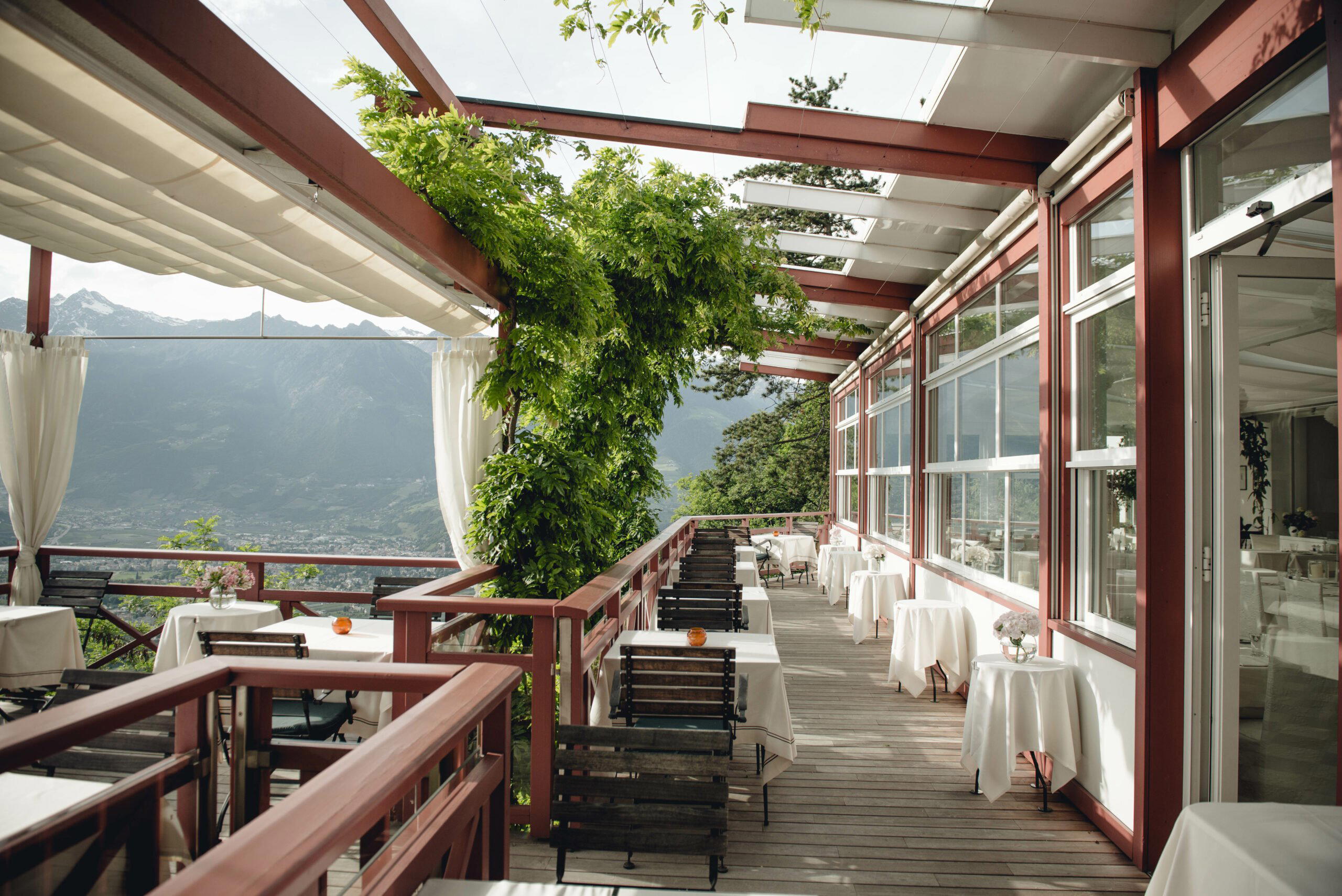
Bars in Merano
Browse all →
Hotels in Merano
Browse all →
Details
- Rustic
- Cozy
- Scenic
- Family
- Celebration
- Historic Building
- Beer Program
- Farm To Table
- Local Sourcing
- Mountain
- A La Carte
- Beer Program
- Vegetarian Friendly
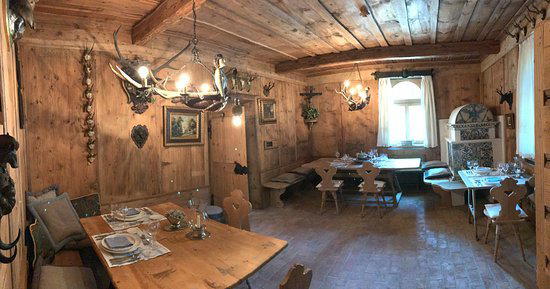
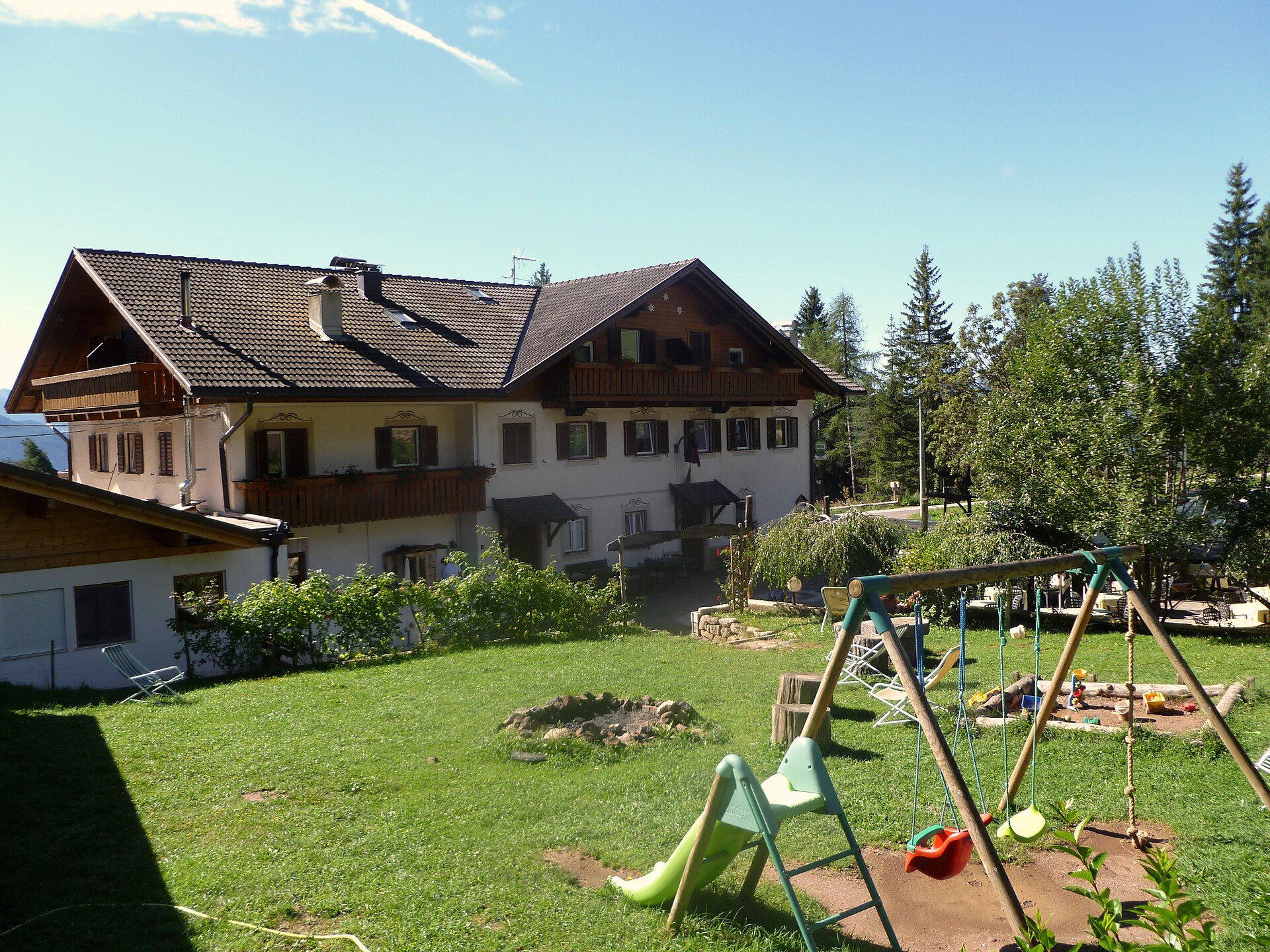
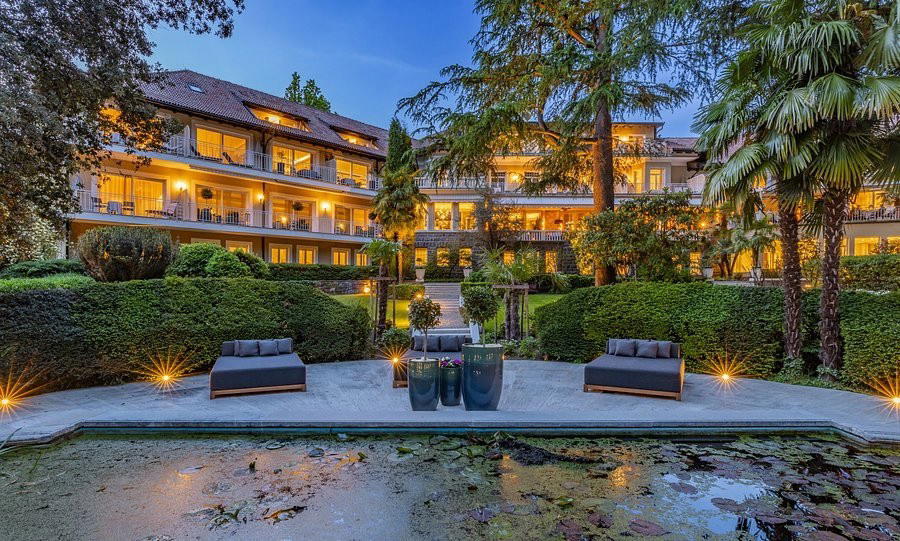
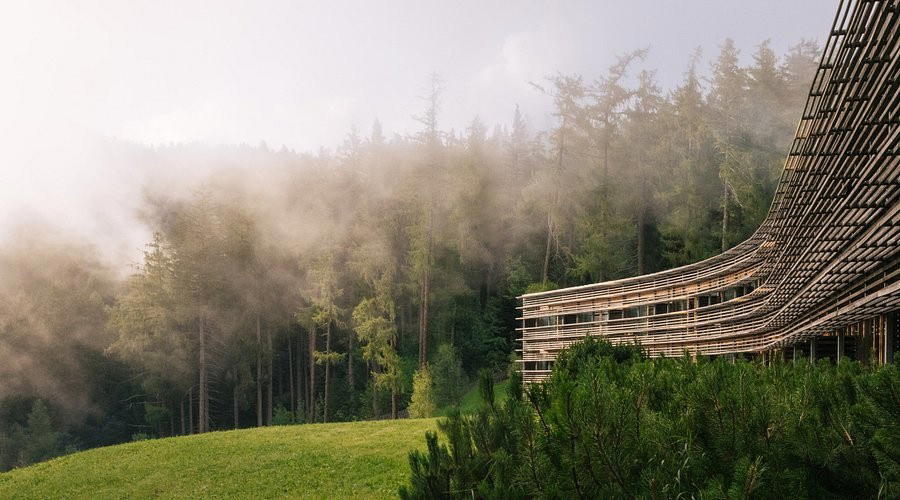
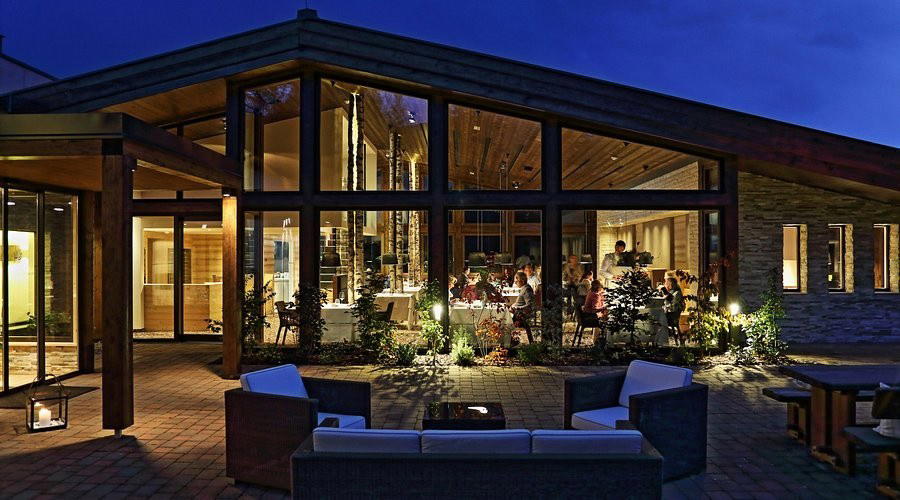
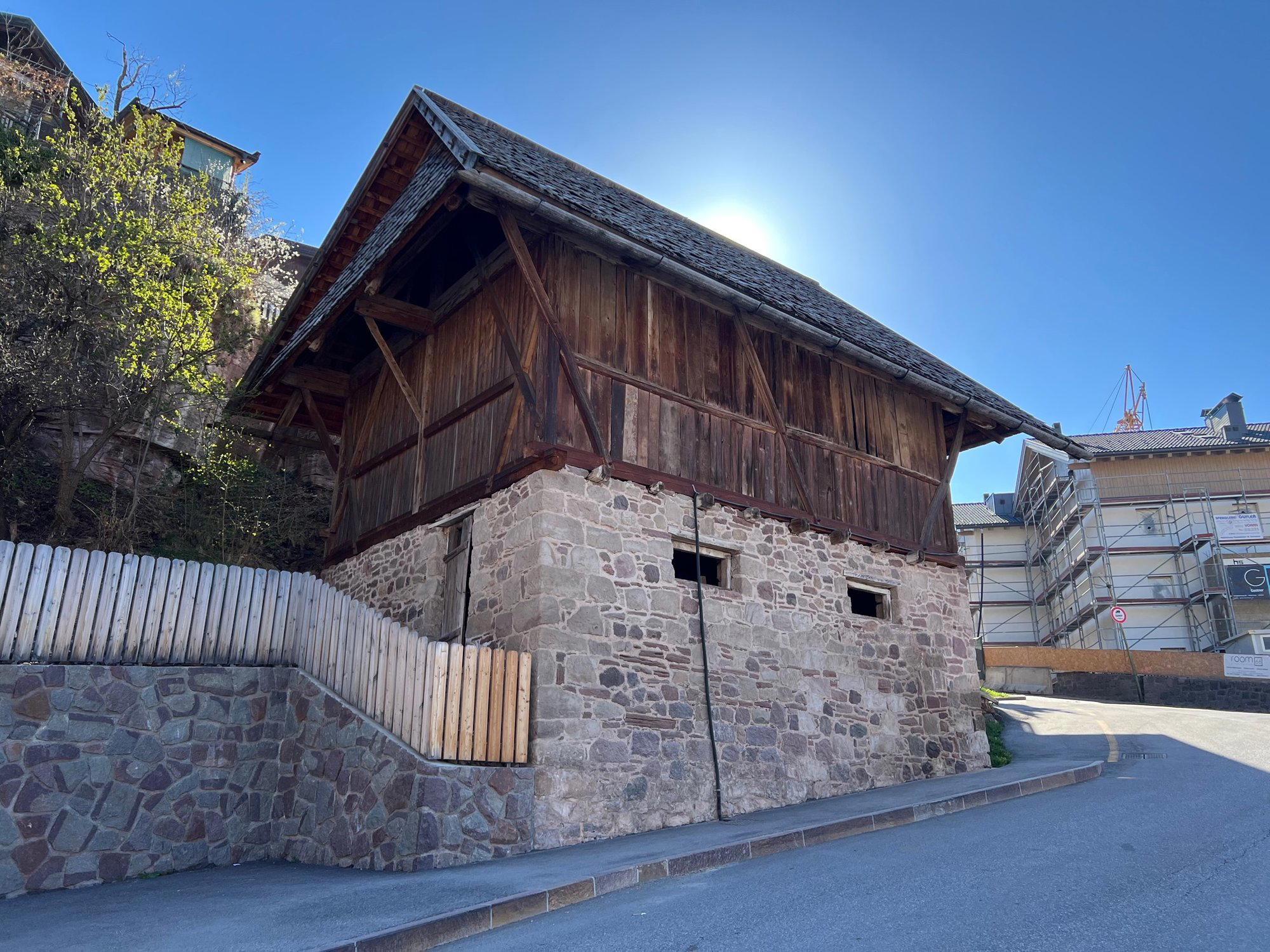
Traditional, well-kept mountain farmhouse atmosphere surrounded by meadows and woods.