Our verdict
Philippsthal sits along Philippsthaler Dorfstraße in Nuthetal, a quiet village south of Potsdam where Brandenburg's rural character shapes what ends up on the plate. The address places it well outside Germany's dense fine-dining corridors, which makes understanding what draws visitors here — and what the surrounding land provides — the most useful place to start.

Pearl is the En Primeur Club membership app — saves, bookings, and concierge access live there. Same editors, same standards.
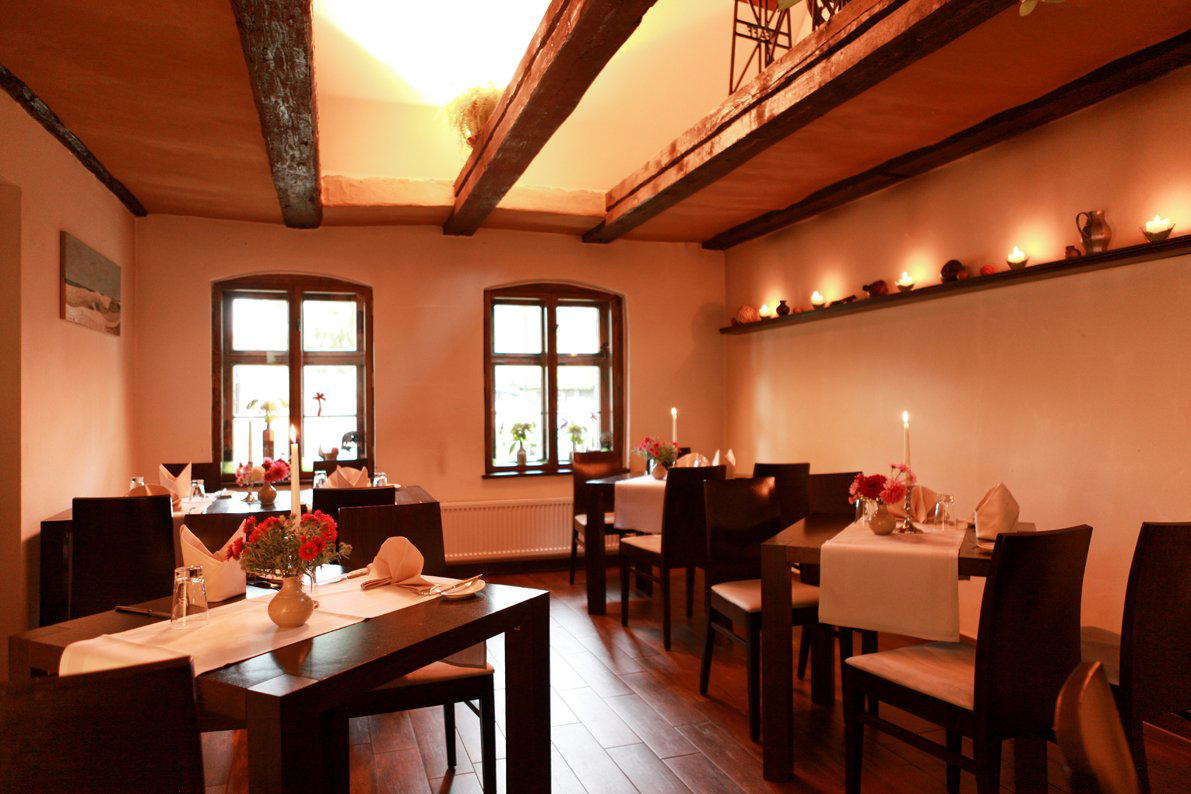
A Village Address in Brandenburg's Quiet South
The road into Nuthetal does not announce itself with fanfare. Brandenburg's low pine forests and flat agricultural stretches extend south from Potsdam in a way that feels deliberately unhurried, and Philippsthaler Dorfstraße 35 sits inside that register. The building occupies a village address in a municipality most Berliners pass through rather than stop in, which is precisely what makes the question of Philippsthal worth asking: what does a destination dining address mean when the destination is this quiet, and what does that landscape supply that a city postcode cannot? For context on what Germany's broader fine-dining scene looks like across different registers, our full Nuthetal restaurants guide maps the area's options more completely.
What Brandenburg's Position Means for the Plate
Germany's premium restaurant tier has spent the better part of two decades concentrating around a handful of urban and semi-rural anchors. The Black Forest corridor, anchored by places like Schwarzwaldstube in Baiersbronn, long defined what forest-proximate fine dining could look like when the kitchen takes its cues from what surrounds it rather than from city-market logistics. The Rhineland and Bavaria followed their own trajectories: Vendôme in Bergisch Gladbach and JAN in Munich each positioned themselves relative to regional identity while speaking to an international guest. Brandenburg sits apart from those corridors. Its agricultural output, sandy soils, freshwater fish from the Havel and its tributaries, and proximity to forested game country give any kitchen operating here access to a supply chain that the Berlin restaurant scene must work considerably harder to source.
That sourcing logic matters to how you read a village address like Nuthetal. For restaurants in Germany's settled fine-dining belt, proximity to product is often an argument made in press releases. For a kitchen operating in Nuthetal, proximity to product is simply a geographic fact. The question is what is done with it.
The Scene Around Nuthetal
Fine dining in Germany's Brandenburg region has not developed the density of, say, the Moselle Valley, where Schanz in Piesport sits within a cluster of high-recognition addresses and where wine-tourism infrastructure supports the restaurant ecosystem. Nuthetal operates without that scaffolding. There is no obvious peer cluster, no wine route drawing international visitors past the door. Comparison addresses in the broader region are sparse enough that Berlin itself becomes the nearest meaningful reference point, with CODA Dessert Dining in Berlin representing the capital's most formally decorated creative format.
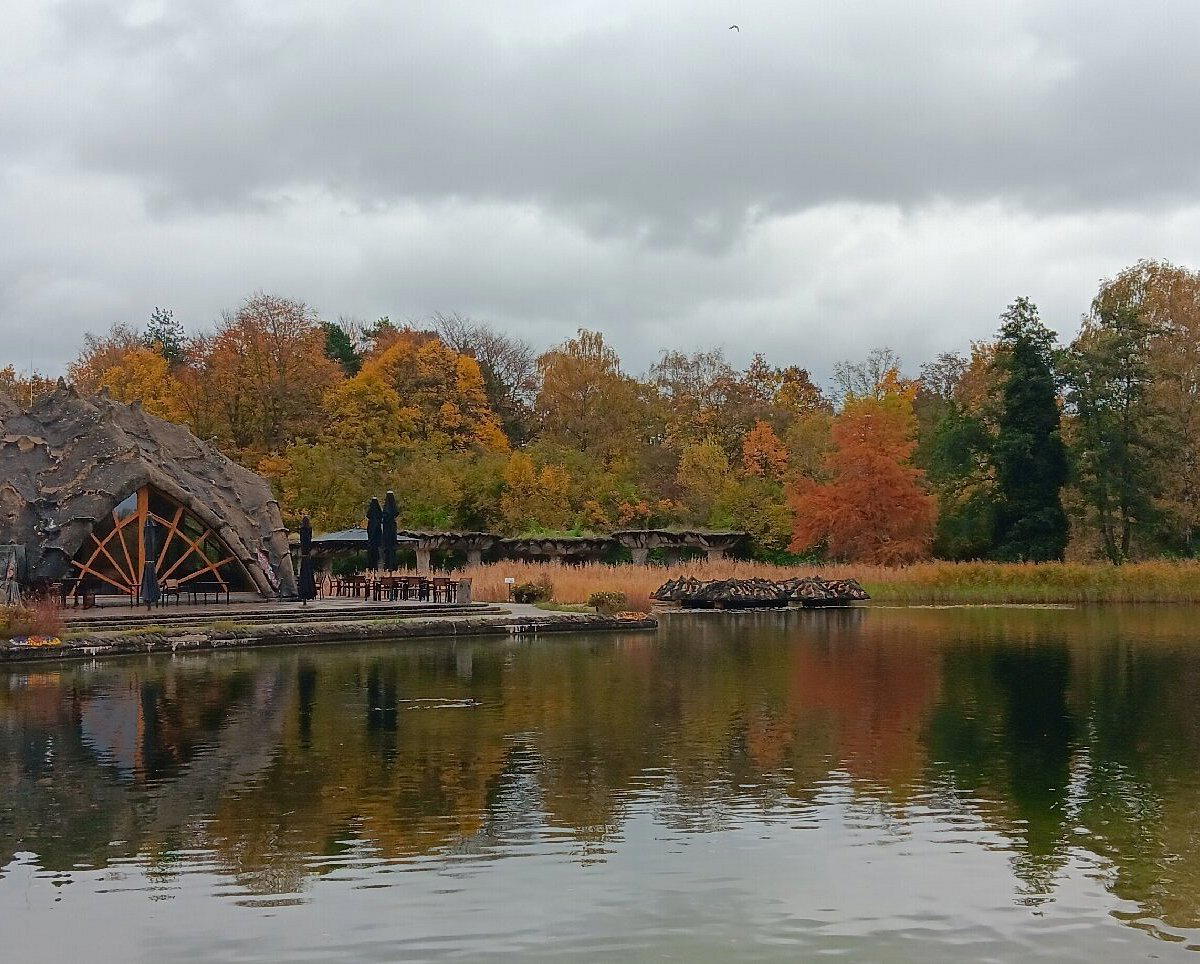
That absence of cluster is, in practice, a statement about what Philippsthal is not competing for. A restaurant in this position either draws on destination logic — the guest travels specifically — or it serves a local and regional clientele with expectations shaped by the area rather than by Germany's broader awards conversation. Either way, the physical environment of the Nuthe-Urstromtal, the ancient glacial valley that gives the municipality its character, is the setting guests arrive into.
Ingredient Sourcing in a Rural Brandenburg Context
Brandenburg's agricultural identity is not glamorous in the way that, say, Alsace or the Baden wine country is glamorous. But it is specific, and specificity is what good sourcing arguments rest on. The region produces asparagus in volume, Beelitz, less than fifteen kilometres from Nuthetal, is one of Germany's most recognised asparagus-producing zones, with a cultivation history documented back to the eighteenth century. Freshwater fish from the Havel system, game from the surrounding forests, and seasonal mushrooms from pine-floor woodland represent the other legs of a credible local sourcing argument in this part of Germany.
Kitchens that work within this supply reality tend to operate seasonally in ways that feel structural rather than marketing-driven. A late-spring menu built around Beelitz asparagus is not a seasonal gesture, it is the most logical response to what is available at highest quality within a short radius. The same logic applies to autumn game and summer freshwater catch. Compared to the creative frameworks operating in Germany's urban centres, or to internationally oriented kitchens like Aqua in Wolfsburg with its Italian and Japanese references alongside German technique, a Brandenburg village kitchen holds a different kind of advantage: directness of supply chain.
Germany's most discussed sourcing-led restaurants have often found their audience through awards recognition: Waldhotel Sonnora in Dreis and Victor's Fine Dining by Christian Bau in Perl both operate in rural formats with strong regional product arguments. The broader international frame, represented by kitchens like Le Bernardin in New York City or Atomix in New York City, shows how sourcing philosophy can anchor an entire format at the highest levels of the category. The rural German version of that argument is quieter, less codified, and often less visible to international audiences, which is a structural feature of the region, not a quality signal in either direction.
Getting There and Planning Your Visit
Nuthetal sits roughly twenty kilometres south of central Potsdam and approximately forty kilometres from central Berlin, making it accessible by car from either city in under an hour under normal conditions. Public transport connections to the village are limited, which means most guests arriving from Berlin or Potsdam will drive or arrange private transfer. The S-Bahn reaches Potsdam, from where a taxi or hire car covers the remaining distance. Further afield in Germany's fine-dining circuit, Bagatelle in Trier, ES:SENZ in Grassau, ammolite in Rust, ATAMA by Martin Stopp in Sankt Ingbert, AUGUST in Augsburg, AURA in Wirsberg, and Restaurant Haerlin in Hamburg collectively map the range of formats and price tiers operating across the country for travellers building a wider German dining itinerary.
Frequently asked questions
Is Philippsthal okay with children?
Philippsthal is located at Philippsthaler Dorfstraße 35 in Nuthetal, a quiet village setting that tends toward a relaxed pace rather than a formal dining room dynamic. Rural Brandenburg restaurants of this type often accommodate families more readily than urban fine-dining addresses.
What kind of setting is Philippsthal?
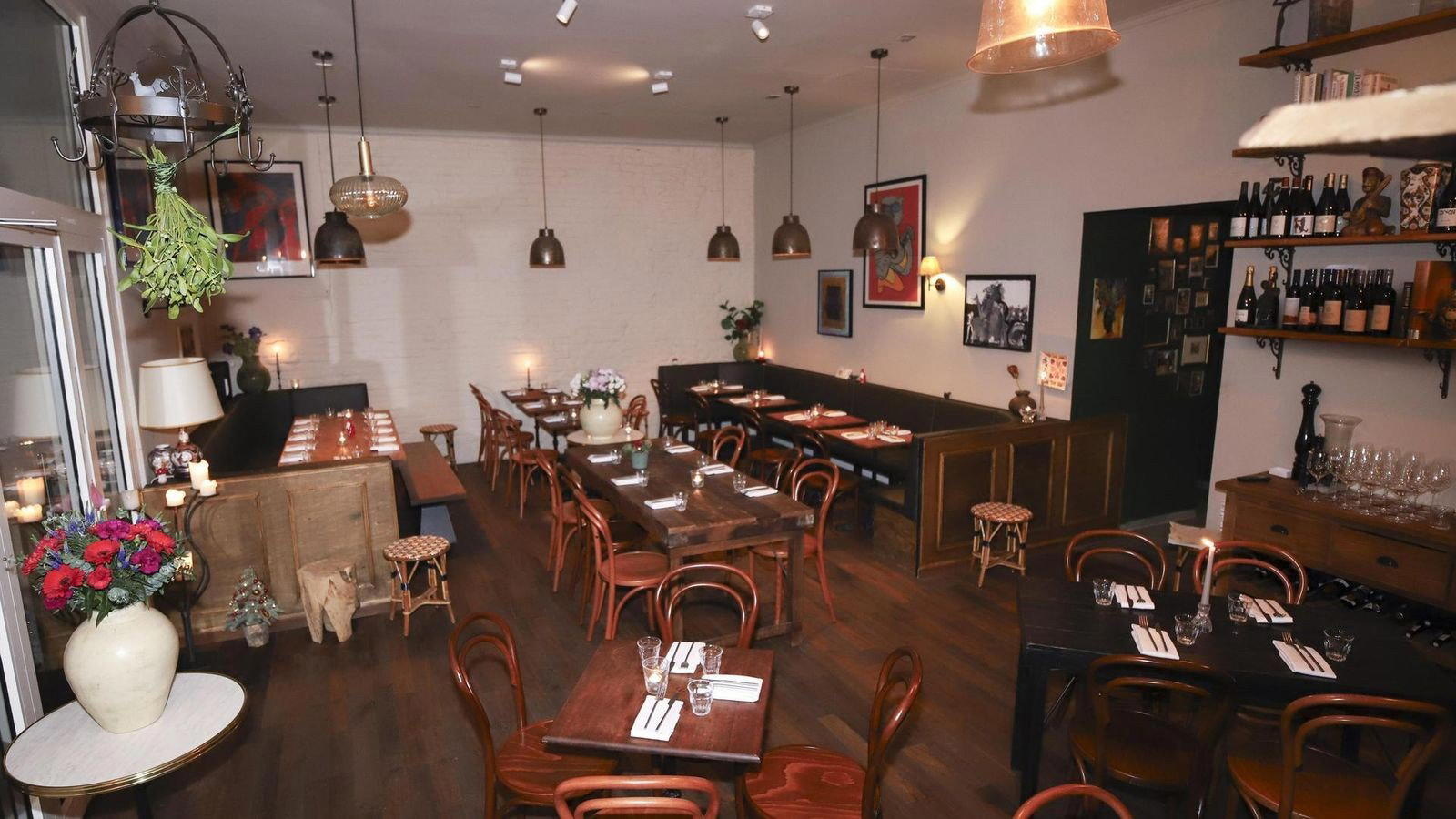
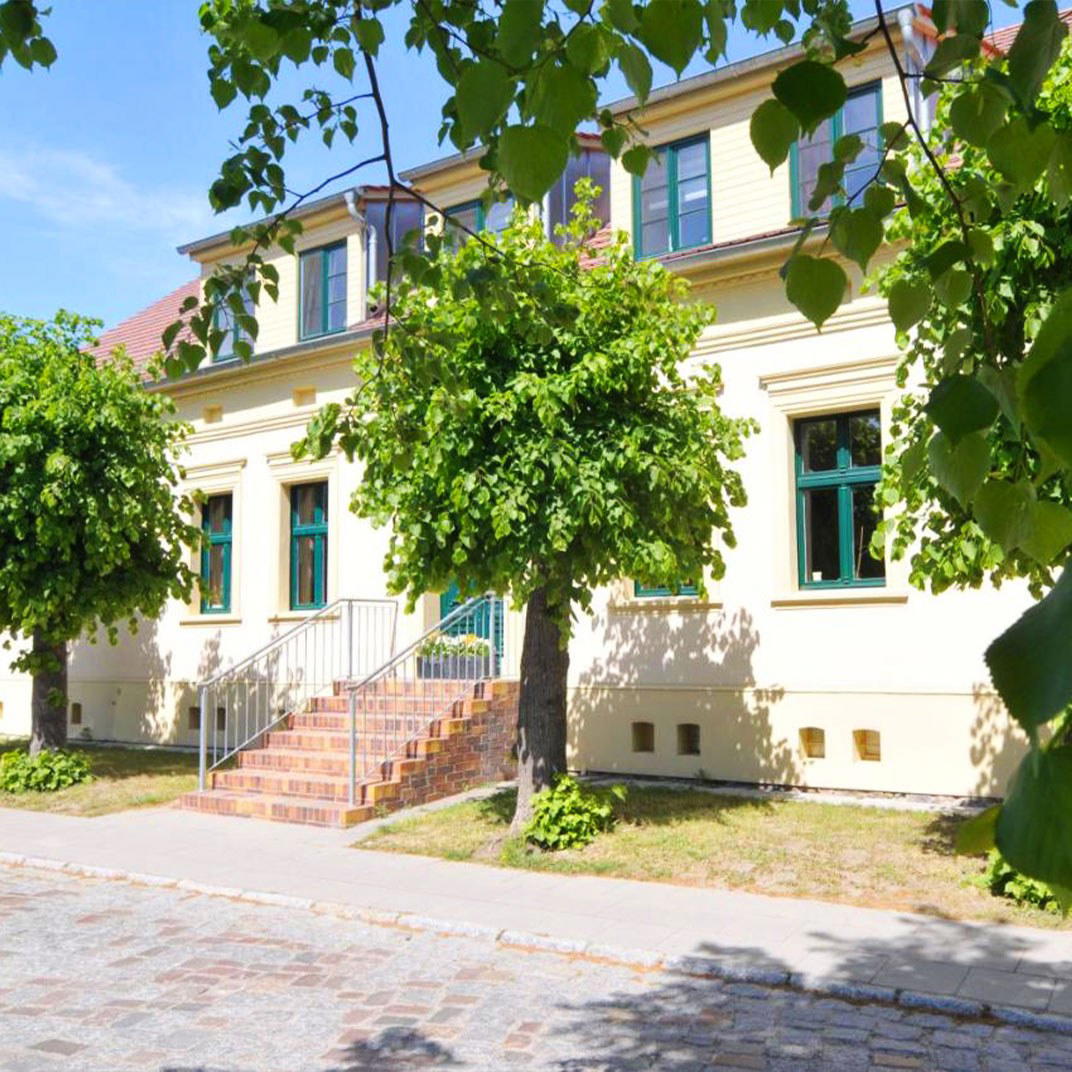
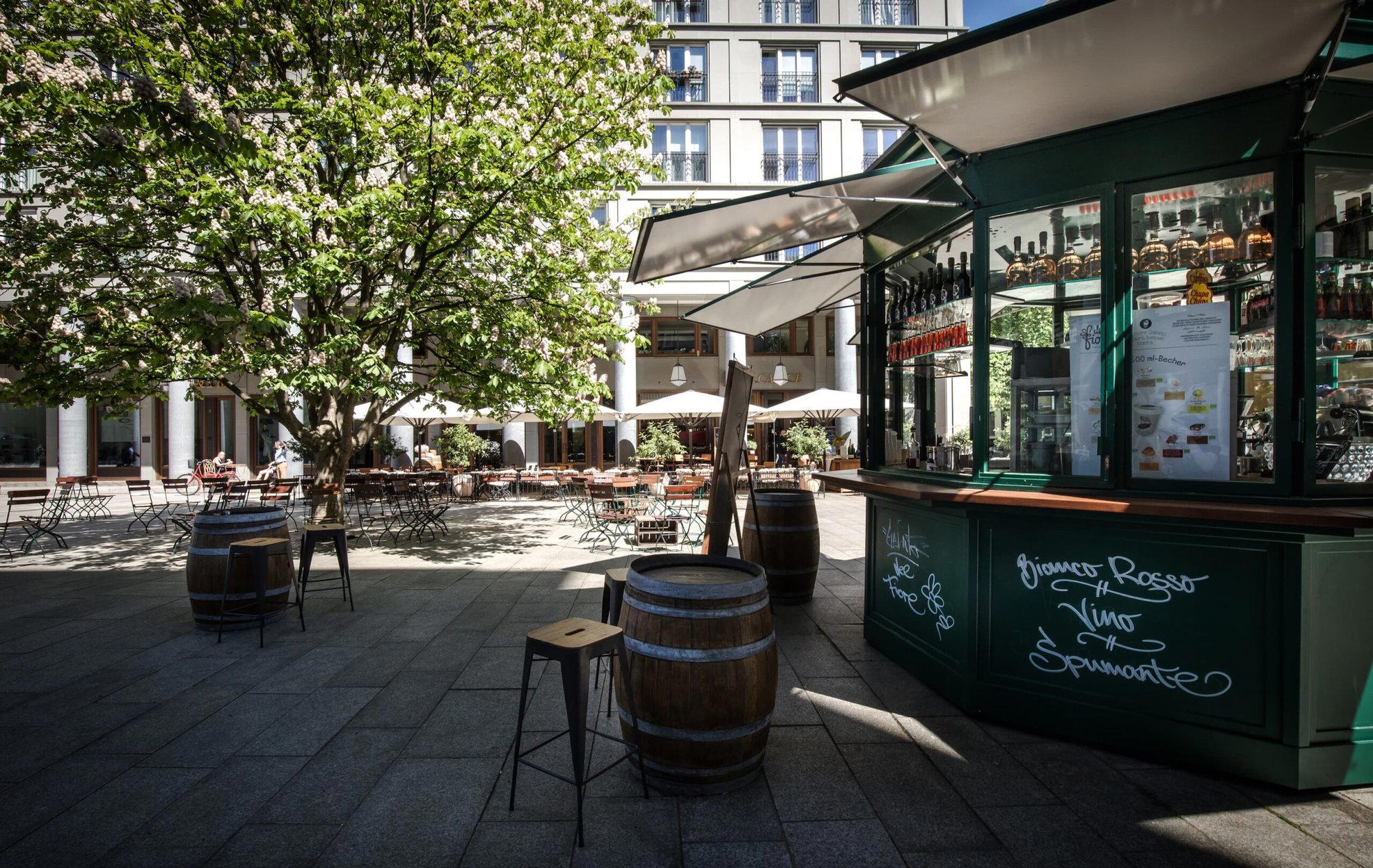
Philippsthal occupies a village address in Nuthetal, Brandenburg, roughly twenty kilometres south of Potsdam and set within the region's characteristic flat agricultural and pine-forest terrain. The Philippsthaler Dorfstraße address places it well outside any urban dining cluster, which shapes the atmosphere as much as any interior detail. Expect a rural character rather than a city-restaurant energy.
How far is Philippsthal in Nuthetal from central Berlin, and is it worth the trip from the city?
Nuthetal sits approximately forty kilometres south of central Berlin, making Philippsthal a feasible day or evening excursion by car. The venue's village address on Philippsthaler Dorfstraße places it in a part of Brandenburg that sees far less restaurant traffic than Potsdam proper or Berlin's urban dining corridors. For those drawn to rural settings away from the capital's density, the distance is the point rather than the obstacle.
What do people recommend at Philippsthal?
Brandenburg's rural south has a tradition of sourcing from local agricultural producers, and venues in Nuthetal generally reflect the region's land-driven seasonal offer. Reaching out to Philippsthal directly via their address at Philippsthaler Dorfstraße 35 is the most reliable way to confirm what is currently on the menu.
Quick Comparison
Comparable venues nearby, for context on price, style, and recognition.
| Venue | Cuisine | Price | Awards | Notes |
|---|---|---|---|---|
| PhilippsthalThis venue — the venue you are viewing | German Farmhouse Cuisine | Not listed | Not listed | Not listed |
| Bundesbüdchen | Modern German Regional | $50–100 | Not listed | Mitte |
| Fleischerei | Modern German Meat Cuisine | $30–50 | Not listed | Prenzlauer Berg |
| Restaurant 22 Stufen | Modern German-European with Lake View | $30–50 | Not listed | Griebnitzsee |
| Merold | Modern German | $50–100 | Michelin Plate · Star Wine List | Neukolln |
| Restaurant Deutsche Oper | Sophisticated German Cuisine | $50–100 | Not listed | Charlottenburg |
Continue exploring
More in Nuthetal
Restaurants in Nuthetal
All restaurants in Nuthetal →
Bars in Nuthetal
Browse all →

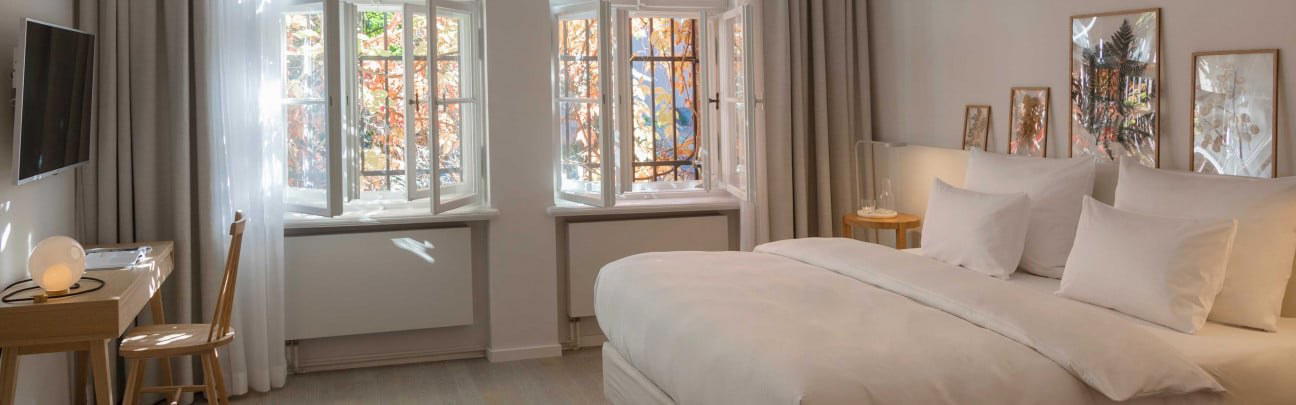
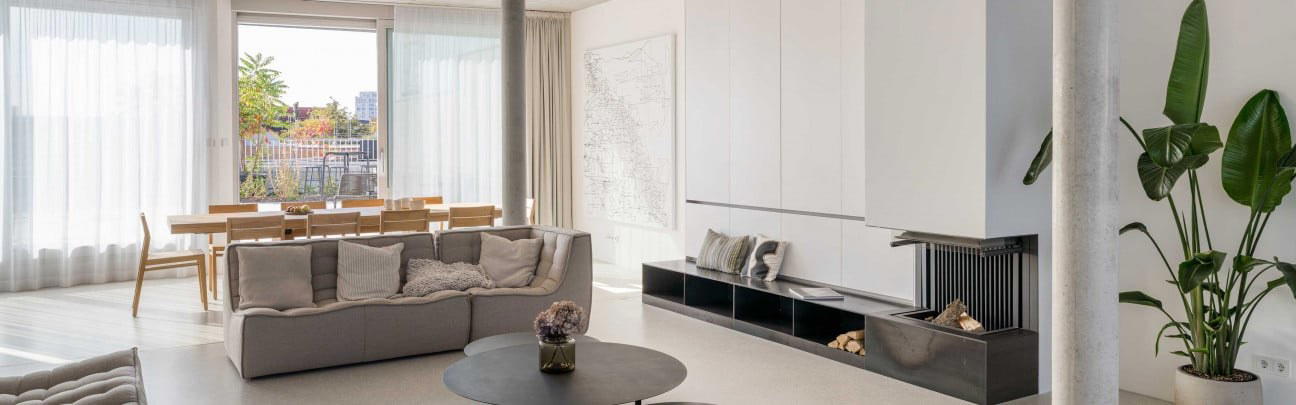
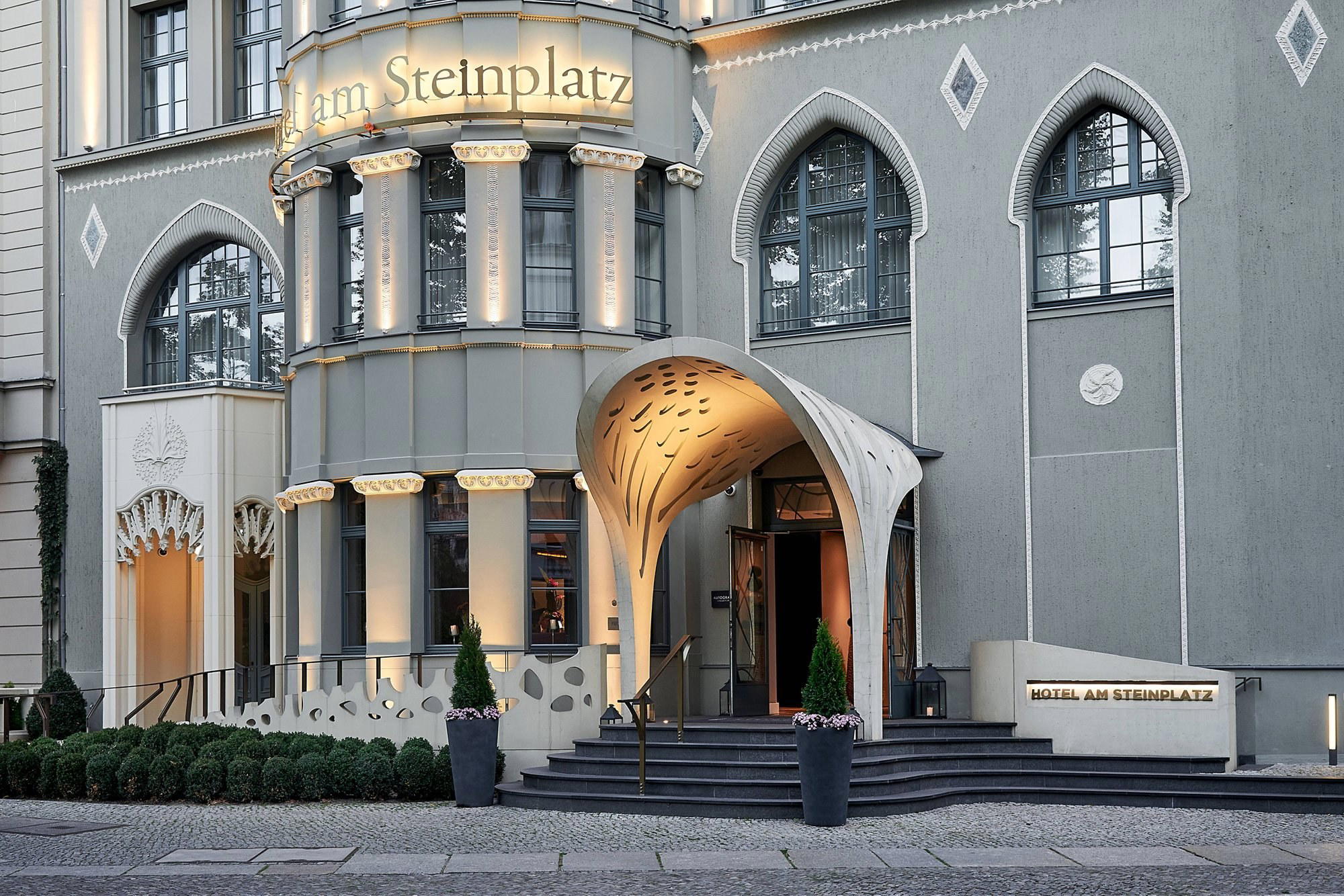

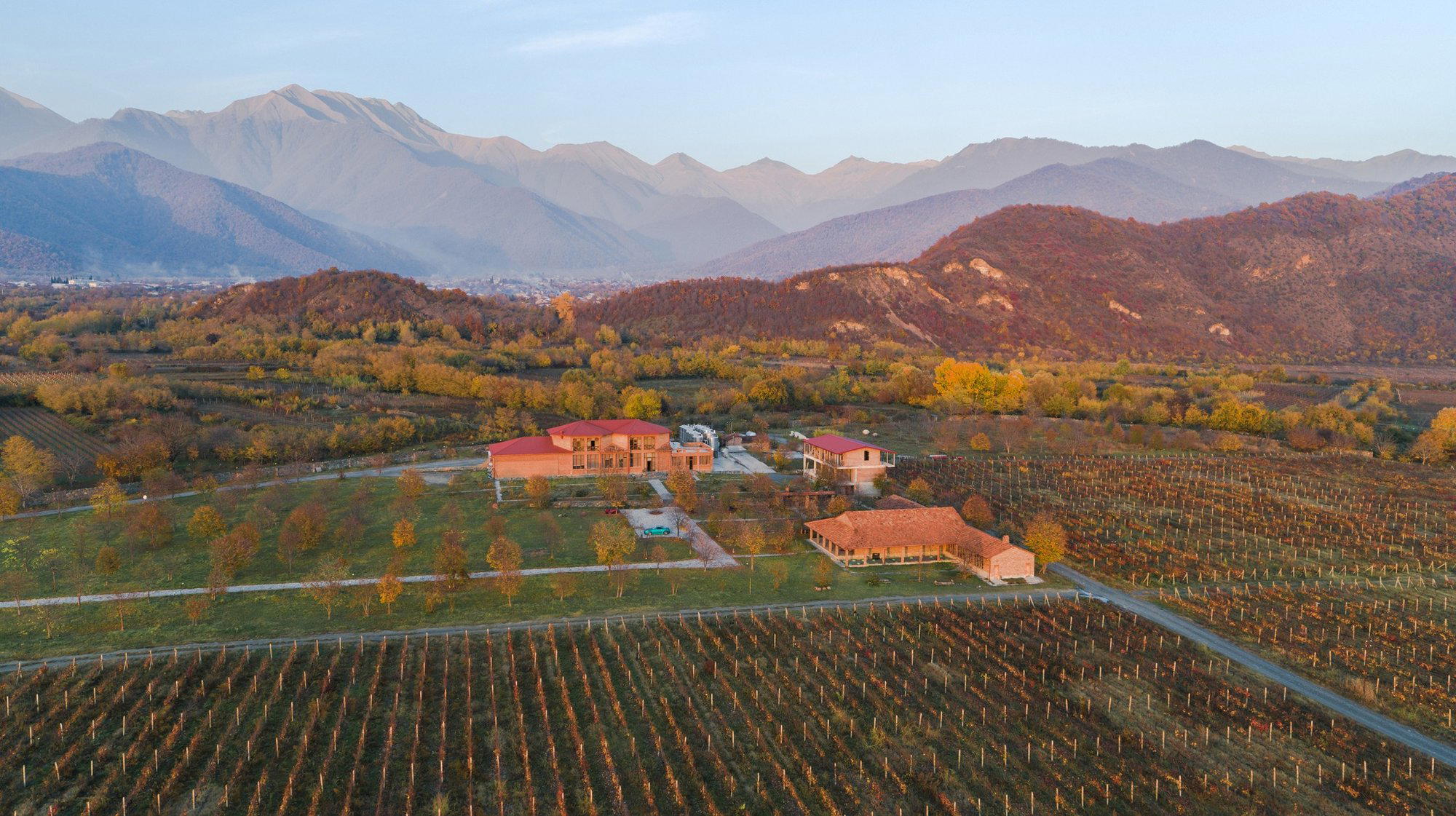
Details
- Rustic
- Cozy
- Elegant
- Special Occasion
- Date Night
- Historic Building
- A La Carte
Current opening hours
- Monday
- 12–9 PM
- Tuesday
- Closed
- Wednesday
- 12–9 PM
- Thursday
- 12–9 PM
- Friday
- 12–9 PM
- Saturday
- 12–9 PM
- Sunday
- 12–9 PM
Hours can change for holidays and private events. Last verified .
Well-preserved farmhouse with above-average food presentation and friendly service.