On Calle de Miguel Ángel in Madrid's Chamberí district, Petit Appetit occupies a quieter register than the city's Michelin-decorated circuit. The restaurant draws a loyal neighbourhood following — the kind that returns not for spectacle but for consistency and familiarity. For visitors willing to step outside Madrid's high-profile dining corridor, it offers a more grounded entry point into the city's residential dining culture.
Pearl is the En Primeur Club membership app — saves, bookings, and concierge access live there. Same editors, same standards.
- Address
- C. de Miguel Ángel, 18, Chamberí, 28010 Madrid, Spain
- Phone
- +34913086501
- Website
- petitappetit.es
- Directions
- Get directions
 Saves & bookings on Pearl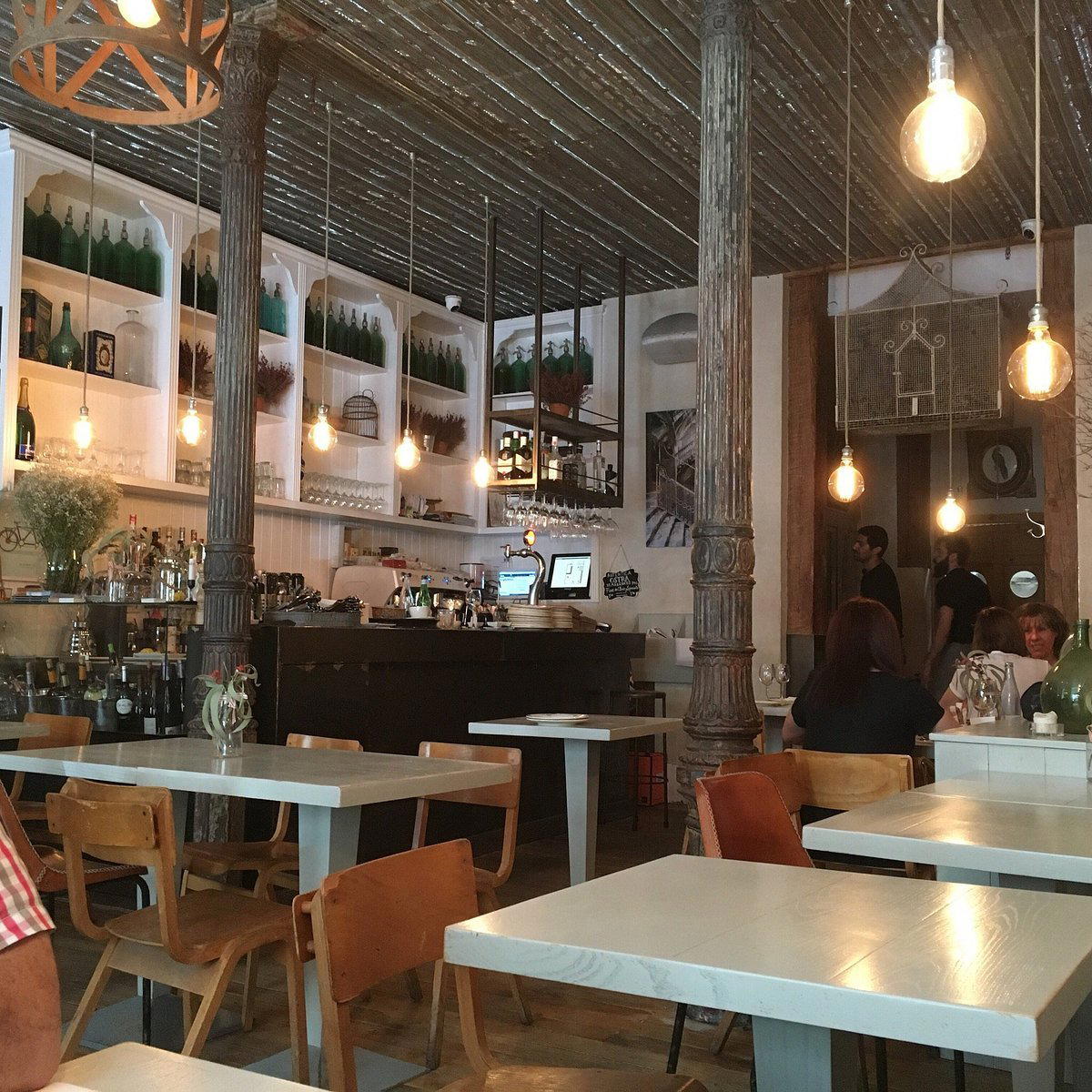
Chamberí's Dining Character and Where Petit Appetit Sits Within It
Madrid's Chamberí district operates on a different frequency from the city's headline restaurant circuit. While venues like DiverXO and Coque command international attention and multi-month booking queues, the streets around Alonso Martínez and Rubén Darío sustain a quieter, more residential dining culture — one built on repeat visits rather than occasion dining. Calle de Miguel Ángel, where Petit Appetit is located, sits inside that rhythm. The address is comfortable Chamberí: broad pavements, low foot traffic from tourists, and a clientele drawn predominantly from the surrounding barrio rather than from hotel concierge lists.
This matters because it frames what kind of experience to expect. Chamberí's neighbourhood restaurants are not positioning themselves against the tasting-menu tier represented by DSTAgE or Deessa. They operate in a different register entirely — one where the measure of success is whether the same faces keep returning on a Tuesday night, not whether a critic adds another star. Petit Appetit fits that model.
The Regulars' Logic: What Keeps People Coming Back
In Madrid's residential dining scene, loyalty is earned differently than in the destination-restaurant tier. Regulars at a neighbourhood spot are not returning for novelty or technical ambition, they are returning because the room is comfortable, the food is reliable, and the staff know their preferences without being asked. This is the contract that sustains a place like Petit Appetit over time, and it is a harder one to maintain than it looks. Consistency across service, kitchen output, and atmosphere requires a kind of disciplined restraint that flashier operations rarely prioritise.
The name itself signals the proposition: small appetite, approachable format. In a city where the full creative-tasting format has been pushed furthest by operators like Paco Roncero, the opposite end of that spectrum, compact, familiar, repeatable, has its own legitimate value. Regulars at venues in this tier tend to know which dishes anchor the menu, which table has the leading light, and at what hour the room settles into its most comfortable pace. That accumulated knowledge is itself part of the draw.
Madrid's neighbourhood dining culture also reflects a broader Spanish habit: the meal as social infrastructure rather than standalone event. Long midday services, multi-generational tables, the assumption that a glass of wine is a prelude to conversation rather than a transaction, these patterns are more visible at the barrio level than at the Michelin tier, and they give places like Petit Appetit a social function that extends beyond the food itself.
Petit Appetit in the Context of Madrid's Wider Restaurant Range
Madrid's restaurant offering spans a wide range, from internationally recognised tasting-menu operations to mid-market neighbourhood staples that serve the city's actual daily eating habits. The upper tier is well documented: Spain's broader dining reputation rests on institutions like El Celler de Can Roca in Girona, Arzak in San Sebastián, and Mugaritz in Errenteria, restaurants that have shaped how the country is perceived internationally. Within Madrid itself, the ambition of venues like DiverXO sets a ceiling that most restaurants sensibly do not attempt to compete with.
Petit Appetit is not in that conversation, nor does it need to be. For visitors exploring beyond Spain's marquee addresses, the neighbourhood tier offers something the destination restaurants cannot: the experience of eating where the city actually eats, rather than where it performs for outside observers.
Spain's wider dining geography rewards lateral movement. Restaurants like Aponiente in El Puerto de Santa María, Azurmendi in Larrabetzu, and Quique Dacosta in Dénia each represent different regional expressions of Spanish cooking at high ambition. Closer to home, Cocina Hermanos Torres in Barcelona and Ricard Camarena in València show what regional identity looks like when refined by serious technical intent. Petit Appetit operates far below that register, but understanding where a city's neighbourhood tier sits, relative to its headline addresses, is part of understanding the city itself.
For those building a broader Madrid itinerary, our full Madrid restaurants guide maps the city's dining range across price tiers and neighbourhoods, with entries on venues from the three-star circuit to the barrio staple.
What the Address Tells You
C. de Miguel Ángel, 18 is a residential street address in a part of Chamberí that sits between the commercial bustle of Paseo de la Castellana and the quieter residential blocks further west. The surrounding area has a mix of apartment buildings and small professional offices, not a tourist corridor, not a nightlife district. Restaurants at this kind of address succeed or fail based on neighbourhood loyalty rather than passing footfall, which creates a different set of incentives for how they operate. For a visitor, arriving at Petit Appetit means arriving in the barrio rather than the showcase, a distinction worth making before you go.
For international comparison, the dynamic is not unlike what Le Bernardin in New York or Atomix represent at the opposite end of the ambition scale: every city sustains both a high-visibility fine dining tier and a working neighbourhood tier, and both have their own logic. Madrid's neighbourhood tier, particularly in Chamberí, rewards the visitor who is looking for something closer to how the city actually functions day to day.
Other Spanish restaurants worth contextualising against Petit Appetit's residential, low-spectacle approach include Martin Berasategui in Lasarte-Oria and Atrio in Cáceres, both of which show what happens when ambition and rigour are applied at full force. The contrast clarifies the neighbourhood tier's value proposition: it is not ambition-lite, it is a different set of priorities altogether.
Planning Your Visit
Address: C. de Miguel Ángel, 18, Chamberí, 28010 Madrid. Getting there: The Rubén Darío metro station (Line 5) serves the immediate area. Timing: Spanish dining times apply, lunch service typically runs from 13:30 to 16:00, dinner from 21:00 onwards; arriving outside these windows is likely to find the kitchen closed.
How Petit Appetit Madrid compares with similar nearby venues.
| Venue | Cuisine | Price |
|---|---|---|
| Bugao Madrid | Farm to table | €€€ |
| Quimbaya | Colombian | €€€ |
| Izariya | Japanese | €€€ |
Continue exploring
More in Madrid
Restaurants in Madrid
Browse all →

Bars in Madrid
Browse all →
Hotels in Madrid
Browse all →




At a Glance
- Cozy
- Lively
- Casual Hangout
- Brunch
- Craft Cocktails
- Local Sourcing
Current opening hours
- Monday
- 8 AM–12 AM
- Tuesday
- 8 AM–12 AM
- Wednesday
- 8 AM–12 AM
- Thursday
- 8 AM–2 AM
- Friday
- 8 AM–2 AM
- Saturday
- 1 PM–2 AM
- Sunday
- 12–5 PM
Hours can change for holidays and private events. Last verified .
Chaleureux et convivial with friendly service and well-decorated interior.
Know Before You Go
- Getting there
- C. de Miguel Ángel, 18, Chamberí, 28010 Madrid, Spain