On a quiet stretch of Calle de la Palma in Madrid's Malasaña district, Fina Catalina occupies the kind of address that rewards the curious. The kitchen works at the intersection of local Castilian produce and technique drawn from further afield, placing it within a growing cohort of Madrid restaurants that treat the pantry as fixed and the method as negotiable. Book ahead and arrive without assumptions.
Pearl is the En Primeur Club membership app — saves, bookings, and concierge access live there. Same editors, same standards.
- Address
- C. de la Palma, 63, Centro, 28015 Madrid, Spain
- Phone
- +34668582058
- Website
- finacatalina.com
- Directions
- Get directions
 Saves & bookings on Pearl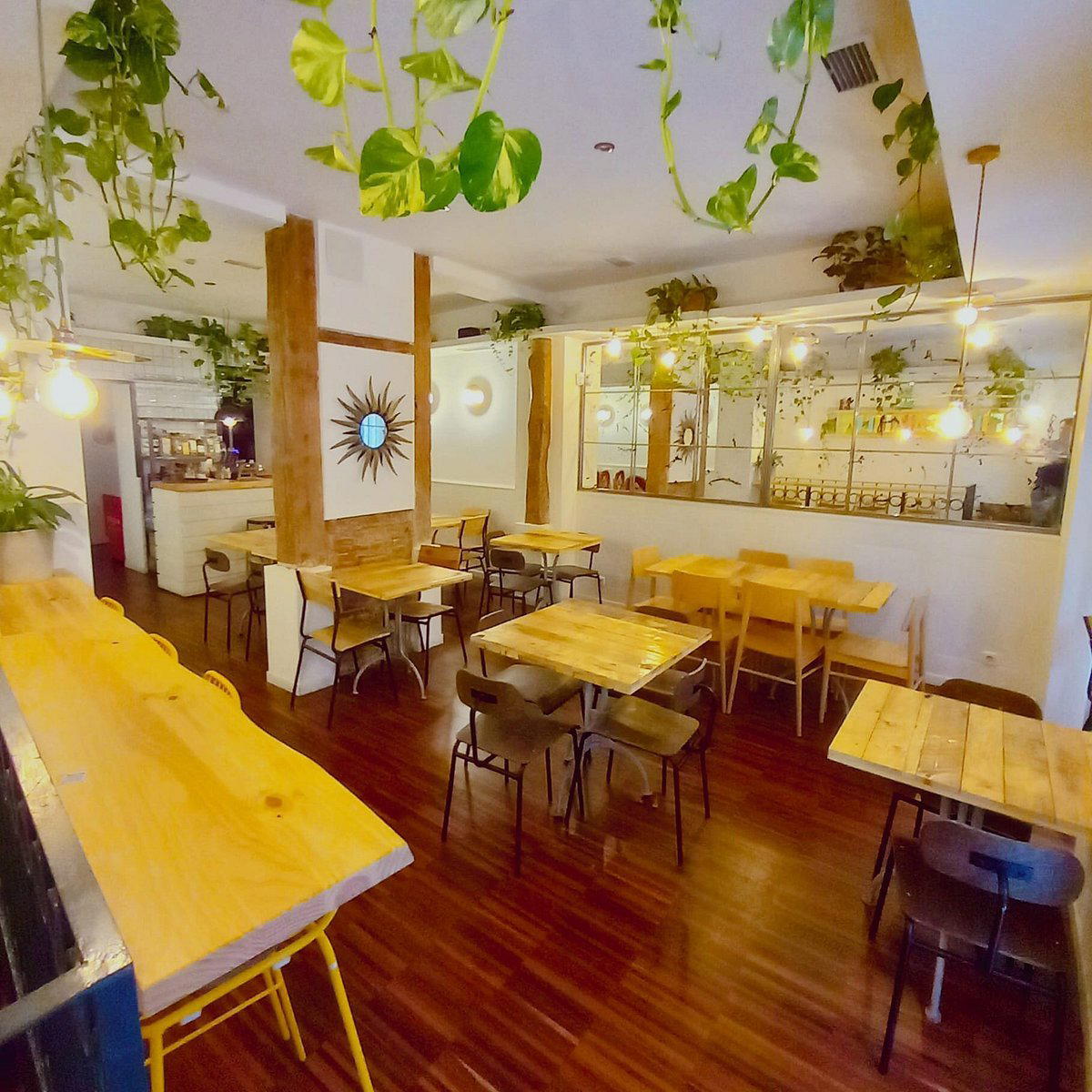
Where Malasaña's Dining Scene Meets the Question of Method
Calle de la Palma runs through the heart of Malasaña, one of Madrid's densest concentrations of independent restaurants, neighbourhood bars, and mid-century tiled cafés that have survived successive waves of gentrification largely intact. The street itself is unglamorous in the way that good dining streets often are: narrow, residential in feel, with the occasional delivery scooter threading between pedestrians. Fina Catalina sits at number 63, within a district where the competition for credibility is less about Michelin acknowledgement and more about whether the neighbourhood has decided to trust you.
That neighbourhood context matters because it sets the register. Malasaña's dining identity is not the starched formality of Salamanca or the trophy-restaurant density of central Madrid, where venues like DiverXO, Coque, and Deessa operate in an entirely different register of ambition and price point. The neighbourhood runs on a different logic: rooms that feel lived-in, kitchens that keep hours closer to local custom, and cooking that treats the guest as someone who eats out regularly rather than someone marking a special occasion on a calendar.
The Intersection of Local Product and Imported Method
Across Spanish fine dining, the most productive tension of the past two decades has been between indigenous produce and technique acquired abroad or from Spain's own vanguard kitchens. The generation that trained under or alongside figures like those at Arzak in San Sebastián, Mugaritz in Errenteria, or El Celler de Can Roca in Girona carried those methods back into smaller, less formal spaces. The result, visible across Madrid's mid-tier restaurants, is a style that uses the full toolbox of contemporary European cookery while keeping the pantry emphatically local: Castilian lamb, Extremaduran pimentón, Manchego dairy, Iberian pork in its many forms, market vegetables from the surrounding meseta.
This approach has precedent in restaurants considerably larger and more decorated than Fina Catalina's address would suggest is the ambition here. DSTAgE and Paco Roncero both operate on the same underlying logic at higher price points and with greater institutional recognition. At the Calle de la Palma end of the market, the proposition is different: the same intellectual framework applied with fewer theatrical resources and a presumption that the product can carry the room without elaborate staging.
Spain's wider range of producer-led cooking reinforces why this approach has traction. Aponiente in El Puerto de Santa María built a three-Michelin-star reputation on undervalued Andalusian marine produce and technique as a form of transformation rather than amplification. Ricard Camarena in València works with a similarly disciplined, product-first methodology. Quique Dacosta in Dénia has made the Mediterranean coastline a conceptual starting point for cooking that then travels internationally in method. These are the reference points that inform how ambitious Spanish kitchens think about the relationship between where a product comes from and what is then done to it.
Madrid's Mid-Tier: The Competitive Set That Actually Matters Here
The comparison runs instead through the growing number of Madrid kitchens that occupy the space between neighbourhood bistro and destination restaurant. These are places where the cooking has genuine technical intention but the format remains accessible: no dress code enforced, no fourteen-course progression required, no need to plan the visit three months in advance.
That format is increasingly where Spanish cities are generating their most interesting food. Cocina Hermanos Torres in Barcelona and Azurmendi in Larrabetzu represent the upper end of formal ambition; the countermovement runs through smaller rooms with shorter menus and a less ceremonial relationship between kitchen and table. Fina Catalina fits within that countermovement, at least in terms of location and likely register.
Internationally, the same shift is legible. Lazy Bear in San Francisco built a format around communal dining and kitchen transparency that reduced the distance between chef intent and diner experience. Le Bernardin in New York City represents the opposite pole: maximum formality and a strictly product-respecting philosophy. The restaurants doing the most interesting work in 2024 tend to sit between those poles, using technique deliberately rather than decoratively and keeping the room at a temperature where conversation is possible.
Getting to Calle de la Palma
Malasaña is walkable from Gran Vía and from the Tribunal and Noviciado metro stops on lines 2 and 10 respectively. Calle de la Palma connects the district toward the Conde Duque cultural centre to the west, which means the street has a slight evening drift of people arriving from the area's theatre and exhibition programming. Parking is limited in the neighbourhood and driving in Madrid's centre is further complicated by the Madrid Central low-emission zone, which restricts private vehicle access. Taxi and ride-share drop-off is direct.
The broader Malasaña-Conde Duque corridor is one of the more walkable dinner neighbourhoods in the city, with multiple options at different price points within a few hundred metres. For a broader overview of where Fina Catalina sits in the capital's dining order, see our full Madrid restaurants guide. For context at the higher end of Spanish creative cooking, Martin Berasategui in Lasarte-Oria and Atrio in Cáceres illustrate what the country's most decorated kitchens are doing with similar raw material priorities at a very different scale.
Planning Your Visit
Dress: Malasaña's dining rooms generally operate without enforced dress codes; smart-casual is appropriate and over-dressing is unnecessary. Transport: Tribunal (line 2) and Noviciado (line 10) are the nearest metro stops, both within a short walk of Calle de la Palma, 63.
How FINA CATALINA Madrid compares with similar nearby venues.
| Venue | Cuisine | Price |
|---|---|---|
| Playing Solo | Fusion | €€€€ |
Continue exploring
More in Madrid
Restaurants in Madrid
Browse all →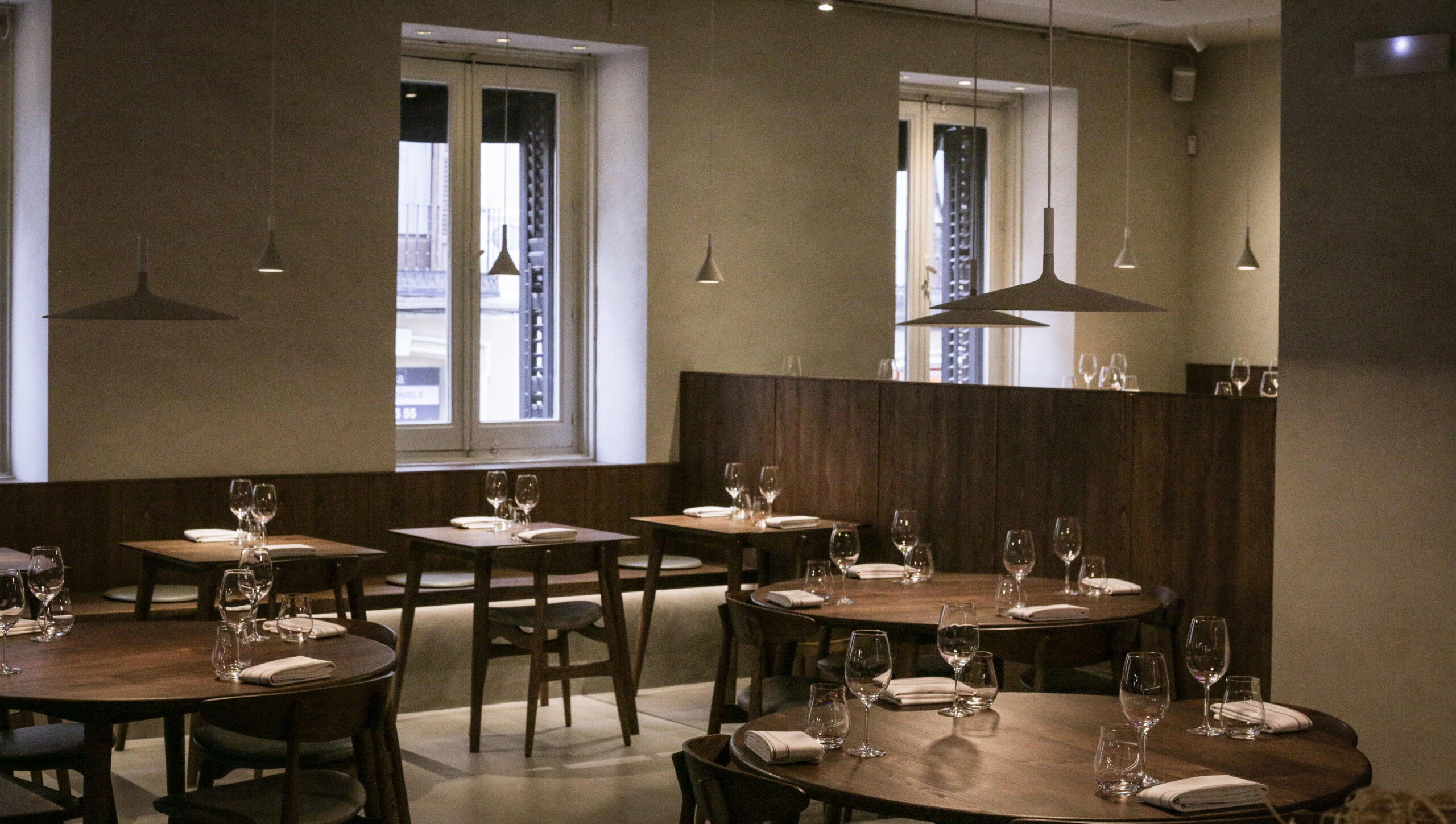
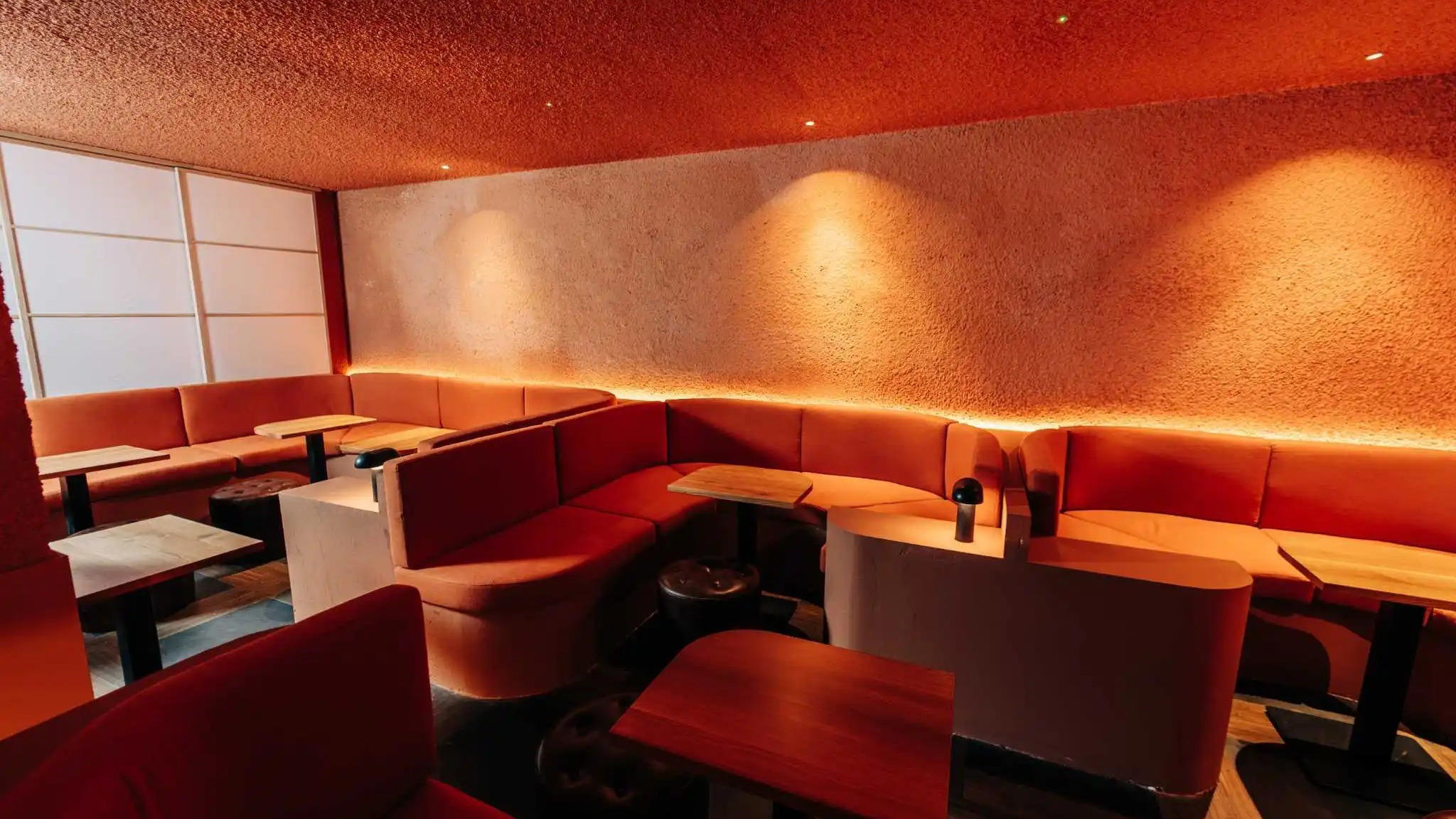
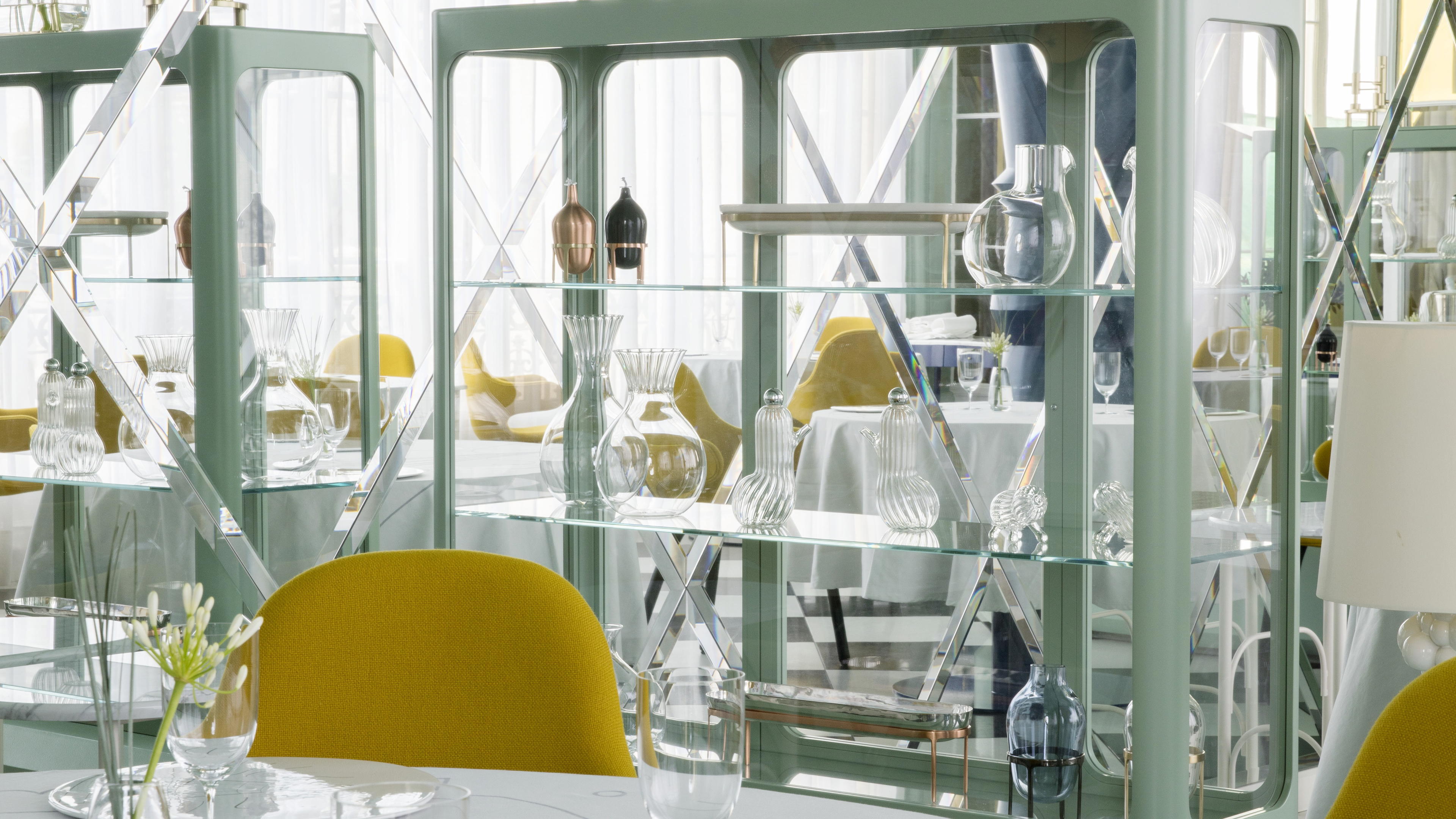
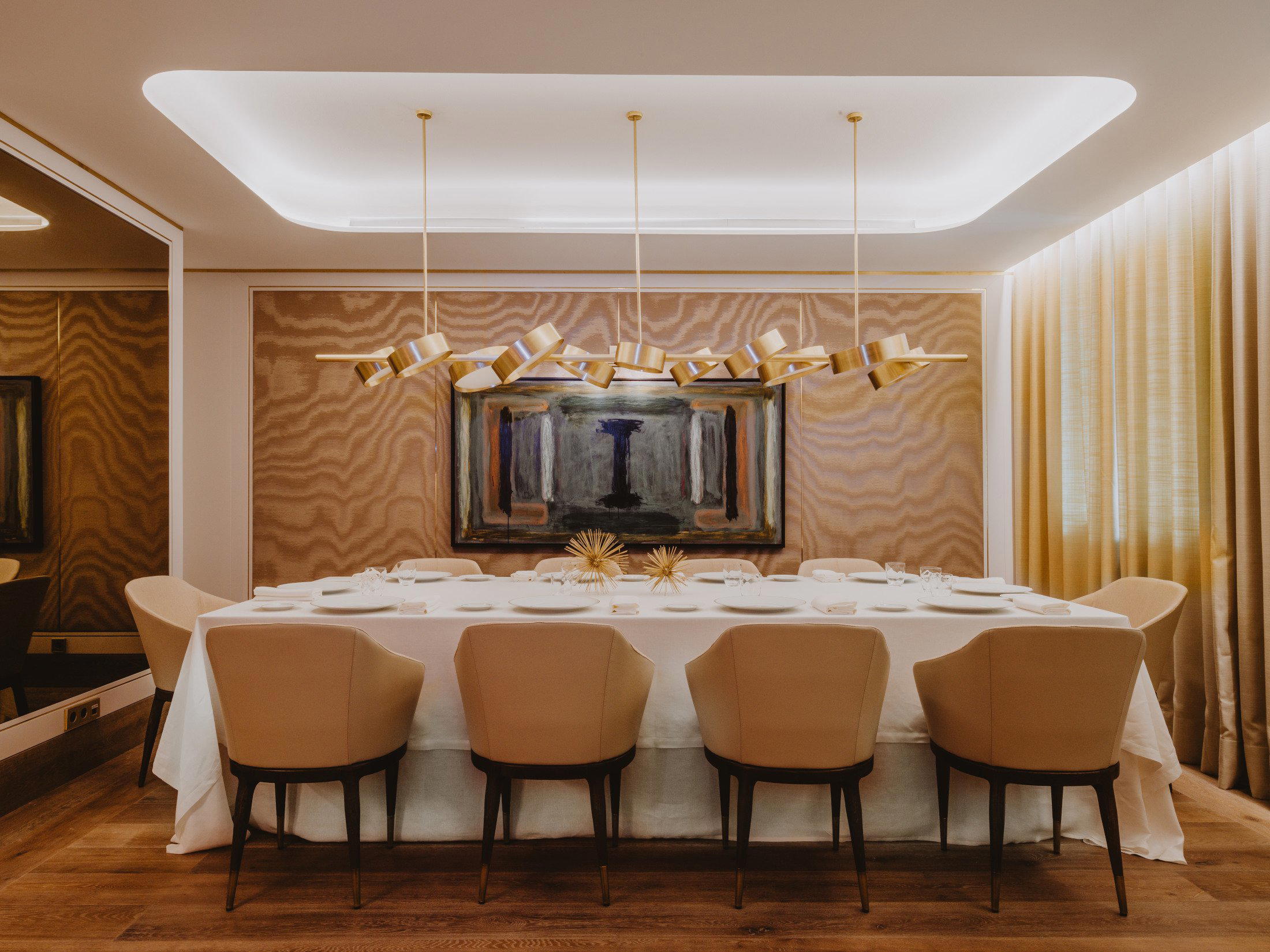
Bars in Madrid
Browse all →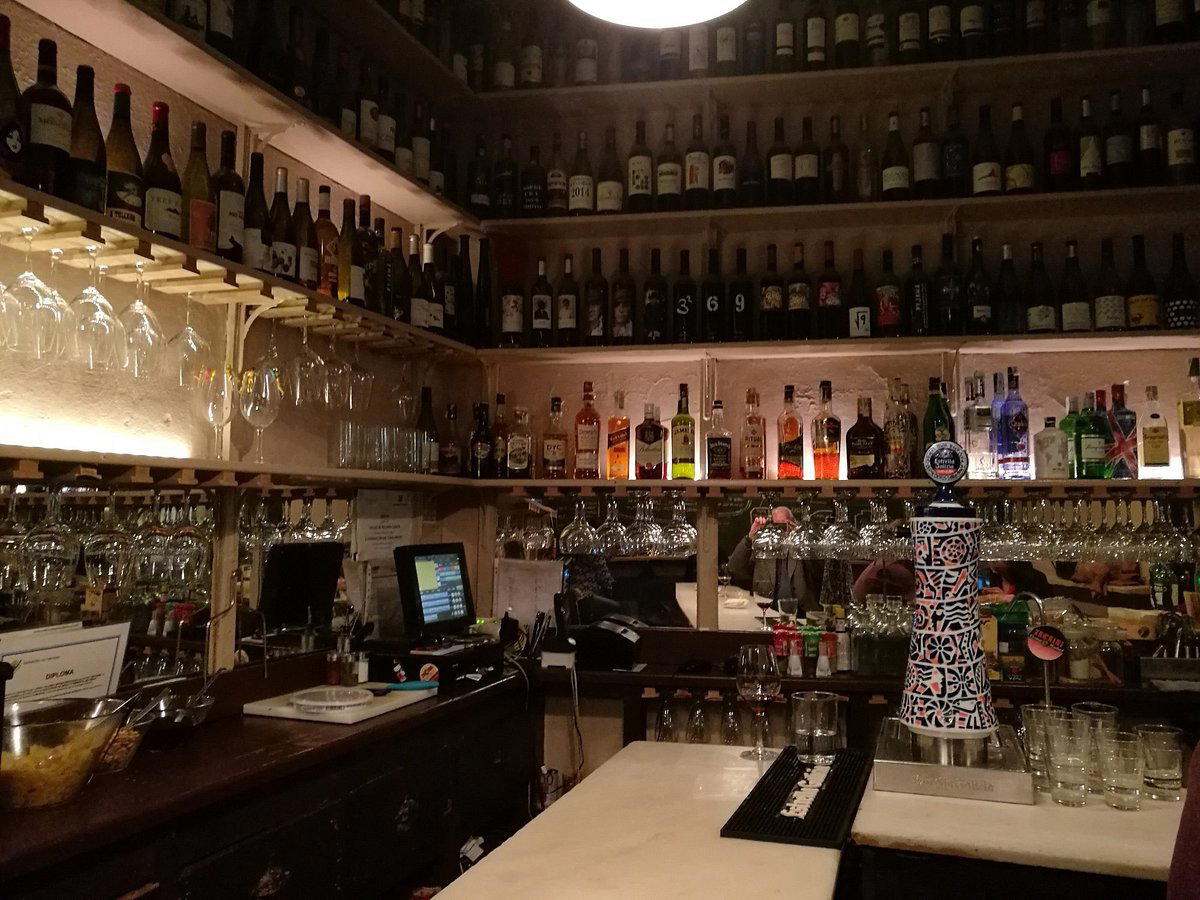
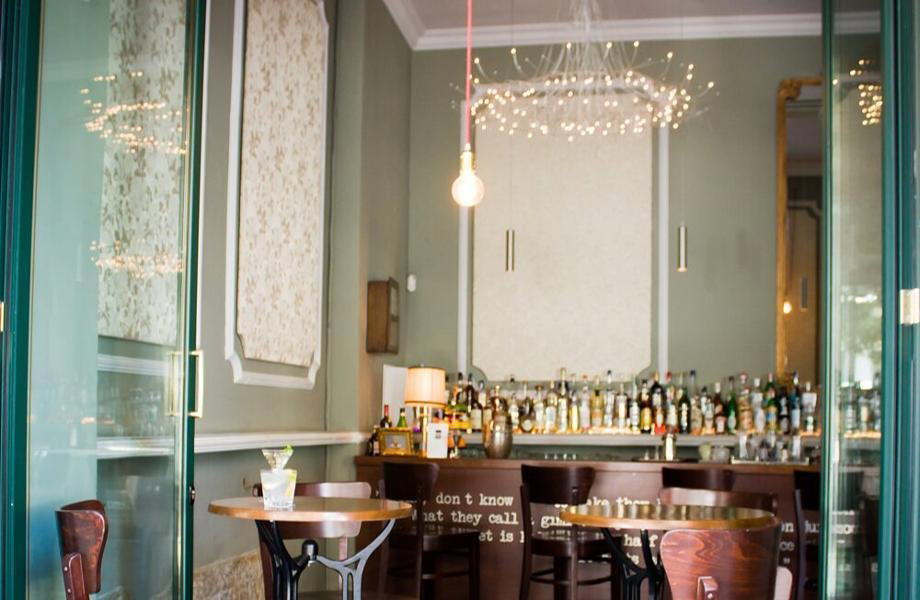
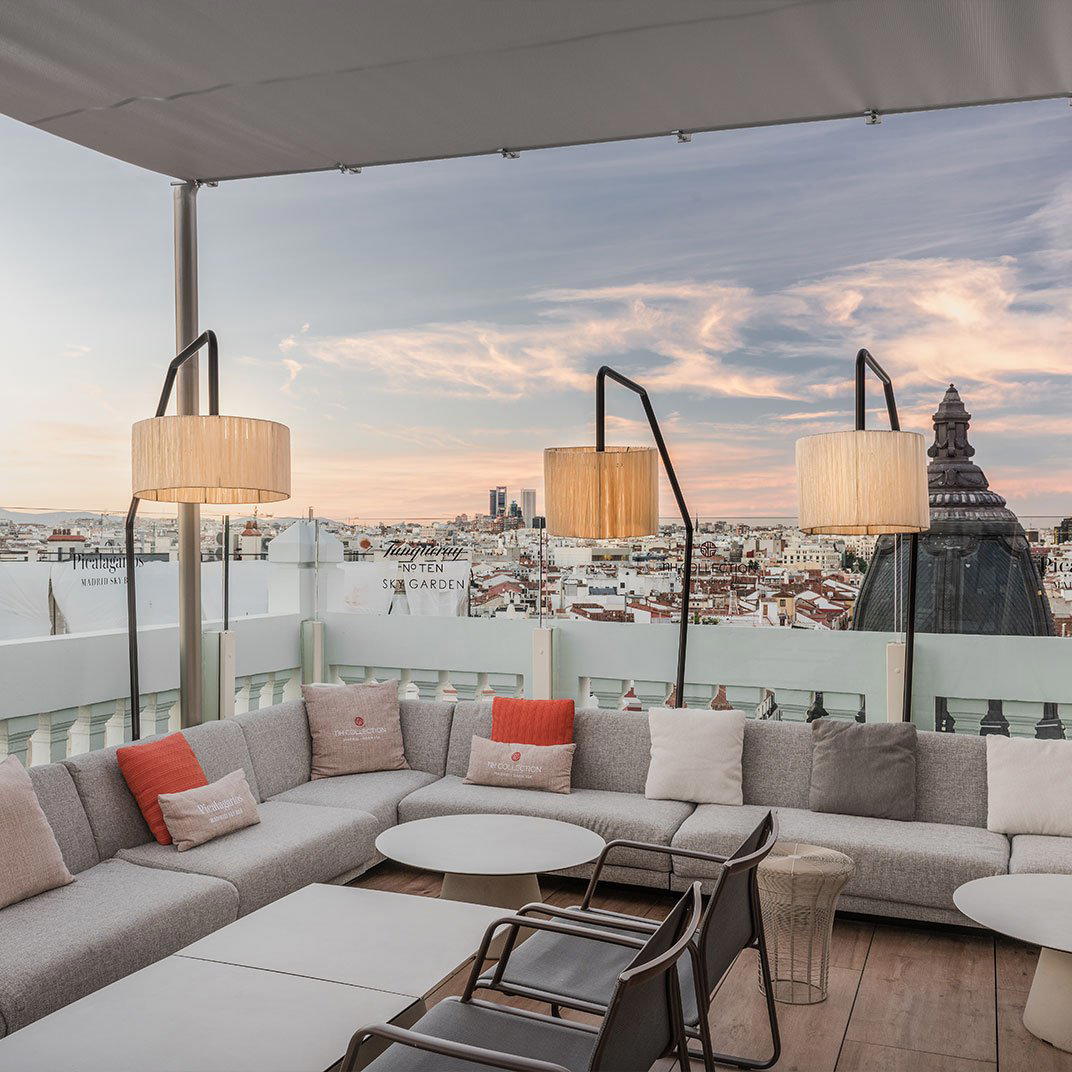
Hotels in Madrid
Browse all →

At a Glance
- Cozy
- Modern
- Trendy
- Casual Hangout
- Date Night
- Open Kitchen
- Craft Cocktails
Current opening hours
- Monday
- 6 PM–12 AM
- Tuesday
- 6 PM–12 AM
- Wednesday
- 6 PM–12 AM
- Thursday
- 6 PM–12 AM
- Friday
- 1–5 PM, 7 PM–12:30 AM
- Saturday
- 1 PM–12:30 AM
- Sunday
- 1–4:30 PM, 7 PM–12 AM
Hours can change for holidays and private events. Last verified .
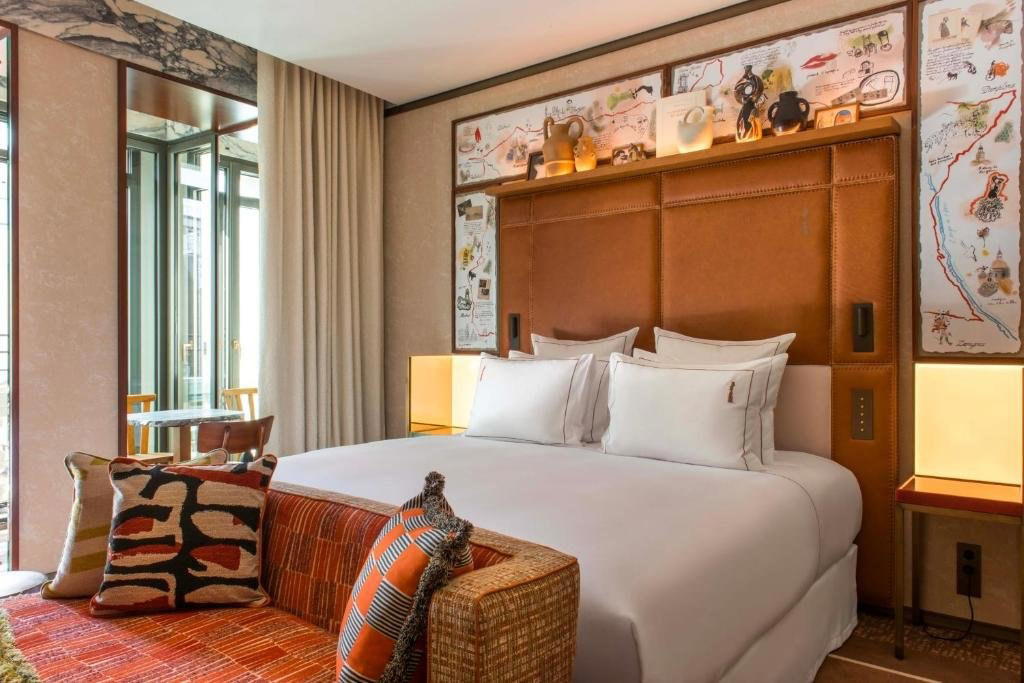
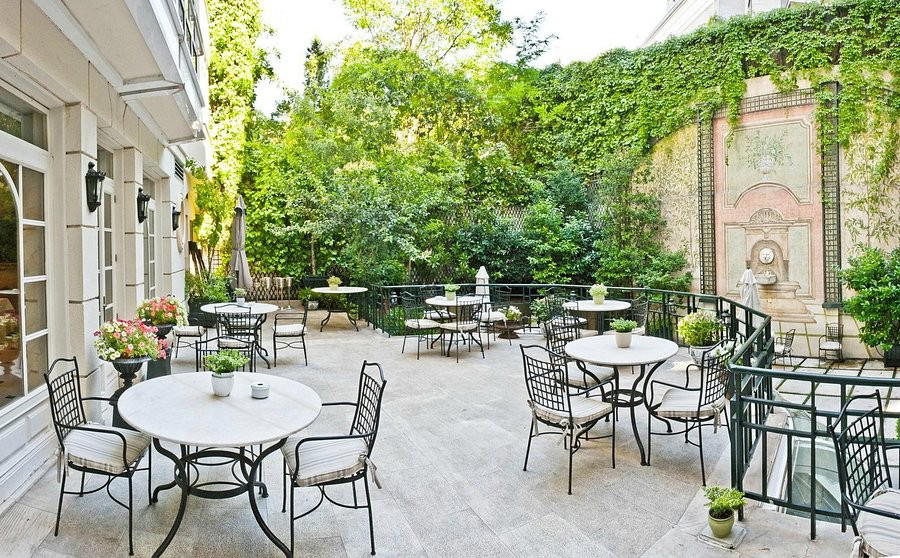
Small, cozy, and contemporary decorated with a welcoming atmosphere.
Know Before You Go
- Getting there
- C. de la Palma, 63, Centro, 28015 Madrid, Spain