Our verdict
Persian cuisine rarely gets the restaurant treatment it deserves in the Rhineland-Palatinate region, which makes Caspian's address on Seurreallee in Bodenheim worth noting for anyone who takes the cuisine seriously. The kitchen draws on a culinary tradition built around saffron, dried limes, and slow-cooked stews that bear little resemblance to the broader Middle Eastern category. For Bodenheim and the greater Mainz area, this is one of the few dedicated Persian addresses in the region.

Pearl is the En Primeur Club membership app — saves, bookings, and concierge access live there. Same editors, same standards.
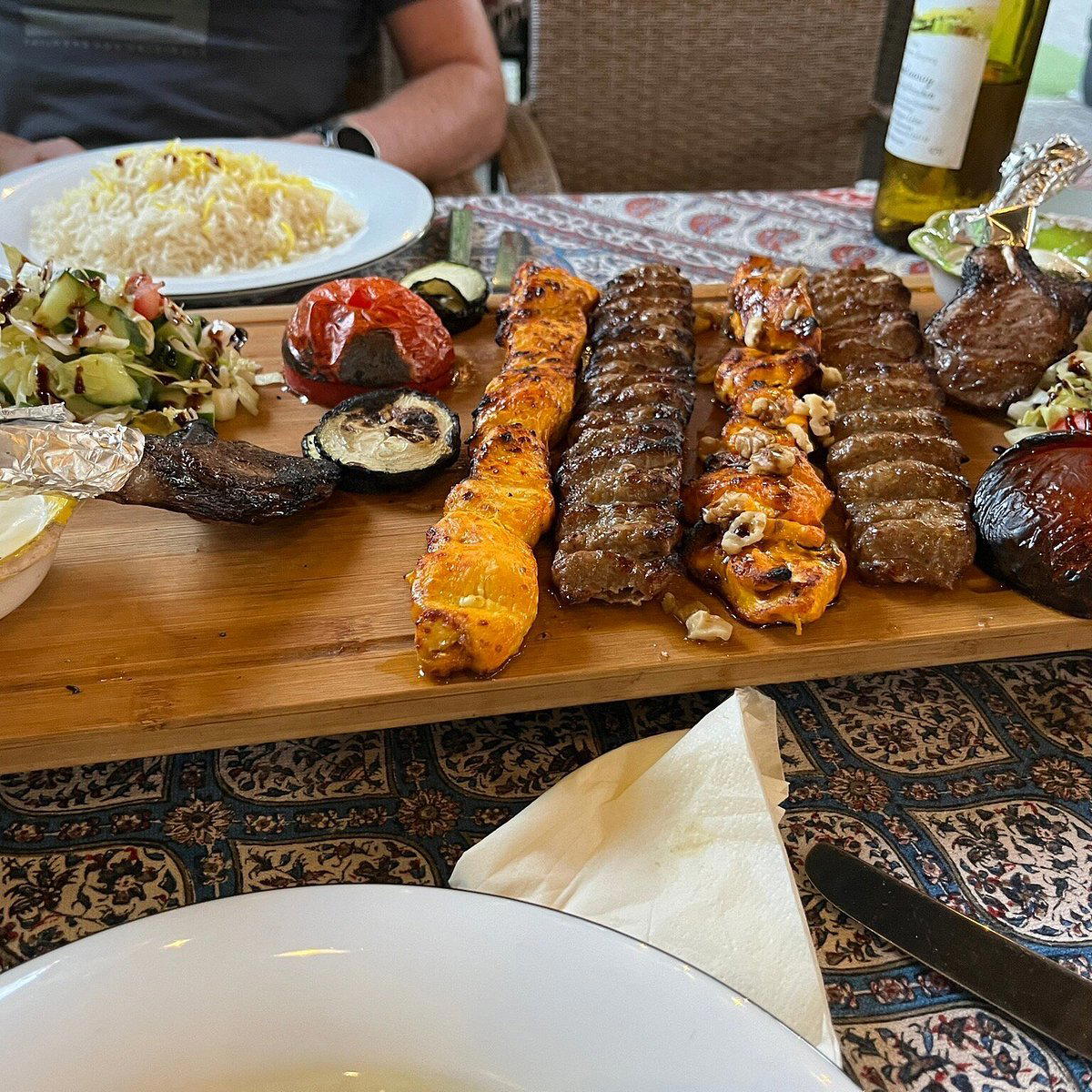
The menu
What to order
- Mixed starter plate
- Lamb kebab with saffron rice
Persian Cooking in the Rhineland: A Cuisine That Travels Badly and Rarely Well
Persian cuisine is among the more poorly represented culinary traditions in Central Europe, not because of a lack of depth, but because the ingredients that define it — barberries, fenugreek, dried limes, high-grade saffron — require sourcing commitments that most kitchens operating under the "Middle Eastern" umbrella simply do not make. When a restaurant identifies explicitly as Persian rather than broadly Iranian or Middle Eastern, it signals a narrower, more specific culinary intent. Persisches Restaurant Caspian in Bodenheim makes that identification directly, placing it in a small category of dedicated Persian kitchens in the Rhine-Main corridor south of Mainz.
Bodenheim itself sits roughly ten kilometres south of Mainz in the Rhineland-Palatinate wine country, a town more associated with Riesling vineyards than with international cooking. The address on Seurreallee puts the restaurant in a setting where Persian food has limited competition but also limited precedent. That combination tends to produce either a kitchen that leans hard on familiarity, kebab formats, broadly accessible flavour profiles, or one that treats the absence of regional comparison as permission to be more specific. Which direction Caspian takes is the more interesting question for anyone making the drive from Mainz or Wiesbaden.
The Ingredient Foundation of Persian Cooking
Understanding what separates Persian cooking from the wider category requires a brief account of what the cuisine actually demands. Iranian culinary tradition organises dishes around the interplay of sour, sweet, and herbaceous elements in ways that have no close parallel in the Levantine or Turkish kitchens that tend to dominate European perceptions of the region. Fesenjan, the walnut and pomegranate molasses stew usually paired with duck or chicken, requires a tartness and depth that comes from reducing pomegranate juice to near-candy consistency. Ghormeh Sabzi, arguably the national dish, combines fenugreek, dried fenugreek leaves, kidney beans, and dried limes in a slow cook that can run for several hours before the flavour reaches the correct level of intensity.
What this means in practice is that a kitchen serving Persian food honestly carries an ingredient sourcing obligation that a generic Middle Eastern menu does not. Saffron quality matters at a level above what most European cooking tolerates, the spice accounts for a disproportionate share of flavour in dishes like Zereshk Polo, the barberry-topped rice that appears at most Persian tables. Barberries themselves are not a standard stocked item in German wholesale supply chains, which means any Persian kitchen using them is almost certainly sourcing specifically. These details are worth knowing before you arrive, because they tell you whether the kitchen is working from the actual repertoire or approximating it.
For context on what ingredient-driven specificity looks like at the highest tier elsewhere in Germany, dedicated operations like Aqua in Wolfsburg and Schwarzwaldstube in Baiersbronn demonstrate how sourcing commitment translates directly into what ends up on the plate. The principle holds across cuisine types: the gap between a kitchen that sources specifically and one that approximates shows up immediately in flavour.
Rice as a Diagnostic
In Persian culinary tradition, rice is not a side dish or filler. It is a technical subject. The preparation of kateh, the simpler, slightly sticky style, and chelo, the fully dried, crust-forming method that produces tahdig, the prized scorched-bottom layer, represent genuine technique distinctions that the cuisine takes seriously in a way European cooking traditions rarely approach grain cookery. Tahdig in particular, the crisp crust that forms at the base of the pot during the steaming process, is considered the prize portion at an Iranian table. Whether a restaurant bothers with this preparation or substitutes a simpler rice cook tells you something specific about how seriously it is approaching the tradition.
This is the kind of detail that rewards visitors who know what to look for. Persian food eaten in its full register is a substantially different experience from the abbreviated version served at most European restaurants operating loosely within the category.
Where Caspian Sits in the Bodenheim and Mainz Dining Context
The greater Mainz and Rhine-Main region has a reasonable breadth of international dining, with more concentration in Frankfurt thirty kilometres north. Bodenheim's own food scene is compact, oriented largely around the local wine culture and the kind of direct regional cooking that suits a small town with a strong agricultural identity. A dedicated Persian kitchen is a distinct offer in that context, filling a gap that neither Mainz nor the surrounding villages address with any frequency.
For visitors to the region who have already planned time at the kind of destination-level German restaurants further afield, operations like Restaurant Haerlin in Hamburg, Schanz in Piesport, or Waldhotel Sonnora in Dreis, Caspian represents a different register entirely. It is not in competition with fine dining; it operates in the space where cuisine authenticity and neighbourhood access intersect, which is its own valid tier. The comparison set for Caspian is not the Michelin world but the smaller category of European cities with even one reliable Persian kitchen. By that measure, having one operating in a town this size is the more notable fact.
Those building a wider Germany itinerary around serious eating can also cross-reference the EP Club's broader coverage: Vendôme in Bergisch Gladbach, CODA Dessert Dining in Berlin, JAN in Munich, ES:SENZ in Grassau, Victor's Fine Dining by Christian Bau in Perl, Bagatelle in Trier, ammolite in Rust, ATAMA by Martin Stopp in Sankt Ingbert, AUGUST in Augsburg, and AURA in Wirsberg, alongside international reference points like Le Bernardin in New York and Atomix in New York, represent the wider editorial frame within which Caspian finds its specific, narrower niche.
For practical planning, Caspian is located at Seurreallee 1, 55294 Bodenheim. Bodenheim is served by regional rail connections south of Mainz Hauptbahnhof, making it reachable without a car for those based in the city. See our full Bodenheim restaurants guide for broader context on the town's food and drink offering.
Frequently asked questions
Would Persisches Restaurant Caspian be comfortable with kids?
Persian dining culture is broadly family-oriented, with shared platters and slow-paced meals that suit mixed-age groups. Caspian is located at Seurreallee 1 in Bodenheim, a quieter residential town rather than a city-centre venue, which generally makes for a more relaxed, low-noise setting.
What's the vibe at Persisches Restaurant Caspian?
Bodenheim sits well outside the Frankfurt and Mainz city-centre dining circuits, which means Caspian operates in a local, neighbourhood register rather than as a destination restaurant. Expect a setting geared toward regular diners from the area rather than a tourist-facing room. Persian restaurants of this type in German towns typically run a straightforward, unhurried atmosphere with a focus on the food itself.
Is Persisches Restaurant Caspian one of the only Persian restaurants in the Mainz area?
Persian restaurants are sparse across the Rhine-Main region outside Frankfurt, making Caspian in Bodenheim a rare option for this cuisine within the greater Mainz catchment. The Frankfurt dining scene, roughly thirty kilometres north, carries a broader range of Iranian options, but for diners in or around Mainz, dedicated Persian kitchens are few. Caspian's address at Seurreallee 1, Bodenheim, places it as a locally accessible alternative without requiring a trip into the city.
Where is Persisches Restaurant Caspian in Bodenheim?
Persisches Restaurant Caspian is located at Seurreallee 1, 55294 Bodenheim, Germany, Bodenheim.
Comparison Snapshot
Comparable venues nearby, for context on price, style, and recognition.
| Venue | Cuisine | Price | Notes |
|---|---|---|---|
| Persisches Restaurant CaspianThis venue — the venue you are viewing | Authentic Persian | Not listed | Not listed |
| Du Liban | Authentic Lebanese | $30–50 | Roemerberg |
| NOA Restaurant | Modern Middle Eastern | Not listed | Gablenberg |
| Zarathustra | Persian Restaurant | $20–30 | Palmengarten |
| Brunfels Restaurant | Modern German | $30–50 | Old Town |
| Lucullus | Modern Italian Fine Dining | Not listed | Königstein im Taunus |
Continue exploring
More in Bodenheim
Restaurants in Bodenheim
All restaurants in Bodenheim →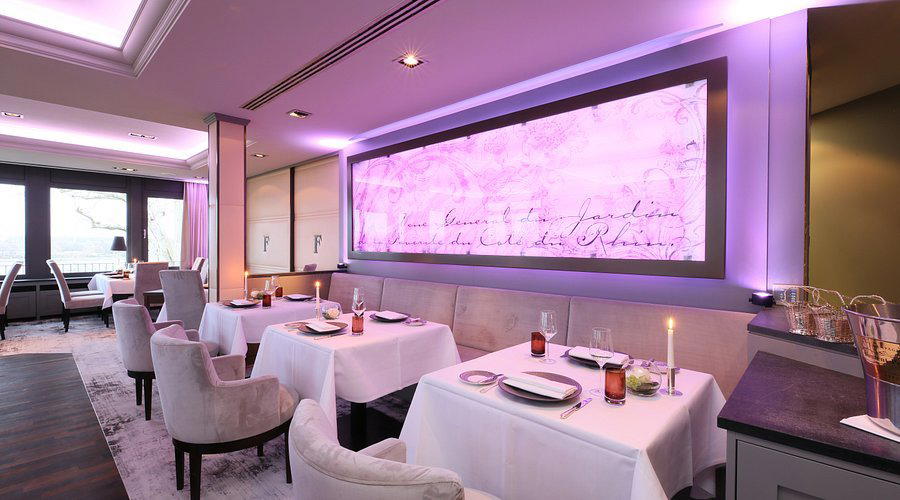
Bars in Bodenheim
Browse all →


Hotels in Bodenheim
Browse all →
Details
- Cozy
- Intimate
- Classic
- Family
- Group Dining
- Casual Hangout
- Terrace
- A La Carte
- Buffet
- Small Plates
- Beer
- Wine
- Vegetarian Friendly
Current opening hours
- Monday
- Closed
- Tuesday
- 5–10 PM
- Wednesday
- 5–10 PM
- Thursday
- 5–10 PM
- Friday
- 12–10 PM
- Saturday
- 12–10 PM
- Sunday
- 12–9 PM
Hours can change for holidays and private events. Last verified .
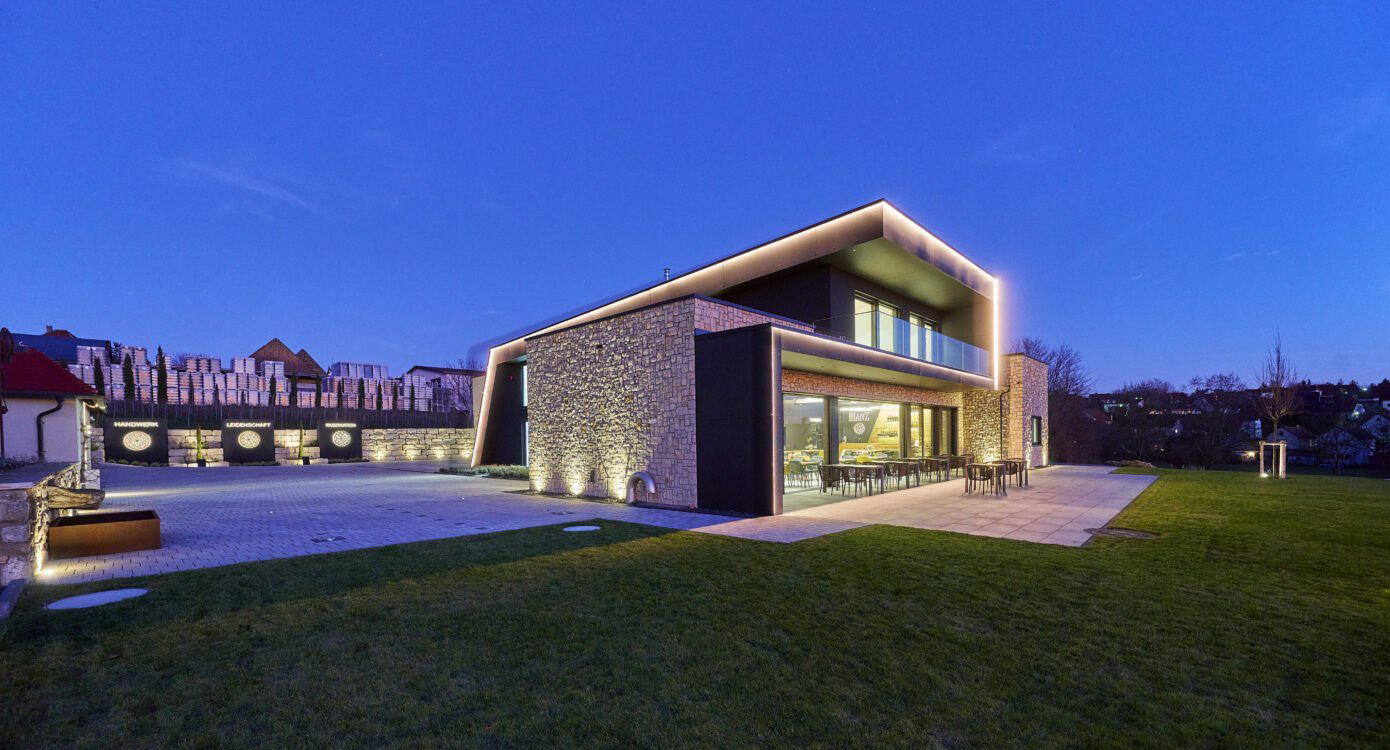
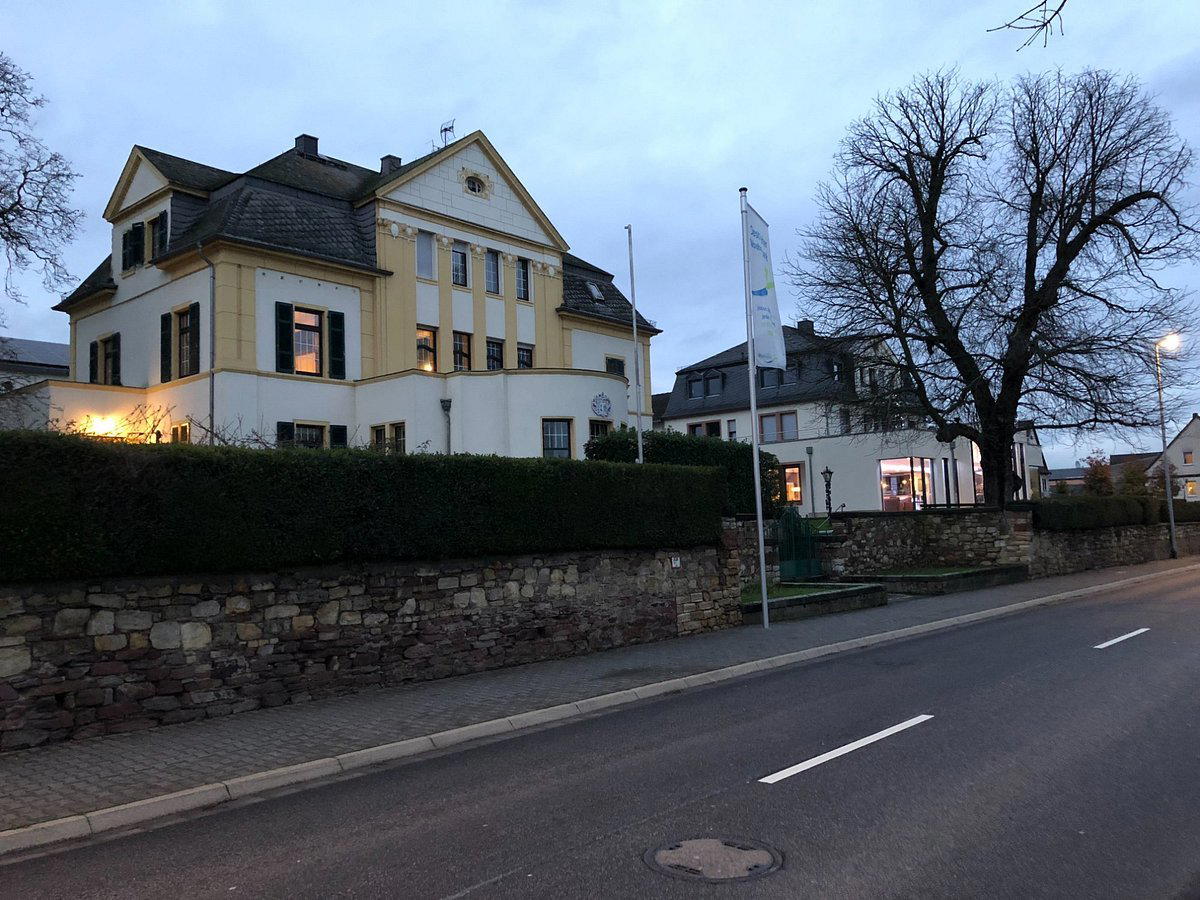
Cozy and familial atmosphere with beautiful interior decoration, evoking a relaxed dinner at friends' home in a quiet setting amid a small animal park.