Du Liban brings Lebanese cooking to Frankfurt's Weserstraße, sitting within a city where Middle Eastern dining has grown from peripheral to mainstream. The address places it in the Bahnhofsviertel fringe, a neighbourhood where cuisines from across the Mediterranean and Levant compete on the same streets. For Frankfurt diners oriented toward the eastern Mediterranean table, it represents a direct alternative to the city's heavier Central European options.
Pearl is the En Primeur Club membership app — saves, bookings, and concierge access live there. Same editors, same standards.
- Address
- Weserstraße 17, 60329 Frankfurt am Main, Germany
- Phone
- +496924008686
- Website
- du-liban.de
- Directions
- Get directions
 Saves & bookings on Pearl
The Weserstraße Setting and What It Says About Frankfurt's Eating Habits
Frankfurt's Bahnhofsviertel and its surrounding streets have long functioned as the city's most internationally porous dining district. Weserstraße 17, the address of Du Liban, sits in a corridor where the eating options shift rapidly from German standards to Turkish, Persian, and Levantine kitchens within the space of a few blocks. That context matters: this is not a neighbourhood where Lebanese food reads as exotic. It is a neighbourhood where it has to earn its place against established competition from kitchens that have served the same communities for decades.
Lebanese restaurants in German cities tend to cluster in two tiers. The first is the fast-casual meze and shawarma format, oriented toward speed and price. The second is a smaller group of sit-down operations where the cooking is closer to the mezze tradition as it functions in Beirut: spread across a table, shared, and paced over an evening. Du Liban's position on Weserstraße suggests the latter orientation.
The Sensory Register of the Lebanese Table
The appeal of Lebanese cooking in a Central European city like Frankfurt is partly atmospheric. Where much of the city's restaurant culture defaults to precision and restraint, the Lebanese table operates on different principles: abundance, colour, the smell of charcoal and dried herbs, the visual weight of a spread that arrives before the main event has even been decided. Dishes like hummus, fattoush, and kibbeh are not preliminary gestures, they constitute the meal itself, layered and refilled as the evening progresses.
That sensory register is a meaningful departure from the dining mode that Frankfurt's financial district restaurants typically offer. The city has a well-documented appetite for formal European cooking, as evidenced by the concentration of Allgaiers Restaurant and Ariston within the same urban footprint, and by the ambitions of newer entries like ALEJANDRO'S. Against that backdrop, a kitchen grounded in the Levantine tradition offers a different register entirely: louder, more aromatic, and built around sharing rather than individual plating.
The smell of good Lebanese cooking is specific: toasted cumin and coriander, the char of flatbread, the sharp edge of pomegranate molasses in a dressing. The broader point holds: the cuisine itself carries a sensory intensity that positions it apart from most of what surrounds it on the Frankfurt dining map.
Frankfurt's Middle Eastern Dining Scene in Context
Frankfurt is not Berlin in terms of ethnic dining diversity, but it is not a monoculture either. The city's large Turkish and Arab communities have sustained a range of Middle Eastern restaurants across multiple neighbourhoods for generations. In that context, a Lebanese restaurant has to articulate what distinguishes it within a category that Frankfurt diners already know reasonably well.
The restaurants that tend to differentiate themselves in this segment do so through sourcing specificity, through the quality of their grilled meats, or through the depth of their meze selection. A wider meze list, one that reaches beyond the standard dozen dishes to include lesser-seen preparations like kibbeh nayeh, raw minced lamb seasoned with bulgur and spices, or moutabal prepared with genuine smokiness rather than plain tahini, signals a kitchen operating at a different level of ambition than a neighbourhood shawarma counter.
For comparative context across Germany's fine dining register, the country's most recognised kitchens, from Schwarzwaldstube in Baiersbronn to Aqua in Wolfsburg and JAN in Munich, operate at a formal European register far removed from what Du Liban represents. The same applies to Vendôme in Bergisch Gladbach, CODA Dessert Dining in Berlin, Victor's Fine Dining by christian bau in Perl, ES:SENZ in Grassau, Schanz in Piesport, Waldhotel Sonnora in Dreis, and Restaurant Haerlin in Hamburg. The restaurant belongs to an entirely different conversation, one about neighbourhood cooking with cultural roots, not tasting menus or Michelin recognition.
How Du Liban Sits Within Frankfurt's Neighbourhood Dining Mix
The Weserstraße corridor includes enough variety that a visitor to Frankfurt with only two or three evenings to spend could reasonably skip the area entirely in favour of the Sachsenhausen apple wine taverns or the Nordend's more settled restaurant blocks. The case for Weserstraße is the case for a certain kind of urban friction: cuisines in direct proximity, pricing that stays accessible, and a dining character shaped by residents rather than tourists.
In Frankfurt's broader dining picture, options like Babam and atm by Deli&Grape occupy the more design-conscious and curated end of the non-European dining segment. The restaurant, by address and implied format, sits closer to the everyday end of that spectrum. Both ends have their function in how a city's dining culture actually operates for residents rather than visitors passing through on expense accounts.
For those oriented toward the Levantine table specifically, Lebanon's culinary tradition is among the more varied in the Arab world, drawing on Ottoman, French colonial, and mountain agricultural influences simultaneously. That layering shows up in the texture of the cuisine: French techniques absorbed into mezze culture, mountain herbs used alongside city-style grills, a wine culture that, unusually for the region, has genuine historical depth. A restaurant that engages with that complexity, rather than flattening it into a generic Middle Eastern shorthand, is doing something worth attention.
Planning a Visit
The restaurant is located at Weserstraße 17, 60329 Frankfurt am Main, in the Bahnhofsviertel fringe.
The Minimal Set
Comparable venues nearby, for context on price, style, and recognition.
| Venue | Cuisine | Price |
|---|---|---|
| Du LibanThis venue — the venue you are viewing | Roemerberg, Authentic Lebanese | $$ |
| Babam | Roemerberg, Traditional Persian | $$ |
| Kish Restaurant | Messegelande, Persian & Iranian Cuisine | $$ |
| Kuli Alma | Palmengarten, Vegan Israeli Levantine | $$ |
| STADTSALAT | Goethehaus, Healthy Salads & Bowls | $$ |
| Bistro Salvatore | Roemerberg, Authentic Italian Bistro | $$ |
Continue exploring
More in Frankfurt
Restaurants in Frankfurt
Browse all →
Bars in Frankfurt
Browse all →
Hotels in Frankfurt
Browse all →
At a Glance
- Cozy
- Elegant
- Date Night
- Group Dining
- Casual Hangout
Current opening hours
- Monday
- 12–11 PM
- Tuesday
- 12–11 PM
- Wednesday
- 12–11 PM
- Thursday
- 12–11 PM
- Friday
- 12–11 PM
- Saturday
- 12–11 PM
- Sunday
- 12–11 PM
Hours can change for holidays and private events. Last verified .
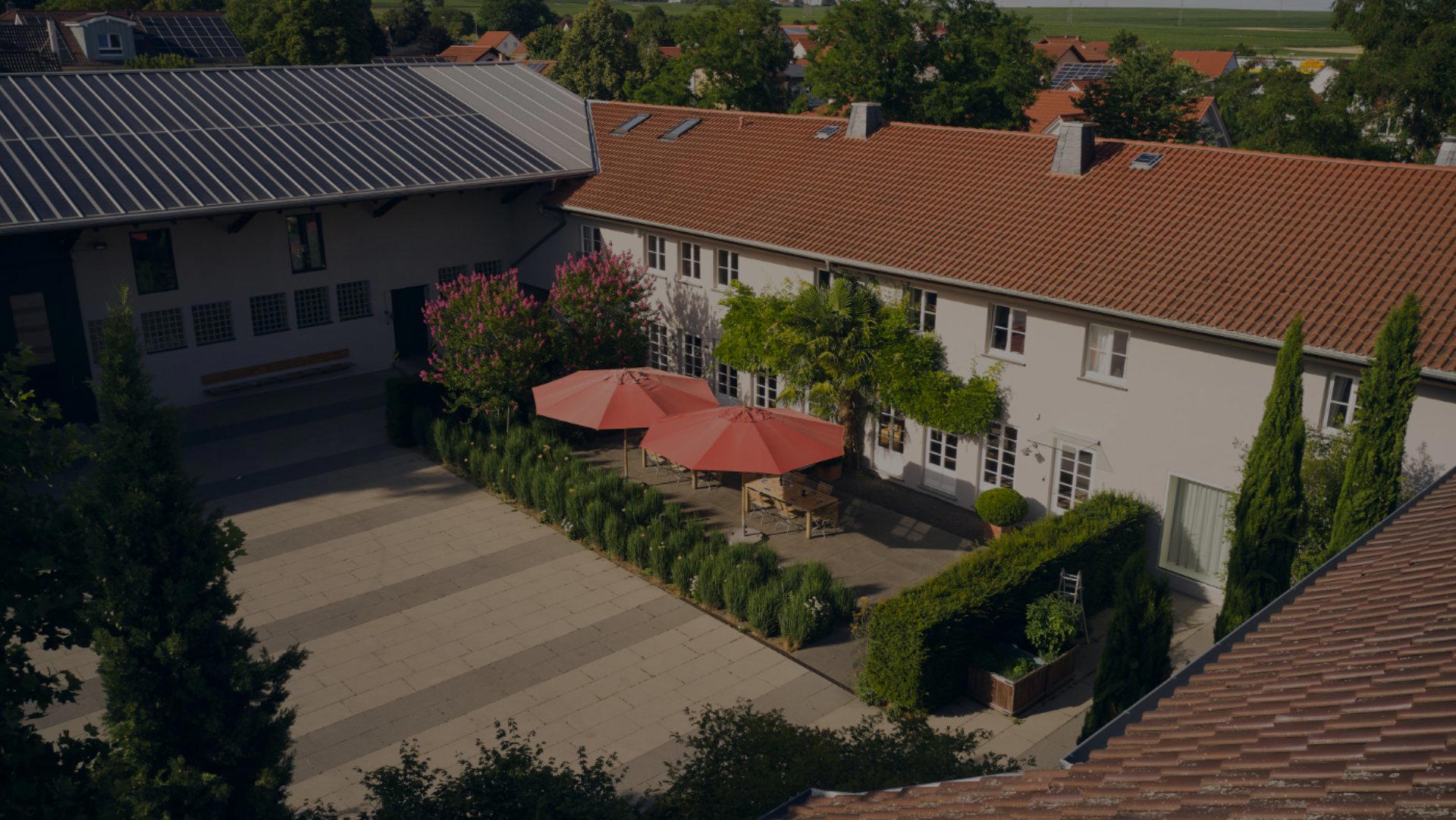
Warm, elegant, and quiet atmosphere praised by guests for its cozy and sophisticated feel.