1 Michelin Star
Our verdict
Sommerfeld earned its first Michelin star in 2025, placing it among Frankfurt's small cohort of internationally oriented fine dining addresses. Under chef Luigi Speranza, the kitchen at Weserstraße 4 operates in the upper tier of the city's €€€€ bracket, drawing on international technique across a menu that positions the restaurant alongside Frankfurt's most serious contemporary tables.

Pearl is the En Primeur Club membership app — saves, bookings, and concierge access live there. Same editors, same standards.
- Address
- Weserstraße 4, 60329 Frankfurt am Main, Germany
- Phone
- +49 69 56998080
- Hours
- Mon ClosedTue–Thu 6:30 PM–12 AMFri–Sat 7 PM–12 AMSun Closed
- Website
- sommerfeld-frankfurt.de
- Directions
- Get directions
- Booking
- Book on the venue's website
The menu
What to order
- Grilled pointed cabbage with fermented mushroom broth and smoked egg yolk
- Mackerel
- Lamb and asparagus
Weserstraße, After Dark
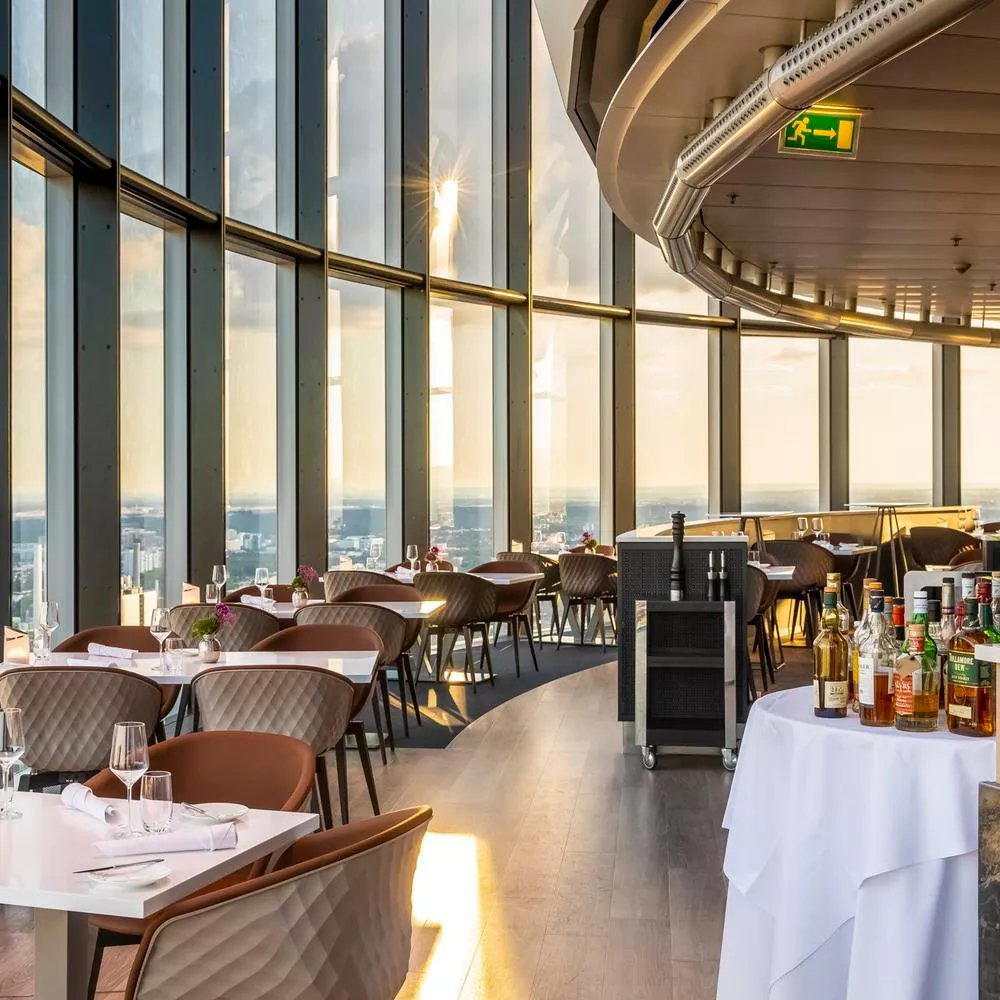
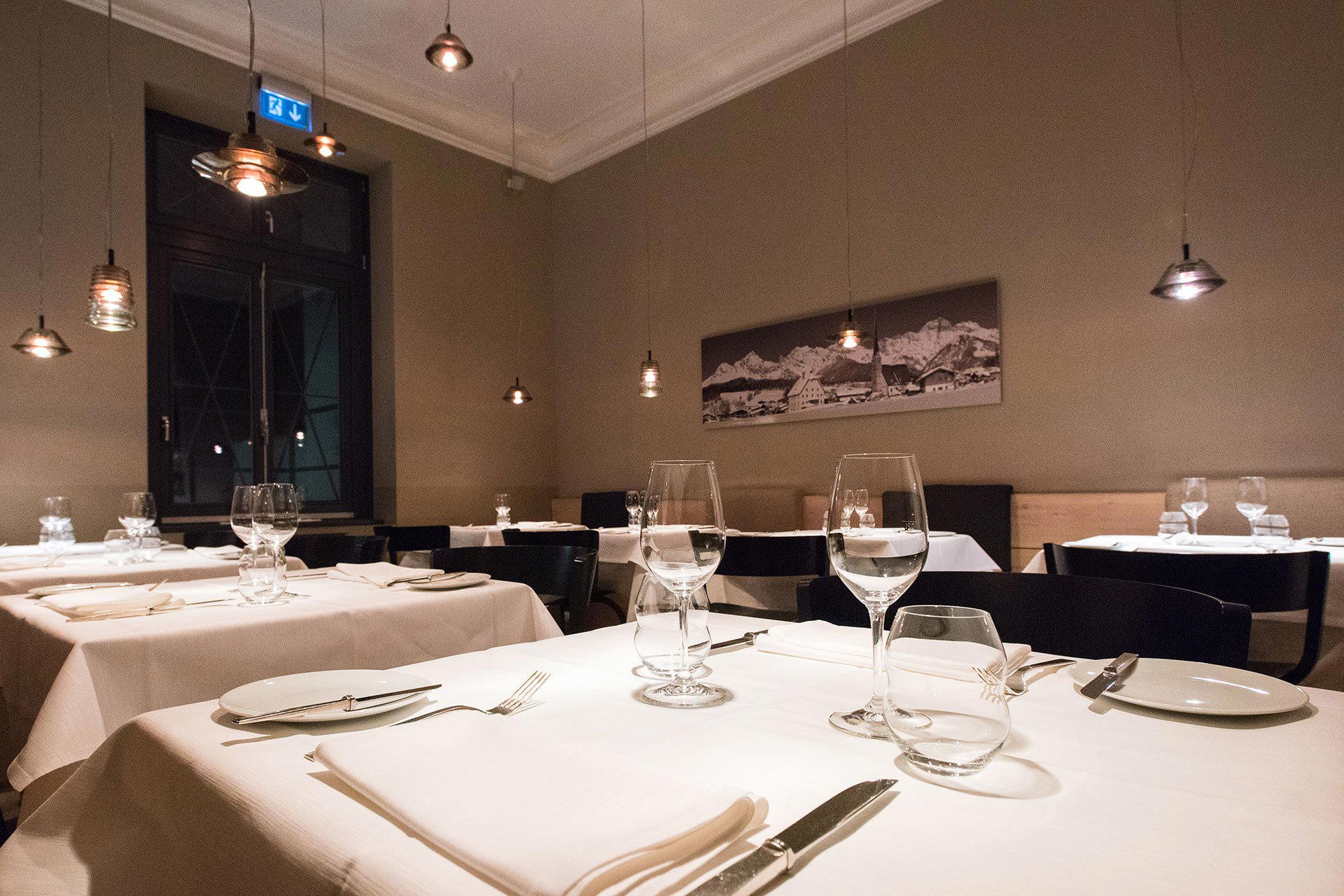
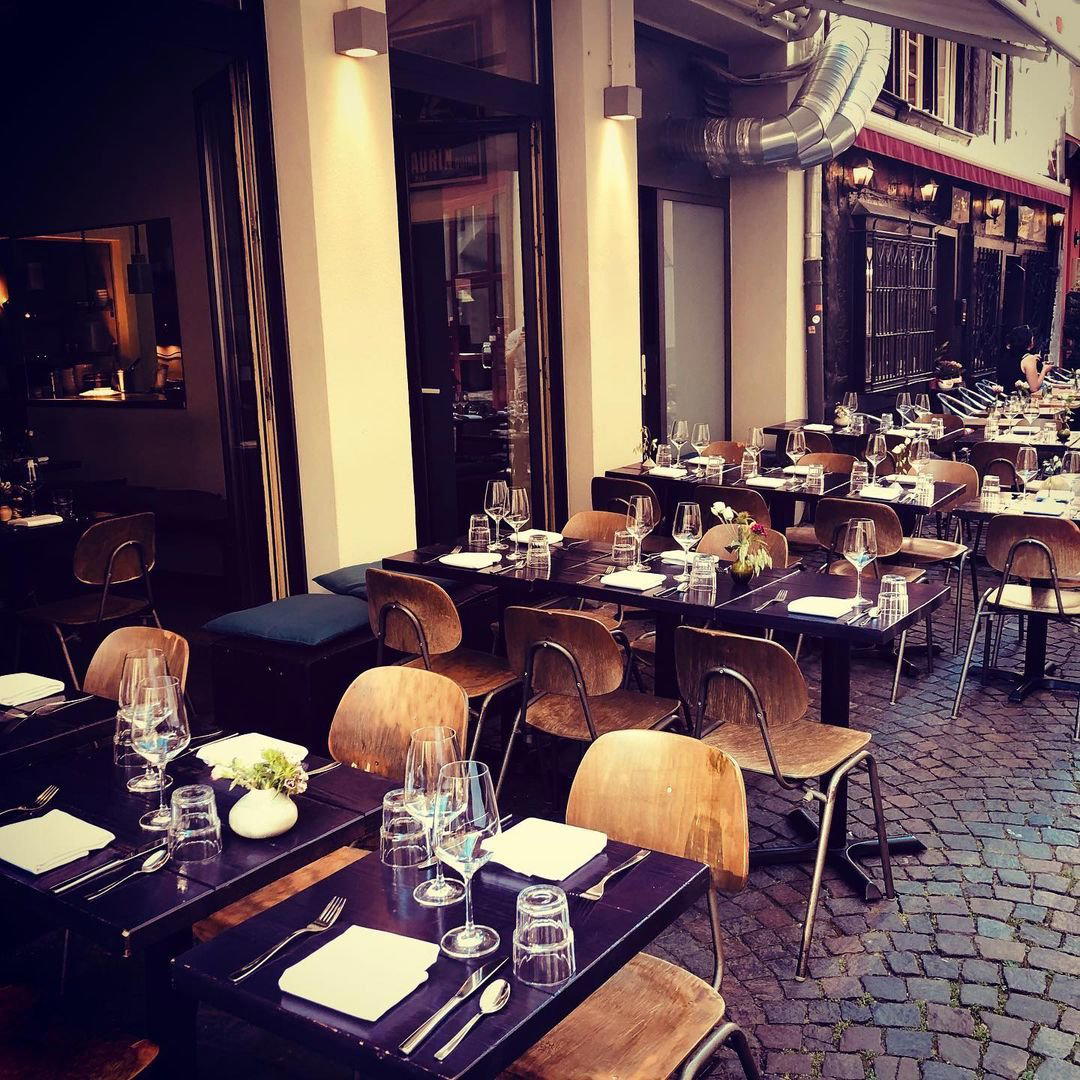
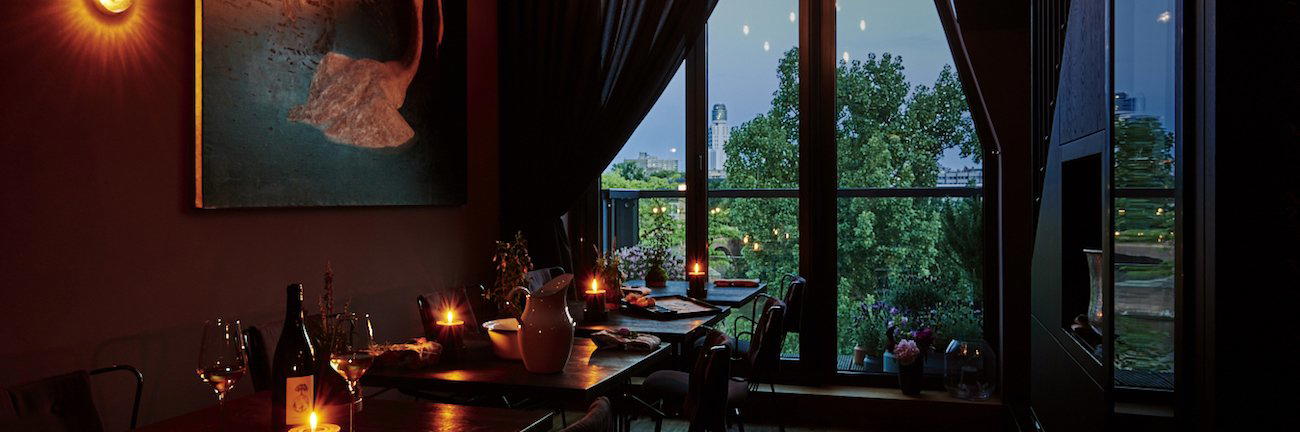
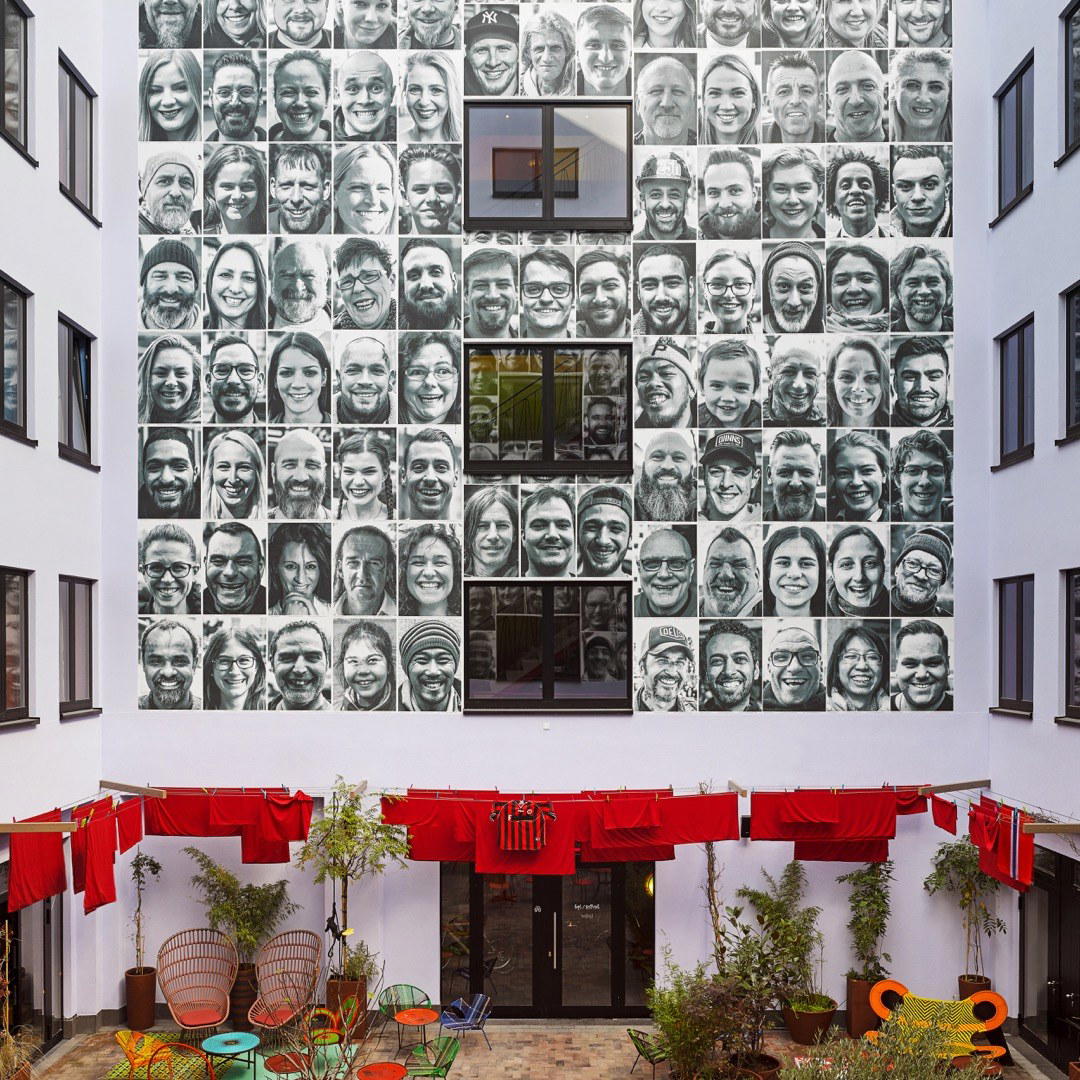
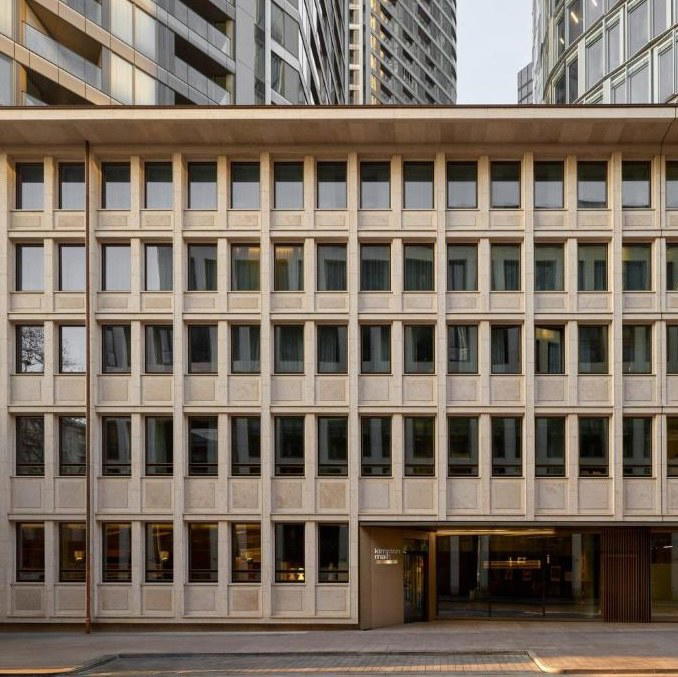
Frankfurt's Bahnhofsviertel has long occupied an uneasy position in the city's self-image: dense, unpolished, and for decades associated more with transit and transience than with serious dining. That reputation has been shifting. A cluster of independently operated restaurants has quietly taken root in the streets south of the main station, and Weserstraße 4 is among the addresses that have changed the calculus. Sommerfeld sits on that street in a neighbourhood where the contrast between what's outside the door and what's happening inside a kitchen is, at this point, part of the point.
The restaurant earned a Michelin star in 2025, a distinction that places it inside a small and competitive group within Frankfurt's fine dining tier. The city's restaurant scene has historically been defined by business travel and banker hospitality, a context that rewards reliability and formality over risk. What has changed in recent years is the emergence of kitchens willing to operate outside that contract, pushing international reference points and technical ambition into a city that once defaulted to convention.
The International Kitchen, Frankfurt Edition
Cuisine classified as "international" covers enormous ground in Germany's fine dining circuit, from vague pan-continental eclecticism to kitchens that draw deliberately and specifically from multiple culinary traditions. At the sharper end of that spectrum, the international designation signals a chef working across geographic boundaries with enough discipline that the result coheres. Sommerfeld, under Luigi Speranza, operates in that sharper register.
Speranza's name points toward Italian heritage, and an Italian-rooted sensibility in the kitchen would place Sommerfeld in an interesting position relative to Frankfurt peers. Carmelo Greco, one of the city's established Italian-focused addresses, works within a more defined national tradition. Sommerfeld's international framing suggests a kitchen less anchored to a single culinary geography, using technique and reference from wherever the cuisine requires. That approach has become a recognized format in German fine dining: cross-traditional cooking assessed on its own terms rather than measured against the authenticity of any single cuisine.
Across Germany, a number of the country's most recognized kitchens operate on similar premises. JAN in Munich draws on Southern European and North African reference points. Loumi in Berlin works across international influences in its own distinct idiom. The category has enough critical mass now that a new Michelin entry in the international register, as Sommerfeld achieved in 2025, is read as evidence of a kitchen with genuine command rather than a convenient label for something harder to define.
Where Sommerfeld Sits in Frankfurt's Fine Dining Tier
Frankfurt's top-end restaurant tier is smaller than the city's economic weight might suggest. The finance sector generates demand for expense-account dining, but that demand has historically flowed toward hotel restaurants and established addresses with long track records. The independent fine dining scene, with starred ambitions and a willingness to court a more culinarily motivated audience, is a narrower slice of the market.
Within that slice, the €€€€ bracket is occupied by a handful of restaurants that compete more on culinary ambition than on occasion-dining volume. Lafleur, with its Modern French orientation, represents one pole of that tier. Medici and Frankfurter Botschaft occupy adjacent positions. Sommerfeld's 2025 star places it in this company at the upper price point, pricing against peer restaurants rather than the broader Frankfurt market.
The comparison set extends beyond Frankfurt. Germany's broader Michelin-starred international-cuisine circuit includes addresses like Aqua in Wolfsburg, Vendôme in Bergisch Gladbach, and Schwarzwaldstube in Baiersbronn, all operating at different points along the spectrum from classical to contemporary. A first star in 2025 positions Sommerfeld as a new entry into a circuit that rewards sustained execution over time.
The Neighbourhood as Context
Understanding Sommerfeld requires some understanding of what the Bahnhofsviertel is becoming. The district's dining character has diversified significantly over the past decade, with a wave of independently operated restaurants taking advantage of lower rents and a density of foot traffic unusual for a city centre. Addresses like bidlabu, working at the €€€ level with a farm-to-table orientation, represent one strand of that shift. Sommerfeld represents another: fine dining ambition in a neighbourhood not traditionally associated with it.
This pattern has precedent in other German cities. In Berlin, kitchens at CODA Dessert Dining and elsewhere have demonstrated that Michelin recognition is not geographically limited to historically prestigious addresses. The neighbourhood becomes part of the story: a restaurant that earns a star in an unlikely location signals something specific about its independence from inherited prestige. At Weserstraße 4, that independence reads as intentional.
Guests arriving from the main station will find the walk short, roughly in the corridor between the station's south exits and the Sachsenhausen river approach. Frankfurt's hotel concentration around the Bahnhofsviertel and Innenstadt makes the restaurant accessible from most central accommodation without requiring a taxi or prior navigation.
What a 2025 Star Signals
Michelin's 2025 German guide reflected a broader pattern in the country's fine dining evolution: continued recognition for kitchens working outside the classical French and traditional German categories that once dominated the starred tier. ES:SENZ in Grassau and Haubentaucher in Rottach-Egern represent the regional, nature-led end of that broadening. Sommerfeld's international classification at the leading Frankfurt price point represents a different entry point into the same widening conversation.
A first star, particularly in a competitive urban market, indicates that a kitchen has achieved consistency at a level the guide's inspectors find repeatable rather than exceptional on a single visit. Frankfurt's Michelin history has included restaurants that held and lost recognition as ambition outpaced execution.
For context on what first-star status implies in peer terms: Germany's single-starred restaurants occupy a tier where the cooking is assessed as worthy of a detour, in Michelin's own framing, rather than simply a recommendation within an existing itinerary. At €€€€ pricing, Sommerfeld is priced above the casual detour bracket and into the planned-evening segment, where the investment of time and money makes the question of consistency more acute. The 2025 star suggests the kitchen is meeting that standard.
Planning a Visit
Sommerfeld operates at Weserstraße 4, 60329 Frankfurt am Main, in the Bahnhofsviertel district. At the €€€€ price point with a 2025 Michelin star, advance reservations are advisable; newly starred Frankfurt addresses at this tier tend to see booking pressure in the months following recognition. No phone or website was available at time of publication, so checking current booking channels through Frankfurt dining reservation platforms is recommended before visiting. For those building a broader Frankfurt itinerary, the full guides to Frankfurt bars, Frankfurt wineries, and Frankfurt experiences provide the surrounding context for an extended stay.
Frequently asked questions
Who is the chef or culinary lead at Sommerfeld?
The chef associated with Sommerfeld is Luigi Speranza.
What should I budget for a meal at Sommerfeld?
Pricing at Sommerfeld is listed as €€€€.
What's the best thing to order at Sommerfeld?
Sommerfeld's menu details are not publicly listed, and the kitchen's international cuisine classification covers deliberate ground rather than a fixed signature dish. At the €€€€ price point with a 2025 Michelin star, the tasting menu is the format that earned Michelin's attention and the most coherent way to assess what chef Luigi Speranza is doing at Weserstraße 4. Booking a full menu progression rather than à la carte, where available, is the more reliable read on the kitchen's current direction.
Is Sommerfeld focused on a specific cuisine style?
Cuisine and Credentials
| Venue | Cuisine | Price | Awards | Notes |
|---|---|---|---|---|
| SommerfeldThis venue — the venue you are viewing | Modern European Seasonal Fine Dining | $150–200 | 1 Michelin Star | Not listed |
| Lafleur | Modern French Fine Dining with Vegan Options | $150–200 | 2 Michelin Stars · La Liste Top Restaurants | French, Modern French |
| bidlabu | Modern European Bistro | $50–100 | 1 Michelin Star | Bistro, Farm to table |
| Lohninger | Modern Austrian with International Influences | $50–100 | 1 Michelin Star | Austrian |
| Carmelo Greco | Modern Sicilian Italian Fine Dining | $100–150 | Michelin Plate | Italian |
| Erno's Bistro | Modern French Bistro | $100–150 | 1 Michelin Star | Classic French |
Recognition history
Dated appearances from independent guides and award organizations, with the underlying list record or original source where available.
Michelin 1 Star
Michelin
Full recognition history (2 entries)
Michelin 1 Star
Michelin