
Carmelo Greco has held a Michelin star in consecutive years through 2024 and 2025, placing it among Frankfurt's most consistent Italian kitchens. Located in the Sachsenhausen district at Ziegelhüttenweg 1-3, the restaurant draws on southern Italian pasta tradition within a city whose fine-dining scene skews heavily toward French and European formats.
Pearl is the En Primeur Club membership app — saves, bookings, and concierge access live there. Same editors, same standards.
- Address
- Ziegelhüttenweg 1-3, 60598 Frankfurt am Main, Germany
- Phone
- +49 69 60608967
- Website
- carmelo-greco.de
- Directions
- Get directions
 Saves & bookings on Pearl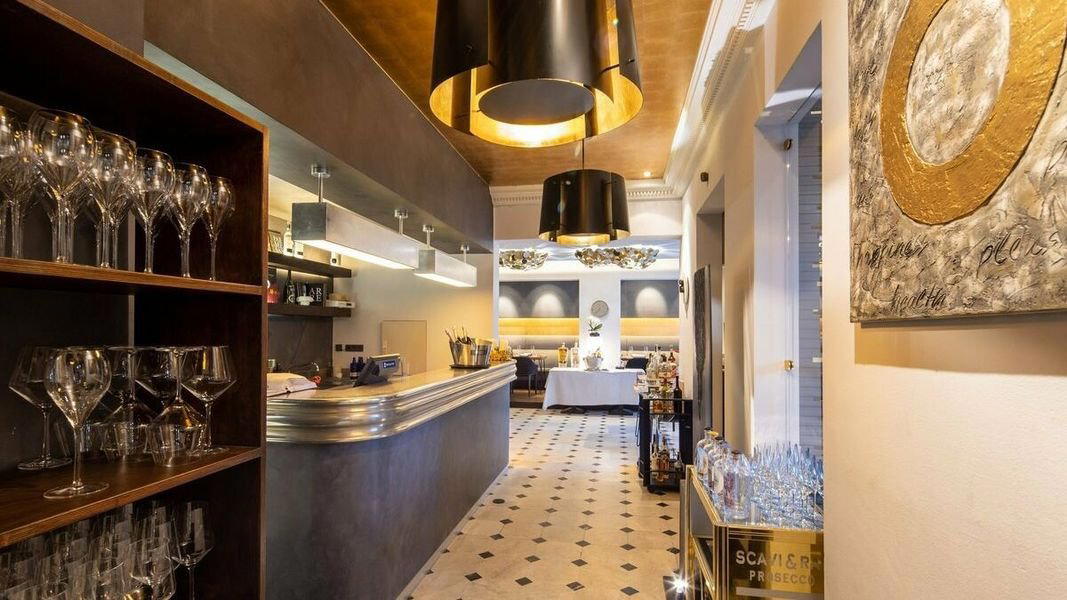
Where Sachsenhausen Meets Southern Italian Pasta Craft
Frankfurt's fine-dining circuit has long been anchored by French kitchens. Lafleur operates at two Michelin stars with a Modern French program; Erno's Bistro maintains a classic French identity at the €€€€ tier. Against that backdrop, a Michelin-starred Italian kitchen operating at €€€ occupies a meaningful gap. Carmelo Greco, on Ziegelhüttenweg in the Sachsenhausen neighbourhood south of the Main river, has held its star in both 2024 and 2025, placing it in a small cohort of Frankfurt restaurants that have demonstrated sustained Michelin recognition.
The address itself sets a particular register. Sachsenhausen is not the glass-and-steel banking quarter; it carries a quieter urban character, with the kind of residential streets that make a destination restaurant feel like a genuine discovery rather than an obvious stop on a tourist circuit. Approaching from the river embankment, the shift from Frankfurt's financial skyline to this more grounded southern district signals that what follows will not be the performative grandeur of a tower-view dining room like MAIN TOWER Restaurant and Lounge. The setting asks for a different kind of attention.
The Pasta Tradition at the Centre of the Menu
Italian fine dining in Germany tends to resolve in one of two directions: the pan-Italian tasting-menu format that references the whole peninsula without deep commitment to any region, or the more focused kitchen that treats a specific tradition as its technical foundation. Particularly compelling Italian restaurants in European fine dining tend toward the latter. At Carmelo Greco, the kitchen works within a southern Italian frame, and pasta sits at the structural core of that approach.
Handmade pasta at this level is not simply a category on the menu; it is a technical commitment. Southern Italian pasta tradition encompasses a range of shapes built around semola di grano duro rather than the egg-rich doughs of Emilia-Romagna, and the sauces that accompany them tend toward restraint: fewer cream-based reductions, more reliance on tomato, bottarga, ricci, and the kind of concentrated flavour that comes from quality ingredient selection rather than technique applied to mask the base material. The regional framing sets a specific expectation about what the pasta program should deliver.
For comparison, Italian kitchens operating at a similar starred level in Asian cities, such as 8 1/2 Otto e Mezzo Bombana in Hong Kong or cenci in Kyoto, demonstrate how Italian pasta craft travels across cultural contexts when the technique is sufficiently grounded. In Frankfurt, where Italian fine dining competes against a deep French and European field, the question is whether a focused regional approach can hold a distinct position. Carmelo Greco's consecutive star retention suggests it can.
Frankfurt's Starred Italian in Context
Germany's Michelin-starred restaurant field is concentrated in a handful of cities and regions. Properties like Aqua in Wolfsburg, JAN in Munich, Schwarzwaldstube in Baiersbronn, Vendôme in Bergisch Gladbach, and ES:SENZ in Grassau all operate within a German starred field that skews heavily toward Central European cooking traditions or French-trained technique. Starred Italian kitchens within that field are genuinely sparse. CODA Dessert Dining in Berlin represents how far format experimentation has pushed the Berlin starred scene; Frankfurt's version of that innovation has more typically arrived via French or Asian-inflected menus.
Within Frankfurt specifically, the €€€ price tier at starred level is occupied by a small group of restaurants. bidlabu holds a star with a farm-to-table bistro format at the same price bracket. The restaurant sits alongside rather than above that peer, but the cuisine type differentiates the two clearly. For a diner choosing between Frankfurt's starred restaurants, the comparison is not about quality ranking but about what kind of meal they are after: bistro seasonality versus Italian regional craft.
A starred Italian restaurant in a city not known for Italian dining achieving that volume of reviews, and maintaining that average, indicates that the kitchen performs consistently for a wide audience rather than polarizing opinion in the way that more experimental formats sometimes do. Masa Japanese Cuisine represents Frankfurt's broader move toward Asian-format fine dining; the restaurant operates in an older but no less demanding tradition.
What the Consecutive Star Signals
A single Michelin star is a significant credential. Two consecutive stars at the same restaurant, awarded across successive guide cycles, carry a different implication: the kitchen is not riding a debut wave but has demonstrated the kind of operational consistency that Michelin's criteria specifically reward. In the 2024 and 2025 guides, the restaurant maintained that position. For a restaurant operating at €€€ rather than the higher price tiers where starred ambition often concentrates, that retention reflects a kitchen that has found its register and executes it reliably.
The chef's name shares the restaurant's name, a common signal in Italian and Mediterranean fine dining that the kitchen is built around a single culinary identity rather than a rotating creative team. Whether that concentration of identity strengthens or limits the menu over time is a question every single-chef-named restaurant eventually faces, but at the current stage, the Michelin data suggests the answer remains positive.
Planning a Visit
The restaurant is located at Ziegelhüttenweg 1-3, 60598 Frankfurt am Main, in the Sachsenhausen district. The price range sits at €€€, positioning it below the €€€€ tier of peers like Lafleur or Erno's Bistro but within the bracket where a full dinner with wine will represent a meaningful spend. Sachsenhausen is accessible from central Frankfurt by tram or on foot from the Schweizer Strasse area, making it practical from most central hotel locations.
Booking ahead is advisable for a Michelin-starred room of this type, particularly on weekend evenings.
Style and Standing
Comparable venues nearby, for context on price, style, and recognition.
| Venue | Cuisine | Price | Awards | Notes |
|---|---|---|---|---|
| Carmelo GrecoThis venue — the venue you are viewing | Modern Sicilian Italian Fine Dining | $$$$ | Michelin 1 Star | Not listed |
| Seven Swans | Vegan Fine Dining | $$$$ | Michelin 1 Star | Altstadt |
| Masa Japanese Cuisine | Modern Japanese Omakase | $$$$ | Michelin 1 Star | Ostend |
| MAIN TOWER Restaurant & Lounge | Modern Japanese-French Fusion | $$$$ | Michelin 1 Star | Frankfurt City Centre |
| bidlabu | Modern European Bistro | $$$ | Michelin 1 Star | Innenstadt |
| Sommerfeld | Modern European Seasonal Fine Dining | $$$$ | Michelin 1 Star | Bahnhofsviertel (Innenstadt) |
Recognition history
Dated appearances from independent guides and award organizations, with the underlying list record or original source where available.
Michelin Plate
Michelin
Michelin 1 Star
Michelin
Michelin 1 Star
Michelin
Continue exploring
More in Frankfurt
Restaurants in Frankfurt
Browse all →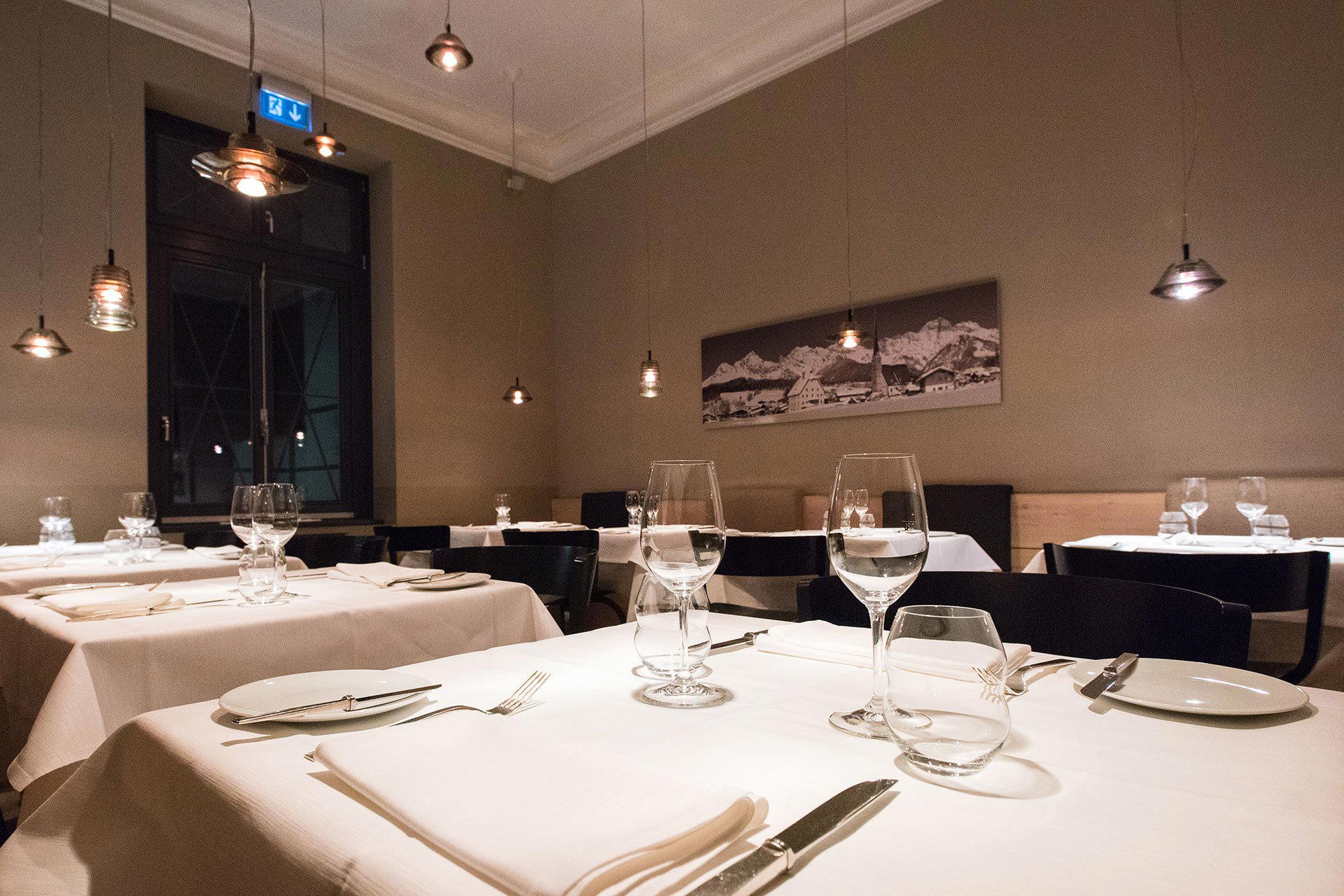
Bars in Frankfurt
Browse all →
Hotels in Frankfurt
Browse all →

At a Glance
- Elegant
- Sophisticated
- Intimate
- Modern
- Date Night
- Special Occasion
- Business Dinner
- Open Kitchen
- Extensive Wine List
- Sommelier Led
Current opening hours
- Monday
- 6:30–10 PM
- Tuesday
- 12–2 PM, 6:30–10 PM
- Wednesday
- 12–2 PM, 6:30–10 PM
- Thursday
- 12–2 PM, 6:30–10 PM
- Friday
- 12–2 PM, 6:30–10 PM
- Saturday
- 6:30–10 PM
- Sunday
- Closed
Hours can change for holidays and private events. Last verified .
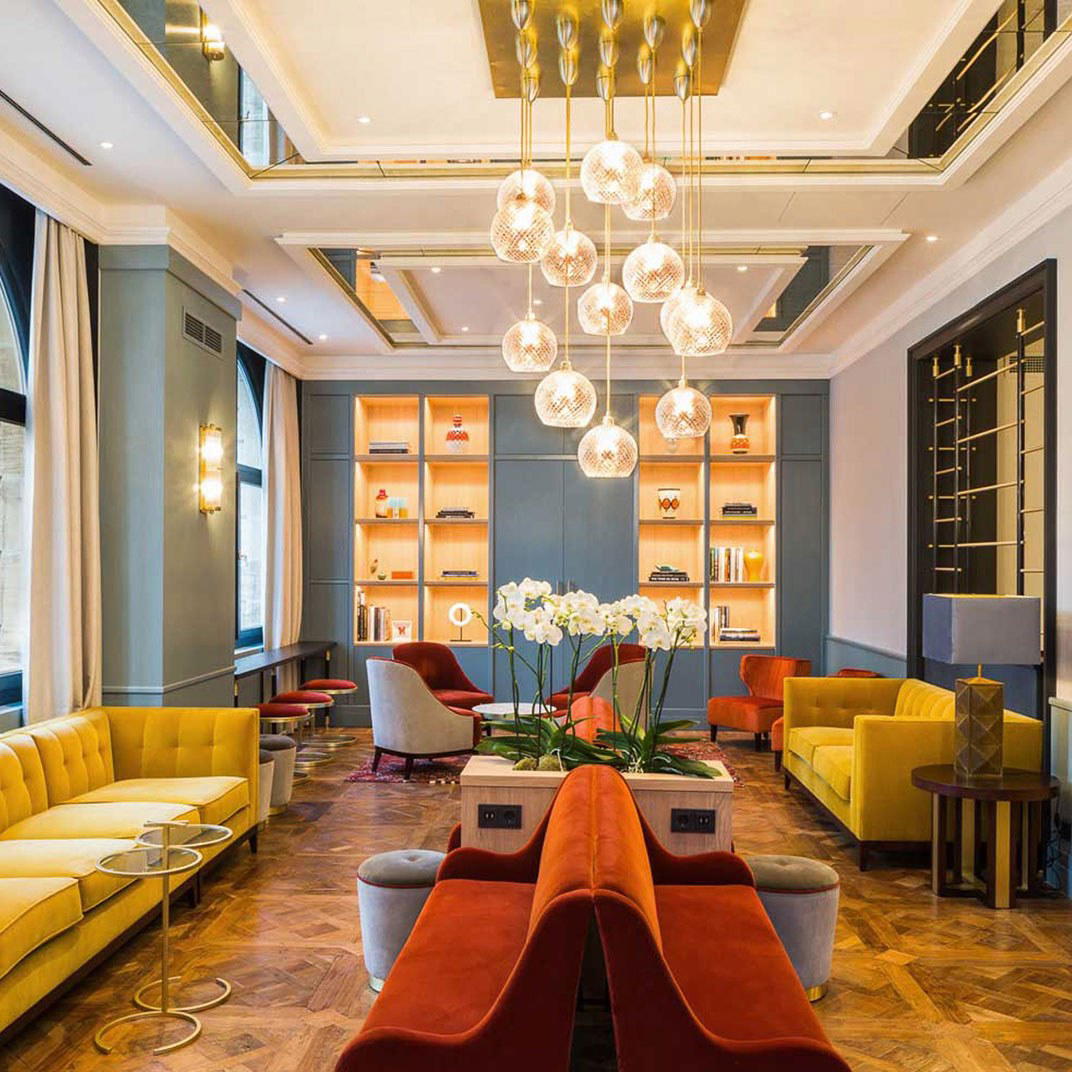
Elegant, chic, and calm atmosphere with understated decor, professional service, and low noise levels.