Our verdict
Perlica sits on Trg Grlo in Klis, the hilltop settlement that shadows one of Dalmatia's most formidable fortress complexes. The address alone signals proximity to stone, history, and the agricultural hinterland that feeds central Dalmatian cooking. For visitors working their way through the Split region's dining options, it represents a grounded, locality-first alternative to the coastal set.

Pearl is the En Primeur Club membership app — saves, bookings, and concierge access live there. Same editors, same standards.
The menu
What to order
- Roast Lamb on the Spit
- Janjetina s ražnja
Stone Town, Stone Table: Dining in the Shadow of Klis Fortress
The approach to Klis is abrupt in the leading way. The road from Split climbs fast, the coastal sprawl drops away, and the fortress materialises on the ridge above the town with the kind of directness that makes historical context unnecessary. You understand immediately that this is a place built around defence, around the control of the Kozjak pass, and that everything below it, including the settlement of Klis itself, has always existed in relation to that fact. Restaurants in towns like this don't float above their geography. They are shaped by it, by the altitude, the wind, the surrounding farmland, and the short distances between the kitchen and the fields that supply it.
Perlica occupies an address at Trg Grlo 1, the square that anchors the lower part of Klis, and the surrounding context matters as much as what's on the plate. The Dalmatian hinterland, the Zagora as locals call it, has a culinary character quite different from the coast. Lamb is the central protein, raised on karst scrubland fragrant with wild sage and rosemary. The meat carries that flavour without the kitchen needing to impose it. Inland vegetables, dried figs, and local cheeses round out a pantry that is geographically specific in a way that coastal menus, with their pan-Adriatic fish sourcing, often aren't.
What the Hinterland Brings to the Table
Ingredient sourcing in Dalmatian inland cooking operates on a logic that predates farm-to-table as a marketing concept. The Zagora has always fed itself from its own terrain because access to the coast was historically limited. That self-sufficiency produced a cuisine of slow-cooked meats, preserved vegetables, and dishes built for altitude and appetite rather than tourist expectation. Peka, the technique of cooking under an iron bell covered in embers, is the defining method of this tradition. The result is a dish that demands time, typically several hours of advance preparation, and rewards patience with concentrated flavour that no faster cooking method replicates.
Klis sits within easy reach of Split's central market, Pazar, where producers from the surrounding villages bring seasonal goods year-round. That proximity means a kitchen in Klis has access to the same supply chain that feeds the city's better restaurants without the logistical overhead of operating in a tourist-dense coastal setting. For a point of comparison, Pelegrini in Sibenik and Restaurant 360 in Dubrovnik both operate in the premium coastal tier, drawing on Adriatic sourcing and international wine lists to support price points at €€€€. The hinterland alternative operates on a different register entirely: smaller margins, shorter supply chains, and a menu vocabulary that doesn't require Michelin context to make sense.
Croatia's more formal inland kitchens follow a similar sourcing logic. Korak in Jastrebarsko works the produce of the Samobor hills north of Zagreb. Dubravkin Put in Zagreb draws from continental Croatian producers. The through-line across all of them is that geography is the editorial point, not decoration.
Klis in the Broader Split-Region Dining Map
The Split region has developed a layered dining map over the past decade. The city itself anchors a mid-to-upper tier, with Krug in Split representing the more considered end of urban Dalmatian cooking. The islands add another dimension: LD Restaurant in Korčula brings a refined approach to island produce, and Boskinac in Novalja on Pag operates as a destination in its own right, combining accommodation, wine production, and a kitchen that treats Pag lamb and cheese as primary rather than incidental. See our full Klis restaurants guide for the wider picture of what the area offers across formats and price points.
Klis itself sits outside the standard tourist circuit. The fortress draws visitors, particularly those who recognise it from its appearance in international television productions, but the town below has not been reorganised around hospitality infrastructure in the way that Hvar town or Dubrovnik's old city has. That means less competition for tables, lower ambient noise levels, and a guest mix that skews toward locals and day-trippers from Split rather than cruise passengers or package tourists. For diners who find the coastal strip exhausting in peak season, July and August in particular, the ten-minute drive inland delivers a measurable change in atmosphere.
Elsewhere on Croatia's coast, restaurants at comparable price and ambition levels have attracted formal recognition. Agli Amici Rovinj in Rovinj operates in the Michelin-recognised tier of Istrian dining. Nebo by Deni Srdoč in Rijeka and Alfred Keller in Mali Losinj represent the northern Adriatic equivalent of the investment in technique and sourcing that the leading Croatian restaurants now demonstrate. The Dalmatian inland has not yet attracted equivalent critical attention, which means the opportunity for early engagement remains open.
Planning a Visit to Klis
Klis is a direct drive from Split, roughly ten kilometres via the D8 with altitude gain that keeps the journey quick but scenic. Those arriving by public transport from Split have bus options that serve the fortress during peak tourist season, with the square at Trg Grlo accessible on foot from the main stop. The fortress itself is worth building time around, either before or after eating, particularly in the shoulder months of May, June, and September when light and temperature make the exposed site comfortable. For comparison points further afield, BioMania Bistro Bol in Bol on Brač and Bodulo in Pag both require ferry crossings to reach, which makes Klis a relatively low-friction addition to a Split-centred itinerary.
Diners accustomed to booking well in advance for Dalmatian coastal restaurants during summer should verify Perlica's current reservation policy directly, as contact details are not listed centrally. Arriving without a reservation on weekday lunches in the off-season is a different calculation from a Saturday evening in August. Cubo in Opatija, Burin in Crikvenica, and Cantilly Garden Restaurant in Samobor all operate in smaller towns with similar seasonal booking dynamics, and the general principle applies: smaller venues in non-resort towns fill faster than their size suggests during peak weeks.
Frequently asked questions
Is Perlica okay with children?
Klis itself is a small, unhurried town, and Perlica's address on Trg Grlo 1 places it on a quiet square rather than a busy thoroughfare. Dalmatian hinterland restaurants of this type generally operate at a relaxed pace suited to families.
What's the overall feel of Perlica?
The setting is Klis, a hill town ten kilometres from Split where the fortress dominates the ridgeline and the coastal noise is entirely absent. Trg Grlo 1 is a stone-square address that signals a grounded, local-facing room rather than a tourist-circuit operation. Expect the tempo and material register of Dalmatian inland cooking: unhurried, ingredient-driven, oriented around the Zagora's own produce logic.
How does Perlica compare to dining options in Split city itself?
Split anchors the mid-to-upper tier of the regional dining map, with a growing number of restaurants oriented toward coastal seafood and visiting trade. Perlica in Klis operates in a different register: a hill-town address on Trg Grlo 1, roughly ten kilometres inland, where the cooking logic follows Zagora produce rather than Adriatic catch. For anyone touring the Klis Fortress, it represents a practical and locally grounded alternative to doubling back into the city for lunch.
Where do I go for Perlica?
Perlica is located at Trg Grlo 1, 21231, Klis, Croatia, Klis.
Comparable Venues
Comparable venues nearby, for context on price, style, and recognition.
| Venue | Cuisine | Price | Notes |
|---|---|---|---|
| PerlicaThis venue — the venue you are viewing | Traditional Croatian Dalmatian Roast Lamb | $20–30 | Not listed |
| Konoba Korta | Traditional Dalmatian Seafood | $20–30 | Diocletian's Palace |
| OliveTree by boiler™ | Mediterranean Pizza & Croatian | $20–30 | Riva |
| Don Dino Restaurant | Modern Dalmatian Seafood | $20–30 | Trogir Old Town |
| Gojava | Traditional Dalmatian | $20–30 | Gojava |
| Konoba Mirakul | Traditional Dalmatian Seafood | $20–30 | Trogir old town |
Continue exploring
More in Klis
Restaurants in Klis
All restaurants in Klis →
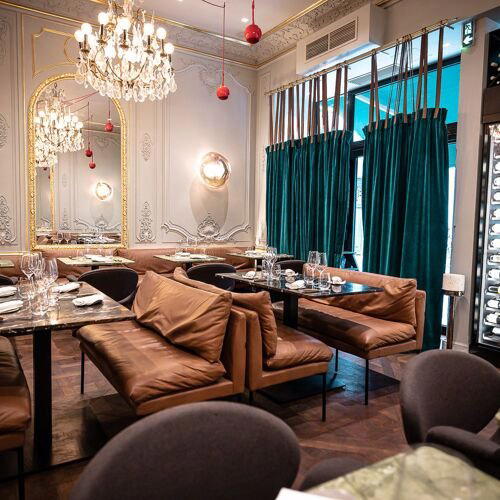
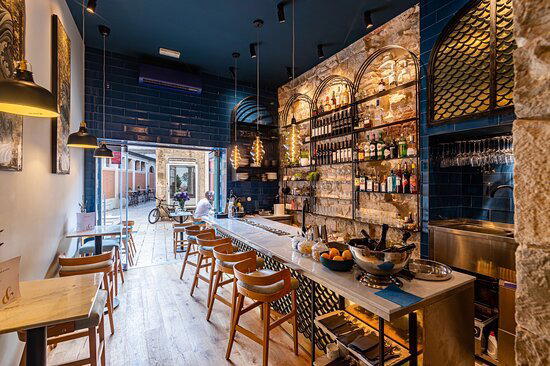
Bars in Klis
Browse all →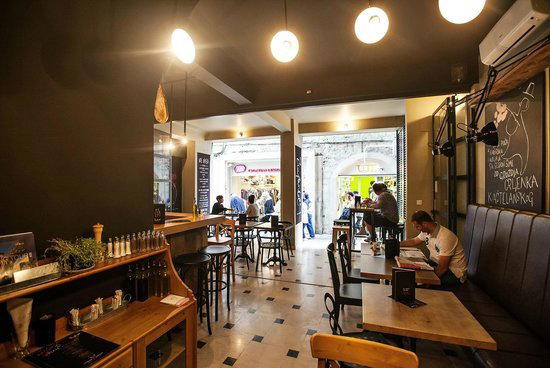

Details
- Rustic
- Cozy
- Classic
- Family
- Casual Hangout
- Terrace
- Historic Building
- Extensive Wine List
- Local Sourcing
- Mountain
- A La Carte
Current opening hours
- Monday
- 9 AM–10 PM
- Tuesday
- 9 AM–10 PM
- Wednesday
- 9 AM–10 PM
- Thursday
- 9 AM–10 PM
- Friday
- 9 AM–10 PM
- Saturday
- 9 AM–10 PM
- Sunday
- 9 AM–10 PM
Hours can change for holidays and private events. Last verified .
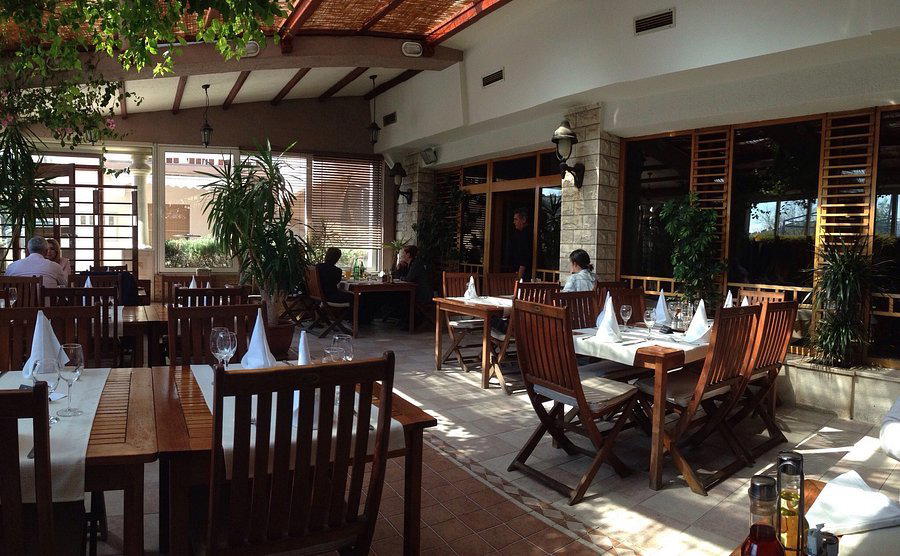
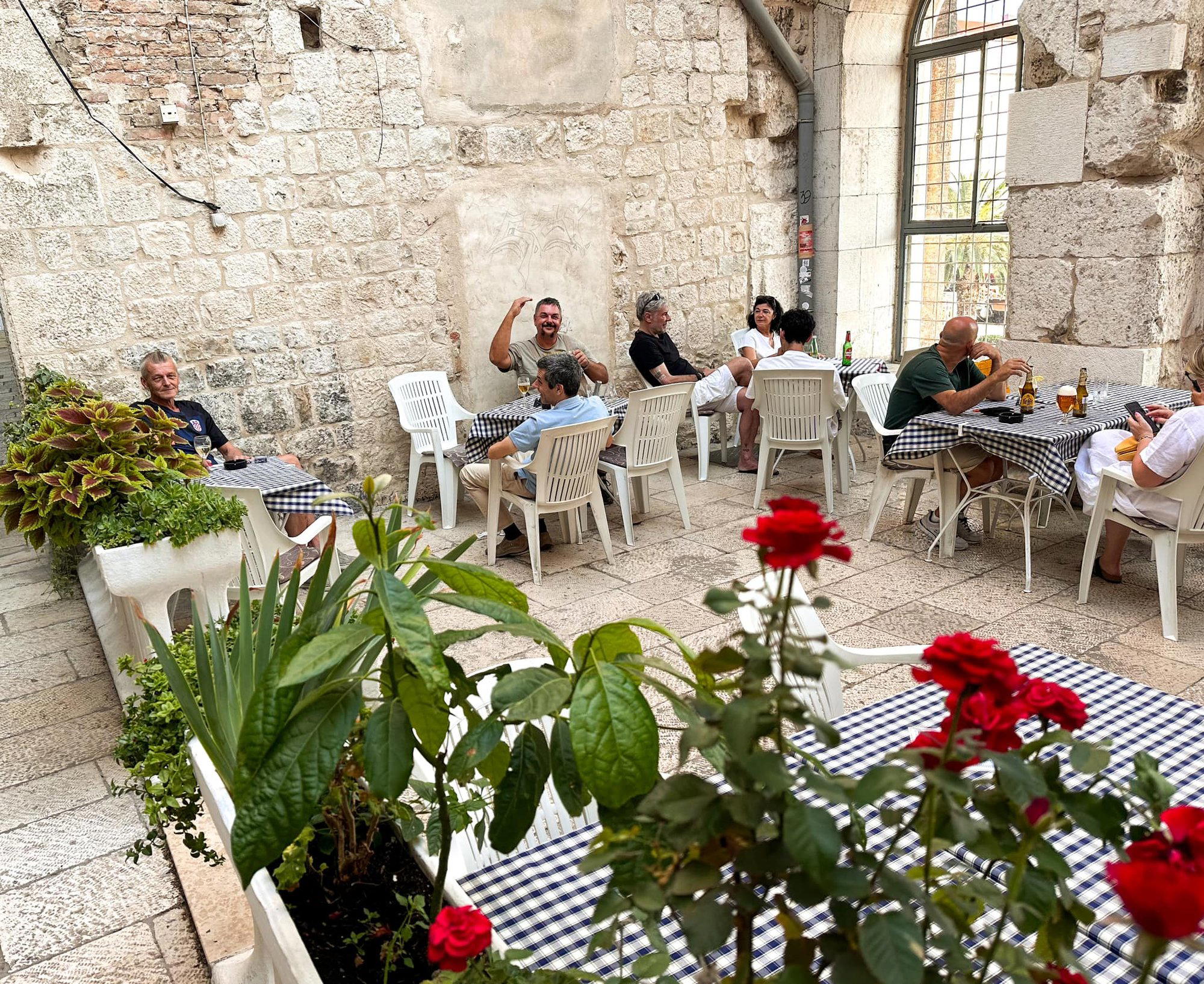
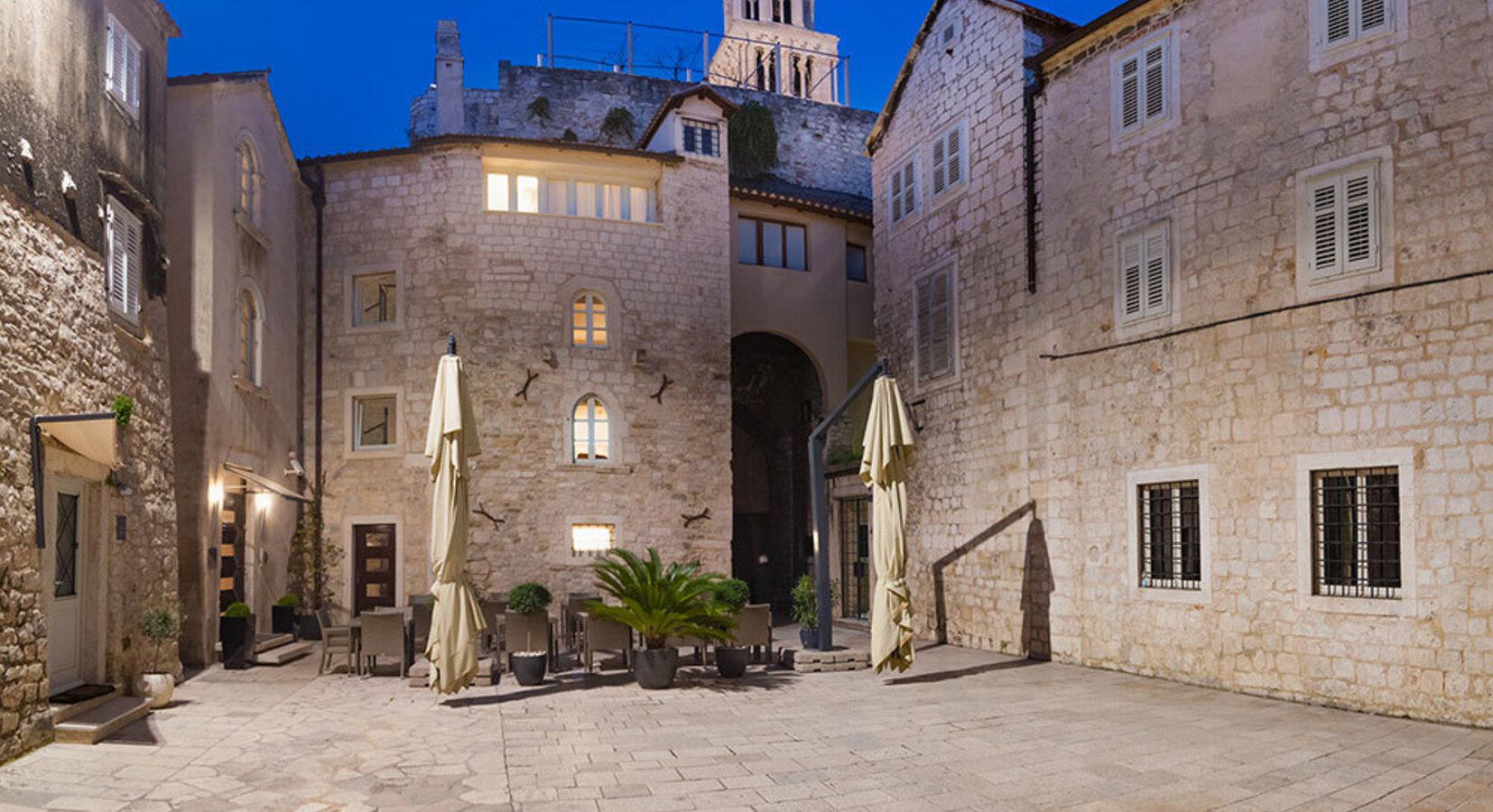
Pleasant traditional ambiance with air-conditioned interior, summer garden, terrace, and bougainvillea decorations creating a cozy and relaxed atmosphere.