Bar Split belongs to the waterfront side of Split’s drinking culture, where the city’s evening rhythm moves between the Riva, marina edges, and old-stone lanes.
Pearl is the En Primeur Club membership app — saves, bookings, and concierge access live there. Same editors, same standards.
- Address
- Trumbićeva obala 18, 21000, Split, Croatia
- Phone
- +385 21 293 000
- Website
- ambasadorsplit.com
- Directions
- Get directions
 Saves & bookings on Pearl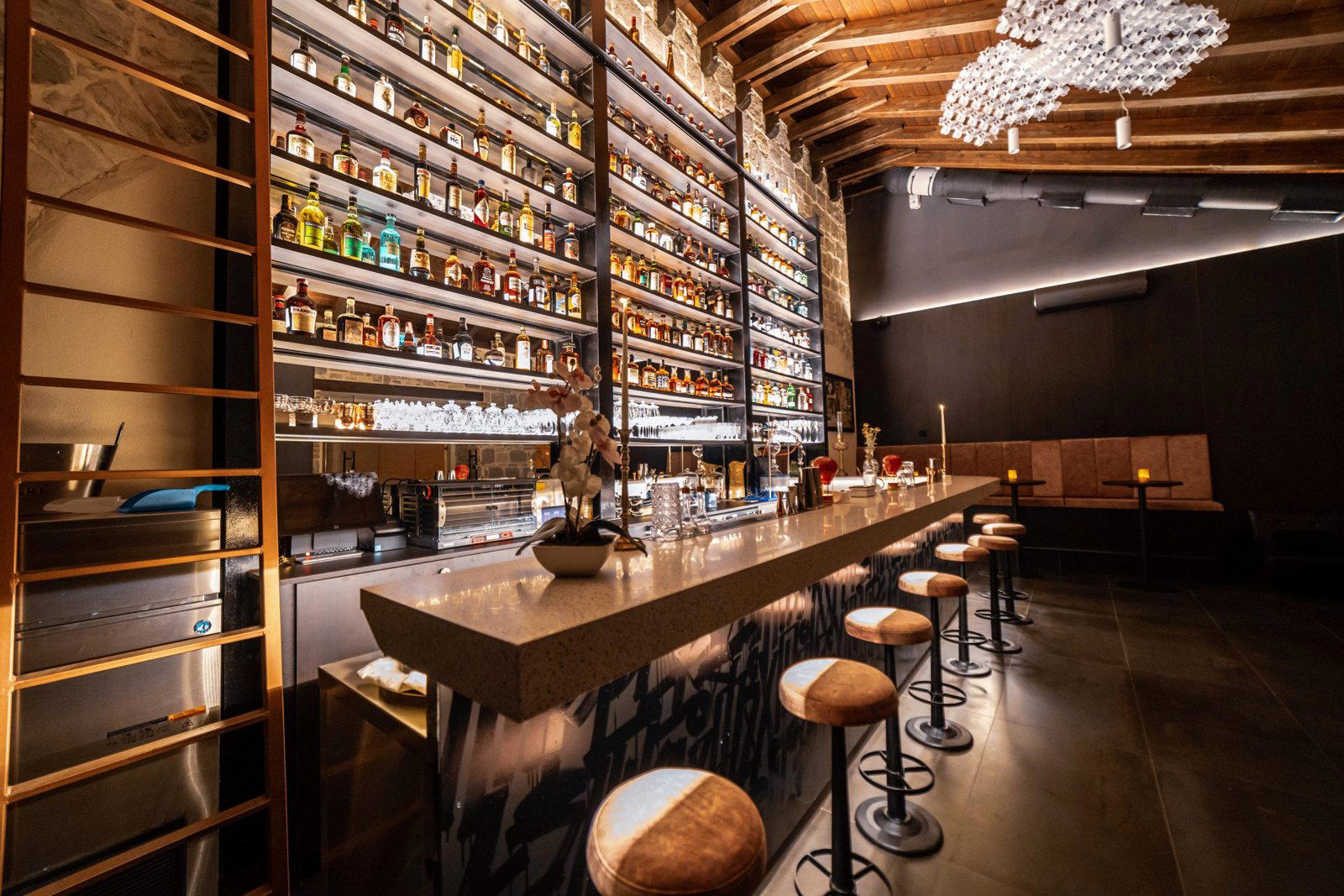
On the waterfront edge of Split's bar circuit
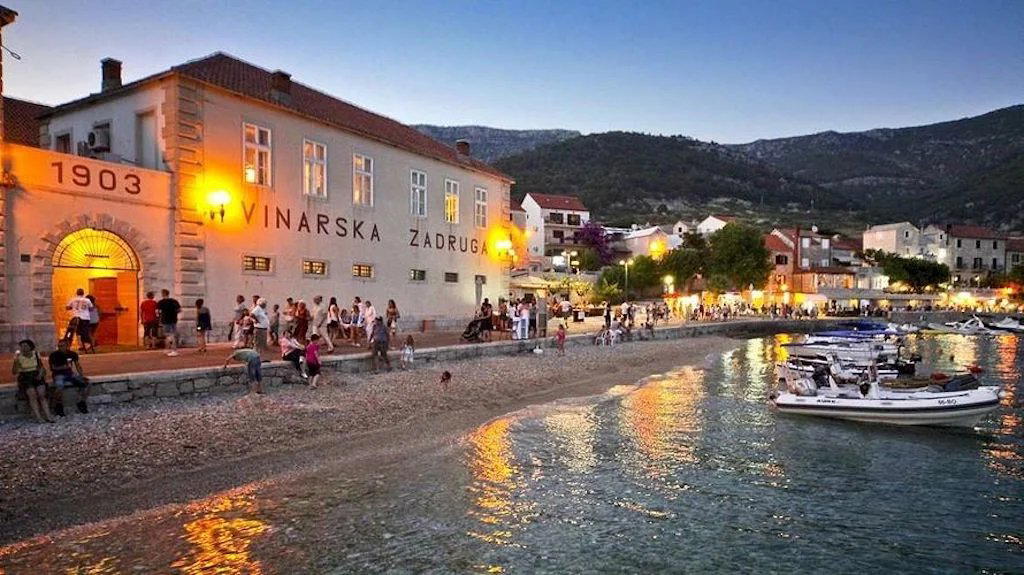
Approaching Trumbićeva obala means entering a part of Split where the city loosens its shoulders. The old town is close enough to shape the evening, but the address faces the harbour side rather than the tighter palace lanes. Foot traffic moves in waves: ferry passengers, marina guests, locals cutting across the waterfront, and travellers who have already learned that Split after dark is not a single strip but a set of overlapping circuits. Bar Split sits at Trumbićeva obala 18, 21000, Split, Croatia, which places it in that practical zone between seaside walking route and night-out decision point.
That location matters more than any inflated language about atmosphere. Split’s bar culture has always been shaped by geography. The Riva gives the city its public promenade, Diocletian’s Palace compresses cafés and bars into stone corridors, Bačvice has its beach-adjacent rhythm, and the western waterfront draws people who want the sea in the frame without committing to a full restaurant meal. In this context, the defining question for a bar is not only what it pours. It is how it fits into the evening: pre-dinner drink, late stop after the old town, casual harbour pause, or a place to use as a meeting point before the group splits toward restaurants, clubs, or ferries.
Public venue data for Bar Split is limited. That absence should shape expectations. This is not a documented awards-led cocktail room in the way a reader might assess a bar with named international rankings, a published drinks list, or a bar director with a traceable competition record. It is better read through Split’s waterfront drinking tradition: social, mobile, weather-sensitive, and tied to the tempo of the city rather than to a fixed fine-drinking script.
Split's drinking scene is built around movement, not ceremony
In older European port cities, drinking culture often follows the pedestrian map. Split is a clear case. Visitors rarely spend an entire night in one venue unless dinner or a group booking locks them in. The pattern is more fluid: an aperitif near the Riva, dinner in or near the palace, a second drink along the harbour, then a later decision depending on season, crowd, and temperature. The waterfront address of Bar Split puts it inside that moving itinerary, which is different from the destination-bar model common in London, Barcelona, or New York.
That distinction helps prevent misreading the venue. A destination cocktail bar usually announces itself through reservations, a defined menu architecture, signature serves, staff biographies, awards, and a room designed to hold guests for a full evening. A Split waterfront bar often works by proximity, mood, and timing. The city’s drinking culture prizes the ability to drift, sit outside when weather allows, and keep the sea or promenade within the social field. The point is not lower ambition; it is a different cultural format.
For comparison within the city, Tri Volta and Zinfandel Food & Wine Bistro give useful counterpoints because Split’s drinkers often move between bar, wine, and food-led venues rather than treating categories as rigid. A wine bistro, a harbour bar, and a small old-town drinking room may appear in the same evening. That is a Dalmatian pattern as much as a tourist one: meals, walks, and drinks are arranged around weather, proximity, and who happens to be available, not only around booking confirmations.
The cocktail question: what can be said from the available record
That limitation is not a problem to be covered over. It is the useful critical point. In a city where many bars trade on coastal setting and late-evening energy, the absence of public technical detail places Bar Split outside the documented craft-cocktail tier, at least from the evidence currently available.
That does not mean the drinks are weak, and it would be careless to suggest that without sourced evidence. A bar with no published awards or named bar team should not be evaluated as if it were a laboratory-style cocktail counter. Its likely relevance is situational: a waterfront address in Split, a place to fold into an evening near the harbour, and a venue whose appeal depends on real-time setting more than on documented mixology pedigree.
Across the Adriatic, cocktail culture has developed unevenly. Dubrovnik’s cliffside and old-town bars often lean on setting; Šibenik has smaller creative rooms; islands like Hvar and Korčula move between beach clubs, wine bars, and late-season hospitality. Split sits between those modes. It has enough urban density to support ambitious drinks, but its summer economy rewards bars that can absorb walk-in traffic and operate as social spillover from the promenade. The lack of a published Bar Split programme therefore becomes instructive: this is a bar to approach with open expectations, not as a pilgrimage for a named serve or rare technique.
Readers looking across the Croatian coast can use nearby references to calibrate the category. Buža Bar in Dubrovnik is tied closely to physical setting; Art Bar in Sibenik points toward a different urban-bar register; Edivo Wine Bar in Drace brings the Pelješac wine context into the picture; Hvar in Stari Grad reflects the island evening economy. Even Café La Trova in Miami, far outside Croatia, is a useful contrast: there, the bar’s public identity is inseparable from a documented cocktail culture and named Cuban cantinero tradition. Bar Split’s record does not carry that same evidence, so the assessment stays grounded in place and format.
How the setting shapes the drink decision
Trumbićeva obala is a practical address. It sits in the Split waterfront system rather than in a remote neighbourhood, which makes it useful for travellers trying to connect dinner, drinks, and a walk without over-planning. In high season, the city’s centre can feel compressed, particularly around the palace gates and the Riva. Waterfront-side venues absorb some of that pressure because they allow a more open approach to the evening. The experience depends heavily on timing: early evening brings transition traffic and aperitif energy; later hours bring a more social, mobile crowd.
This is where Split differs from cities whose cocktail scenes are built around reservations and fixed-length seatings. The practical skill is not securing a rare stool months ahead. It is choosing the right moment and understanding how the night flows. A bar near the harbour can be useful before a restaurant seating, after a late ferry, or when the group wants a drink without committing to a formal dining room. With no verified hours or booking policy in the record, travellers should treat operating details as something to confirm directly on the day rather than assume from seasonal habits.
That matters in Split because the spread between casual local bars, waterfront tourist venues, wine-focused rooms, and hotel-adjacent lounges can be meaningful. Without a listed price range, the safer editorial read is category-based: expect a central Split waterfront bar context, then check the menu in person before settling into multiple rounds. That advice is not a warning; it is basic Adriatic city intelligence, particularly from late spring through early autumn when demand and staffing patterns change.
Where Bar Split fits among food, wine, and hotel decisions
A bar page in Split cannot be separated from dinner planning. The city’s strongest evenings often combine categories, because its compact centre makes that easy. A traveller might begin on the waterfront, eat in the palace or in a side street leading away from it, then return toward the harbour for another drink. Bar Split’s address supports that kind of loop. For broader meal planning, Our full Split restaurants guide gives the wider dining frame, including how restaurant choices differ between palace-adjacent rooms, waterfront terraces, and quieter neighbourhood tables.
Hotels matter too, because Split’s centre changes character depending on where a guest sleeps. A palace hotel puts the old stone streets at the centre of the night; a waterfront or marina-side stay makes Trumbićeva obala a more natural route; a beach-side base creates a different rhythm entirely. Our full Split hotels guide is useful for that logistical layer. The right bar is often the one that fits the walk back, especially in a city where summer heat can make long evening detours less attractive than they looked at lunch.
Wine also enters the decision. Dalmatia is not only a cocktail coast. Local drinking culture includes Pošip, Debit, Plavac Mali, prošek traditions, and island producers whose bottles appear across restaurants and wine bars. A visitor focused on cocktails should not ignore that overlap, because many Split evenings become mixed-format by default: a spritz or highball at one venue, a Dalmatian white with dinner, a final drink by the harbour. For a wider category map, Our full Split bars guide and Our full Split wineries guide help separate bar-led, wine-led, and restaurant-led options.
Experiences around Split add another layer. Boat days, island transfers, walking tours, and late returns from beaches affect when people drink and how formal they want the evening to be. A waterfront bar can make sense after a day built around movement because it asks for less structure than a full tasting menu or pre-paid experience. Our full Split experiences guide is the better tool for planning those day-to-night transitions.
What to expect, and what not to assume
The reliable facts are narrow: the venue is Bar Split, in Split, Croatia, at Trumbićeva obala 18. That absence should keep the writing honest. It also gives the reader a clear way to use the venue: as a context-driven waterfront bar rather than as a heavily documented cocktail institution.
For travellers who judge bars by awards, the record offers no Michelin-adjacent, 50 Best, national bar-award, or editorial-recognition signal. For travellers who judge by technique, there is no verified menu detail to support claims about clarification, fermentation, house cordials, ice programme, or local botanicals. For travellers who judge by location and night-flow, the address is the key signal. In Split, that can be enough for the right kind of evening, especially when the plan is deliberately loose.
The critical stance is simple: Bar Split should be approached as part of a Split waterfront circuit, not as a documented benchmark cocktail bar. Its value is most likely situational, tied to where it sits and how it fits before or after dinner. If the aim is a technical drinks room with published credentials, compare other options in the city and region before committing. If the aim is a harbour-side stop that keeps the evening flexible, the address makes sense.
Planning notes
Because no verified hours or booking method are available, the sensible move is to confirm details close to the visit, especially during shoulder season when coastal venues may adjust service patterns. The address on Trumbićeva obala places the bar within central Split’s walkable waterfront zone, so it is better planned as part of an evening route than as a standalone destination requiring complex transport. Dress code is not listed, which usually means the reader should avoid assuming either resort casual informality or formal lounge expectations; the immediate plan, dinner reservation, hotel setting, and season should guide clothing choices.
Pricing is not listed, so readers should scan the menu before ordering rounds for a group. That advice applies across central Dalmatian waterfront venues, where view, season, and category can influence spend. In a high-season city, practical confidence comes from same-day verification, not old screenshots or unverified opening times.
Continue exploring
More in Split
Bars in Split
Browse all →
Restaurants in Split
Browse all →
Hotels in Split
Browse all →

At a Glance
- Lively
- Trendy
- Modern
- Sophisticated
- After Work
- Casual Hangout
- Group Outing
- Solo
- Waterfront
- Hotel Bar
- Seated Bar
- Lounge Seating
- Classic Cocktails
- Street Scene
Current opening hours
- Monday
- 8 AM–12 AM
- Tuesday
- 8 AM–12 AM
- Wednesday
- 8 AM–12 AM
- Thursday
- 8 AM–12 AM
- Friday
- 8 AM–12 AM
- Saturday
- 8 AM–12 AM
- Sunday
- 8 AM–12 AM
Hours can change for holidays and private events. Last verified .
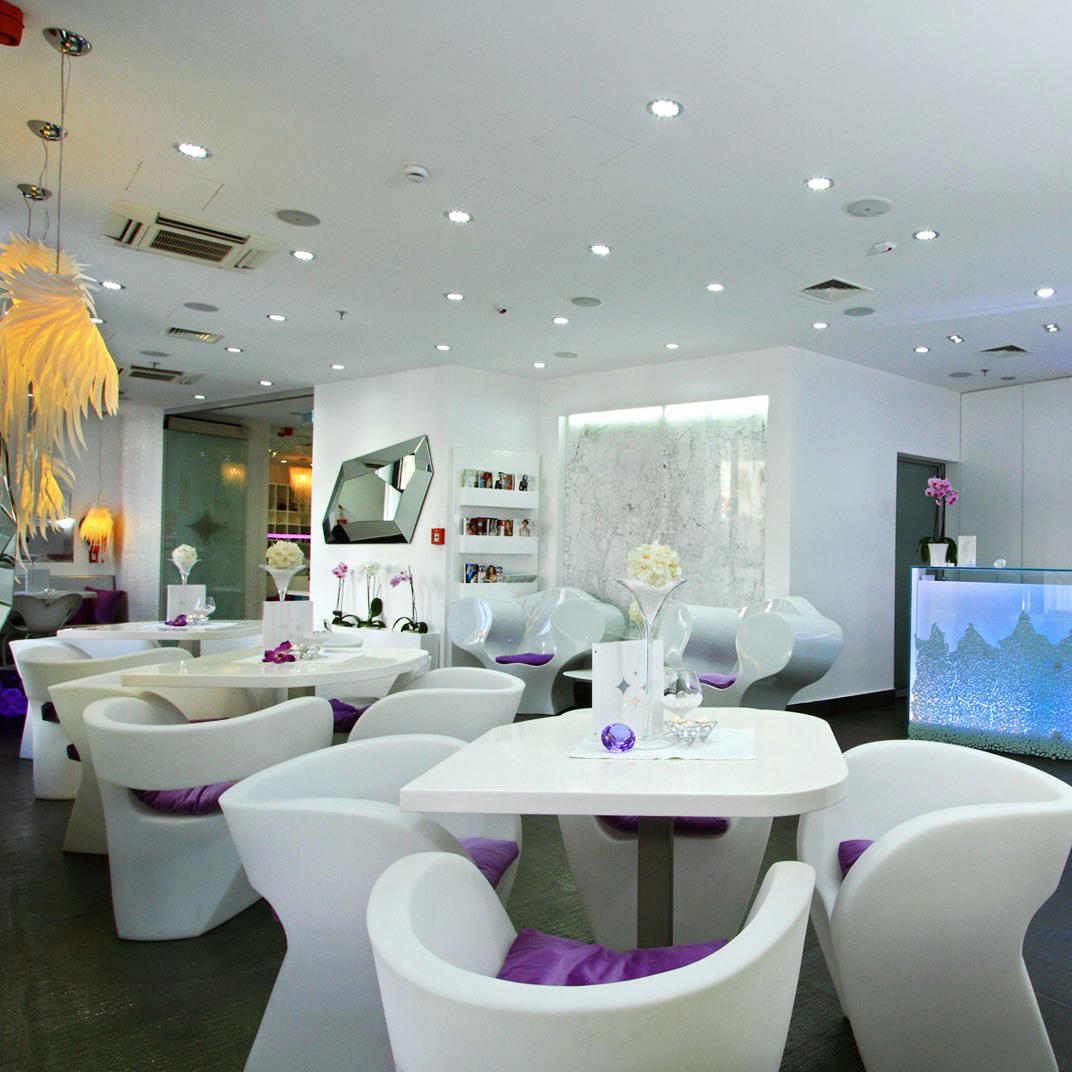
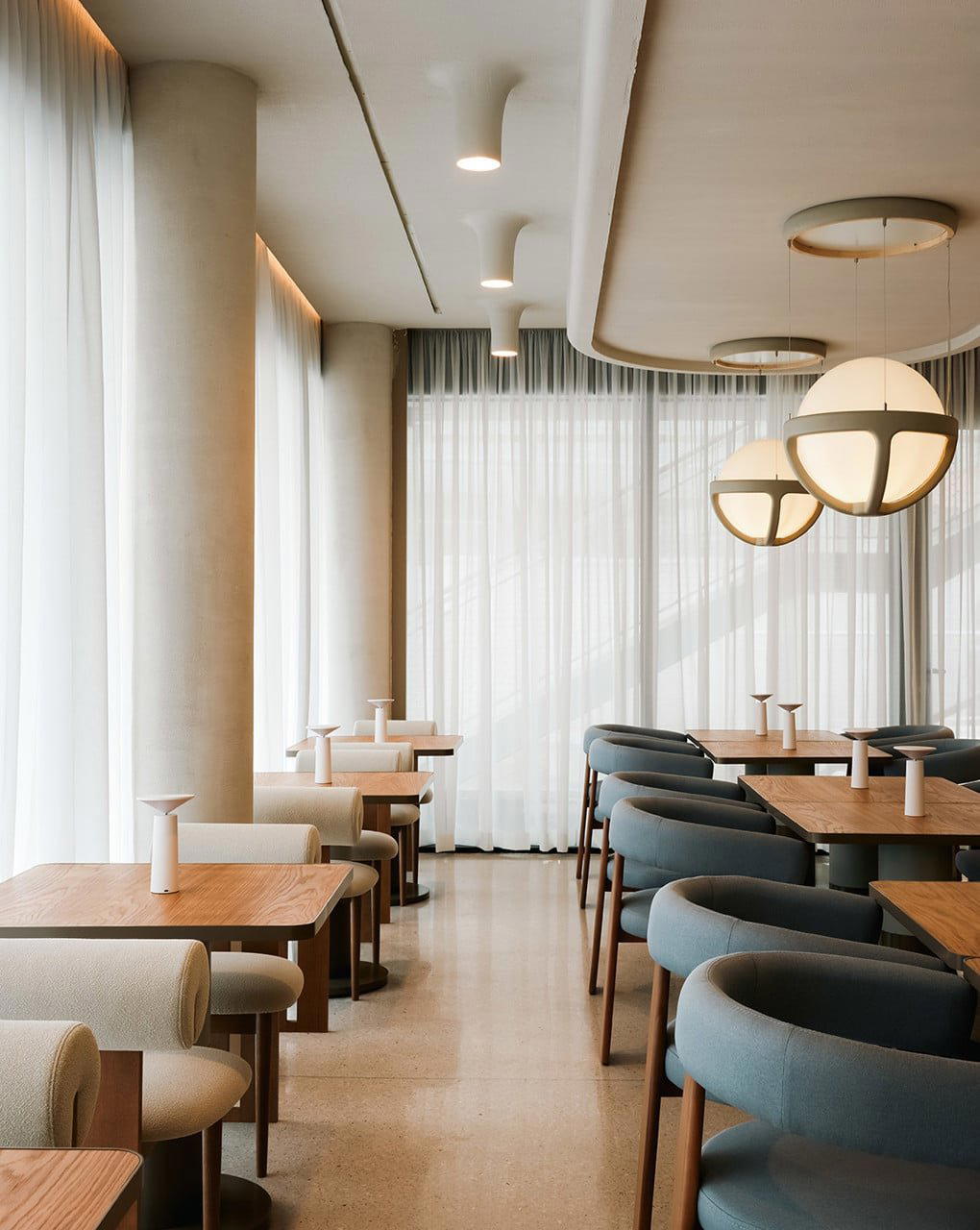
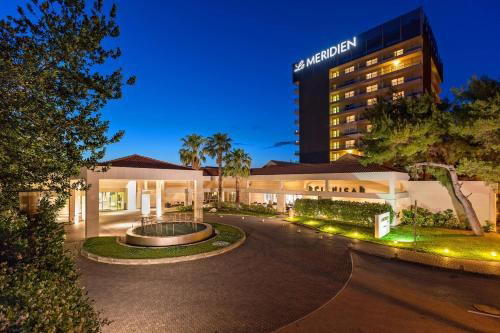
A chic, trendy lobby-level bar that opens directly onto the bustling promenade, with a lively social energy throughout the day and relaxed but polished hotel-bar feel.
Know Before You Go
- Getting there
- Trumbićeva obala 18, 21000, Split, Croatia