Sirena in Hvar belongs to the island’s quieter side of hospitality: a name to read through setting, pace, and Adriatic architecture rather than through chef mythology or award shorthand. With no public record here for cuisine, price, hours, or booking channels, the useful way to assess it is as part of Hvar’s broader coastal scene, where sea-facing spaces and seasonal rhythm shape the experience.

Pearl is the En Primeur Club membership app, where members save venues, book tables and use the concierge.
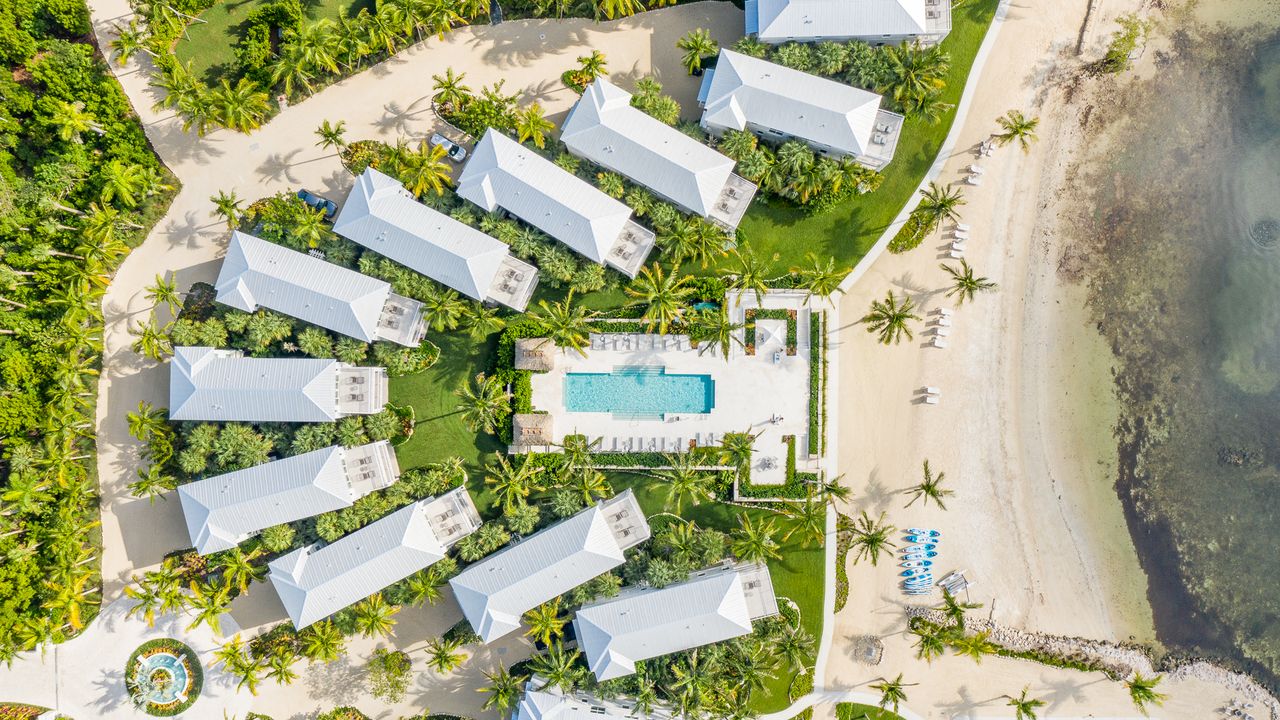
First read: Hvar through space, light, and the sea
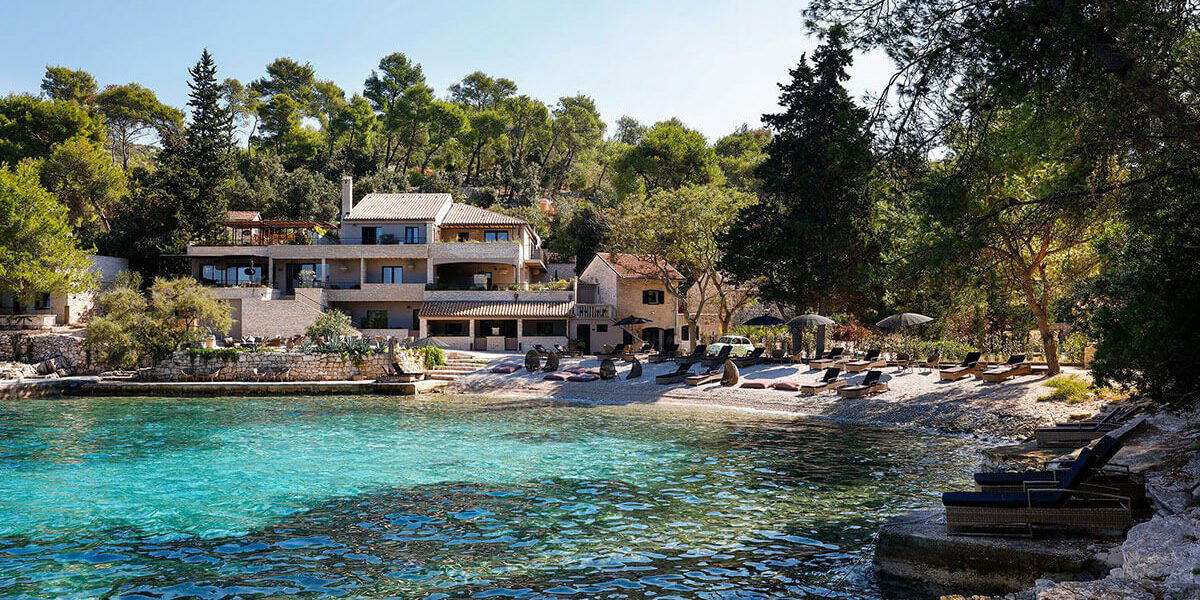
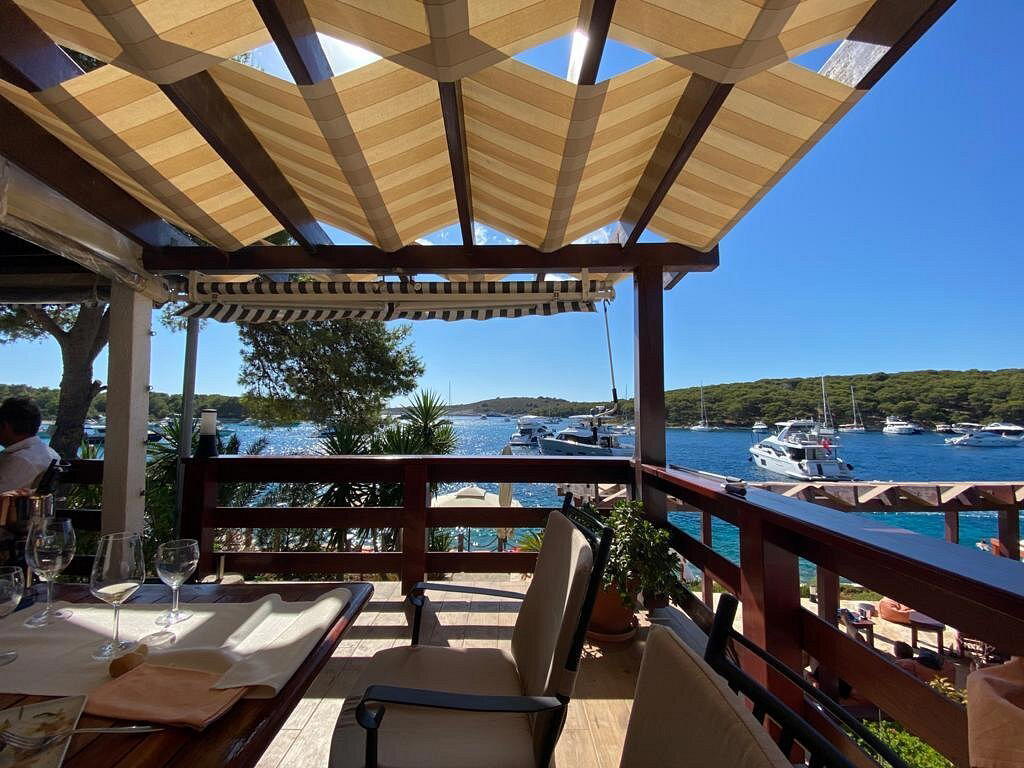
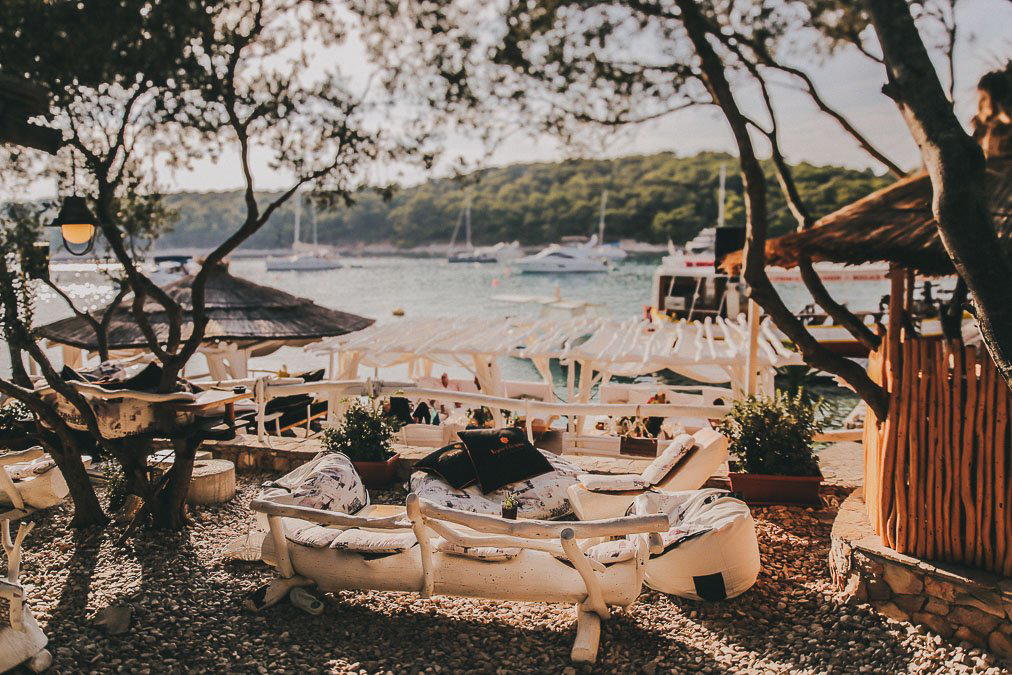
Approaching a Hvar address in season usually means reading the island before reading the sign: limestone underfoot, pine shade, salt air, boat traffic, and a social rhythm that changes sharply between late afternoon and the dinner hours. Sirena sits inside that Adriatic context. The useful editorial question is not whether a venue can be dressed up with grand claims, but how it fits the island’s physical grammar: terraces, open air, water views, stone, shade, and the constant negotiation between summer theatre and a slower coastal tempo.
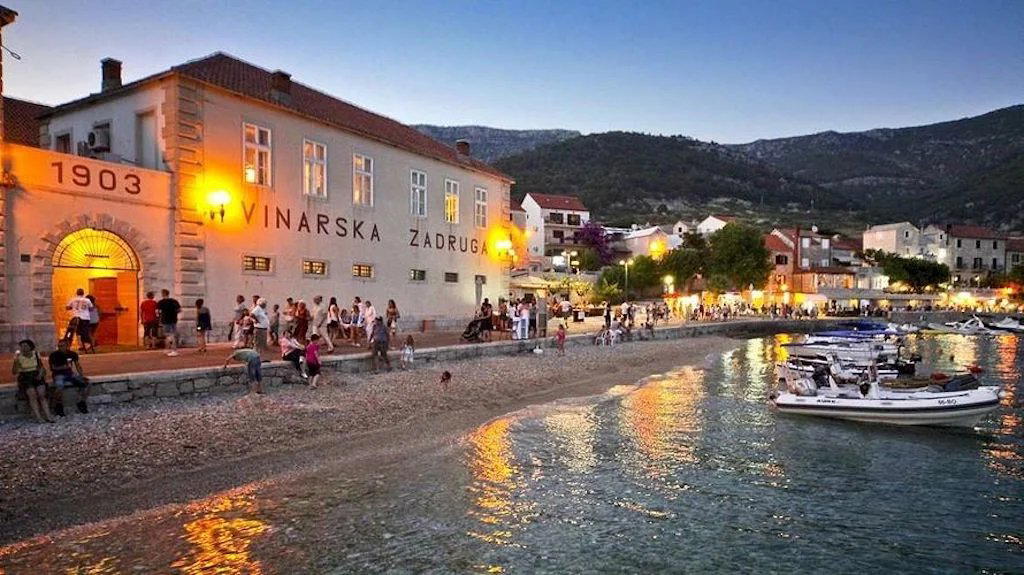
Hvar has two hospitality identities that often overlap. One is the harbour-facing, yacht-season version, concentrated around the town’s polished edges and high-visibility promenades. The other is quieter and more spatial: places defined by approach, exposure, and the feeling of being held between rock, sea, and sun. Sirena should be read through that second lens. It is better understood as a Hvar venue whose interest begins with atmosphere and island setting, then depends on the practical details a traveller confirms directly before committing a night to it.
Why design matters more on an island than it does in a city dining room
In dense restaurant cities, design often becomes theatre: a counter, a lighting scheme, a table hierarchy, a visible cellar, an open kitchen. On Hvar, design is more environmental. The room competes with the horizon, the heat, the wind, the walk from the harbour, and the timing of ferries and beach hours. A coastal venue can be undone by glare at 6 p.m. or transformed by shade and breeze after sunset. That makes architecture and orientation part of the dining decision, not decorative background.
This is where Hvar differs from inland Croatian dining towns. In Motovun, the hospitality mood is shaped by hilltop stone and Istrian truffle country; in Dubrovnik, by fortified walls, cruise traffic, and tightly managed old-town movement; in Rovinj, by polished marina life and Istrian design hotels. Hvar’s dining and drinking scene is more exposed to the elements. The better local experiences understand that a table is also a viewpoint, a wind position, and a pause in a day built around the water.
That absence is useful in itself. It places the venue outside the kind of award-led, chef-led, price-transparent bracket where a traveller can make a decision from credentials alone. Here, the scene is the anchor. Hvar asks visitors to judge a place by how it handles seasonality, setting, and flow, then by whether its practical realities match the evening they want.
The Hvar context: coastal dining without over-reading the file
Hvar’s restaurant culture is shaped by Dalmatian patterns: fish, olive oil, grills, local wine, long evenings, and a strong summer economy. Those are general regional facts, not venue-specific promises. That distinction matters. Too much travel writing turns a coastal name into an invented seafood table; disciplined editorial writing separates what belongs to the region from what is confirmed about the venue.
The same caution applies to price. Hvar can move from casual konoba-style meals to polished waterfront bills in the same evening radius. Without a stated price range for Sirena, it should not be treated as either a budget stop or a high-spend destination. The smarter comparison is format-based: venues on the island tend to divide between harbour-facing social rooms, hotel-adjacent restaurants, beach-day continuations, and quieter addresses where the appeal is less about spectacle than the immediate setting. Sirena belongs in the traveller’s consideration set if the priority is a Hvar atmosphere first and a fully documented culinary programme second.
That is not a weakness; it is a different kind of decision. Awarded dining in Europe often comes with a paper trail: chef CVs, tasting menus, Michelin stars, published price bands, seating counts, and defined booking systems. Many coastal venues operate through a looser summer logic, where the traveller’s job is to confirm the basics before arrival. Its trust signal is contextual rather than institutional: it is part of Hvar, one of Croatia’s better-known island hospitality circuits, where setting and season carry real weight.
How Sirena compares with Hvar's hotel-led hospitality scene
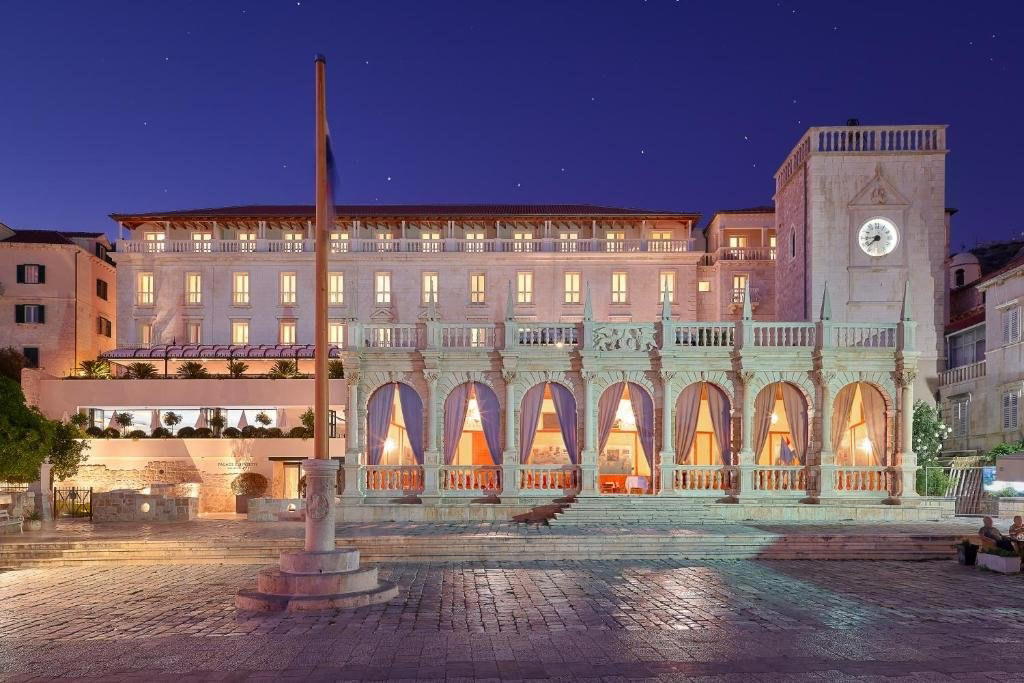
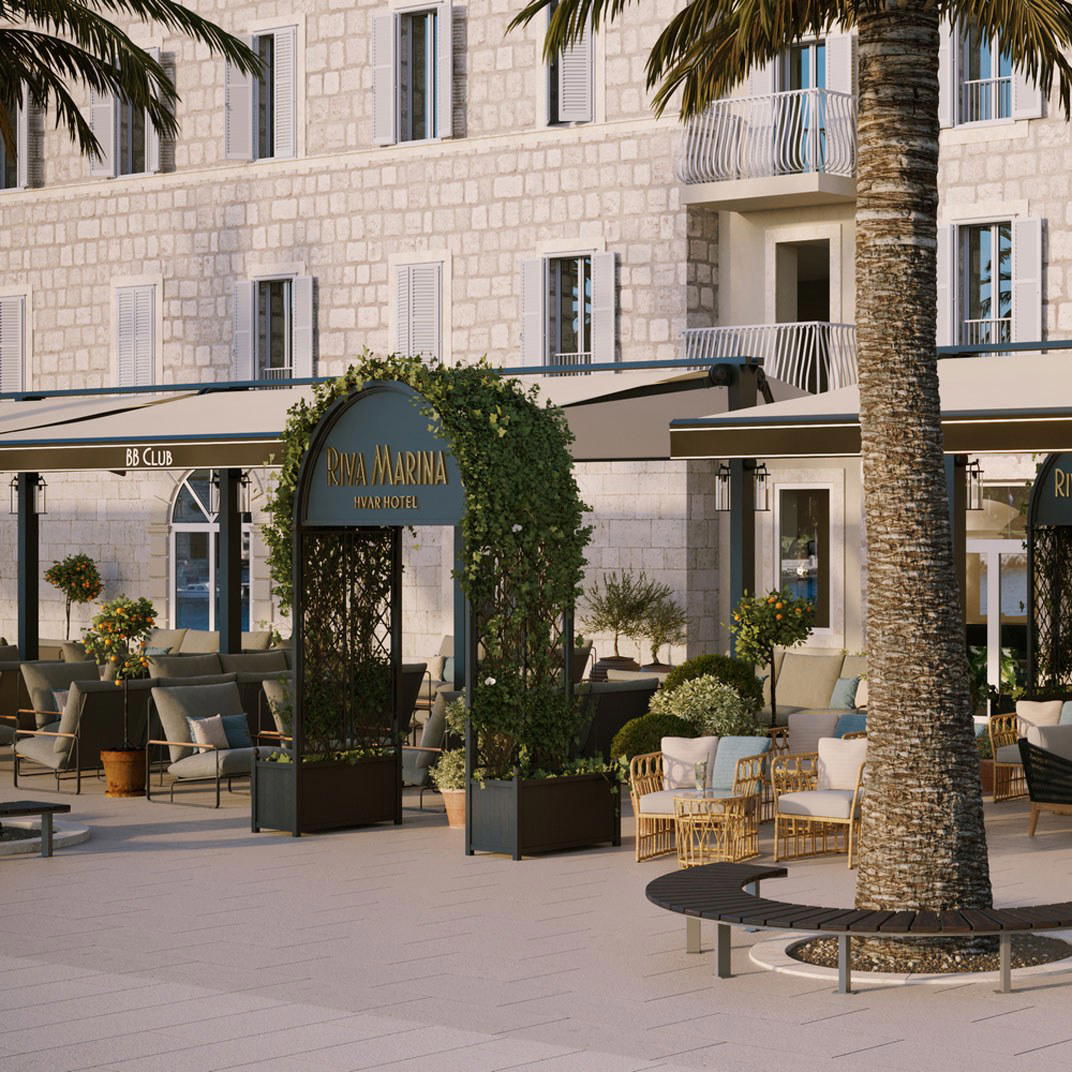
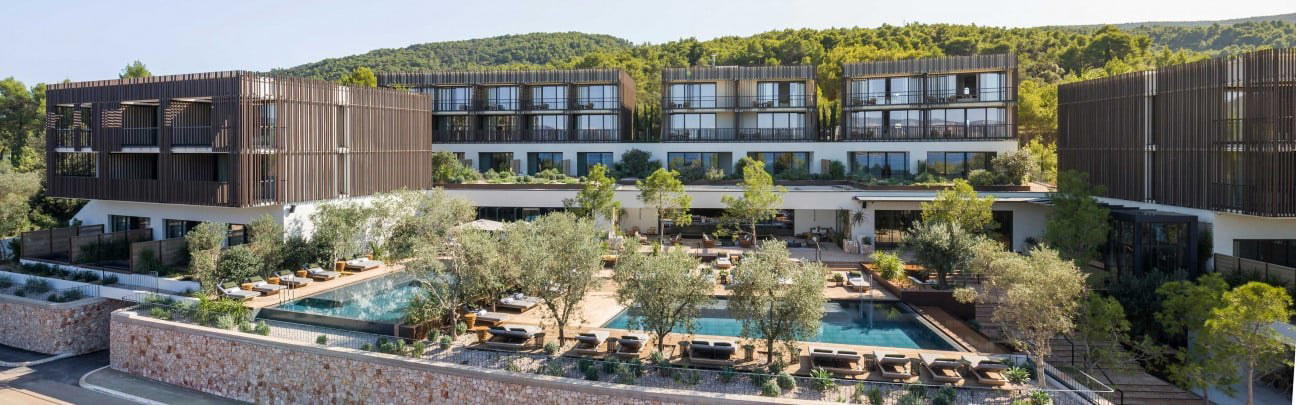
Hvar’s dining choices are difficult to separate from its hotels, because accommodation often sets the tone for where visitors spend the evening. A stay at Palace Elisabeth Hvar Hotel places the traveller in the town’s historic centre, close to the polished promenade circuit. Riva Hvar Yacht Harbour Hotel belongs to a more conspicuous harbour rhythm, where arrivals, aperitifs, and late nights sit close together. Hotel Moeesy, Blue & Green Oasis and Littlegreenbay Hotel point toward the island’s softer resort register, where landscape, shade, and retreat matter as much as proximity to the main square.
Sirena should be assessed against that spread rather than against a generic city restaurant standard. If a traveller is staying in a hotel with a strong design identity, the evening meal often needs to complement the property rather than repeat it. A harbour hotel can make a quieter meal appealing; a secluded hotel can make a town-facing dinner feel necessary. This is why Hvar planning is less about collecting names and more about balancing the day: swim hours, ferry arrivals, heat, sunset, and how much movement remains appealing after dark.
For broader planning, Our full Hvar restaurants guide gives the restaurant context, while Our full Hvar hotels guide helps connect dinner choices to the right base. Travellers building a complete island itinerary should also compare Our full Hvar bars guide, Our full Hvar wineries guide, and Our full Hvar experiences guide. On an island, the meal is rarely isolated; it is part of a chain of decisions about where to stay, when to move, and how much energy to spend between the beach and dinner.
Architecture and atmosphere as the main editorial filter
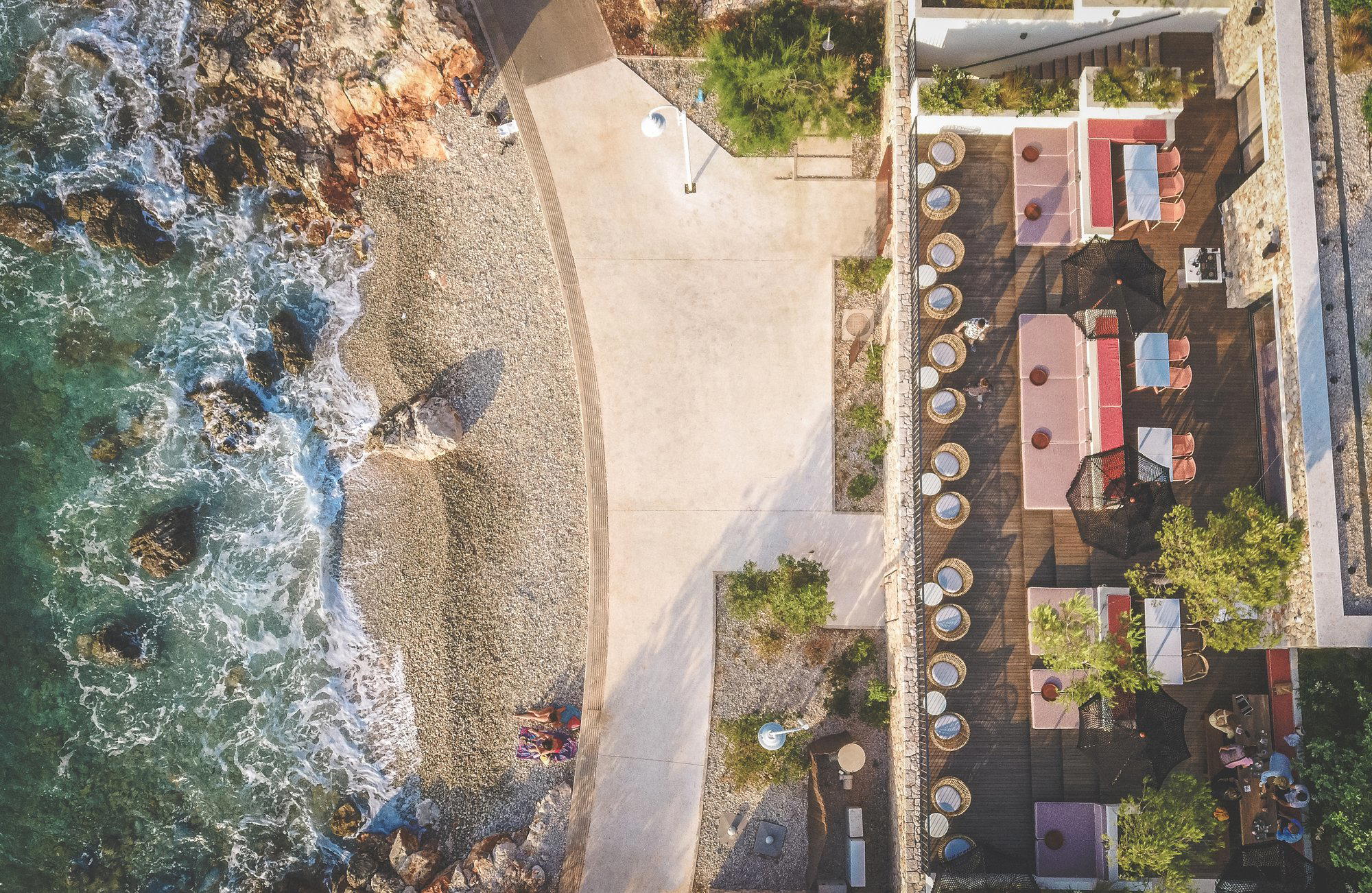
That calls for restraint. The correct reading is environmental: how Hvar’s built and natural conditions frame a venue before any menu claim enters the conversation. In Dalmatia, stone is not just an aesthetic cue; it manages heat, reflects light, and ties a place to older settlement patterns. Terraces are not just pleasant extras; they decide whether dinner feels coastal or merely near the coast. Shade, wind, table spacing, and the transition from daylight to evening are functional design features.
Sirena’s overall feel, then, is leading described as Hvar-first: shaped by the island’s coastal atmosphere rather than by a documented chef narrative or award pedigree. If the visitor wants a place to fold into the physical experience of Hvar, the name belongs in the conversation, provided practical details are checked before the evening is fixed.
This distinction is useful because Hvar can encourage over-scheduling. The island rewards looser timing, but only when the logistical base is secure. A traveller who assumes that every venue publishes full details, takes online reservations, or keeps the same seasonal rhythm risks wasting the better part of an evening. A traveller who treats Sirena as an atmosphere-led option and confirms the essentials in advance is making the more intelligent move.
Practical planning: what to confirm before committing a night
That means Sirena should be planned with direct verification rather than assumption. In Hvar, this is especially relevant from late spring through early autumn, when visitor volume, ferry schedules, private boats, and weather patterns can change the shape of an evening. A venue that feels relaxed in shoulder season may require more planning in July or August; a room that works for a slow dinner may be less suitable if a ferry or transfer is dictating the clock.
Advance booking is the safer course when a Hvar dinner matters to the itinerary. Travellers should verify opening status, reservation procedure, price expectations, and location before setting out. This is not bureaucratic caution. On an island, a missed detail can cost a full evening, especially when taxis, walking routes, boat transfers, or late dining windows are involved.
Dress code is also not listed. Hvar’s summer style tends to be relaxed but not careless, particularly around the harbour and hotel dining circuit. Without a stated code for Sirena, the sensible approach is polished resort casual: comfortable enough for heat and stone streets, composed enough for a proper evening setting. The same practical logic applies to timing. Early evening gives more daylight and often more movement; later dinner aligns with the island’s social pace, but it can reduce flexibility if details have not been confirmed.
Where Sirena fits within a wider Croatia itinerary
Hvar rarely functions as a single-stop Croatia trip for EP Club readers. It is usually part of a coastal sequence, and that wider route changes how a venue like Sirena should be used. Travellers coming from Istria may have just experienced the polished hotel-and-marina register of Grand Park Hotel Rovinj by Maistra Collection in Rovinj or the hill-town character around Hotel Kastel in Motovun. Those contexts sharpen the contrast with Hvar, where the sea is not background scenery but the main organising force.
Further down the coast, D-Resort Šibenik in Sibenik, Falkensteiner Hotel & Spa Iadera in Zadar, and STAYEVA11 in Dubrovnik each represent a different Croatian design condition: marina modernity, resort scale, and old-city apartment intimacy. Island properties such as Pomâlo Inn in Vis, Villa Nai 3.3 in Dugi Otok, and Lešić Dimitri Palace in Korčula place even more emphasis on site, quiet, and architectural restraint.
For travellers extending the route, Boutique Hotel Alhambra in Mali Losinj, Hotel Osam in Supetar, Marea Suites, Valamar Collection in Porec, VERBENICUM in Vrbnik, and Ikador Luxury Boutique Hotel & Spa in Ika widen the comparison across Croatia’s coast and islands. International reference points such as The Fifth Avenue Hotel in New York City, Hôtel de Paris Monte-Carlo in Monte Carlo, and Badrutt's Palace Hotel in St. Moritz show the other end of the spectrum: grand urban or resort institutions where service systems and heritage carry the narrative. Sirena, by contrast, should be read through the lighter but more fragile currency of island atmosphere.
Comparable venues nearby, for context on price, style, and recognition.
| Venue | Cuisine | Price | Awards | Notes |
|---|---|---|---|---|
| SirenaThis venue (the venue you are viewing) | Relaxed beachfront resort hotel in a secluded bay near Hvar Town, positioned as a hideaway with easy access to town by complimentary shuttle and private dock. | $200–300 | Not listed | Not listed |
| Littlegreenbay Hotel | Contemporary luxury guesthouse with minimalist design philosophy emphasizing natural materials and understated elegance. | $300–500 | Not listed | Lozna Bay |
| Hotel Moeesy, Blue & Green Oasis | luxury boutique hotel with grand hotel heritage updated for modern luxury | Not listed | Michelin Selected | Hvar Town |
| Riva Hvar Yacht Harbour Hotel | Boutique heritage hotel blending original architecture with contemporary style | $100–200 | Michelin Selected | Hvar Town |
| Palace Elisabeth Hvar Hotel | Luxury heritage palace blending Venetian and Austrian architectural details with modern comforts | Not listed | 1 Michelin Key · Virtuoso Luxury Hotel Partner | Hvar Old Town |
| Adriatic Hotel by Maistra Collection | Art-infused boutique hotel in historic building | Not listed | Not listed | Old Town Rovinj |
Continue exploring
More in Hvar
Hotels in Hvar
All hotels in Hvar →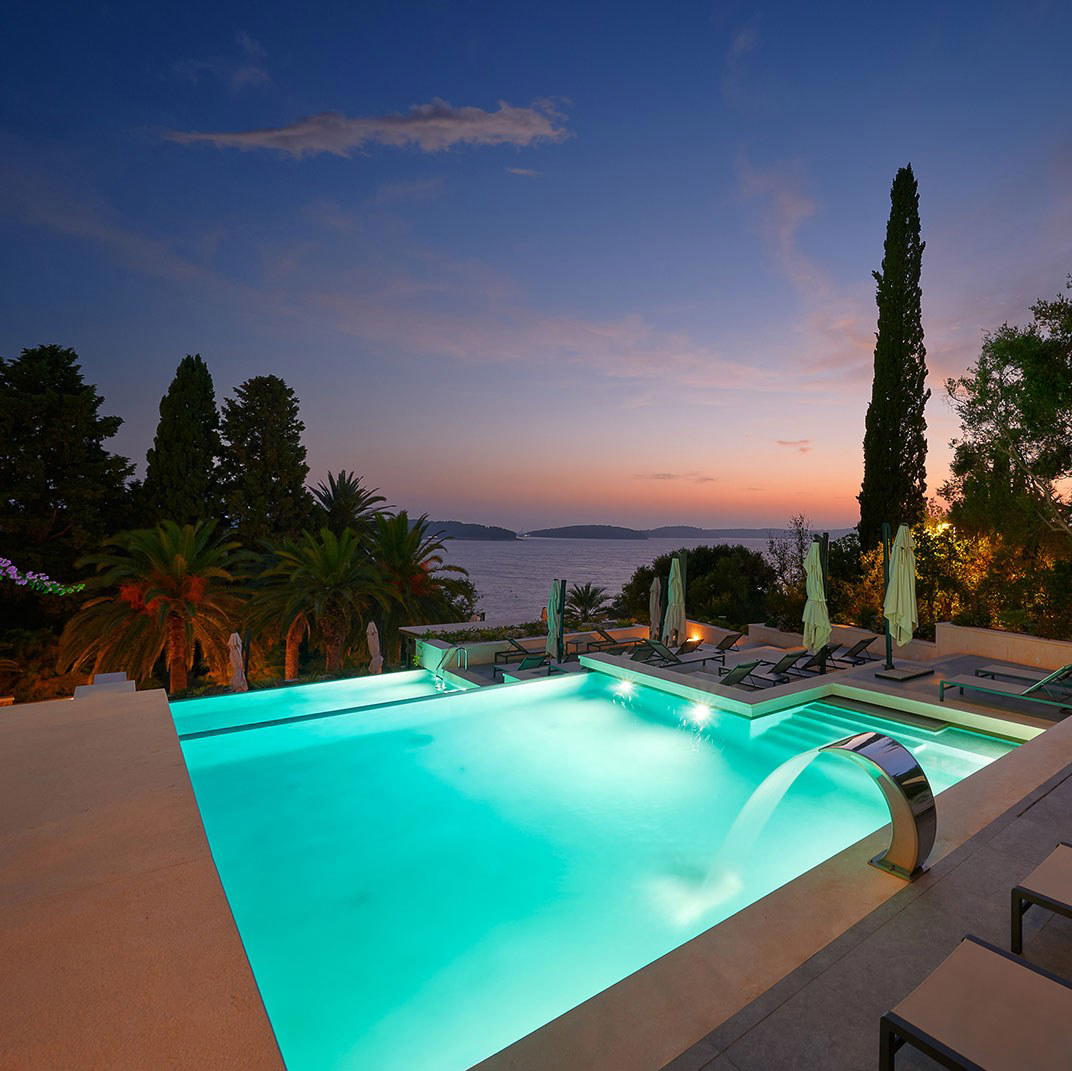
Bars in Hvar
All bars in Hvar →

Details
- Scenic
- Modern
- Elegant
- Intimate
- Weekend Escape
- Romantic Getaway
- Family Vacation
- Group Retreat
- Wellness Retreat
- Beachfront
- Waterfront
- Panoramic View
- Terrace
- Design Destination
- Wi Fi
- Pool
- Spa
- Fitness Center
- Room Service
- Concierge
- Beach Access
- Kids Club
- Waterfront
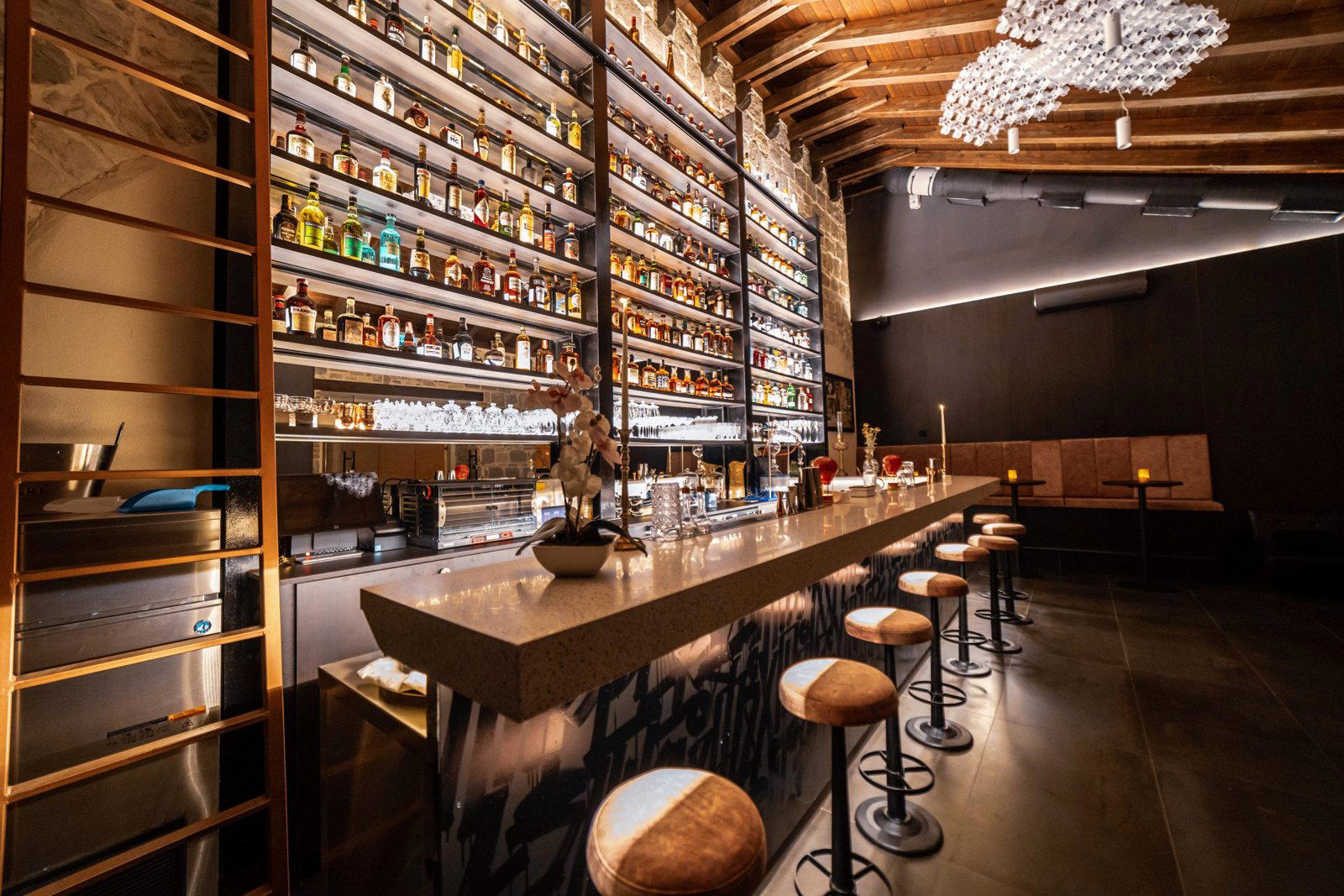
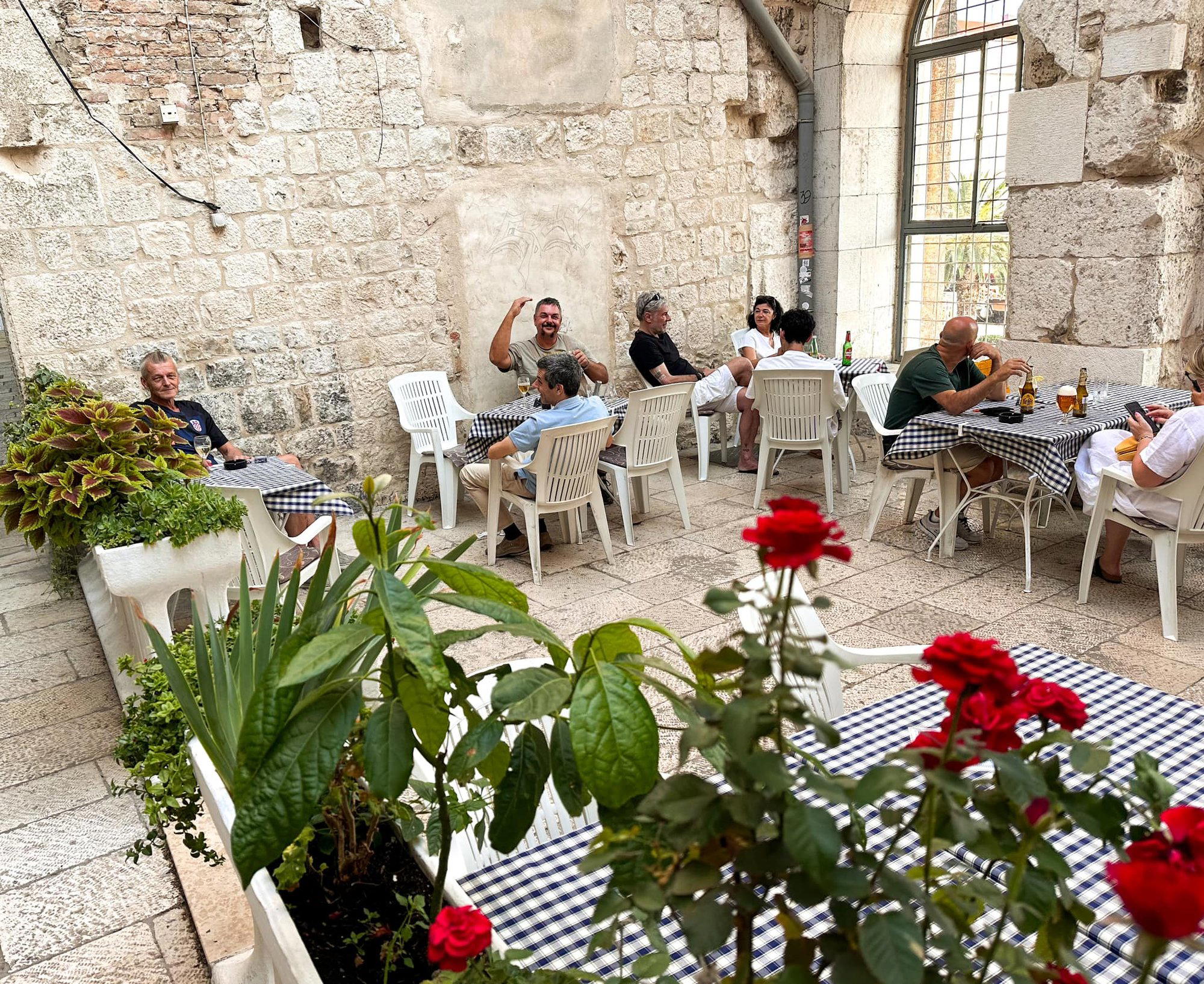
Laid-back, beachy resort atmosphere with modern, design-forward public spaces overlooking the sea; relaxed and informal, focused on tranquil coastal views and outdoor living rather than urban nightlife.