
Falstaff Winery - Listed
Jako vino, also known through the Stina identity, gives Bol a waterfront tasting-room format rooted in Brač stone, native Dalmatian grapes, and the revival of island viticulture. The draw is not cellar grandeur for its own sake, but the way Pošip, Plavac Mali and Vugava are framed through a restored 1903 cooperative building and a sharply modern design language.

Pearl is the En Primeur Club membership app — saves, bookings, and concierge access live there. Same editors, same standards.
- Address
- Bol, Splitsko-dalmatinska županija, Kroatien
- Directions
- Get directions

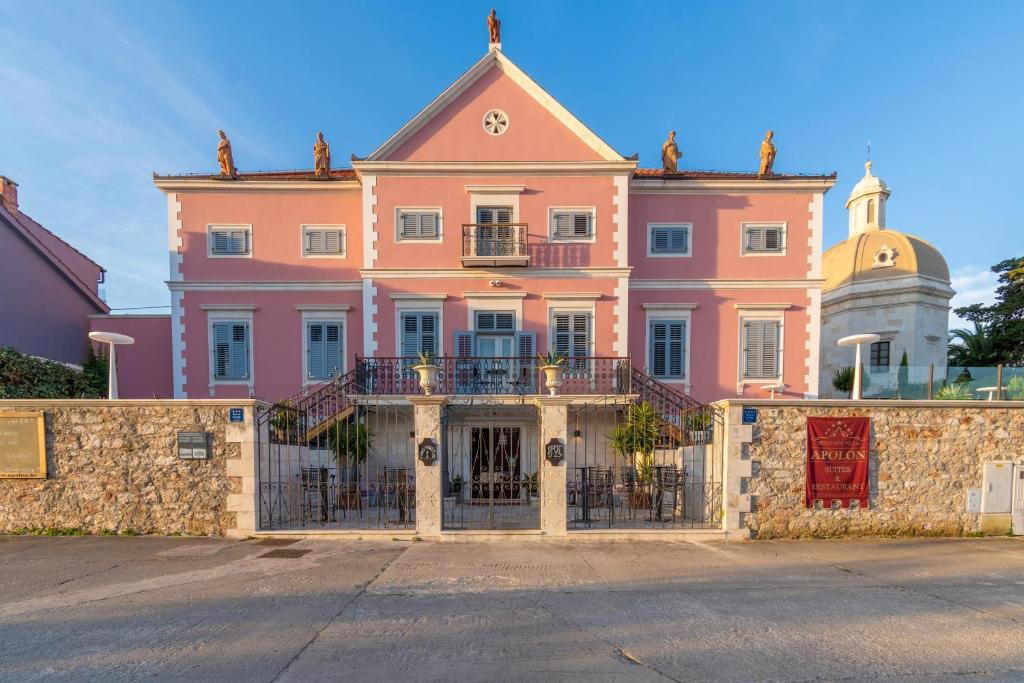
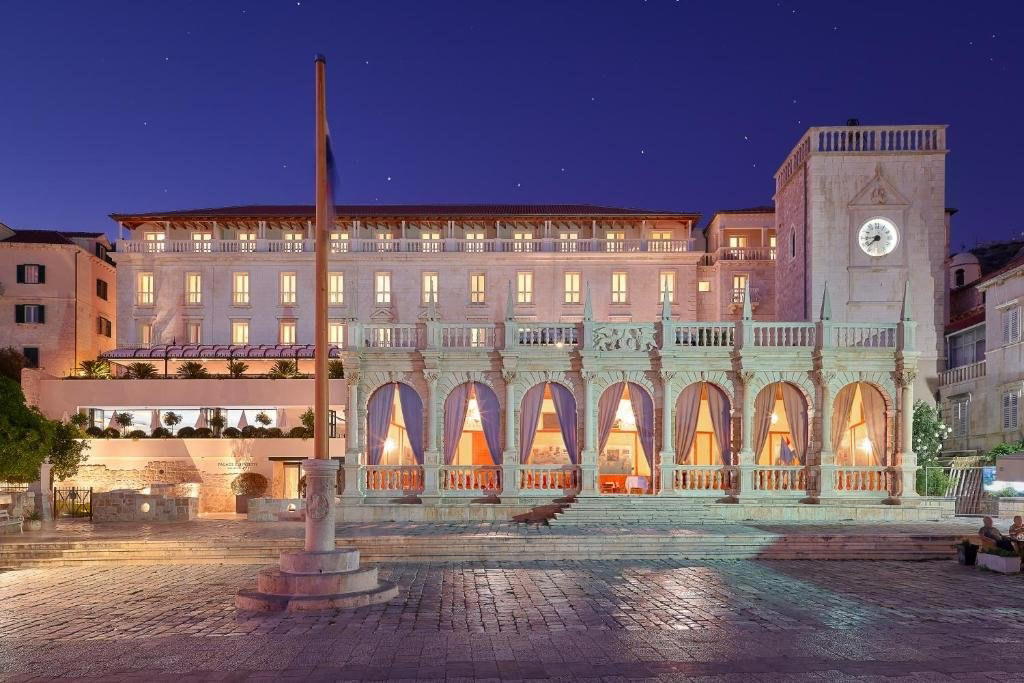
Approaching the waterfront in Bol, the wine story here starts with stone before it reaches the glass. The old Brač Wine Cooperative building, dated to 1903, has been reworked into a minimalist tasting room where the island’s limestone heritage is not decorative background but the central argument. In a coastal wine region often reduced by visitors to beach timing and seafood lunches, Stina gives Brač viticulture a public-facing room with architectural memory, local grape focus, and enough design discipline to feel contemporary rather than folkloric.
That matters because Dalmatian wine tourism works differently from the more estate-heavy models of Tuscany or Bordeaux. The coastline is fragmented by islands, ferry routes, small vineyard parcels, and varieties whose reputations are still being translated for international drinkers. A tasting room in Bol therefore has to do more than pour wine: it has to explain why Pošip, Plavac Mali and Vugava belong in the same conversation as the Adriatic itself. Jako vino, also associated with the Stina Winery name, uses the language of Brač stone to make that case with unusual clarity.
Stone, native grapes and the Brač revival
The defining thread is terroir as material culture. “Stina” means stone in the local Dalmatian dialect, and the identity is tied directly to Brač’s famous limestone. That is more than branding: the tasting-room setting includes old stone features and an interpretive focus on vines in stony soil, placing geology, agriculture and island history in the same frame. Brač has a long winemaking history, with viticulture often traced back to ancient Greek settlement in the Adriatic, yet the modern story is one of recovery after a period of decline. Renovating old vineyards and replanting local sites gives the project a sharper edge than a standard seaside cellar door.
The portfolio follows that regional logic. Pošip anchors the white side, with sourcing connected to Smokvica on Korčula while Brač plantings mature. Plavac Mali supplies the red register, including oak-aged expressions, and Vugava broadens the Dalmatian grape vocabulary beyond the island itself. For travelers used to international-variety tasting flights, the point is educational as much as hedonistic: these are grapes that make sense in heat, sun, salt air and limestone. The wines are not presented as anonymous Mediterranean leisure products; they are mapped to place.
Cellar story also reflects a transitional Croatian model: estate ambition, regional sourcing, and hospitality working together while vineyard renewal catches up. That hybrid approach is common in regions rebuilding reputation, where mature parcels, cooperative history and modern branding often overlap. Here, the old cooperative building carries the historical weight, while the wine list carries the native-grape argument.
A design-led tasting room rather than a rustic cellar door
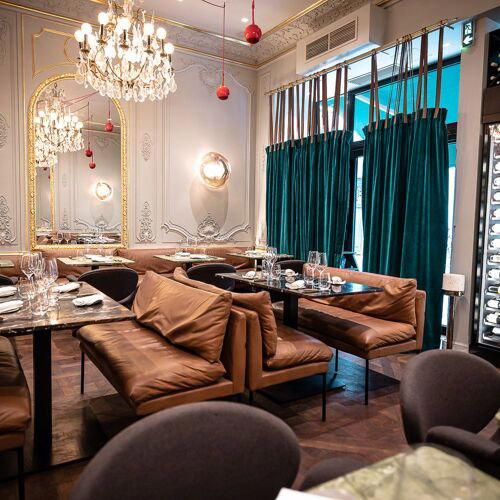
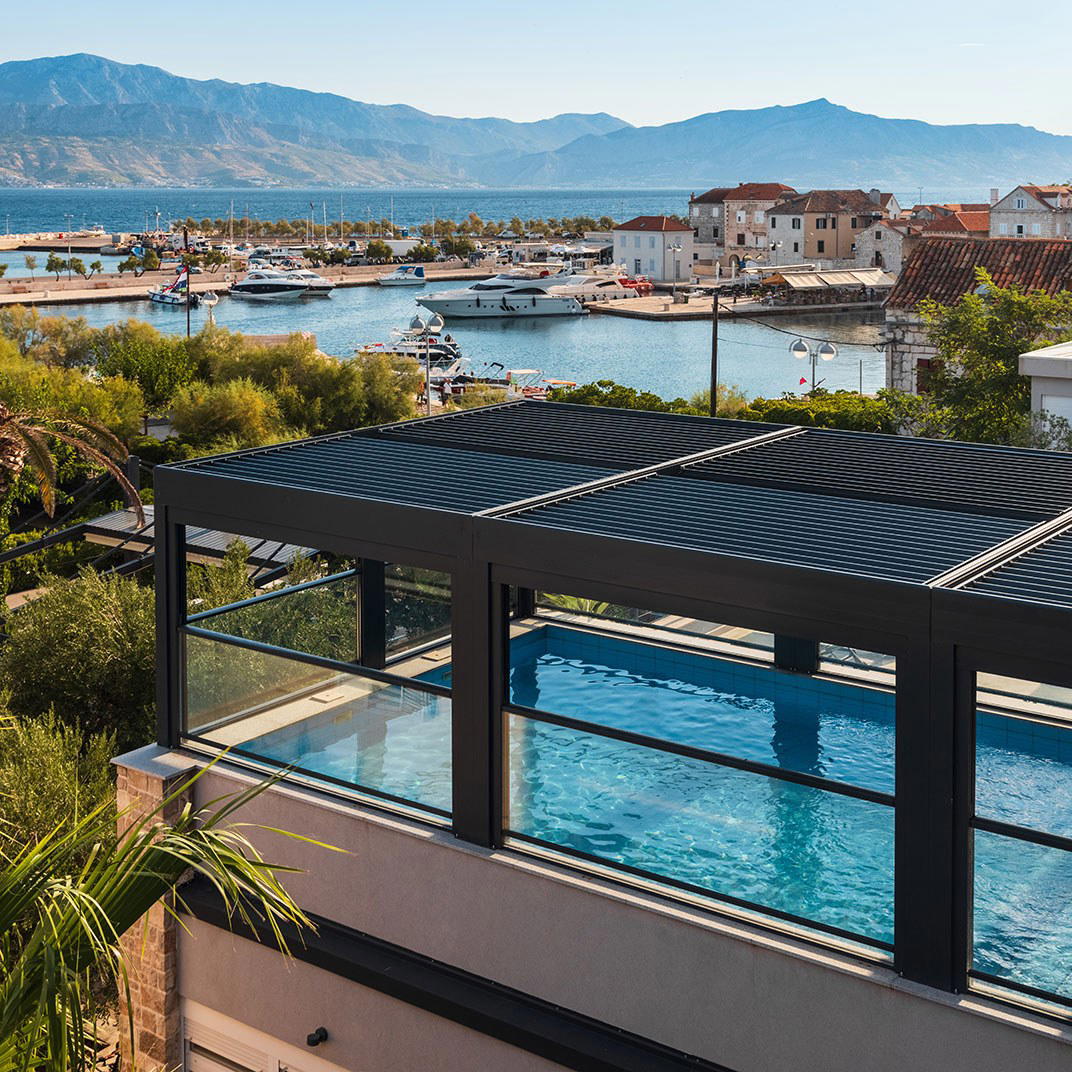
Wine tourism on the Croatian coast can swing between informal family tastings and highly polished destination rooms. This one sits closer to the design-led end of the spectrum, without losing the relaxed tempo of a seaside town. The room’s gallery-like minimalism, stone references and waterfront position create a controlled setting for tasting rather than a purely agricultural visit. That distinction will matter to readers planning a Bol itinerary around more than one stop: pair the tasting with Our full Bol restaurants guide, then use Our full Bol bars guide for the after-dinner part of the evening.
The tasting format is built for accessibility rather than ceremony. Bar tastings, guided tastings, by-the-glass service and food pairing are all part of the offer, with bread, cheese and olives fitting the local-pairing register. The presence of a barrel-room element gives the visit some production context, particularly for Plavac Mali, where oak-aged versions show how the grape can move from seaside drinking to a more structured red-wine idiom. The label design adds another layer: minimalist white labels, embossed naming and a reverse label conceived around the look of etched marble turn the bottle into a continuation of the stone concept.
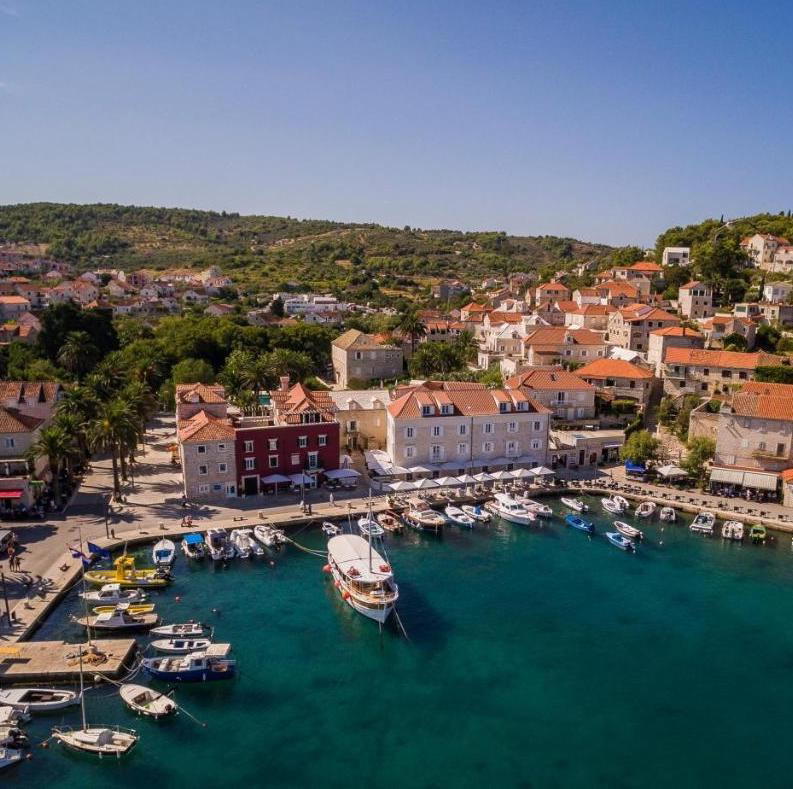
Bol’s broader appeal is compact and coastal, so this is the kind of winery that works especially well inside a mixed day rather than as a remote pilgrimage. Use Our full Bol wineries guide for the wine layer, Our full Bol hotels guide for where to base, and Our full Bol experiences guide for the non-restaurant hours. The room’s waterfront setting also makes it part of Bol’s walking rhythm, not a detour that breaks the day apart.
How to read the glass in coastal Croatia
The useful way to taste here is to follow the island’s argument from white to red. Pošip shows why Dalmatian whites deserve attention beyond the aperitif slot: the grape can carry ripeness and freshness in a warm coastal climate without needing to imitate Chardonnay or Sauvignon Blanc. Vugava, associated with Vis, points to the wider island network that shapes Dalmatian wine. Plavac Mali, especially in oak-aged form, brings the south-facing Adriatic red-wine tradition into the room, with the grape’s natural structure suited to fuller, more contemplative pours.
For a Croatian wine itinerary beyond Bol, the useful comparison is not a single like-for-like peer in the same town, but the range of regional identities across the country. Inland Slavonia reads differently at Adzic in Kutjevo; Skradin brings another Dalmatian register at Ante Sladić Vino in Skradin; Istria changes the conversation again through Arman Marijan Winery in Vizinada, Bastian in Buje and the northern Adriatic cellar culture around the peninsula. On Brač itself, Bakovic in Supetar adds another island reference point, while Baraka Winery in Sibenik shows how mainland Dalmatia frames native varieties through a different coastal setting.
The wider European context also helps. Central European producers such as »der Steiner« Hans Steiner in Podersdorf am See and urban wine formats like & Handwein in Mannheim show how regional identity can be translated through compact, visitor-friendly formats. In Bol, the translation is particularly direct: stone building, stone name, island grapes, waterfront room. The result is a tasting experience that makes Brač legible without flattening it into resort shorthand.
Recognition history
Dated appearances from independent guides and award organizations, with the underlying list record or original source where available.
Falstaff Winery - Listed
Falstaff
Continue exploring
More in Bol
Wineries in Bol
Browse all →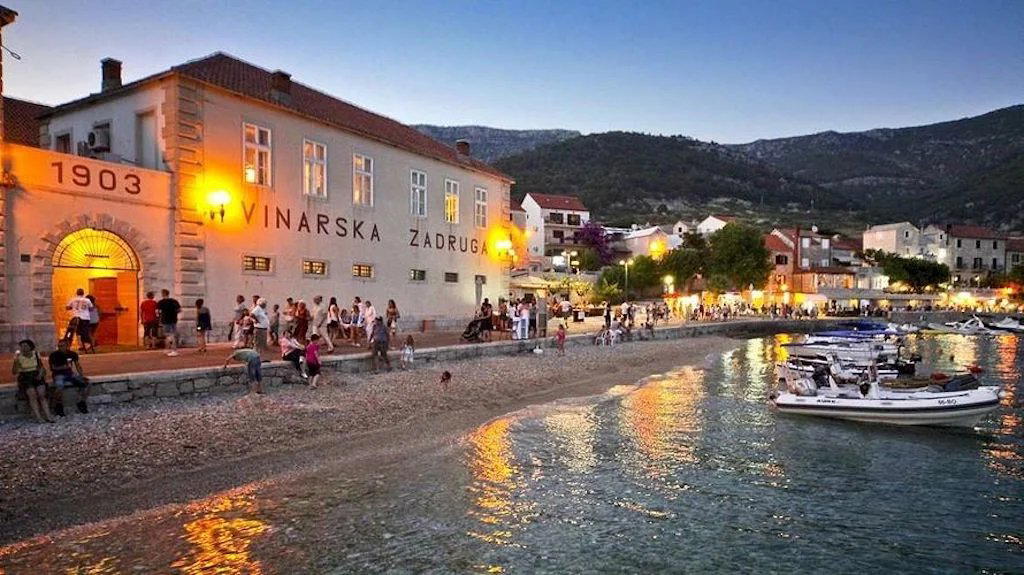
Bars in Bol
Browse all →
Restaurants in Bol
Browse all →
Details
- Scenic
- Modern
- Classic
- Minimalist
- Well Known
- Elegant
- Romantic Getaway
- Group Outing
- Wine Education
- Solo Exploration
- Special Occasion
- Waterfront
- Historic Building
- Design Destination
- Barrel Room
- Sustainable
- Waterfront
- Pošip
- Plavac Mali
- Vugava
- Still White
- Still Red
- Still Rosé
- Bar Tasting
- Guided Tasting
- By The Glass
- Food Pairing
- Croatian
- English
A stylish waterfront tasting room in a beautifully renovated 1903 cooperative building, blending traditional Brač stone features with a modern, gallery-like minimalist design and relaxed seaside atmosphere.