On Dorotheenstraße in central Stuttgart, Nesenbach Brauhaus occupies a position in the city's mid-market dining corridor that sits well apart from the fine-dining tier anchored by Michelin-decorated addresses. The brauhaus format, rooted in Baden-Württemberg's brewing and communal eating traditions, places this address in a broader conversation about how Stuttgart's beer-hall culture has adapted to a more food-conscious dining public.
Pearl is the En Primeur Club membership app — saves, bookings, and concierge access live there. Same editors, same standards.
- Address
- Dorotheenstraße 6, 70173 Stuttgart, Germany
- Phone
- +4971151889034
- Website
- nesenbach-stuttgart.de
- Directions
- Get directions
 Saves & bookings on Pearl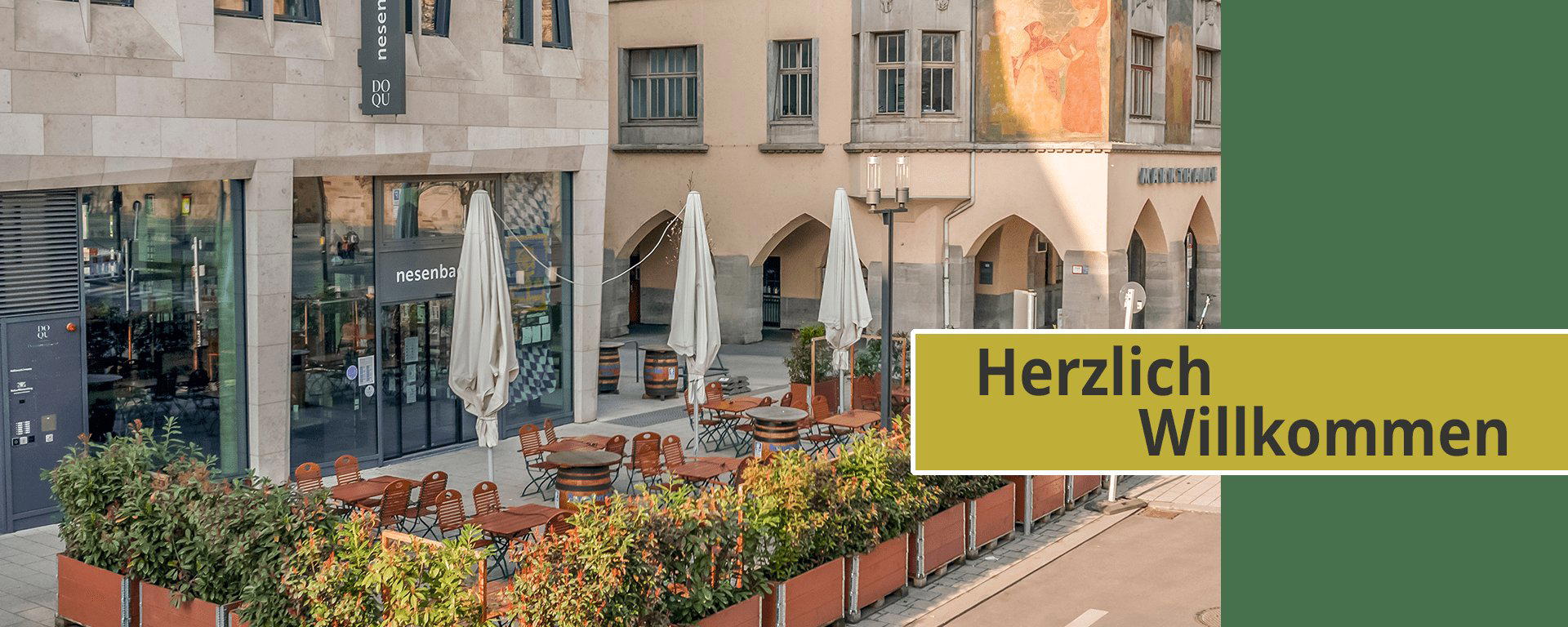
Stuttgart's Brauhaus Tradition, Revisited
The brauhaus as a dining format has undergone more quiet reinvention in the past two decades than almost any other category in German hospitality. What was once a direct proposition, large tables, litre measures, fried protein, and not much else, has split into two recognisable camps. On one side sit the unreconstructed halls that function more as drinking venues with food as an afterthought. On the other, a smaller group of addresses has absorbed the aesthetic and communal energy of the brauhaus while pushing the kitchen toward something more considered. Nesenbach Brauhaus, at Dorotheenstraße 6 in the heart of Stuttgart's city centre, belongs to the second category, at least in intent and positioning.
Stuttgart itself is a dining city defined less by international hype than by strong regional traditions. The Michelin-decorated tier here, addresses like Speisemeisterei, Délice, and 5, operates at a level that competes credibly with stronger examples from Germany's dining circuit. But the city's strength has always been in the middle registers: the weinstube, the markthalle counter, the neighbourhood brauhaus. These formats have retained more of Stuttgart's genuine food culture than the white-tablecloth rooms, and they're where the city's culinary evolution is most honestly tracked.
What the Brauhaus Format Has Become
The evolution of the brauhaus kitchen reflects a broader German shift in how diners relate to traditional food. Baden-Württemberg's culinary heritage is built around Swabian staples, Maultaschen, Spätzle, Zwiebelrostbraten, and for decades the brauhaus was the institution that kept these dishes in daily rotation, for better and worse. The risk of the format is calcification: menus frozen in amber, technique unchanged, quality variable. The opportunity is in the opposite direction: kitchens that use the familiarity of Swabian cooking as a foundation and bring more rigour to sourcing, execution, and seasonal adjustment.
At the level of the city's dining scene, Nesenbach Brauhaus sits in a different bracket from the creative and modern cuisine addresses clustered around Stuttgart's fine-dining identity. Places like Der Zauberlehrling and Hegel Eins operate with tasting-menu logic and ingredient-forward ambition. The brauhaus format operates with different priorities: accessibility, volume, conviviality, and a price point that keeps the room mixed. These are not lesser values, they are simply a different contract with the diner.
The Address and What It Signals
Dorotheenstraße 6 places Nesenbach Brauhaus firmly inside Stuttgart's commercial centre, close to the Hauptbahnhof corridor and within walking distance of the Schlossplatz. This is not a destination-neighbourhood address in the way that Stuttgart's hillside residential quarters produce, it is a city-centre operation that draws from the office lunch crowd, from tourists oriented around the main sights, and from locals who want a familiar anchor in a part of the city that skews heavily toward chain hospitality. The brauhaus survives in this environment by offering something the chains structurally cannot: the atmosphere and identity of a format with genuine regional roots.
The name itself carries local significance. The Nesenbach is the historical stream that once ran through Stuttgart's centre before being culverted in the nineteenth century. Naming a brauhaus after a subterranean waterway speaks to a particular kind of civic rootedness, the kind of reference that works for locals and signals something to visitors willing to look beneath the surface of the city.
How Stuttgart's Brauhaus Scene Fits the Wider German Picture
To understand where the restaurant sits in Germany's broader dining hierarchy, it helps to know what stronger examples from the German restaurant ladder looks like. Addresses like Aqua in Wolfsburg, Schwarzwaldstube in Baiersbronn, and Vendôme in Bergisch Gladbach define one end of the German fine-dining spectrum. Further along the register, places like JAN in Munich, ES:SENZ in Grassau, and Victor's Fine Dining by Christian Bau in Perl represent the starred middle tier. Then there is the much larger universe of traditional and regional addresses, weinstuben, brauhäuser, markthallen, that constitute most Germans' actual relationship with their culinary culture.
The brauhaus category in Germany has not attracted the same international critical attention as, say, the natural wine bar movement or the new German fine-dining wave represented by addresses like CODA Dessert Dining in Berlin or Restaurant Haerlin in Hamburg. But it occupies a structurally important role: it is where regional identity is either preserved or diluted, and where the gap between tradition and contemporary expectation is most visibly negotiated.
For context on how different the fine-dining register operates, even internationally, consider addresses like Le Bernardin in New York or Atomix in New York City, or the technically demanding work at Schanz in Piesport and Waldhotel Sonnora in Dreis. The distance between those rooms and a city-centre brauhaus is not a criticism of either, it is simply a map of how German dining culture stratifies, and where each address fits within it.
Planning a Visit
The restaurant is located at Dorotheenstraße 6, 70173 Stuttgart, in the city's central district. The address is reachable on foot from Stuttgart Hauptbahnhof in under ten minutes, and the surrounding area is well-served by the city's U-Bahn network. For visitors building a Stuttgart dining itinerary that spans multiple registers, this is a logical anchor for a casual midday meal. Check current hours and reservation availability before visiting, especially at lunch and dinner.
Compact Comparison
Comparable venues nearby, for context on price, style, and recognition.
| Venue | Cuisine | Price | Notes |
|---|---|---|---|
| Nesenbach BrauhausThis venue — the venue you are viewing | Not listed | $$ | Not listed |
| Onkel Otto | Gablenberg, Traditional German Schnitzel | $$ | Not listed |
| Zum Becher | Gablenberg, Traditional Swabian German | $$ | Not listed |
| Sansibar by Breuninger | Not listed | $$$ | Gablenberg, Modern German with Seafood Influences |
| Stuttgarter Stäffele | Heslach, Traditional Swabian | $$ | Not listed |
| Schellenturm | Gablenberg, Swabian German Weinstube | $$ | Not listed |
Continue exploring
More in Stuttgart
Restaurants in Stuttgart
Browse all →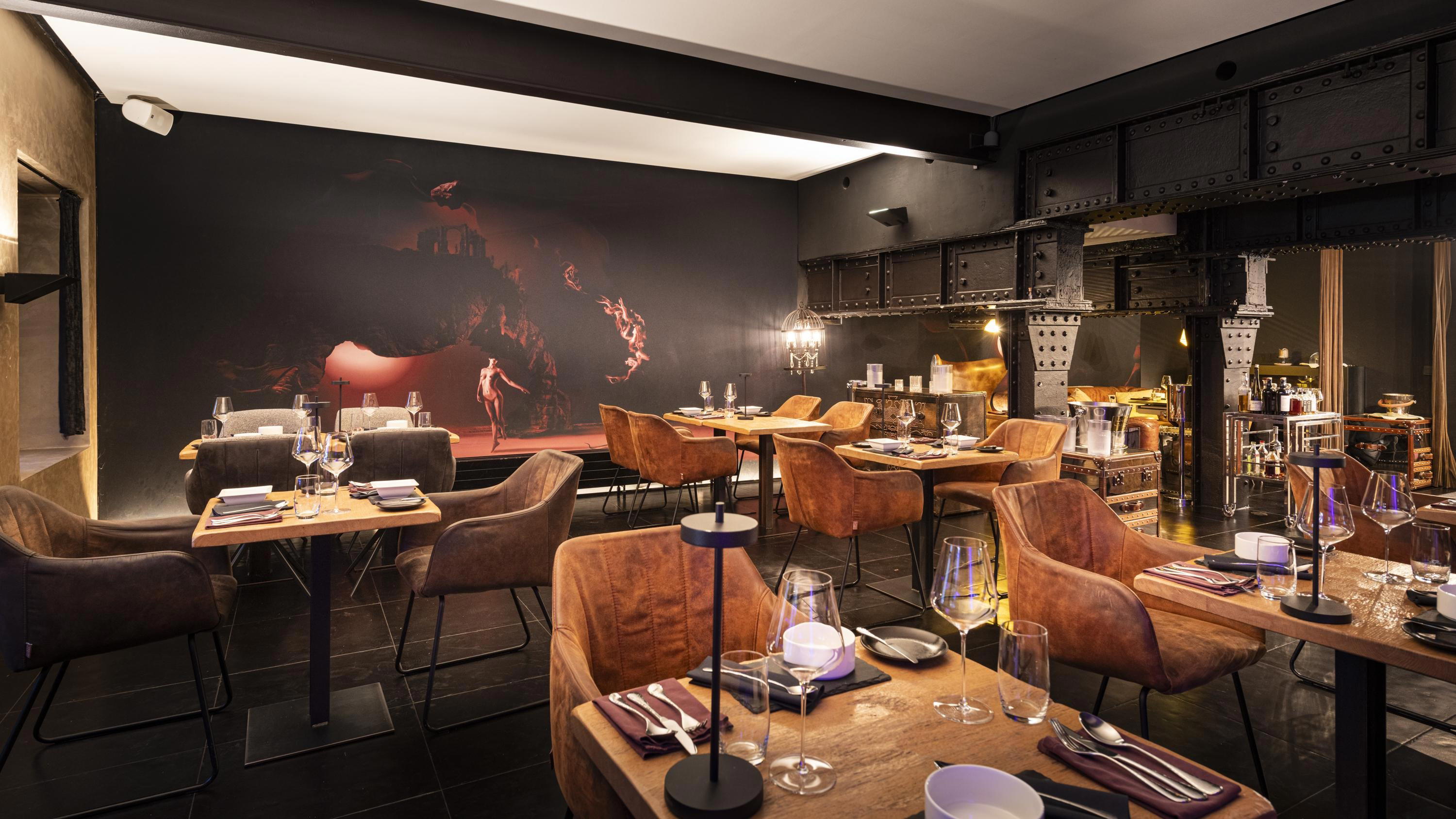
Bars in Stuttgart
Browse all →

Hotels in Stuttgart
Browse all →

At a Glance
- Lively
- Rustic
- Cozy
- Group Dining
- Casual Hangout
- After Work
- Open Kitchen
- Terrace
- Historic Building
- Beer Program
- Local Sourcing
- Street Scene
Current opening hours
- Monday
- 10 AM–11 PM
- Tuesday
- 10 AM–11 PM
- Wednesday
- 10 AM–11 PM
- Thursday
- 10 AM–12 AM
- Friday
- 10 AM–12 AM
- Saturday
- 9 AM–12 AM
- Sunday
- 12–9 PM
Hours can change for holidays and private events. Last verified .
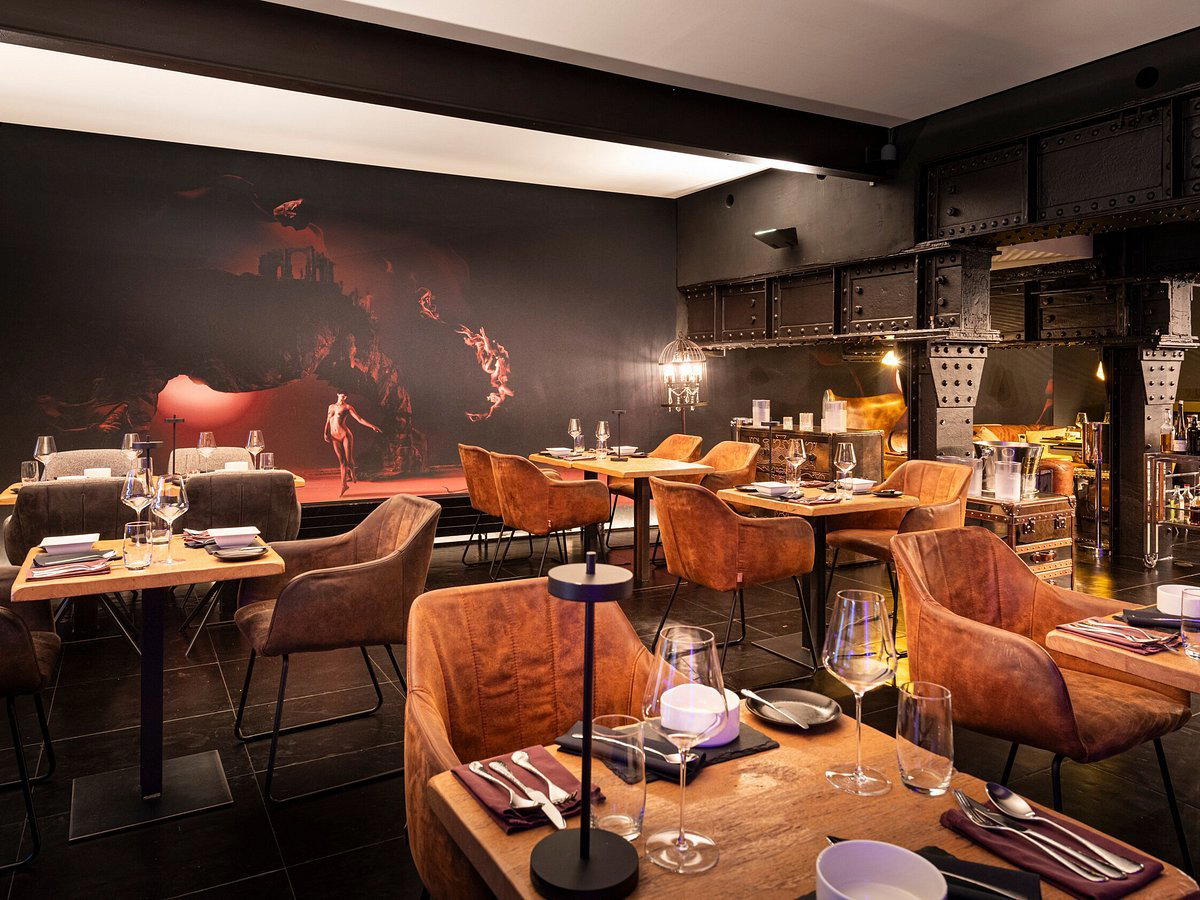
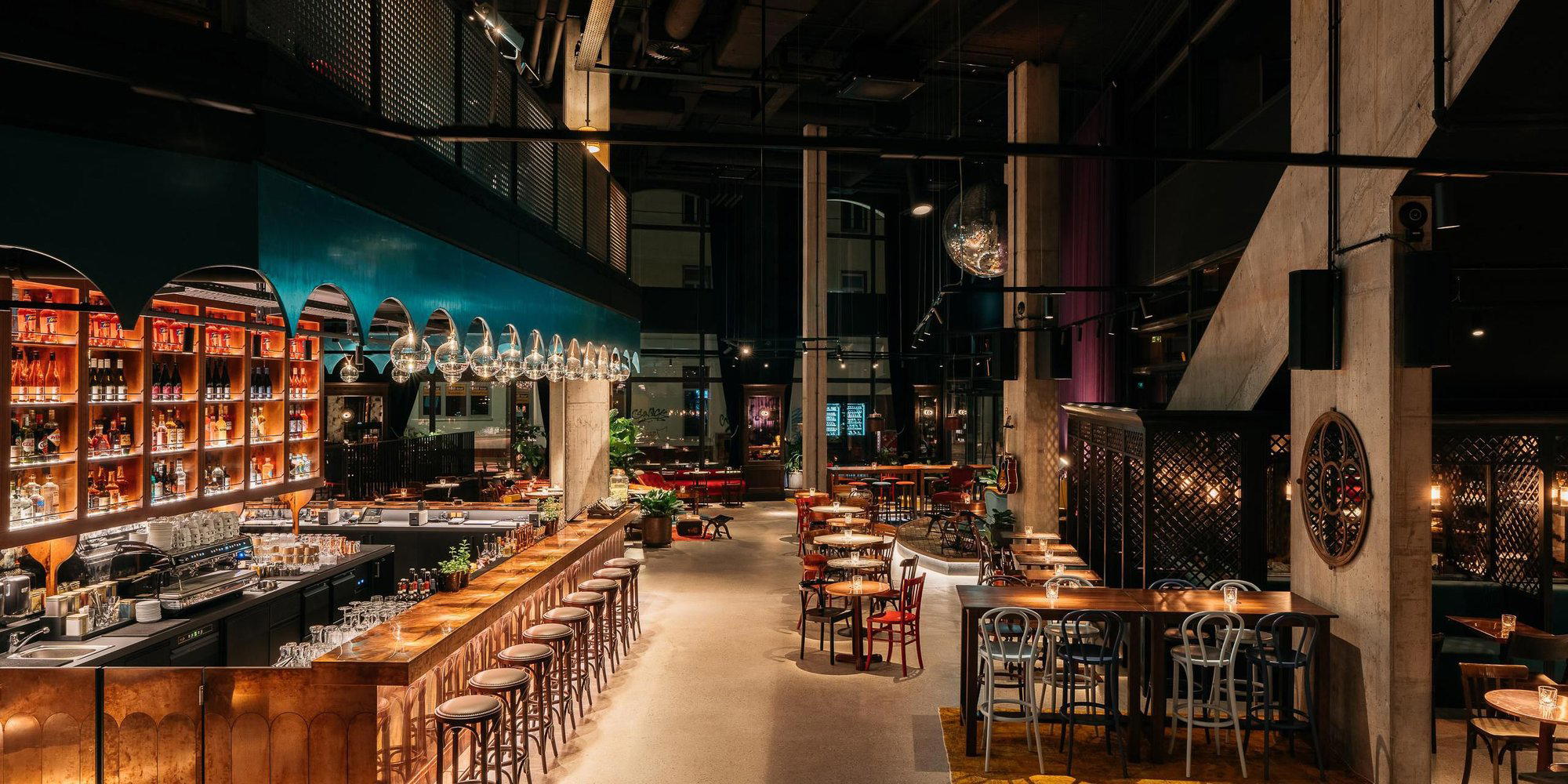
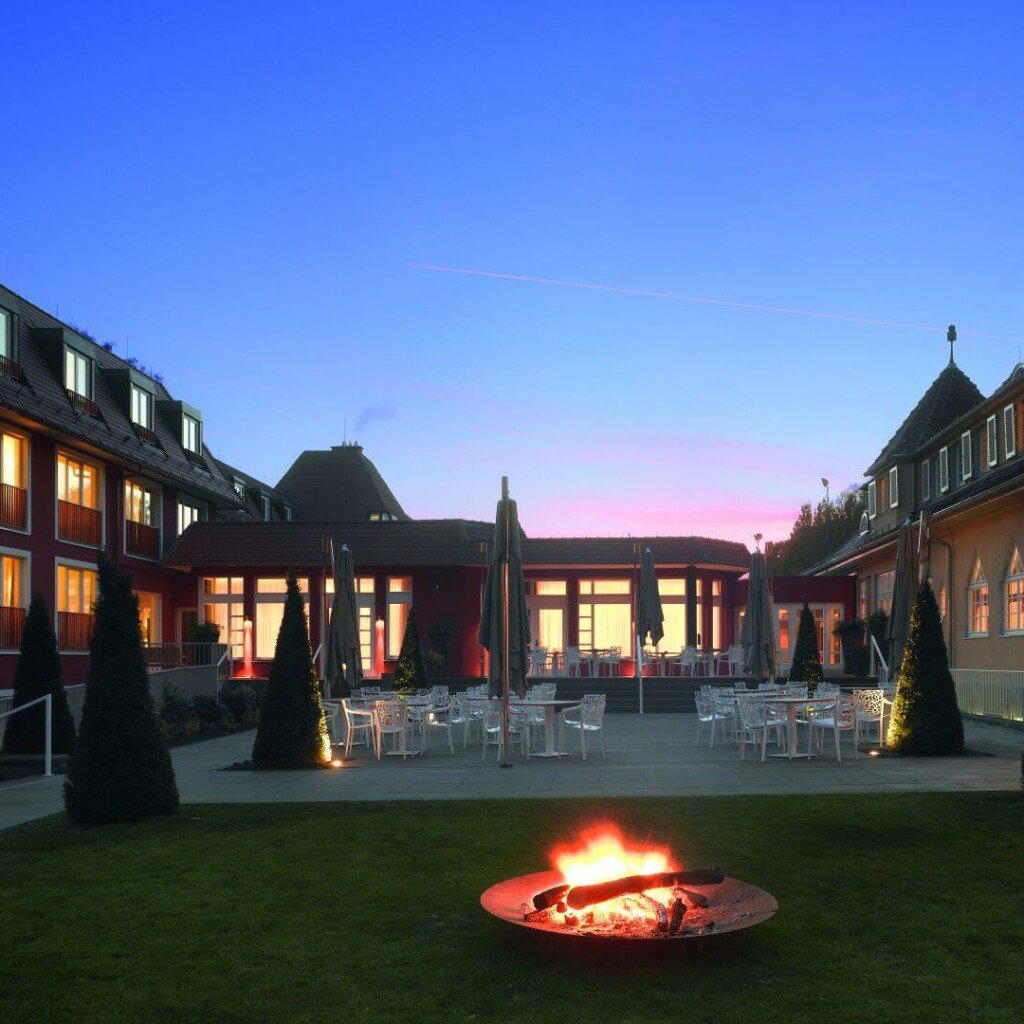
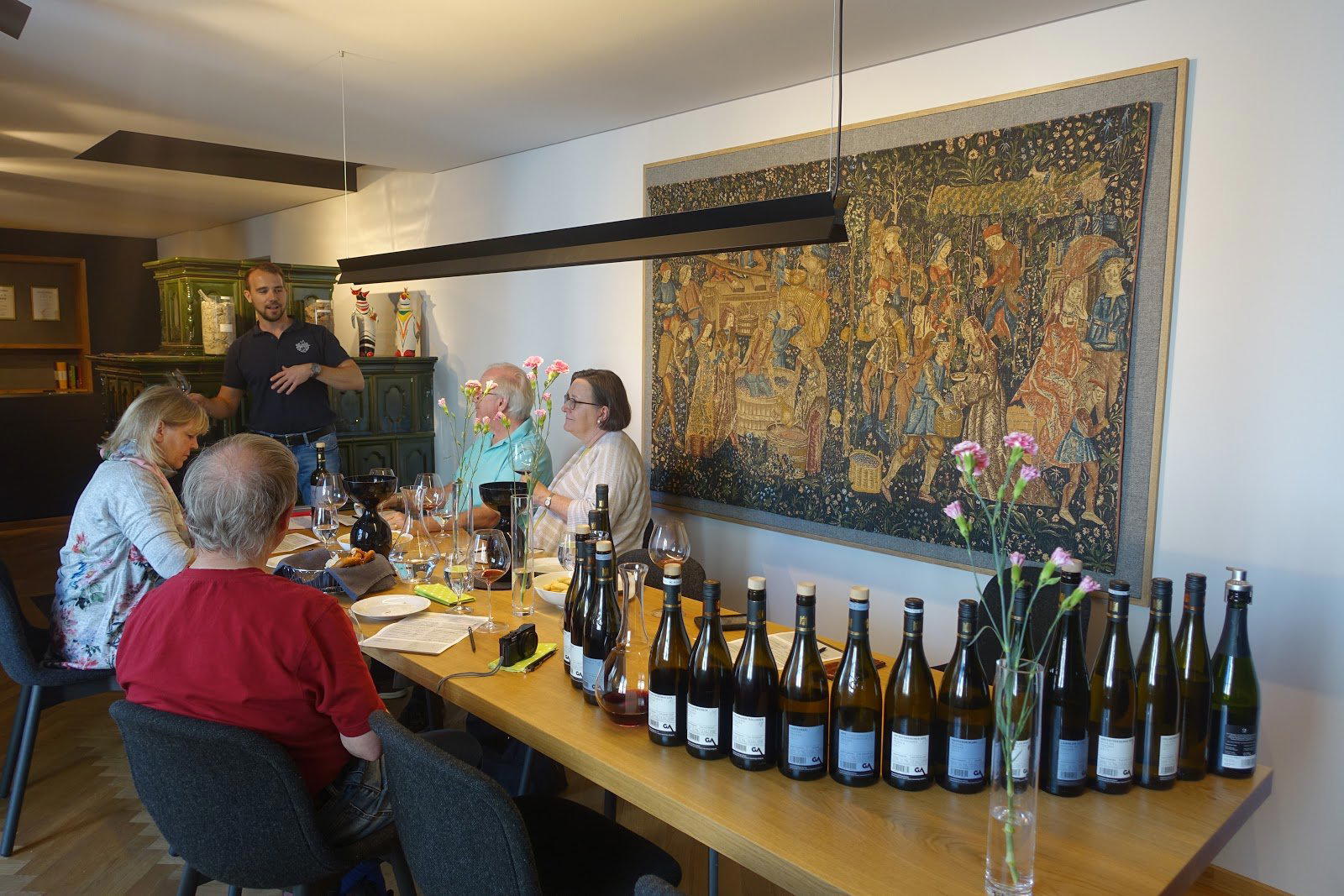
Energetic Brauhaus atmosphere with cozy seating, suitable for casual meals and events.