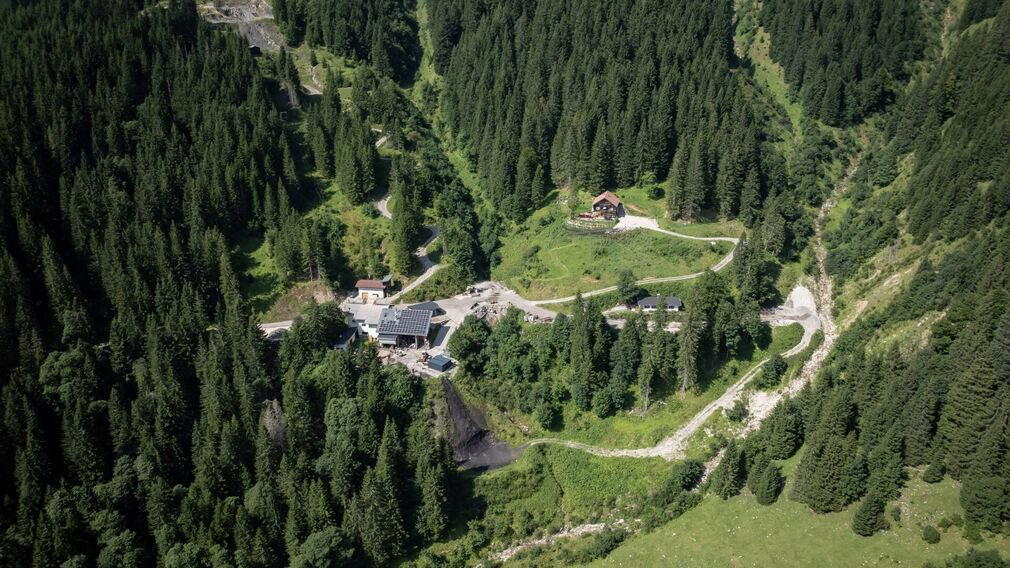
Patscheralm sits on the slopes of Patscherkofel above Innsbruck, operating within a tradition of Alpine hut dining where proximity to the mountain environment shapes what lands on the table. The kitchen draws from the immediate terrain, placing it in a category of Austrian alpine restaurants where sourcing geography and seasonal rhythm carry more weight than formal fine-dining structure.
Pearl is the En Primeur Club membership app — saves, bookings, and concierge access live there. Same editors, same standards.
- Address
- Patscherkofel 9, 6082 Patsch, Austria
- Phone
- +436644053026
- Website
- patscheralm.com
- Directions
- Get directions
 Saves & bookings on Pearl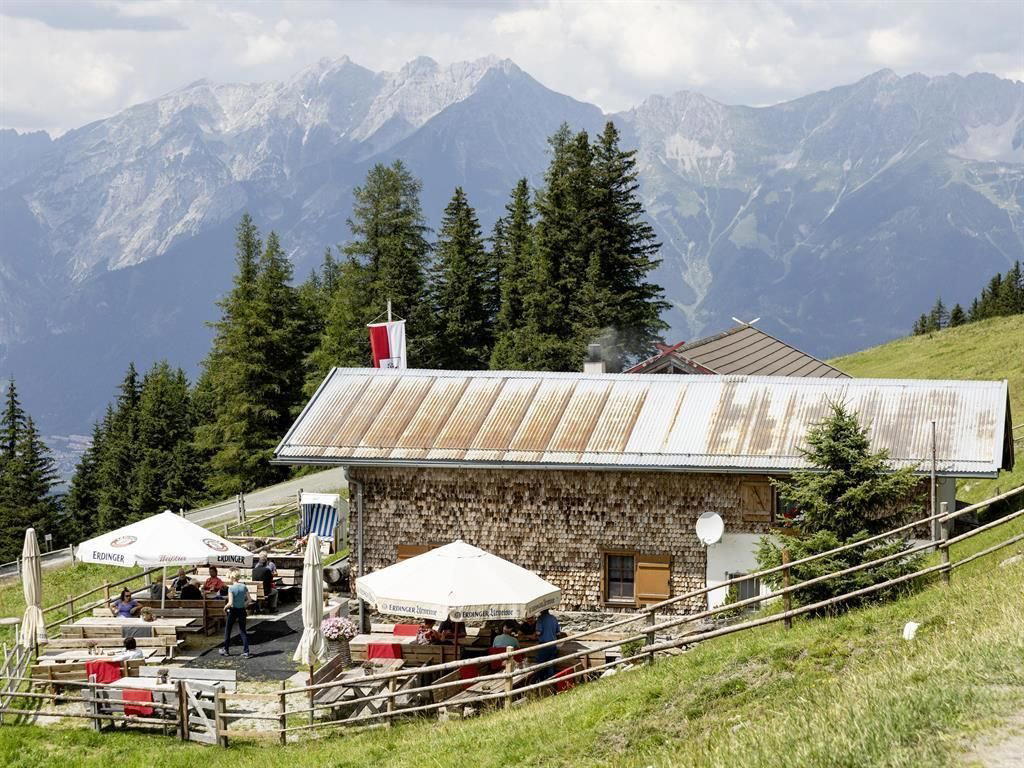
The Mountain Above Innsbruck, and What It Puts on the Plate
Austria's alpine restaurant tradition divides into two fairly distinct registers. There is the resort-town fine-dining circuit, where tasting menus, Michelin credentials, and wine programs compete for a seasonal ski-tourism clientele, venues like Griggeler Stuba in Lech or Stüva in Ischgl operate in this upper tier. Then there is the Almwirtschaft format: working mountain huts and pasture restaurants whose kitchen logic is determined not by a chef's creative program but by what the surrounding land produces and when. Patscheralm, on the slopes of Patscherkofel directly above Innsbruck, belongs to this second category, and that distinction carries real implications for what you eat there.
The Patscherkofel is the home mountain of Innsbruck, a familiar silhouette for the city below and accessible enough that it functions as a year-round destination for locals rather than a once-a-season pilgrimage. That accessibility shapes the restaurant's position: it feeds a clientele that includes serious hikers, families on a day out, and cyclists making the climb, not just destination diners willing to plan months in advance. The result is an atmosphere calibrated to the mountain itself rather than to the conventions of Alpine luxury hospitality.
Where the Ingredients Come From, and Why That Geography Matters
Across Austria's serious regional restaurants, ingredient sourcing has become a defining competitive variable. At Döllerer in Golling an der Salzach, the kitchen has built an identity around Alpine-region sourcing as an explicit creative framework. At Kräuterreich by Vitus Winkler in Sankt Veit im Pongau, herb cultivation on-site drives the menu's direction. In both cases, sourcing geography is a conscious culinary argument. At an Almwirtschaft like Patscheralm, the sourcing logic precedes the culinary argument: the mountain provides what the mountain provides, and the kitchen works within that constraint rather than around it.
The Patscherkofel sits within a broader zone of Tyrolean agricultural tradition where summer pasture grazing, local dairy production, and foraged ingredients from the surrounding forest and meadow have supplied mountain kitchens for generations. This is not a marketing frame applied retrospectively to justify a sourcing premium. It is the structural condition under which a mountain hut kitchen operates. The seasonality is enforced by altitude and weather, and the shortness of the supply chain is a consequence of location rather than a considered procurement strategy. For diners oriented toward provenance, this distinction matters: the ingredients arrive at the table because they come from the immediate surroundings, not because a sourcing director made a decision to feature them.
This positions Patscheralm within a broader Austrian culinary tradition that Landhaus Bacher in Mautern an der Donau and Obauer in Werfen approach from a more formal register: the idea that Austrian cooking at its most honest is inseparable from specific agricultural geographies. The difference is scale and register, not underlying principle.
The Experience on the Mountain
Reaching Patscheralm means either taking the Patscherkofelbahn gondola from Igls, on Innsbruck's southern edge, or making the ascent on foot or by bike through the forest trails that cross the mountain's lower slopes. The gondola is one practical approach and places the restaurant within easy reach without requiring significant hiking commitment, a factor that distinguishes Patscherkofel dining from more remote Tyrolean hut experiences where the approach journey itself functions as a threshold condition.
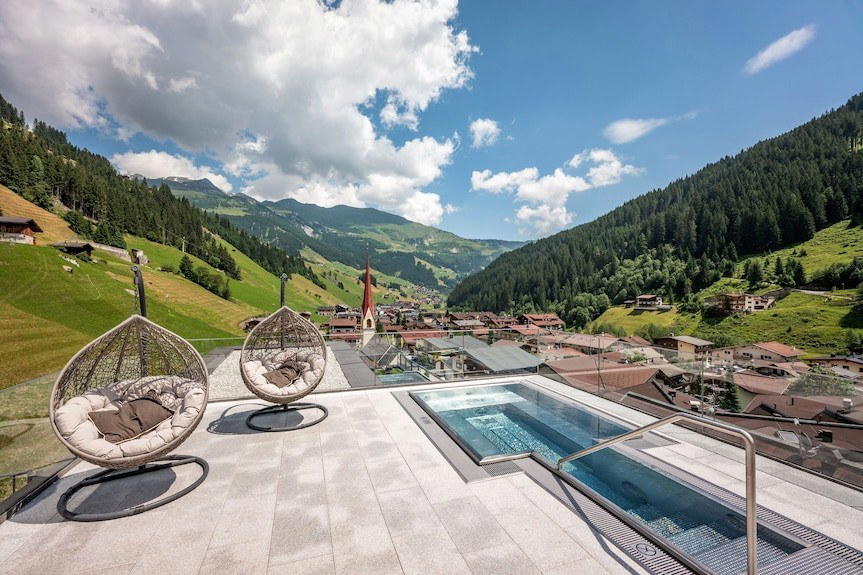
The physical setting above the treeline, with views that extend across the Inn valley toward the Northern Chain of the Alps, belongs to the category of mountain eating where the surrounding environment is part of the proposition. Austrian alpine food in this context, dairy-forward, herb-inflected, rooted in the Tyrolean kitchen vocabulary, reads differently against that backdrop than it would at street level in Innsbruck. The temperature differential alone, even in summer, changes how dishes land. The same logic applies at Gourmetrestaurant Tannenhof in Sankt Anton am Arlberg, where elevation and mountain context are integral to the restaurant's sensory argument, even when the kitchen's ambitions sit at a higher formal register than a traditional Alm.
For visitors arriving from Innsbruck, the proximity is worth stating plainly: Igls is reachable from the city center by tram, and the gondola station at Igls puts the Patscherkofel within a direct half-day excursion. This makes Patscheralm one of the more accessible mountain-hut dining experiences within range of a major Austrian city, and that convenience anchors it as a practical option rather than a logistical commitment.
Tyrolean Mountain Dining in Its Broader Context
The Tyrolean Alm restaurant category occupies a specific position in Austria's food geography. It sits below the formal fine-dining tier represented by restaurants like Steirereck im Stadtpark in Vienna or Ikarus in Salzburg, but it carries a cultural weight that the resort-hotel restaurant format does not always replicate. The Almwirtschaft has a continuous functional history in the Alps: these were working kitchens serving herders and later hikers before they became destinations in their own right. That history informs the register of the food and the atmosphere in ways that a designed alpine aesthetic, exposed timber, curated Tyrolean objects, restaurant-grade service, does not fully reproduce.
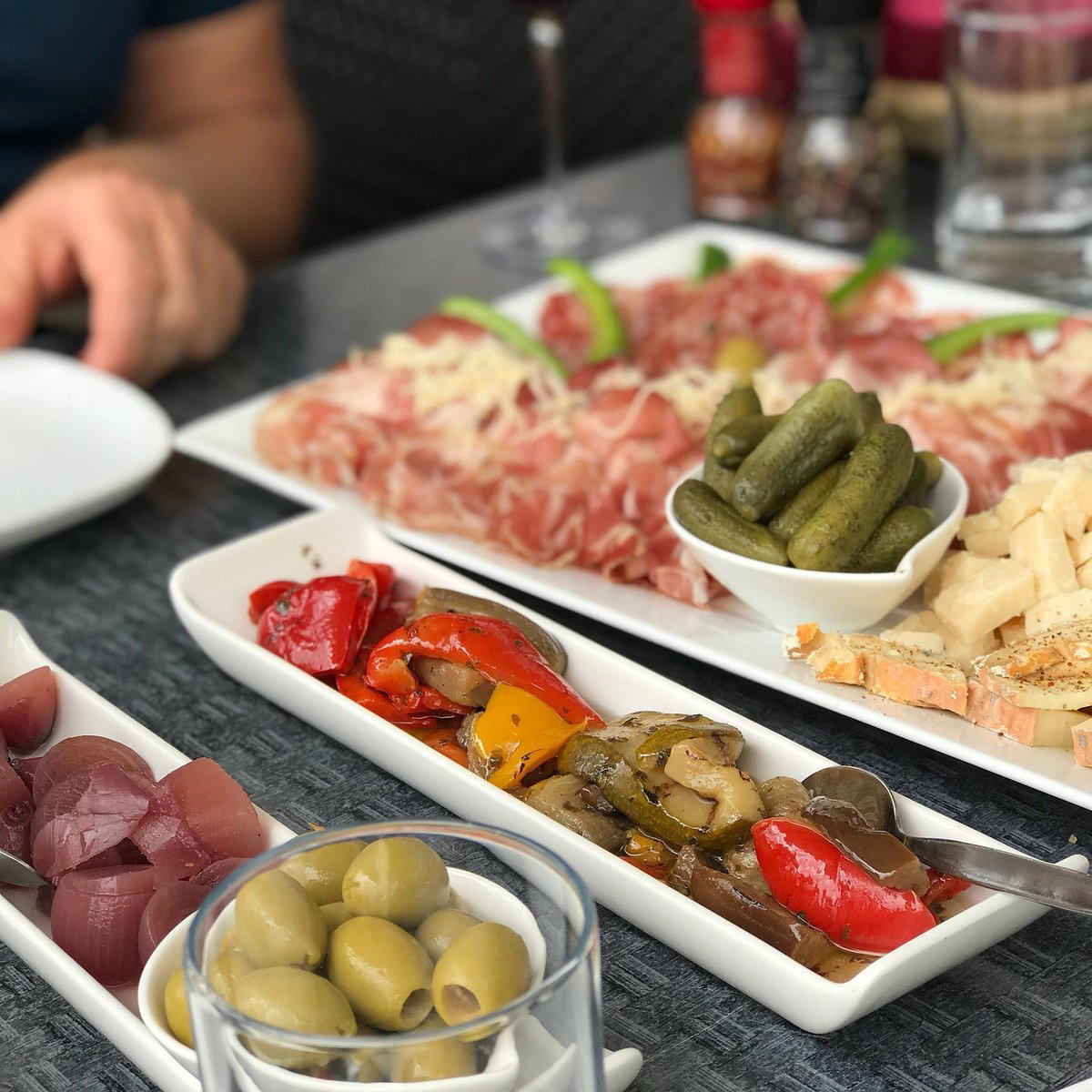
At the level of Austrian regional dining more broadly, the mountain hut kitchen represents a form of culinary continuity that formal restaurants often work to reference or reconstruct. The cheese, the dairy preparations, the Tyrolean Gröstl, the herb-seasoned preparations that track the growing season on the mountain: these are living expressions of a food tradition rather than curated homages to it. That distinction is what places an Alm restaurant in a different conceptual category from, say, Taubenkobel in Schützen am Gebirge or Ois in Neufelden, which work with regional Austrian identity from a more deliberate creative position.
For travelers moving through the Tyrolean alpine circuit and already considering venues like Schwarzer Adler in Hall in Tirol, Restaurant 141 by Joachim Jaud in Mieming, or Atelier Fischer in Sankt Gilgen, Patscheralm represents a different register of the same regional food story, one grounded in place and function rather than in culinary authorship. For readers with an interest in Artis in Graz or the broader Austrian dining scene, our full Patsch restaurants guide maps the local context in more detail.
Planning Your Visit
One practical access point is via the Patscherkofelbahn gondola from Igls, itself reachable from Innsbruck by public tram. The experience works well as a daytime excursion: the combination of the ascent, a meal, and the return descent fits naturally into a half-day from Innsbruck without requiring an overnight stay.
At-a-Glance Comparison
Comparable venues nearby, for context on price, style, and recognition.
| Venue | Cuisine | Price | Notes |
|---|---|---|---|
| PatscheralmThis venue — the venue you are viewing | Traditional Austrian Mountain Hut | $$ | Not listed |
| Berliner Hütte | Traditional Austrian Alpine | $$ | Zillertal Alps |
| die Wilderin | Modern Alpine Tyrolean | $$ | Altstadt (Old Town) |
| Seidlalm | Traditional Tyrolean Austrian | $$ | Ried |
| Gibler Alm | Traditional Tyrolean Alpine Cuisine | $$ | Elbigenalp, Lechtal |
| Blaserhütte | Tyrolean Mountain Hut | $$ | Trins |
Continue exploring
More in Patsch
Restaurants in Patsch
Browse all →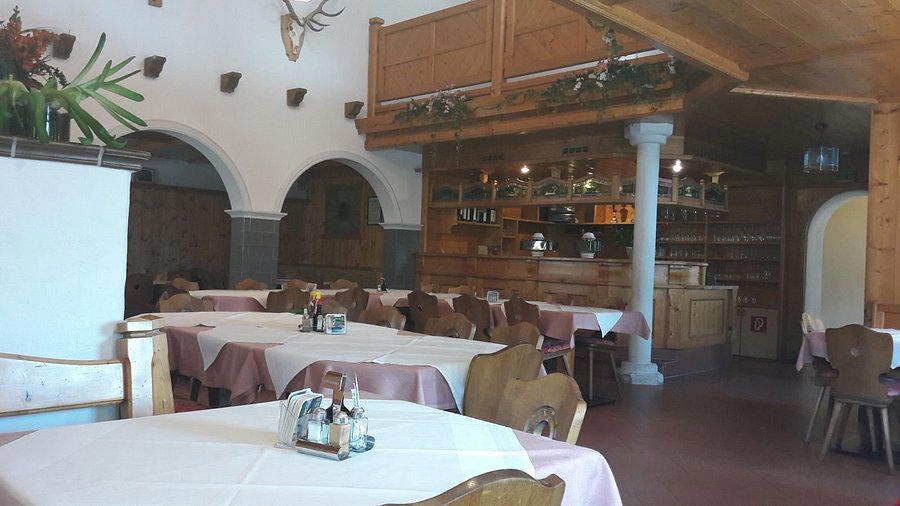
Bars in Patsch
Browse all →
Hotels in Patsch
Browse all →

At a Glance
- Rustic
- Cozy
- Scenic
- Casual Hangout
- Terrace
- Panoramic View
- Local Sourcing
- Mountain
Warm, inviting, and rustic atmosphere well-suited for relaxing after hiking or skiing, with a cozy dining room and sunny terrace.