Blaserhütte sits in Trins, a small village in Austria's Gschnitztal valley, where the Tyrolean Alps shape both the setting and the supply chain. The address alone positions it within a tradition of mountain hospitality that draws from the immediate landscape, placing it alongside a broader network of Austrian alpine dining rooms that take ingredient provenance seriously. For travellers moving through the Inn Valley or approaching from Innsbruck, it anchors a stay with real local character.
Pearl is the En Primeur Club membership app — saves, bookings, and concierge access live there. Same editors, same standards.
- Address
- Trins 162, 6152 Trins, Austria
- Phone
- +436641003778
- Website
- blaserhuette.at
- Directions
- Get directions
 Saves & bookings on Pearl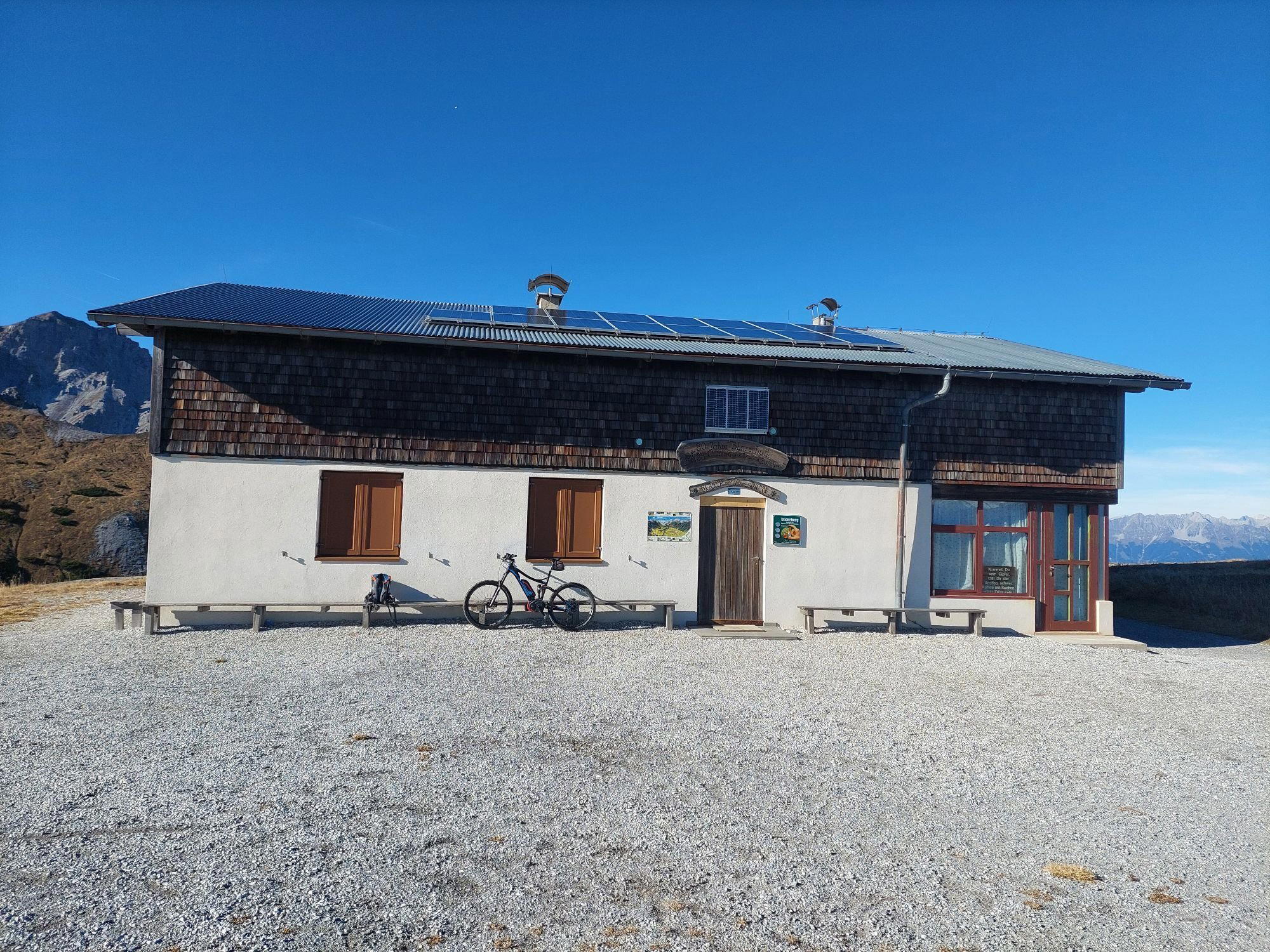
Where the Valley Does the Sourcing
Austria's alpine villages have long operated a particular logic when it comes to food: the mountain dictates the menu. In the Gschnitztal, that logic runs deeper than in the more touristed Tyrolean corridors. Trins sits at an elevation where the growing season is compressed, the grazing land is unfenced in summer, and the proximity to the high pastures is measured in walking minutes rather than supply-chain kilometres. It is in this context that Blaserhütte, addressed at Trins 162, makes most sense as a destination. The building's position in the village is not incidental to the food; in alpine Austria, it rarely is.
The approach to this part of the Stubai Alps rewards attention. The Gschnitztal opens south off the Inn Valley near Steinach am Brenner, and the road narrows quickly into a range of timber farmhouses and terraced meadows. By the time you reach Trins, the surrounding peaks close in enough that the idea of sourcing from elsewhere feels not just unnecessary but faintly illogical. This is the physical argument for hyper-local provenance that Austrian mountain kitchens make more convincingly than almost any urban restaurant claiming the same values.
The Tyrolean Alpine Kitchen in Context
Austria's serious dining scene has spent the last two decades pulling in two directions simultaneously. On one side, urban flagships like Steirereck im Stadtpark in Vienna have pushed Austrian ingredients through a creative, modernist lens. On the other, a quieter strand of regional houses has held to the argument that altitude, seasonality, and immediate geography are themselves a form of culinary discipline, one that doesn't require elaboration so much as clarity.
That second strand runs through properties like Döllerer in Golling an der Salzach, where the kitchen has built a reputation on mountain sourcing taken to a programmatic level, and Obauer in Werfen, which has held its position as one of Austria's benchmark regional tables for decades. Closer to Trins in the Tyrolean alpine zone, Gourmetrestaurant Tannenhof in Sankt Anton am Arlberg and Stüva in Ischgl occupy the upper tier of mountain fine dining. Blaserhütte sits in this broader regional conversation, in a valley that sees considerably less visitor traffic than the Arlberg or the Ötztal, which changes the character of the experience considerably.
Ingredient Provenance as the Structural Argument
The Gschnitztal's relative obscurity is, from a sourcing perspective, an asset. The valley's farmers and herders supply a local market rather than a tourist economy scaled to produce volume, which tends to preserve older breeds, traditional cheese-making methods, and grazing practices that have largely disappeared from more commercially pressured alpine areas. This is the kind of supply environment that restaurants in busier Austrian valleys increasingly have to manufacture through formal farm partnerships; here, it is simply the existing infrastructure.
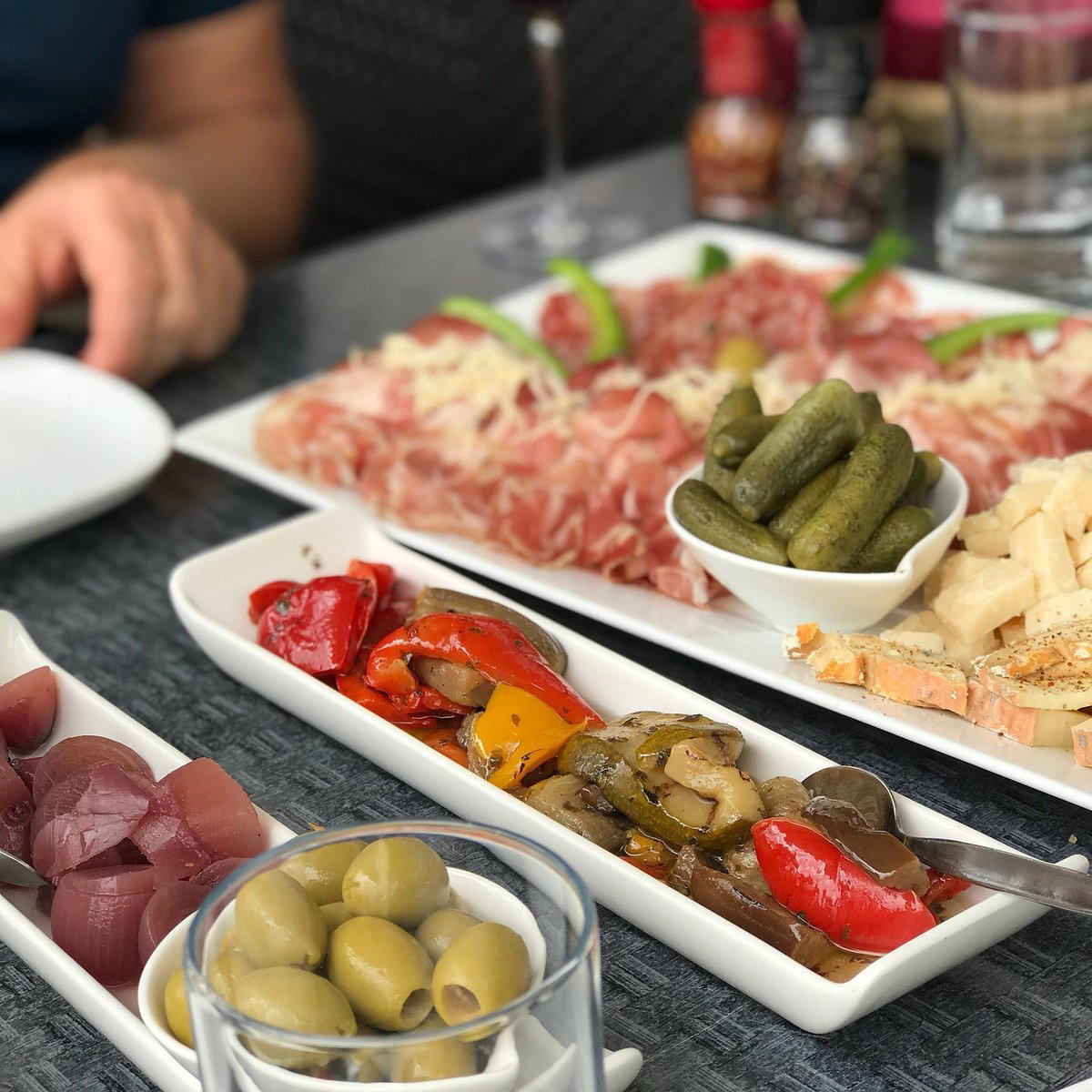
Alpine dairy, cured meats, foraged herbs, and game from the surrounding forests form the backbone of Tyrolean mountain cooking at its most direct. The seasonal compression at this altitude means autumn comes early and spring arrives late, which concentrates the window for fresh produce and gives preserved and fermented ingredients a prominence they hold in few other European traditions at a comparable price tier. Kitchens in this valley work with what the season allows, which is a constraint that produces its own rigour.
For comparison, Austrian establishments that have formalised this sourcing argument most visibly include Kräuterreich by Vitus Winkler in Sankt Veit im Pongau, where the herb garden functions as a kitchen extension, and Griggeler Stuba in Lech, which has positioned its menu around the Vorarlberg alpine pantry. These are the peer references that contextualise what a kitchen in a village like Trins is drawing on and departing from.
The Wider Austrian Table
Austria's regional dining geography rewards deliberate travel. The country's strongest kitchens are distributed across its valleys and market towns rather than concentrated in Vienna, a pattern that distinguishes it from France or the UK and aligns it more closely with the Swiss and Slovenian models of distributed culinary excellence. Landhaus Bacher in Mautern an der Donau, Taubenkobel in Schützen am Gebirge, and Atelier Fischer in Sankt Gilgen each make a case that the country's most interesting cooking happens at remove from its capital. The same logic applies here.
For travellers using Innsbruck as a base, the Gschnitztal is accessible in under an hour, making Trins a viable lunch or dinner destination from the city rather than requiring an overnight commitment. The route along the Brenner road is well-signed, and the valley itself has the kind of unhurried quality that makes the journey feel proportionate to the experience rather than excessive. Other Austrian alpine alternatives worth pairing with a visit to this region include Schwarzer Adler in Hall in Tirol and Restaurant 141 by Joachim Jaud in Mieming, both within range of the Inn Valley corridor.
For those building a broader Austrian itinerary, the country's dining circuit also connects west to Ois in Neufelden and north to Ikarus in Salzburg, the latter functioning as a major node on any serious Austrian food trip.
Planning a Visit
Blaserhütte is located at Trins 162, 6152 Trins, in the Gschnitztal valley of Tyrol. Verifying hours and availability directly before travelling is advisable, particularly outside the main summer and winter alpine seasons when smaller valley establishments may operate reduced schedules. The address is specific enough that mapping applications route reliably to it from Innsbruck or from the Brenner motorway exit at Steinach. Given the valley's scale, arriving by car is the practical choice; public transport connections to Trins are limited.
How It Stacks Up
Comparable venues nearby, for context on price, style, and recognition.
| Venue | Cuisine | Price | Notes |
|---|---|---|---|
| BlaserhütteThis venue — the venue you are viewing | Tyrolean Mountain Hut | $$ | Not listed |
| Weidener Hütte | Regional Tyrolean Mountain Hut Cuisine | $$ | Weerberg |
| Schloss Mitterhart | Traditional Tirolean Cuisine | $$ | Vomp |
| Wimmertalalm | Traditional Austrian Mountain Hut | $$ | Gerlos |
| Rauthhütte | Traditional Austrian Mountain Hut | $$ | Moos |
| Erfurter Hütte | Traditional Tyrolean Alpine | $$ | Maurach, Eben am Achensee |
Continue exploring
More in Trins
Restaurants in Trins
Browse all →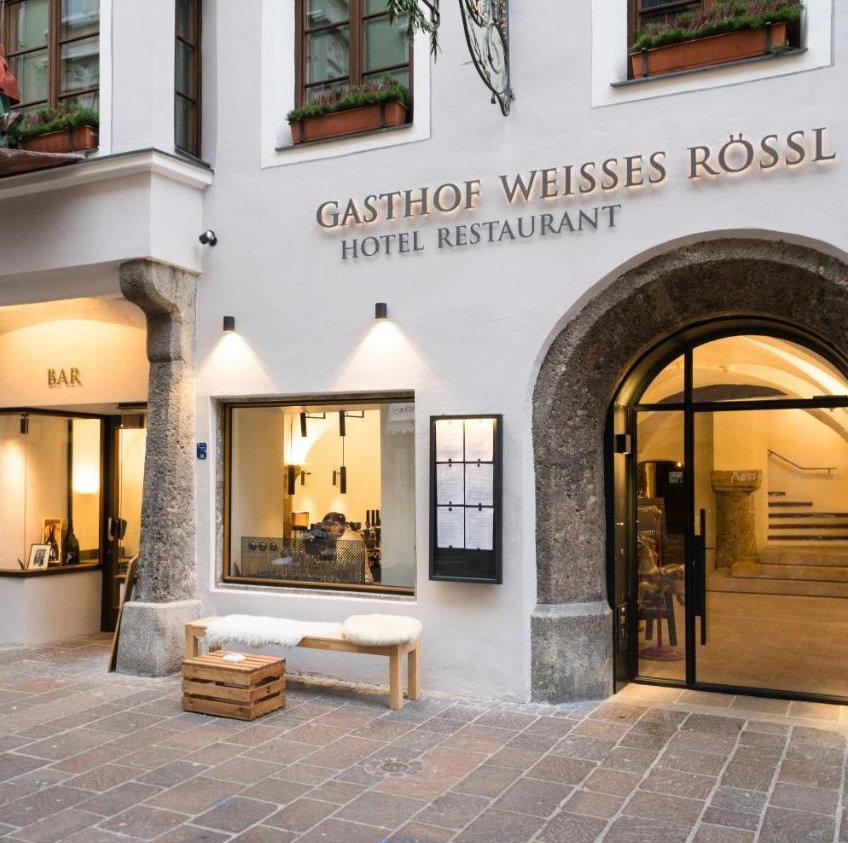
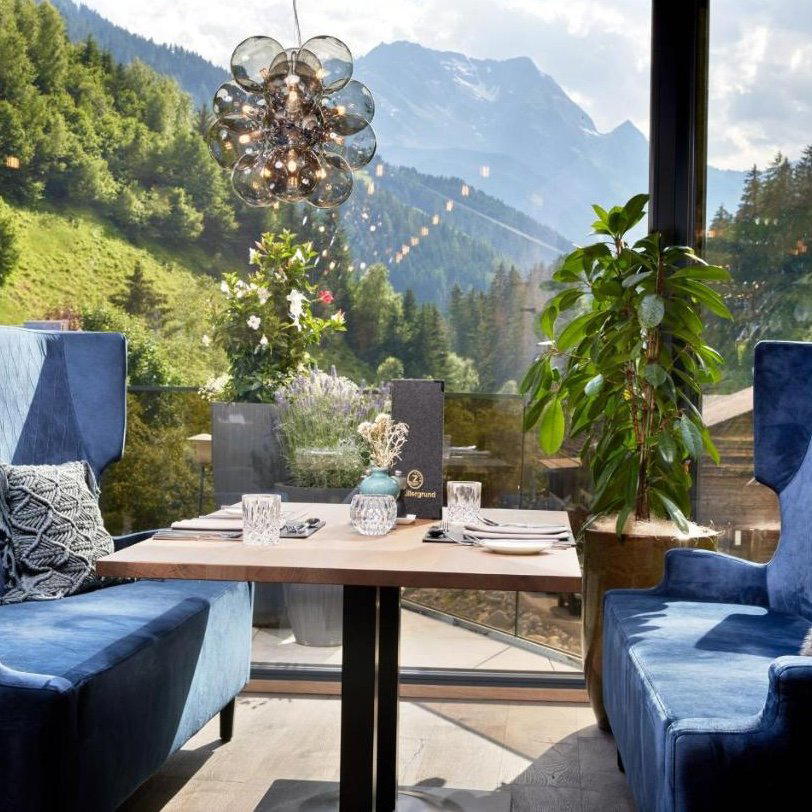
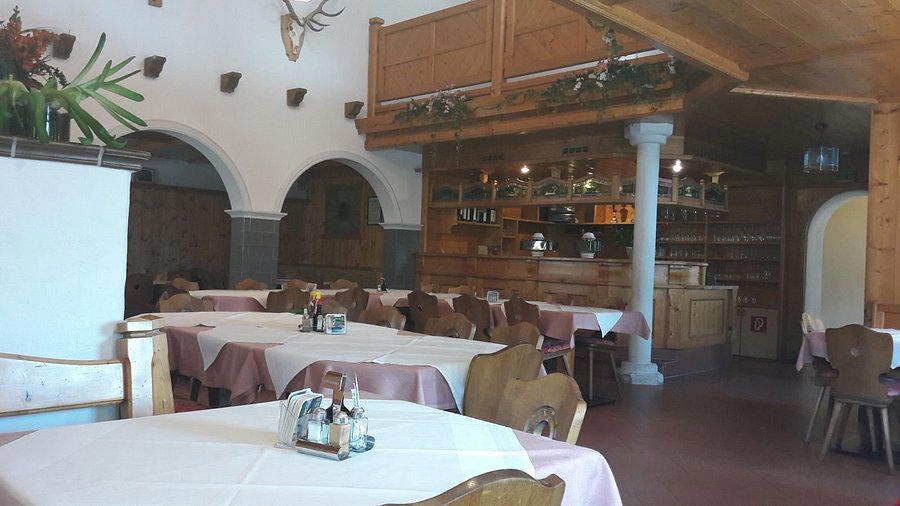
Bars in Trins
Browse all →

Hotels in Trins
Browse all →

At a Glance
- Scenic
- Rustic
- Cozy
- Family
- Group Dining
- Special Occasion
- Private Event
- Panoramic View
- Standalone
- Local Sourcing
- Mountain
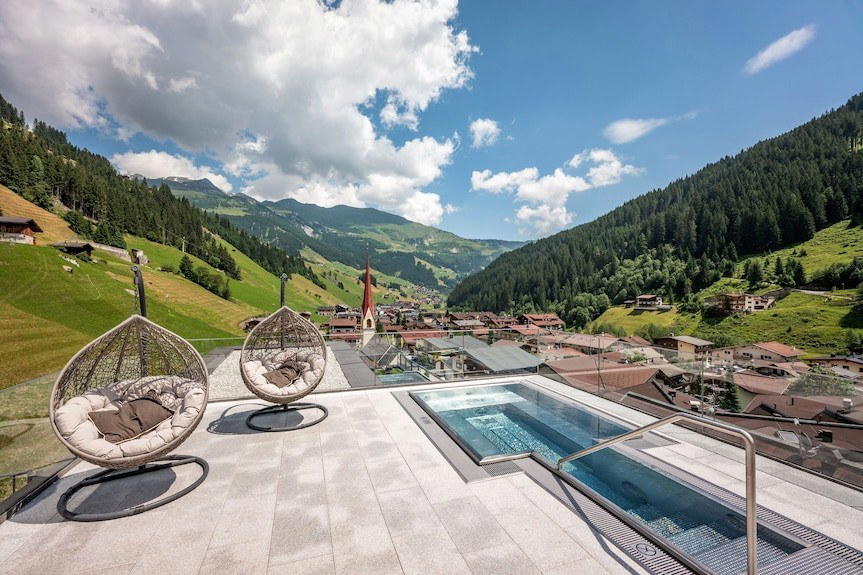
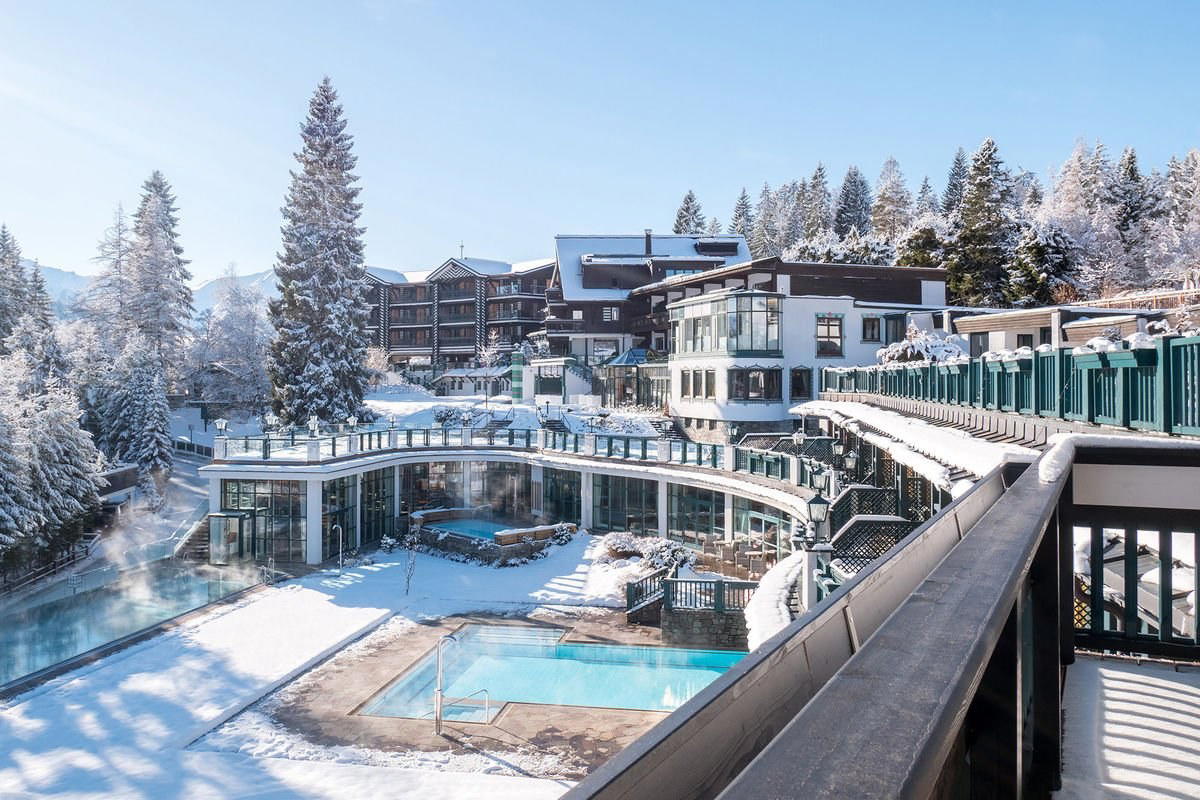
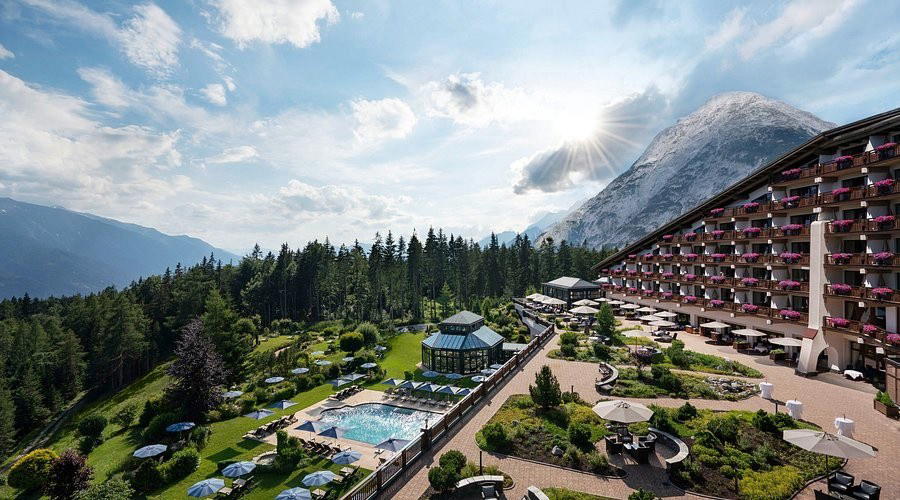
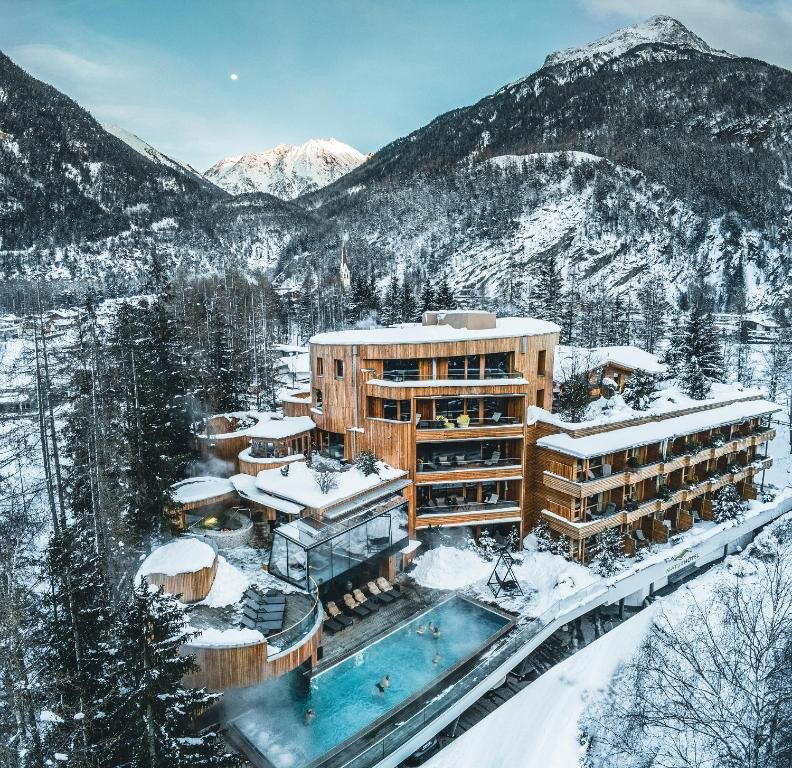
A high-alpine, rustic atmosphere with slower-paced service, crisp mountain air, and panoramic views over the surrounding peaks and valley.