In Innsbruck's compact old town, die Wilderin occupies a position that sits apart from the city's more polished dining rooms, its name, meaning 'the female poacher,' signals an approach rooted in wild, foraged, and seasonal Tyrolean produce rather than alpine hotel convention. The address on Seilergasse places it within walking distance of the Altstadt's main artery, making it a practical anchor for an evening that leans local rather than tourist-facing.
Pearl is the En Primeur Club membership app — saves, bookings, and concierge access live there. Same editors, same standards.
- Address
- Seilergasse 5, 6020 Innsbruck, Austria
- Phone
- +43512562728
- Website
- diewilderin.at
- Directions
- Get directions
 Saves & bookings on Pearl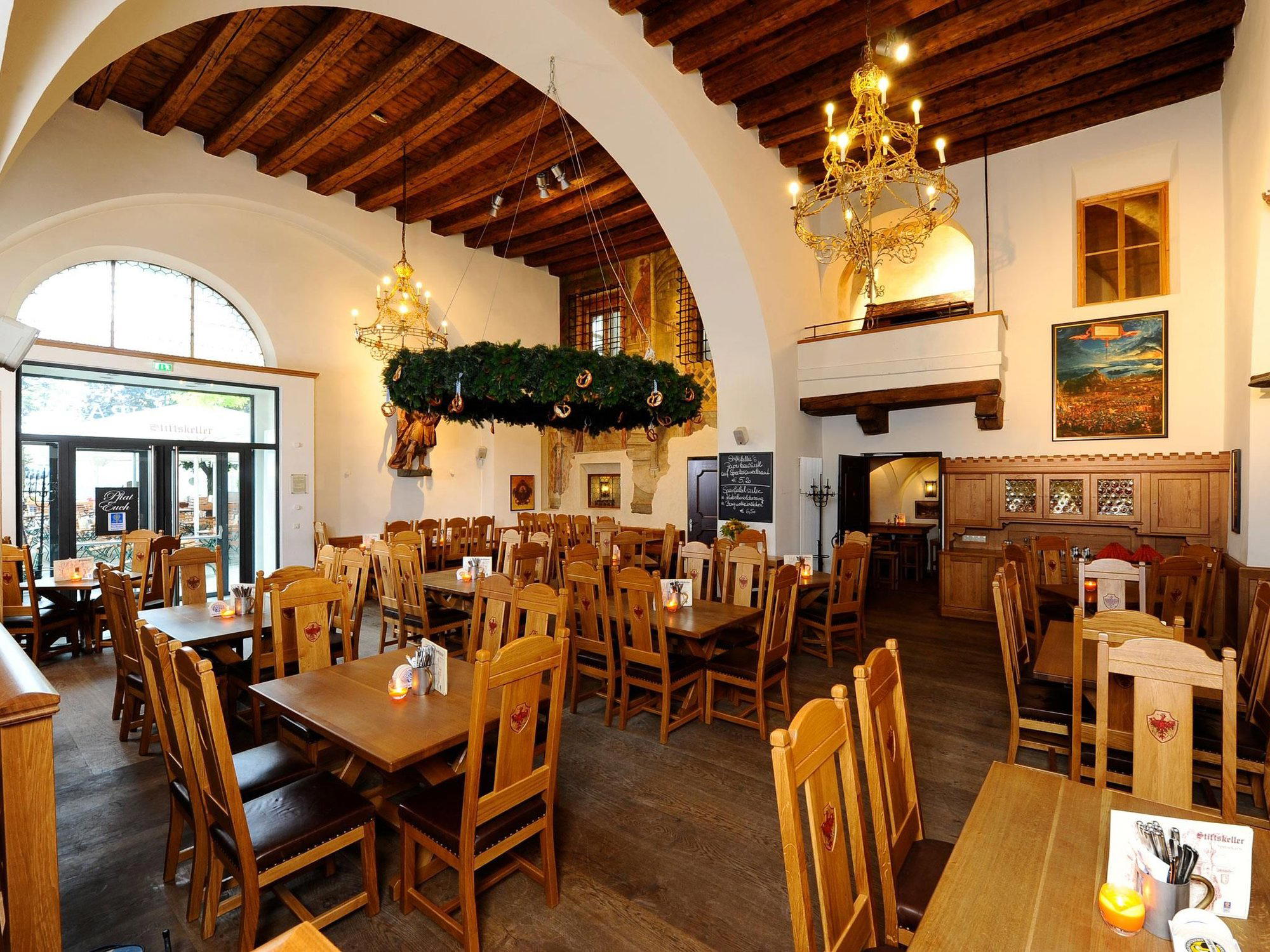
A Room That Sets the Register Before the Food Arrives
Innsbruck's dining scene has long been shaped by two gravitational pulls: the hotel dining room, designed to reassure international visitors with familiar luxury codes, and the Gasthaus, which operates on tradition so embedded it rarely needs to explain itself. Between those poles, a smaller category has been developing over the past decade, intimate, independently operated rooms where the interior communicates a clear point of view without resorting to either alpine kitsch or minimalist international neutrality. Die Wilderin, at Seilergasse 5 in the old town, is a modern Alpine Tyrolean restaurant with a casual dress code, a recommended reservation policy, and an average price of about $33 per person.
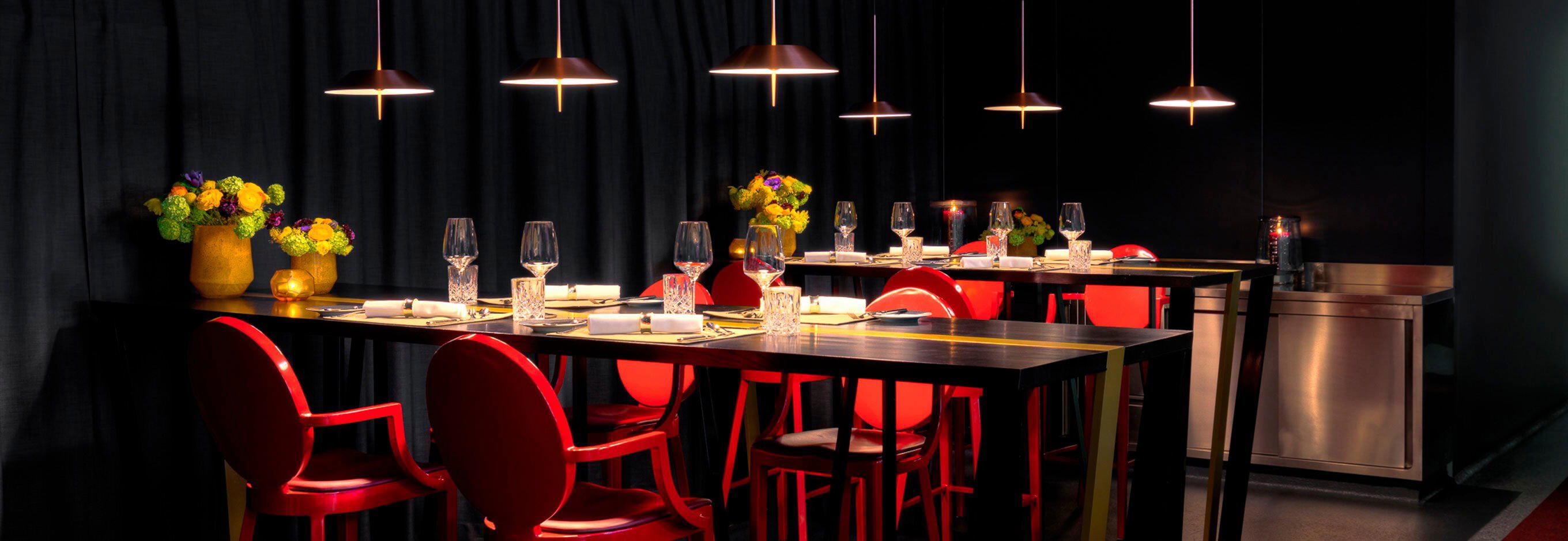
The name itself is a spatial and philosophical cue. Die Wilderin translates roughly as 'the female poacher', a figure who moves through the forest outside sanctioned boundaries, taking what the season offers rather than what the market commands. That framing carries through to the physical environment: the space is dark in the way a forest clearing is dark at dusk, warm rather than dim, with materials that suggest the Tyrolean upland without reproducing its clichés. You are not in a hunting lodge. You are in a room that has thought carefully about what hunting-lodge ideas actually mean when stripped of their decorative excess.
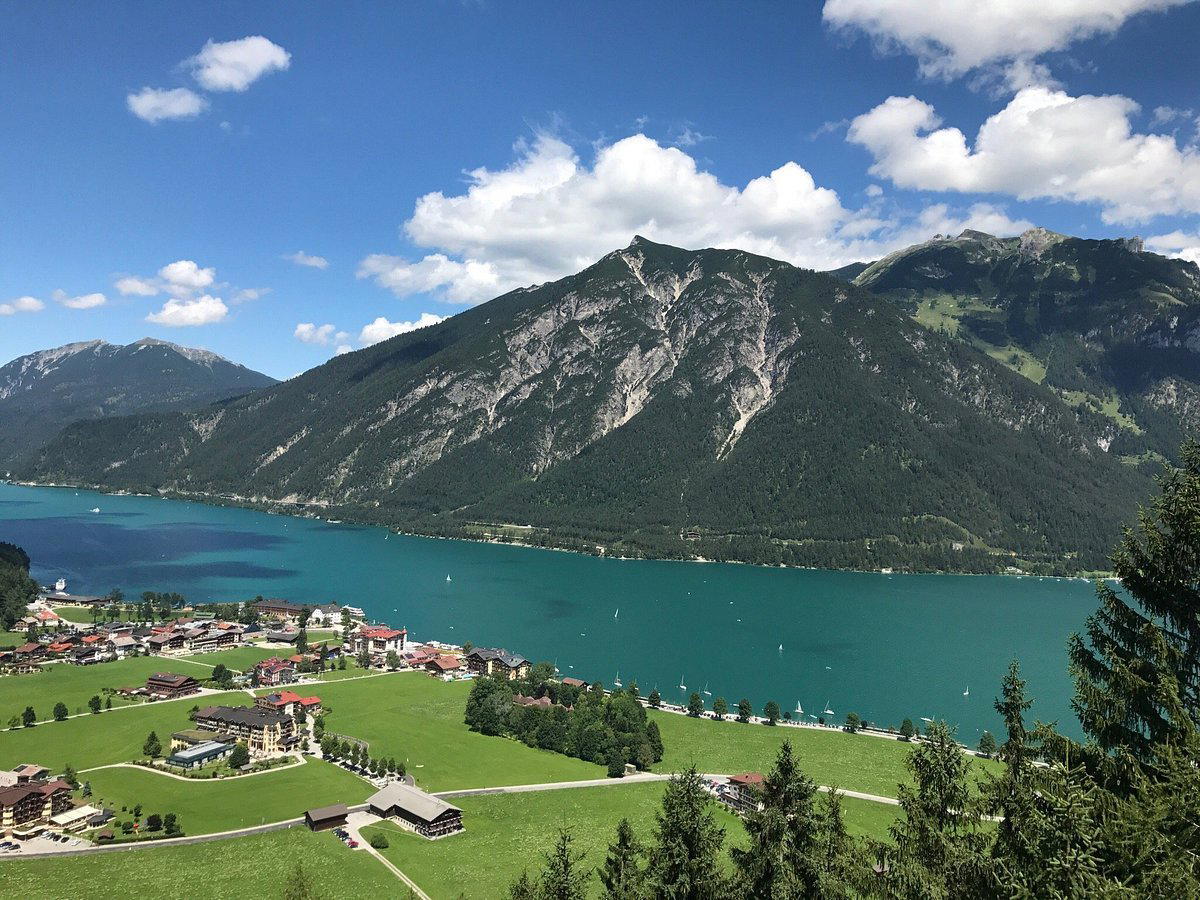
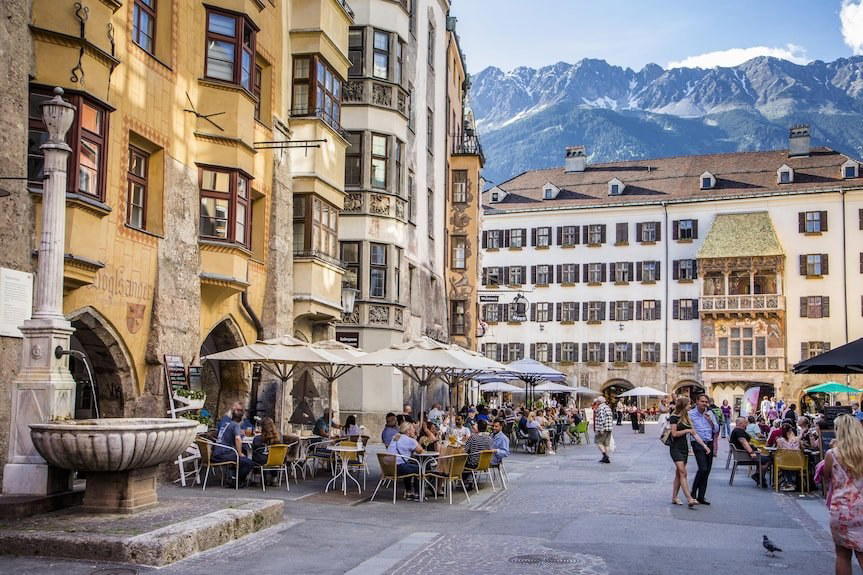
The Seilergasse address places die Wilderin inside Innsbruck's Altstadt, within a few minutes' walk of the Goldenes Dachl and the main pedestrian zone, a neighbourhood where the density of cafés, wine bars, and restaurants is high enough that a room needs a specific identity to hold its ground. Compared to neighbours like B-West, which operates with a broader, more casual register, or Bistro Gourmand, which tilts toward classical French formats, the restaurant occupies a position defined by regional produce and a forager's sensibility applied to a sit-down dining context.
The Tyrolean Forager Tradition, Applied to a Modern Dining Room
Austria's serious restaurant culture has spent the last two decades making the case that alpine and sub-alpine ingredients, game, wild herbs, mountain dairy, freshwater fish, deserve the same technical attention as the luxury proteins that anchor fine dining elsewhere. Steirereck im Stadtpark in Vienna made that argument at the highest level; Döllerer in Golling an der Salzach built an entire philosophy around Alpine cuisine as a coherent, named category. In Tyrol specifically, that argument has been advanced by rooms like Gourmetrestaurant Tannenhof in Sankt Anton am Arlberg and Stüva in Ischgl, both of which operate in resort contexts where kitchen ambition is partly underwritten by affluent seasonal visitor spend.
The restaurant operates without that resort infrastructure, in a city rather than a mountain village, which means its identity has to be maintained through the consistency of the offer itself rather than through geographic exclusivity. That is a harder position to sustain, and it is one reason the room's interior logic matters more than it might at a destination restaurant with captive clientele. The physical environment is doing part of the work that scenery does elsewhere.
For comparison further afield, the approach of grounding a contemporary room in foraged and wild regional produce is one that has found international expression at places like Lazy Bear in San Francisco, where the communal-table format and fire-led cooking connect to a similar forager ethos, and at Le Bernardin in New York City, which demonstrates what happens when a single ingredient category, in that case, fish, is pursued with absolute seriousness. The restaurant's ambition is closer in scale to the former, but the philosophical alignment with produce-led cooking is a point of genuine connection across both.
Where It Sits in the Innsbruck Scene
Innsbruck's restaurant tier for independently operated, produce-led rooms is relatively thin. The city's population of roughly 130,000 supports a dining culture that punches above its weight in terms of quality density, driven partly by its university population, partly by year-round tourism, and partly by a local appetite for eating that is at once traditional and curious. Within that context, the restaurant occupies a position that is specific rather than generic.
The competitive reference points are worth naming. Bonsai operates in a different cuisine register entirely. Al Fred and Arzler Alm represent different points on the casualness-formality axis. Das Schindler and Sitzwohl both operate in the seasonal and classic cuisine categories at the €€€ tier, which is the closest comparison set, rooms where the expectation is a considered menu, a thoughtful wine selection, and service that knows the food it is presenting. The restaurant's name and positioning suggest it occupies an adjacent but distinct space, where the forager framing gives the offer a more specific identity than 'seasonal Austrian' alone would provide.
For those moving through Austria more broadly, the regional comparison set includes Schwarzer Adler in Hall in Tirol, Restaurant 141 by Joachim Jaud in Mieming, and further south, Obauer in Werfen, Ois in Neufelden, Landhaus Bacher in Mautern an der Donau, and Kräuterreich by Vitus Winkler in Sankt Veit im Pongau, all rooms where Austrian regional produce is the primary subject rather than the backdrop.
Planning Your Visit
The restaurant is located at Seilergasse 5, 6020 Innsbruck, in the pedestrianised old town, accessible on foot from the main rail station in approximately fifteen minutes or by tram. Given its positioning as a specific, identity-led room in a city of its size, booking ahead is advisable, particularly on weekend evenings and during peak alpine tourism periods (December through February for skiing, July and August for hiking).
A Tight Comparison
Comparable venues nearby, for context on price, style, and recognition.
| Venue | Cuisine | Price | Notes |
|---|---|---|---|
| die WilderinThis venue — the venue you are viewing | Not listed | $$ | Not listed |
| Umbrüggler Alm | Hungerburg, Modern Tyrolean | $$ | Not listed |
| Sporthotel IGLS | Igls, Traditional Tyrolean & Austrian | $$ | Not listed |
| Al Fred | Altstadt, Tyrolean Street Food | $ | Not listed |
| Restaurant 1809 | Wilten, Modern Tyrolean Austrian | $$$ | Not listed |
| my Indigo Rathaus | Not listed | $$ | Altstadt (historic center), Asian Fusion Energy Kitchen |
Continue exploring
More in Innsbruck
Restaurants in Innsbruck
Browse all →
At a Glance
- Cozy
- Intimate
- Modern
- Rustic
- Date Night
- Group Dining
- Special Occasion
- Open Kitchen
- Standalone
- Natural Wine
- Sommelier Led
- Farm To Table
- Local Sourcing
- Organic
Current opening hours
- Monday
- Closed
- Tuesday
- 5 PM–12 AM
- Wednesday
- 5 PM–12 AM
- Thursday
- 5 PM–12 AM
- Friday
- 5 PM–12 AM
- Saturday
- 5 PM–12 AM
- Sunday
- 5 PM–12 AM
Hours can change for holidays and private events. Last verified .
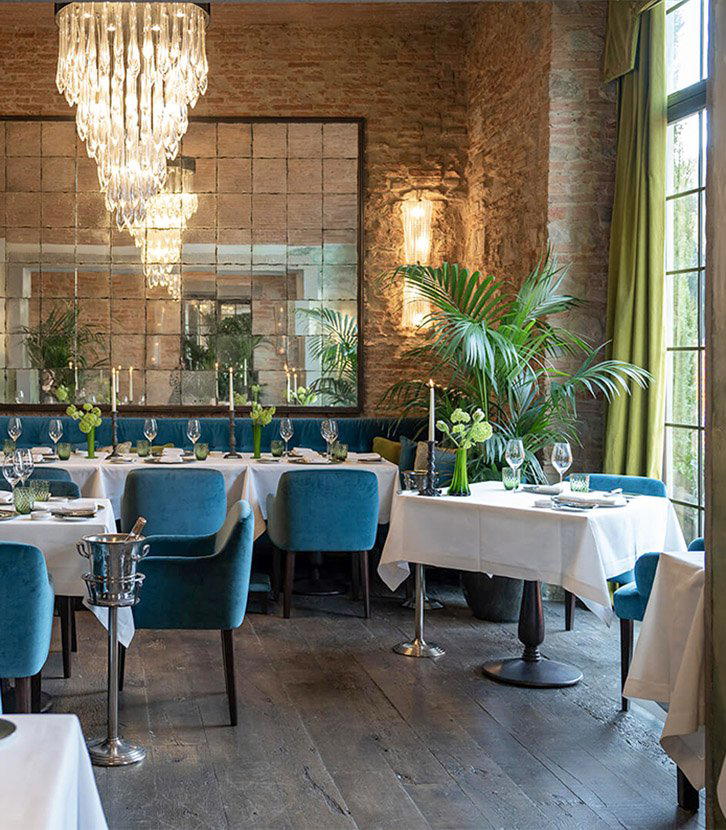
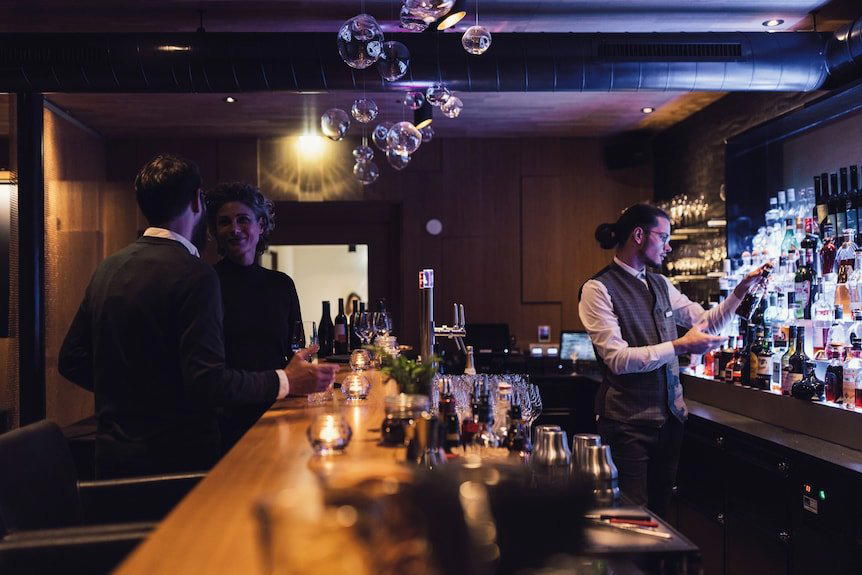
Black and white minimalist modern interior with contemporary lighting and furniture; warm, home-like atmosphere despite stark aesthetic; animated conversation and busy tables convey popularity and energy.