Seidlalm sits at Ried Ecking 24 in Kitzbühel, operating in the tradition of Austrian alpine huts where the setting does much of the work. At altitude above one of the Tirol's most visited resort towns, it draws the crowd that wants mountain atmosphere alongside their food and drink, a distinct tier from the town-centre dining room. Plan ahead: alpine huts in Kitzbühel fill quickly during ski season and summer hiking weeks.
Pearl is the En Primeur Club membership app — saves, bookings, and concierge access live there. Same editors, same standards.
- Address
- Ried Ecking 24, 6370 Kitzbühel, Austria
- Phone
- +43535664235
- Website
- seidlalm-kitzbuehel.at
- Directions
- Get directions
 Saves & bookings on Pearl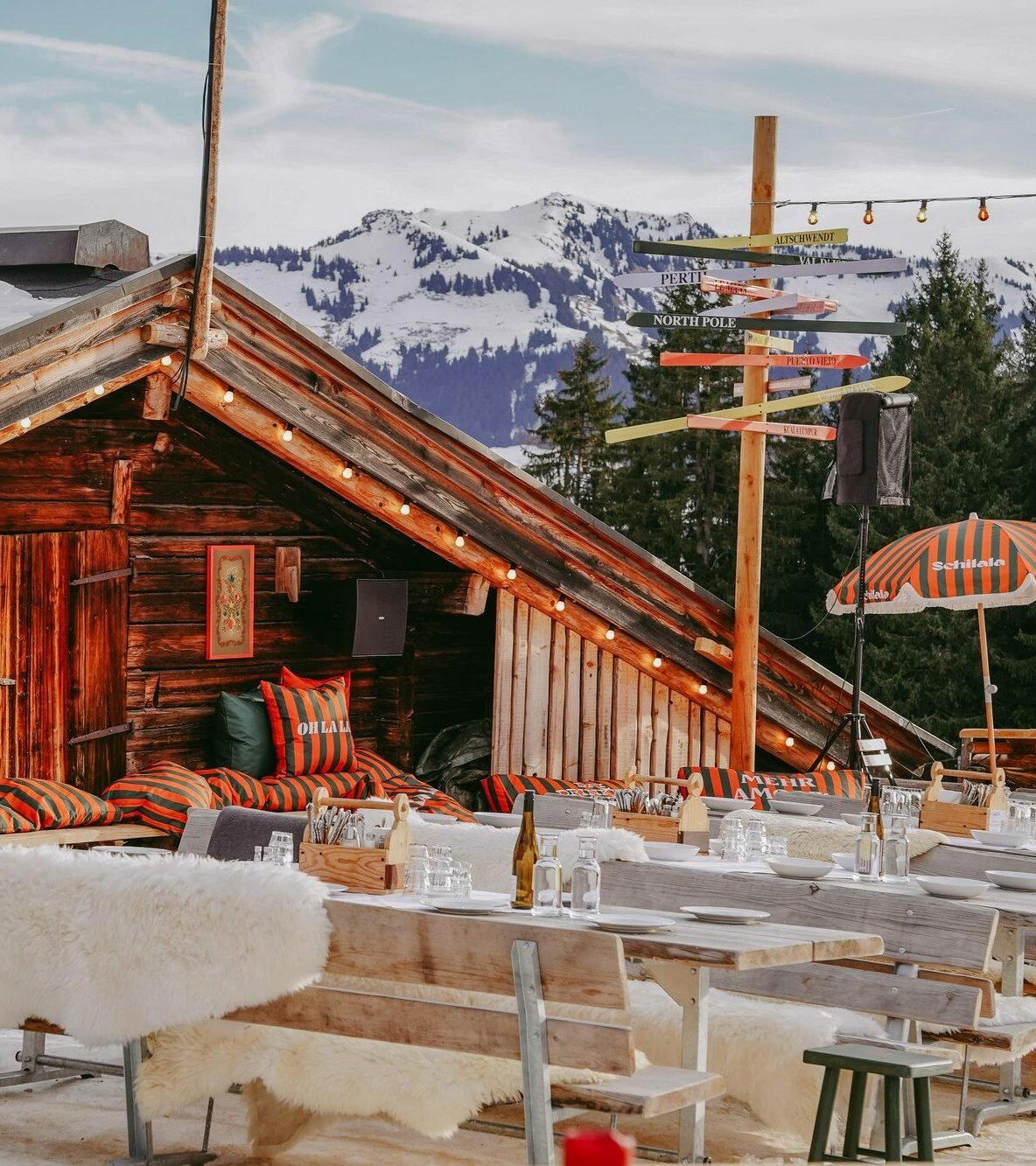
Where the Mountain Does the Heavy Lifting
Seidlalm is a casual traditional Tyrolean Austrian restaurant in Kitzbühel, Austria, with an average spend of about $25 per person. The approach to Seidlalm tells you what kind of place it is before you arrive. Alpine huts in the Kitzbühel area occupy a specific position in the local dining order: they sit above the town's restaurant strip, accessible on foot, by ski, or by mountain transport depending on the season, and they draw their atmosphere directly from the terrain rather than from interior design choices. The view, the altitude, the cold air, and the sound of nothing much beyond wind and other people enjoying themselves, these are the conditions the kitchen works within, and the conditions a visitor should expect. At Ried Ecking 24, Seidlalm operates squarely within this tradition.
Kitzbühel's dining scene runs a wide range. At one end sit formal rooms such as Berggericht (Modern Cuisine), operating at the €€€€ tier with technically driven menus. At the other end, a set of mountain huts and regional houses serve food that makes more sense eaten after physical effort at altitude than in a still dining room. Seidlalm belongs to the latter category, a place where the context of the meal is the alpine environment itself, and where the experience of eating is bound up with where you are and how you got there.
The Alpine Hut as Dining Format
Across the Austrian and Bavarian Alps, the Alm or Alpe format has remained among the more durable dining experiences in central Europe. These huts originally served as seasonal dairy stations, and their function as places to eat and rest developed organically from the need to feed people working at altitude. Today, the-known examples in regions like Kitzbühel, Lech, and Sankt Anton operate at the intersection of tradition and expectation: visitors want local food, local atmosphere, and some degree of the roughness that makes a mountain hut feel different from a restaurant in town. The format demands a kind of fidelity to place that more polished dining rooms don't require in the same way.
It sits alongside mountain establishments like Berggasthof Sonnbühel and Berghaus Tirol, all of which occupy a similar tier: physically refined above the town, drawing on the same traditions of alpine hospitality, and serving a purpose that is partly culinary and partly environmental. Choosing between them is often less about menu distinctions and more about which slope or trail brings you past which door.
Seasonality and Timing in Kitzbühel
Kitzbühel runs two distinct seasons, and the character of mountain huts shifts substantially between them. In winter, from December through late March, the town concentrates around the Hahnenkamm and surrounding ski areas. The Hahnenkamm downhill race in January draws international attention each year, and the weeks around it represent the town's highest-demand period for any kind of reservation. Alpine huts accessible by ski fill early on clear days; those that require a walk become quieter by comparison, which can work either for or against a visitor depending on what they're after.
Summer brings a different crowd: hikers, cyclists, and travellers who have followed Kitzbühel's growing reputation as a warm-weather destination. The light lasts longer, the terraces that face west catch afternoon sun well into evening, and the town's dining rhythm shifts to accommodate lunch-focused mountain stops rather than post-ski warmth. For those planning around Seidlalm specifically, the shoulder weeks between ski season's end and the summer hiking peak, typically mid-April to late May, tend to see lower visitor numbers across the board.
Austria's alpine dining scene extends well beyond Kitzbühel. For comparison and contrast, Griggeler Stuba in Lech and Gourmetrestaurant Tannenhof in Sankt Anton am Arlberg represent the Vorarlberg and Arlberg end of the Austrian alpine dining spectrum, both operating in formally recognized restaurant formats rather than the hut tradition. Further afield, Steirereck im Stadtpark in Vienna, Ikarus in Salzburg, and Obauer in Werfen mark what Austrian fine dining looks like when it moves indoors and takes on Michelin-level ambition. The contrast helps locate Seidlalm: it operates in a completely different register, where the meal's value is inseparable from where you are standing when you eat it.
The Kitzbühel Dining Context
For visitors building an itinerary around Kitzbühel, the town's restaurant offering ranges widely. 1st Lobster and Alpenhotel Kitzbühel am Schwarzsee address different ends of the town-centre market. The regional and mid-range tier, where places like Mocking das Wirtshaus operate, covers traditional Austrian cooking without the alpine-hut remoteness. Seidlalm sits outside all of these categories by virtue of its location: eating there requires some form of mountain access, and that effort is part of what makes the meal feel distinct from anything available in the town's lower streets. For the full picture of where to eat across the area, the full Kitzbühel restaurants guide maps the range by setting, format, and price tier.
Austrian culinary references elsewhere in the country include Döllerer in Golling an der Salzach, Landhaus Bacher in Mautern an der Donau, Kräuterreich by Vitus Winkler in Sankt Veit im Pongau, Ois in Neufelden, and Restaurant 141 by Joachim Jaud in Mieming, all operating in formats where kitchen ambition and formal recognition are central to the proposition. None of these are comparable to the alpine hut format; they serve a different purpose and a different trip. By contrast, international fine dining benchmarks such as Le Bernardin in New York City or Atomix in New York City illustrate how far removed the alpine hut tradition is from globally recognized tasting-menu culture, a useful frame for understanding what Seidlalm is and is not trying to be.
Planning Your Visit
Seidlalm is located at Ried Ecking 24, 6370 Kitzbühel, Austria. Given the nature of mountain-hut dining in the Kitzbühel area, visiting on clear days during ski season or the summer hiking months gives the leading return on the journey up. Seasonal opening periods can change with weather and trail access, so check ahead before you go. Arriving mid-week or outside of peak race-week and school-holiday windows typically means shorter waits and more space on the terrace.
City Peers
Comparable venues nearby, for context on price, style, and recognition.
| Venue | Cuisine | Price | Notes |
|---|---|---|---|
| SeidlalmThis venue — the venue you are viewing | Traditional Tyrolean Austrian | $$ | Not listed |
| Das Steghaus am Schwarzsee | Modern Austrian with Mediterranean Influences | $$$ | Schwarzsee |
| Hornköpflhütte | Traditional Tyrolean Alpine Cuisine | $$ | Kitzbüheler Horn |
| Römerhof Stüberl | Traditional Austrian & Tyrolean restaurant | $$$ | .null |
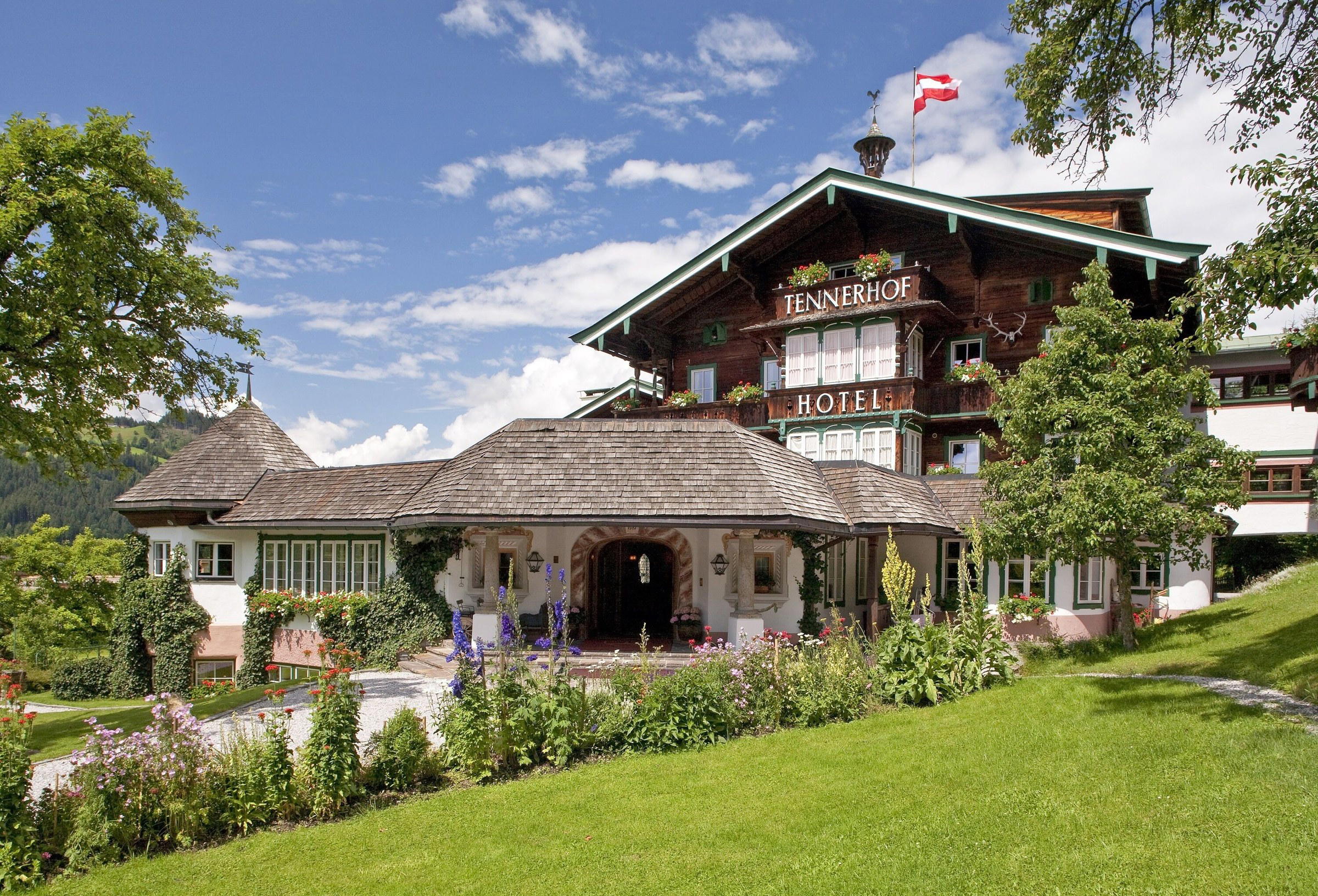
| Tennerhof Restaurant | Modern Tyrolean Fine Dining | $$$$ | Kitzbühel |
| Berghaus Tirol | Tyrolean Alpine Home Cooking | $$ | Hahnenkamm |
Continue exploring
More in Kitzbühel
Restaurants in Kitzbühel
Browse all →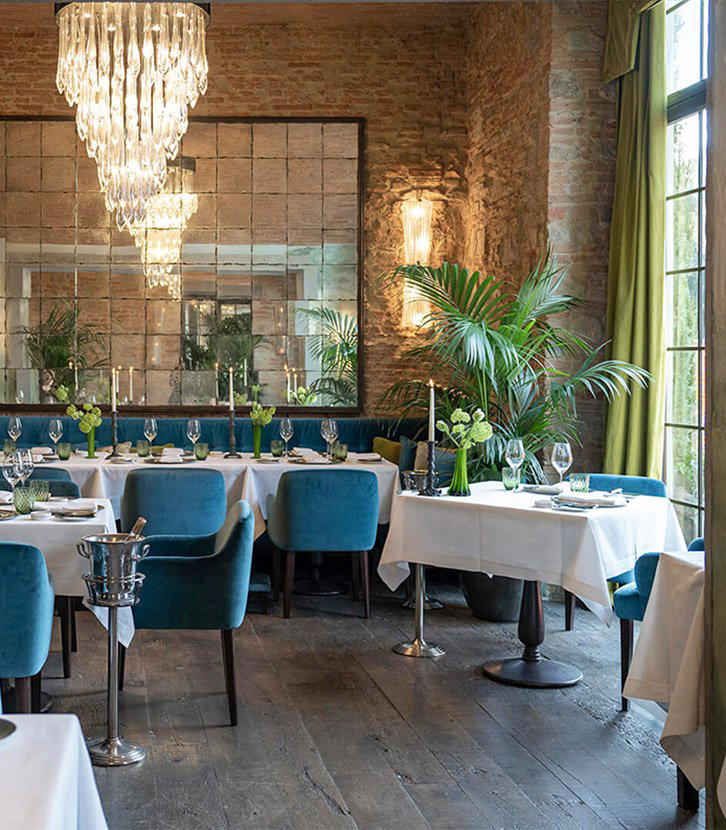
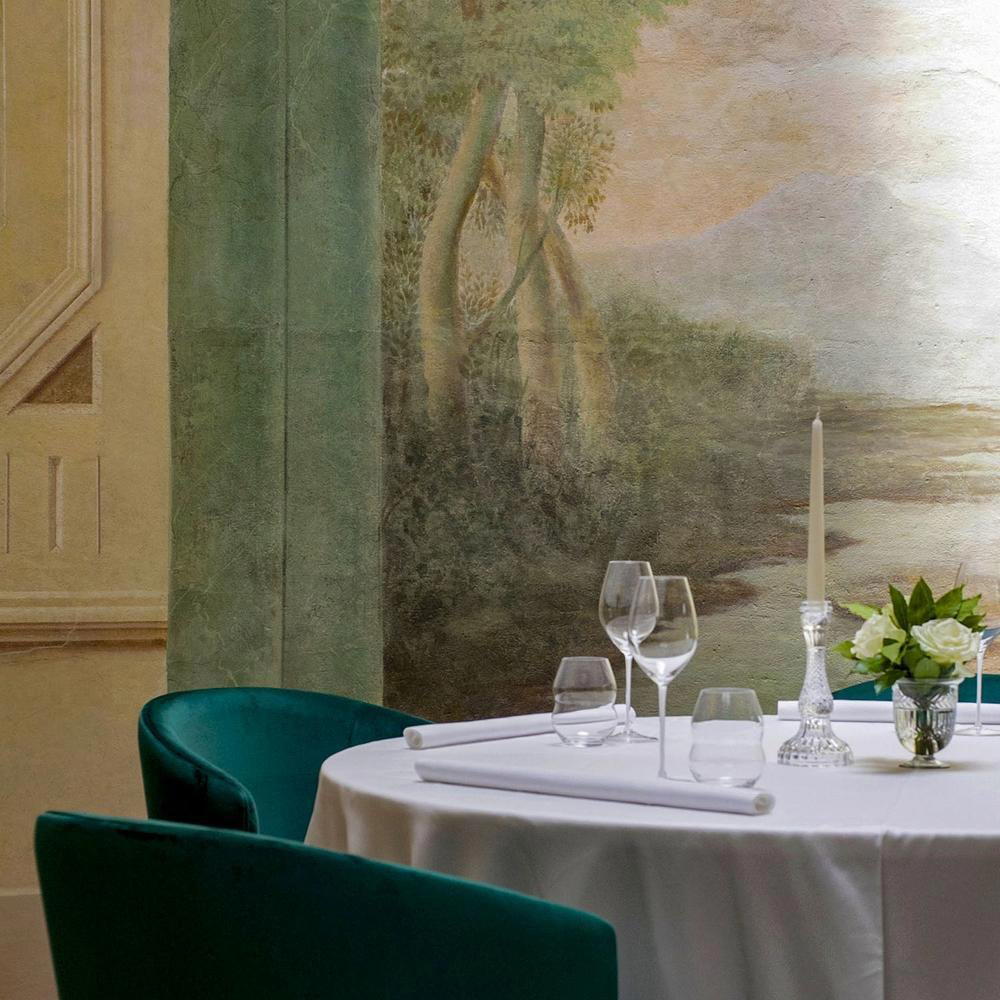
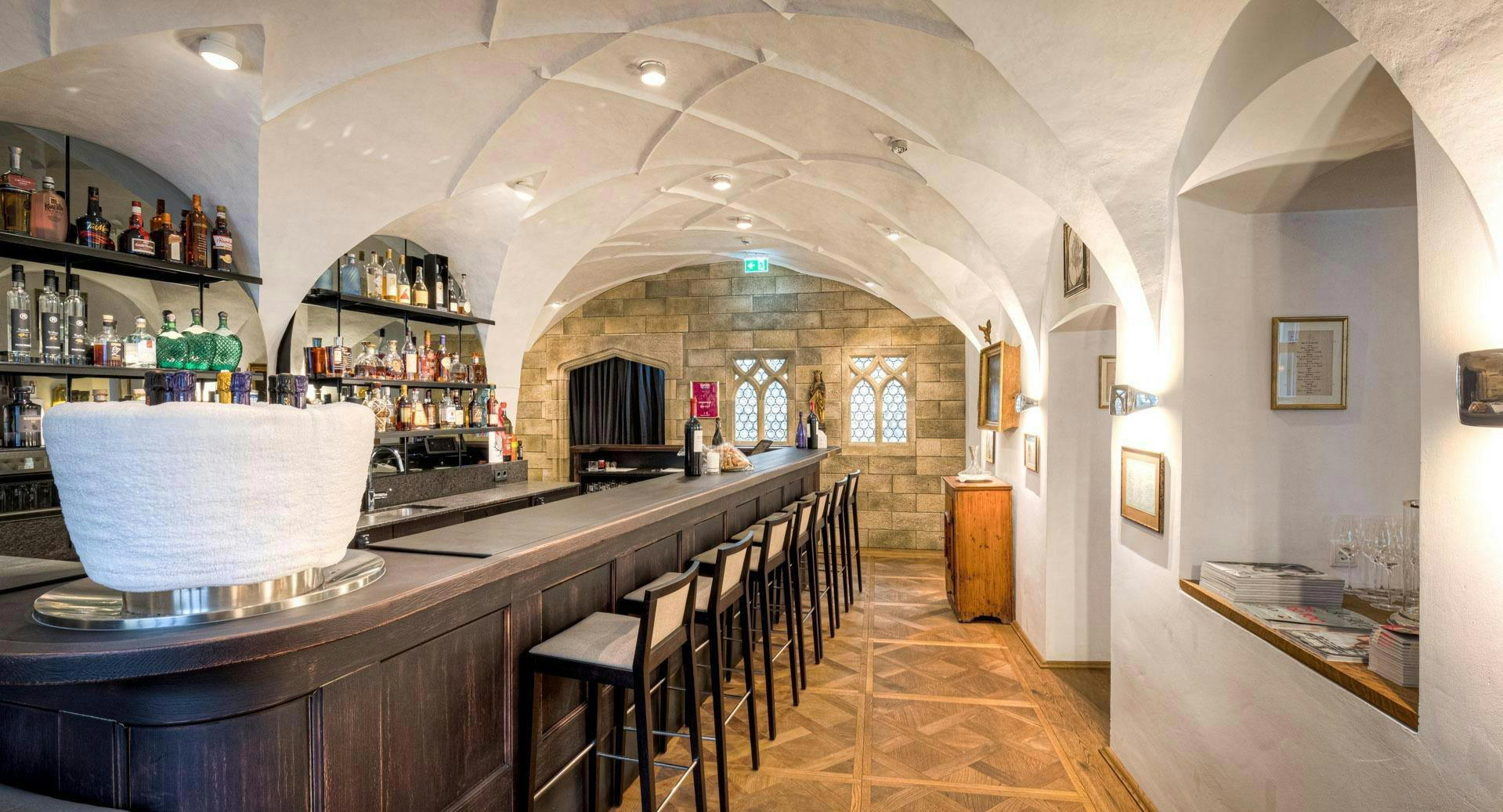
Bars in Kitzbühel
Browse all →



Hotels in Kitzbühel
Browse all →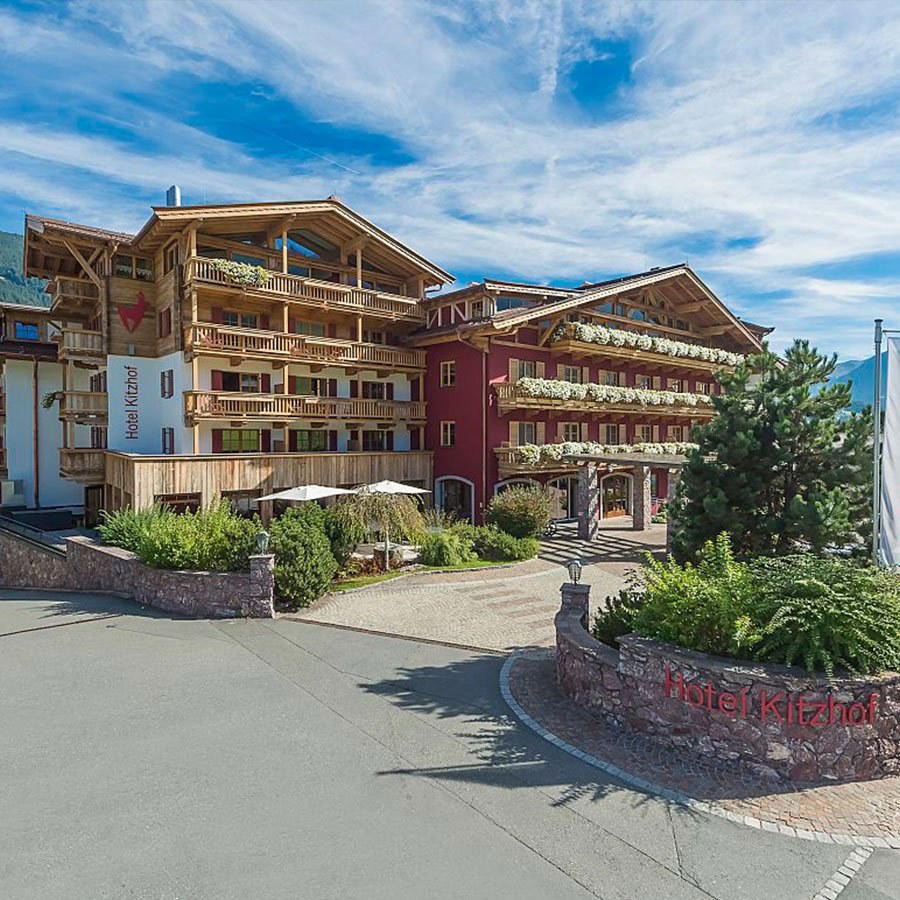
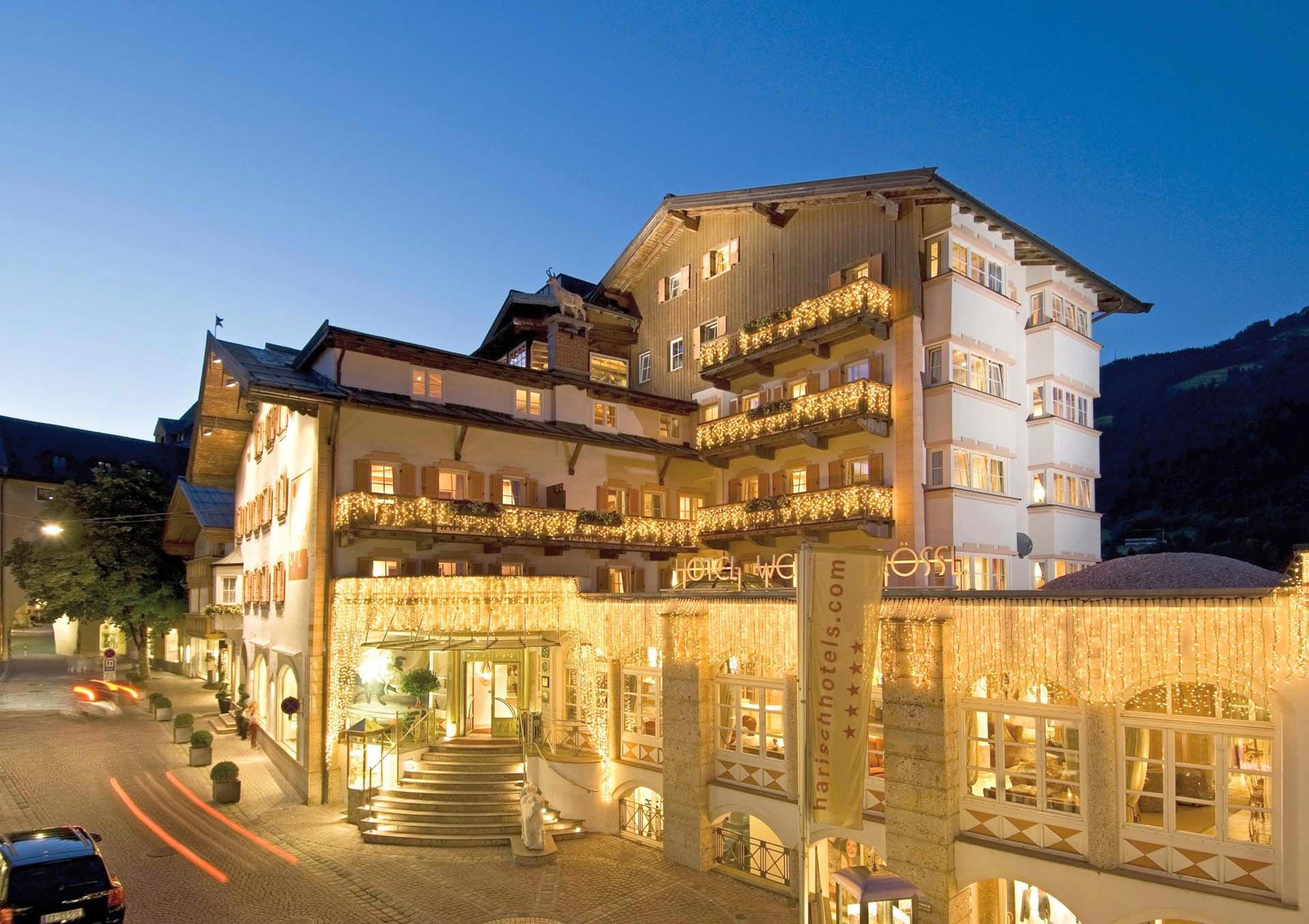
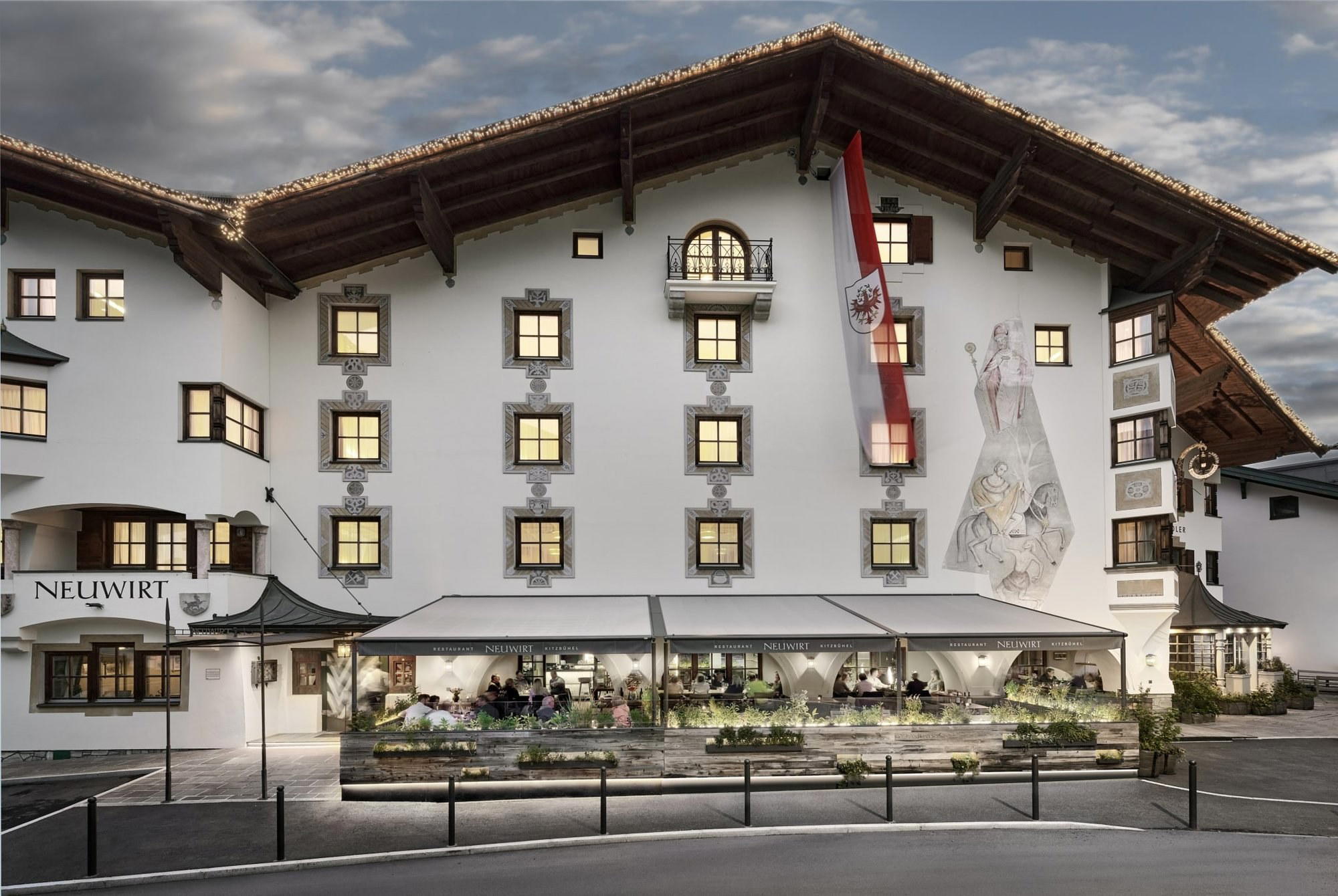
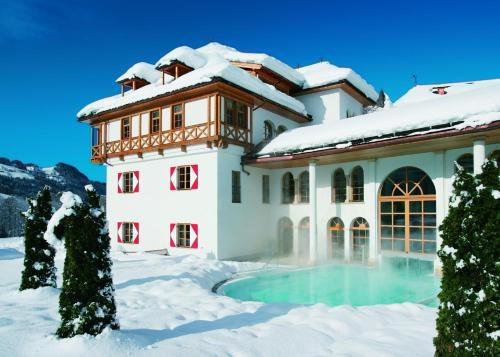
Wineries in Kitzbühel
Browse all →
At a Glance
- Rustic
- Cozy
- Scenic
- Casual Hangout
- Family
- Group Dining
- Terrace
- Historic Building
- Standalone
- Extensive Wine List
- Local Sourcing
- Mountain
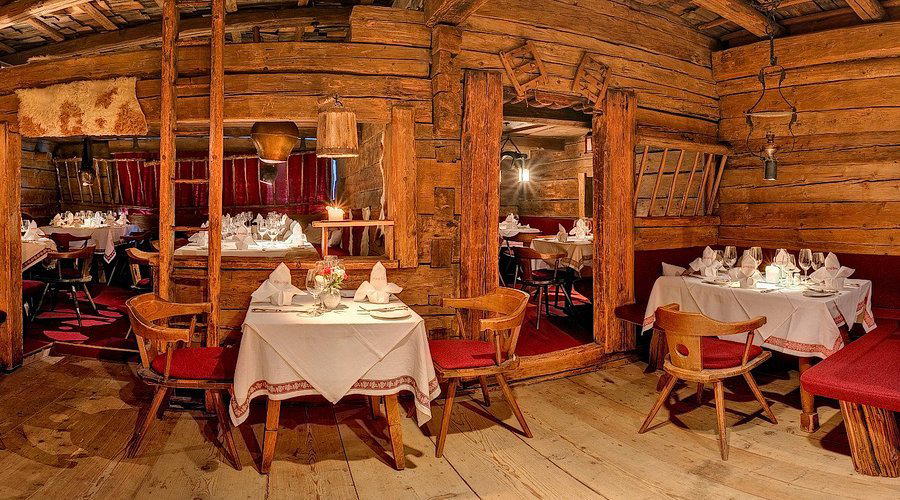
Cozy rustic alpine atmosphere with warm hospitality, wooden interiors, and dramatic mountain vistas, well-suited for unwinding after skiing.