Panpanzerotti occupies a quietly considered position on Rue d'Italie in Marseille's 6th arrondissement, bringing the Apulian street-food tradition of panzerotti into a city already fluent in fried dough and market culture. The format is focused and the execution deliberate, placing it in a different register from the haute-cuisine counters that dominate Marseille's critical conversation, a useful corrective for anyone who has been eating upward all week.
Pearl is the En Primeur Club membership app — saves, bookings, and concierge access live there. Same editors, same standards.
- Address
- 77 Rue d'Italie, 13006 Marseille, France
- Phone
- +33771654982
- Directions
- Get directions
 Saves & bookings on Pearl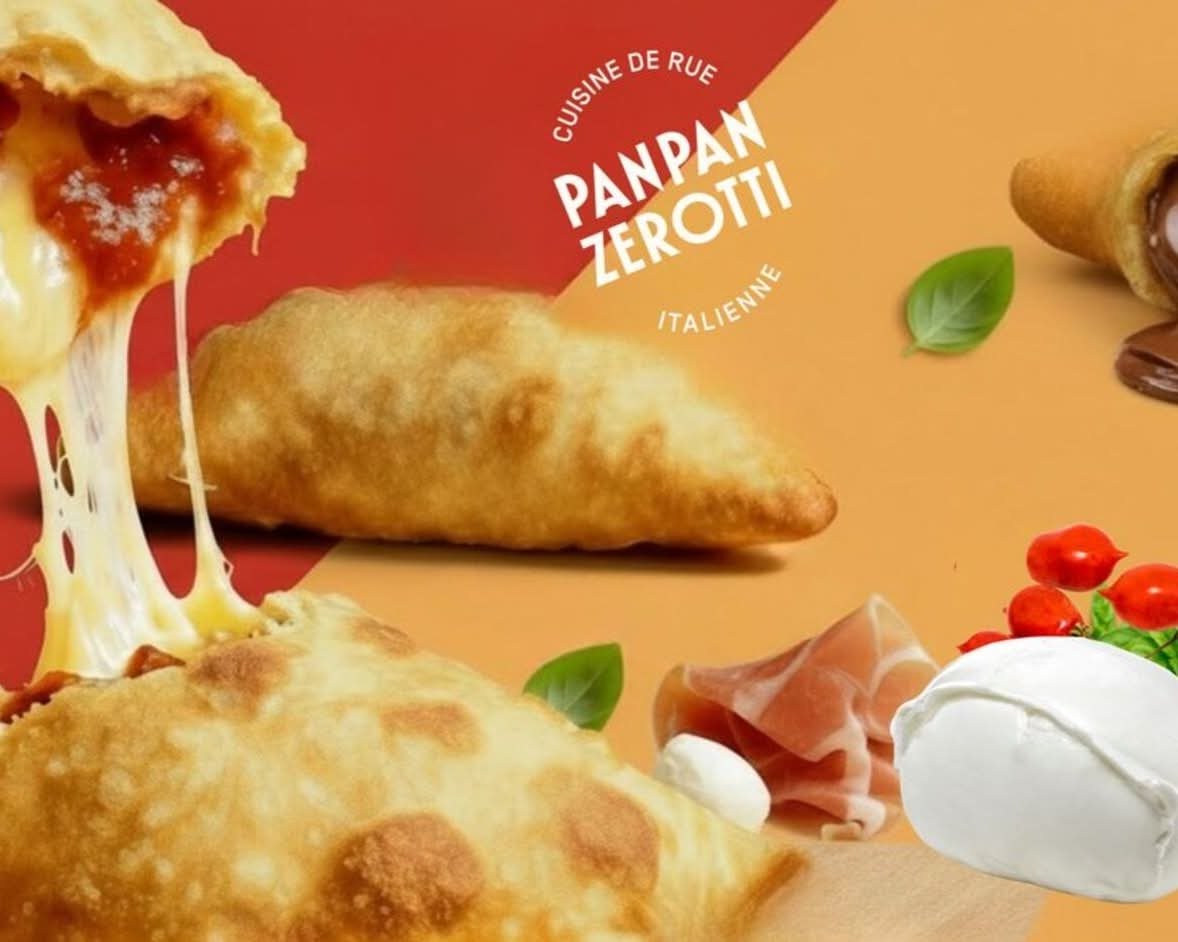
Where the 6th Arrondissement Meets Southern Italian Street Culture
Rue d'Italie runs through one of Marseille's more lived-in residential stretches, a long artery in the 6th arrondissement where the city's Italian heritage surfaces in place names, family surnames, and, at number 77, in the form of panzerotti. These fried half-moon parcels of dough, a street food with deep roots in Puglia and Campania, arrived in France with the waves of Southern Italian migration that shaped Marseille's demographic character across the late 19th and 20th centuries. Panpanzerotti sits in that lineage, and the address itself is part of the argument: this is a neighbourhood operation that assumes the reader already knows what a panzerotto is, or is willing to learn.
Marseille has long operated as a city where Italian and Provençal food cultures blur at the edges. The bouillabaisse debate occupies critics and institutions, the starred rooms like Le Petit Nice and AM par Alexandre Mazzia command the serious-dining conversation, and modern bistros such as Une Table, au Sud hold the middle ground for contemporary Mediterranean cooking. Panpanzerotti operates in a different register entirely, the register of the snack counter, the takeaway window, the kind of eating that a city's food identity is actually built on, beneath the Michelin tier.
The Format and What It Demands of a Team
A panzerotto-focused operation is, by its nature, a test of execution over concept. The dish itself, dough fried to order, sealed around a filling, served hot, offers almost no hiding place for a weak front-of-house rhythm or a kitchen that loses its pacing at volume. In formats like this, the team dynamic matters more than individual star turns: the person managing the fryer, the one handling the counter, and whoever is fielding the line of customers outside all need to move in close coordination. There is no tasting-menu architecture to slow things down, no sommelier patter to fill time. The transaction is fast, the expectation is clear, and the margin for error in texture and temperature is narrow. Panpanzerotti is walk-in friendly, with a casual dress code and an average price of about $8 per person.
This is where the editorial angle of collaboration becomes less abstract. In large-format restaurant groups, team cohesion is a management challenge. In small, high-turnover snack operations, it is a technical one, the difference between a crust that arrives still crackling and one that has gone soft in a paper bag during a two-minute hand-off. The Apulian tradition resolves some of this through standardisation: the classic tomato-and-mozzarella filling requires precise sourcing and consistent frying temperature rather than improvisation at the pass. Panpanzerotti keeps the focus on panzerotti made to order.
Marseille's Relationship with Fried Dough
Contextually, Marseille is not a city that needs convincing about the value of fried street food. The navette and the chichi frégi, the long, lemon-scented fried dough sold at market stalls, are part of the city's food vernacular in a way that makes the panzerotto feel like a close relation rather than an import. The cultural overlap between Provençal and Southern Italian food traditions in Marseille is not incidental; it reflects a port city that absorbed Neapolitan, Sicilian, and Apulian communities over generations, and whose food culture carries that in everyday eating rather than in special-occasion ceremony.
For a reader who has spent time at the higher end of Marseille's dining scene, at Alivetu or 1860 Le Palais, or further up the coast at Mirazur in Menton, Panpanzerotti represents a deliberate gear-change. The logic of French gastronomy at its most institutionalised, represented by rooms like Paul Bocuse in Collonges-au-Mont-d'Or, Auberge de l'Ill in Illhaeusern, or Bras in Laguiole, prizes the long meal, the composed progression, the sommelier's arc. A panzerotto counter runs on entirely different logic: immediacy, heat, repetition, the satisfaction of a thing done simply and correctly. Both are legitimate. Understanding when you want one rather than the other is part of being a reader of cities rather than just of menus.
France's broader creative-cooking scene, represented at its most ambitious by Alléno Paris au Pavillon Ledoyen, Flocons de Sel in Megève, or Assiette Champenoise in Reims, operates at a remove from what Panpanzerotti does. The comparison is not invidious; it simply clarifies where this kind of eating sits in the wider map. Even internationally, the contrast holds: Le Bernardin in New York and Atomix are exercises in total compositional control. A neighbourhood panzerotti counter is something else, an exercise in repetition, in the kind of mastery that does not photograph as spectacularly but feeds a city in a more fundamental way.
Finding It and Planning Around It
Panpanzerotti is at 77 Rue d'Italie in Marseille's 6th arrondissement, reachable on foot from the Préfecture and Castellane metro stations. Visitors should expect to turn up rather than book ahead. The 6th arrondissement has enough adjacent eating and drinking to make Rue d'Italie a reasonable destination in its own right; the area rewards a slow afternoon rather than a surgical visit.
Fast Comparison
Comparable venues nearby, for context on price, style, and recognition.
| Venue | Cuisine | Price | Notes |
|---|---|---|---|
| PanpanzerottiThis venue — the venue you are viewing | Italian Street Food - Panzerotti | $ | Not listed |
| La Bonne Mère | Authentic Neapolitan Pizza | $$ | Vauban |
| Sauver | Classic Italian Pizzeria | $$ | Noailles |
| Cantoche | Modern Mediterranean Bistro | $$ | Opera |
| Chicoulon | French Bistronomic | $$ | Opera |
| Caterine | Modern Mediterranean French Bistro | $$ | Notre Dame Du Mont |
Continue exploring
More in Marseille
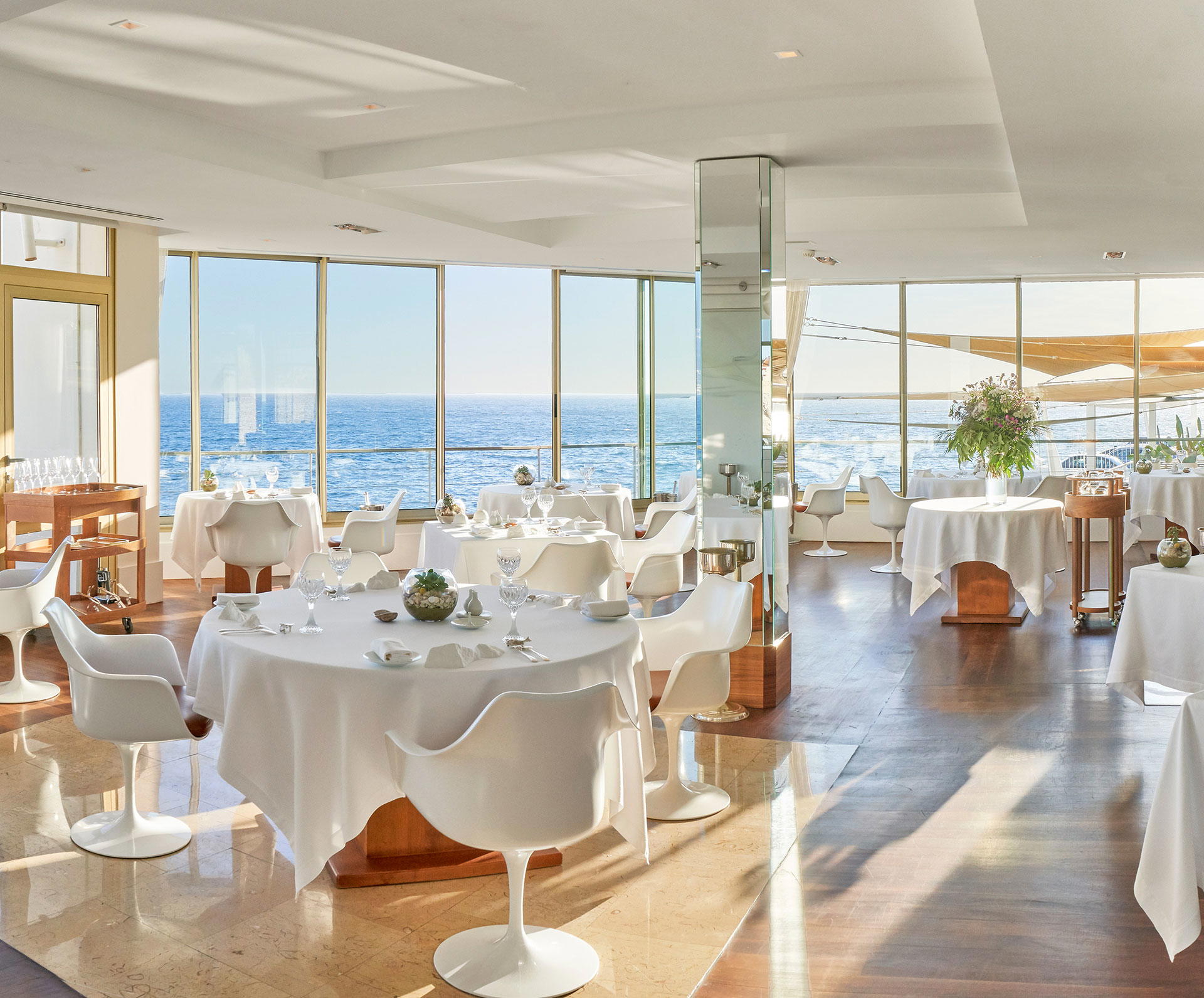
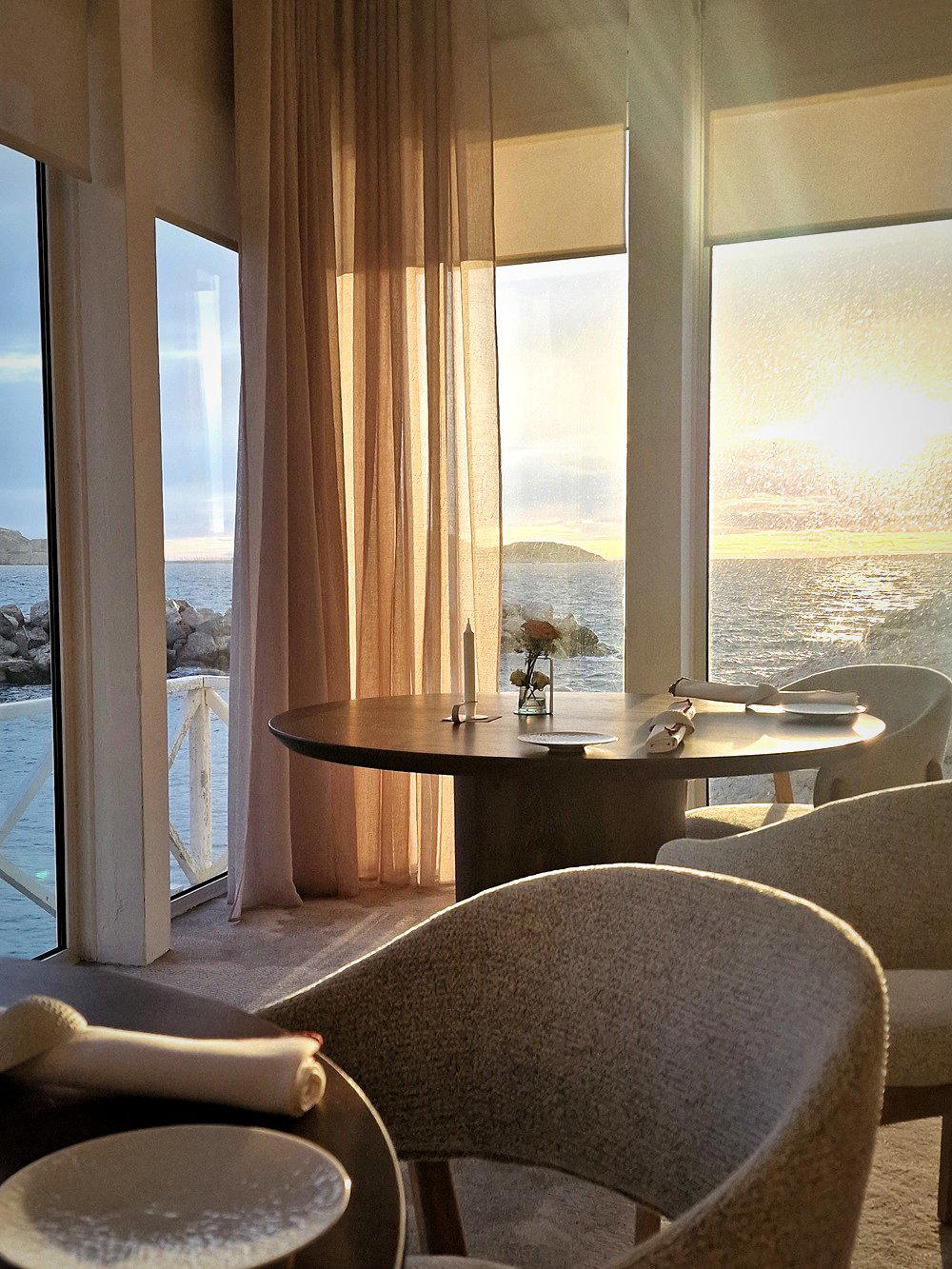
Restaurants in Marseille
Browse all →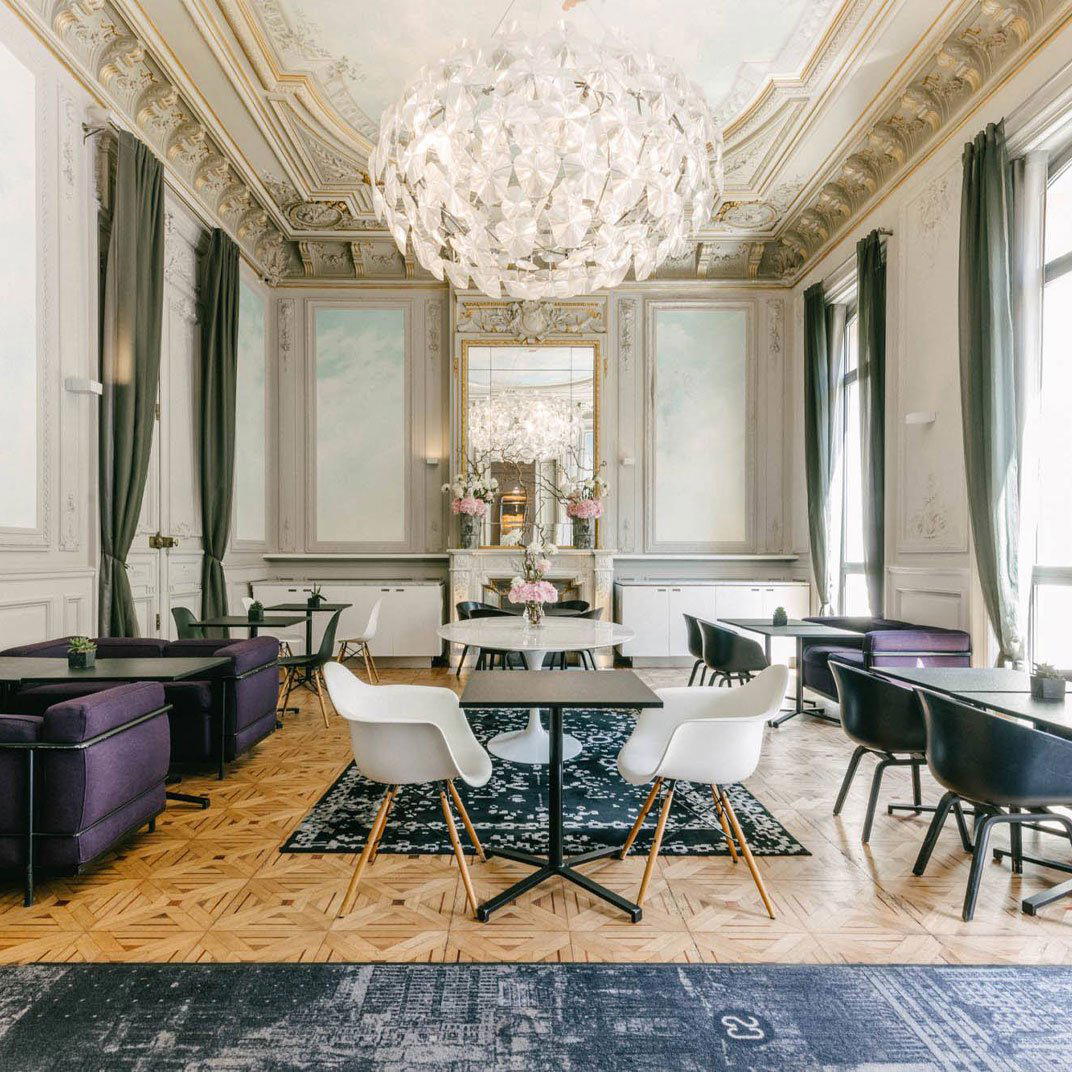
Bars in Marseille
Browse all →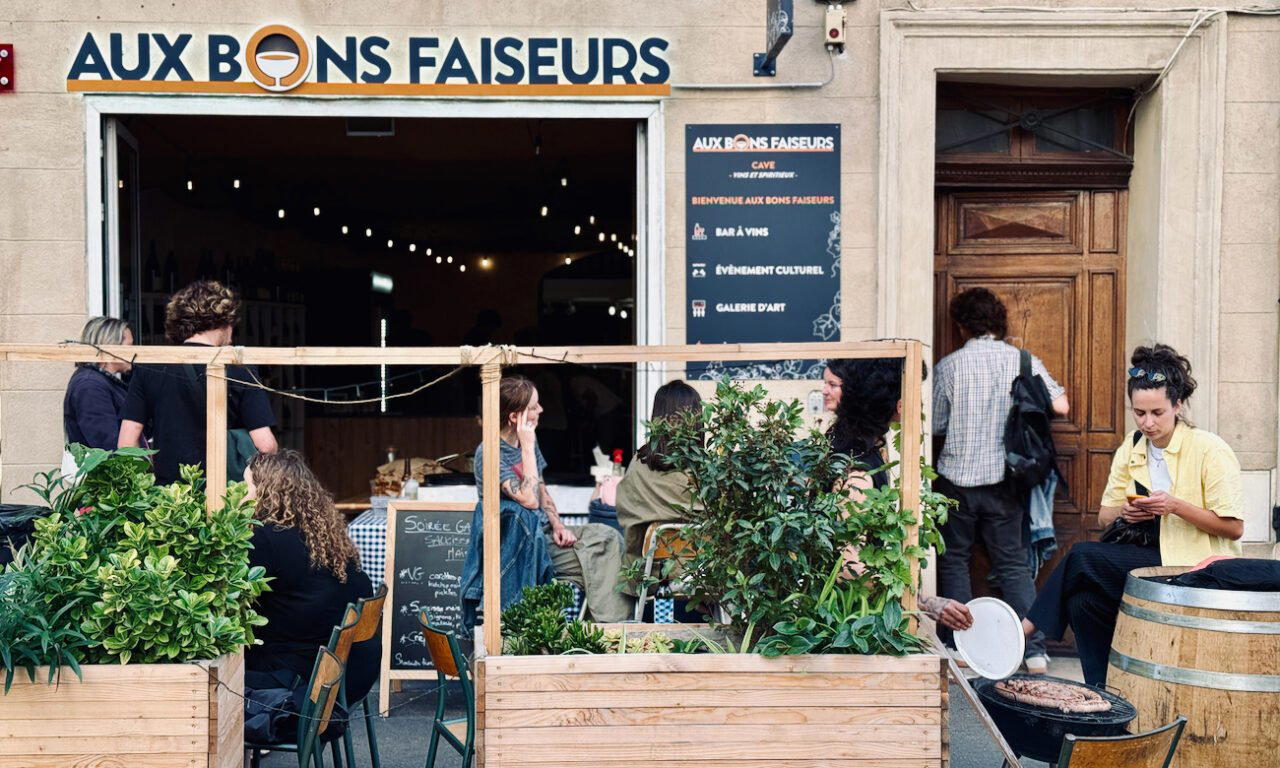
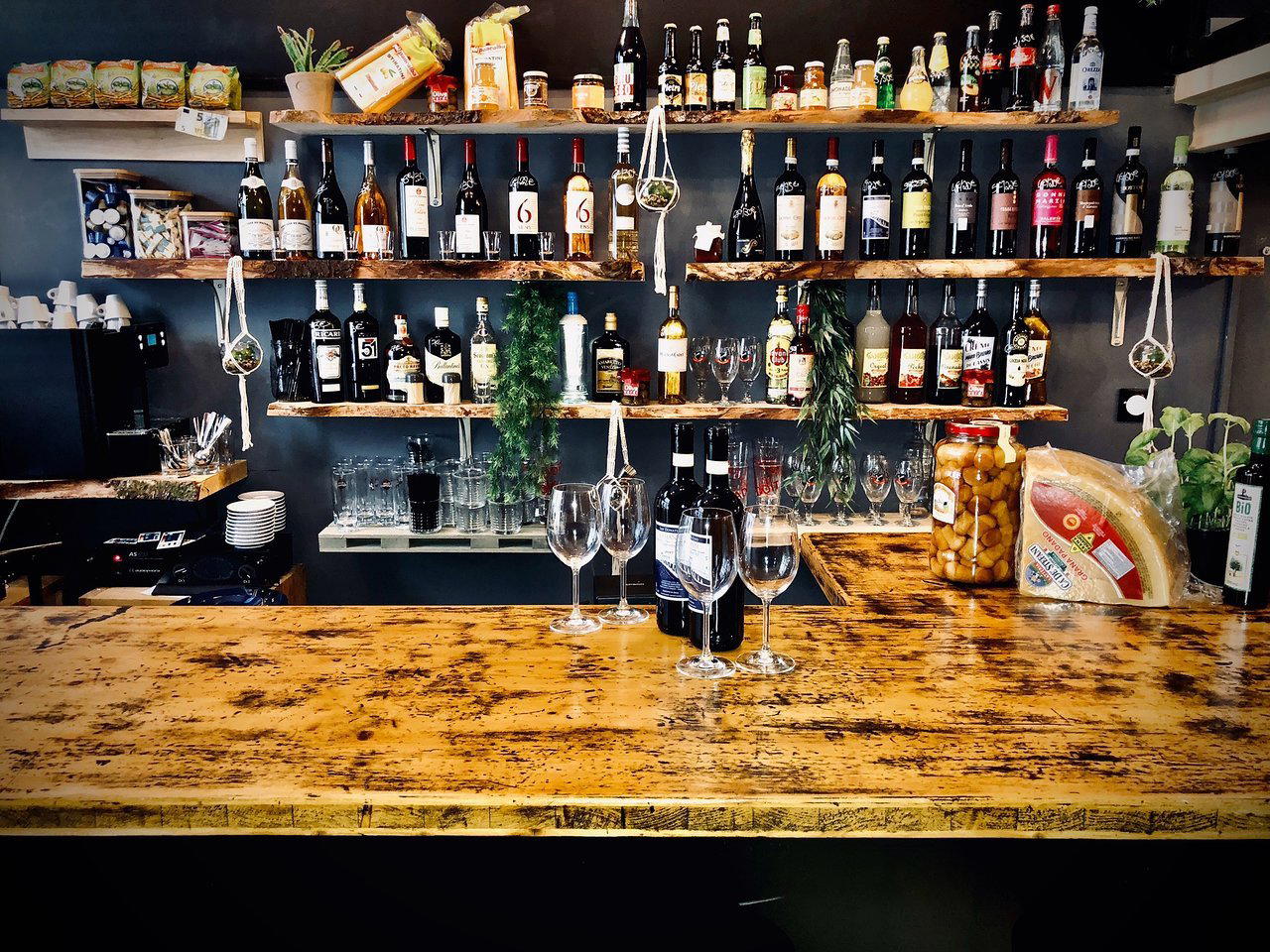
Hotels in Marseille
Browse all →
At a Glance
- Cozy
- Trendy
- Casual Hangout
- Terrace
Current opening hours
- Monday
- Closed
- Tuesday
- 12–2:30 PM
- Wednesday
- 12–2:30 PM, 7–10 PM
- Thursday
- 12–2:30 PM, 7–10 PM
- Friday
- 12–2:30 PM, 7–10 PM
- Saturday
- 12–2:30 PM, 7–10 PM
- Sunday
- Closed
Hours can change for holidays and private events. Last verified .
Cute and cozy decor with a casual street food atmosphere.