Paladar
On Ludlow Street in the Lower East Side, Paladar occupies a address with deep roots in New York's independent dining culture. The restaurant operates in a neighbourhood where price-tier diversity and ethnic culinary range have long defined the scene, placing it in a competitive context that rewards specificity of point of view. For visitors cross-referencing the city's wider dining map, Paladar anchors the LES's more accessible end of the spectrum.
- Address
- 161 Ludlow St, New York, NY 10002
- Directions
- Get directions
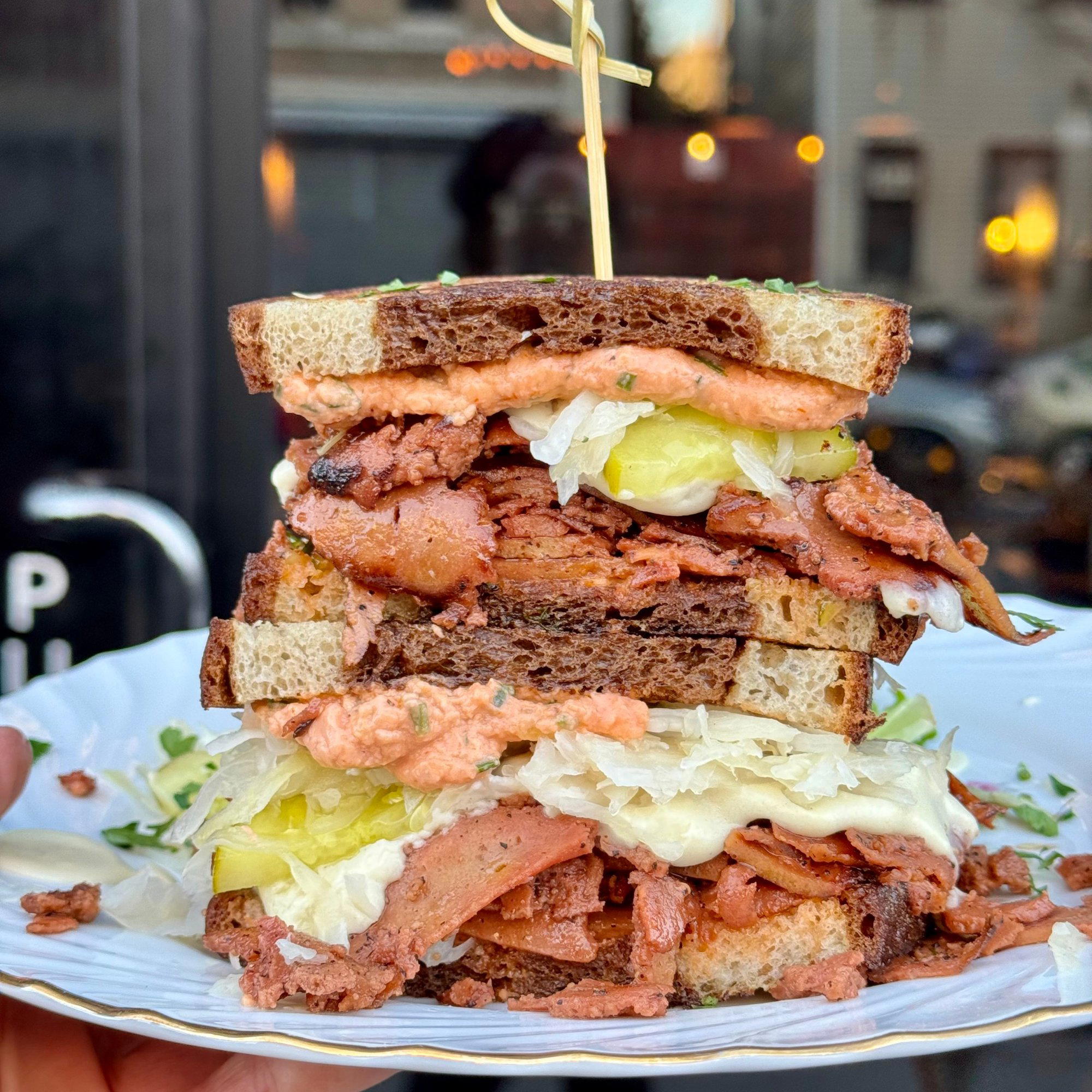
Ludlow Street and the Lower East Side Dining Context
The Lower East Side has spent the better part of three decades cycling through identity shifts, but its dining character has remained fairly consistent: independent, price-conscious, and resistant to the kind of polish that dominates Midtown or the West Village. Ludlow Street in particular became a reliable address for restaurants that traded on neighbourhood credibility over formal recognition. Paladar, at 161 Ludlow St, sits inside that tradition, operating in a corridor where the room across the street matters as much as the room you're sitting in.
That context shapes how you read the venue. New York's upper-tier tasting menu circuit, represented by counters like Le Bernardin, Atomix, Eleven Madison Park, Masa, and Per Se, operates at a remove from Ludlow Street, both geographically and in terms of format and price expectation. Paladar belongs to a different tier: neighbourhood-anchored, informal in presentation, and historically oriented toward a downtown crowd that prefers a walk-in window to a three-month reservation wait.
The Lower East Side as a Dining Neighbourhood
Understanding what Paladar offers requires understanding what the Lower East Side has historically delivered. The neighbourhood built its restaurant identity around immigration-era culinary infrastructure: Jewish deli traditions, Dominican and Puerto Rican kitchens, and the wave of pan-Latin and Latin-Caribbean spots that arrived in the 1990s and 2000s. That last category gave rise to a cluster of restaurants that operated with a specificity of flavour profile not always associated with New York's more formally recognised dining tiers.
Pan-Latin cooking in the LES context tends toward bold spicing, produce-driven plates, and an informality of service that prioritises pace and volume over ceremony. It is a tradition that rewards the front-of-house team's ability to read a room quickly, pair dishes to mood rather than protocol, and keep the floor moving without sacrificing attentiveness. The leading examples in this neighbourhood category have always distinguished themselves through that floor-level responsiveness rather than through kitchen complexity alone. Comparable dynamics play out at restaurants across American cities where informality and specificity coexist, from Lazy Bear in San Francisco to Emeril's in New Orleans, though the price brackets and formats differ considerably.
Team Dynamic and Service as Structure
In neighbourhood restaurants at this address and price tier, the team dynamic tends to define the experience more than the menu does. That is a structural reality of casual dining in dense urban markets: menus change, kitchens turn over, but the rhythm of a dining room is set by how well the floor staff and kitchen communicate under pressure. In Lower East Side restaurants, that pressure is real. Covers come in waves, tables turn, and the margin for miscommunication between a kitchen and a floor team is narrower than in a fifty-cover tasting menu room where pace is controlled by the house.
At Paladar's address on Ludlow, the restaurant sits in a competitive corridor where foot traffic and neighbourhood loyalty both matter. Venues that sustain a reputation in that environment tend to do so because the front-of-house team has internalised the menu well enough to guide guests without a script, and because the kitchen has enough consistency to back that guidance up. That kind of operational coherence is less visible than a named chef's pedigree, but it determines return visits in a way that a single outstanding dish does not. For a broader map of how team-driven service distinguishes venues across American fine and casual dining, the contrast with The French Laundry in Napa, Smyth in Chicago, or Single Thread Farm in Healdsburg is instructive: the service architecture differs by tier, but the underlying principle, that floor and kitchen must read the same room, holds across formats.
Positioning in New York's Independent Dining Map
New York's independent dining sector is more stratified than it first appears. At the leading, venues like Providence in Los Angeles or Blue Hill at Stone Barns in Tarrytown represent a formally recognised, destination tier. Below that, and often more representative of how a city actually eats, sits a middle tier of neighbourhood restaurants that accumulate local loyalty over years without attracting the same critical apparatus. The LES has historically produced venues in that middle tier.
Paladar's Ludlow Street address places it within walking distance of the neighbourhood's densest concentration of bars and casual dining, which affects the rhythm of any given evening. The restaurant draws from a local base as much as from destination diners, which in turn shapes what the service model has to accommodate. That is a different operating condition from, say, Addison in San Diego, The Inn at Little Washington, or Frasca Food and Wine in Boulder, where the destination diner is the primary audience and the room can be calibrated accordingly.
For visitors building a New York itinerary that includes the Lower East Side, the practical consideration is neighbourhood timing. Ludlow Street moves later than Midtown or the Upper West Side, and the dining window shifts accordingly. Our full New York City restaurants guide maps the broader dining geography, including where Paladar sits relative to other LES venues and how the neighbourhood compares to Manhattan's other dining corridors. Internationally, the dynamic of casual address combined with serious kitchen intent also surfaces at venues like Atelier Moessmer Norbert Niederkofler in Brunico and Dal Pescatore in Runate, though the culinary traditions differ entirely.
Planning Your Visit
Paladar is located at 161 Ludlow St, New York, NY 10002, in the Lower East Side.
Side-by-Side Snapshot
Comparable venues nearby, for context on price, style, and recognition.
| Venue | Cuisine | Price | Notes |
|---|---|---|---|
| PaladarThis venue — the venue you are viewing | Authentic Hispanic Latin Cuisine | $$ | Not listed |
| Amor Cubano | Authentic Cuban | $$ | East Harlem (North) |
| Pat'e Palo Bar & Grill | Dominican Caribbean Grill | $$ | Inwood |
| Cas West Indian & American Restaurant | Jamaican / West Indian | $$ | Crown Heights |
| Filé Gumbo Bar | Cajun & Creole Gumbo Bar | $$ | Tribeca |
| Aunts et Uncles | Modern Vegan Caribbean | $$ | East Flatbush-Erasmus |
Continue exploring
More in New York City
Restaurants in New York City
Browse all →

Bars in New York City
Browse all →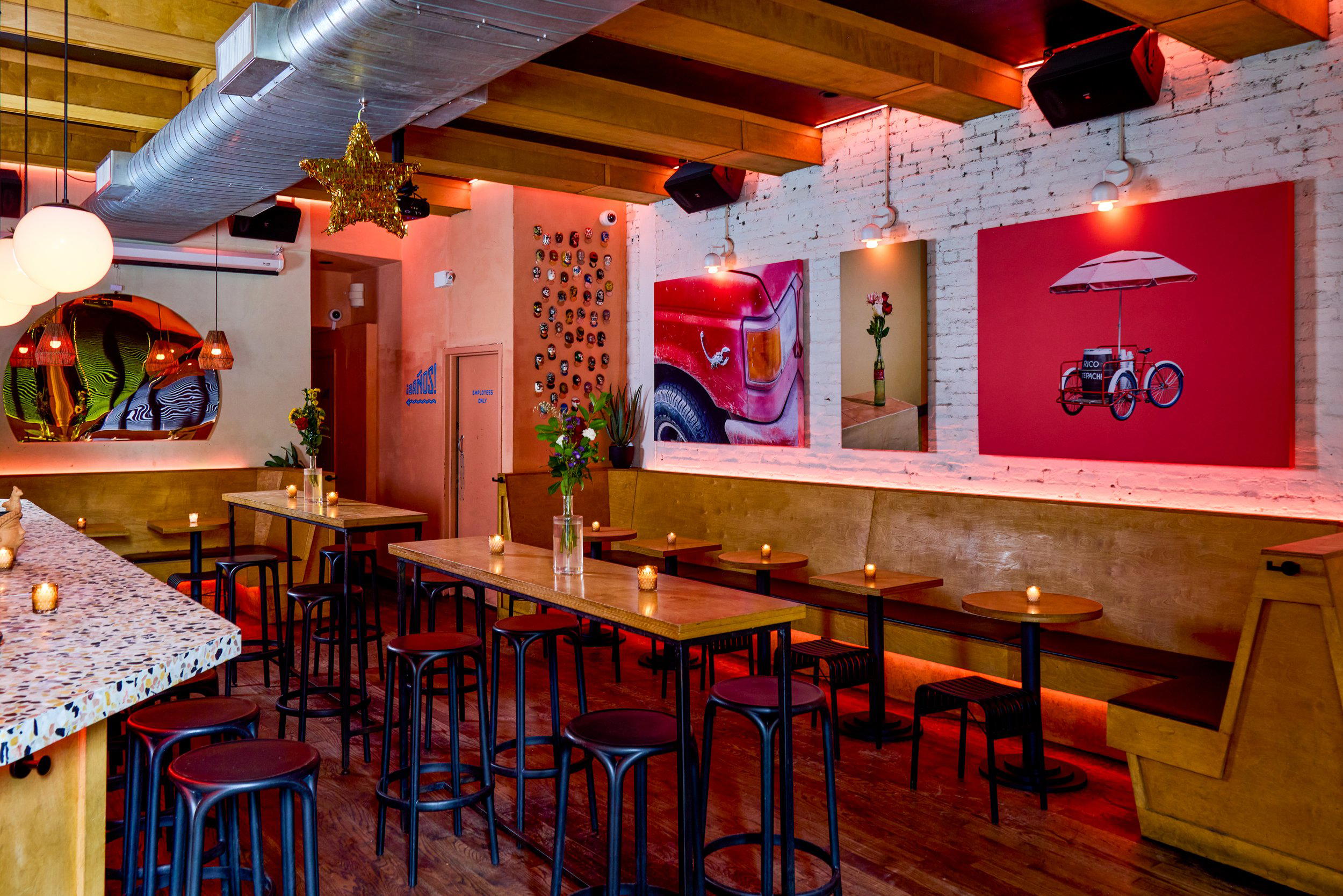

Hotels in New York City
Browse all →





At a Glance
- Lively
- Cozy
- Casual Hangout
- Group Dining
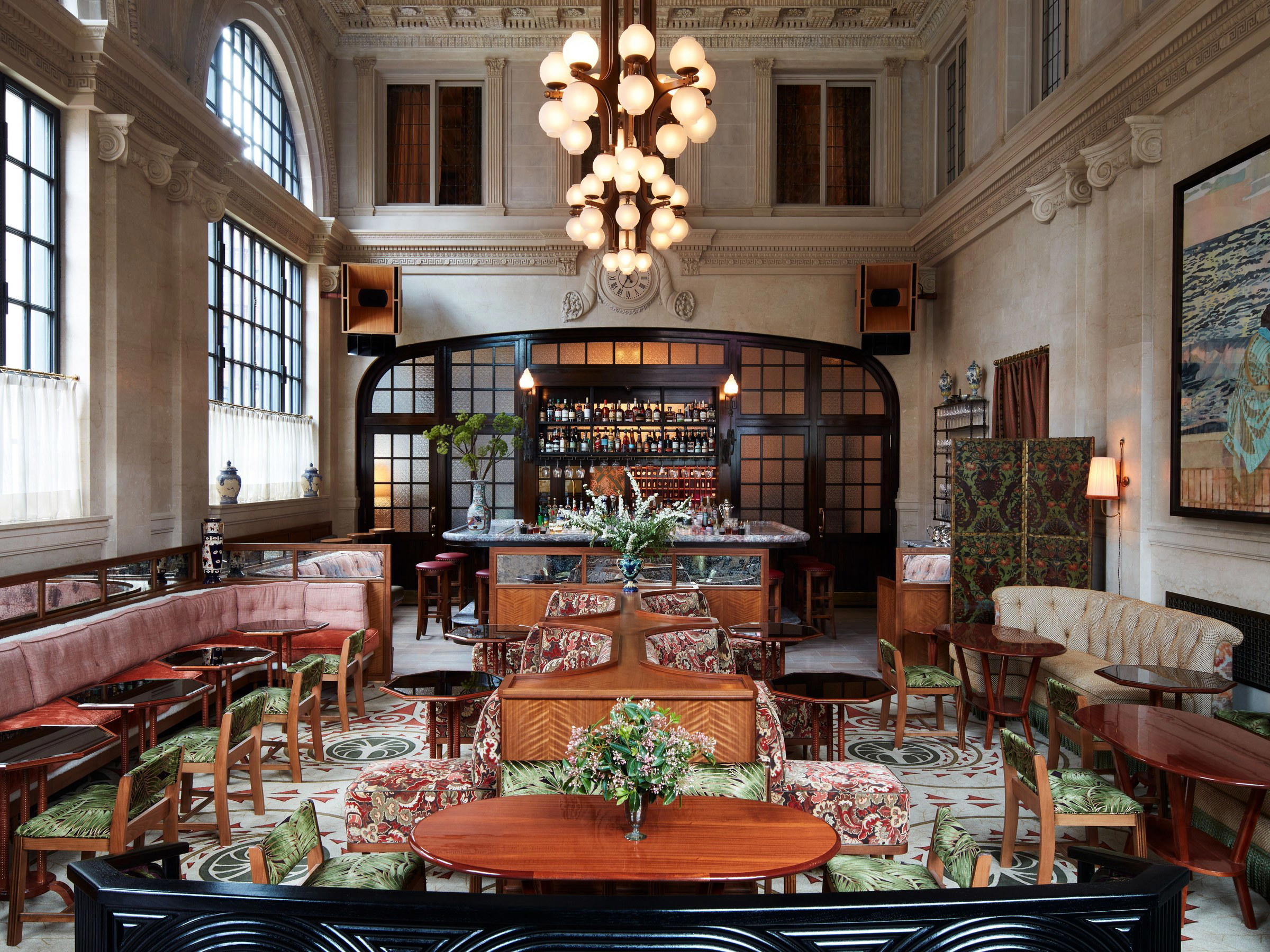
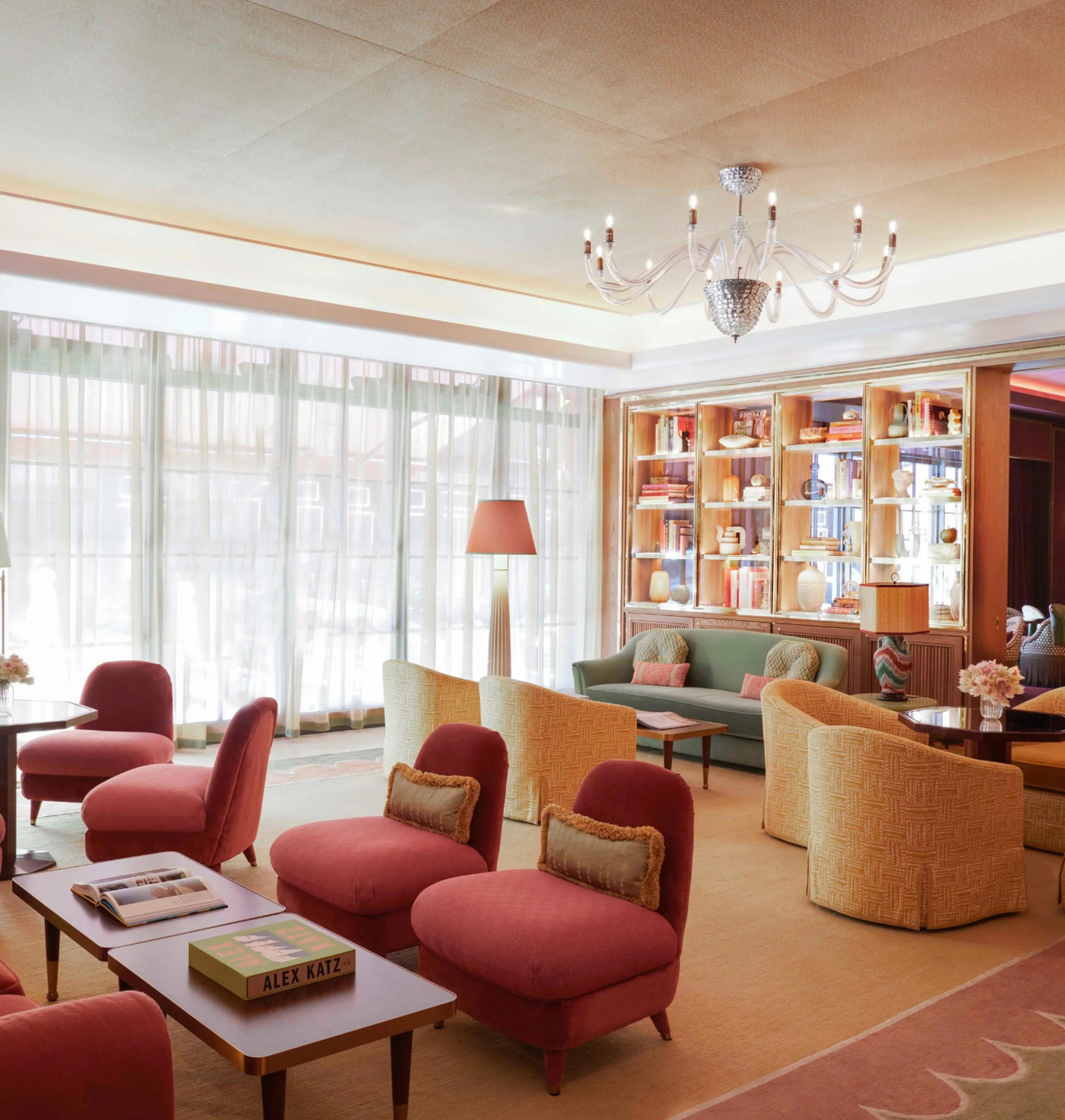
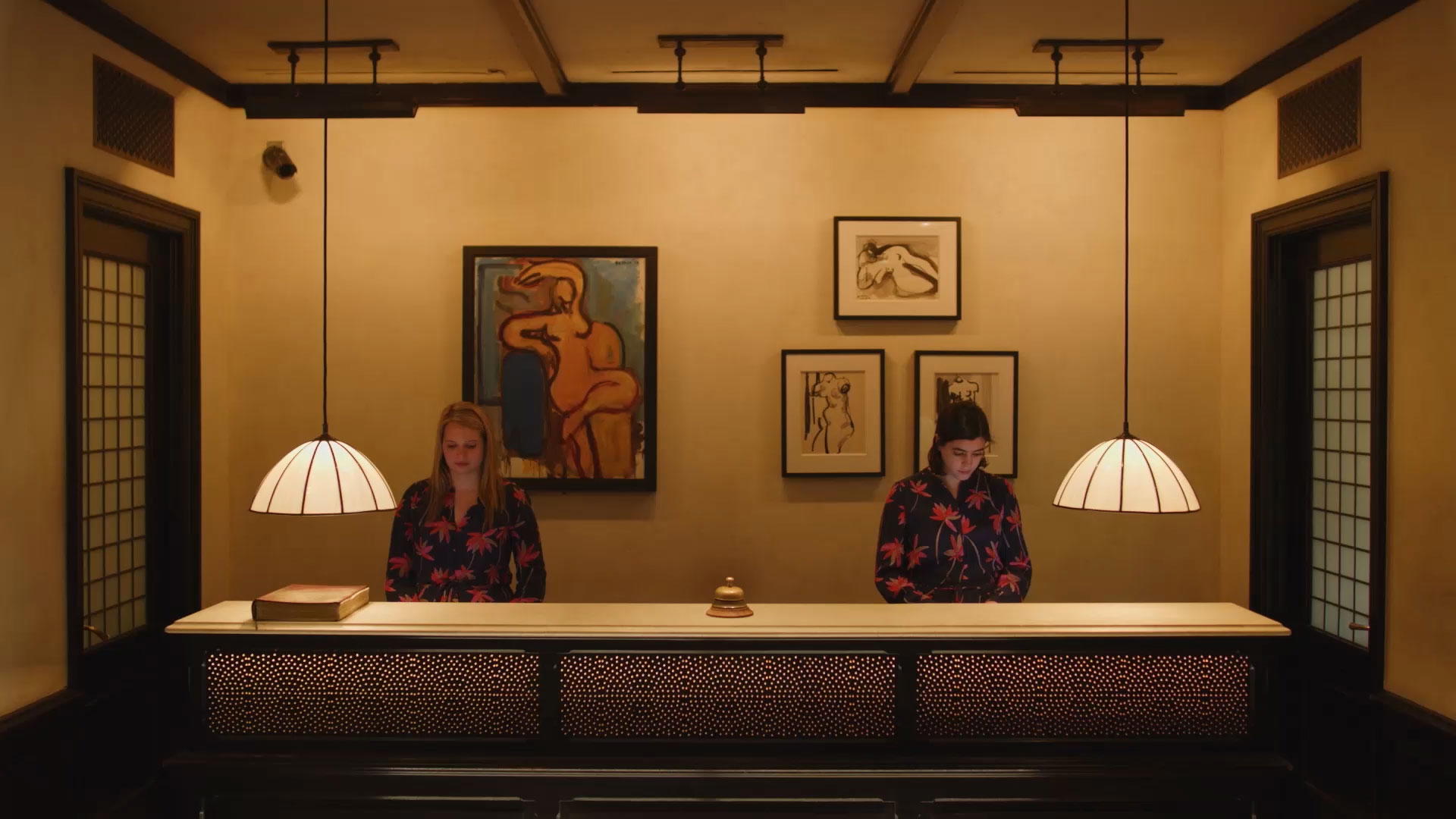
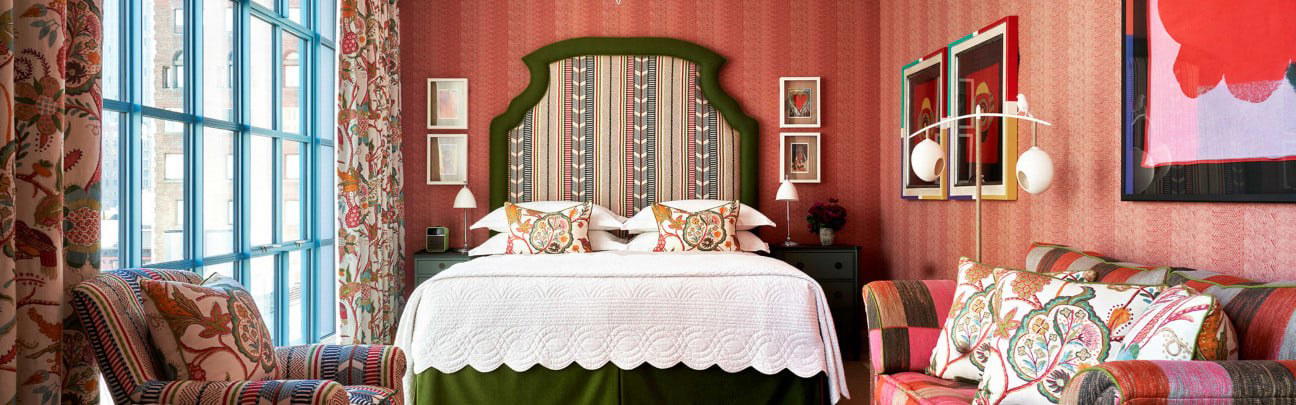
Warm and inviting with colorful decor fostering a celebratory community atmosphere.