Cas West Indian & American Restaurant

Our verdict
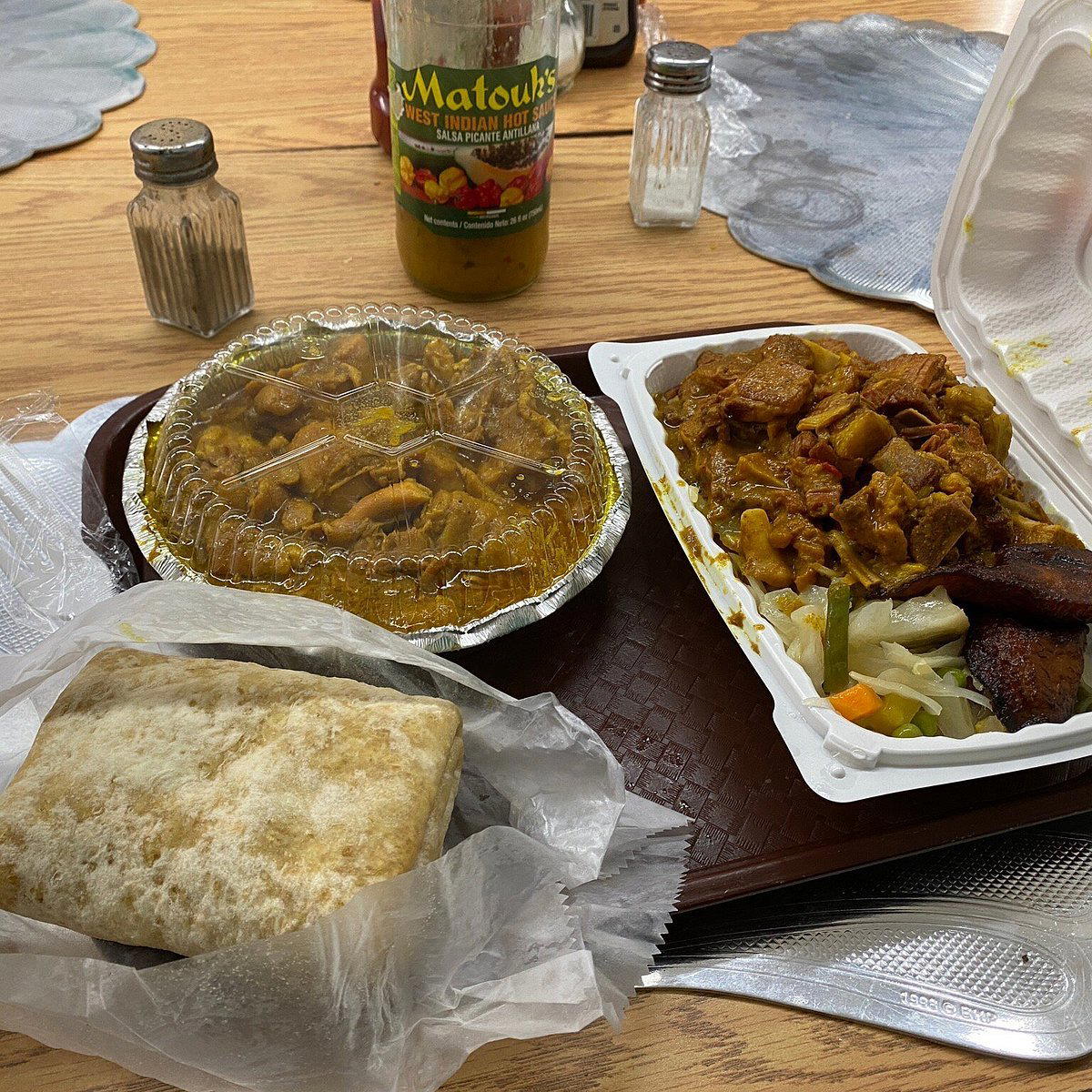
Cas West Indian & American Restaurant belongs to New York City’s practical Jamaican dining tradition: counter-service, low-friction, and built around food that travels well. The point is the oxtail, with dark gravy staining the rice, plus shelf staples like Golden Krust loaves and pepper shrimp packed the traditional way in plastic bags.

Pearl is the En Primeur Club membership app, where members save venues, book tables and use the concierge.
The menu
What to order
- Curry goat
- Jerk chicken
- Roti
- Oxtails
- Curry chicken
Walk into a bare-bones Jamaican restaurant in New York and the room usually tells the truth before the menu does. Shelves carry the packaged breads and patties that connect the counter to home kitchens, the steam table does the heavy lifting, and the serious order is the one that leaves a mark on the rice. At Cas West Indian & American Restaurant, that means oxtail, a dark gravy, and the kind of plate that sits inside a larger Crown Heights and Caribbean New York food culture rather than a chef-led dining room narrative.
Oxtail, pepper shrimp, and the grocery-shelf logic of Jamaican New York
Jamaican restaurants in New York often operate with a dual identity: part hot-food counter, part neighborhood provisions stop. The Golden Krust loaves on the shelf matter because they place the restaurant in a network of everyday Caribbean eating, where bread, patties, rice, gravy, spice, and takeaway packaging are not side details. They are the infrastructure of the meal. Freshly made pepper shrimp packed in plastic bags follows the same logic. It is a traditional, portable format, built for heat, mess, and immediacy rather than plate presentation.
The oxtail is the anchor. In this style of cooking, the value is not only in the meat but in what the gravy does to everything around it. Rice becomes the measure of the kitchen’s patience: it catches the inky imprint, stretches the richness, and turns a small detail into the reason to order the dish in the first place. That is why Caribbean steam-table food resists the usual restaurant hierarchy. The garnish is not the point; the sauce is. A low-price bracket reinforces the format, keeping the decision close to lunch-counter instinct rather than special-occasion calculation.
Ingredient sourcing, in this context, is less about farm-name disclosure than cultural supply chains. The presence of branded Jamaican bakery goods, traditional pepper shrimp packaging, and oxtail as the house draw points to a restaurant shaped by community demand. New York’s Caribbean cooking is not imported as a theme; it is sustained by shoppers, commuters, families, and regulars who know which textures should survive a container and which sauces should sink into rice before the lid comes off.
A room built for regulars, not ceremony
The atmosphere is plain by design. Bare-bones Caribbean counters in New York tend to privilege speed, portion, and recognition over scripted hospitality, and that is part of their appeal. The room does not need to perform a version of the islands for outsiders. It needs to move food, keep staples visible, and make the ordering rhythm clear. In a city where many restaurants turn regional cuisines into design language, this category keeps its authority through function.
That function also explains why the restaurant reads differently from trend-driven dining rooms. There is no need to frame Jamaican food through tasting menus, cocktail pairings, or imported luxury cues. The better question is whether the kitchen delivers the core pleasures of the tradition: meat cooked until gravy carries the flavor, spice that travels, and side elements that make a full plate rather than a composed dish. Cas West Indian & American Restaurant sits in that everyday tier, where a single dish can define the visit because the format is direct and the stakes are practical.
For readers mapping the city by category rather than hype cycle, this is the kind of address that broadens a New York itinerary. The city’s restaurant culture is not only shaped by reservation books and chef counters; it is also shaped by neighborhoods where Caribbean, Latin American, Israeli, Japanese, and Italian-American formats live as daily food. For a wider map, use Our full New York City restaurants guide, then branch into adjacent city planning with Our full New York City hotels guide, Our full New York City bars guide, Our full New York City wineries guide, and Our full New York City experiences guide.
How to place it in a broader eating itinerary
Because this is a casual Jamaican stop, it works better as part of a food-focused day than as a formal dinner plan. The smarter read is to treat it as a neighborhood-specific meal built around oxtail and pepper shrimp, then let the rest of the itinerary carry other formats. New York’s range can run from Caribbean counter food to places such as Kingston Tropical, & Sons Ham Bar, 'inoteca, 1 or 8 (Sushi - Japanese), and 12 Chairs (Israeli), each representing a different way the city absorbs immigrant food traditions and turns them into repeatable restaurant formats.
The same lens travels well beyond New York. Casual, ingredient-led regional cooking shows up in different forms at Jōdo Saké Bar in Los Angeles, Onigiri Time in Pasadena, ¿Por Qué No? in Portland, 'Ai Love Nalo in Waimanalo Beach, 'āina in San Francisco, 'Ama 'Ama in Kapolei, -Grilled beef Sukiyaki- KAMAKURA TANUKIAN 鎌倉 たぬき庵 in Kamakura, and ¡Salud! in Los Angeles. The useful comparison is not cuisine to cuisine, but format to format: places where sourcing, habit, and community expectation matter more than dining-room theater.
The editorial verdict is direct: order around the oxtail, understand the room as a working Caribbean counter, and do not ask it to behave like a polished downtown restaurant. Its value lies in a specific New York tradition, where the shelf, the plastic bag, the rice, and the gravy all tell the same story.
Frequently asked questions
Is Cas West Indian & American Restaurant a family-friendly restaurant?
Yes. The $ price range and Jamaican, Caribbean menu make Cas West Indian & American Restaurant in New York City an easy fit for families looking for an informal meal at 135 Kingston Avenue. The setup is practical rather than ceremonial, which suits mixed-age groups.
What is the atmosphere like at Cas West Indian & American Restaurant?
The atmosphere is plain and counter-led, closer to a neighborhood food stop than a dining room built for ceremony. Golden Krust loaves on the shelf and pepper shrimp packed in plastic bags give it the feel of a working Jamaican and Caribbean counter in New York City.
Is Cas West Indian & American Restaurant Michelin-listed?
Cas West Indian & American Restaurant has received recognition including: This bare-bones Jamaican spot has loaves of Golden Krust on the shelf and freshly made pepper shrimp packed in plastic bags (the traditional way), but you’re here for the oxtail, the gravy dark and luscious, worth eating just for the inky i….
What style of cooking does Cas West Indian & American Restaurant do?
Cas West Indian & American Restaurant serves Jamaican, Caribbean cuisine.
How It Compares
Comparable venues nearby, for context on price, style, and recognition.
| Venue | Cuisine | Price | Notes |
|---|---|---|---|
| Cas West Indian & American RestaurantThis venue (the venue you are viewing) | Jamaican / West Indian | $20–30 | Not listed |
| Agenda Restaurant | Latin American & Caribbean | $50–100 | Astoria (Central) |
| Bird Pepper | Caribbean | Not listed | Prospect Heights |
| Jasmine's Caribbean Cuisine | Authentic Caribbean Cuisine | $30–50 | Hell's Kitchen |
| Imani | Caribbean (Jamaican) | Not listed | Fort Greene |
| Amor Cubano | Authentic Cuban | Not listed | East Harlem (North) |
Recognition history
Dated appearances from independent guides and award organizations, with the underlying list record or original source where available.
New York Times Best Restaurants in New York City #91
New York Times
Continue exploring
More in New York City
Restaurants in New York City
All restaurants in New York City →
Bars in New York City
All bars in New York City →






Details
- Cozy
- Classic
- Casual Hangout
- Family
- Group Dining
- After Work
- Standalone
- Beer Program
- Street Scene
- A La Carte
- Beer
- Soft Drinks
Current opening hours
- Monday
- 7 AM–10 PM
- Tuesday
- 7 AM–10 PM
- Wednesday
- 7 AM–10 PM
- Thursday
- 7 AM–10 PM
- Friday
- 7 AM–10 PM
- Saturday
- 7 AM–10 PM
- Sunday
- 7 AM–7 PM
Hours can change for holidays and private events. Hours as of .
A cozy, direct neighborhood eatery with a casual, no-frills feel and a focus on hearty, home-style food.