Oviedo


Star Wine List
Our verdict
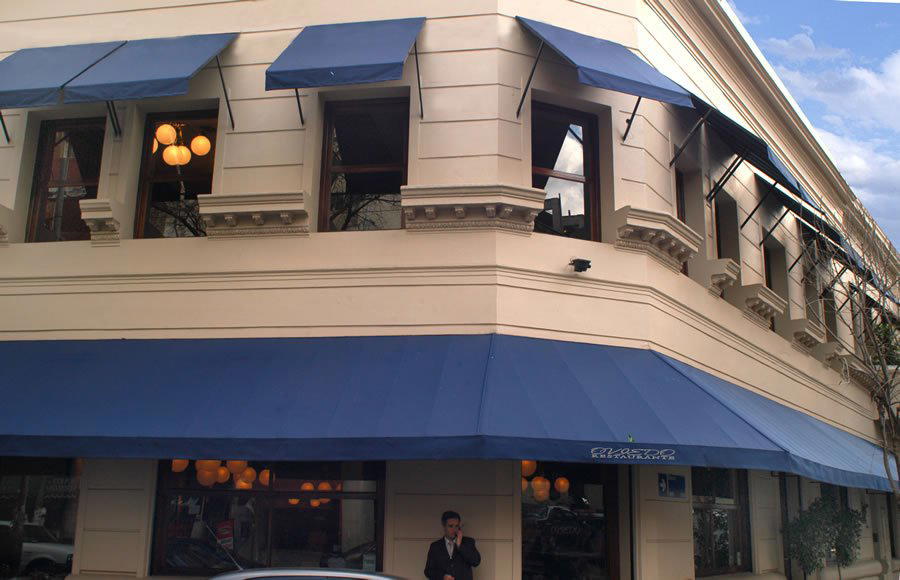
Its reputation rests on polished service and a wine program anchored by the owner's passion for vintage collecting, a depth that sets it apart from most restaurants in its neighbourhood tier.

Pearl is the En Primeur Club membership app, where members save venues, book tables and use the concierge.
The menu
What to order
- Paella
- Merluza negra
- Tortilla española
Comparison extends internationally. The model of a long-established, Mediterranean-focused restaurant holding its position through service quality and wine depth rather than through reinvention is familiar in cities like New York, where Le Bernardin has maintained classical authority for decades, or New Orleans, where Emeril's built institutional standing through consistency and culinary identity. The strategy is the same: earn trust over time, maintain standards, and let the room's history become part of the offer. A cellar built around passionate vintage collection operates differently: it offers access to wines that have had time to develop, at ages that most local restaurants cannot match, and it signals a seriousness about the wine-food relationship that goes beyond a current list.
For wine-focused diners, this is a material distinction. It places Oviedo in a niche that overlaps with but is not identical to the city's formal fine dining tier. The restaurant's standing as a Recoleta classic means it draws a consistent local clientele, particularly for business lunches and formal dinners, so booking ahead is advisable for weekend evenings. The dress code aligns with the neighbourhood register: smart, without requiring black tie.enprimeurclub. La Table de House of Jasmines offers a useful regional contrast for travellers extending beyond the capital.
Frequently asked questions
What part of town is Oviedo in?
Oviedo is located at Beruti 2602, C1425BBD Cdad. Autónoma de Buenos Aires, Argentina, Buenos Aires.
What distinctions does Oviedo have?
Oviedo has received recognition including: A true Buenos Aires classic, Recoleta-based restaurant Oviedo is well-known for its smart service and Mediterranean cuisine. Although what many diners don’t realise is that owner and passionate vintag....
What's the signature dish at Oviedo?
Oviedo's menu sits within a Mediterranean framework, drawing on seafood preparations and olive oil-led cooking that reflect Buenos Aires' deep Italian and Spanish immigration heritage. The kitchen does not publicise a single headline dish, and the menu composition is not detailed in current sources. Given the restaurant's reputation as a Buenos Aires classic, regulars tend to follow the seafood-oriented side of the menu rather than the city's default beef focus.
Do they take walk-ins at Oviedo?
Oviedo is recognised as a well-established classic in Recoleta, a neighbourhood where restaurants at this register tend to operate on reservations, particularly at peak dinner hours. Walk-in availability on quieter lunchtimes is plausible, but arriving without a booking for dinner carries real risk. check the venue's official channels at Beruti 2602 to confirm current policy.
What has Oviedo built its reputation on?
Oviedo is documented as a Buenos Aires classic operating out of Recoleta, built on two pillars: smart, attentive service and a Mediterranean menu that sits apart from the city's dominant asado tradition. The second, less obvious pillar is the owner's commitment to vintage wines, a program that draws serious collectors and sets Oviedo apart from restaurants working in a similar Mediterranean register across the city.
Can Oviedo accommodate dietary restrictions?
Oviedo's Mediterranean framework, which relies on seafood, vegetables, olive oil, and grain-based preparations, offers more structural flexibility for pescatarians and those avoiding red meat than most Buenos Aires restaurants. The appropriate step is to contact the restaurant at Beruti 2602, Recoleta, before your visit.
Is Oviedo in Buenos Aires known for its wine list?
The wine program is arguably Oviedo's most discussed credential among Buenos Aires insiders, with the owner's passion for vintage bottles cited as a defining feature that separates it from comparable Mediterranean addresses in the city. For diners who treat the wine list as seriously as the food menu, Recoleta's Oviedo operates in a different category from most Argentine restaurants. It is the depth of aged inventory, not just breadth of labels, that defines the cellar's character.
Budget Reality Check
Comparable venues nearby, for context on price, style, and recognition.
| Venue | Cuisine | Price | Awards | Notes |
|---|---|---|---|---|
| OviedoThis venue (the venue you are viewing) | Traditional Spanish Seafood | $50–100 | Star Wine List | Not listed |
| La Birra Bar | Argentine Smash Burgers & Craft Beer | $10–20 | World's Best Steaks 25 Best Burgers #7 | Cafferata, Argentine Smash Burgers & Craft Beer |
| Happening Costanera | Traditional Argentine Parrilla | $30–50 | Not listed | Belgrano, Traditional Argentine Parrilla |
| Alcanfor | Contemporary Farm-to-Table | $50–100 | Michelin Plate | Villa Crespo, Contemporary Farm-to-Table |
| El Burladero | Authentic Spanish Tapas & Paella | Not listed | Not listed | Recoleta, Authentic Spanish Tapas & Paella |
| Chan Chan | Authentic Peruvian Ceviche | $10–20 | Not listed | Montserrat, Authentic Peruvian Ceviche |
Recognition history
Dated appearances from independent guides and award organizations, with the underlying list record or original source where available.
Star Wine List
Star Wine List
Opinionated About Dining Top Restaurants in South America Ranked #68
Opinionated About Dining
Continue exploring
More in Buenos Aires
Restaurants in Buenos Aires
All restaurants in Buenos Aires →
Bars in Buenos Aires
All bars in Buenos Aires →
Details
- Classic
- Elegant
- Intimate
- Date Night
- Business Dinner
- Special Occasion
- Wine Cellar
- Extensive Wine List
- A La Carte
- Wine
- Vegetarian Friendly
- Gluten Free Options
Current opening hours
- Monday
- Closed
- Tuesday
- 12–4 PM, 7 PM–12 AM
- Wednesday
- 12–4 PM, 7 PM–12 AM
- Thursday
- 12–4 PM, 7 PM–12 AM
- Friday
- 12–4 PM, 7 PM–12 AM
- Saturday
- 12–4 PM, 7 PM–12 AM
- Sunday
- 12–4 PM
Hours can change for holidays and private events. Hours as of .
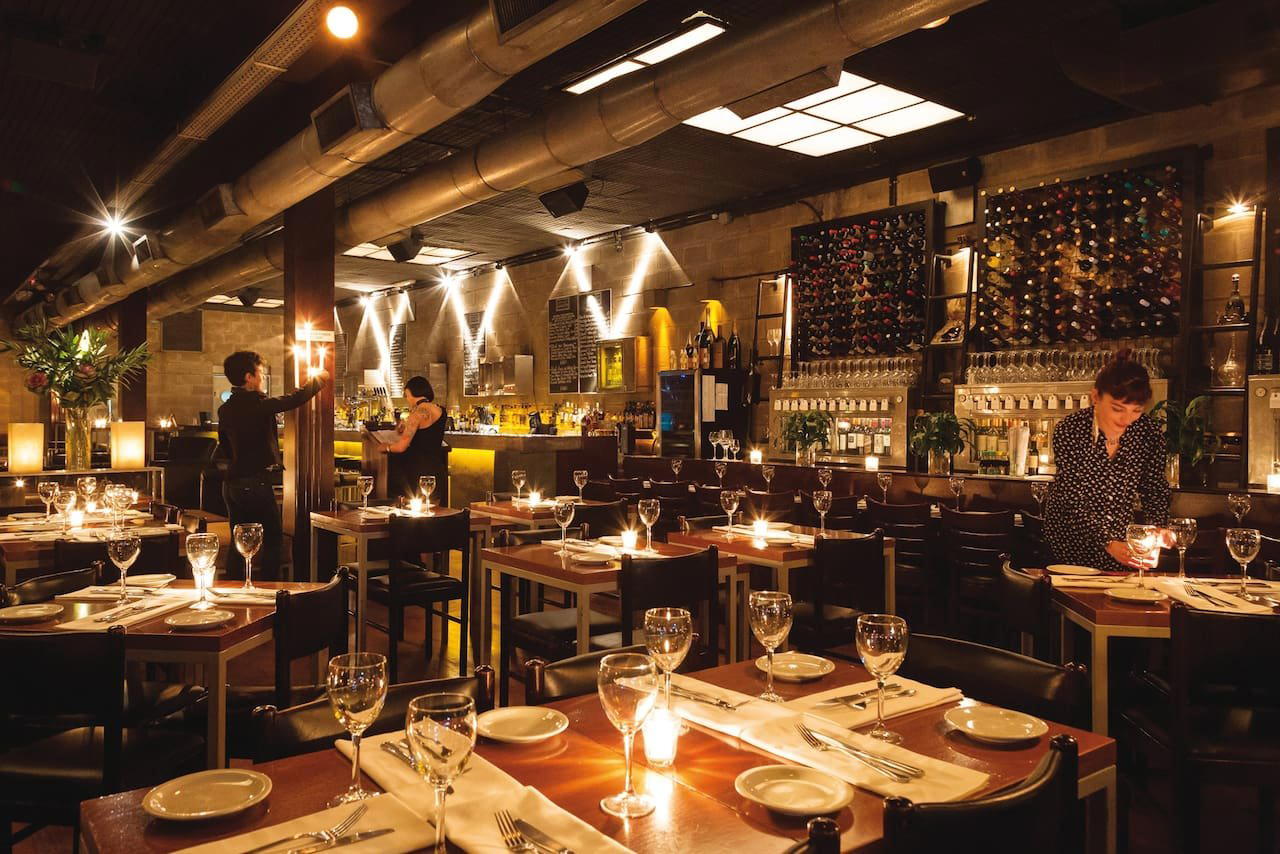
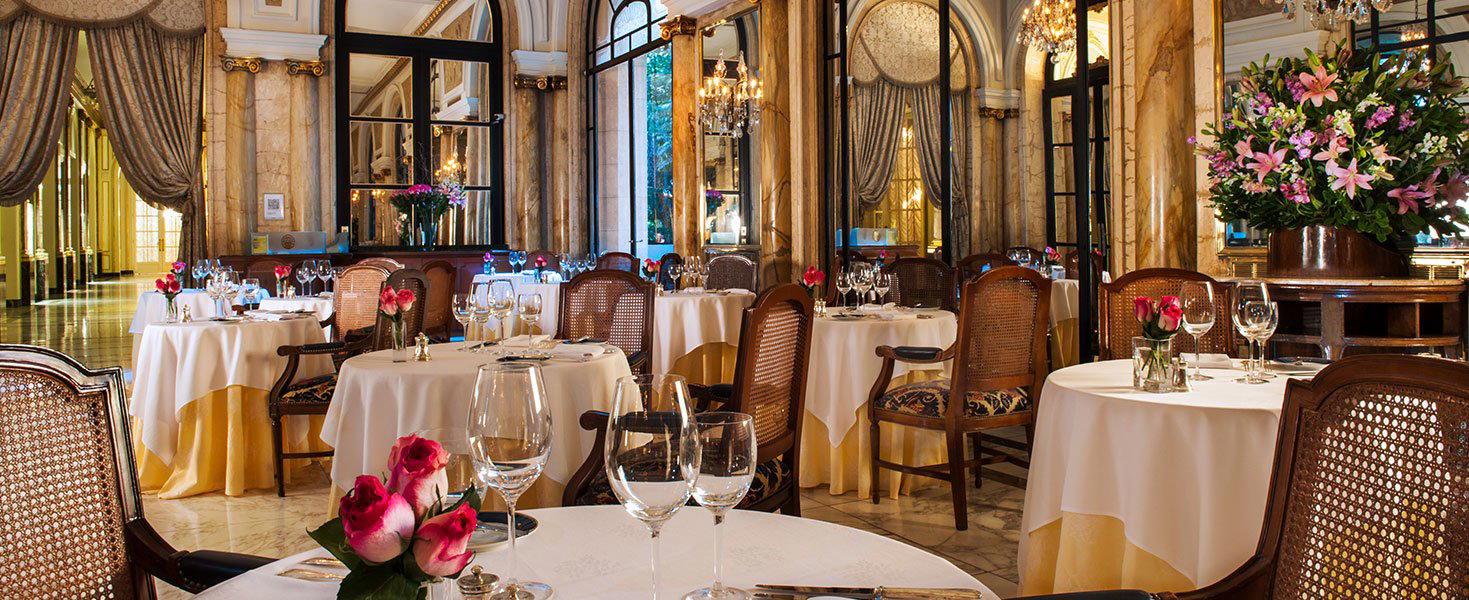
Old-school dining room with crown molding, octagon-tiled floors, bronze accents, marine-themed artwork, and professional waitstaff in black vests and bow ties.