Positioned steps from the Santiago Bernabéu stadium in Chamartín, Oven Mozzarella Bernabeu sits at the intersection of Madrid's sports-district dining scene and the city's enduring appetite for Italian-influenced comfort formats. The address alone signals a particular kind of casual authority: this is a neighbourhood that has learned to feed serious crowds without sacrificing quality. Worth knowing before the next fixture.
Pearl is the En Primeur Club membership app — saves, bookings, and concierge access live there. Same editors, same standards.
- Address
- Av. de Concha Espina, 4, Chamartín, 28036 Madrid, Spain
- Phone
- +34911330740
- Website
- oven.es
- Directions
- Get directions
 Saves & bookings on Pearl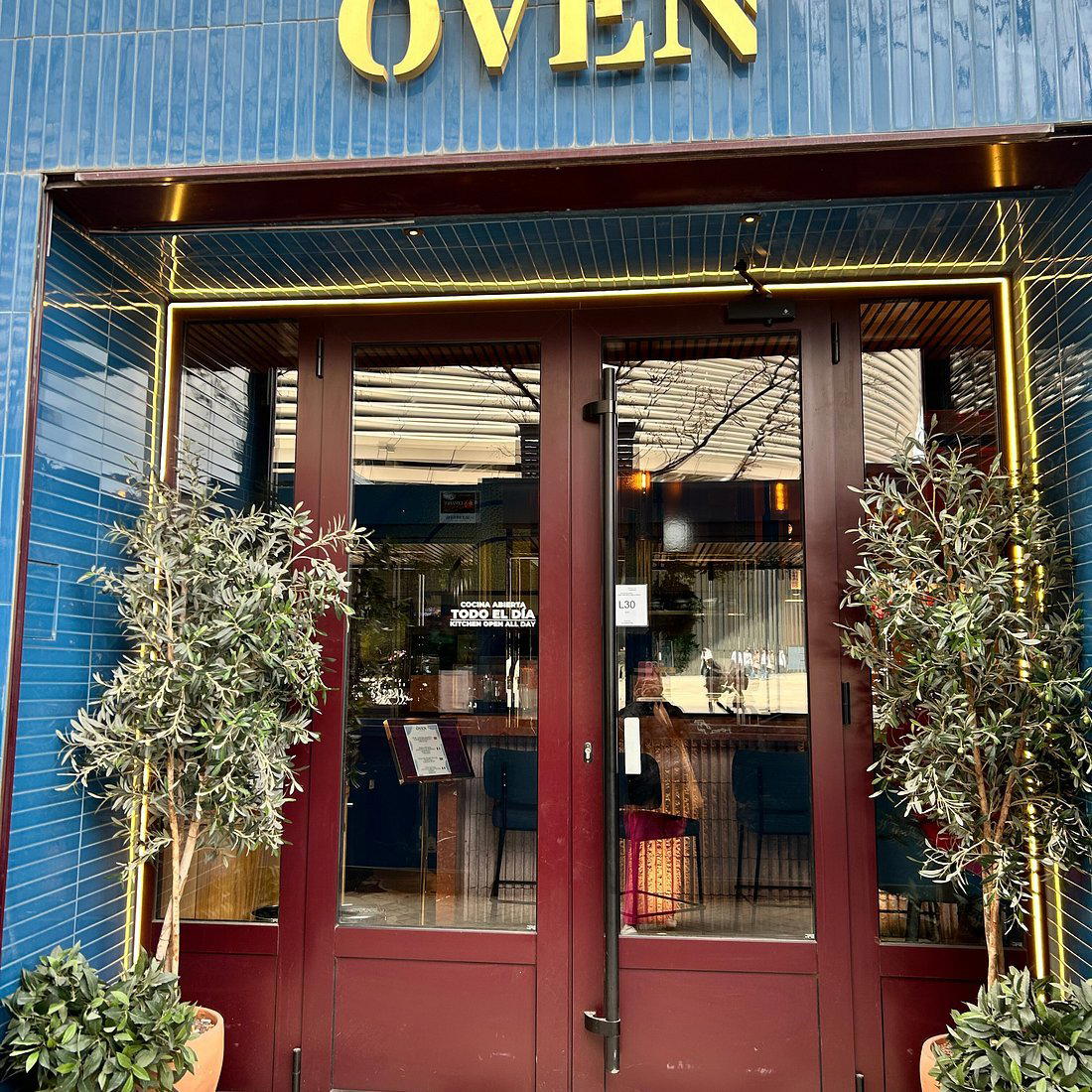
Where the Stadium District Meets the Table
The stretch of Avenida de Concha Espina that runs past the Santiago Bernabéu is one of Madrid's more interesting dining corridors precisely because it has to work harder than the obvious tourist circuits. Chamartín is a residential and business district first, a football neighbourhood second, and a dining destination third — which means the restaurants here are built to satisfy repeat customers rather than one-time visitors passing through Sol or Gran Vía. Oven Mozzarella Bernabeu sits at number four on that avenue, positioned to serve a clientele that includes local office workers, match-day crowds, and the kind of Madrileño who wants reliable Italian-leaning cooking without the theatrics of the city centre.
That context matters when reading the menu. Italian comfort formats — pizza, mozzarella plates, baked dishes, have occupied a particular niche in Madrid's mid-register dining for years. The city's appetite for Italian cooking is genuine and has produced a range of formats from quick-serve pizza counters in Malasaña to more considered Italian-influenced tables in Salamanca. The Chamartín version of this tradition tends toward accessibility without austerity: the format is approachable, the setting is functional, and the anchor product, mozzarella, as the name announces directly, does the editorial work of signalling what the kitchen prioritises.
Reading the Menu as a Structure
A restaurant that names itself after a single ingredient is making a claim about hierarchy. The menu at a place called Oven Mozzarella is, by implication, organised around the quality and versatility of that ingredient rather than around elaborate technique or tasting-menu architecture. This is a different model from the progression-led, multi-course formats you find at Madrid's most-decorated tables, places like DiverXO or Coque, where the menu is explicitly a journey with a fixed sequence. Here, the structure is lateral rather than vertical: the diner chooses from categories rather than submitting to a set progression.
That lateral structure has its own logic. Mozzarella as a centrepiece ingredient rewards this kind of menu design because it can appear in multiple registers, fresh and unadorned, baked into a crust, layered under heat with other components, without requiring the kitchen to build an escalating narrative. The oven referenced in the name reinforces this: wood-fired or deck-oven cooking is about high heat applied to simple, quality-dependent ingredients, and a menu built around that process tends to be more honest about ingredient quality than one that uses technique to compensate for mediocrity.
For Madrid diners accustomed to the tasting-menu discipline of DSTAgE or the creative precision of Deessa, the à-la-carte, ingredient-led format here represents a deliberate gear change. It is the kind of table where the decision-making stays with the diner, and where the kitchen's credibility rests on the sourcing and handling of its core products rather than on the elaboration of its dishes.
The Chamartín Dining Context
Madrid's dining geography is more stratified than it appears from a map. The high-end creative restaurants cluster around the centre and the Salamanca district, where Paco Roncero and comparable addresses operate. Chamartín sits north of that cluster, in a zone where the dining offer is shaped as much by the rhythms of the Bernabéu calendar as by any particular culinary tradition. On match days, the pressure on local restaurants is significant: a stadium with a capacity exceeding 80,000 generates a pre- and post-match crowd that demands speed, volume, and reliability. Restaurants in this zone that survive over time tend to have formats strong enough to handle that surge without losing their baseline quality for the quieter midweek customer.
That dual demand, efficiency for the event crowd, consistency for the regular, is one reason why Italian formats like pizza and mozzarella-centred menus travel well in sports-adjacent locations. The product is familiar, the format is scalable, and the category has enough range to accommodate both a quick pre-kick-off dinner and a longer evening meal. Across Europe, the proximity of quality-conscious Italian restaurants to major stadiums is a recognisable pattern, from the districts around Camp Nou in Barcelona to the streets near San Siro in Milan.
Placing This in the Broader Spanish Scene
Spain's restaurant scene is not short of ambition at its upper tier. The country holds a disproportionate share of Europe's three-Michelin-star addresses, with tables like El Celler de Can Roca in Girona, Arzak in San Sebastián, Azurmendi in Larrabetzu, and Martin Berasategui in Lasarte-Oria representing the country's most decorated cooking. The broader network includes Aponiente in El Puerto de Santa María, Quique Dacosta in Dénia, Mugaritz in Errenteria, Ricard Camarena in València, Atrio in Cáceres, and Cocina Hermanos Torres in Barcelona, a geography of serious cooking that spans the peninsula. Oven Mozzarella Bernabeu does not operate in that tier and is not competing with it.
What this venue represents is something different: the mid-register Italian comfort format that coexists in any serious food city alongside its fine-dining layer. In New York, that coexistence is well understood, a city that houses Le Bernardin and Atomix also supports hundreds of neighbourhood tables doing excellent, unfussy work. Madrid's version of this dynamic is growing, and the Chamartín district is part of that story.
For a broader view of where this venue sits within Madrid's full dining map, the EP Club Madrid restaurants guide provides the context needed to plan a complete visit to the city.
Planning Your Visit
The address, Avenida de Concha Espina 4, Chamartín, places the restaurant within easy reach of the Bernabéu metro station on Line 10, making it direct to arrive by public transport whether you are coming from the city centre or from further north. The match-day calendar at the Bernabéu is worth checking before you book: securing a table on the quieter side of the week gives a materially different experience from arriving in the middle of a 80,000-person stadium event.
How Oven Mozzarella Bernabeu compares with similar nearby venues.
| Venue | Cuisine | Price |
|---|---|---|
| 99 sushi bar | Modern Spanish, Japanese | €€€€ |
Continue exploring
More in Madrid
Restaurants in Madrid
Browse all →
Bars in Madrid
Browse all →
Hotels in Madrid
Browse all →


At a Glance
- Cozy
- Lively
- Family
- Group Dining
- Casual Hangout
- Open Kitchen
- Terrace
- Organic
- Street Scene
Current opening hours
- Monday
- 9 AM–12 AM
- Tuesday
- 9 AM–12 AM
- Wednesday
- 9 AM–12 AM
- Thursday
- 9 AM–12 AM
- Friday
- 9 AM–1 AM
- Saturday
- 10 AM–1 AM
- Sunday
- 10 AM–12 AM
Hours can change for holidays and private events. Last verified .
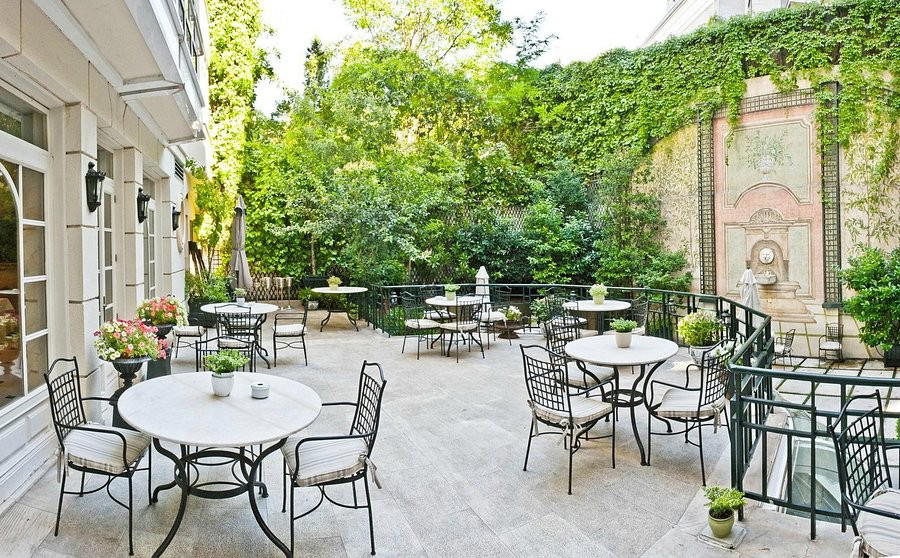
Warm and cozy interior with a pleasant terrace, featuring a lively yet comfortable atmosphere praised by families and friends.
Know Before You Go
- Getting there
- Av. de Concha Espina, 4, Chamartín, 28036 Madrid, Spain