
Don Giovanni sits in Madrid’s restaurant conversation through a 1 Sol distinction in the Guía Repsol Soles 2026. Its value is less about spectacle than placement: a formal dining address on the Retiro–Atocha side of the city, where Madrid’s appetite for Spanish, international, and neighborhood-led restaurants overlaps.
Pearl is the En Primeur Club membership app — saves, bookings, and concierge access live there. Same editors, same standards.
- Address
- Paseo de la reina Cristina, 23 posterior, C. de Gutenberg, 19, entrada por, 28014 Madrid, Spain
- Directions
- Get directions
 Saves & bookings on Pearl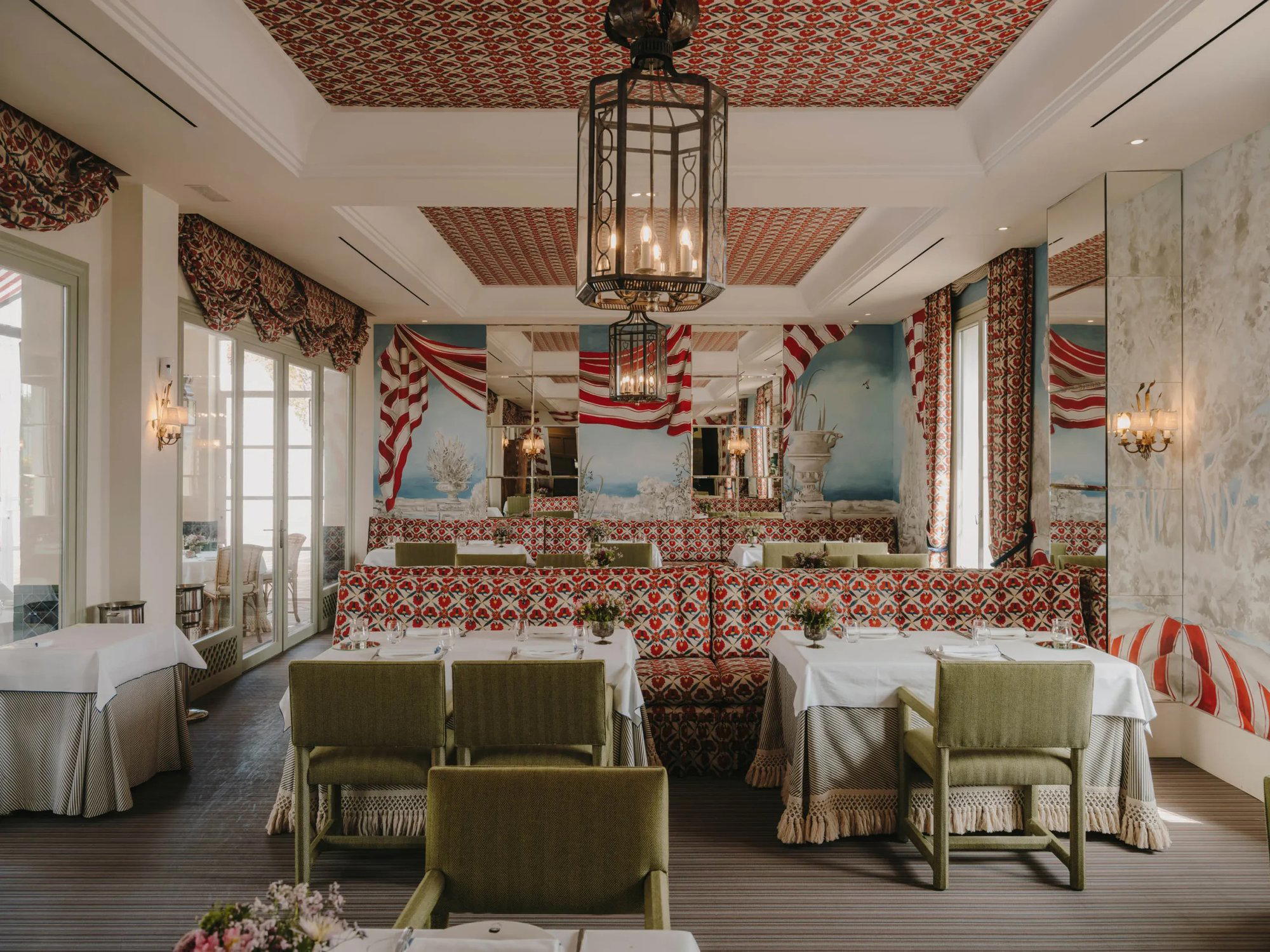
Approaching Madrid’s Retiro and Atocha side, the city changes register: the grand museum corridor gives way to working streets, residential blocks, and restaurants serving locals as much as destination diners. Don Giovanni belongs to that Madrid, neither hotel-lobby capital nor late-night tapas crawl, but a measured dining band where consistency, service rhythm, and a clear kitchen identity have to earn attention.
Madrid is harder to summarize because its restaurant culture now moves in several directions at once. Castilian tradition still sets the baseline: lunch is serious, Sunday service matters, and dining rooms are judged as much by pacing as by plates. Around it, the city has absorbed Japanese counters, Galician seafood formats, progressive Spanish tasting menus, Italian-influenced rooms, and casual neighborhood specialists. A 1 Sol from Guía Repsol in 2026 places Don Giovanni inside the Spanish guide’s quality tier, a useful signal in a city where not every serious table chases the same international awards circuit.
Madrid's formal dining middle ground, away from the hotel circuit
The strongest way to read this restaurant is through Madrid’s middle tier of ambitious dining: more structured than a neighborhood bar, less ceremonially expensive than the grand tasting-menu addresses. That category matters because Madrid’s eating culture is built not only on headline restaurants, but on repeatable rooms, fixed service expectations, and kitchens able to hold lunch and dinner crowds without changing personality.
That is where the Guía Repsol signal carries weight. The Soles system is Spanish in its center of gravity, attentive to regional context rather than only international destination dining. A 1 Sol does not make a restaurant a temple; it marks craft and reliability Spanish diners understand. In editorial terms, it suggests a table to compare with Madrid’s serious local restaurants, not a novelty stop between museums.
The cultural frame matters too. Madrid has long been a city of imported appetites: Andalusian frying traditions, Basque grills, Galician seafood houses, Asturian cider rooms, and Italian restaurants all sit inside the capital’s daily dining habits. For any non-traditional Spanish format, the question is not whether it feels foreign, but whether it fits Madrid’s cadence. Lunch must carry weight. Dinner starts late by northern European standards. Service has to accommodate long tables, couples, and business meals without forcing one script on all.
That helps explain why restaurants around this part of town can feel different from the more conspicuous dining zones north and west of the historic center. The Retiro–Atocha axis has visitors, residents, office traffic, museumgoers, and regulars. A restaurant here cannot live on occasion dining alone. It needs a reason for weekday lunch as well as Saturday dinner, and that pressure often produces a more grounded room than flashier parts of the city.
The useful comparison is Madrid's range, not a single rival
Madrid’s restaurant map rewards side-by-side reading. A diner looking at Don Giovanni should also understand the city’s range: B de J, 11 Nudos Madrid, 19.86, 47 Ronin, and 99 sushi bar point to different dining languages, from Spanish progression to Japanese-influenced formats. None cancels the others; together they show why Madrid now works less as a single-cuisine city than as a capital of parallel traditions.
Within that spread, the restaurant’s address and recognition make it sensible for diners who want a composed restaurant rather than a roaming tapas night. The distinction is useful. Madrid’s casual culture is generous, but tiring for travelers who want one reservation, a seated meal, and a room where the evening has a beginning and end. The capital has plenty of informal pleasure; the sharper question is where structure adds value rather than stiffness.
The city’s Italian-rooted dining tradition deserves more respect than it often receives. In Spain, Italian restaurants can be dismissed as fallback choices, yet in Madrid they serve a real social function: family meals, business lunches, cross-generational dinners, and low-risk evenings when a table needs broad appeal. The stronger examples succeed by adapting to Spanish timing and table culture, not by performing an idea of Italy for tourists. In that context, the restaurant name reads less as branding than as cultural familiarity within Madrid’s dining grammar.
For a wider itinerary, our full Madrid restaurants guide maps the city’s dining spread, while our full Madrid hotels guide, our full Madrid bars guide, our full Madrid wineries guide, and our full Madrid experiences guide help build the surrounding trip. Spain’s restaurant culture also reads better beyond the capital: 12 Tapas in Castilleja de la Cuesta, 144. in Vitoria-Gasteiz, 1742 in Ibiza, 1860 Tradición in Elciego, 1881 per Sagardi in Barcelona, and 1890 La Bodeguita in Las Palmas de Gran Canaria show how regional context changes a meal’s terms. For Japanese-format contrast outside Spain, Jōdo Saké Bar in Los Angeles and Onigiri Time in Pasadena underline how specific formats travel differently across cities.
Who this table suits in Madrid
This Madrid reservation makes sense when the goal is a settled dining room rather than a crawl, especially on the museum-facing side. The 2026 Guía Repsol 1 Sol gives it a credible quality marker, but the better itinerary reason is contextual: it represents Madrid’s ability to absorb outside culinary references into a local style of eating. The capital does not need every serious restaurant to declare itself avant-garde. Some rooms matter because they keep formal dining usable.
The decision comes down to occasion. For a visitor planning one Madrid meal, the city’s Spanish regional restaurants may feel more culturally direct. For a traveler spending several nights in the capital, the restaurant offers another read: Madrid as a city where international cues, local dining hours, and guide-recognized consistency occupy the same table. That is a quieter confidence, and in Madrid it often ages better than theatrical novelty.
Price and Recognition
Nearby venues at a similar price tier for orientation.
| Venue | Cuisine | Price | Notes |
|---|---|---|---|
| Don GiovanniThis venue — the venue you are viewing | Jerónimos, Italian Pasta & Truffle | $$$ | Not listed |
| Pizzart Fuencarral | Chueca, Neapolitan Wood-Fired Pizza | $$ | Not listed |
| Just Italia Chamberi | Arapiles, Italian Trattoria | $$ | Not listed |
| Mamma Ke Pizza | San Pascual, Casual Italian Pizza | $$ | Not listed |
| Oven Mozzarella Bernabeu | Not listed | $$ | Hispanoamerica, Authentic Italian Pizza and Pasta |
| pasta | Ibiza, Italian Pasta Specialist | $$ | Not listed |
Recognition history
Dated appearances from independent guides and award organizations, with the underlying list record or original source where available.
Guía Repsol 1 Sol
Guía Repsol
At a Glance
- Classic
- Cozy
- Elegant
- Sophisticated
- Well Known
- Date Night
- Business Dinner
- Group Dining
- Celebration
- Special Occasion
- Wine Cellar
- Historic Building
- Standalone
- Extensive Wine List
Current opening hours
- Monday
- Closed
- Tuesday
- 1:30–4 PM, 8:30–11 PM
- Wednesday
- 1:30–4 PM, 8:30–11 PM
- Thursday
- 1:30–4 PM, 8:30–11 PM
- Friday
- 1:30–4 PM, 8:30–11 PM
- Saturday
- 1:30–4 PM, 8:30–11 PM
- Sunday
- 1:30–4 PM
Hours can change for holidays and private events. Last verified .
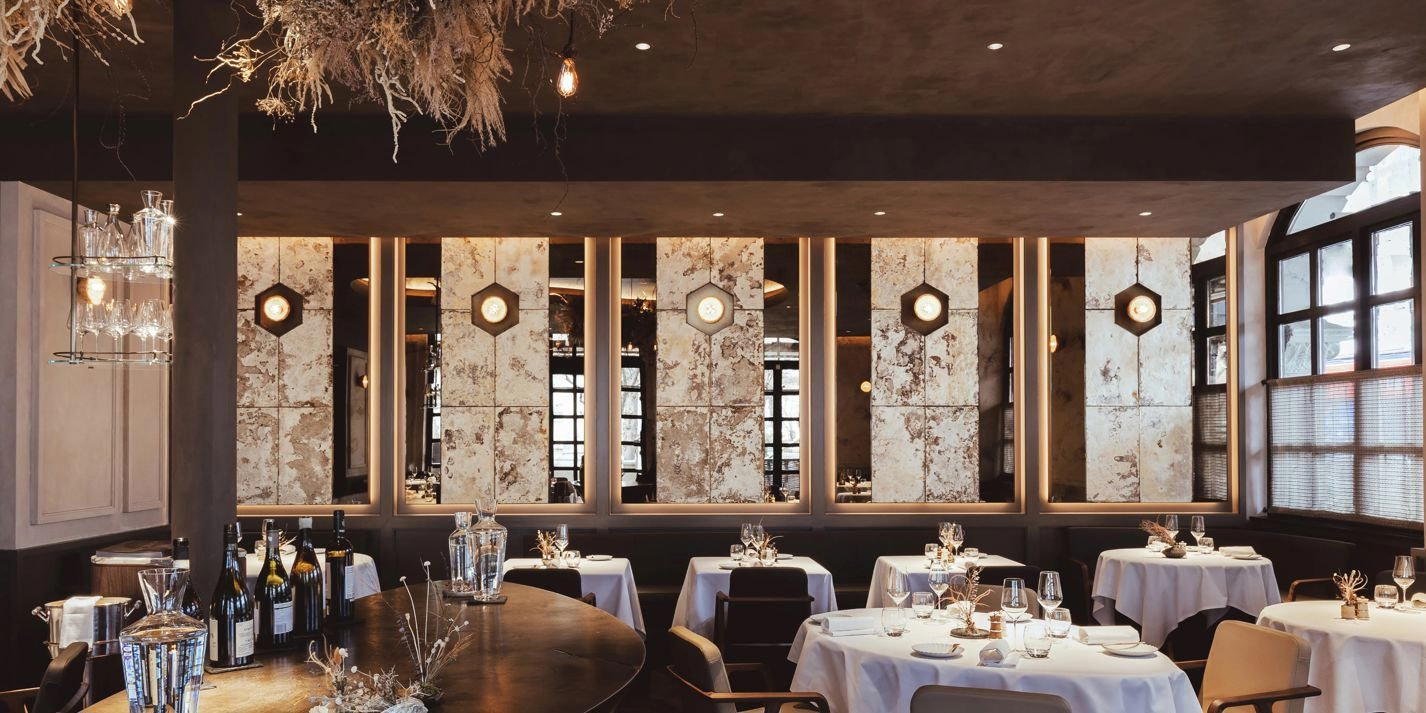
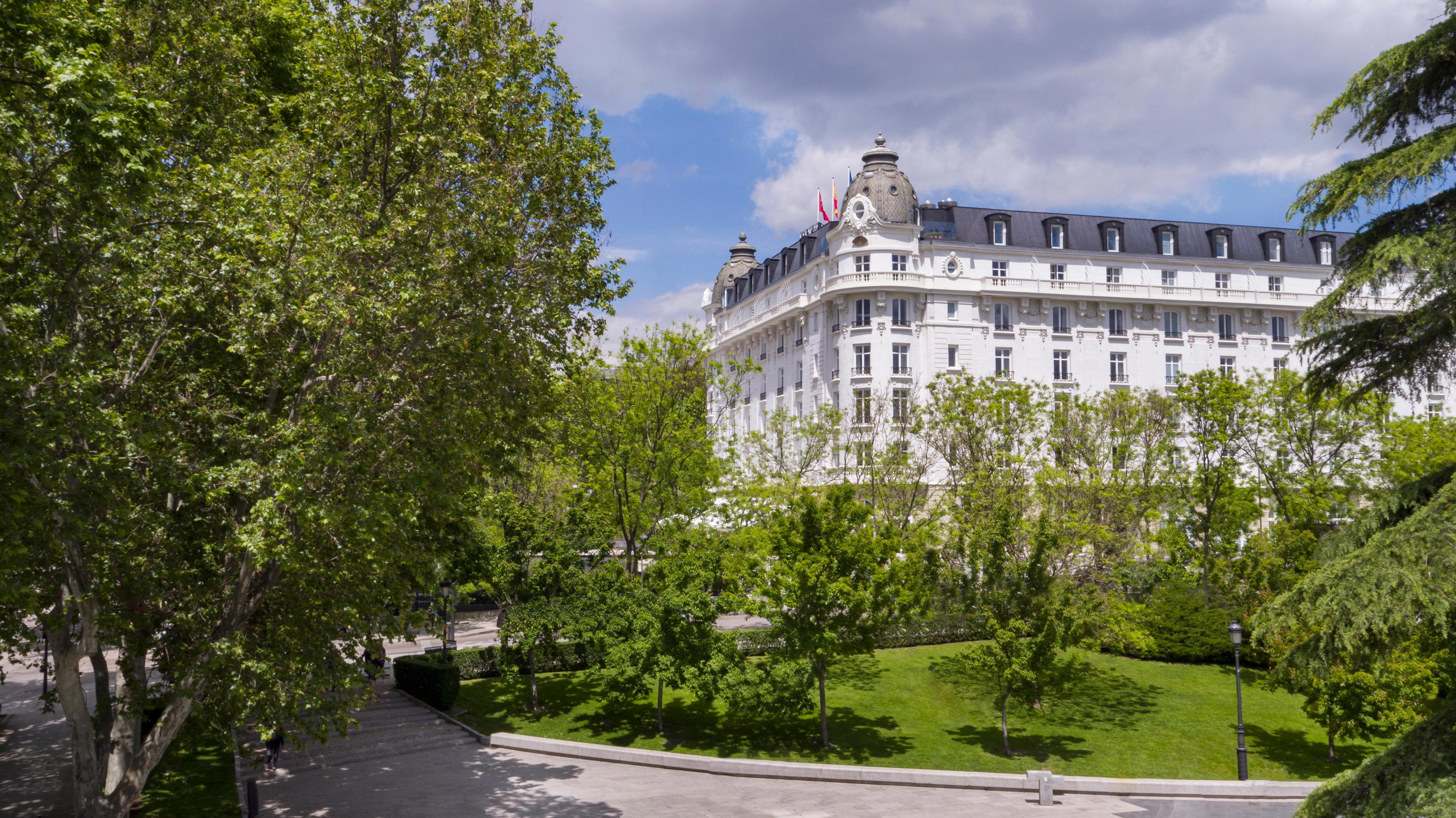
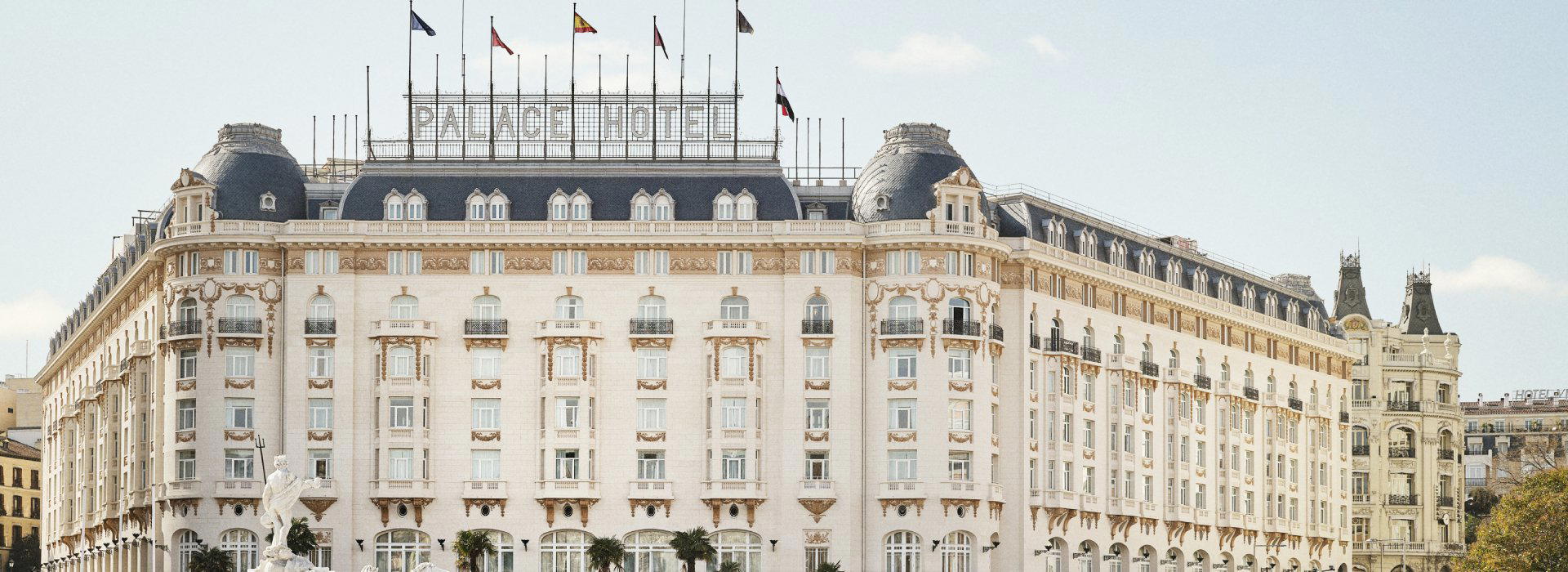
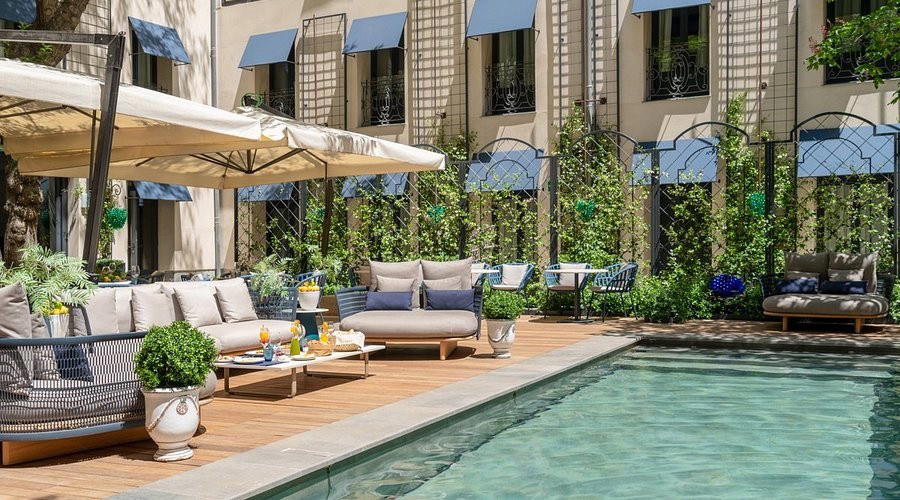
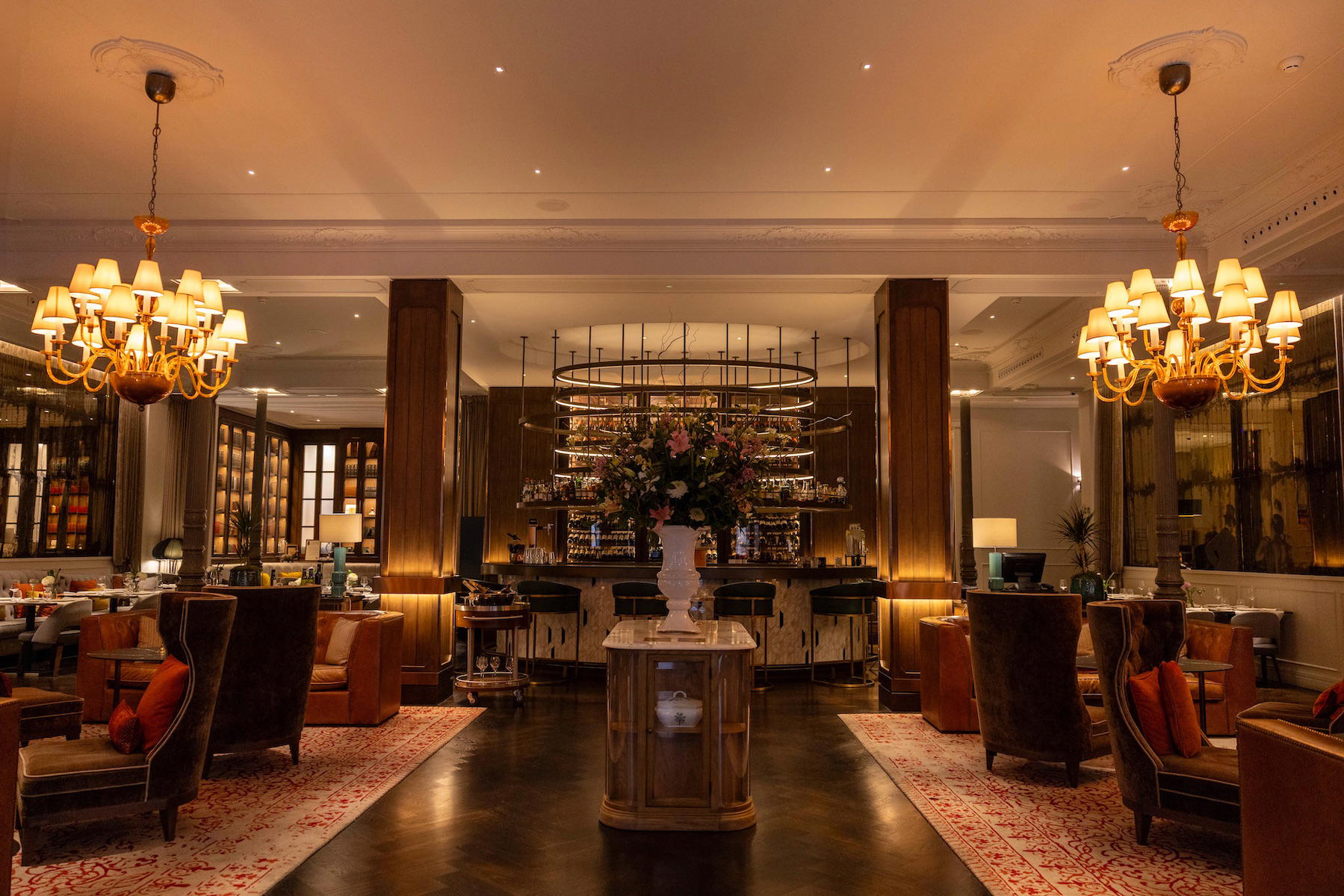
An authentic Italian dining room with a classic, warm, lively-but-conversational atmosphere and a polished, old-school feel.