Our verdict
La Bottega di Davanti occupies a Salamanca address at Calle de Núñez de Balboa, 60, placing it within one of Madrid's most concentrated pockets of serious dining. Where Salamanca's broader restaurant scene skews toward polished comfort, this address draws comparisons to the Italian-inflected trattoria tradition transplanted into a Spanish context, a format that earns attention precisely because it sits apart from Madrid's dominant creative-Spanish tasting-menu circuit.

Pearl is the En Primeur Club membership app, where members save venues, book tables and use the concierge.

That positioning matters more than it might first appear. In a city where the highest-profile restaurants, DiverXO, Coque, Deessa, operate at the top of the creative-Spanish or internationally-influenced tasting-menu tier, a room that invites you to slow down and order in courses you control sits in a genuinely different register.
The Ritual of the Meal
The trattoria format carries with it a specific dining grammar that is worth understanding before you sit down. Unlike the fixed-sequence tasting menus that define the upper tier of Madrid dining at places like DSTAgE or Paco Roncero, the Italian à la carte tradition gives the table control over pacing. You are expected to begin with an antipasto, move through a primo, typically pasta or risotto, before a secondo of meat or fish, and arrive at dessert through your own judgment about appetite and time. That structure is not rigid, but it exists, and a kitchen built around it will cook differently than one optimised for a single choreographed sequence.
This matters in practice because it changes the relationship between kitchen and table. Courses arrive when they are ready and when you are ready, the negotiation is real, not theatrical. In the better Italian rooms across Europe, this produces a kind of meal that feels proportioned to the people eating it rather than to a predetermined narrative. The pasta course, in particular, occupies a different psychological weight when it arrives as the centrepiece of a two-course lunch rather than as the seventh of fourteen moments. Both approaches are legitimate; they are simply different things. The district rewards a room that can serve a two-course lunch at pace and a four-course dinner at leisure without feeling like two different restaurants.
Where This Address Sits in Madrid's Italian Scene
Madrid's Italian restaurant spectrum runs from fast-casual pizza and pasta operations in Malasaña and Chueca to a smaller number of more considered rooms that take sourcing seriously. The serious end of that spectrum is less crowded than in London or Paris, which means rooms that do the work, importing specific Italian producers, buying pasta-grade flour, selecting charcuterie from named regions, tend to attract a loyal following from the city's Italian community and from Spanish diners who have spent enough time in Italy to read the difference. This is not a neighbourhood where low-margin operations survive easily. The surrounding streets carry some of Madrid's most demanding dining rooms, and the clientele expects precision. The country's most celebrated restaurants, El Celler de Can Roca in Girona, Arzak in San Sebastián, Martín Berasategui in Lasarte-Oria, Azurmendi in Larrabetzu, Mugaritz in Errenteria, Aponiente in El Puerto de Santa María, Quique Dacosta in Dénia, Ricard Camarena in València, Cocina Hermanos Torres in Barcelona, and Atrio in Cáceres, operate almost entirely within a Spanish or Basque-inflected idiom. The Italian restaurant in a Spanish city, done well, occupies a space those rooms do not touch: comfort food at a serious level, familiar structure with high-quality execution. Internationally, the comparison runs toward rooms like Le Bernardin in New York or Atomix, not in cuisine, but in the idea that a room with a clear culinary identity and consistent execution builds a different kind of loyalty than destination restaurants that depend on novelty.
What to Know Before You Go
Compact Comparison
Comparable venues nearby, for context on price, style, and recognition.
| Venue | Cuisine | Price | Awards | Notes |
|---|---|---|---|---|
| La Bottega di DavantiThis venue (the venue you are viewing) | Italian Trattoria & Market | $20–30 | Not listed | Not listed |
| La Macanuda | Neapolitan Pizzeria | $20–30 | Not listed | Rios Rosas, Neapolitan Pizzeria |
| NAP | Authentic Neapolitan Pizza | $20–30 | Not listed | Lavapies, Authentic Neapolitan Pizza |
| PizzaVito Pacífico | Artisanal Italian Pizza | $20–30 | Not listed | Pacifico, Artisanal Italian Pizza |
| Salutteria | Italian Salumeria Trattoria | $20–30 | Not listed | Trafalgar, Italian Salumeria Trattoria |
| Beata Pasta | Fresh Artisan Pasta | $10–20 | Macarfi 6.7 Food Rating | Trafalgar, Fresh Artisan Pasta |
Continue exploring
More in Madrid
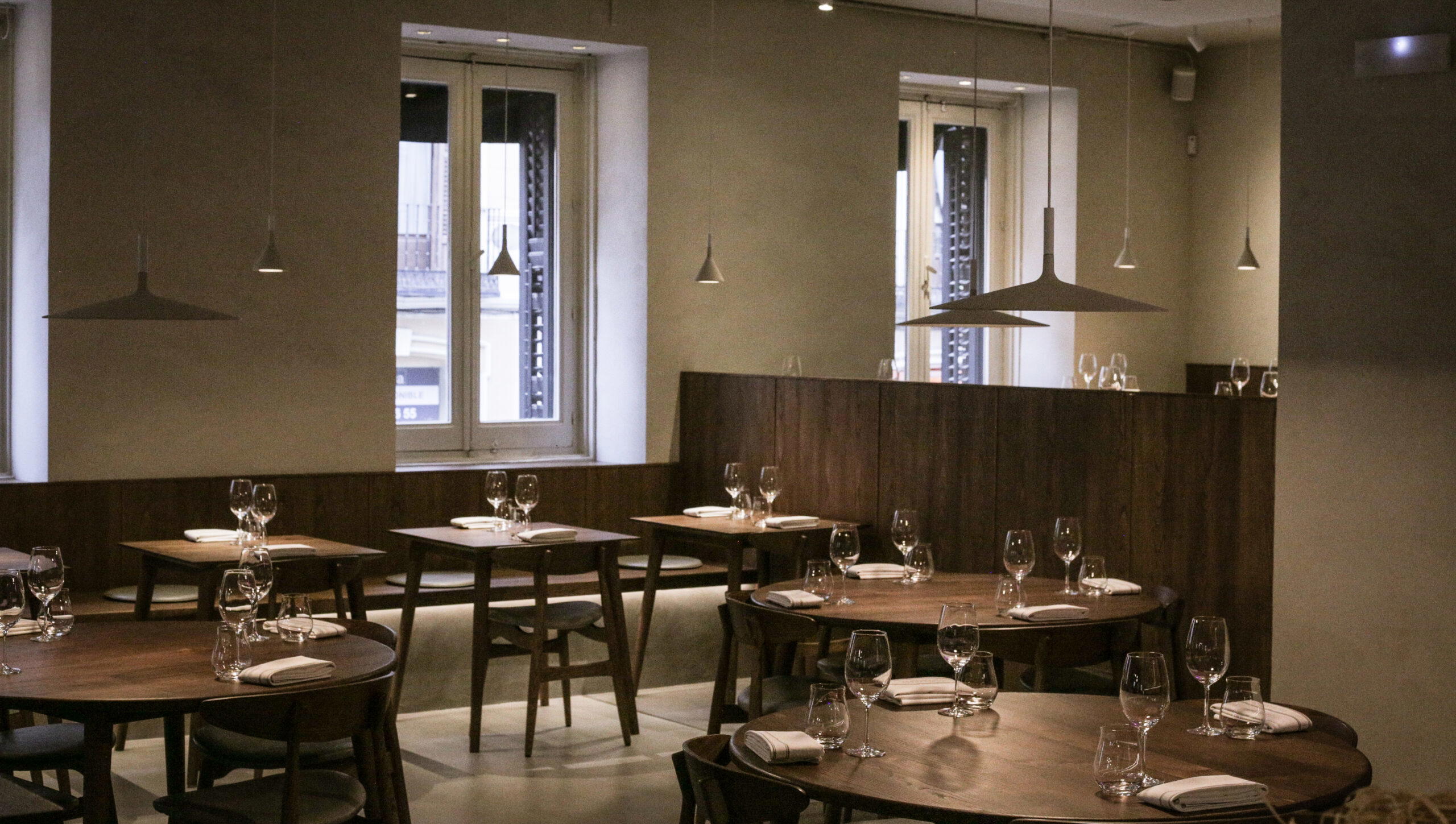
Restaurants in Madrid
All restaurants in Madrid →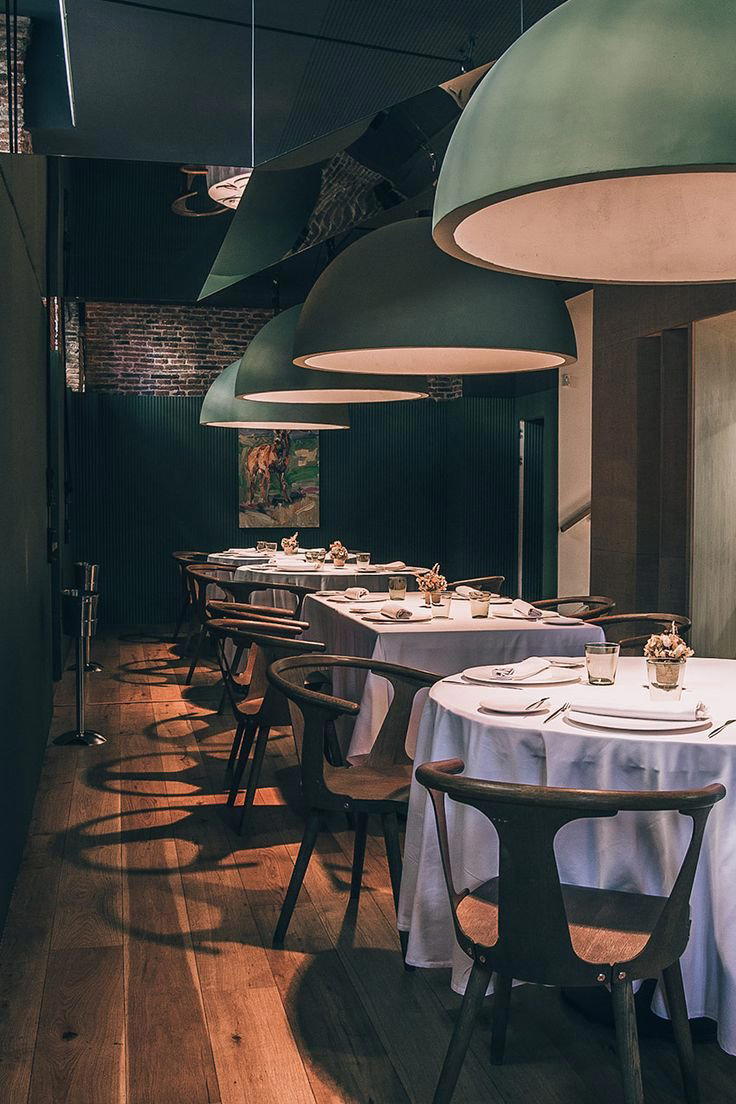
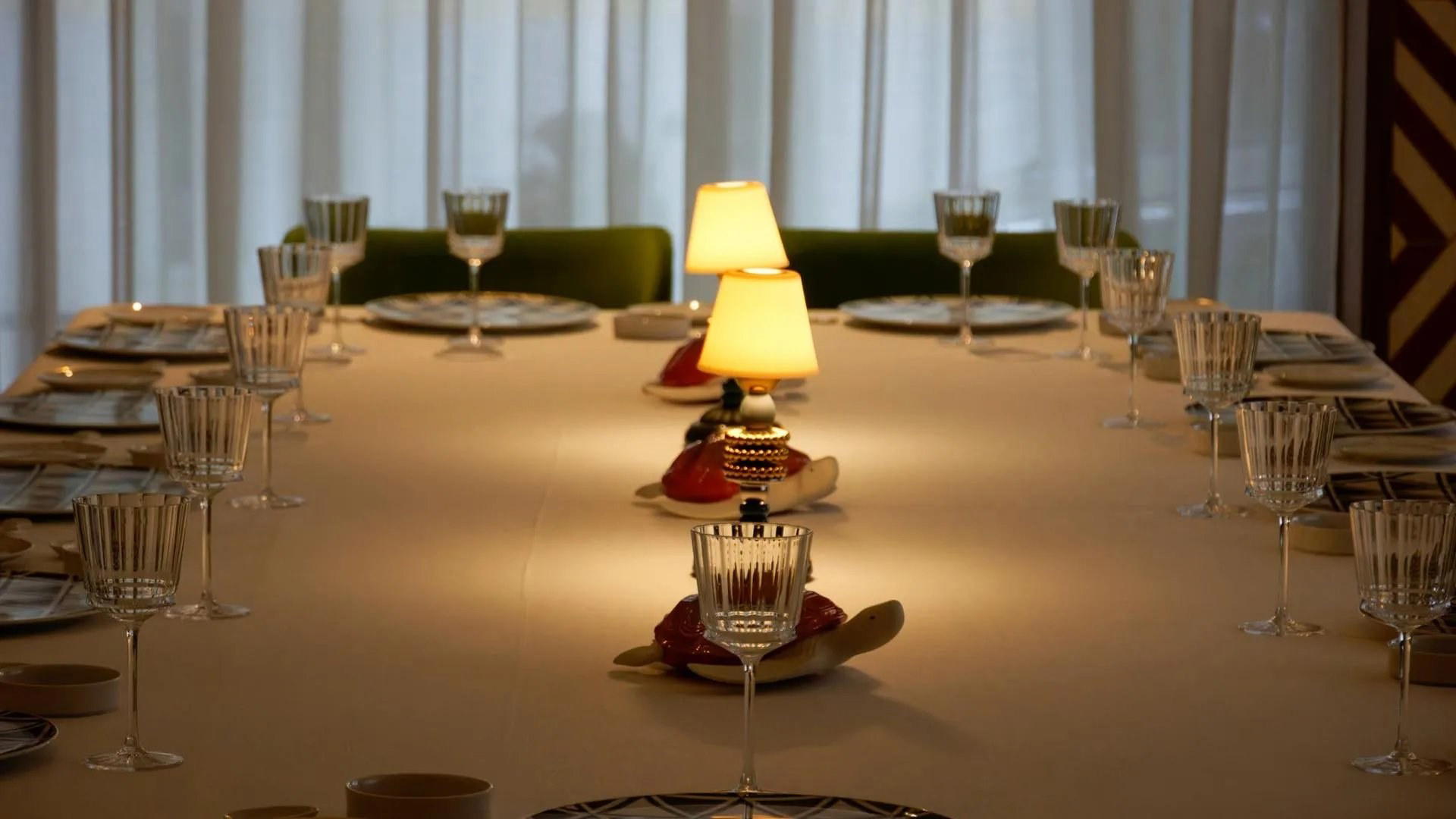
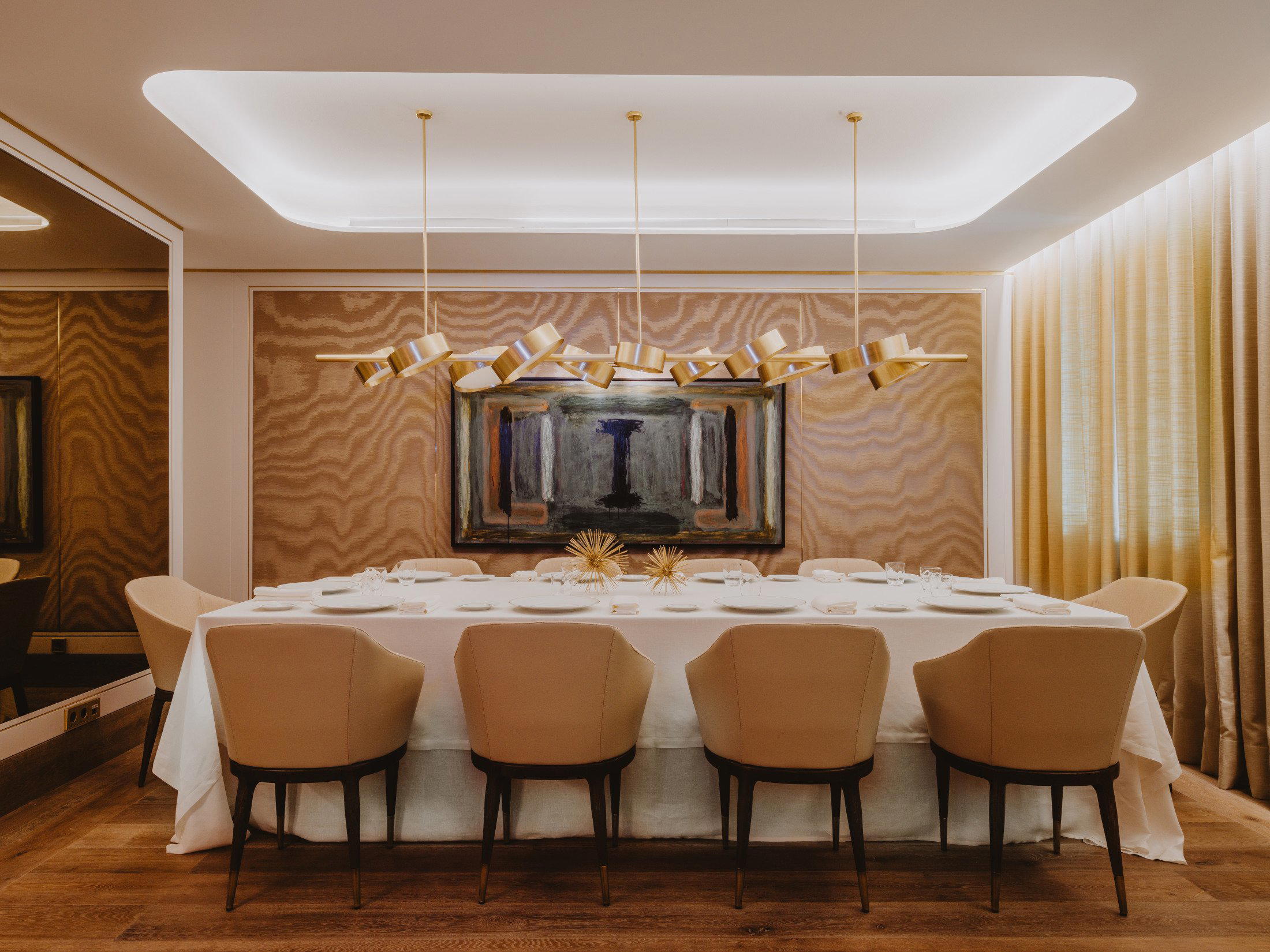
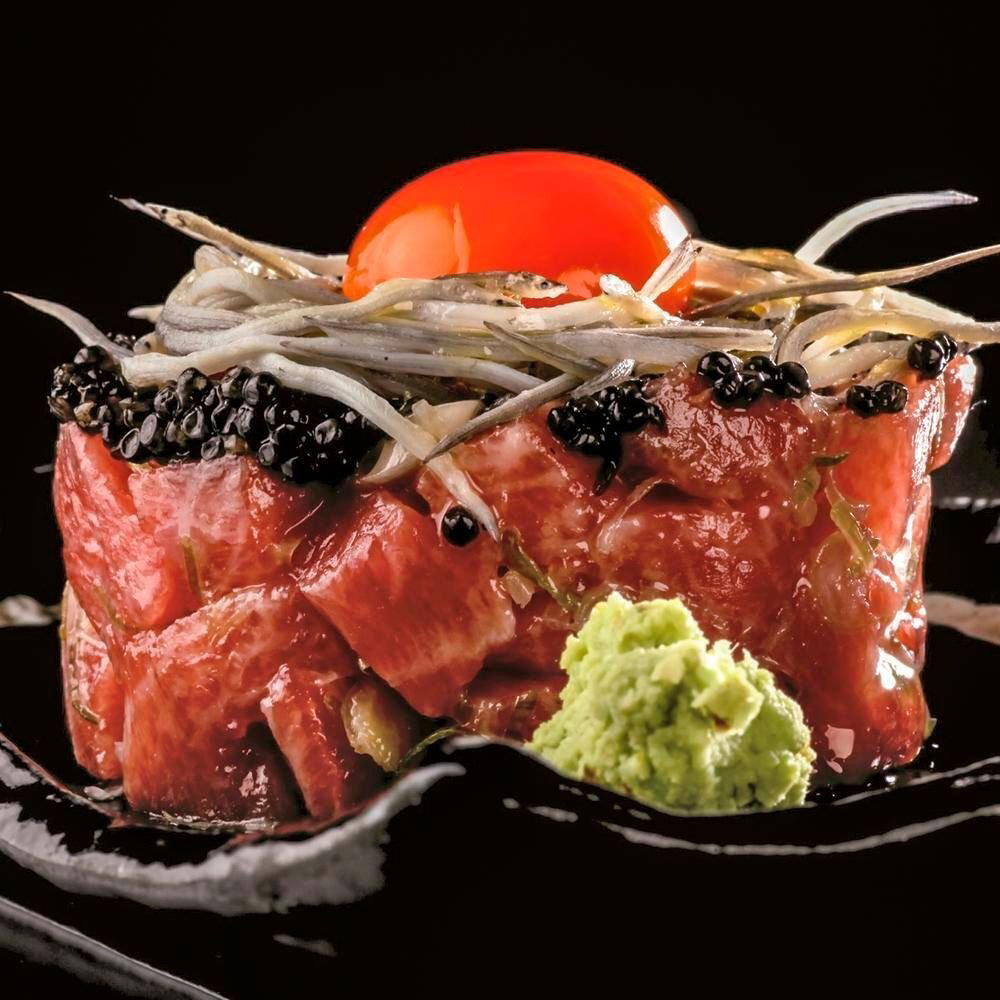
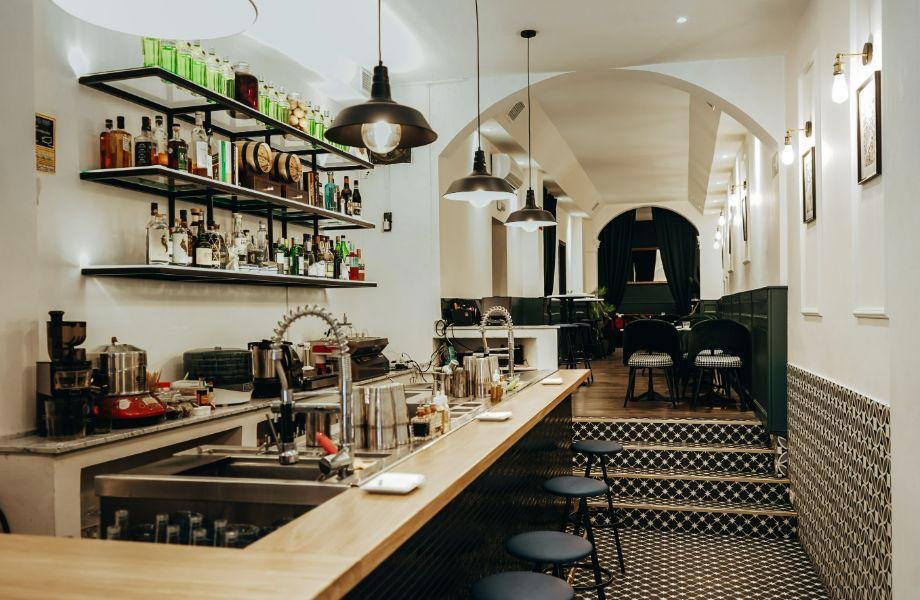
Bars in Madrid
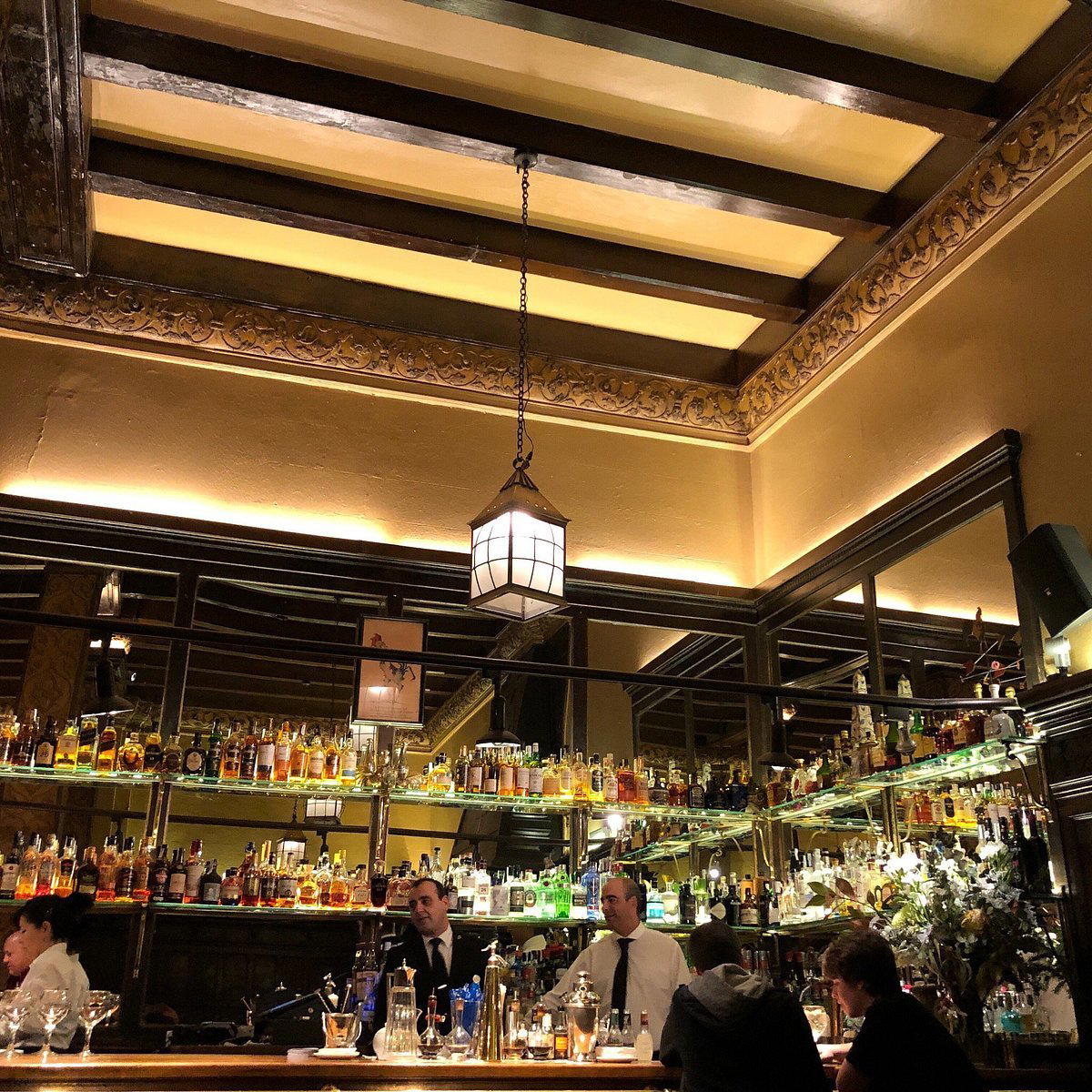
All bars in Madrid →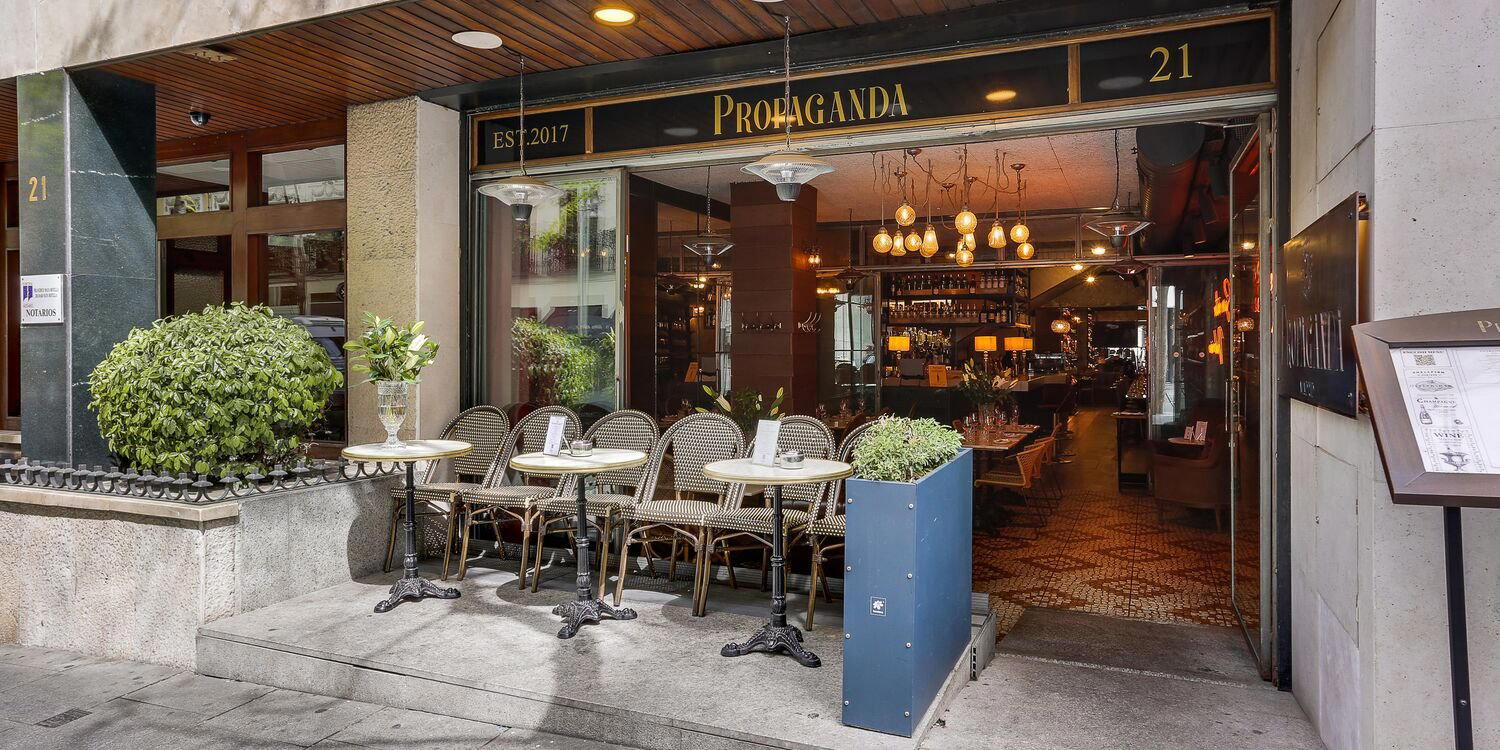


Details
- Cozy
- Rustic
- Intimate
- Casual Hangout
- Brunch
- Open Kitchen
- Extensive Wine List
- A La Carte
- Small Plates
Current opening hours
- Monday
- 8:30 AM–8:30 PM
- Tuesday
- 8:30 AM–8:30 PM
- Wednesday
- 8:30 AM–8:30 PM
- Thursday
- 8:30 AM–8:30 PM
- Friday
- 8:30 AM–8:30 PM
- Saturday
- 11 AM–6 PM
- Sunday
- Closed
Hours can change for holidays and private events. Hours as of .
Comfortable shop-cafe-restaurant atmosphere well-suited for relaxed breakfasts, lunches, aperitivos, and casual Italian dining.