Otto
On Grösslingová Street in Bratislava's older residential belt, Otto operates in a register that rewards attention: a considered address where the wine program anchors the experience as much as the food. For visitors working through the city's better dining options, Otto sits in a tier defined less by spectacle and more by the kind of curation that takes a specific point of view and holds to it.
Pearl is the En Primeur Club membership app — saves, bookings, and concierge access live there. Same editors, same standards.
- Address
- Grösslingová 26, 811 09 Bratislava, Slovakia
- Phone
- +421940656949
- Website
- ottobratislava.sk
- Directions
- Get directions
 Saves & bookings on Pearl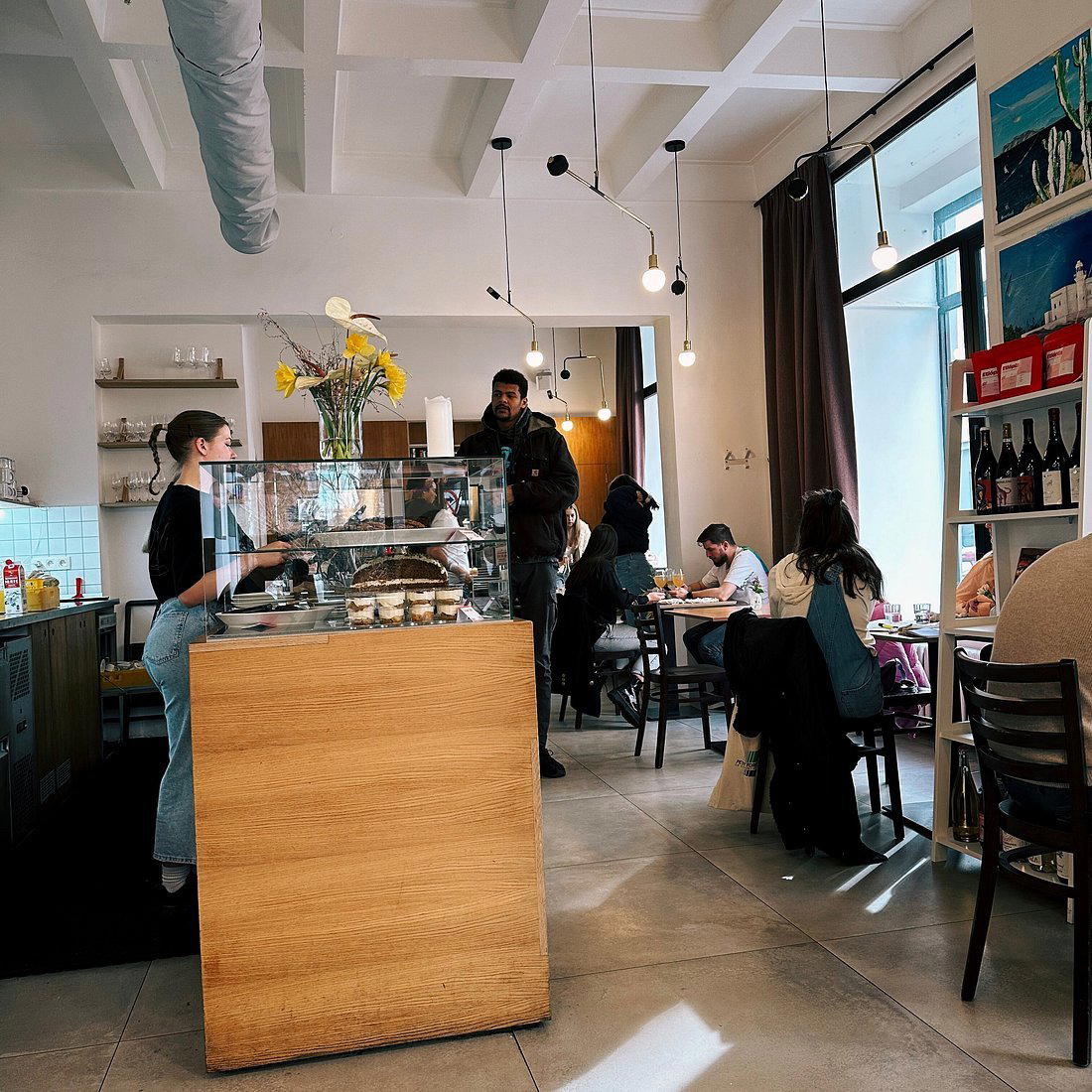
A Street That Sets the Tone
Grösslingová is not Bratislava's showiest dining corridor. Running south of the Old Town through a stretch of late Habsburg-era buildings, it functions more as a working address than a destination strip, which is precisely why restaurants that earn a following here tend to keep it. The neighbourhood filters out casual foot traffic and rewards the kind of diner who arrives with an intention. Otto, at number 26, sits within that logic. Before you consider the menu or the glass poured in front of you, the address itself signals something: this is a room built for people who came specifically, not accidentally.
Bratislava's dining scene has matured considerably over the past decade, splitting between venues that perform Slovak-modern cuisine for tourist circuits and a smaller group of addresses that operate with more internal consistency. Otto belongs to the latter category. Its position on Grösslingová places it alongside a cohort of restaurants, including Ako doma and Al Faro, that draw their clientele through reputation rather than visibility.
The Wine Argument at the Centre of the Room
In central European cities, wine programs have historically trailed the ambition of the kitchen. That gap has narrowed in Bratislava over the last several years, and some restaurants have gone further still, treating the cellar as the editorial core of the experience rather than an appendix to the food menu. Otto sits in this latter group, a place where the wine list functions as a curatorial statement, not merely a support structure.
What distinguishes a serious central European wine program from a generic international list is usually provenance specificity: Slovak and broader Carpathian Basin producers appear in depth, alongside Austrian and Hungarian selections that reflect genuine regional literacy rather than box-ticking. The Carpathian wine regions, including Malokarpatská, Slovakia's oldest and most productive wine region running along the Small Carpathians northwest of Bratislava, produce whites that rarely reach international markets in volume, making a cellar that sources from them directly a meaningful differentiator from venues that default to French and Italian imports.
The sommelier function at a venue like this matters more than the list itself. A curated program with genuine regional depth is only as useful as the person able to contextualise it, to explain why a Welschriesling from the Tokaj border behaves differently from one sourced in the western Slovak lowlands, or why a Frankovka modrá aged in older oak reads more like cool-climate Burgundy than the fruit-forward style common elsewhere. At venues in Bratislava's serious tier, this conversational expertise is the variable that separates a genuinely instructive wine experience from one that is merely expensive.
Food as the Wine's Counterpart
The editorial angle of a wine-forward room usually determines what the kitchen does: either the food matches the ambition of the cellar, or it recedes into a functional role. Bratislava's stronger restaurants, among them Albrecht Restaurant and Antica Toscana, have in recent years begun treating the plate with enough precision that it can hold its own alongside a considered wine selection. The question for any new or revisited address is whether the kitchen follows the same philosophy as the cellar or operates independently of it.
At Otto, the food should be assessed against this standard. A restaurant that does not publish its menu widely, or that changes it with enough regularity to make static listings unreliable, is usually a room that prioritises seasonality and supplier relationships over fixed identity. In the current Bratislava dining environment, where APOLKA Restaurant and others have moved toward tighter, market-led formats, that flexibility reads as an asset rather than an omission.
For comparison beyond Bratislava: the discipline of pairing a seasonal kitchen with a regionally literate wine program is a format that has long defined serious restaurants across Europe. Venues at the level of Le Bernardin in New York City or Atomix in New York City demonstrate how tightly the kitchen and cellar can be aligned when both operate from an explicit curatorial philosophy, the standard worth holding in mind when assessing any wine-forward room at the serious tier.
Bratislava in Context: Where Otto Fits
Slovakia's restaurant culture beyond the capital is worth knowing for context. The country's dining energy clusters not just in Bratislava but in regional centres and landscape-specific venues: Focus Restaurant in Zilina, Koliba Patria in Strbske Pleso, and countryside destinations like Fatrabeef in Lubochna and Holotéch víška in Kosariska represent a country where strong hospitality is distributed across geography, not concentrated in one city. Traditional koliba formats, found at venues like KOLIBA na Vršku in Bytca, anchor Slovak culinary identity in pastoral tradition, while Bratislava's better restaurants operate at a remove from that tradition, engaging with it selectively rather than wholesale. Hotel & Restaurant Gino Park Palace in Povazska Bystrica and Kaštieľ Čičmany in Cicmany demonstrate how Slovak hospitality integrates setting and food in ways that urban venues cannot replicate, a useful reminder that Bratislava restaurants compete on different terms. Venues like Afrodita in Cerenany, Klára v GOYA vitality hotel in Voderady, and Bulli Kebab in Kosice extend the country's dining picture further. Otto operates within the capital's tier, which means it competes on culinary seriousness and wine depth rather than scenery or format novelty.
Planning a Visit
Otto is located at Grösslingová 26, 811 09 Bratislava, and it is walk-in friendly. Arriving early in an evening service often affords more time with the wine program, an asset in any room where the list rewards conversation.
Peers Worth Knowing
Comparable venues nearby, for context on price, style, and recognition.
| Venue | Cuisine | Price | Notes |
|---|---|---|---|
| OttoThis venue — the venue you are viewing | Central European Bistro | $$ | Not listed |
| The Half Blind Pig | Cocktail Bar | $$ | Staré Mesto |
| Leberfinger | Traditional Slovak Pressburg Cuisine | $$ | Petržalka |
| Remeselná reštaurácia Vyhňa | Slovak Craft Grill | $$ | Rača |
| Zylinder Cafe Restaurant | Traditional Austro-Hungarian Pressburg Cuisine | $$ | Staré Mesto |
| Gatto Matto Rusovce | Italian Pizza & Pasta | $$ | Rusovce |
Continue exploring
More in Bratislava
Restaurants in Bratislava
Browse all →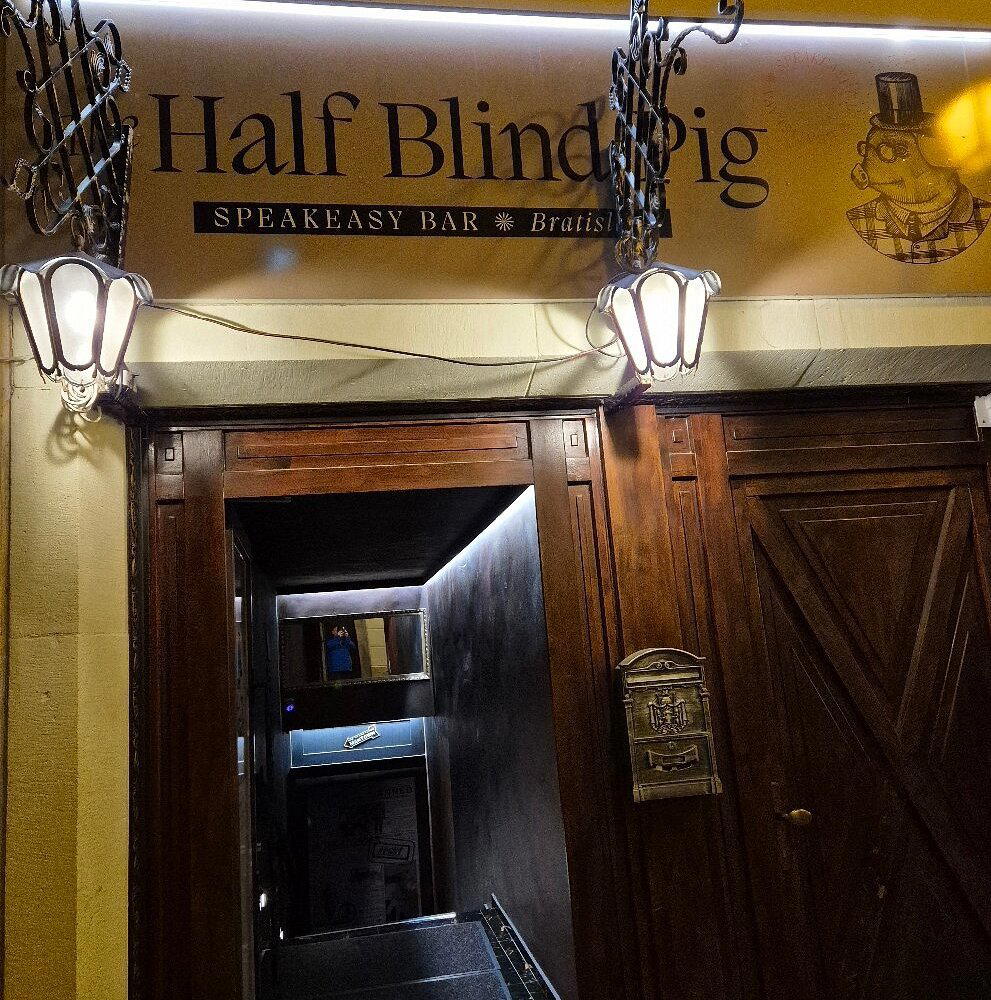
Bars in Bratislava
Browse all →
Hotels in Bratislava
Browse all →
At a Glance
- Cozy
- Rustic
- Trendy
- Lively
- Brunch
- Casual Hangout
- After Work
- Standalone
- Natural Wine
- Natural Wine
- Local Sourcing
Current opening hours
- Monday
- 8 AM–10 PM
- Tuesday
- 8 AM–10 PM
- Wednesday
- 8 AM–10 PM
- Thursday
- 8 AM–10 PM
- Friday
- 8 AM–10 PM
- Saturday
- 8 AM–3 PM
- Sunday
- 8 AM–3 PM
Hours can change for holidays and private events. Last verified .
Warm and inviting with a fresh, contemporary atmosphere that balances charmingly nostalgic elements with modern urban energy; alive and happy ambiance enhanced by quality coffee throughout the day.