


Michelin Plate · Star Wine List
Our verdict
Otto sits in Prenzlauer Berg's quieter residential stretch, holding two consecutive Michelin Plates (2024–2025) for food that reads as contemporary German with a Nordic sensibility: honest, restrained, and seasonally driven. Chef Vadim Otto Ursus runs an evening-only kitchen that prices at €€€, sitting a tier below Berlin's starred dining rooms but well above the city's casual modern-German scene.

Pearl is the En Primeur Club membership app, where members save venues, book tables and use the concierge.
The menu
What to order
- Peppers_tahini
- Beetroot
- Jerusalem_artichoke_hazelnuts
The Particular Discipline of Eating Well in Prenzlauer Berg
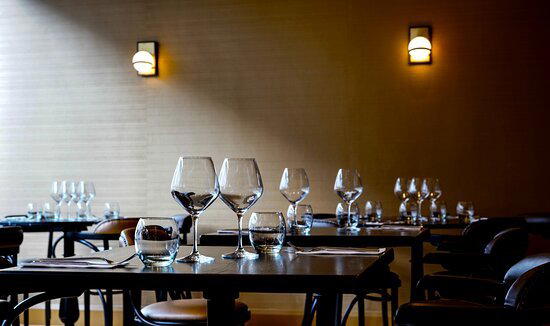
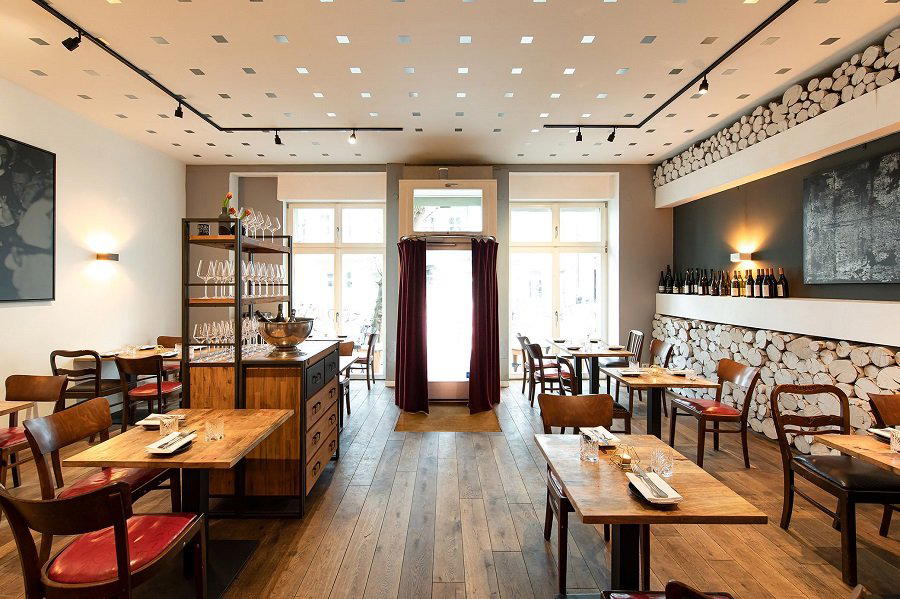
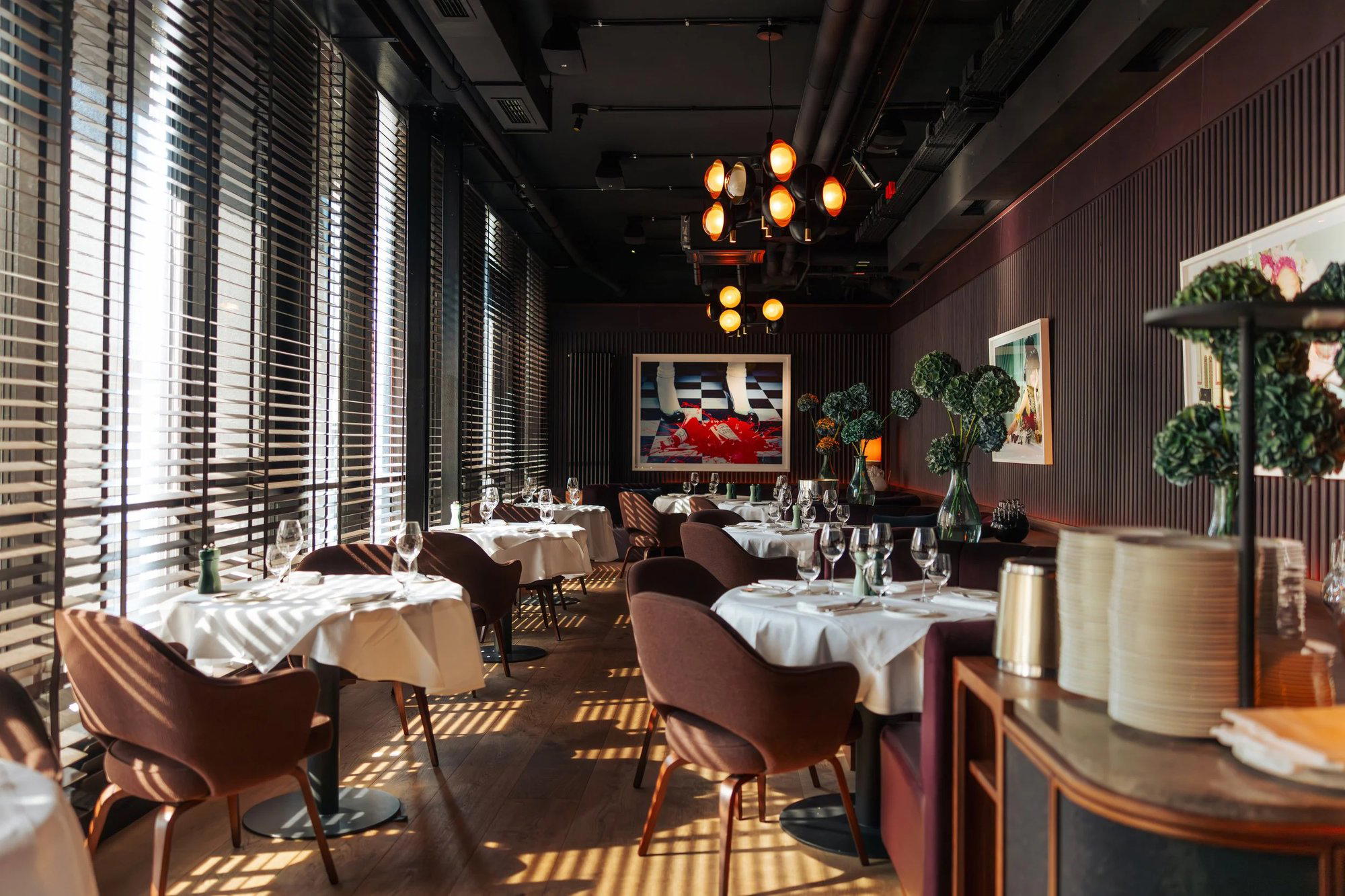
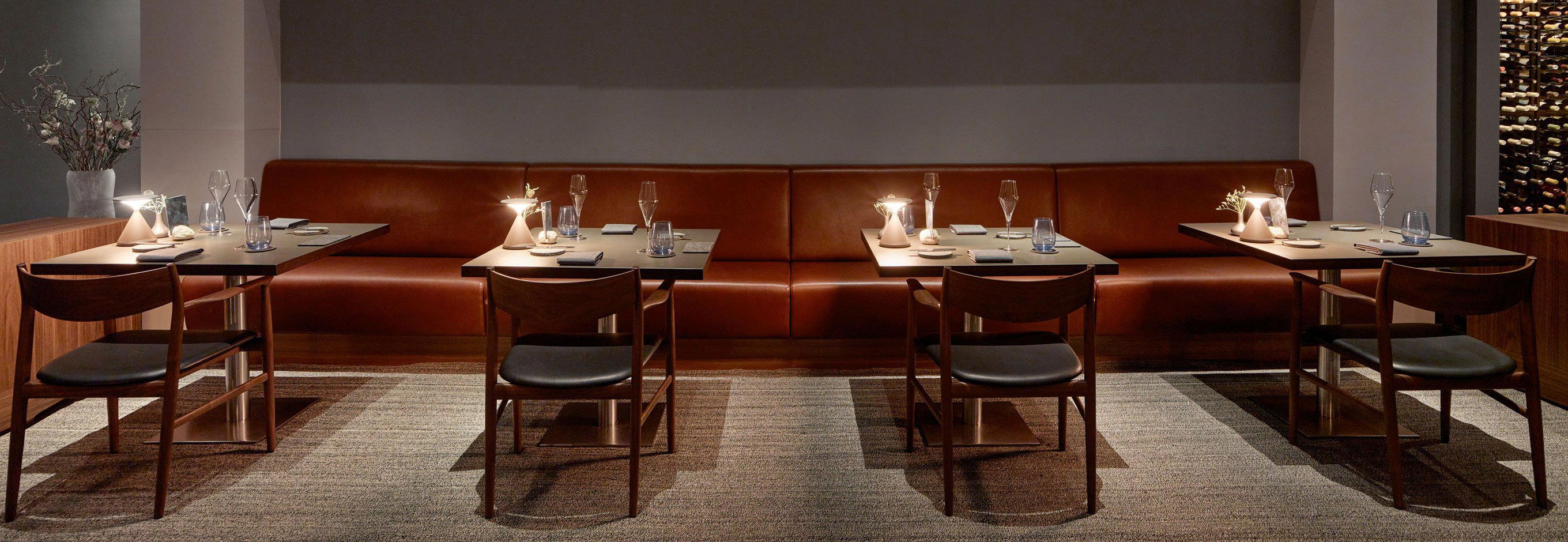
There is a certain category of Berlin restaurant that earns its following without spectacle. No open-fire theatrics, no twelve-course procession, no room designed to photograph better than it eats. Oderberger Strasse 56 sits in the residential northern section of Prenzlauer Berg, a neighbourhood that trades more in corner bakeries and independent wine bars than in destination dining. Arriving at Otto, the register is immediately domestic: low-key frontage, an interior that reads more like a considered private dining room than a stage set. The city's louder restaurant culture, the kind found in Mitte and along the tourist circuits, feels quite distant here.
That distance is not accidental. The kitchen at Otto, led by Vadim Otto Ursus, operates within a format that prioritises the rhythm of the meal over its architecture. The cooking is contemporary German with a Nordic structural logic: spare presentations, seasonal anchoring, and an evident preference for letting primary ingredients carry the weight rather than layering technique over them. This is not minimalism as aesthetic gesture. It is minimalism as editorial discipline, a decision about what a plate actually needs.
Where Otto Sits in Berlin's Modern German Dining Scene
Berlin's serious German cooking now occupies several distinct tiers. At the leading, Nobelhart and Schmutzig operates a fixed counter format with a strict regional sourcing mandate and Michelin recognition to match. Rutz works the contemporary European register at €€€€ with a wine programme that draws as much attention as the food. FACIL and CODA Dessert Dining occupy the creative end, where format experimentation is part of the proposition. These are €€€€ rooms, priced and positioned accordingly.
Otto prices at €€€, a tier lower, and holds consecutive Michelin Plates for 2024 and 2025, which signals kitchen consistency without the starred room's formal weight. The positioning is deliberate. Otto is not competing with the starred Berlin rooms; it is offering something those rooms have largely left behind, a dinner that feels proportionate, unhurried, and grounded in German seasonal produce without requiring a special occasion as justification.
For international context, this occupies a different position from Germany's most decorated kitchens. Schwarzwaldstube in Baiersbronn, Aqua in Wolfsburg, and Vendôme in Bergisch Gladbach represent the high-starred end of the German dining spectrum. JAN in Munich and ES:SENZ in Grassau work with similar seasonal precision at higher price points. Otto's distinctiveness within Germany is not about competing with those rooms, it is about delivering rigorous, identifiable cooking at an accessible price in a capital city where that combination is rarer than it should be.
The Ritual of an Evening at Otto
The kitchen opens at six in the evening, Tuesday and Wednesday excepted, and runs through to eleven. This is an evening-only operation, which matters for how the meal feels. There is no breakfast trade to accommodate, no lunch service shaping the staffing model. The team is organised around dinner as the sole event, and that single focus tends to show in pacing.
The Nordic structural influence on Otto's cooking connects to a broader shift in how contemporary German restaurants have approached the question of tradition. The old grammar of German fine dining, heavy cream reductions, game in rich classical sauces, dense winter preparations, has been largely replaced by a lighter syntax: fermented elements, clean vegetable preparations, careful sourcing of meat and fish from named regional producers. Otto operates within this shifted grammar. Hearty in the sense of satisfying and substantive, not in the sense of heavy. The seasonality is not decorative; it functions as the actual architecture of the menu.
This connects to patterns visible across European capitals where kitchens at this price point have found that Nordic discipline, precision, restraint, ingredient primacy, translates naturally into local seasonal contexts. Restaurant Tim Raue in Berlin represents a different axis entirely, working a Chinese-inflected register with Michelin stars and a very different format logic. The comparison clarifies what Otto is not: it is not building complexity from cross-cultural reference. It is working closer to home, finding range within the German seasonal calendar.
Diners sitting down for the first time might note the absence of ceremony around the experience. The Michelin Plate, which recognises good cooking without the formal staging of a starred room, suits Otto's register precisely. The cooking asks to be noticed through the food itself, not through the surrounding apparatus.
Otto in a Wider Dinner-Planning Context
For visitors planning a Berlin dining sequence, Otto fills a specific gap. The €€€€ rooms, Nobelhart and Schmutzig, Rutz, FACIL, and their peers, demand both financial and time commitment. Otto sits below that threshold while maintaining kitchen standards that the Michelin Plate and a strong sustained Google average confirm as genuine. It is the kind of restaurant that fits naturally into a multi-night Berlin itinerary as the evening that does not require months of advance planning but still delivers food worth thinking about afterwards.
Internationally comparative diners who have spent time at rooms like Le Bernardin in New York or Atomix will recognise the logic of a kitchen that works with restraint and discipline at a lower price point. Restaurant Haerlin in Hamburg operates at the other end of the German price register. Otto's positioning is more accessible, more neighbourhood-rooted, and structured around an evening ritual that feels proportionate rather than monumental.
The full scope of what Berlin's dining, drinking, and hotel infrastructure looks like around this restaurant is worth exploring through our full Berlin restaurants guide, our full Berlin hotels guide, our full Berlin bars guide, our full Berlin wineries guide, and our full Berlin experiences guide.
Know Before You Go
- Address: Oderberger Str. 56, 10435 Berlin, Germany
- Hours: Monday, Thursday, Friday, Saturday, Sunday: 6–11 pm. Closed Tuesday and Wednesday.
- Price range: €€€
- Awards: Michelin Plate 2024, Michelin Plate 2025
- Cuisine: Modern German, Seasonal Cuisine with Nordic influence
- Chef: Vadim Otto Ursus
Frequently asked questions
What should I eat at Otto?
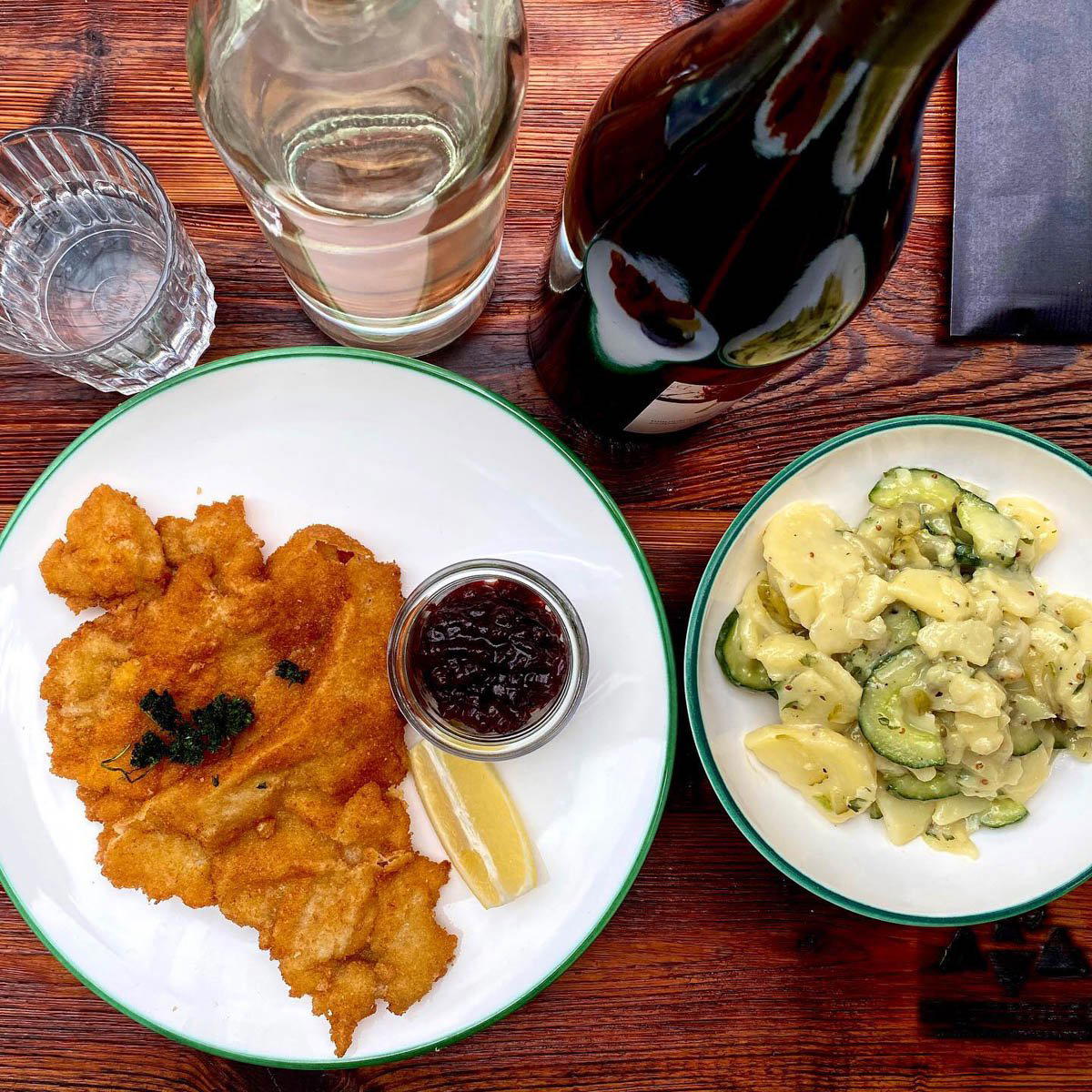
Otto's menu follows the German seasonal calendar with a Nordic structural approach: expect preparations grounded in regional produce, restrained in technique, and honest in presentation. The kitchen's two consecutive Michelin Plates (2024–2025) reflect consistency across its seasonal output rather than a fixed signature dish. The practical direction here is to order broadly and trust the seasonal menu rather than seeking specific dishes by name. Chef Vadim Otto Ursus builds the menu around what the season offers, which means the most current visit to Otto's own channels or a direct booking enquiry will give you the most accurate read on what's currently on the pass.
A Tight Comparison
Comparable options at a glance, pulled from our tracked venues.
| Venue | Cuisine | Price | Awards | Notes |
|---|---|---|---|---|
| OttoThis venue (the venue you are viewing) | Modern Local German Small Plates | Not listed | Michelin Plate · Star Wine List | Not listed |
| CODA Dessert Dining | Dessert-Inspired Fine Dining | $200–300 | 2 Michelin Stars · World's 50 Best #79 | Creative |
| Rutz | Modern German Fine Dining | $200–300 | 3 Michelin Stars · La Liste Top Restaurants | Modern European, Modern Cuisine |
| Nobelhart & Schmutzig | Hyper-Local Modern German Fine Dining | $100–150 | 1 Michelin Star · World's 50 Best #59 | Modern German, Creative |
| FACIL | Modern Fusion Fine Dining | $200–300 | 2 Michelin Stars · La Liste Top Restaurants | Contemporary European, Creative |
| Horváth | Modern Austrian Vegetable Cuisine | $200–300 | 2 Michelin Stars · La Liste Top Restaurants | Modern Austrian, Creative |
Recognition history
Dated appearances from independent guides and award organizations, with the underlying list record or original source where available.
Michelin Plate
Michelin
Star Wine List
Star Wine List
Opinionated About Dining Casual in Europe Recommended
Opinionated About Dining
Full recognition history (5 entries)
Michelin Plate
Michelin
Michelin Plate
Michelin
Continue exploring
More in Berlin
Restaurants in Berlin
All restaurants in Berlin →
Bars in Berlin
All bars in Berlin →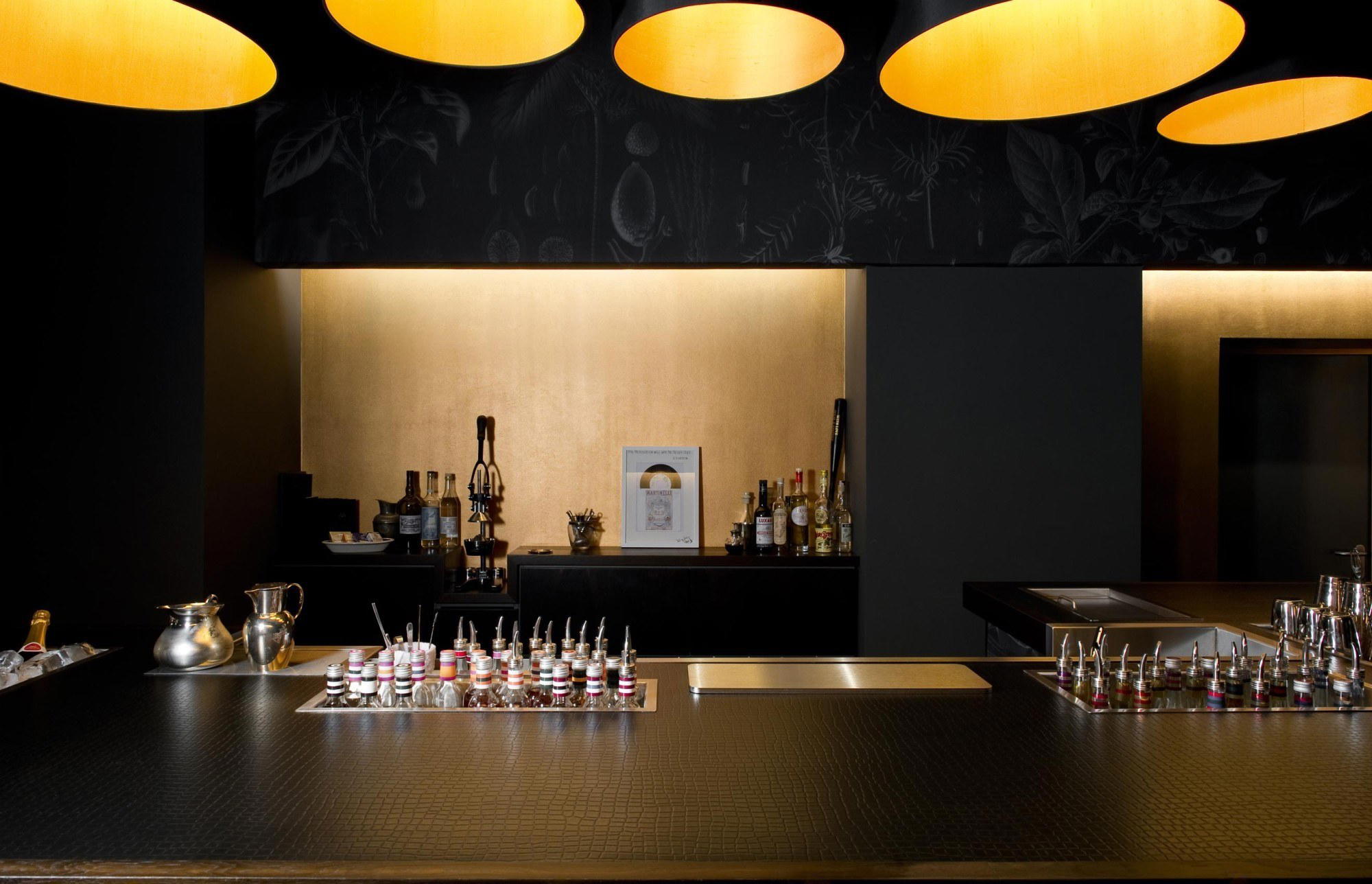

Details
- Lively
- Cozy
- Intimate
- Modern
- Elegant
- Date Night
- Special Occasion
- Solo
- Open Kitchen
- Extensive Wine List
- Natural Wine
- Local Sourcing
- Farm To Table
- Small Plates
- A La Carte
- Vegetarian Friendly
Current opening hours
- Monday
- 6–11 PM
- Tuesday
- 6–11 PM
- Wednesday
- 6–11 PM
- Thursday
- 6–11 PM
- Friday
- 6–11 PM
- Saturday
- 6–11 PM
- Sunday
- 6–11 PM
Hours can change for holidays and private events. Hours as of .
Appealingly lively and convivial atmosphere in a small, tightly spaced modernist room with warm, professional service and energy from the open kitchen.