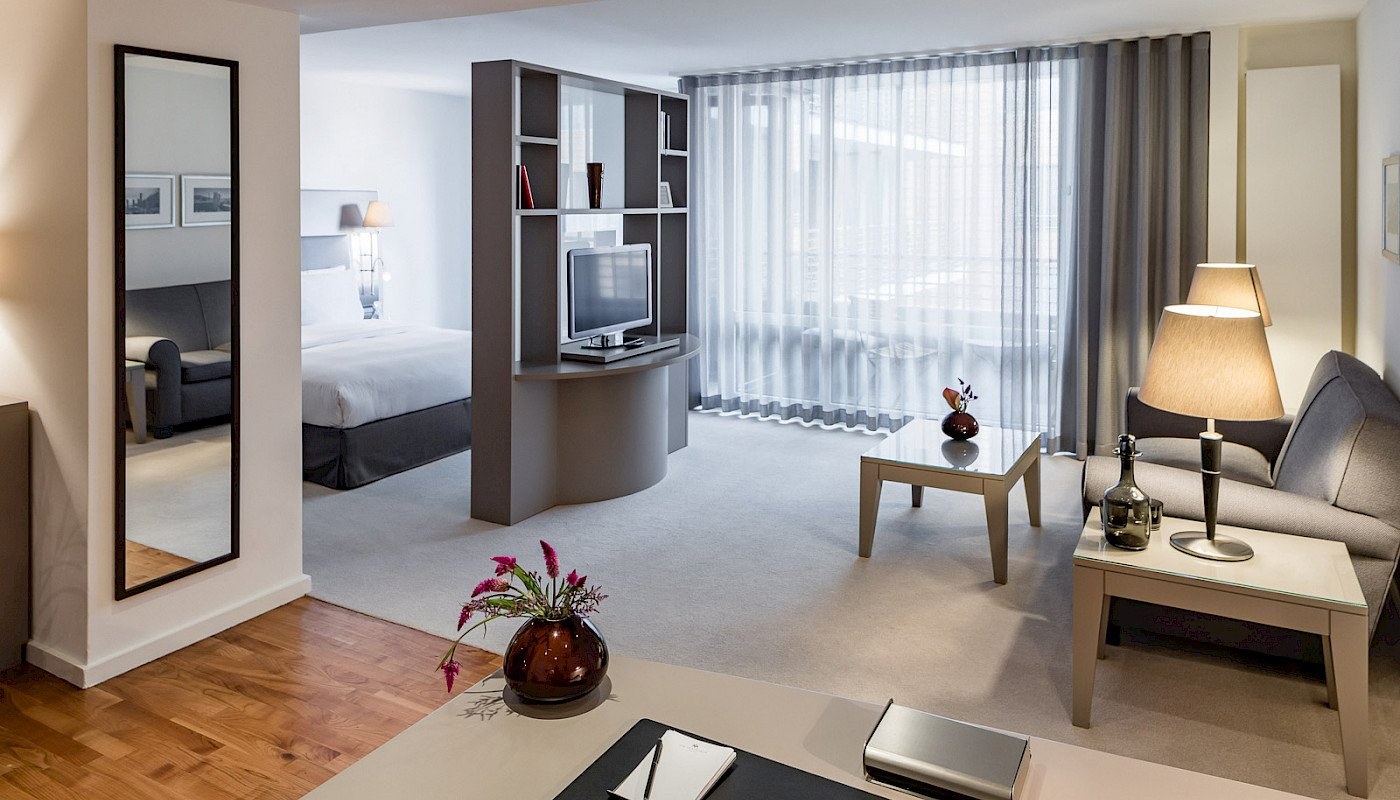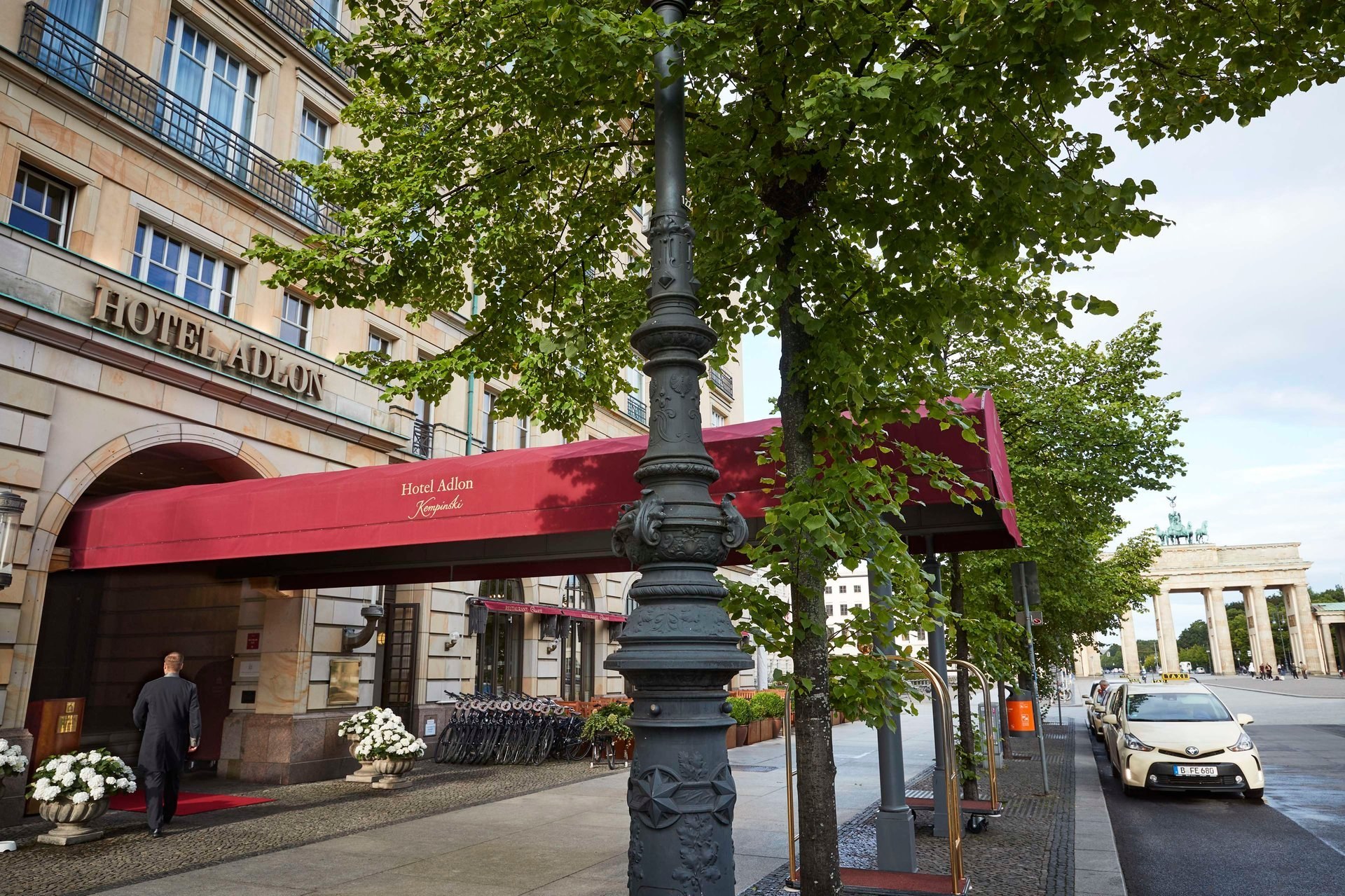




FACIL holds two Michelin stars and a La Liste score of 94 points, operating from the fifth floor of a Potsdamer Strasse hotel with a menu that weaves German precision into contemporary European cooking. Chef Michael Kempf structures the offering around produce-led courses, with a dedicated vegetable and fruit programme running alongside the main menu. Lunch and dinner service runs Tuesday through Friday; the restaurant is closed on weekends.
 Discover on Pearl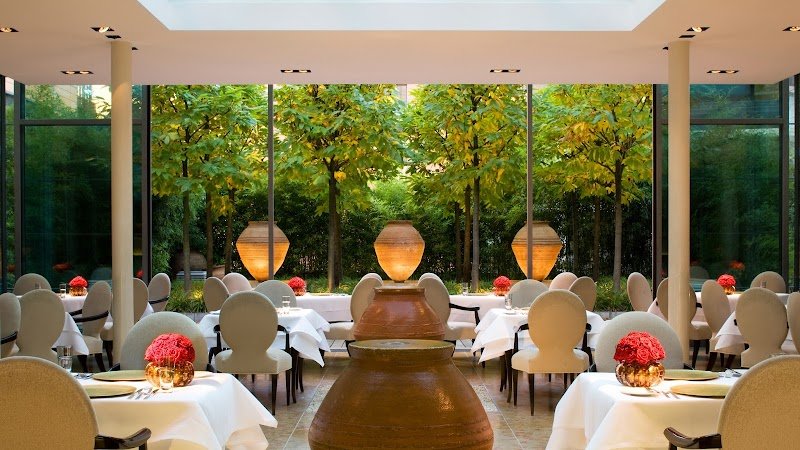
Fifth Floor, Clear Skies: How FACIL Sits in Berlin's Fine Dining Tier
Berlin's two-Michelin-star bracket is a small, competitive group. At any given moment it contains perhaps a handful of addresses — Rutz, Horváth, and a few others — where the cooking operates at a level of technical ambition that separates them clearly from the city's broader creative dining scene. FACIL, on the fifth floor of a hotel on Potsdamer Strasse, has occupied that tier continuously, retaining two stars through 2024 and 2025 while accumulating La Liste scores of 94.5 and 94 points respectively. Those numbers place it inside a narrow peer set of German fine dining rooms that the Berlin dining scene as a whole can count on one hand.
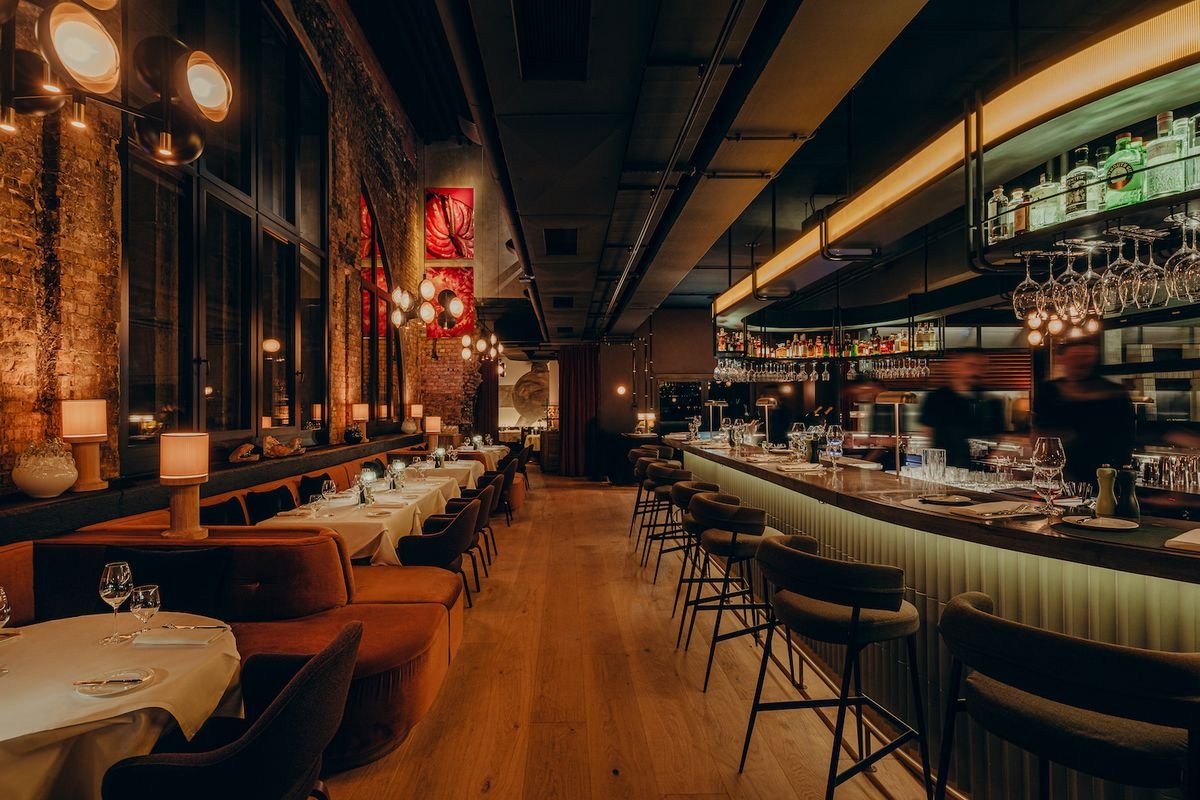
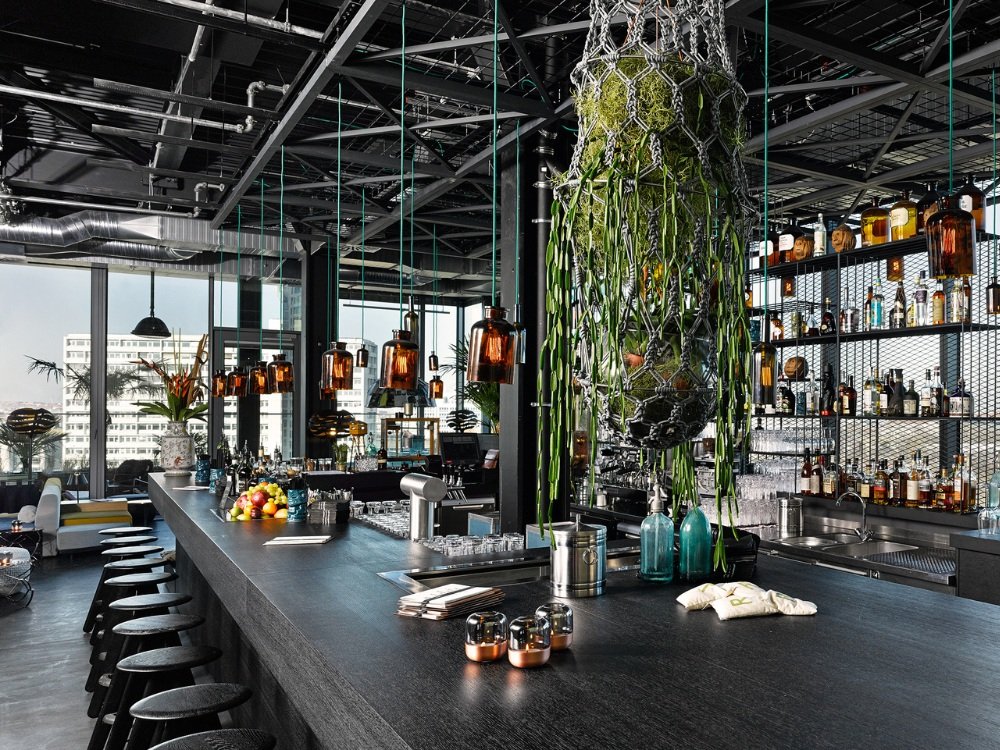
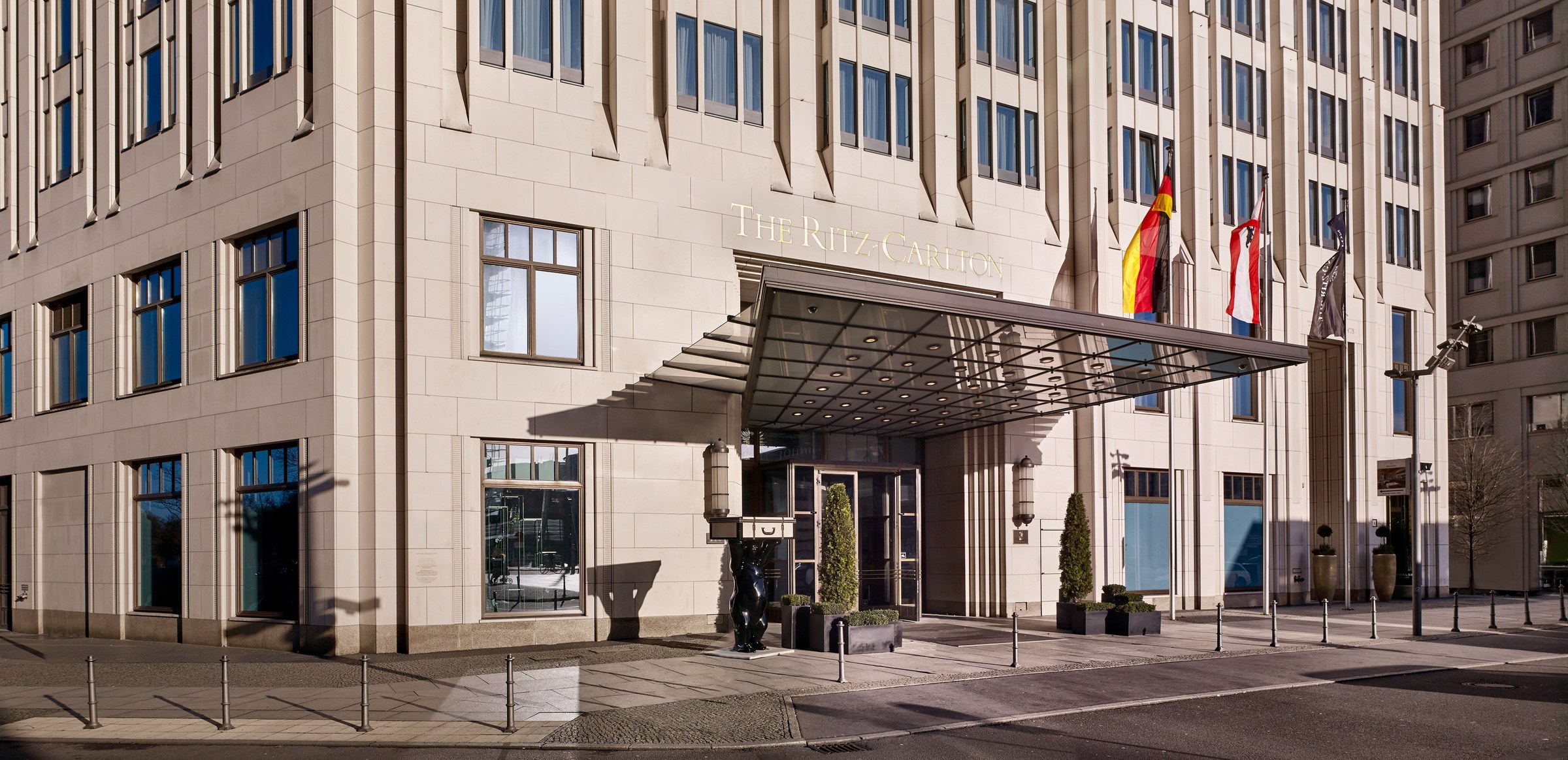
The setting matters to how the cooking is received. Arriving at the hotel entrance on Potsdamer Strasse and ascending to the fifth floor, you step into a room defined by a glass-roofed atrium, planted greenery, and a quality of natural light that feels incongruous with a city centre address. The contrast with Berlin's street-level aesthetic is sharp: outside, the Tiergarten district blends institutional architecture with post-reunification density; up here, the atmosphere is quiet, ordered, and deliberately removed from that texture. It is not escapism so much as controlled framing , the kind of environment designed to focus attention on what arrives at the table.
Menu Architecture: Precision Over Provocation
Berlin's top-tier restaurants have taken divergent approaches to menu structure over the past decade. Some, like Nobelhart and Schmutzig, have built their identity around radical sourcing restriction and political intent in the cooking. Others, including CODA, have reorganised the menu's logic entirely , in CODA's case dissolving the savoury-sweet boundary across every course. FACIL takes a different structural position: the menu is contemporary European in language, executed with what the awards data consistently describes as German precision, and organised around a produce-forward logic that surfaces most clearly in a dedicated vegetable and fruit programme.
That programme , recognised formally under the Think Vegetables, Think Fruit designation , is not a vegetarian sidebar. It is a structural commitment embedded across the menu, one that shapes how courses are sequenced and weighted. In a dining tier where protein-led tasting menus remain the default format for most of Europe's two-star rooms, a sustained investment in vegetable cookery as a primary rather than supporting register carries a specific editorial meaning: it signals a kitchen calibrated toward complexity in texture and flavour without relying on the conventional drama of premium protein. The Opinionated About Dining ranking, which placed FACIL at number 283 in classical Europe for 2024 and 324 in 2025, positions it within a tradition of formal European cooking , not the avant-garde disruption end of that spectrum, but the technically accomplished, classically grounded side.
Chef Michael Kempf has led the kitchen for long enough that the cooking reflects an accumulated point of view rather than an ongoing experiment. That stability is itself a signal in a city where fine dining addresses turn over more frequently than in, say, Munich or Hamburg. The comparison with JAN in Munich or Restaurant Haerlin in Hamburg is instructive: all three are hotel-based, multi-starred addresses that operate with a consistent identity rather than seasonal reinvention as a marketing posture. Longevity in this context implies a kitchen that has solved its core questions and is refining rather than searching.
Where FACIL Sits in the German Fine Dining Map
Germany's two-star tier is concentrated in a handful of cities and rural destinations. Addresses like Schwarzwaldstube in Baiersbronn, Aqua in Wolfsburg, Vendôme in Bergisch Gladbach, and ES:SENZ in Grassau define a national peer set in which FACIL competes as Berlin's most decorated address in the contemporary European category. That positioning matters for readers travelling through Germany's fine dining circuit: FACIL is the capital's representative in a category that skews toward destination restaurants in smaller cities and resort towns. Visiting Berlin for FACIL is a different proposition than travelling to Baiersbronn specifically for Schwarzwaldstube , the city absorbs the restaurant into a broader itinerary rather than being defined by it.
For context across borders, the contemporary European creative category that FACIL occupies also includes addresses like The Yeatman in Vila Nova de Gaia and Ocean in Porches , each carrying comparable critical weight within their respective national fine dining tiers. The shared thread across this peer group is cooking that grounds itself in European classical technique while incorporating a clear regional or produce-led identity.
The Berlin Context: Creative Dining at the Leading End
Berlin's fine dining scene has a different centre of gravity than Paris, Copenhagen, or San Sebastian. The city's creative energy has historically fed into mid-market and experimental formats more than into formal tasting menus. That means the two-star tier is proportionally smaller than its equivalents in other European capitals, and the restaurants that hold that position tend to occupy a niche rather than define a mainstream. FACIL is the kind of address that a Berlin-based diner would visit on a specific occasion rather than cycle through regularly , the price tier (€€€€), the format, and the booking pattern all point toward a considered rather than spontaneous visit.
This dynamic places it in a different relationship to the city's dining culture than, say, Restaurant Tim Raue, whose Asian-inflected cooking and more aggressively personal identity have made it a distinct marker in Berlin's restaurant map. FACIL's position is quieter and more classical in register , the kind of room that accumulates long-term respect through consistency rather than through cultural noise.
Planning a Visit
FACIL opens for both lunch and dinner, Monday through Friday, with service running from noon to 2 pm and again from 7 to 10 pm in the evening. The restaurant is closed on Saturdays and Sundays. For visitors coordinating Berlin around hotel accommodation or a broader programme that might include Berlin's bar scene, wine destinations, or cultural experiences, a midweek lunch booking offers a useful entry point: the room at that hour tends toward the quieter end, and a lunch format at a two-star address typically runs shorter than a full evening service. The address is Potsdamer Strasse 3, in the Tiergarten district, which puts it within direct reach of central Berlin and the Kulturforum area.
A Google rating of 4.8 across more than 1,100 reviews suggests consistent execution at the table-level rather than a kitchen that performs only under critic scrutiny , a meaningful signal for a room at this price point, where the gap between best-case and average visits can be significant at lesser addresses. Booking ahead is advisable given the restricted weekly service window; the Friday lunch and dinner slots in particular tend to fill as the week progresses.
Cuisine Lens
These are the closest comparables we have in our database for quick context.
| Venue | Cuisine | Awards | Notes |
|---|---|---|---|
| FACIL | Contemporary European, Creative | Michelin 2 Stars | This venue |
| CODA Dessert Dining | Creative | Michelin 2 Star | Creative, €€€€ |
| Rutz | Modern European, Modern Cuisine | Michelin 3 Star | Modern European, Modern Cuisine, €€€€ |
| Nobelhart & Schmutzig | Modern German, Creative | Michelin 1 Star | Modern German, Creative, €€€€ |
| Horváth | Modern Austrian, Creative | Michelin 2 Star | Modern Austrian, Creative, €€€€ |
| GOLVET | Modern European, Creative | Michelin 1 Star | Modern European, Creative, €€€€ |