Our verdict
On Bahrenfelder Strasse in Hamburg's Altona district, Ottensener Foodkitchen occupies the kind of address that rewards those who follow neighbourhood eating seriously rather than award lists. The kitchen sits within one of Hamburg's most food-forward residential corridors, where the dining culture runs closer to daily ritual than occasion dining.

Pearl is the En Primeur Club membership app, where members save venues, book tables and use the concierge.

The menu
What to order
- Cheeseburger
- Veggie Cheeseburger
- MANYAK Burger
- Sucuk Burger
- Chilli Cheese Burger
- Köfte
Altona's Appetite: The Neighbourhood That Shapes the Meal
Hamburg's dining identity has long been split between the grand-occasion rooms of the city centre and a looser, more habitual eating culture that has taken root in its western residential districts. Altona and its sub-quarter Ottensen represent the latter tendency in its most developed form. The streets around Bahrenfelder Strasse have accumulated a density of food-focused operations that answers to a local clientele first and a visitor audience second. That ordering matters: it produces kitchens where the menu reflects what the neighbourhood actually eats, rather than what a tourism-aware programme imagines it should.
Ottensener Foodkitchen, at Bahrenfelder Str. 332, sits inside this pattern. The address places it in a stretch of Altona where independent food businesses have settled not because of proximity to the port or the historic market halls, but because the residential population around Ottensen has shown a consistent appetite for cooking that takes ingredients and sequence seriously without demanding the formality of Hamburg's top-tier dining rooms. Compare this with the €€€€ tier occupied by venues like The Table Kevin Fehling or bianc, and the Altona corridor is working in a different register entirely: the scale is smaller, the transaction more personal, and the frequency of visit higher.
A Meal That Moves: Reading the Progression
The editorial angle most useful for understanding what a kitchen like this offers is not the single dish or the headline technique. It is the arc of a meal: what arrives first, what builds from it, and whether the sequence holds a point of view or merely assembles courses. In Hamburg's neighbourhood dining tier, this question divides kitchens that cook seriously from those that replicate a format without conviction.
Across Germany's more attentive mid-tier dining scene, the meal tends to follow a logic inherited from classical European sequencing but inflected by whatever regional or seasonal material the kitchen is working with at a given moment. Northern German kitchens in particular have a long tradition of handling fish with more care than protein from further inland, and the proximity of Hamburg's port and the North Sea supply chain to the west gives Altona-based kitchens access to material that larger, more formal rooms pay considerably more to source. For context on what serious fish cookery looks like at the highest end of the German repertoire, Aqua in Wolfsburg and Schwarzwaldstube in Baiersbronn represent the benchmark tier; neighbourhood kitchens in Hamburg operate with different resources but sometimes with comparable attention to sequence and sourcing.
The progression logic in this dining bracket typically moves from lighter, more acidic preparations toward richer, more sustained flavour. Opening courses tend to carry brightness and compression; middle courses build weight and texture; the close, where it lands well, offers some form of resolution rather than mere sweetness. Kitchens that understand this arc produce a meal that feels considered rather than assembled. Those that don't tend to reveal themselves in the middle, where pacing slackens and the connective tissue between courses disappears.
Where Ottensener Foodkitchen Sits in Hamburg's Tier Structure
Hamburg has a well-documented upper tier anchored by venues with formal recognition. Restaurant Haerlin and 100/200 Kitchen operate in the creative-formal register where tasting menus and extended wine programmes define the experience. Lakeside approaches its German-cuisine identity from a lakeside setting that adds a distinct atmospheric weight to the meal. These are occasion rooms, priced and formatted accordingly.
Below that tier, the city's dining culture is less mapped but arguably more representative of how Hamburg actually eats. The Altona corridor, and Ottensen specifically, functions as a neighbourhood dining zone where regulars return weekly rather than annually. The kitchen at Bahrenfelder Str. 332 is operating in this context: the stakes are different, the relationship with the guest is ongoing rather than ceremonial, and the food is expected to sustain attention across repeated visits rather than produce a single revelatory experience.
Across Germany more broadly, the mid-tier neighbourhood kitchen has become a serious category. Berlin's CODA Dessert Dining redefined what a specialist format could achieve at non-formal scale. JAN in Munich built a sustained following in a similar register. Further south and west, kitchens like ES:SENZ in Grassau, Schanz in Piesport, Vendôme in Bergisch Gladbach, Waldhotel Sonnora in Dreis, Victor's Fine Dining by Christian Bau in Perl, and Bagatelle in Trier define what serious regional cooking looks like across different German sub-markets. Hamburg's neighbourhood tier sits apart from all of these: less formal, less destination-oriented, more rooted in the daily eating habits of a specific postal district.
For an international frame of reference, the contrast is instructive. Le Bernardin in New York City represents the pinnacle of formal, technique-intensive seafood cookery; Atomix in New York City shows what a rigorous tasting progression looks like at counter format. Ottensener Foodkitchen is not competing in either of those categories.
For anyone building a Hamburg itinerary that balances the city's recognised fine dining rooms with its actual neighbourhood eating culture, the Altona corridor is where that second half of the equation lives. Our full Hamburg restaurants guide maps both tiers in detail.
Know Before You Go
| Address | Bahrenfelder Str. 332, 22765 Hamburg, Germany |
|---|---|
| District | Ottensen, Altona |
| Booking | Contact details not currently listed; walk-in or direct inquiry advised |
| Price Range | Not published; consistent with Altona neighbourhood dining tier |
| Hours | Not currently listed; confirm before visiting |
Frequently asked questions
What part of town is Ottensener Foodkitchen in?
Ottensener Foodkitchen is located at Bahrenfelder Str. 332, 22765 Hamburg, Germany, Hamburg.
Is Ottensener Foodkitchen a good option for eating in Hamburg outside the city centre?
The Bahrenfelder Strasse address places Ottensener Foodkitchen squarely in Ottensen, one of Hamburg's most food-active residential quarters and a district that operates at some distance from the formal dining circuit anchored by venues like Haerlin in the Altstadt. For visitors who want to eat alongside Hamburg residents rather than inside the city's event-dining tier, this part of Altona is a considered choice. The kitchen's name signals a local, functional orientation rather than a destination-restaurant positioning.
What's the must-try dish at Ottensener Foodkitchen?
No fixed menu is on public record for Ottensener Foodkitchen, which aligns with the working rhythm of Altona neighbourhood kitchens: the offer tends to shift with supply and season rather than being built around a signature plate. The practical approach is to ask on arrival what the kitchen is running that day. That conversation, in a Bahrenfelder Strasse address like this one, is usually the most useful ordering tool available.
How hard is it to get a table at Ottensener Foodkitchen?
Ottensener Foodkitchen carries no formal award recognition that would generate sustained advance booking pressure, so it sits in a tier where walk-in or same-week availability is a reasonable expectation. Ottensen is a densely populated residential district in Hamburg, which means local regulars can fill a room quickly on Thursday and Friday evenings. Calling ahead for those peak slots is the sensible move, even without a published phone number on record.
Cost Snapshot
Comparable venues nearby, for context on price, style, and recognition.
| Venue | Cuisine | Price | Notes |
|---|---|---|---|
| Ottensener FoodkitchenThis venue (the venue you are viewing) | Casual Burgers & Grilled Street Food | $10–20 | Not listed |
| Billy the butcher | American Steakhouse Burgers | Not listed | Neustadt, American Steakhouse Burgers |
| HOB's Hut of Burger | American Burgers | $10–20 | Hamburg-Altstadt, American Burgers |
| Bun's Streetfood | Gourmet Street Food Buns | $10–20 | Eimsbuttel, Gourmet Street Food Buns |
| Burgerlich | Custom Gourmet Burgers | $10–20 | Neustadt, Custom Gourmet Burgers |
| Fisch & So | Traditional Hamburg Fish Sandwiches | $10–20 | Altona-Altstadt, Traditional Hamburg Fish Sandwiches |
Continue exploring
More in Hamburg
Restaurants in Hamburg
All restaurants in Hamburg →
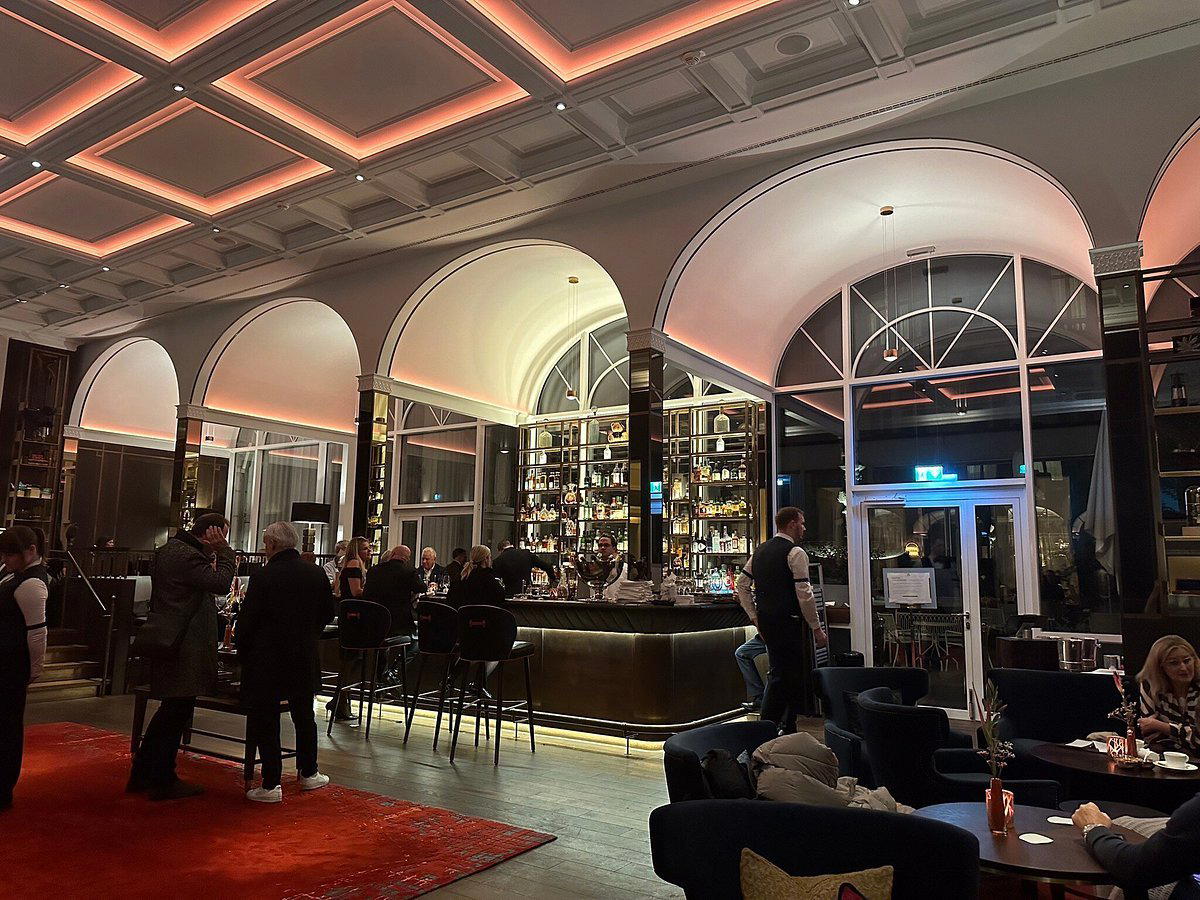
Bars in Hamburg
All bars in Hamburg →
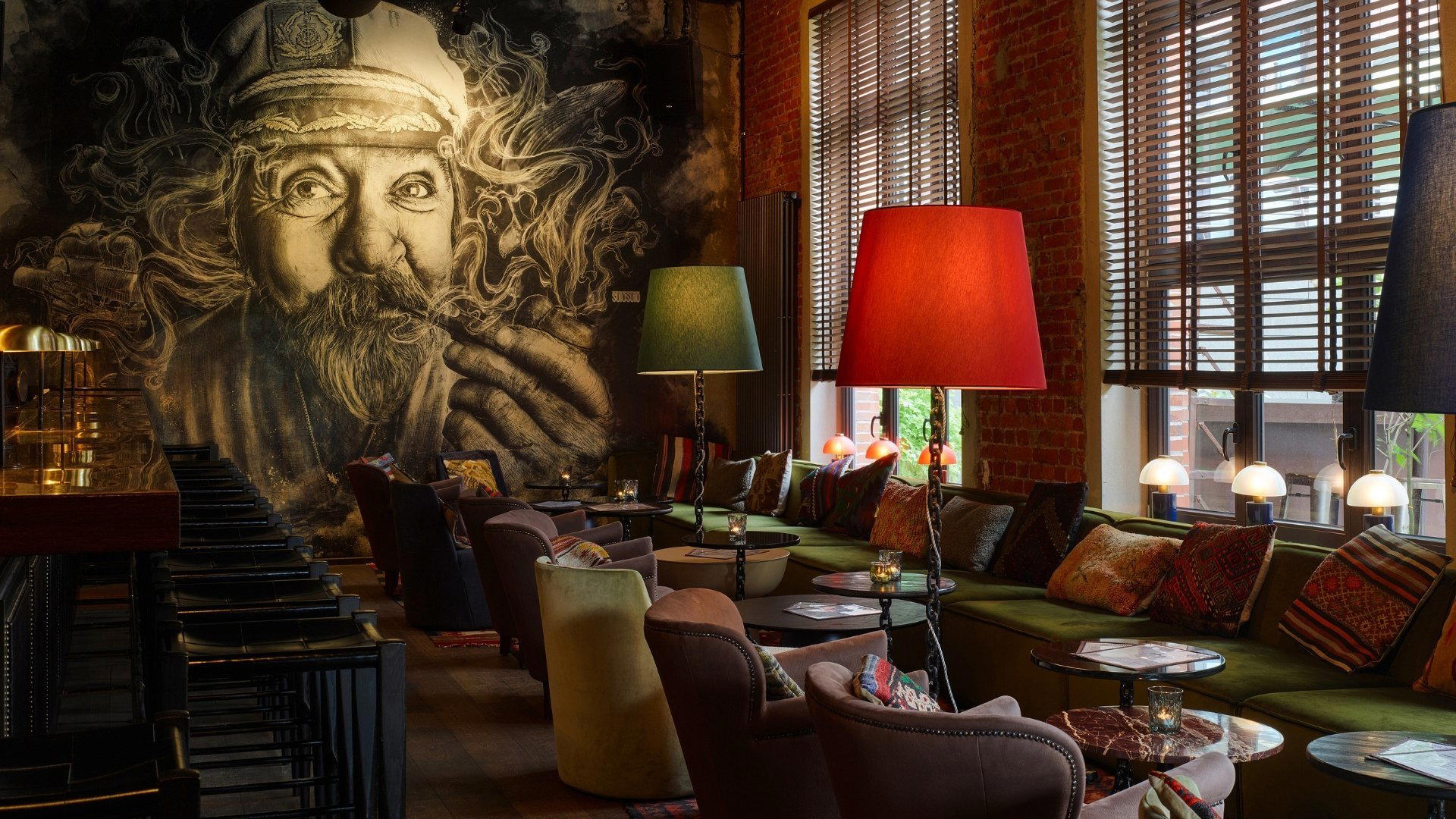
Hotels in Hamburg
All hotels in Hamburg →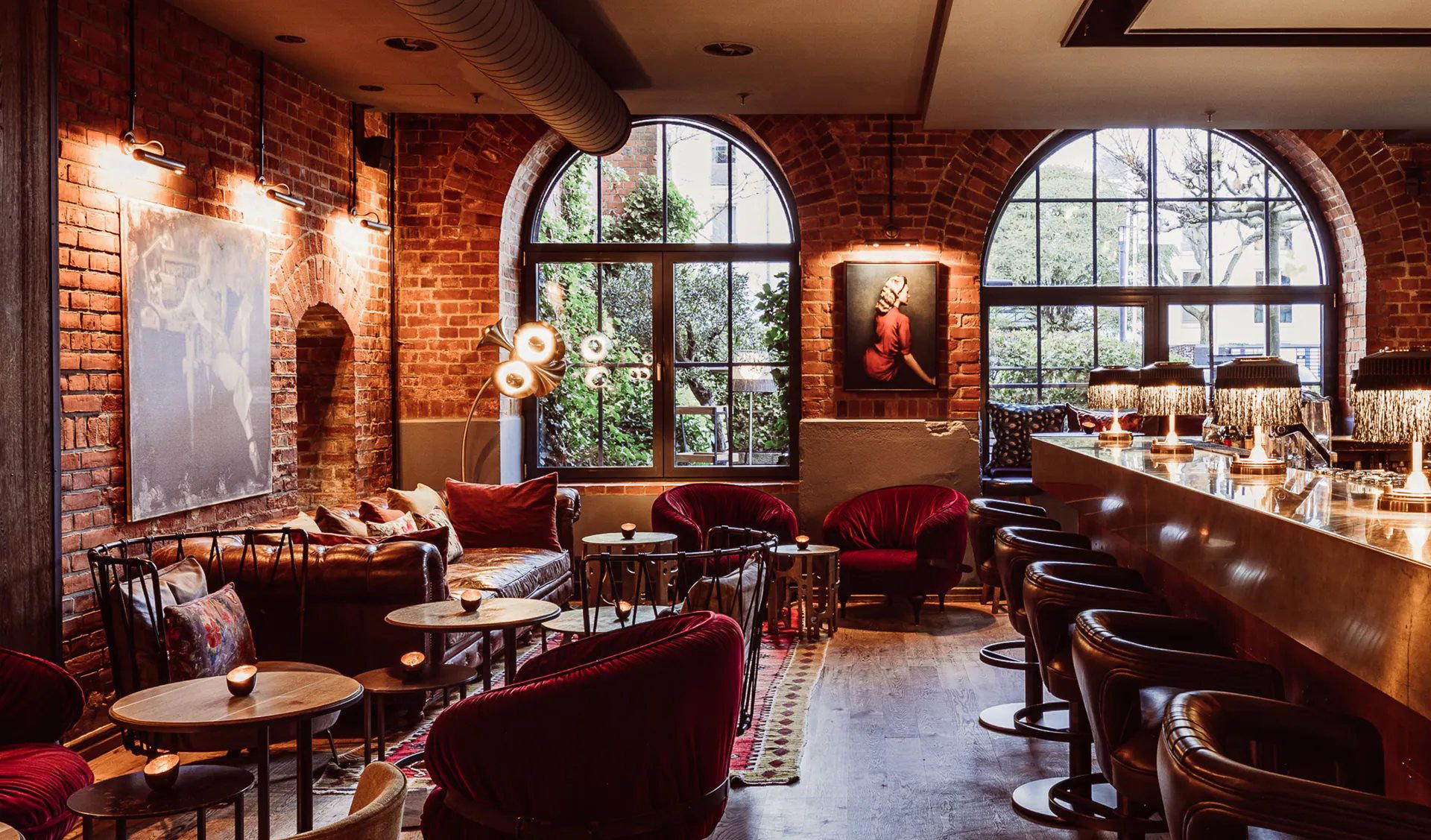
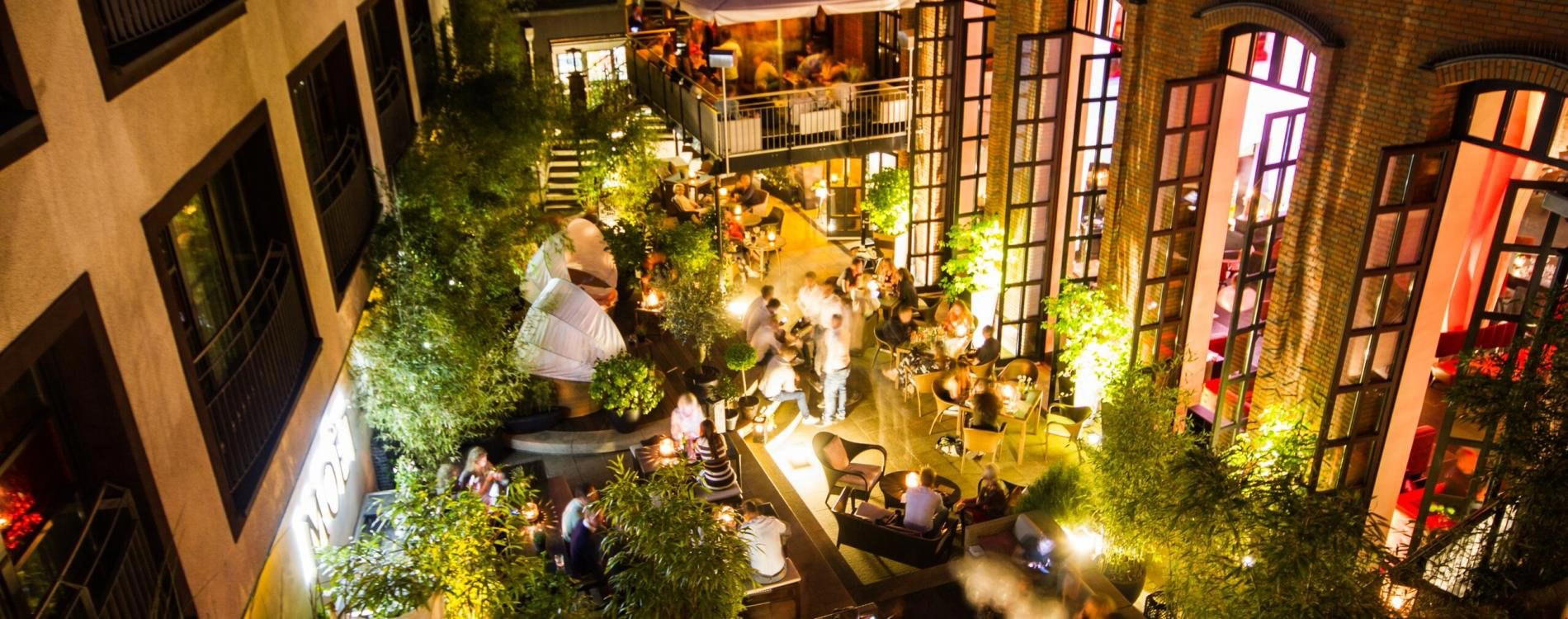
Wineries in Hamburg
Browse all →
Details
- Casual
- Trendy
- Lively
- Casual Hangout
- After Work
- Late Night
- Group Dining
- Open Kitchen
- Standalone
- Local Sourcing
- A La Carte
- Vegetarian Friendly
Current opening hours
- Monday
- 12–9:30 PM
- Tuesday
- 12–9:30 PM
- Wednesday
- 12–9:30 PM
- Thursday
- 12–9:30 PM
- Friday
- 12–10:30 PM
- Saturday
- 2–10:30 PM
- Sunday
- 2–9:30 PM
Hours can change for holidays and private events. Hours as of .
Chic and smooth casual atmosphere with a relaxed, fun setting that invites lingering; described as a snack spot that is both delicious and entertaining.