Billy the Butcher plants itself in Hamburg's meat-focused dining tradition, where the divide between a lunchtime counter visit and an evening sit-down tells you most of what you need to know about the place. Hamburg's port-city appetite for direct, ingredient-led cooking finds a natural expression here, with the butcher-shop format setting it apart from the city's formal fine-dining tier.
Pearl is the En Primeur Club membership app — saves, bookings, and concierge access live there. Same editors, same standards.
- Address
- Eingang
- Phone
- +494034993788
- Website
- billythebutcher.de
- Directions
- Get directions
 Saves & bookings on Pearl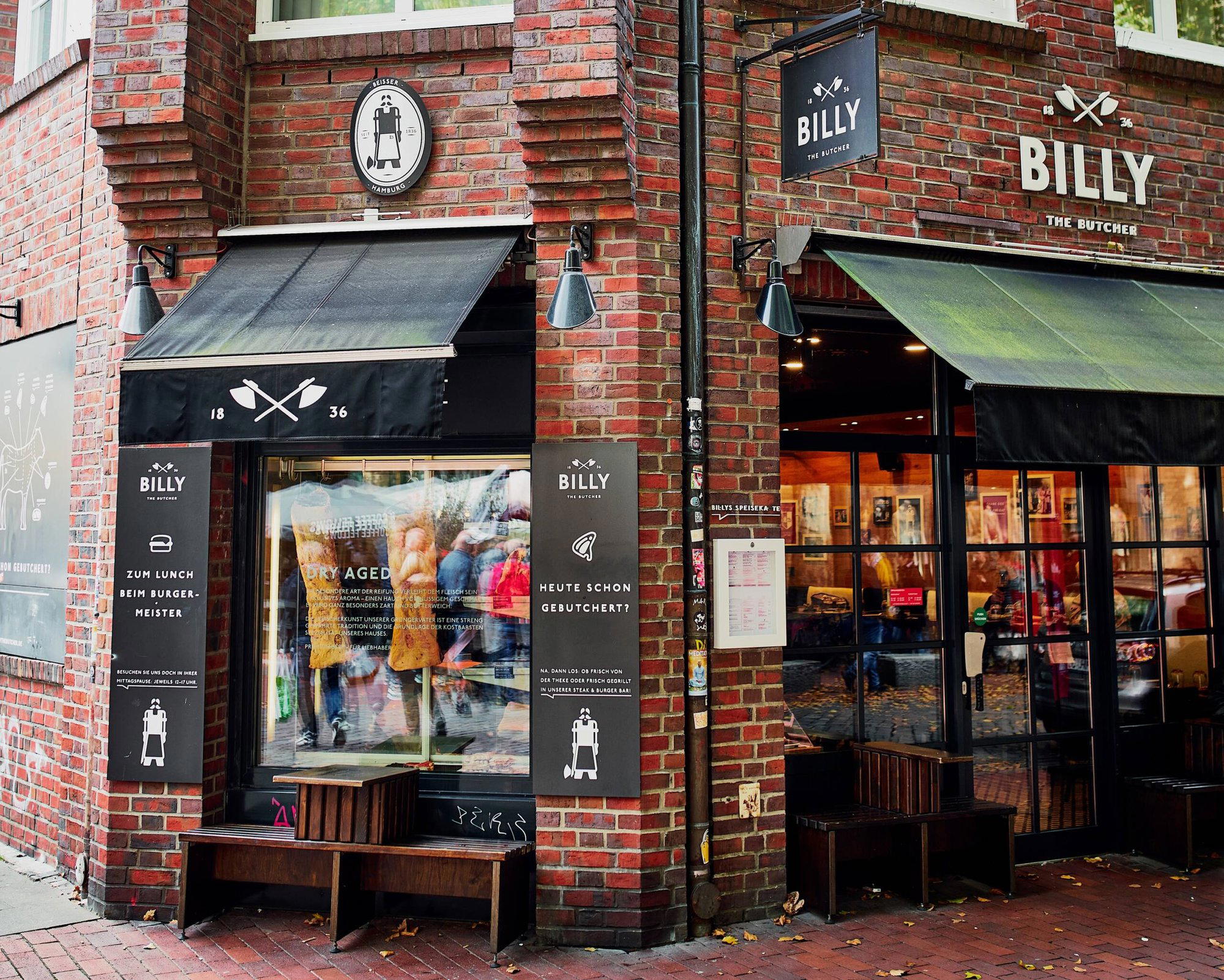
Hamburg's Meat Counter Culture and Where Billy the Butcher Fits
Hamburg has always eaten seriously without always eating formally. The city's dining character splits between a polished fine-dining circuit, anchored by addresses like Restaurant Haerlin and The Table Kevin Fehling, and a rougher, more direct tradition of market stalls, harbour-adjacent eating, and butcher counters where the product is the point. Billy the Butcher belongs to the second current. The name alone signals the register: no French article, no chef's surname, no tasting-menu implication. It positions itself as a place that takes meat seriously without the ceremony that surrounds it at the city's upper tier.
That positioning matters in Hamburg's current dining moment. As restaurants like bianc and Lakeside compete on elaboration, long tasting menus, premium wine lists, tableside theatre, a butcher-anchored format reads as a deliberate counter-proposition. The comparable set is not the Michelin circuit. It is the European tradition of the boucherie-restaurant hybrid, where buying and eating happen in the same space and the cook's job is to execute the product rather than transform it.
The Lunch-to-Evening Shift: How the Format Changes
In butcher-restaurant hybrids across Europe, the lunch and dinner service often function as near-separate experiences. Daytime tends toward the transactional: counter ordering, faster turnover, a crowd that is there for quality protein at a fair price rather than a prolonged meal. The cuts on offer reflect what arrived that morning. Portions are often more generous at lunch because margins are tighter and the expectation is volume rather than occasion.
By evening, the same room typically changes register. The butcher counter closes or steps back, tablecloths appear or the lighting drops, and the kitchen shifts toward composed plates rather than straight cuts. The price per head rises, not because the meat changes, but because the service architecture around it does. In cities like Paris and Brussels, this lunch-dinner split has become a commercial model in its own right, the same address running two distinct businesses under one roof, each capturing a different diner. Hamburg's butcher-restaurant scene is a smaller version of that tradition, and Billy the Butcher operates within it.
For the visitor, this has a practical implication: lunch here is likely the more direct encounter with the product. Evening service, if the format follows the wider pattern, may offer more structured plating and a longer menu. Which sitting suits you depends less on budget and more on what kind of eating you are looking for.
Hamburg's Position in Germany's Serious Eating Circuit
To understand why a butcher-restaurant in Hamburg commands attention, it helps to place the city in the wider German dining map. Germany's most-decorated kitchens are distributed unevenly across the country. The Black Forest has Schwarzwaldstube in Baiersbronn. Lower Saxony has Aqua in Wolfsburg. Bavaria has JAN in Munich. North Rhine-Westphalia holds Vendôme in Bergisch Gladbach. Hamburg's fine-dining identity is real but more concentrated, and the city's strongest food culture has always had a practical, port-city directness to it that sits alongside its formal restaurants rather than below them.
That directness is what the butcher format taps into. Across Germany, the more interesting mid-market eating right now is happening at addresses that reject the tasting-menu escalation, places closer in spirit to a well-run Berlin address like CODA Dessert Dining in its commitment to a single organising idea, or the kind of regional specificity you find at Schanz in Piesport and Waldhotel Sonnora in Dreis. The restaurant's version of that refusal is meat-first simplicity in a city that also has the formal circuit nearby.
For broader German comparison points, Victor's Fine Dining by Christian Bau in Perl, ES:SENZ in Grassau, and Bagatelle in Trier all represent the elaborated end of what German kitchens do. The restaurant is the opposite argument, and Hamburg is a city where both arguments can coexist in the same week of eating.
Atmosphere and What to Expect Walking In
The butcher-restaurant format carries a visual grammar that readers familiar with similar addresses in London, Amsterdam, or New York will recognise immediately. Display cases of aged cuts, a working counter that doubles as the ordering point, surfaces that prioritise function over decoration, often a short menu written on a board or a single-page card. The room signals that the ingredient has been sourced with care, and that the kitchen's job is to not obscure it. Compare that register to what you would encounter at 100/200 Kitchen, where the creative framework is the explicit subject of the meal, and the difference in intent is immediate.
Hamburg's neighbourhood context matters here. The city's eating spreads across districts with distinct characters, the Sternschanze for independent restaurants, HafenCity for newer large-format venues, Eppendorf for quieter neighbourhood places. A butcher-restaurant tends to anchor in a residential or market-adjacent area where it can serve a daily trade alongside the destination visitors. The full context of Hamburg's dining spread is worth exploring in our full Hamburg restaurants guide.
Internationally, the butcher-counter dining model has found serious expressions at addresses like Le Bernardin in New York City (on the seafood side of the protein-focused fine-dining argument) and the communal-table format at Lazy Bear in San Francisco, which similarly collapses the distance between kitchen operation and diner experience. The restaurant operates in a more direct register than either, but the underlying logic, fewer intermediary steps between product and plate, connects them.
Planning Your Visit
Confirm hours, booking requirements, and current menu format directly before visiting. Hamburg's better-known dining addresses often require advance reservations of two to four weeks, but a butcher-restaurant operating a counter lunch service may accommodate walk-ins during the week more readily than formal evening sittings. Lunch is generally the lower-friction entry point across the format category. If you are building a Hamburg eating itinerary around it, pairing a lunchtime visit here with an evening at one of the city's fine-dining addresses gives you the full spread of what Hamburg's meat-focused and creative cooking traditions each look like at their respective registers.
Cost and Credentials
Comparable venues nearby, for context on price, style, and recognition.
| Venue | Cuisine | Price | Notes |
|---|---|---|---|
| Billy the butcherThis venue — the venue you are viewing | Neustadt, American Steakhouse Burgers | $ | Not listed |
| HOB's Hut of Burger | Hamburg-Altstadt, American Burgers | $$ | Not listed |
| WilliamsBurger | Not listed | $$ | Rotehaus, American Burgers with Balkan Influences |
| Kohldampf | Barmbek, American Burgers & Sandwiches | $$ | Not listed |
| Fischimbiss Schabi | Not listed | $ | Sternschanze, Fresh Grilled Seafood Fischimbiss |
| Burger Village | Altona-Altstadt, American Burgers | $$ | Not listed |
Continue exploring
More in Hamburg
Restaurants in Hamburg
Browse all →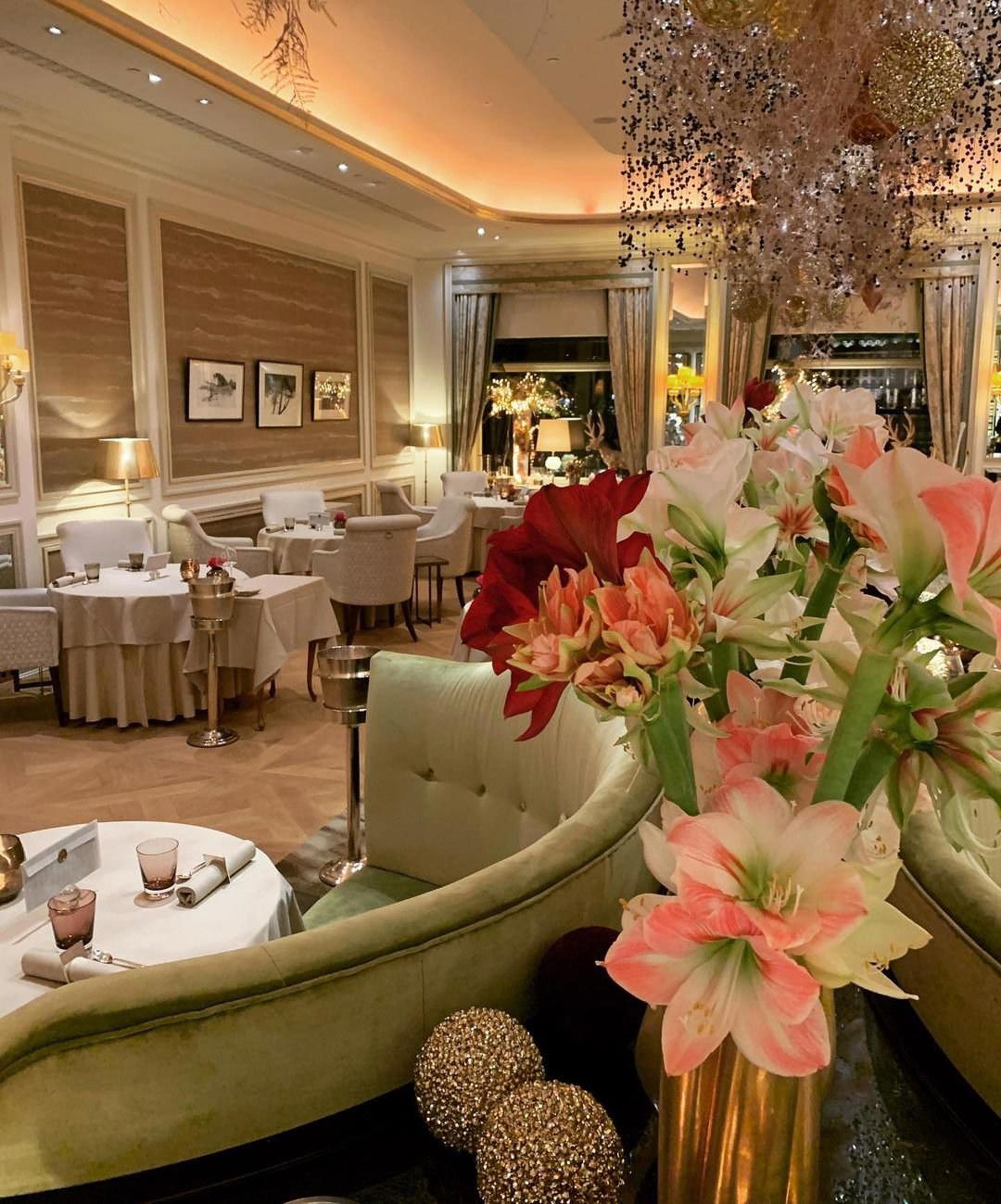
At a Glance
- Cozy
- Rustic
- Trendy
- Casual Hangout
- Date Night
- Open Kitchen
- Local Sourcing
- Street Scene
Current opening hours
- Monday
- 12–8 PM
- Tuesday
- 12–8 PM
- Wednesday
- 12–8 PM
- Thursday
- 12–8 PM
- Friday
- 12–8 PM
- Saturday
- 12–8 PM
- Sunday
- Closed
Hours can change for holidays and private events. Last verified .
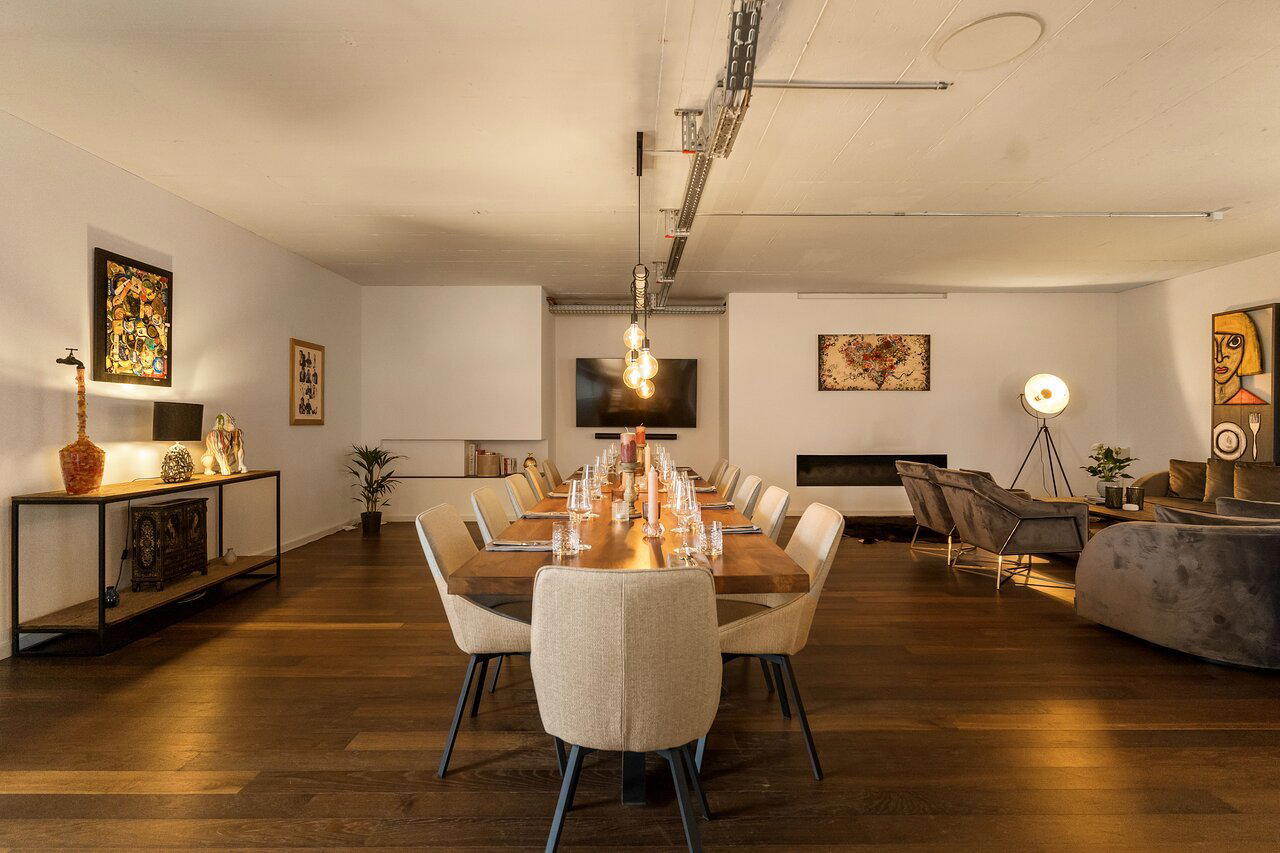
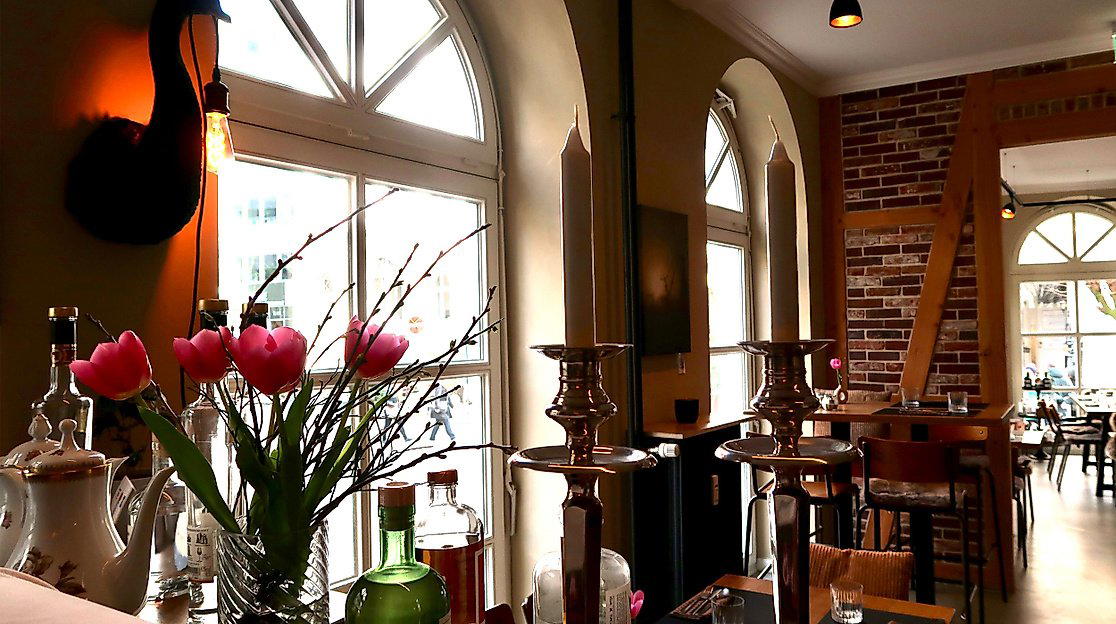
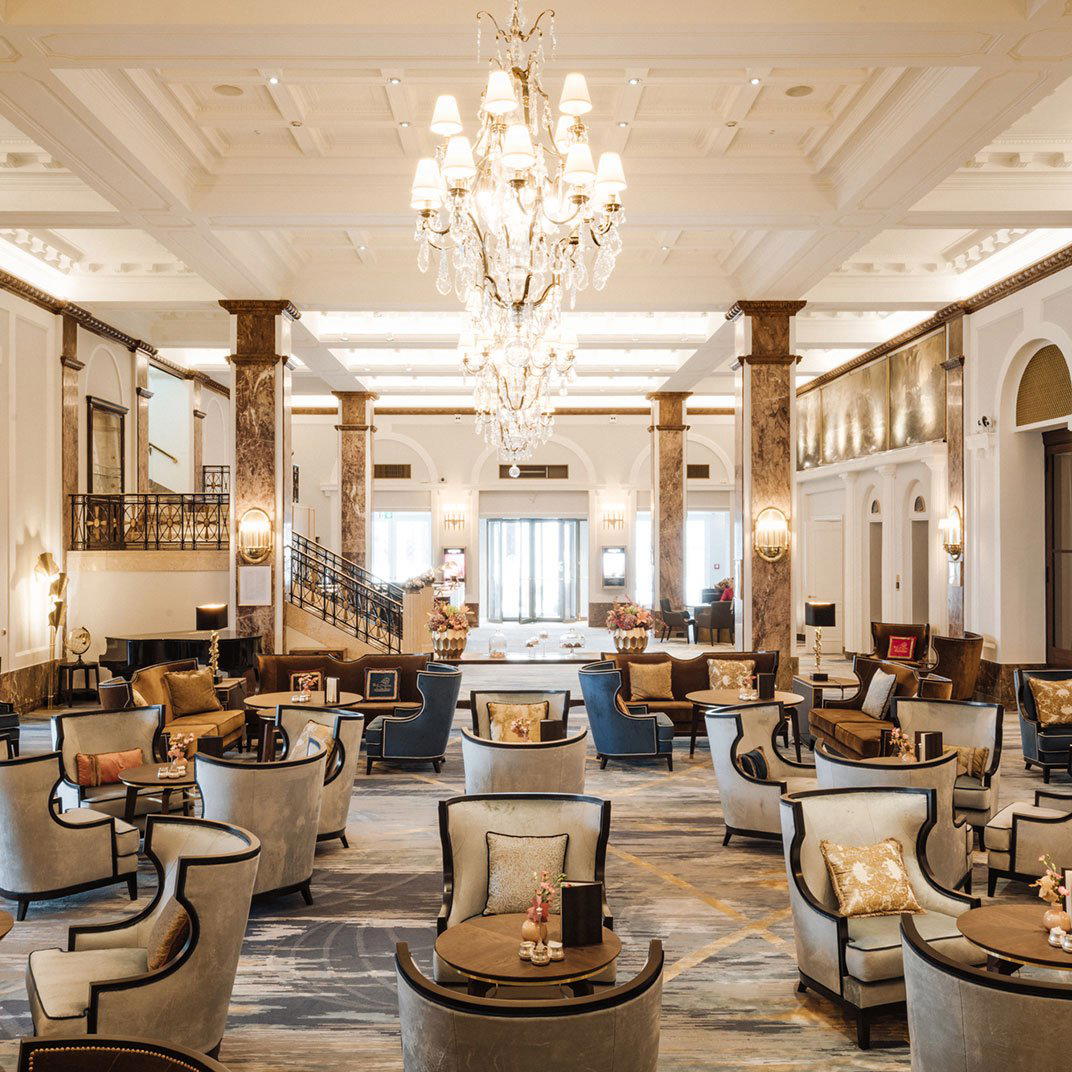
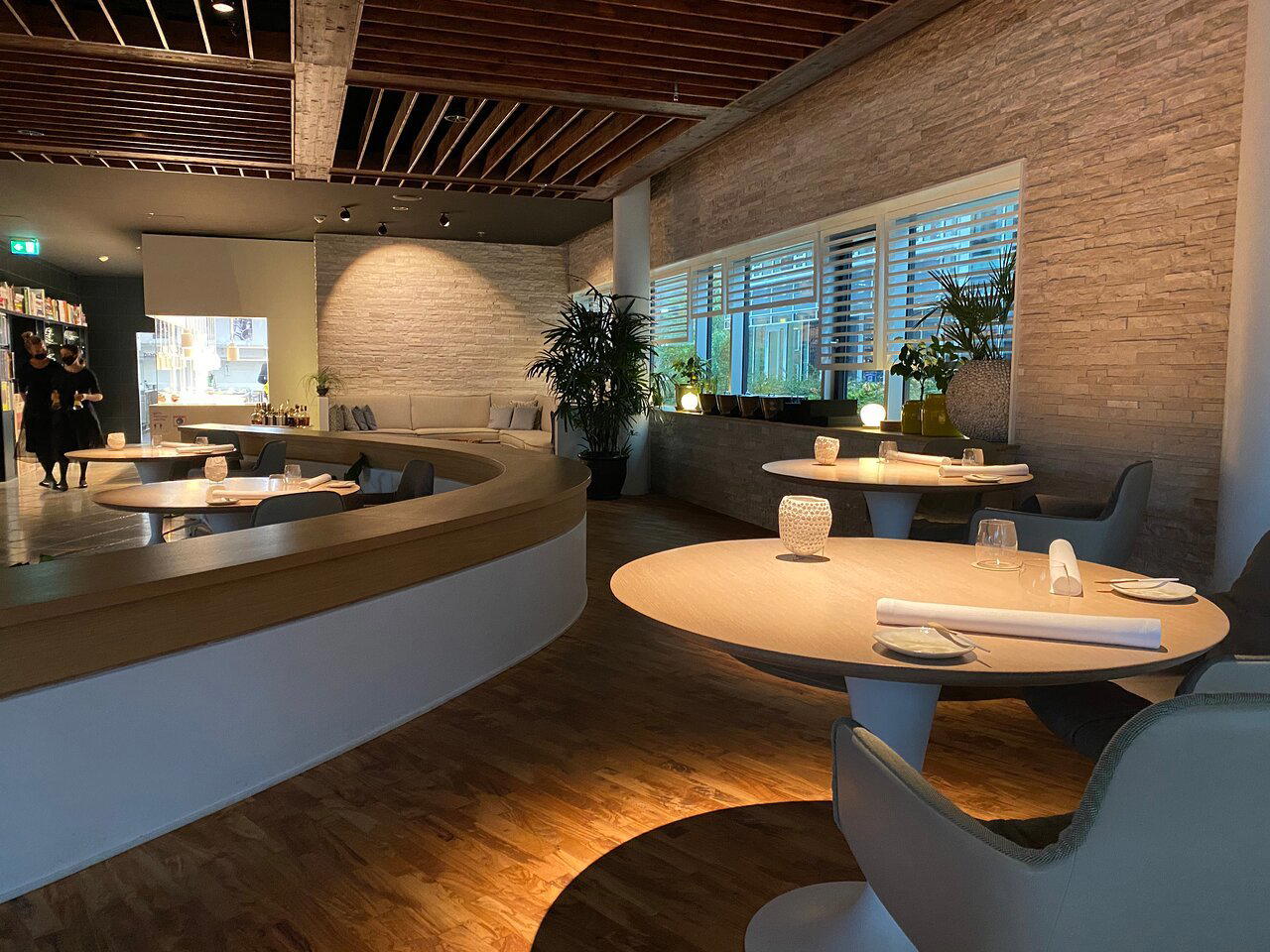
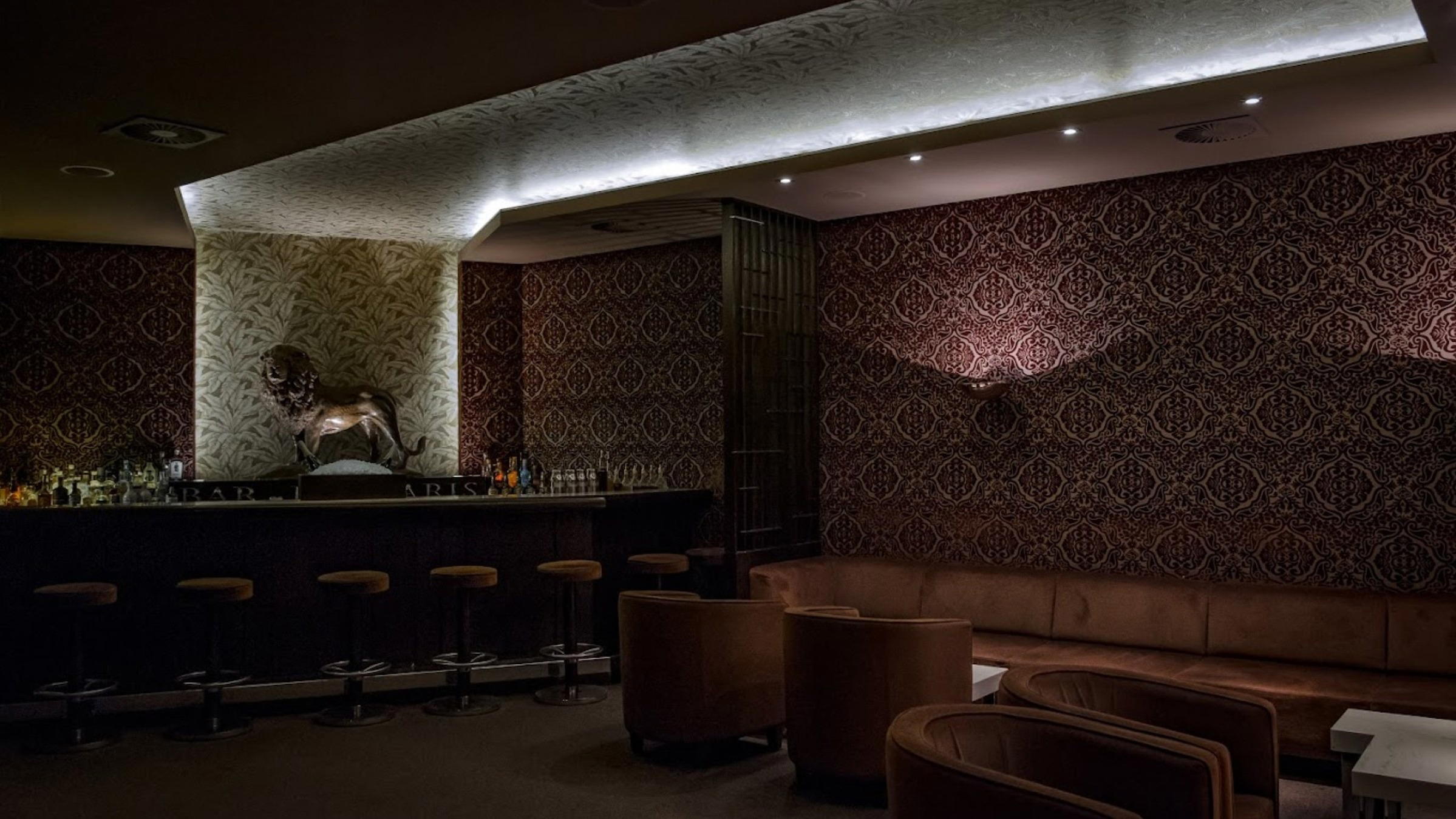
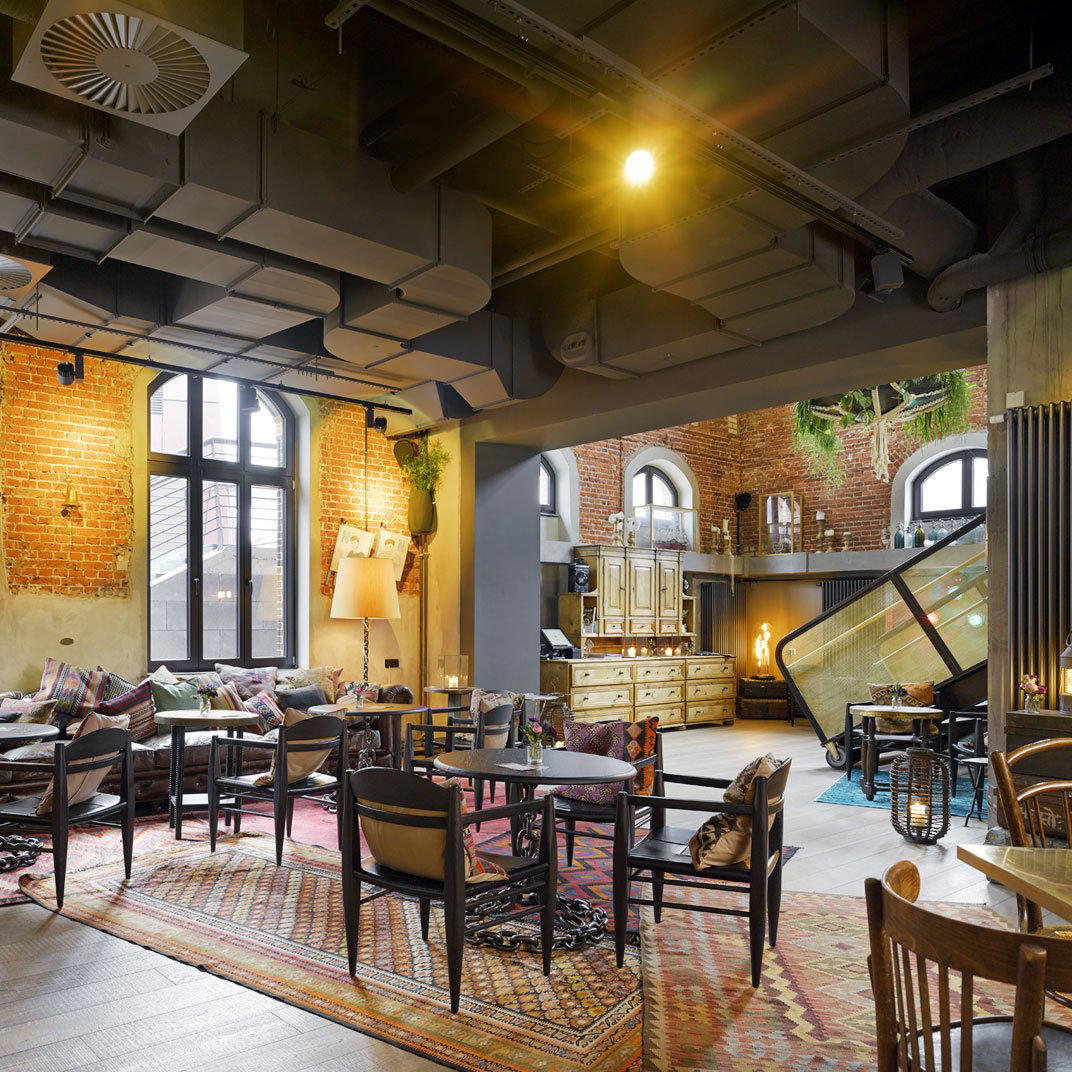
Cozy and homey with an authentic butcher shop vibe, bright and inviting lighting, and a welcoming atmosphere as noted in guest reviews.