
Kamisono belongs to Nagoya’s small-format Japanese dining tier, where ritual, pacing, and room discipline matter as much as the cooking category. Its Tabelog Japanese Cuisine EAST “Tabelog 100” selections in 2023 and 2025 put it in a serious regional conversation, while the intimate counter-and-table format keeps the meal closer to kappo than banquet dining.
Pearl is the En Primeur Club membership app — saves, bookings, and concierge access live there. Same editors, same standards.
- Address
- 3 Chome-22-4 Izumi, Higashi Ward, Nagoya, Aichi 461-0001, Japan
- Phone
- +81 52-932-6200
- Website
- tabelog.com
 Saves & bookings on Pearl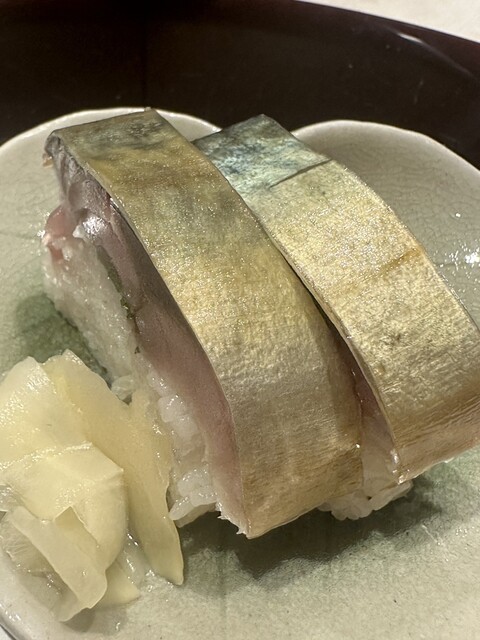
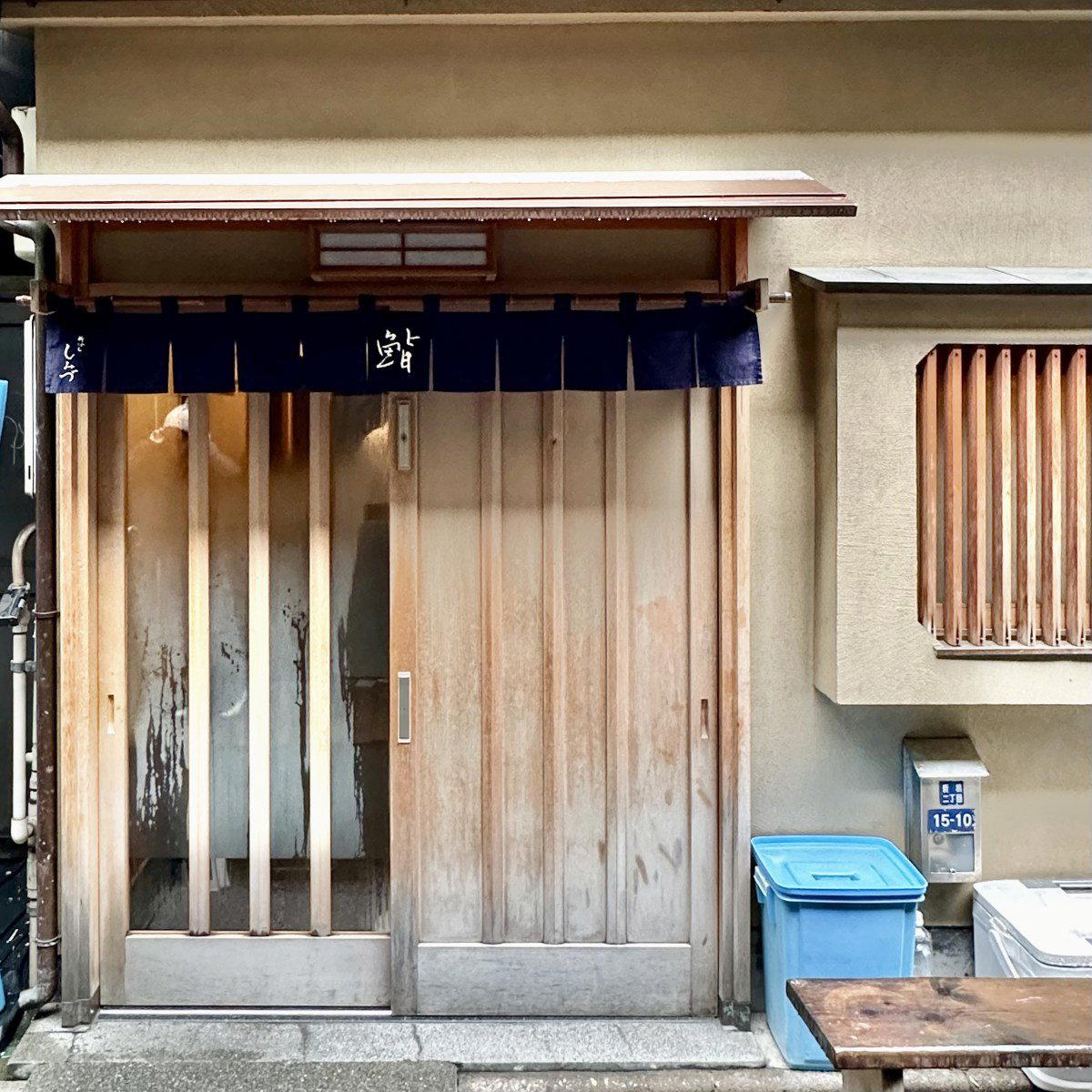
Approach in Higashi Ward and the rhythm changes before the first course: the city’s commercial noise gives way to a quieter residential register, and the meal belongs to the measured grammar of Japanese dining rather than the theatrical tempo of destination tasting menus. In Nagoya, that distinction matters. The city can be loud about its local food culture, from miso-katsu to hitsumabushi, but its higher-touch Japanese rooms often work in a lower key, built around sequence, season, and the etiquette of a small room.
Kamisono sits inside that quieter tier. The public signals are precise rather than flashy: Japanese cuisine, a house-restaurant setting, counter seating, private rooms for small groups, and selection for Tabelog Japanese Cuisine EAST “Tabelog 100” in both 2023 and 2025. That places it in a field where consistency and trust carry more weight than spectacle. The comparison in Nagoya is instructive: Japanese cuisine Takamitsu occupies a higher published spend band and leans into Japanese cuisine and seafood, while Chuka Kappou Hisada and Onkui Sekio sit in a more expensive bracket. Kamisono reads as a compact, ritual-led alternative, not a maximalist statement.
A small-room Japanese meal built around pacing, not performance
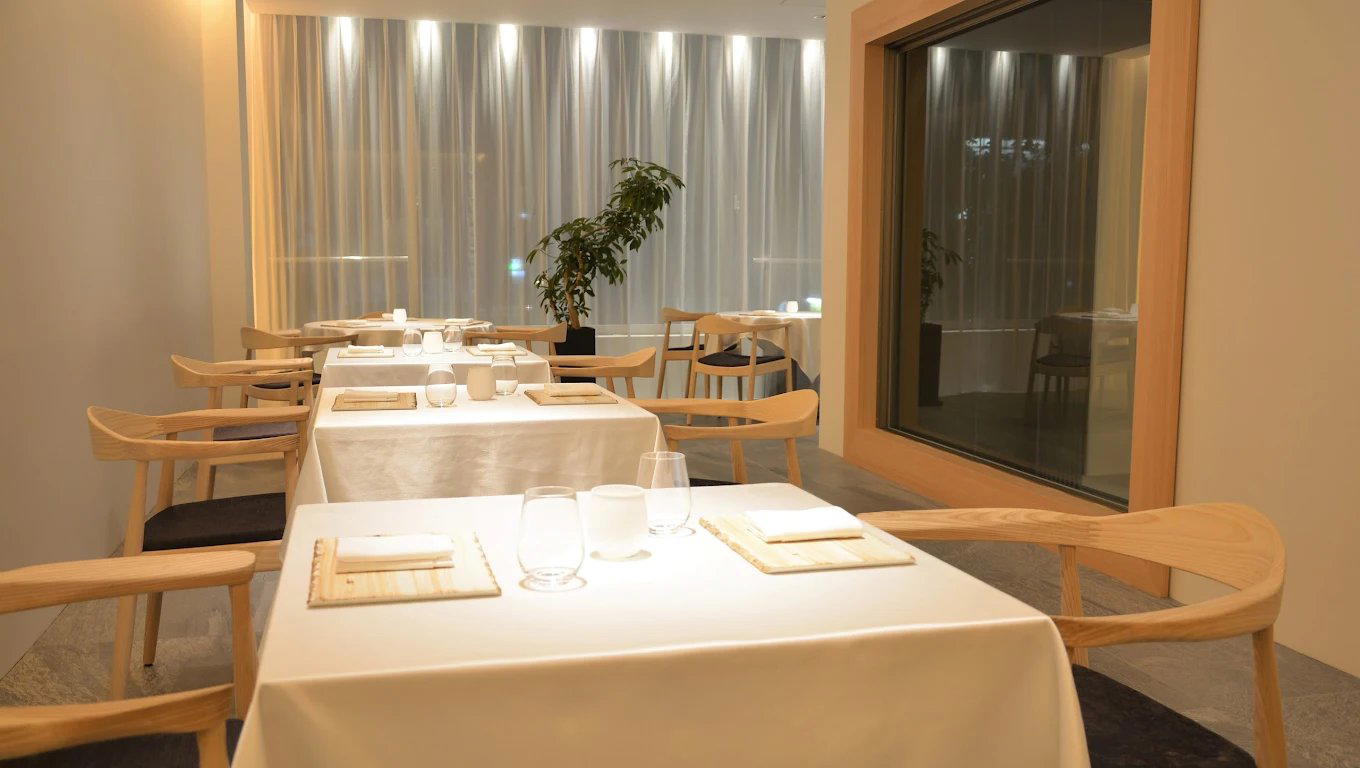
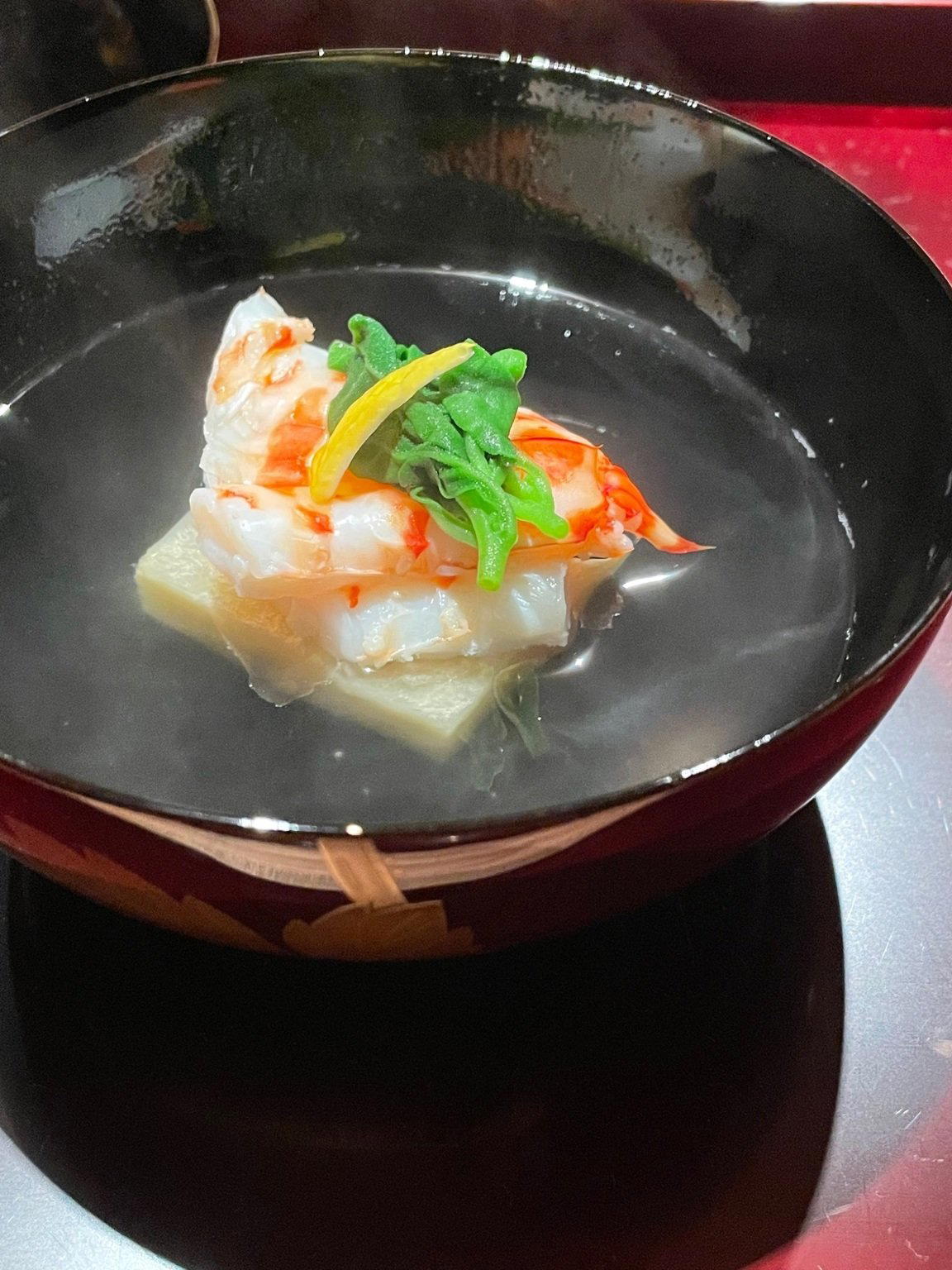
The defining idea here is not a single named dish. It is the format: Japanese cuisine served in a room small enough for rhythm to matter. A counter changes how a meal is read. Courses arrive in a tighter visual field, the service cadence becomes part of the structure, and the guest is asked to follow the room rather than dominate it. That is the logic of kappo-adjacent dining across Japan: the meal is less about abundance than proportion, temperature, silence, and the order in which things appear.
Nagoya’s dining culture often rewards strong identity, but Japanese cuisine at this level usually communicates through restraint. The drink categories listed for the restaurant, sake, shochu, and wine, suggest a dining frame broad enough for both traditional pairings and a more contemporary table. The room’s 13-seat scale, split between counter and table seats, also matters editorially. It limits the noise floor, narrows the service radius, and makes etiquette more visible. In this kind of room, late arrivals, loud cross-table conversation, and improvised dietary negotiations carry more weight than they would in a larger restaurant.
The Tabelog 100 recognition is useful because it measures regional attention within a crowded Japanese cuisine category rather than relying on international shorthand. A 2025 EAST selection, alongside a 2023 selection, signals continuity across cycles. It does not make the restaurant interchangeable with higher-spend peers. It instead frames it as a serious Nagoya address for diners who understand that smaller Japanese rooms often compete on composure, not scale.
Where it sits in Nagoya's Japanese dining hierarchy
Nagoya’s premium dining map is not Tokyo’s compressed auction of counters, nor Kyoto’s dense field of heritage kaiseki rooms. Its strength is more mixed: local specialties, business-district dining, polished hotel restaurants, and a set of focused independent rooms that reward advance planning. Within that field, Kamisono occupies a useful middle position. It is more structured than casual washoku, less financially aggressive than some of the city’s higher-ticket Japanese counters, and more intimate than hotel dining.
That positioning gives the restaurant a clear reader use-case. It suits a dinner where the meal’s ritual is the point: a controlled room, Japanese cuisine, a drink list anchored in domestic categories, and a pace that asks guests to settle into the sequence. It is less suited to a large celebratory group or a free-form night of ordering. Private rooms broaden the format for small parties, but the restaurant’s core logic remains that of a compact Japanese dining room.
For travelers building a Nagoya itinerary, the decision should be category-led. Those seeking seafood-led Japanese cuisine at a higher spend may compare Japanese cuisine Takamitsu. Diners looking at French or Chinese-Japanese formats can weigh le Lotus or Chuka Kappou Hisada. Kamisono is the choice when the attraction is the dining ritual itself: the room, the cadence, and the discipline of Japanese cuisine in a restrained Nagoya setting.
How to place it in a wider Nagoya itinerary
Higashi Ward works well for travelers who want a dinner away from the station-area churn without turning the evening into a rural excursion. The area around Takaoka and Shin-Sakaemachi has the feel of central Nagoya after the office towers thin out: easier to read on foot, less frantic, and compatible with a focused dinner. That makes the restaurant a better fit for a planned evening than an opportunistic stop between sightseeing blocks.
The practical mindset should match the room. Treat the meal as a reservation-led Japanese dinner, not a flexible drop-in. Payment terms, closing days, and seat format all affect the experience more in small restaurants than in large operations, so planning discipline matters.
For broader planning, use Our full Nagoya restaurants guide for dining context, then pair the evening with Our full Nagoya hotels guide, Our full Nagoya bars guide, Our full Nagoya wineries guide, and Our full Nagoya experiences guide. Nearby restaurant research can also include 1022, 451, Aaron, Alan., and All Day Dining Montmartre. For a wider Japan-and-beyond reading queue, see -Grilled beef Sukiyaki- KAMAKURA TANUKIAN 鎌倉 たぬき庵 in Kamakura. 鮪と炭火焼き うお炭 秋葉原店 in Tokyo.cafe in Osaka.know in Kumamoto, (Shoku) Vietnam in Kawasaki, [Curry Senmon Ten] Maruyama Kyoju. in Sapporo, Jōdo Saké Bar in Los Angeles, and Onigiri Time in Pasadena.
Style and Standing
Comparable venues for context, by category and price tier.
| Venue | Cuisine | Price | Notes |
|---|---|---|---|
| KamisonoThis venue — the venue you are viewing | Japanese Kaiseki Omakase | $$$ | Not listed |
| Yagumo | Traditional Nagoya Shabu-shabu & Sukiyaki (Mingei Kappo) | $$$ | Higashi |
| Taverna Sukima | Yoshoku (Japanese-style Western cuisine) | $$$ | Chikusa |
| Yakiniku Asahi | Private-room Wagyu Yakiniku | $$$ | Higashi |
| Tachigui Sushi Kiwami Meieki 4 chome ten | Casual Stand-Up Edo-Style Sushi | $$$ | Nakamura |
| Senkun'an | Japanese Teppanyaki Steakhouse | $$$ | Meitō |
Recognition history
Dated appearances from independent guides and award organizations, with the underlying list record or original source where available.
Tabelog 100 #29 · No. 29
Tabelog · Tabelog 100 - Japanese cuisine - EAST - 2025
Continue exploring
More in Nagoya
Restaurants in Nagoya
Browse all →
At a Glance
- Cozy
- Elegant
- Quiet
- Classic
- Special Occasion
- Date Night
- Business Dinner
- Private Event
- Chefs Counter
- Private Dining
- Standalone
- Sake Program
- Beer Program
- Extensive Wine List
Current opening hours
- Monday
- 5:30–9 PM
- Tuesday
- 5:30–9 PM
- Wednesday
- Closed
- Thursday
- 5:30–9 PM
- Friday
- 5:30–9 PM
- Saturday
- 5:30–9 PM
- Sunday
- Closed
Hours can change for holidays and private events. Last verified .
A small, relaxing house restaurant with counter seating and a quiet, understated atmosphere suited to a focused kaiseki-style meal.