
Shutei Nawa is an eight-seat counter in Nagoya’s Higashisakura area, selected for Tabelog Japanese cuisine EAST “Tabelog 100” 2025. Expect a reservation-only Japanese cuisine, seafood, and izakaya format with a dinner range of JPY 10,000–14,999, sake and wine emphasis, no private rooms, and a compact room built around counter service.
Pearl is the En Primeur Club membership app — saves, bookings, and concierge access live there. Same editors, same standards.
- Address
- 愛知県名古屋市中区東桜2-22-33 第一照運寺ビル1F
- Phone
- +81529312059
- Website
- ameblo.jp
 Saves & bookings on Pearl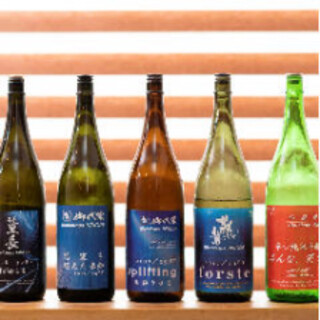
Higashisakura’s quieter dining streets suit small-counter Japanese cooking: fewer seats, closer contact with the kitchen, and a rhythm nearer to a sake bar than a formal kaiseki room. Shutei Nawa belongs to that Nagoya category: an eight-seat counter where fish, nihonshu, and wine define the evening more than spectacle. In a city strong in teppan, yakiniku, yakitori, and kappo-style dining, eight counter seats place it at the intimate end of the market, where pacing, ingredient choice, and drink pairing matter more than interior theatre.
Nagoya is often framed by miso katsu, hitsumabushi, kishimen, and assertive local flavours, but its Japanese dining culture is broader. Its better small restaurants often sit between izakaya generosity and kappo precision: seasonal fish, sake-friendly cooking, and rooms that serve solo diners without making dinner feel reduced. Shutei Nawa’s selection for Tabelog Japanese cuisine EAST “Tabelog 100” 2025 is a public marker in that field, showing that Nagoya’s serious Japanese cooking is not confined to formal tasting-menu rooms.
Fish-led counter cooking in Nagoya's sake-and-wine tier
Read this restaurant by category rather than hype. It is listed across Japanese cuisine, seafood, and izakaya, signalling flexibility: not a sushi counter, casual pub, or ceremonious kaiseki room. That middle ground is one of Japan’s strongest dining formats because it lets a cook use seasonal product without locking the meal into rigid formality. The emphasis on fish, nihonshu, and wine places it in a contemporary lane: traditional Japanese drinking culture with range for diners who think beyond sake alone.
Within Nagoya, the price tier matters, though the exact bill depends on the evening. Yakiniku Taiga sits in a lower dinner band, while Torin Chi Nagoya shinsakae ten is a more casual night out; Teppan Ryori Rakuda Nagoya ten overlaps more closely on spend, and kibi reaches higher. Shutei Nawa sits in a serious-but-not-palatial segment: a counter where regulars may care as much about the order of sake as the courses, and where seafood cooking must justify itself without sushi’s built-in prestige.
The counter-only format is the clearest clue. Eight seats create a compact exchange between kitchen and diner, common to Japan’s better kappo and seafood counters. It suits solo diners, couples, and small groups more naturally than larger celebrations, and changes the social temperature of dinner. A counter this size rewards diners comfortable watching service unfold close up, and who prefer a meal shaped by sequence rather than a long printed menu.
Why the format reads Japanese rather than generic luxury
Japanese counter dining is often misunderstood abroad as minimalism for its own sake. In practice, it is a labour system, drinking culture, and trust exercise. The guest sits where cooking happens; the restaurant can work with a smaller larder; pacing can follow the fish and the room. In Nagoya, that can feel less theatrical than Tokyo’s exported omakase culture and less ceremonial than Kyoto’s old-line kaiseki rooms. The appeal is narrower, often better for it.
The restaurant’s public details point to that narrower appeal. The room is non-smoking, has no private rooms, and offers private use, so the experience is built around the counter rather than compartmentalised hospitality. The absence of parking fits the urban pattern: a central Nagoya dining decision, not a destination designed for suburban convenience. Shinsakae and Sakae are close enough to make it part of a city evening rather than a detour.
The 2017 opening gives it enough history to matter in a fast-turning market, but not enough age to rely on nostalgia. Tabelog’s 2025 recognition is useful context: it places the restaurant in a current conversation about Japanese cuisine in eastern Japan, not only a local word-of-mouth circuit. For travellers using Our full Nagoya restaurants guide, this listing helps separate everyday Nagoya eating from a focused counter night.
How to place it in a Nagoya itinerary
The restaurant suits diners wanting Nagoya Japanese cooking without defaulting to the city’s headline comfort dishes. It is not for a high-energy group dinner or child-led family meal; read it as a compact, adult counter built around fish, sake, wine, and slower cadence. In a city where premium dining can skew toward beef, teppan, and regional specialities, it offers a restrained seafood-led alternative.
Compare it with Nagoya peers by purpose rather than cuisine label: Yakiniku Taiga for grilled beef energy, Torin Chi Nagoya shinsakae ten for a lower-spend casual night, Teppan Ryori Rakuda Nagoya ten for teppan at similar spend, and kibi for a higher-reaching Japanese dinner. The restaurant is the counter-shaped answer in that spread. The distinction is not just what is served, but how the evening is controlled: fewer seats, closer pacing, and a stronger drink-led Japanese dining grammar.
Readers planning a broader Nagoya stay can pair the restaurant research with Our full Nagoya hotels guide, Our full Nagoya bars guide, Our full Nagoya wineries guide, and Our full Nagoya experiences guide. For a wider Japan and overseas dining scan, see 1022, 451, Aaron, Alan., All Day Dining Montmartre, -Grilled beef Sukiyaki- KAMAKURA TANUKIAN 鎌倉 たぬき庵 in Kamakura. 鮪と炭火焼き うお炭 秋葉原店 in Tokyo.cafe in Osaka.know in Kumamoto, (Shoku) Vietnam in Kawasaki, [Curry Senmon Ten] Maruyama Kyoju. in Sapporo, Jōdo Saké Bar in Los Angeles, and Onigiri Time in Pasadena.
Pricing, Compared
Comparable venues for cuisine and category context.
| Venue | Cuisine | Price | Notes |
|---|---|---|---|
| Shutei Nawa | Higashi, Japanese Izakaya Seafood | $$$ | Not listed |
| Teppan Izumi ~Sankai~ | Higashi, Teppanyaki Steakhouse | $$$ | Not listed |
| kawaramachi hisaya ukiyo banare | Not listed | $$$ | Naka, Modern Japanese Izakaya & Meat Kappo |
| まねき寿司 | Nishi, Traditional Japanese Sushi | $$$ | Not listed |
| Yakiniku Mitsuboshi | Not listed | $$$ | Naka, Traditional Yakiniku (Japanese BBQ) |
| Yama no I | Not listed | $$$ | Chikusa, Sushi Omakase / Japanese Cuisine |
Recognition history
Dated appearances from independent guides and award organizations, with the underlying list record or original source where available.
Tabelog 100 #61 · No. 61
Tabelog · Tabelog 100 - Japanese cuisine - EAST - 2025
Continue exploring
More in Nagoya
Restaurants in Nagoya
Browse all →
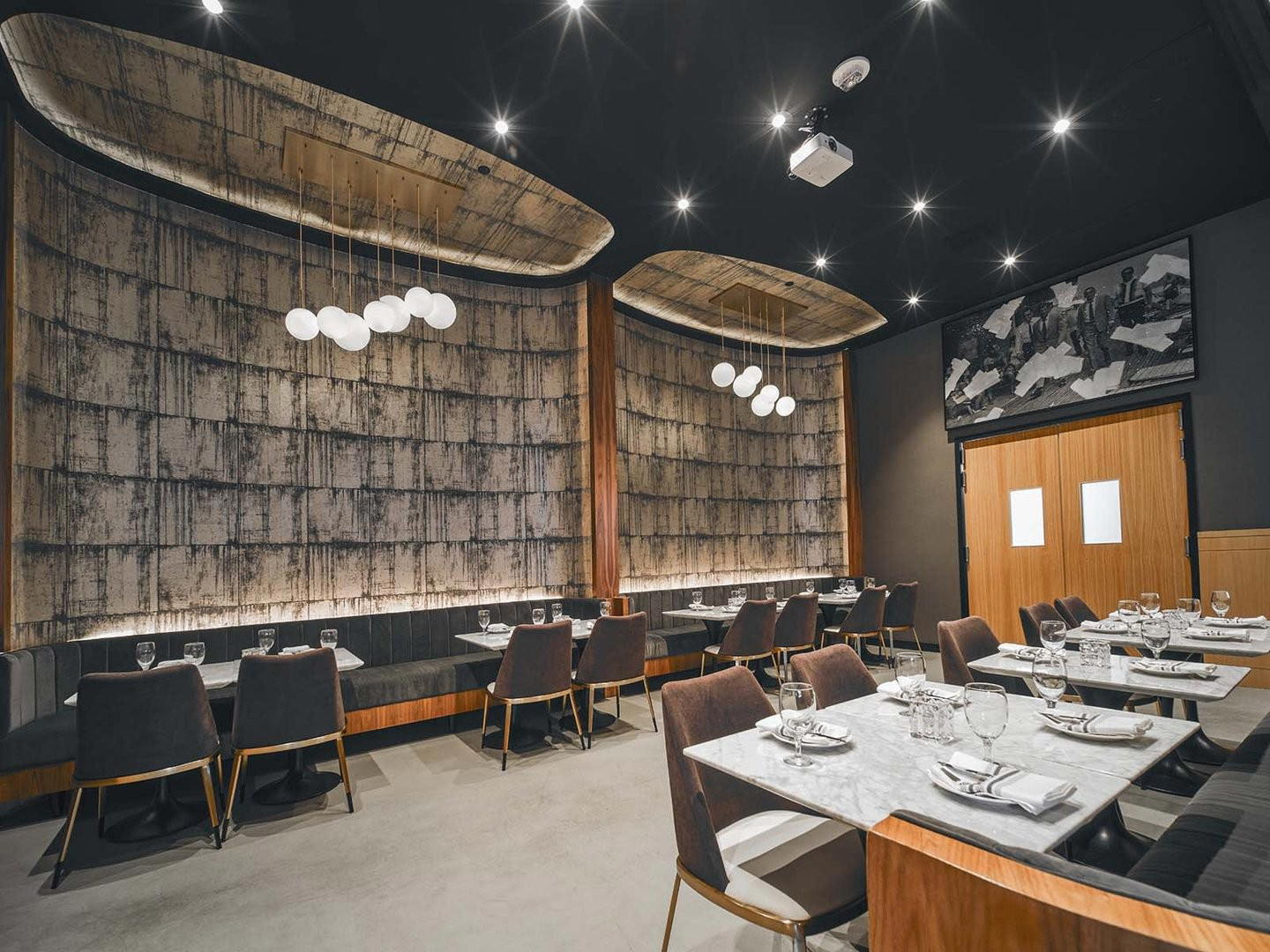
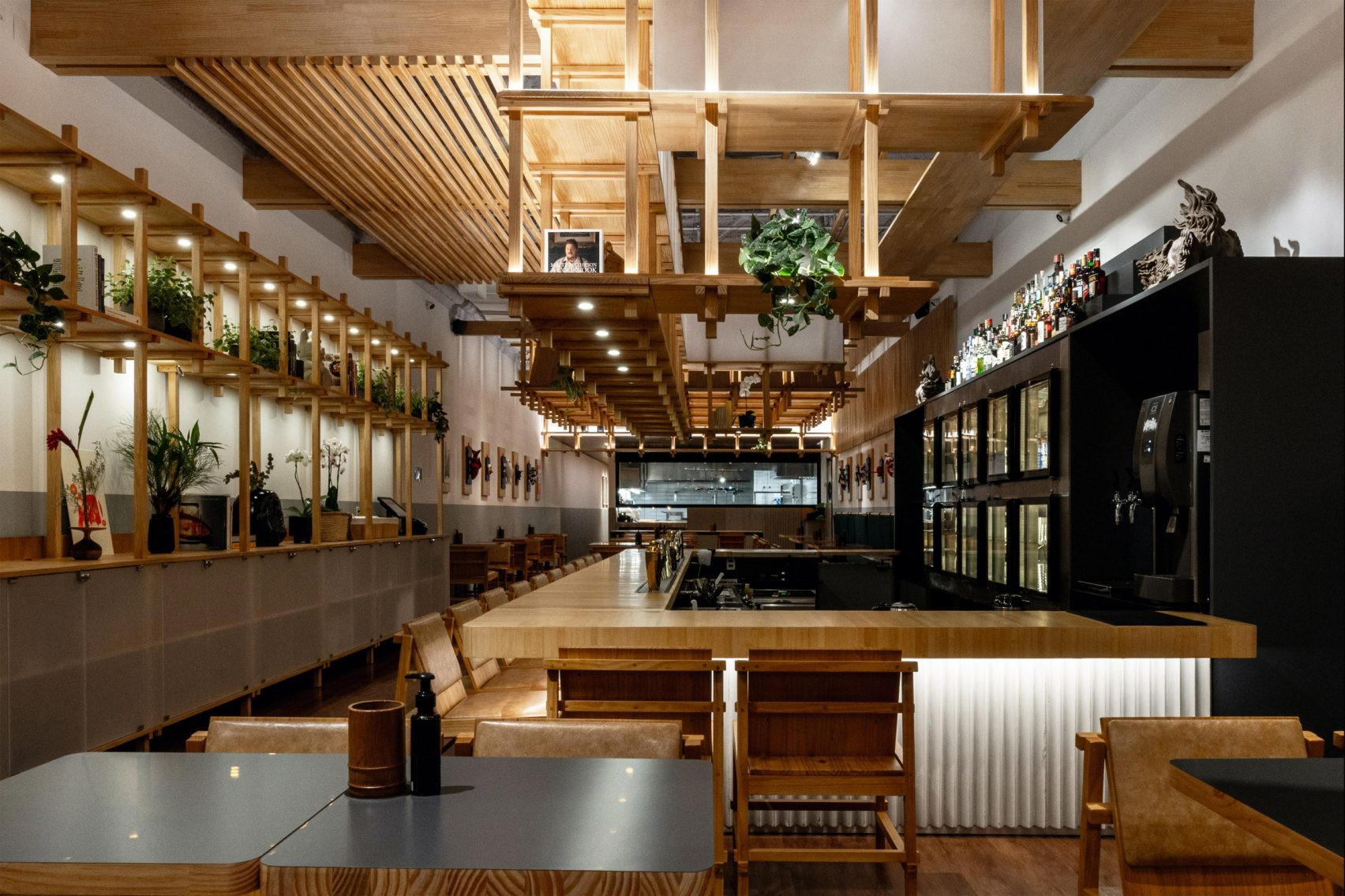
At a Glance
- Quiet
- Classic
- Intimate
- Cozy
- Casual Hangout
- Solo
- After Work
- Standalone
- Sake Program
- Local Sourcing
- Sustainable Seafood
Appears to be a quiet, reservation-driven Japanese eatery with a restrained, intimate atmosphere rather than a lively tavern scene.