Osteria Platzegg

A Michelin Bib Gourmand-recognised Gasthaus in the pedestrianised centre of Appiano sulla Strada del Vino, Osteria Platzegg delivers regional Alto Adige cooking at accessible prices. Chef Herbert Hintner works within a tight local-ingredient framework, producing dishes such as potato ravioli filled with speck and spleen crostini in broth, backed by a wine list drawn entirely from the surrounding DOC zone.
Pearl is the En Primeur Club membership app — saves, bookings, and concierge access live there. Same editors, same standards.
- Address
- Rathausplatz, 1, 39057 Appiano sulla strada del vino BZ, Italy
- Phone
- +39 0471 058858
- Website
- platzegg.com
- Directions
- Get directions
 Saves & bookings on Pearl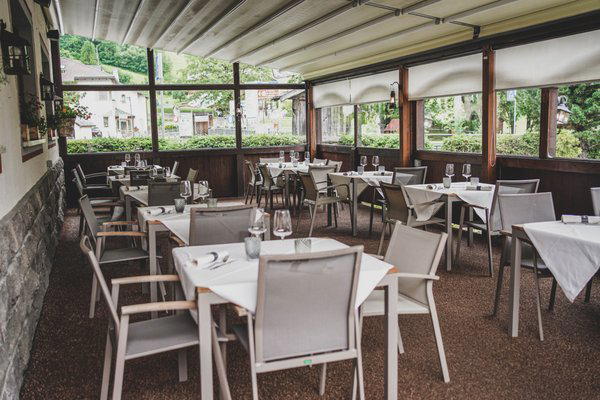
Where the Strada del Vino Comes to the Table
The pedestrianised Rathausplatz in Appiano sits at the heart of one of Italy’s most productive wine corridors. Alto Adige, the German-speaking autonomous province that runs north from Bolzano toward the Austrian border, has spent decades building a reputation for ingredient rigour: cool-climate viticulture, mountain-grazed livestock, valley-grown speck, and a larder vocabulary that owes as much to Tyrolean tradition as to Italian technique. Restaurants that work within this framework honestly, without reaching for creative distance, occupy a distinct and respected tier in the region’s dining culture. Osteria Platzegg sits firmly in that tier.
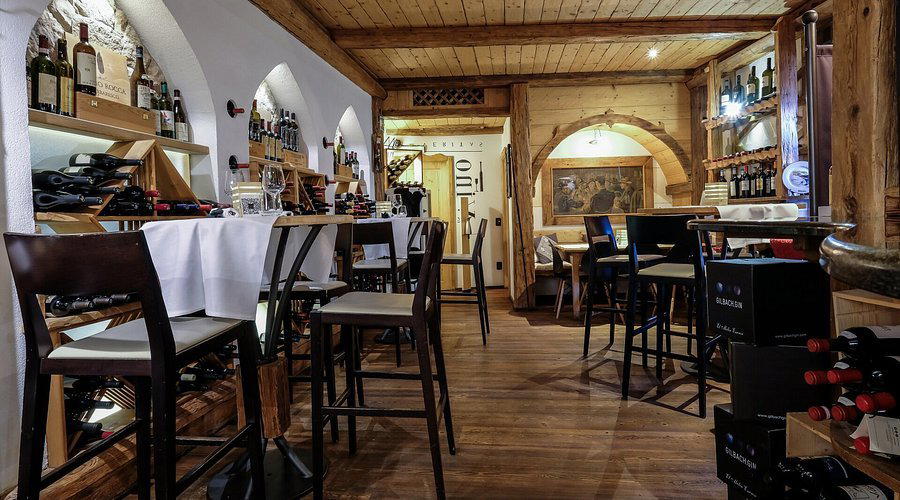
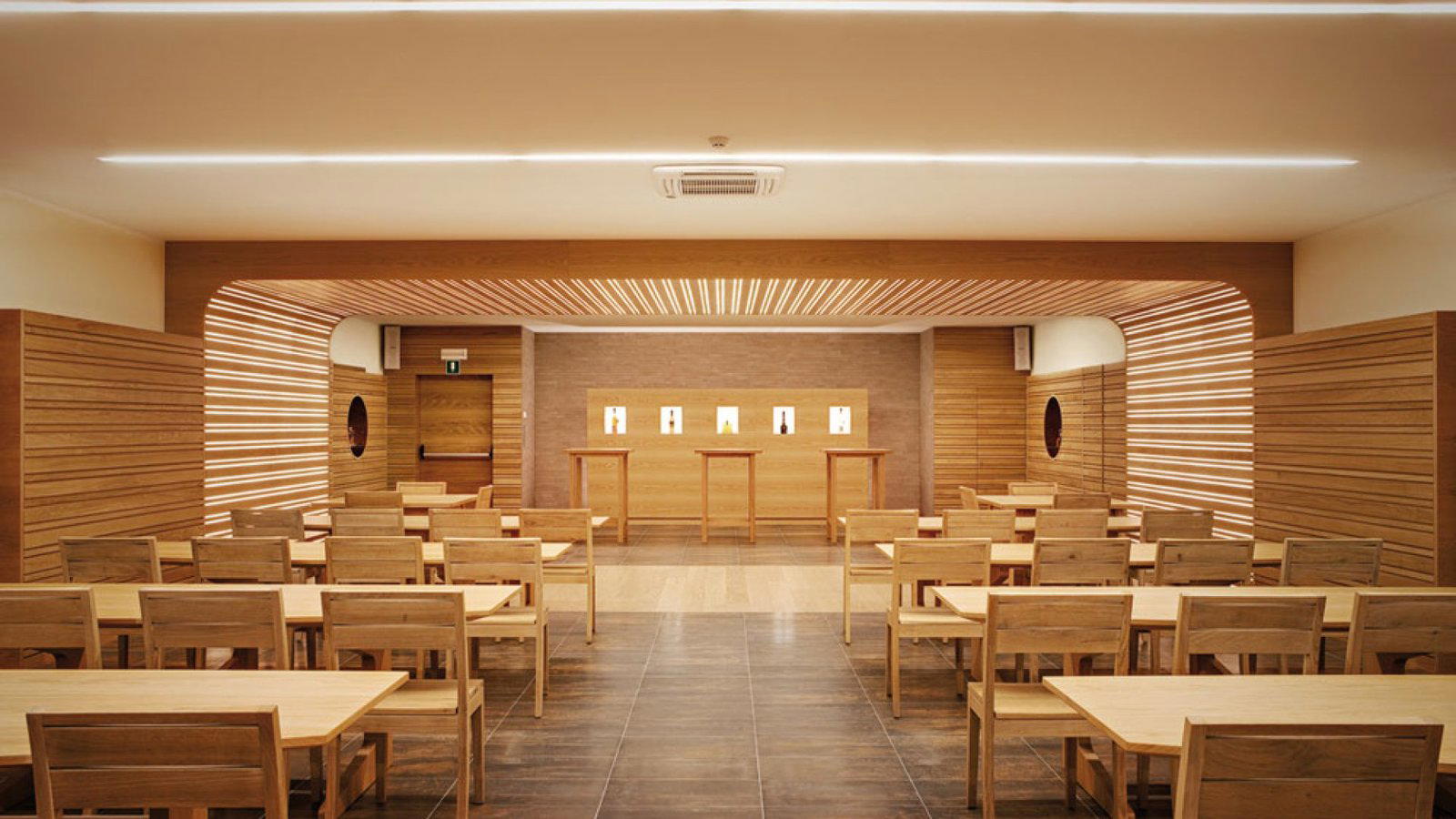
The building is historic, the dining room informal. The approach is a Gasthaus format, convivial, unhurried, and priced at the accessible end of serious cooking. That award signals strong value rather than culinary complexity, and it is a reasonable summary of what the kitchen pursues: cooking that is grounded in place, competently executed, and free of the performance layer that inflates costs elsewhere.
The Ingredient Logic Behind the Menu
Alto Adige’s culinary identity rests on a relatively short list of defining ingredients, and the kitchen at Osteria Platzegg builds its menu around them directly. Speck, the cold-smoked, slow-cured ham produced under protected geographical indication rules in the province, appears inside potato ravioli, a pairing that grounds the dish in both the alpine starch tradition and the curing culture of the valleys. Spleen crostini served in broth is the kind of preparation that survives in working Gasthaus kitchens precisely because it never became fashionable enough to be reimagined: it remains what it always was, a peasant economy dish made properly.
These are not ingredients sourced for novelty. Speck IGP production is regulated to altitudes and micro-climates specific to the province; the potato varieties cultivated in Alto Adige’s mountain farms have a density and flavour character different from lowland alternatives. Cooking that respects this geography, rather than treating local ingredients as a branding overlay on otherwise generic technique, is what distinguishes the serious regional Gasthaus from its tourist-facing neighbours.
The menu also includes Mediterranean-influenced dishes, including arancini in a gorgonzola sauce, a choice that signals willingness to work across the cultural seam that runs through the South Tyrol, where Austro-Tyrolean and Italian-Mediterranean traditions have coexisted and overlapped for a century. That tension, managed well, gives Alto Adige kitchens a flexibility that pure-regional cooking sometimes lacks.
The Wine List as a Declaration
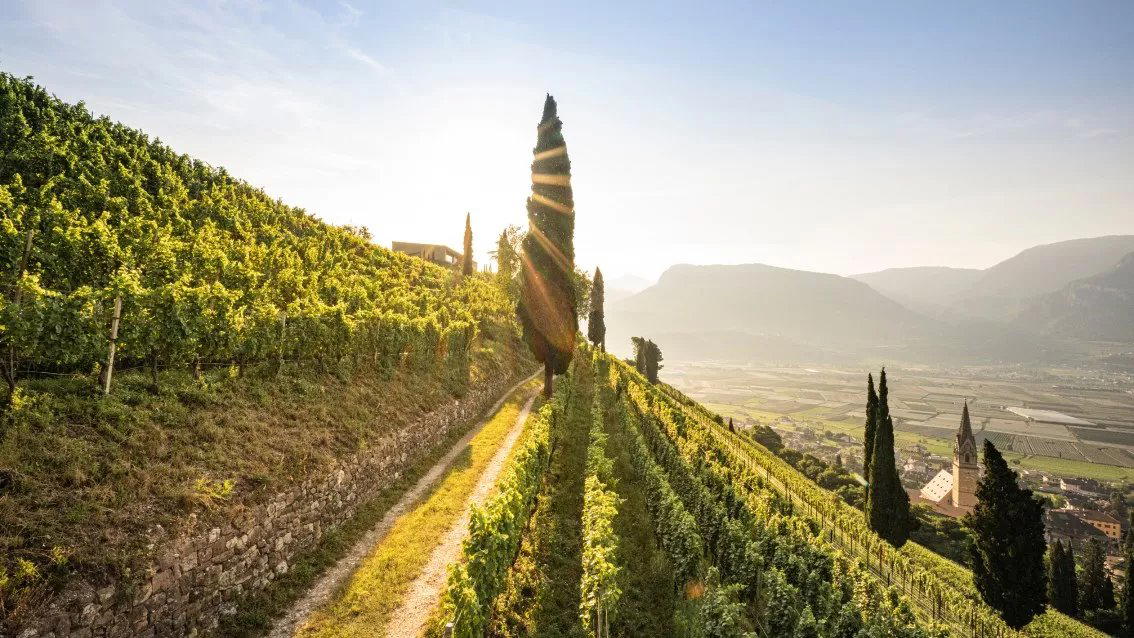
The wine list at Osteria Platzegg focuses exclusively on Alto Adige producers. This is an editorial decision as much as a hospitality one. The Strada del Vino, the wine road that threads through Appiano and the surrounding Überetsch plateau, runs through some of the province’s most important vineyard land. Producers here work with Pinot Grigio, Pinot Bianco, Gewürztraminer, Lagrein, and Schiava at altitudes and exposures that produce wines with structural profiles distinct from their counterparts elsewhere in northern Italy.
A wine list confined to a single DOC zone is either a limitation or a statement of confidence. In a region with Alto Adige’s depth, where cooperatives such as Cantina Terlano and Cantina Kurtatsch sit alongside smaller estate producers, the constraint reads as confidence. It also keeps the list in close conversation with the food, where the same geographic logic governs what appears on the plate. Guests who arrive without prior knowledge of Alto Adige wine will leave with a more specific understanding than they would get from a broader regional list.
Chef Herbert Hintner in the Alto Adige Context
Herbert Hintner has been described in Michelin’s own language as “the undisputed master of Alto Adige cuisine.” That attribution, from the same body that has awarded the restaurant Bib Gourmand recognition in consecutive years, places him within a clearly defined culinary tradition rather than positioning him as an innovator departing from it. Alto Adige has produced internationally recognised chefs who work at much higher price points, Atelier Moessmer Norbert Niederkofler in Brunico operates at the far end of the province’s prestige spectrum, but the regional tradition has always had room for rigorous practitioners working at accessible price levels. Hintner’s kitchen belongs to the latter category, and the format suits it.
Osteria Francescana in Modena, Enoteca Pinchiorri in Florence, Enrico Bartolini in Milan, Le Calandre in Rubano, or Piazza Duomo in Alba, the restaurant occupies a different register entirely. It is not competing for creative recognition; it is making the case that deeply local, honest cooking at a €€ price point is its own discipline. Dal Pescatore in Runate, Quattro Passi in Marina del Cantone, and Uliassi in Senigallia, though each at higher price thresholds. Fahr in Künten-Sulz and Gannerhof in Innervillgraten operate within similar regional-cuisine frameworks in German-speaking alpine settings.
San Michele and the Surrounding Appiano Area
Appiano sulla Strada del Vino (Eppan an der Weinstrasse) is a commune that encompasses several villages, including San Michele (St. Michael). The town sits on the plateau above Bolzano at an elevation that moderates the valley heat, and the pedestrianised Rathausplatz where the restaurant is located functions as a genuine civic centre rather than a visitor zone. Other serious tables operate in the area: Zur Rose and Osteria Acquarol both represent the local dining conversation at different price and format positions. restaurants, hotels, bars, wineries, and experiences across San Michele for those building a longer itinerary in the area.
Planning a Visit
The restaurant carries a €€ price designation, making it one of the more accessible serious tables in the Appiano area. The Gasthaus format means dress expectations are relaxed, the informal, welcoming atmosphere noted in Michelin’s own characterisation of the restaurant sets the tone. The restaurant is located at Rathausplatz 1, 39057 Appiano sulla Strada del Vino, within the pedestrianised town centre. Given its Bib Gourmand profile and small-town setting, reservations in advance of a visit are a practical precaution, particularly during the summer and autumn harvest season when the Strada del Vino draws visitors from across the region.
Budget Reality Check
Comparable venues nearby, for context on price, style, and recognition.
| Venue | Cuisine | Price | Awards | Notes |
|---|---|---|---|---|
| Osteria PlatzeggThis venue — the venue you are viewing | San Michele, Traditional South Tyrolean | $$$ | Bib Gourmand | Not listed |
| Zur Rose | Not listed | $$$$ | Michelin 1 Star | San Michele, Contemporary South Tyrolean Regional |
| Osteria Acquarol | San Michele, Modern Italian Fine Dining | $$$$ | Michelin 1 Star | Not listed |
| Aqua | Torbole, Modern Italian Contemporary | $$$ | Michelin Plate | Not listed |
| Fracia | Teglio, Traditional Valtellina Italian | $$$ | Bib Gourmand | Not listed |
| Laurin | City Center, Modern Italian Gourmet | $$$ | Michelin Plate | Not listed |
Recognition history
Dated appearances from independent guides and award organizations, with the underlying list record or original source where available.
Michelin Bib Gourmand
Michelin
Michelin Bib Gourmand
Michelin
Michelin Bib Gourmand
Michelin
Continue exploring
More in San Michele
Restaurants in San Michele
Browse all →
Bars in San Michele
Browse all →
Hotels in San Michele
Browse all →
At a Glance
- Rustic
- Cozy
- Elegant
- Classic
- Date Night
- Family
- Casual Hangout
- Historic Building
- Terrace
- Extensive Wine List
- Local Sourcing
- Street Scene
Current opening hours
- Monday
- Closed
- Tuesday
- Closed
- Wednesday
- Closed
- Thursday
- Closed
- Friday
- Closed
- Saturday
- Closed
- Sunday
- Closed
Hours can change for holidays and private events. Last verified .
Simple, purist dining room in historic building with welcoming, attentive service and terrace for lively town square views.