Zur Rose

A fixture on the South Tyrolean Wine Road since 1585, Zur Rose in San Michele operates from a 14th-century building where two generations of the Hintner family serve a seven-course seasonal menu rooted in Alto Adige tradition. The €€€ restaurant earns consistent recognition as one of the region's most serious addresses, with a parallel vegetarian menu and a format that rewards unhurried, attentive dining.
Pearl is the En Primeur Club membership app — saves, bookings, and concierge access live there. Same editors, same standards.
- Address
- Via Josef Innerhofer, 2, 39057 Appiano sulla strada del vino BZ, Italy
- Phone
- +39 0471 662249
- Website
- zur-rose.com
- Directions
- Get directions
 Saves & bookings on Pearl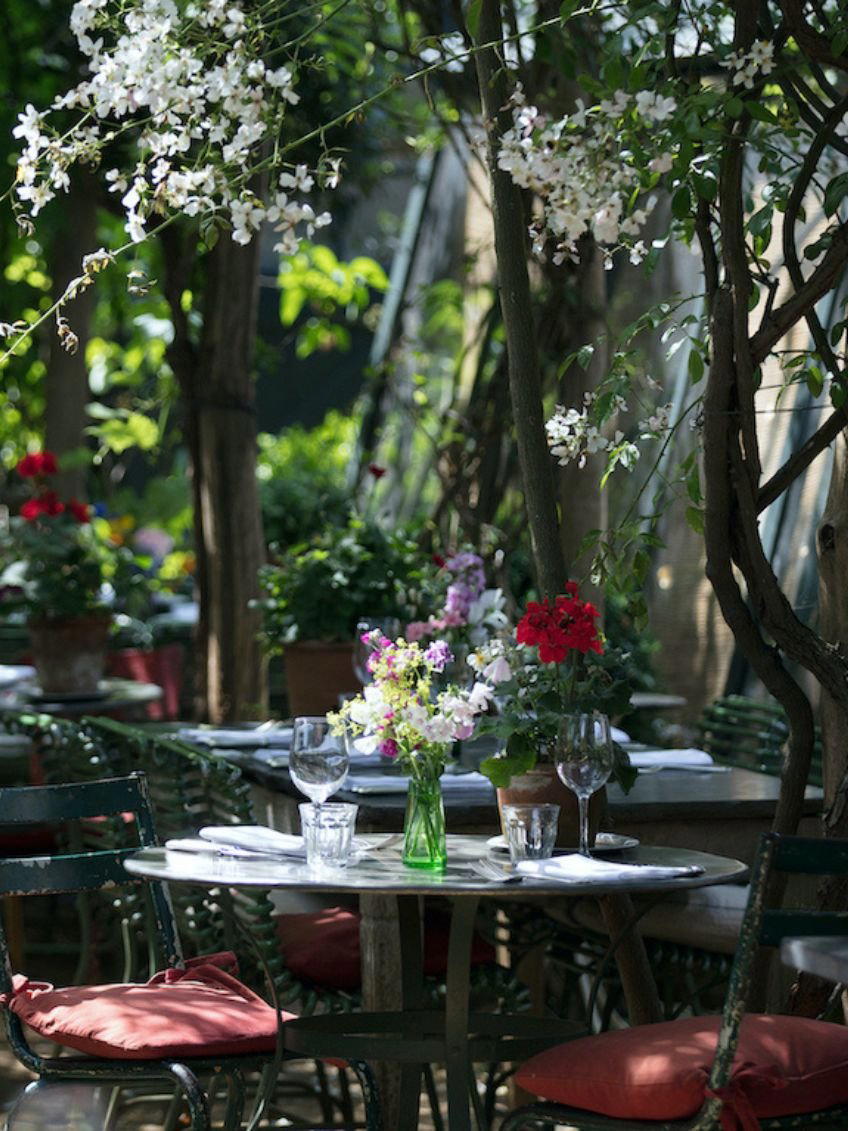
A Medieval Dining Room on the Wine Road
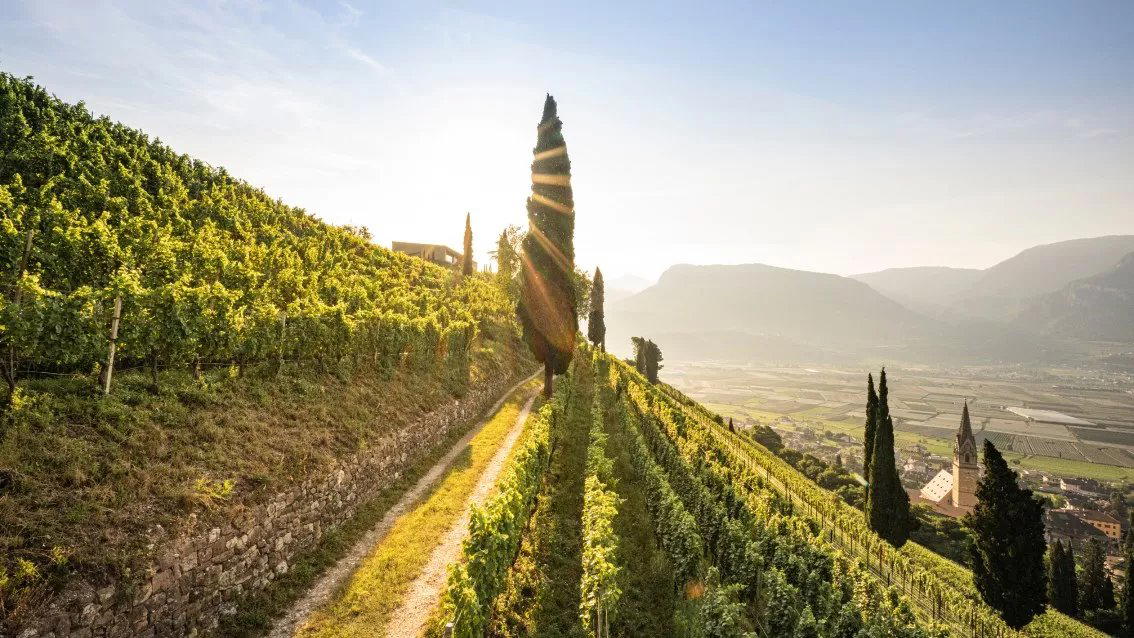
The South Tyrolean Wine Road, the Südtiroler Weinstraße, threads through some of northern Italy's most quietly serious wine and food country, connecting a sequence of villages where German and Italian influences have traded places for centuries. San Michele sits along this route, and Zur Rose occupies a building in the village that dates to the 1300s. The restaurant name, in the form of "La Rosa," has been attached to this address since 1585, making it one of the longer-running dining associations in the Alto Adige. That kind of institutional continuity shapes the room before a single dish arrives: the vaulted ceilings, the age of the stone, the quiet that comes from thick walls. It is a setting that places its own demands on the meal, the pace slows, the conversation drops to a register that matches the architecture.
The Ritual of the Seasonal Menu
Alto Adige's most considered restaurants share a particular structure: the fixed seasonal menu, built around what the mountains and valleys yield at a given point in the year, paced to unfold across multiple courses without pressure. Zur Rose follows this format with a seven-course menu that changes with the seasons, alongside a vegetarian alternative that runs in parallel rather than as an afterthought. This dual-menu model is increasingly common at the serious end of regional Italian dining, it signals a kitchen confident enough to commit fully to two distinct creative tracks at once, rather than accommodating dietary preferences through substitution.
The cooking is grounded in Alto Adige identity, the region's particular layering of Austrian and Italian culinary instincts: dairy-rich, cured-meat-forward, punctuated by mountain herbs, root vegetables, and produce that reflects a short but intense growing season. Herbert Hintner has worked at this address for decades, and his son Daniel has been part of the kitchen for over five years, a generational handoff that is visible in the menu's construction. Daniel holds primary responsibility for the seven-course seasonal format, a progression that carries the restaurant's long-standing reference points while applying a fresher editorial lens to local ingredients. In South Tyrolean fine dining, this kind of family continuity is not uncommon, the region's small-scale, owner-operated restaurant culture tends to reward depth of commitment over novelty, but Zur Rose has maintained this model long enough that it reads as genuinely earned rather than branded.
The meal at the restaurant is not designed for speed. Seven courses across an evening calls for a particular kind of guest engagement: the willingness to let the kitchen's rhythm govern the room rather than the other way around. This is the dining ritual that the room enforces as much as the menu does. A table here is a commitment to the full arc of the meal, from the first small presentations through to the close, and the format resists compression. Restaurants along the Wine Road that operate at this level, compare the restaurant's comparable set with Osteria Platzegg and Osteria Acquarol in the same village, are working within this same expectation of unhurried engagement.
Alto Adige in the Context of Italian Fine Dining
Italy's upper-tier restaurant scene is concentrated in a handful of highly visible cities and regions: the creative intensity around Modena at Osteria Francescana, the northern Lombardy tradition preserved at Dal Pescatore, the accumulated technical refinement of Enoteca Pinchiorri in Florence, the contemporary ambition of Enrico Bartolini in Milan, and the steady reference-point status of Le Calandre in Rubano or Piazza Duomo in Alba. Alto Adige sits somewhat apart from all of these: geographically, linguistically, and culinarily. Its fine dining tradition draws from a different pantry and a different set of cultural references, shaped by the German-speaking Tyrolean identity that predates Italian unification in this territory.
Within that Alto Adige context, the restaurant holds a position that guides have repeatedly described as a landmark rather than simply a participant. The nearby work of Atelier Moessmer Norbert Niederkofler in Brunico represents the more radical, conceptually austere end of South Tyrolean fine dining, where a strict mountain-ingredient philosophy drives a fundamentally different kind of menu. The restaurant occupies a different register: more tradition-adjacent, more hospitable to the Wine Road traveller who arrives from an afternoon in the vineyards, less confrontational in its editorial stance. That is not a lesser position, it is a different one, and for a significant portion of the audience for serious Alto Adige cooking, it is the more legible and immediately rewarding of the two approaches.
The €€€ price point places the restaurant at the serious end of the regional market without reaching the €€€€ tier occupied by Italy's most prominent Michelin-decorated addresses. For the regional category, that pricing reflects the ambition of the format. The seasonal seven-course menu, the dual-track vegetarian option, and the historic building's operating costs all support that positioning. A comparable positioning in the German-speaking alpine region across the border is visible at addresses like Fahr in Künten-Sulz and Gannerhof in Innervillgraten, both regional cuisine restaurants working within a similar premium-but-not-flagship pricing band. Further south in Italy, Quattro Passi in Marina del Cantone and Uliassi in Senigallia illustrate how Italy's coastal regional traditions occupy a parallel tier at the €€€€ level, making the restaurant's price-to-format relationship look well-calibrated within the national picture.
Planning a Table
That schedule makes the restaurant accessible across a multi-day stay in the Appiano sulla Strada del Vino area, and the lunch service is worth considering: the Wine Road's vineyard visits often end mid-afternoon, making a late lunch at the restaurant a natural anchor for a day in the area. The address is Via Josef Innerhofer 2, 39057 Appiano sulla Strada del Vino, in the San Michele fraction of the commune.
What It’s Closest To
Comparable venues nearby, for context on price, style, and recognition.
| Venue | Cuisine | Price | Awards | Notes |
|---|---|---|---|---|
| Zur RoseThis venue — the venue you are viewing | Contemporary South Tyrolean Regional | $$$$ | Michelin 1 Star | Not listed |
| Osteria Acquarol | Modern Italian Fine Dining | $$$$ | Michelin 1 Star | San Michele |
| Osteria Platzegg | Traditional South Tyrolean | $$$ | Bib Gourmand | San Michele |
| Nin | Modern Italian Fine Dining with Lake Garda Influences | $$$$ | Michelin 1 Star | Porto di Brenzone |
| Kuppelrain | Michelin-Starred South Tyrolean Fine Dining | $$$$ | Michelin 1 Star | Castelbello-Ciardes |
| Casin del Gamba | Modern Regional Italian | $$$$ | Michelin 1 Star | Altissimo |
Recognition history
Dated appearances from independent guides and award organizations, with the underlying list record or original source where available.
Michelin 1 Star
Michelin
Michelin 1 Star
Michelin
Michelin 1 Star
Michelin
Continue exploring
More in San Michele
Restaurants in San Michele
Browse all →
Bars in San Michele
Browse all →
Hotels in San Michele
Browse all →
At a Glance
- Classic
- Elegant
- Rustic
- Intimate
- Cozy
- Special Occasion
- Date Night
- Solo
- Historic Building
- Extensive Wine List
- Local Sourcing
Current opening hours
- Monday
- 7–9:30 PM
- Tuesday
- 12–2 PM, 7–9:30 PM
- Wednesday
- 12–2 PM, 7–9:30 PM
- Thursday
- 7–9:30 PM
- Friday
- 12–2 PM, 7–9:30 PM
- Saturday
- 12–2 PM, 7–9:30 PM
- Sunday
- Closed
Hours can change for holidays and private events. Last verified .
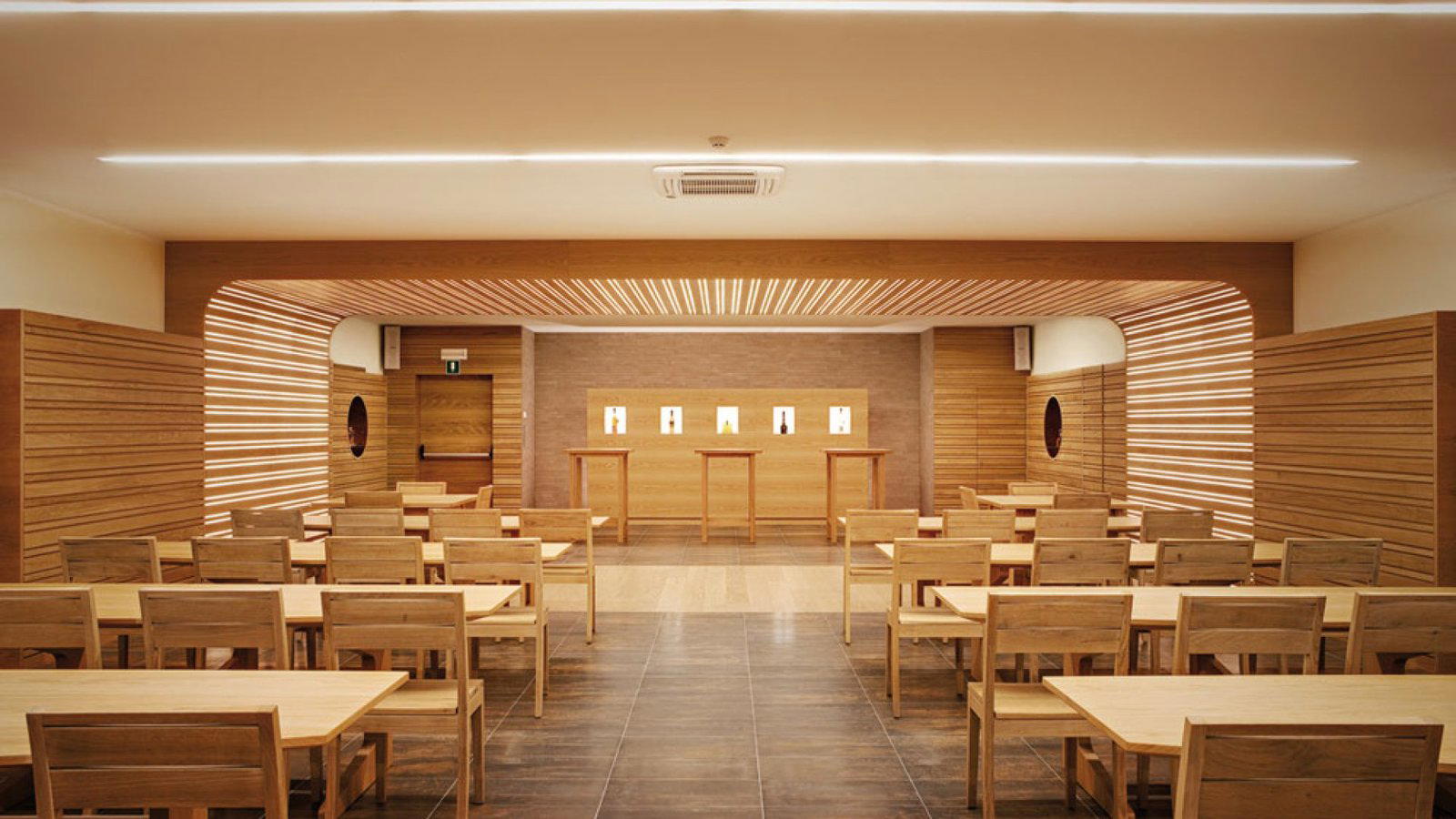
Elegant dining in a historic 14th-century building with classic South Tyrolean wooden stube furnishings, warm lighting, and a refined, welcoming atmosphere.