Osteria La Corte
Osteria La Corte sits in the Po Delta town of Porto Viro, in Italy's Veneto region, where the interplay between river, lagoon, and Adriatic shapes what ends up on the plate. This is territory defined by eel, crab, and freshwater fish rather than the tasting-menu circuits further north, placing La Corte within a quietly serious local dining tradition that rewards those willing to travel off the main route.
Pearl is the En Primeur Club membership app — saves, bookings, and concierge access live there. Same editors, same standards.
- Address
- Via Cà Cappello, 38, 45014 Ca' Cappello RO, Italy
- Phone
- +393464032460
- Directions
- Get directions
 Saves & bookings on Pearl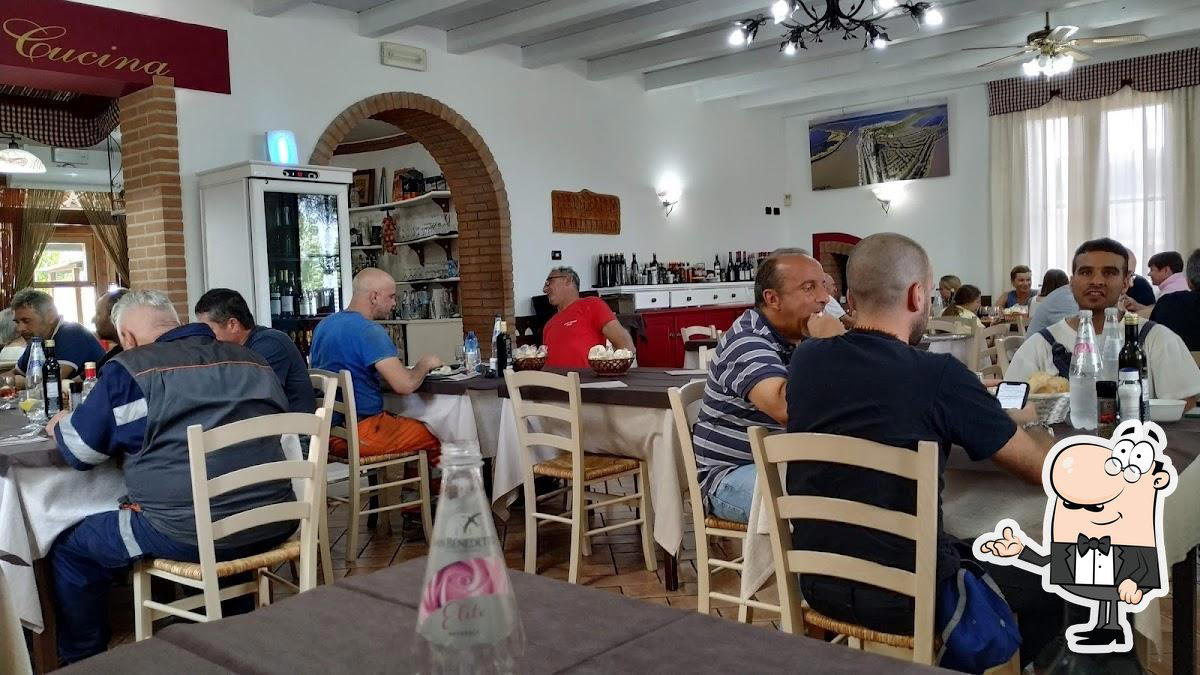
Where the Po Meets the Plate
The flatlands of the Veneto coast south of Venice are agricultural and quiet, threaded by irrigation channels and brackish lagoons that drain into the Adriatic. Porto Viro sits inside this geography, a small town in the Province of Rovigo that most northbound Italian food itineraries skip entirely. Osteria La Corte, at Via Cà Cappello 38 in the Ca' Cappello district just outside the town centre, occupies that overlooked zone, and the overlooked zone here happens to produce particularly ingredient-specific cooking in the entire northeastern corridor.
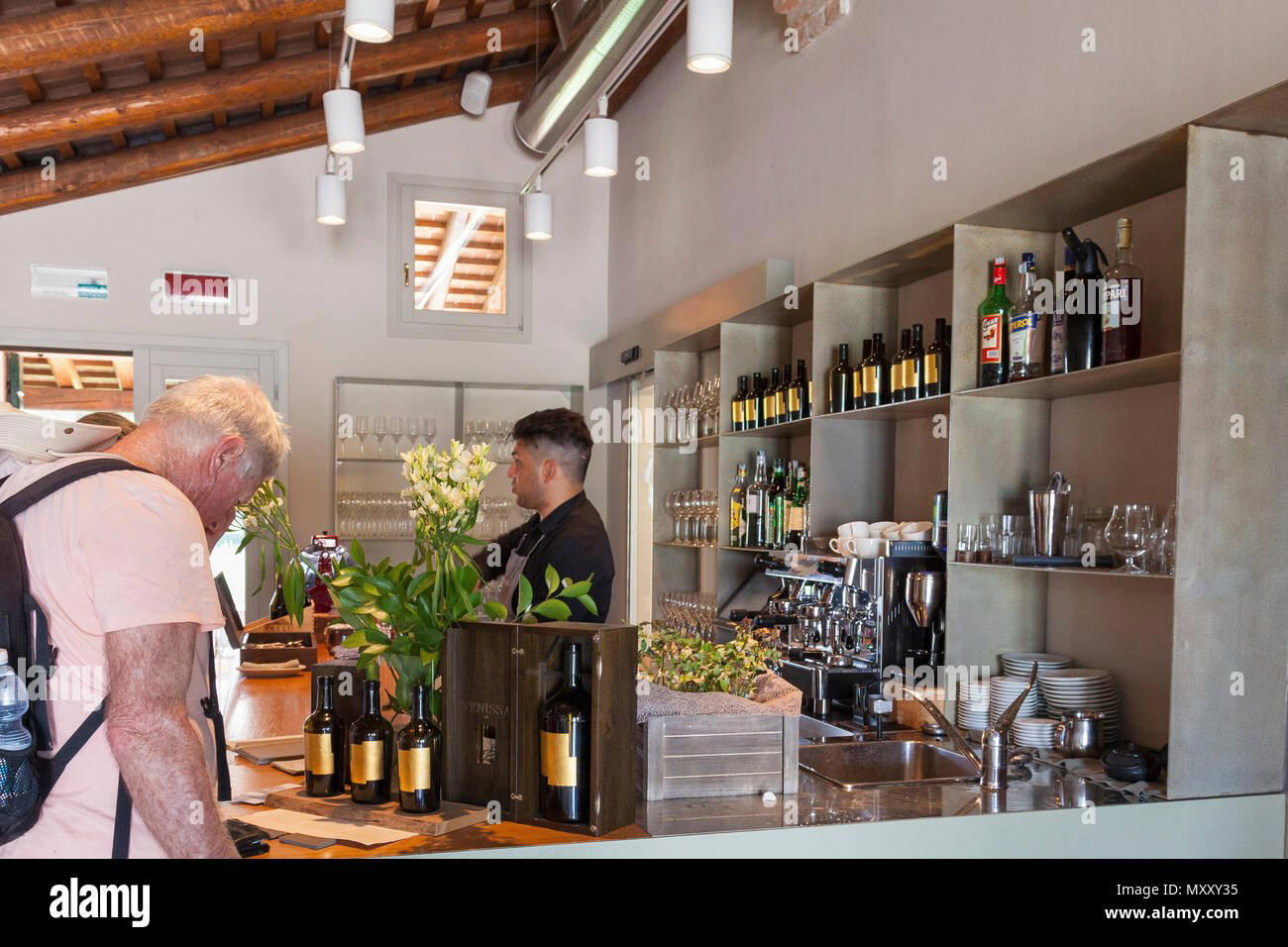
Approaching the address, the setting is rural and low-key: the kind of building that makes no architectural promises and delivers something through the door that the facade does not prepare you for. That contrast, between the absence of visual theatre outside and the seriousness of what's served within, is a recurring feature of the strongest osterie in the Veneto interior. The room does the work of a stage set stripped back to essentials, which is the appropriate context for food that wants your attention on the ingredient rather than the surroundings.
The Delta as Larder
The Po Delta is a protected area, part of the Parco Regionale del Delta del Po, and what that designation preserves is not just landscape but a specific ecological food system. The brackish waters between freshwater river channels and the Adriatic produce conditions that wild eels, clams, crayfish, and grey mullet have exploited for centuries. Valli da pesca, the traditional enclosed lagoon-fishing valleys of the delta, have been operating here since the medieval period, yielding fish that carry the mineral character of water that is neither purely river nor purely sea.
This sourcing context matters enormously to the osteria format that La Corte represents. The classical osteria, not the contemporary version diluted by tourism marketing, was always a place that cooked what the surrounding countryside or water produced, with a menu that shifted week to week according to catch and harvest. In the Po Delta, that means a cuisine more narrowly specific than almost anywhere else in northern Italy: fewer options, tighter seasonality, and an implicit understanding between kitchen and local diner about what the region can deliver in a given month. For visitors arriving from outside this network, it requires a different calibration: you are not choosing from a stable menu so much as asking what the week has been like on the water.
Italy's highest-profile restaurants in the northeast operate on a different register. Le Calandre in Rubano and Casa Perbellini 12 Apostoli in Verona command international attention at the €€€€ tier, with tasting menus that reinterpret regional tradition through technical precision. Dal Pescatore in Runate has held Michelin recognition for decades while remaining deeply rooted in the Mantuan plain. La Corte does not position against this cohort, it belongs to the quieter tier below, where cooking is defined by place rather than by international acclaim, and where ingredient sourcing is the operative logic rather than the narrative framing around it.
What Defines the Cooking Here
The Veneto's river and delta kitchens have a grammar of their own. Eel braised in its own fat or finished over embers, crayfish from the delta channels, risi e bisi made with peas from the Venetian mainland rather than the imported frozen approximations found further afield, these are the reference points. Polenta appears in multiple textures, from the soft white version that accompanies seafood to the firmer grilled slabs that anchor meat preparations. Freshwater fish that other Italian regions treat as secondary, tench, carp, pike, hold a different status here, cooked with the care that the coastal south reserves for sea bass or grouper.
The broader tradition is worth understanding against Italy's wider seafood dining circuit. Uliassi in Senigallia and Quattro Passi in Marina del Cantone have built internationally recognised programs around coastal Italian seafood, each with multiple Michelin stars and a precisely calibrated tasting structure. Gambero Rosso in Marina di Gioiosa Ionica anchors the southern end of that tradition. The delta-and-lagoon cooking of the Po estuary sits outside that circuit, less legible to international visitors, more dependent on local knowledge, and more honest about what a specific geography actually produces in a given season.
Planning a Visit to Porto Viro
Porto Viro is not a destination with a tourist infrastructure designed to absorb casual visitors. The town sits roughly equidistant between Ferrara to the south and Rovigo to the north, accessible by car via the SS309 Romea or regional roads through the delta. There is no high-speed rail connection; the nearest stations with meaningful intercity links are Rovigo, roughly 30 kilometres northwest, or Ferrara, a similar distance south. For visitors building an itinerary that also takes in the Veneto's more prominent dining addresses, Enrico Bartolini in Milan or Enoteca Pinchiorri in Florence at the high end, or the concentrated dining corridor through Verona and Mantua, Porto Viro works as a deliberate detour rather than a natural waypoint. That deliberateness is part of the proposition.
The osteria format in towns of this scale typically involves limited covers and limited hours, and arriving without confirmation carries real risk.
The Broader Italian Table, from Delta to Peak
Italy's restaurant culture operates on several simultaneous registers, and the gap between them is wider than the geographic distances suggest. At one end, addresses like Osteria Francescana in Modena, Piazza Duomo in Alba, and Reale in Castel di Sangro operate as destination restaurants in the fullest sense, drawing international bookings months in advance and applying formal tasting structures to deeply local ingredients. Atelier Moessmer Norbert Niederkofler in Brunico represents the same logic applied to Alpine sourcing, with a three-star Michelin rating confirming its position. Da Vittorio in Brusaporto, Villa Crespi in Orta San Giulio, and La Pergola in Rome each anchor different regional versions of that top tier.
What the delta-format osteria offers is not a lesser version of this but a structurally different proposition: fewer layers of interpretation between ingredient and plate, a menu shaped by what arrived that morning rather than a fixed seasonal structure, and a dining room calibrated entirely for locals who already understand the reference points. For visitors who have covered the international-facing tier of Italian dining, including comparisons to global seafood programs like Le Bernardin in New York City or Atomix in New York City, the return to this scale of operation has a clarifying effect. The ingredient does not need a framework built around it when the geography has already done that work.
Comparable Spots, Quickly
Comparable venues nearby, for context on price, style, and recognition.
| Venue | Cuisine | Price | Notes |
|---|---|---|---|
| Osteria La CorteThis venue — the venue you are viewing | Traditional Italian Trattoria | $$ | Not listed |
| Gelateria La Romana | Artisanal Italian Gelato | $$ | Sallustiano |
| Do Farai | Traditional Venetian Seafood Osteria | $$ | Dorsoduro |
| Da Nadae | Traditional Italian Trattoria | $$ | Villadose |
| Laguna & Lievitati Naturali | Neapolitan Pizza & Fresh Seafood | $$ | Cavallino-Treporti |
| L'Anfora | Authentic Venetian Osteria | $$ | :null |
Continue exploring
More in Porto Viro
Restaurants in Porto Viro
Browse all →
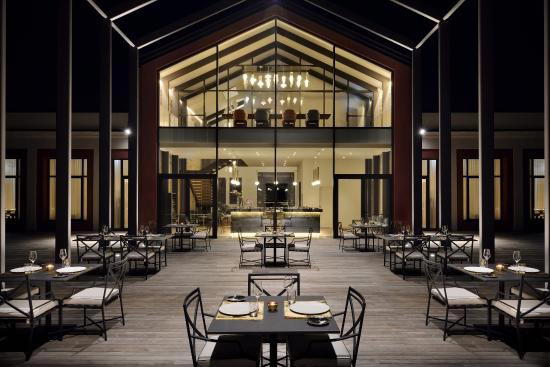

Bars in Porto Viro
Browse all →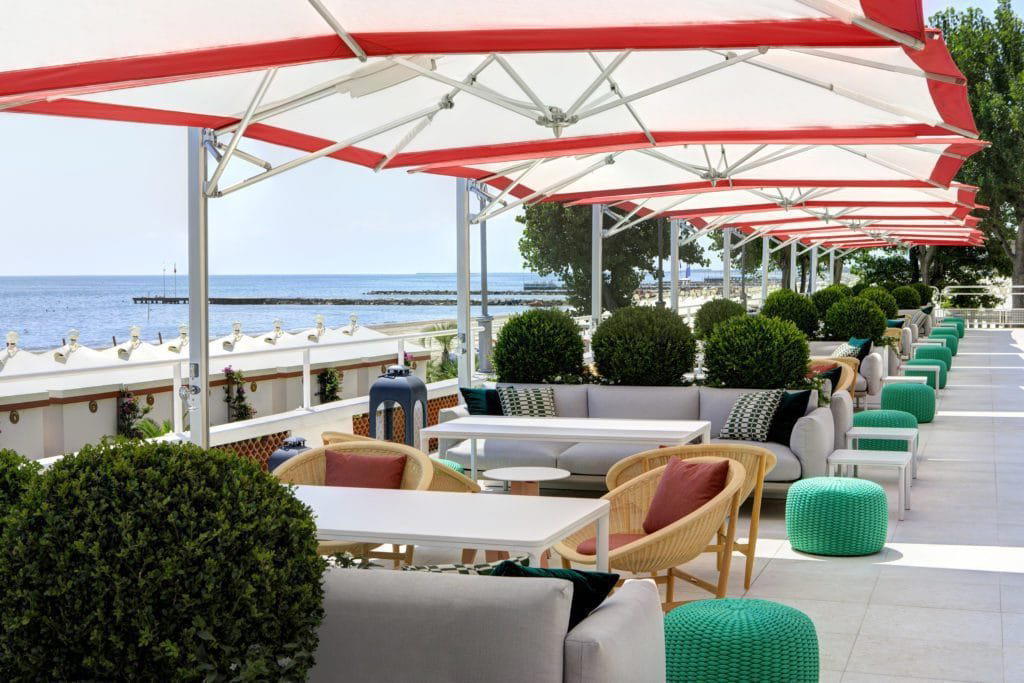
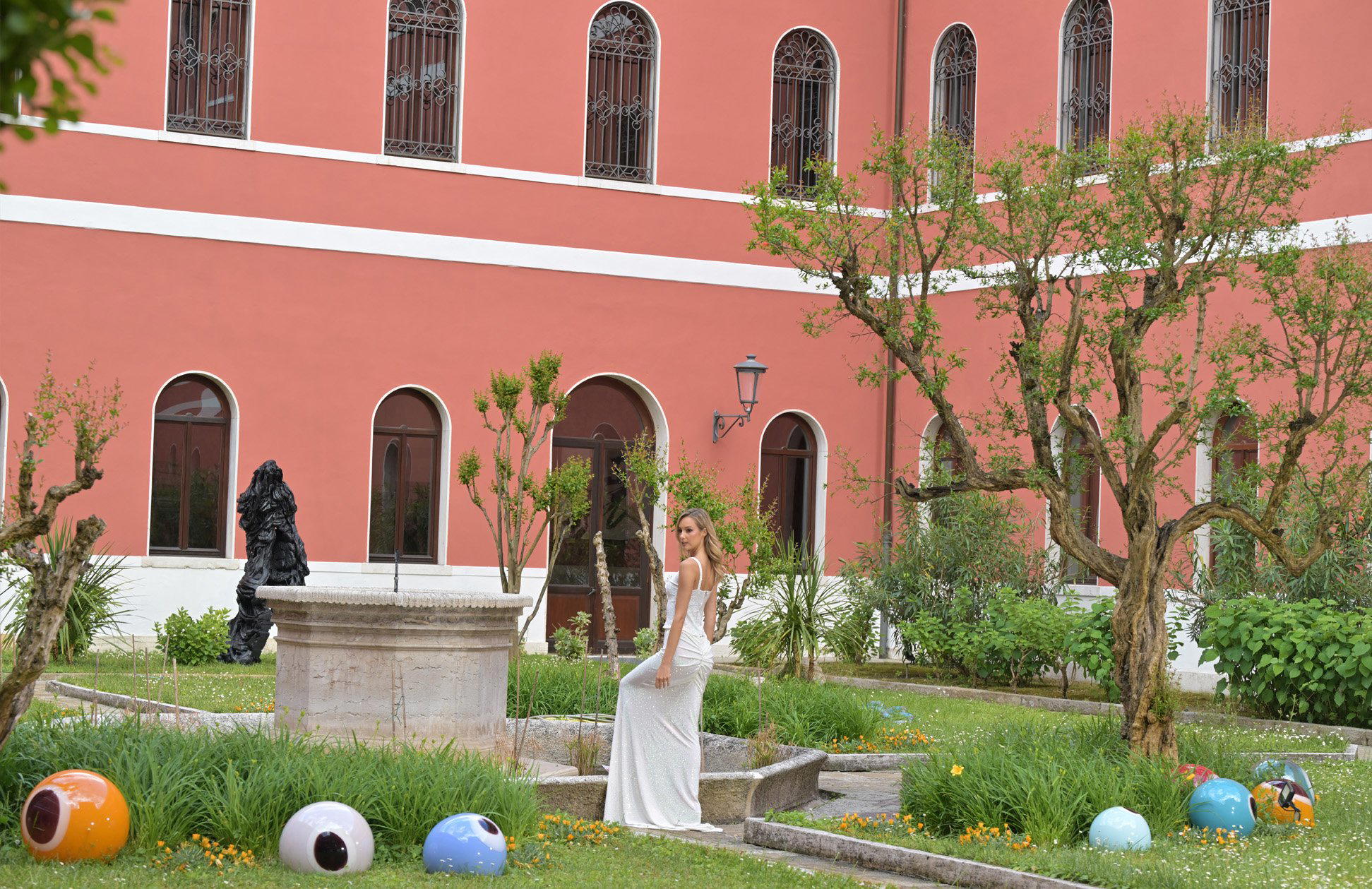
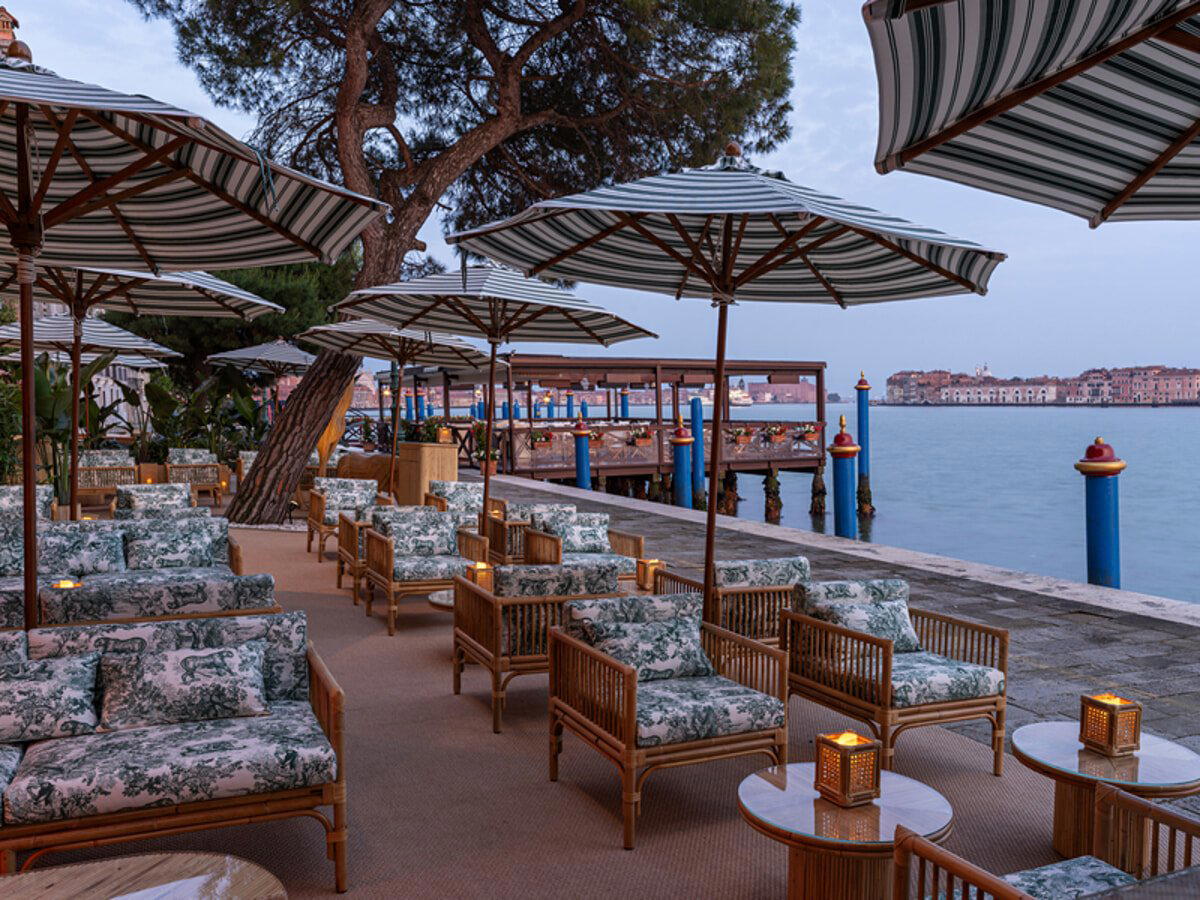
Hotels in Porto Viro
Browse all →

At a Glance
- Cozy
- Classic
- Rustic
- Casual Hangout
- Group Dining
- Standalone
Current opening hours
- Monday
- Closed
- Tuesday
- 12–3 PM
- Wednesday
- 12–3 PM
- Thursday
- 12–3 PM
- Friday
- 12–3 PM
- Saturday
- 12–3 PM, 8–10 PM
- Sunday
- 12–3 PM
Hours can change for holidays and private events. Last verified .
Simple but cosy ambience with warm, traditional Italian atmosphere and well-prepared dishes full of flavour.