Osteria Il Granaio

Michelin Plate
Our verdict
A Michelin Plate-recognised osteria occupying a 17th-century palazzo in Rapolano Terme's historic centre, Il Granaio serves the kind of Tuscan cooking that earns its credibility through place rather than ambition. Brick-arched dining rooms frame a menu anchored in pici pasta and regional beef, at mid-range prices that sit well below the Sienese competition. For visitors exploring the Val di Chiana thermal corridor, it is the most grounded dining option in town.

Pearl is the En Primeur Club membership app, where members save venues, book tables and use the concierge.
The menu
What to order
- Pici with Chianina sauce
- Tagliatelle with porcini mushrooms
- Peposo duck
- Pork loin of cinta
- Handmade ravioli
- Maltagliati
Stone Vaults and Sienese Soil: Dining at Osteria Il Granaio
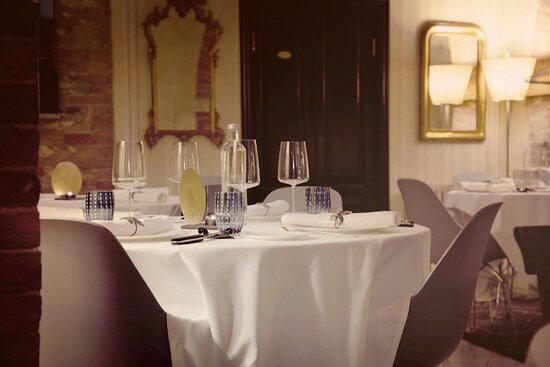
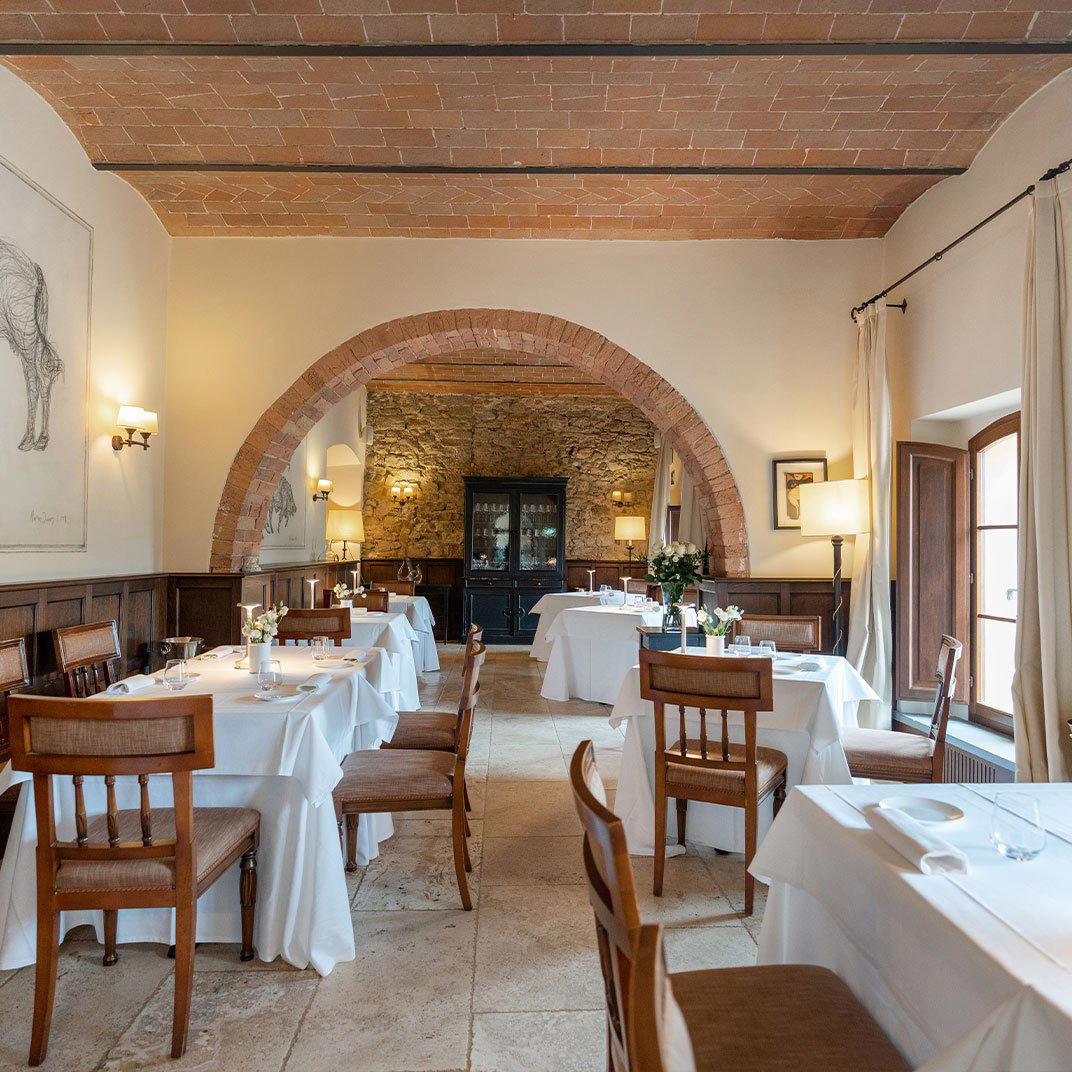
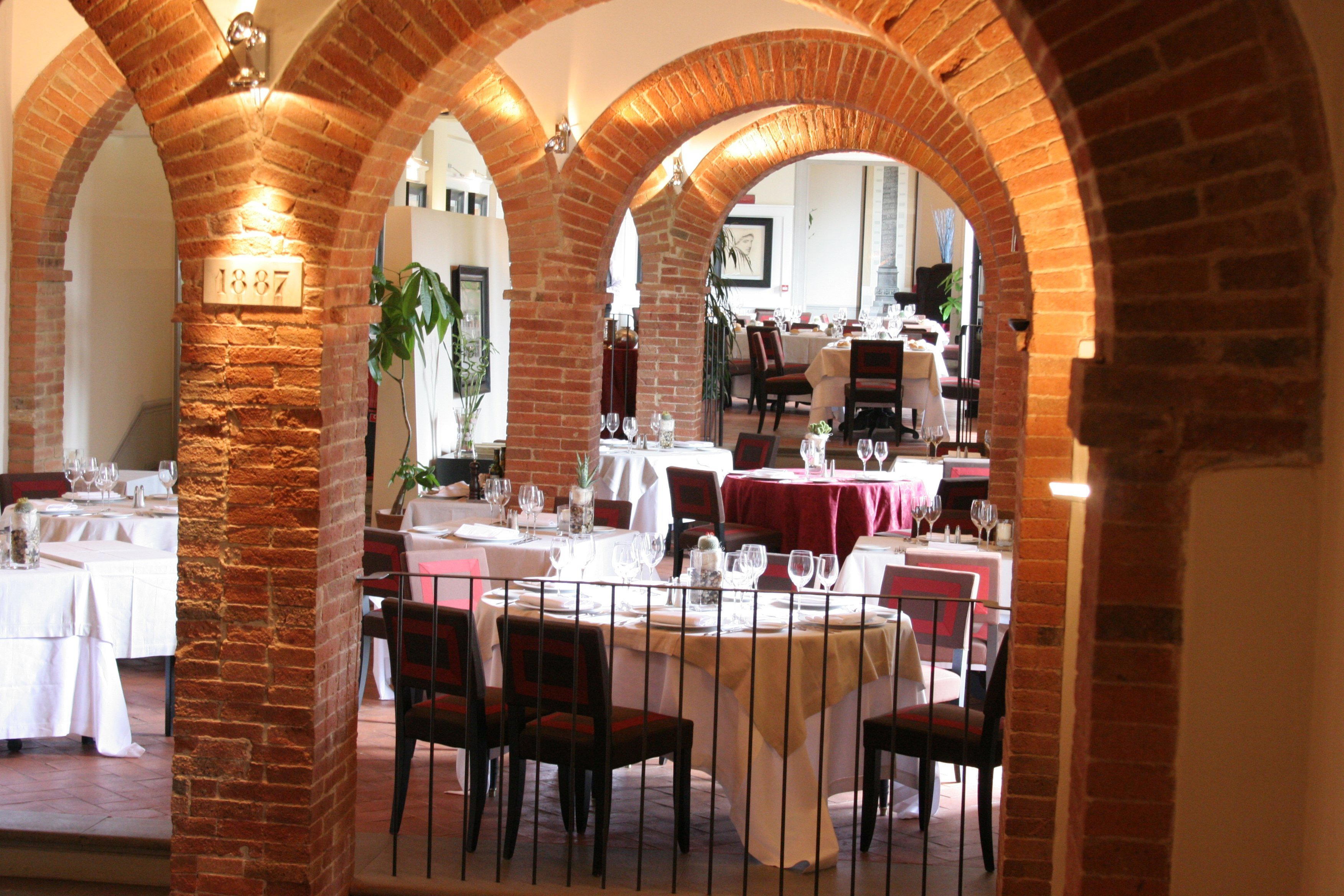
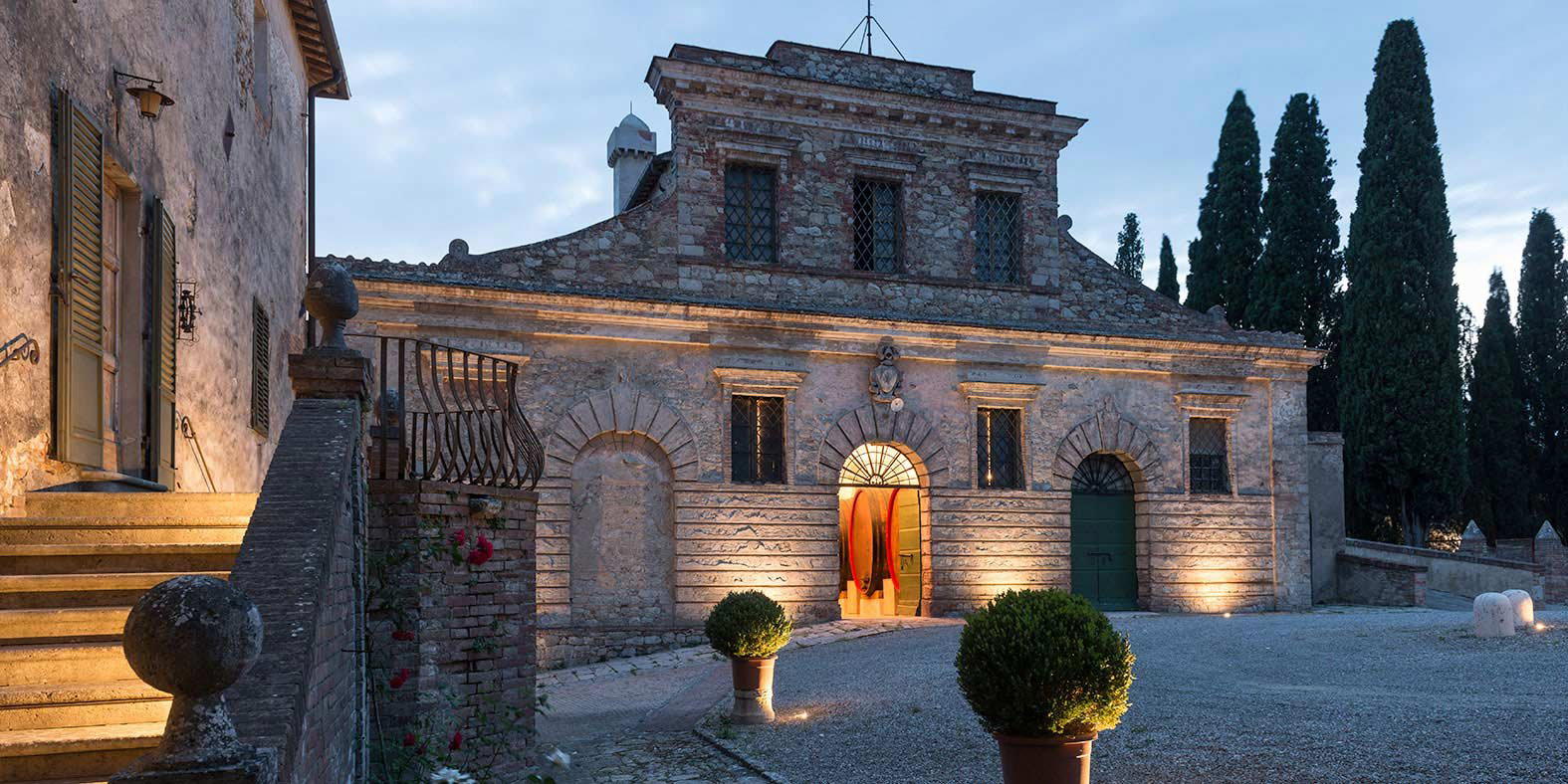
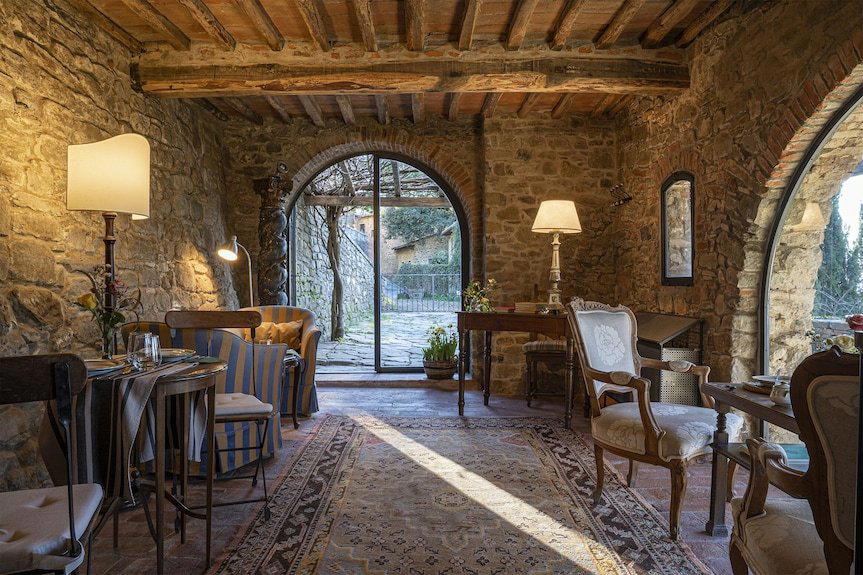
Walk through Rapolano Terme's historic centre and the architecture does most of the orienting for you. The pale travertine of the buildings, this small Sienese hill town sits on one of Italy's most productive travertine quarries, gives the streets a mineral quietness that carries indoors at Osteria Il Granaio. The restaurant occupies a 17th-century palazzo on Via dei Monaci, and its brick-arched dining rooms announce immediately what kind of meal is coming: not experimental, not destination-led, but rooted in the specific traditions of the Crete Senesi and the Val di Chiana. The arches are original. The ingredients, in the leading tradition of Tuscan cucina povera, come from the land immediately around them.
Where the Food Comes From, and Why That Matters Here
Tuscany has two distinct culinary registers. The first belongs to the urban and tourist-facing dining rooms of Florence, Siena, and their immediate surrounds, places where the Bistecca alla Fiorentina or the wild boar ragù arrives with a considered wine list and a price point calibrated for international visitors. The second register is quieter and harder to find: the village osteria that sources from the same farms its grandparents used, where the pici is hand-rolled and the beef arrives from Chianina cattle grazed a few kilometres away in the broad valley floor below.
Il Granaio operates in that second register. The menu draws on Tuscan specialities whose credibility depends almost entirely on provenance: pici pasta served with various sauces, a peppery Tuscan beef stew that reflects the Val di Chiana's long tradition of working-cattle agriculture, and a selection of fish dishes that represents a slightly less typical element in an otherwise deeply landlocked culinary tradition. The fish option is worth noting, inland Tuscany rarely prioritises it, so its presence here suggests a kitchen confident enough to range beyond the strictly regional without abandoning the register.
In broader Italian culinary terms, this kind of sourcing-first approach sits at the opposite end of the spectrum from the creative Italian restaurants that dominate the country's leading awards tables. Places like Osteria Francescana in Modena or Reale in Castel di Sangro build their identity around transformation and technique. Il Granaio's identity is built around fidelity to place, a fundamentally different proposition, and one that the Michelin Guide's Plate designation recognises as worthy of attention even without the elaboration that drives its star criteria.
The Michelin Plate in Context
The Michelin Plate, awarded in both 2024 and 2025, signals that inspectors found the cooking here good enough to merit tracking. It sits below the star tier, where you find Italy's major restaurant names, from Enoteca Pinchiorri in Florence to Dal Pescatore in Runate and the creative programmes of Enrico Bartolini in Milan, but it is not a consolation recognition. For a single osteria in a town of fewer than 5,000 people, consecutive Plate listings indicate consistent quality rather than a one-season anomaly.
The designation also matters for how it positions Il Granaio within the local dining tier. Rapolano Terme is primarily known for its thermal baths rather than its restaurants, which means the bar for dining options in town is not set particularly high. A Michelin-noted kitchen here carries more relative weight than the same recognition would in a city with deeper competition. Visitors arriving for the terme who want a serious meal, rather than a perfunctory one, have a clear reference point.
For a fuller picture of what the town offers beyond this one address, see our full Rapolano Terme restaurants guide, as well as guides to bars, hotels, wineries, and experiences in the area.
Classic Cuisine in a European Frame
Il Granaio's cuisine classification, Classic Cuisine, places it in a broader European category that prioritises tradition and technique over innovation. Across the continent, this approach defines some of the most enduring dining rooms: Maison Rostang in Paris and KOMU in Munich operate in recognisably similar territory, where the craft lies in executing established forms with precision rather than redefining them. In the Sienese countryside, that classical framework translates directly into the pici traditions and slow-cooked meat dishes that have characterised the region's cooking for generations.
The contrast with the creative end of Italian fine dining is useful to understand, not to diminish. The kitchens at Piazza Duomo in Alba, Le Calandre in Rubano, or Atelier Moessmer Norbert Niederkofler in Brunico are making a fundamentally different argument about what Italian cooking can be. Il Granaio is making a different but equally valid argument: that the ingredients of the Crete Senesi, cooked with respect for how they have always been cooked, require no reinvention. For certain meals and certain moods, that argument is the more persuasive one.
Planning a Visit
Il Granaio is priced at the €€ tier, a mid-range positioning that reflects both the regional context and the accessible nature of the menu. In practical terms, this means a full meal including wine should remain well within reach for most visitors, particularly those travelling from higher-cost Florentine or Sienese dining rooms. The address, Via dei Monaci, snc, in the historic centre of Rapolano Terme, places it within walking distance of the town's thermal facilities, making it a logical dinner option for guests based at one of the local terme resorts. Comparable Italian addresses with strong regional anchoring but higher price points include Uliassi in Senigallia and Quattro Passi in Marina del Cantone, for those building a longer Italian itinerary around serious regional cooking. For Tuscany specifically, Casa Perbellini 12 Apostoli in Verona offers a useful counterpoint in the Classic Cuisine category at a higher price tier.
Frequently asked questions
Can I bring kids to Osteria Il Granaio?
The €€ pricing and menu of recognisable Tuscan staples, pici pasta, beef stew, fish dishes, make Il Granaio accessible for families. The elegant brick-arched rooms of the 17th-century palazzo set a reasonably formal tone, so younger children who can sit through a full restaurant meal should be fine. Booking ahead is advisable for groups.
What is the atmosphere like at Osteria Il Granaio?
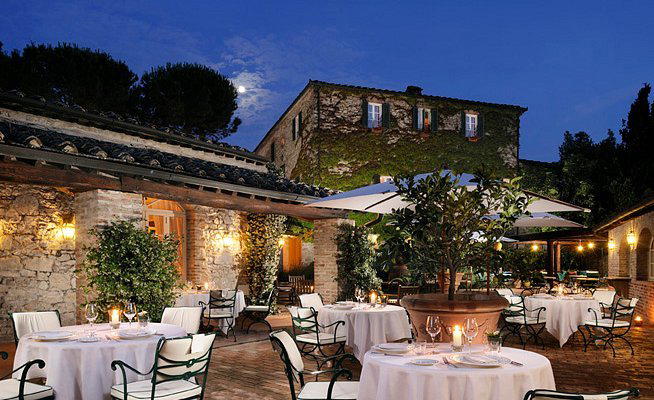
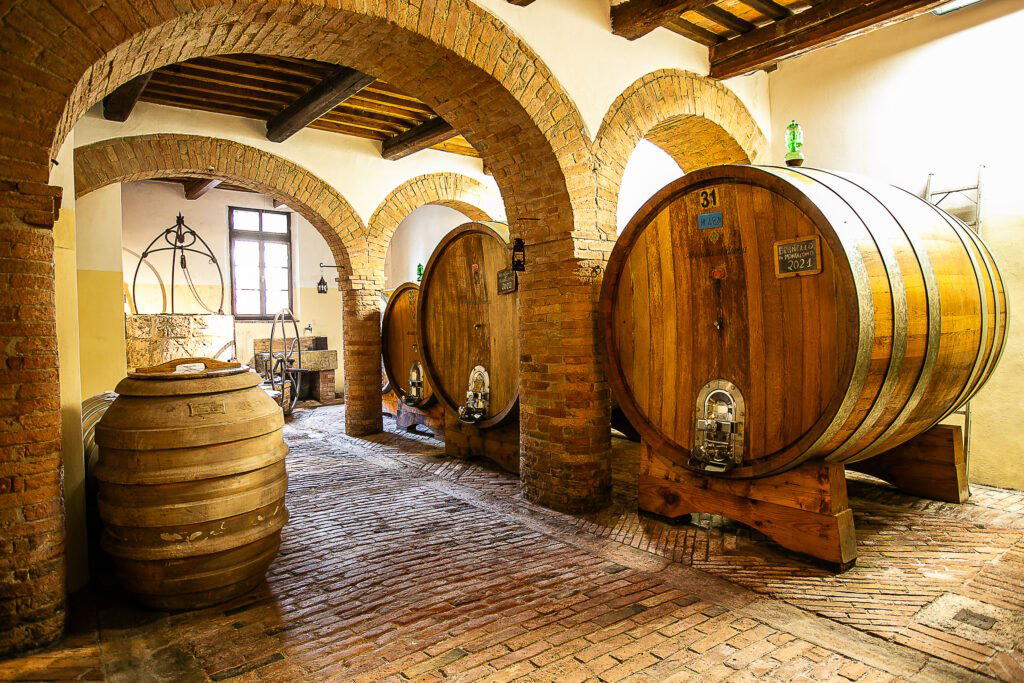
Dining here takes place inside the vaulted brick rooms of a 17th-century palazzo in Rapolano Terme's historic centre. Despite the name osteria, Michelin inspectors classify it as a proper restaurant, the setting reads accordingly: composed and unhurried rather than rustic or casual. The architecture does as much work as the food in framing the experience.
What's Osteria Il Granaio known for in terms of accolades?
Osteria Il Granaio has received recognition including: Although it calls itself an osteria, Il Granaio is really a restaurant. It has elegant brick - arched dining rooms occupying a 17C palazzo in the historic centre of Rapolano. On the menu you will find Tuscan specialities such as pici pasta ….
What's the best thing to order at Osteria Il Granaio?
Pici pasta is the anchor of any serious Sienese table, and the kitchen here offers it with multiple sauces, the place to start. The peppery Tuscan beef stew is the kind of dish this region does better than almost anywhere, slow-cooked and built on local cattle. The menu also lists fish dishes, which is less expected in an inland Sienese town and worth noting for non-meat eaters.
In Context: Similar Options
| Venue | Cuisine | Price | Awards | Notes |
|---|---|---|---|---|
| Osteria Il GranaioThis venue (the venue you are viewing) | Traditional Tuscan Trattoria | $50–100 | Michelin Plate | Not listed |
| Atelier Moessmer Norbert Niederkofler | Modern Alpine Fine Dining | $300–500 | 3 Michelin Stars · World's 50 Best #38 | Italian, Creative |
| Dal Pescatore | Classic Italian Fine Dining | $200–300 | 3 Michelin Stars · World's 50 Best #38 | Italian, Italian Contemporary |
| Enoteca Pinchiorri | Contemporary Italian Fine Dining | $200–300 | 3 Michelin Stars · World's 50 Best #32 | Italian - French, Italian Contemporary |
| Enrico Bartolini | Modern Italian Fine Dining | $300–500 | 3 Michelin Stars · World's 50 Best #85 | Creative |
| Osteria Francescana | Avant-Garde Italian Contemporary | $300–500 | 3 Michelin Stars · World's 50 Best #1 | Progressive Italian, Creative |
Recognition history
Dated appearances from independent guides and award organizations, with the underlying list record or original source where available.
Michelin Plate
Michelin
Full recognition history (3 entries)
Michelin Plate
Michelin
Michelin Plate
Michelin
Continue exploring
More in Rapolano Terme
Restaurants in Rapolano Terme
All restaurants in Rapolano Terme →
Bars in Rapolano Terme
Browse all →
Osteria Il Granaio
The wine
- Wine program
- Deep wine list
- Extensive wine list
- Sommelier-led
Details
- Elegant
- Romantic
- Intimate
- Sophisticated
- Cozy
- Date Night
- Family
- Celebration
- Special Occasion
- Historic Building
- Open Kitchen
- Extensive Wine List
- Sommelier Led
- Farm To Table
- Local Sourcing
- Organic
- A La Carte
- Natural Wine
- Regional Wines
- Vegetarian Friendly
- Allergy Accommodating
Current opening hours
- Monday
- 12:45–2:30 PM, 7:30–9:30 PM
- Tuesday
- Closed
- Wednesday
- Closed
- Thursday
- 12:45–2:30 PM, 7:30–9:30 PM
- Friday
- 12:45–2:30 PM, 7:30–9:30 PM
- Saturday
- 12:45–2:30 PM, 7:30–9:30 PM
- Sunday
- 12:45–2:30 PM, 7:30–9:30 PM
Hours can change for holidays and private events. Hours as of .
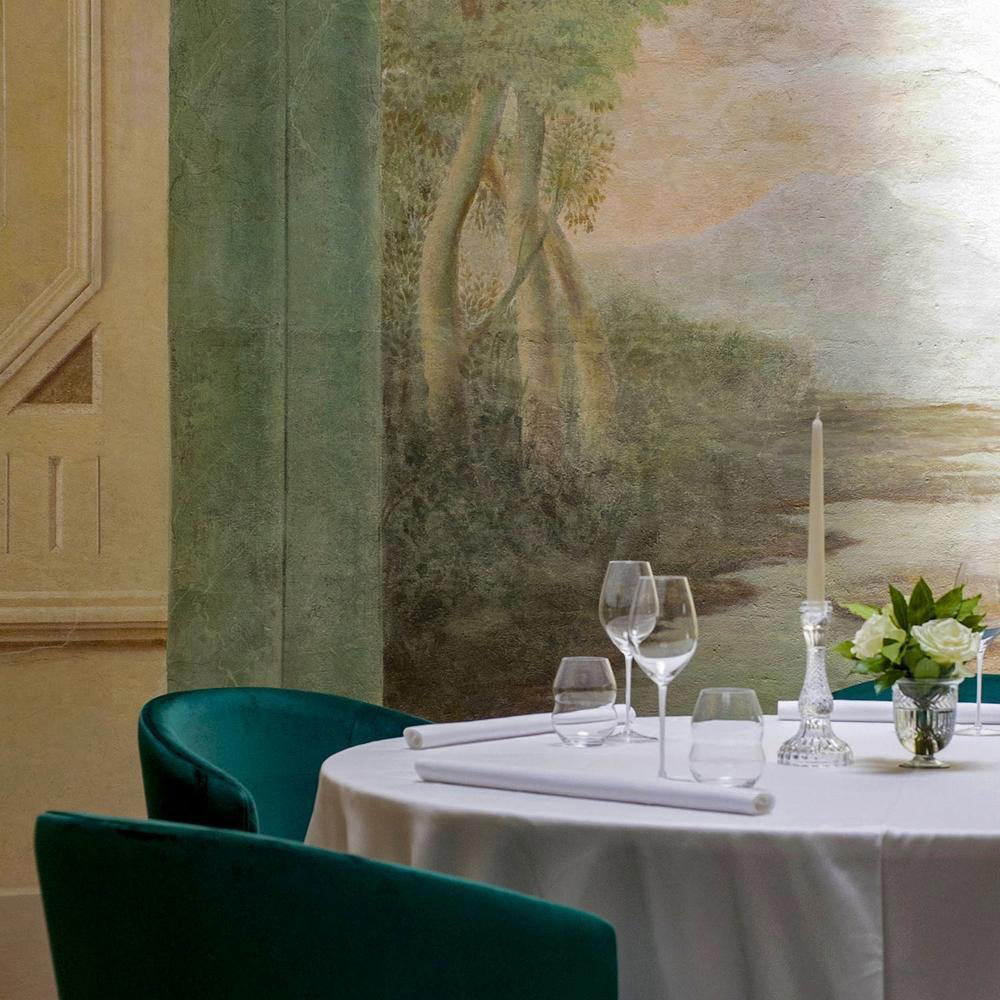
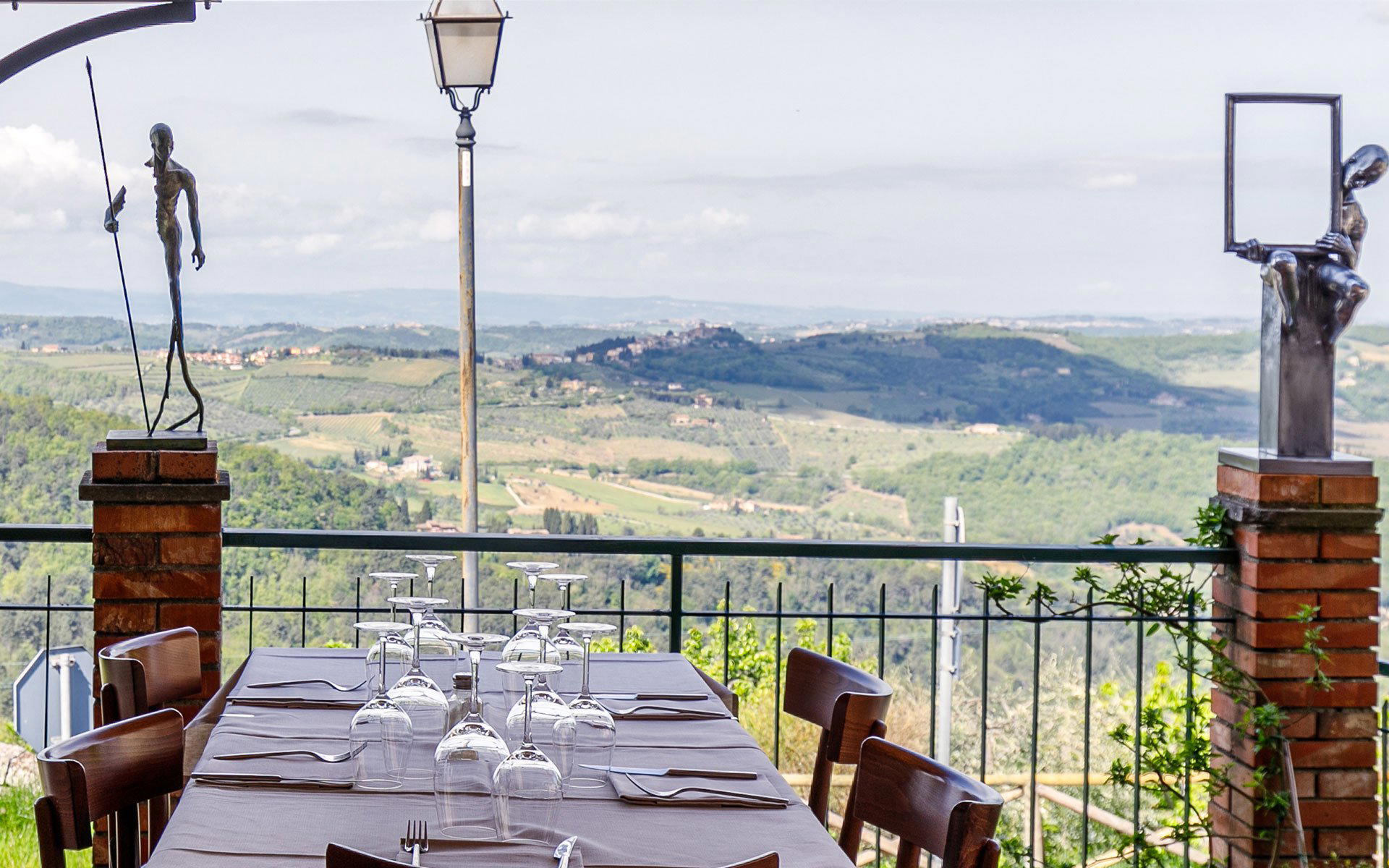
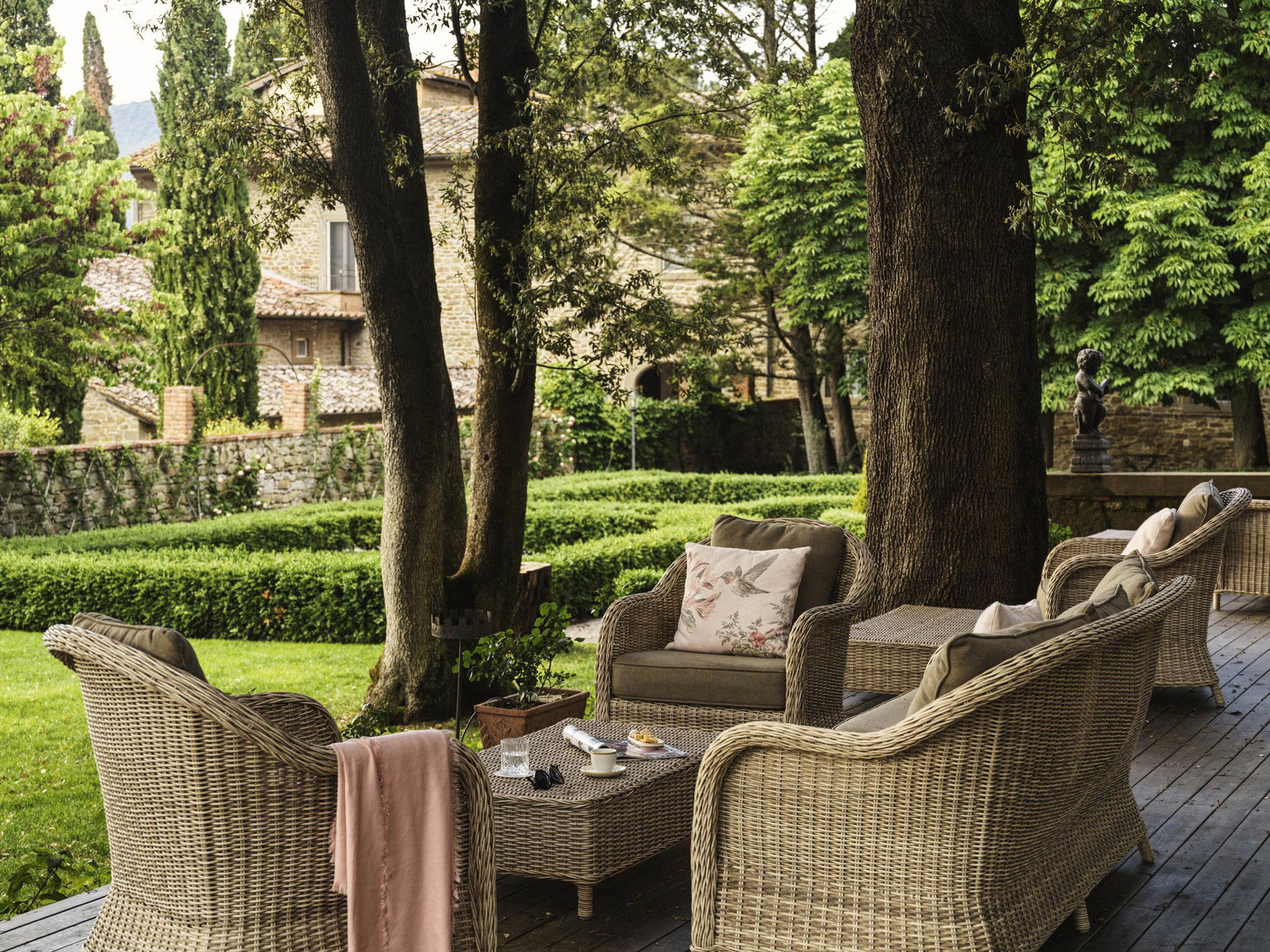
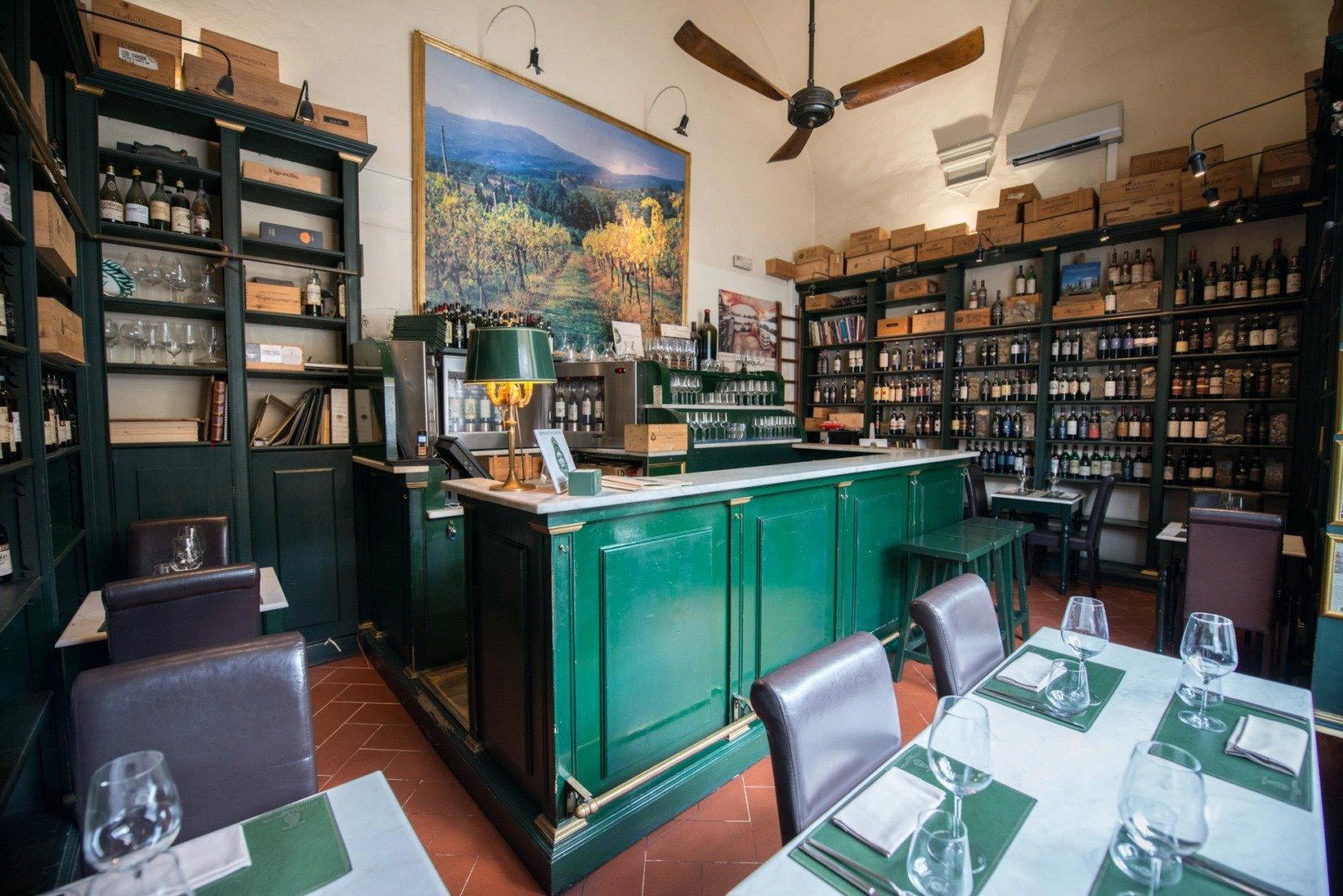
Elegant brick-arched dining rooms with refined, warm furnishings that create an intimate, home-like atmosphere; modern yet respectful of tradition with careful attention to detail and spacing between tables.