
A Michelin Plate-recognised trattoria in Santarcangelo di Romagna, Lazaroun represents the essential template of regional Romagnola hospitality: fresh pasta, cured meats, grilled meats, and a family-run floor that keeps the pace without ceremony. Beneath the dining room, tufa caves dating to around 400 AD add a layer of history that most occasion meals in the region cannot match.
Pearl is the En Primeur Club membership app — saves, bookings, and concierge access live there. Same editors, same standards.
- Address
- Via del Platano, 21, 47822 Santarcangelo di Romagna RN, Italy
- Phone
- +39 0541 624417
- Website
- lazaroun.it
- Directions
- Get directions
 Saves & bookings on Pearl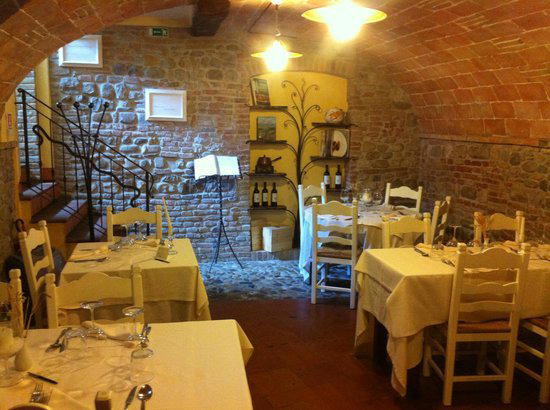
Where the Occasion Finds Its Setting
There is a particular kind of dinner that belongs not to the tasting-menu circuit but to the older tradition of the Italian family trattoria: the kind where a birthday or an anniversary is marked not by a procession of small courses but by a table set with serious pasta, serious meat, and a bottle chosen from a list that rewards the curious. In the hill towns of Romagna, that tradition runs deep, and Santarcangelo di Romagna, a compact medieval town above the Marecchia valley, remains one of the more intact expressions of it. Lazaroun, on Via del Platano, serves Traditional Romagna Cuisine in Santarcangelo di Romagna and has,867 reviews.
What makes Lazaroun specifically suited to a milestone meal is the physical fact of the building itself. The tufa caves running beneath the dining room were carved around 400 AD, later folded into the network of underground passages associated with the Malatesta family, the lords who governed much of Romagna through the fifteenth century and used the tunnels as escape routes. Those caves are now open to guests, and the effect of descending into them before or after a meal gives the evening a register that no amount of tableside theatre can manufacture. Occasion dining often relies on atmosphere to carry the weight of expectation; here, the atmosphere is geological and centuries old.
The Romagnola Table: What to Expect on the Plate
Romagna's cuisine is one of the more misunderstood in Italy, frequently collapsed into a generic notion of "Emilia-Romagna" that gives all the credit to Bologna and Parma. The Romagnola kitchen is a distinct tradition: hand-rolled pasta in formats, passatelli, strozzapreti, tagliatelle, that differ from the egg-rich standards across the Via Emilia, and a cured-meat culture that runs on local production rather than the export-driven prosciutto and mortadella of the western province. At Lazaroun, the Michelin notes confirm a menu structured around these coordinates: fresh pasta, hams and salamis, meat mains, and grilled dishes. This is not a kitchen chasing novelty; it is a kitchen executing a regional repertoire with the kind of discipline that earns successive Plate recognition.
For a group marking a specific occasion, that structure is an advantage. A table can move from a spread of local charcuterie through a shared pasta course and into grilled or roasted meat without the awkward recalibration that multi-course tasting menus sometimes impose on diners who are there primarily to celebrate each other rather than the food. The €€ price positioning keeps the evening within reach for a larger party, distinguishing Lazaroun sharply from the €€€€-tier rooms, La Pergola, Enoteca La Torre, where per-head spend changes the calculus of celebration entirely.
For those exploring the wider Romagna restaurant scene at a similar tier, Dei Cantoni in Longiano and Il Chiosco di Bacco in Torriana offer regional comparison points in towns of comparable character. The pattern across these addresses is consistent: family operation, Michelin recognition at the Plate level, and a menu built on the same Romagnola framework of pasta and grilled meat rather than the creative-contemporary format that defines recognized addresses such as Acquolina or Enrico Bartolini in Milan.
Family Operation as a Structural Asset
Michelin's own description of Lazaroun calls it "the prototype of a typical Romagna restaurant, run by an efficient and friendly family team." That framing is not faint praise dressed as neutrality. In Italian restaurant culture, the family-run floor is a specific service model: continuity of staff over years, a personal familiarity with the regulars, and a capacity to read a table, whether it needs to move quickly, wants to linger, or is there for a significant reason, that rotational service staff rarely replicate. For a milestone dinner, that attentiveness matters more than it does on an ordinary Tuesday.
The parallel in Italian fine dining is worth noting. Some of the country's most enduring addresses, including Dal Pescatore in Runate, have sustained multi-generational family ownership as a deliberate identity marker rather than an operational default. Lazaroun operates in a different tier, but the underlying logic is the same: a family room reads differently from a professionally managed corporate one, and in Romagna, that reading is part of what the evening is supposed to feel like.
Santarcangelo as a Destination
The town itself merits mention for anyone organizing a trip around the dinner. Santarcangelo di Romagna sits on a ridge above the flatlands approaching Rimini, about ten kilometres inland from the Adriatic coast. The medieval centre is compact enough to cover on foot, and the tufa cave network extends beyond the restaurant into a broader civic heritage that includes guided tours. For a birthday trip or an anniversary long weekend, the combination of a walkable historic town, the Adriatic within reach, and a dinner at a Michelin-recognized address at the €€ tier represents a value proposition that the more obvious Emilia-Romagna cities, Bologna, Modena, cannot quite match at comparable spend levels.
Those looking at a wider Adriatic and Romagna itinerary should note Ristorante del Lago and Osteria La Sangiovesa as further regional reference points. For a longer Italian trip that moves between tiers, Quattro Passi in Marina del Cantone and Atelier Moessmer Norbert Niederkofler in Brunico anchor the higher end.
Know Before You Go
- Address: Via del Platano, 21, 47822 Santarcangelo di Romagna RN, Italy
- Price range: €€ (mid-range; accessible for groups)
- Recognition: Michelin Plate 2024 and 2025 5 from 1,867 reviews
- Cave access: The tufa caves dating to c.400 AD are open to the public, confirm access with the restaurant at the time of booking
- Booking: Reservations are recommended
Quick Comparison
Comparable venues nearby, for context on price, style, and recognition.
| Venue | Cuisine | Price | Awards | Notes |
|---|---|---|---|---|
| LazarounThis venue — the venue you are viewing | Traditional Romagna Cuisine | $$$ | Michelin Plate | Not listed |
| Osteria La Sangiovesa | Traditional Romagna Osteria | $$ | Michelin Plate | Santarcangelo di Romagna |
| Paolo Teverini | Classic Italian Fine Dining | $$$ | Michelin Plate | Bagno di Romagna |
| Ca' Apollonio Gourmet | Modern Creative Italian | $$$$ | Michelin Plate | Romano d'Ezzelino |
| Sibilla | Classic Lazio Cuisine with Grilled Specialties | $$$ | Michelin Plate | Tivoli |
| Antico Ristorante Pagnanelli | Traditional Italian Lakeview Fine Dining | $$$ | Michelin Plate | Castel Gandolfo |
Recognition history
Dated appearances from independent guides and award organizations, with the underlying list record or original source where available.
Michelin Plate
Michelin
Michelin Plate
Michelin
Michelin Plate
Michelin

At a Glance
- Classic
- Historic
- Cozy
- Elegant
- Date Night
- Family
- Celebration
- Historic Building
Current opening hours
- Monday
- 12:30–2:15 PM, 7–10:15 PM
- Tuesday
- 12:30–2:15 PM, 7–10:15 PM
- Wednesday
- 12:30–2:15 PM, 7–10:15 PM
- Thursday
- Closed
- Friday
- 12:30–2:15 PM, 7–10:15 PM
- Saturday
- 12:30–2:30 PM, 7–10:30 PM
- Sunday
- 12:30–2:30 PM, 7–10:15 PM
Hours can change for holidays and private events. Last verified .
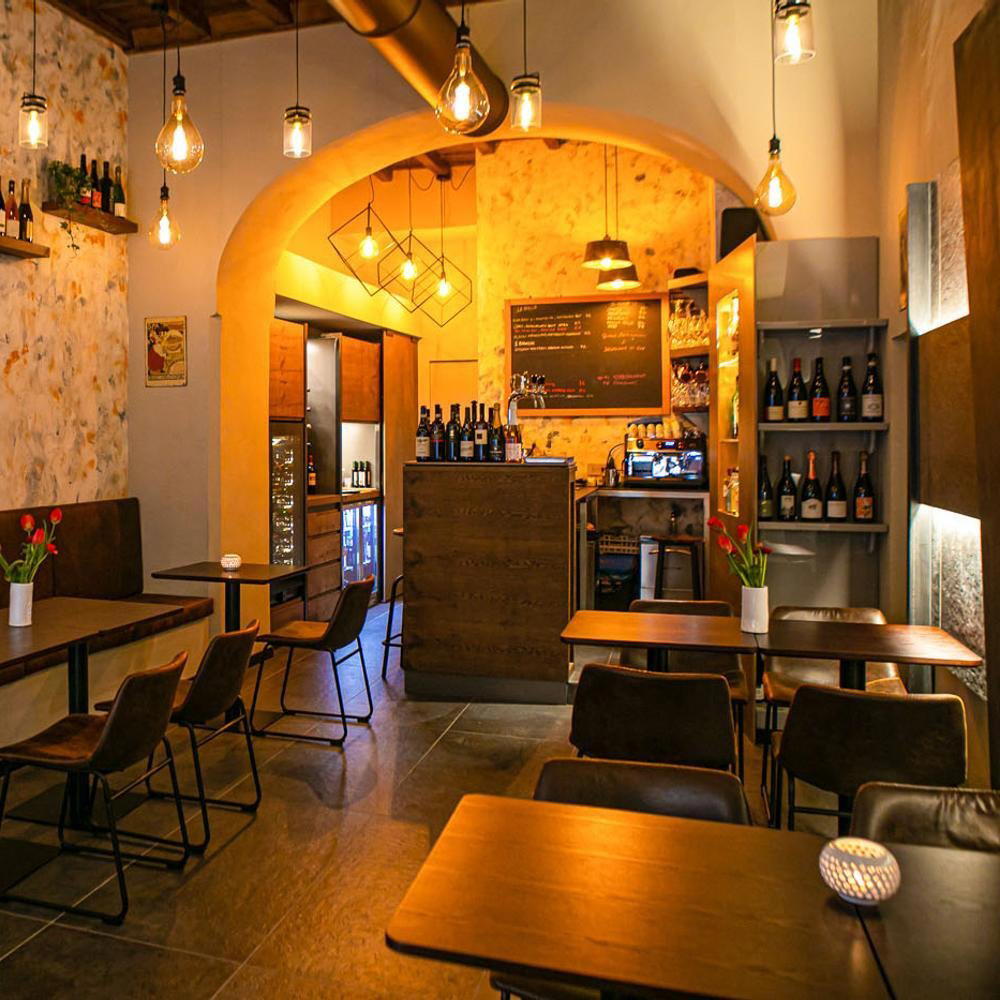
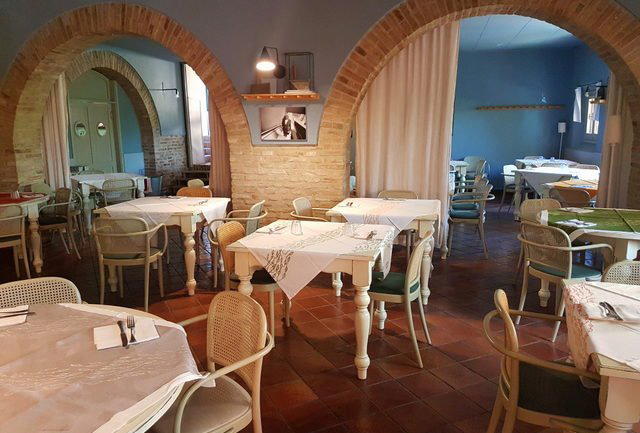
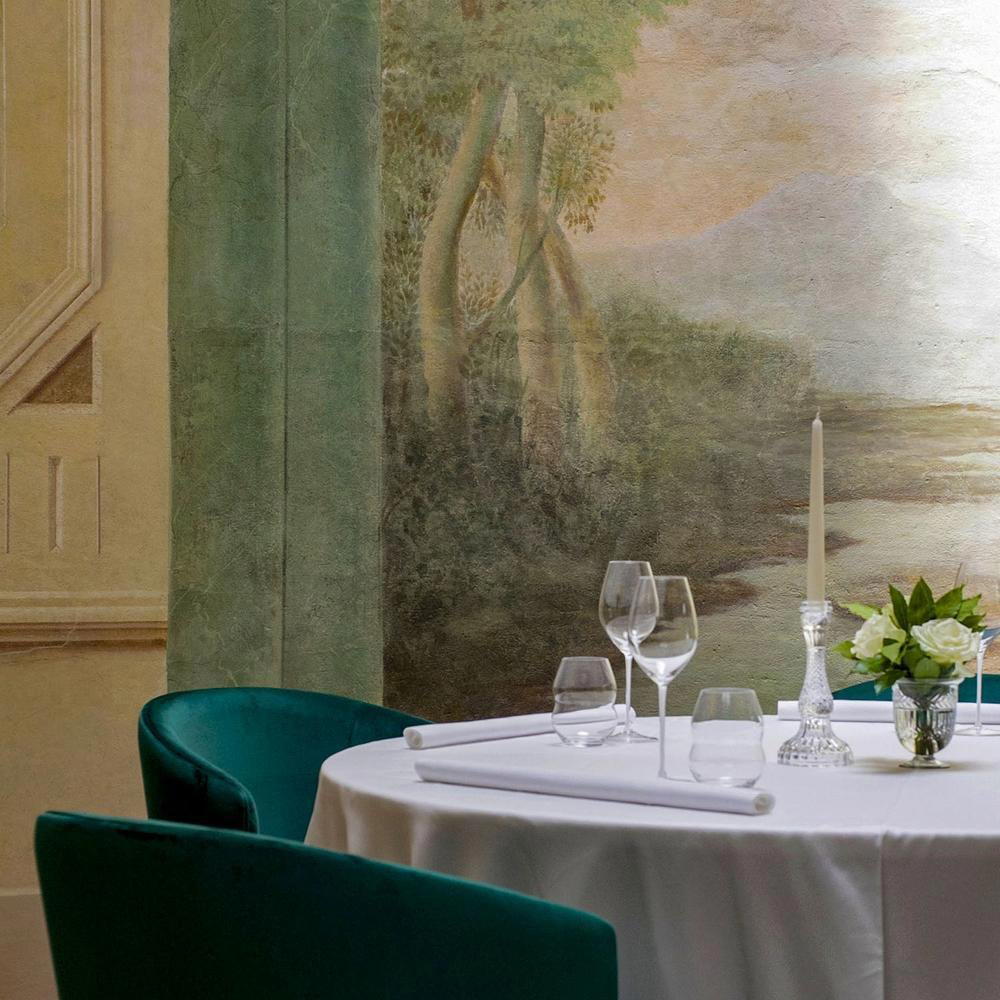
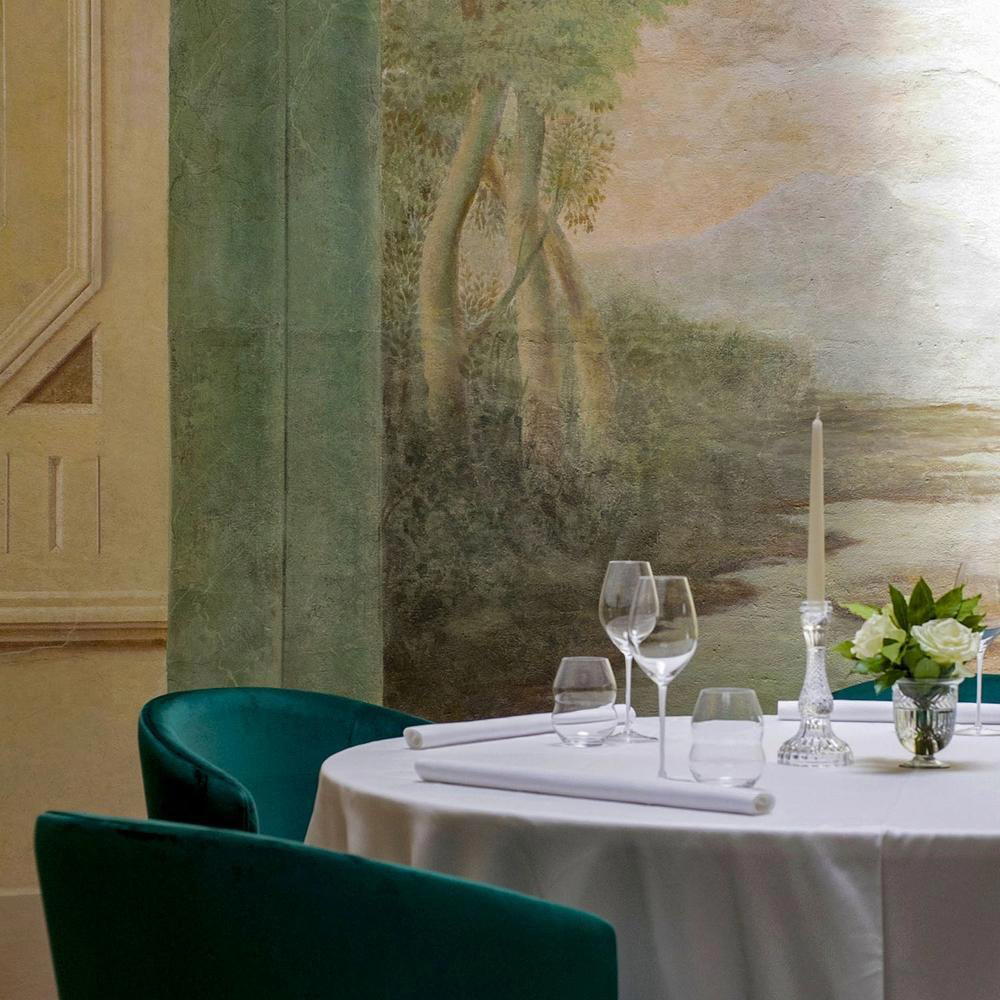
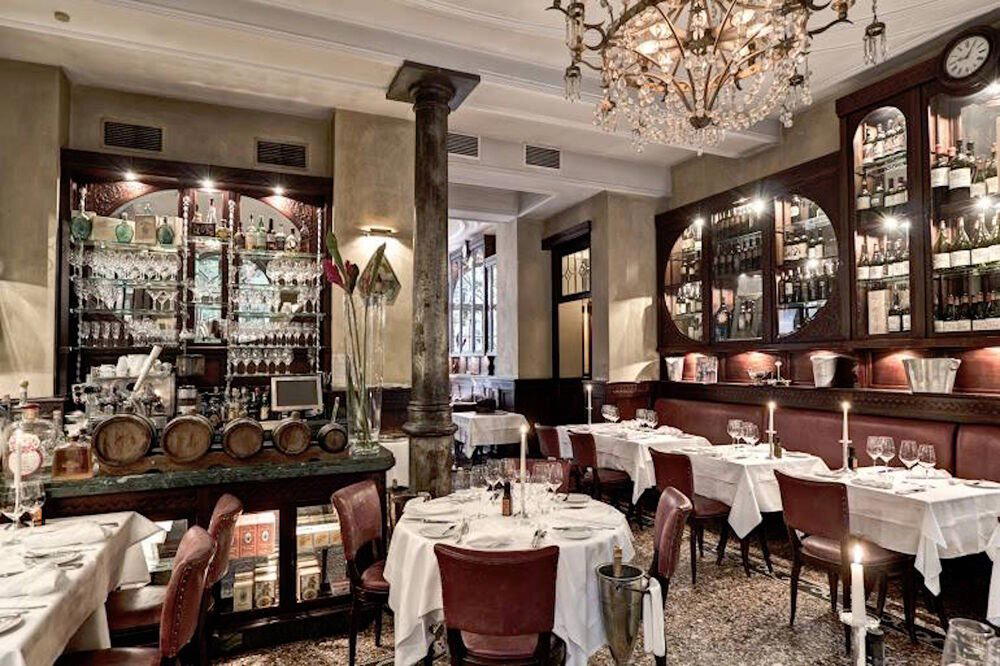
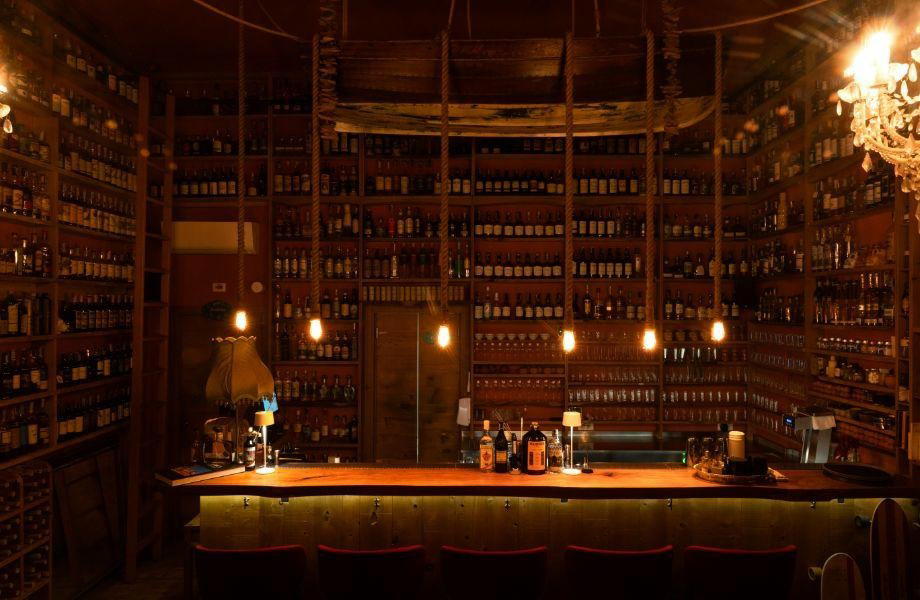
Classic setting with evocative historic caves, quiet and romantic atmosphere recreated with stone elements and subtle lighting.